
30-07-2026 (Important News Clippings)
To Download Click Here.
 Date: 30-07-26
Lindsey’s Will
Despite Senate’s approval, Russia sanctions bill may not sail through. But India should be prepared
TOI Editorials

US Senate has cleared the Russia sanctions bill, championed by late senator Lindsey Graham. India ought to keep a close eye on this legislation. The bill grants the Trump administration the authority to slap 100% tariff on the Top 5 Russian energy importers. Given current energy purchasing trends, this would include India, China and Türkiye. True, the bill would now have to be voted on by the House of Representatives, and that will only happen in Sept after Congress comes back from recess. And even if the Senate saw bipartisan support – voting 86-12 – there’s no guarantee of smooth sailing in the House.
First, already some Democrats are flagging the bill for being a Trojan horse that gives Trump powers to levy wide-ranging tariffs through the backdoor, going back to the situation we saw last year. US Supreme Court struck down Trump’s tariffs earlier this year. But the bill, if it passes, will give Trump Congressional approval for tariffs he would simply love. Plus, with discretions written into the bill, there’s no telling how Trump will use his tariff-levying powers. Note, the latest version of the bill also covers sanctions on Iran. Put together, we are looking at a catch-all legislation.
But if – and it’s a big if – the legislation goes through, countries like India will again be looking at substantial Russian energy-linked tariffs. And with the global energy situation still unpredictable, given the situation in West Asia, the bill could create a difficult situation for import-dependent countries. Of course, high energy prices will also hurt Americans, and that’s the potential check on huge tariffs. But in any case, India would do well to be prepared, and continue diversifying its energy imports. Indian imports of Russian crude surged to a record high in June. But imports of Venezuelan crude are also increasing. A smart, flexible mix to reflect supplies and geopolitical conditions is in order.
Date: 30-07-26
Two Nations Of The Exam
The ideas of India and China converge on public examinations, because these promise a fair shot in deeply unequal societies. But while asking for just exams is radical politics in democratic India, authoritarian CCP sees getting exams right as key to its basic political bargain.
Pallavi Aiyar, [ Aiyar is the author of ‘Smoke and Mirrors: An Experience of China’]
In large, populous and stratified countries, a viable social contract needs some way of promising equality of opportunity. India and China have converged on the same instrument: the competitive public exam. For all the anxiety, exhaustion, and tragedy these examinations produce, for hundreds of millions of families they remain the one guaranteed shot at a better life.
The two countries might be separated by the Himalayas but are united by an organising principle of family life: it is a parent’s duty to engineer the conditions under which a child can sit an exam, and a child’s duty to sit it. We are both nations of the Exam.
This year, exam season was a study in contrast.
In India, the leaked NEET paper voided the results of 2.27mn students and forced are-sit. In the 46 days between cancellation and re-examination, at least 13 aspirants took their own lives. The youth-led movement that followed has dented this govt’s hitherto invincible image.
I was watching from a few thousand kilometres north, in Beijing, where China was in the middle of its own exam season – the gaokao taken by aspiring university students is held every June and is the largest standardised test on earth. This year 13.35mn students took it.
This exam is designed centrally by China’s education ministry and administered by its provinces. Every year, the entire country briefly reorganises itself around one task: making sure millions of school leavers answer the same questions under the same conditions, at the same moment.
Exam papers travel and are stored like state secrets: GPS-tracked vehicles, police escort. Teachers who develop the exam questions are reportedly confined for about a month, in secure facilities. The papers are often printed by high-security units, where waste disposal and drainage systems are closely monitored to prevent leaks.
Exam halls run facial recognition, signal jammers, and blanket bans on phones and smartwatches. Since last year, China’s major AI firms have voluntarily throttled their own products during the exam window, disabling image recognition and real-time questionanswering. Regulators, meanwhile, trawl social media for rumours of leaks and ads for cheating services.
My own, usually bustling, neighbourhood in central Beijing was hushed for the week of the gaokao . Construction paused. Car horns were discouraged. Traffic was rerouted to help exam takers arrive on time. Police ran shuttle services for stragglers. Volunteers lined the roads with free rides, water, snacks.
The machinery can seem almost absurdly elaborate, until one understands what is actually being protected. The gaokao is more than an exam. It is the Chinese state’s most visible demonstration that career advancement is governed by meritocratic rules, rather than by family background or political connections. In a country where inequality is immense, the exam is one of the few institutions that must be seen to be fair.
This is why Chinese Communist Party devotes such extraordinary attention to getting it right. Unlike in India, the party cannot renew its mandate through elections. Instead, it renews this through demonstrations of competence. An orderly gaokao is one such demonstration.
Every candidate who believes the rules are fairly enforced is, in a small way, a citizen who is persuaded that the state is delivering its side of China’s grand political bargain: we will govern effectively, you need not concern yourself with politics.
Few things threaten this bargain more than the suspicion that the country’s principal engine of social mobility has been rigged. The party has never forgotten that China’s last great political crisis began with students. The protests of 1989 were not about the gaokao , but they remain a haunting reminder that when young people lose faith in a system, their grievances can quickly snowball, with dangerous consequences for those in power.
In India, the public exam system is in some ways even more fundamental than in China. CCP inherited, and then transformed, a society riven with hierarchies. The revolution provided a powerful levelling ideology: at least in principle, citizens entered the new state as equals. India inherited democracy without a comparable social revolution. Caste, religion, region, and community remained load-bearing structures of social life. As a result, public exams carry an even greater equalising burden than in China.
India’s is a democracy of process more than delivery. Elections are held on schedule, results are respected, and govts change hands peacefully. The machinery works. But process is not the same as accountability.
For much of the country’s history, politics has been conducted less through demands for universal public goods, than through claims made on behalf of sectarian communities – caste calculations, religious appeals, and regional bargains. Citizens usually approach the state as members of a specific group, rather than simply as citizens entitled to equal treatment.
That is what makes this summer’s student protests so striking. Theirs have not been demands for a larger share of state resources, greater representation for a particular group, or a new entitlement. They’ve been demands that one institution, the exam system, function according to a universal rule: that every candidate, regardless of background, faces the same test under the same conditions.
It is a seemingly straightforward ask, but in India it carries unusual political weight. The demand for a fair exam is about much more than an exam. It is an insistence that the state treat citizens equally – and, in India, that is radical politics.

जिनके शब्दों का प्रभाव अधिक, उन्हें ज्यादा सतर्क रहना चाहिए
अर्घ्य सेनगुप्ता और स्वप्निल त्रिपाठी, ( अर्घ्य सेनगुप्ता और स्वप्निल त्रिपाठी विधि सेंटर फॉर लीगल पॉलिसी में पदाधिकारी )
आज जब सीजेपी नई पीढ़ी की राजनीतिक आवाज बनकर उभरी है, तब यह याद करना आवश्यक है कि इसकी शुरुआत आखिर हुई कहां से। किसी चुनावी घोषणा-पत्र से नहीं, किसी रैली से नहीं, बल्कि सुप्रीम कोर्ट की एक सुनवाई के दौरान सीजेआई की एक टिप्पणी से।
15 मई को दिल्ली हाई कोर्ट में वरिष्ठ अधिवक्ताओं के चयन से जुड़े मामले की सुनवाई के दौरान मुख्य न्यायाधीश ने कुछ लोगों को कॉकरोच और परजीवी बताते हुए कहा था कि वे मीडिया, सोशल मीडिया और आरटीआई एक्टिविस्ट बनकर व्यवस्था पर हमला करते हैं।
बाद में मुख्य न्यायाधीश ने स्पष्ट किया कि उनकी टिप्पणी केवल उन लोगों के लिए थी, जो फर्जी डिग्रियों के आधार पर वकालत में प्रवेश करते हैं। उनका स्पष्टीकरण ईमानदार था, लेकिन तब तक वह टिप्पणी पूरे देश में फैल चुकी थी।
समस्या केवल गलत समझे जाने की नहीं होती, बल्कि कभी-कभी ऐसी बात कह देने की भी होती है जिसे कहने की कोई आवश्यकता नहीं थी। इस पूरे घटनाक्रम का सबसे बड़ा सबक यही है। न्यायाधीशों को संयमित भाषा में बोलने का प्रशिक्षण दिया जाता है।
संतुलित और मितभाषी होना न्यायिक पद का आभूषण नहीं, बल्कि उसकी मूल पहचान है। फर्जी डिग्रियों से जुड़े एक मामले की सुनवाई कर रहे न्यायाधीश के सामने एक सीमित और तकनीकी प्रश्न था। वहां कीट-पतंगों की उपमा देने की आवश्यकता नहीं थी। परंतु भारतीय अदालतों में मौखिक टिप्पणियां न्यायिक संस्कृति का हिस्सा बन चुकी हैं।
कई लोग इन्हें अदालत की सामान्य बातचीत मानते हैं। कभी जज किसी तर्क की परीक्षा लेते हैं, कभी वकीलों को परखते हैं, तो कभी अपना क्रोध या असहमति व्यक्त कर देते हैं। पहली नजर में यह सब सामान्य लगता है। लेकिन न्यायालय से निकला कोई भी शब्द सामान्य नहीं होता। उसका प्रभाव दूर तक जाता है।
हाल ही में वोडाफोन और समायोजित सकल राजस्व विवाद के दौरान कंपनी के शेयरों में बढ़त और गिरावट अदालत की टिप्पणियों के असर से दिखाई दी। पिछले वर्ष सितंबर में जब सरकार ने अदालत में कहा कि वह कंपनी की याचिका का विरोध नहीं कर रही है, तो लिखित आदेश आने से पहले ही कंपनी के शेयरों में तेज उछाल आ गया।
अदालत की मौखिक टिप्पणी निवेशकों के लिए संकेत बन गई। टिप्पणियां सकारात्मक परिणाम भी देती हैं। बुलडोजर के माध्यम से की गई अवैध ध्वस्तीकरण कार्रवाई से जुड़े मामलों की सुनवाई के दौरान अदालत ने कहा था कि केवल इस कारण किसी पिता का घर नहीं गिराया जा सकता कि उसका बेटा किसी अपराध में आरोपी है।
लिखित दिशानिर्देश आने से पहले ही कई राज्यों ने ऐसी कार्रवाइयों पर विराम लगा दिया था। एक टिप्पणी ने कार्यपालिका को उस संयम की ओर प्रेरित किया, जिसे बाद में न्यायालय ने औपचारिक रूप से भी स्वीकारा।
इसलिए प्रश्न यह नहीं है कि मौखिक टिप्पणियां अच्छी हैं या बुरी। प्रश्न इससे कहीं सरल, और कहीं अधिक कठिन है- शब्दों का महत्व होता है, और जिनके शब्दों का प्रभाव सबसे अधिक होता है, उन्हें उनका प्रयोग अधिक सावधानी से करना चाहिए।
ऐसे समय में सबसे आसान प्रतिक्रिया अकसर नियंत्रण की होती है- यह कि वीडियो क्लिप्स पर रोक लगा दी जाए। सुप्रीम कोर्ट ने हाल में कुछ सीमा तक यही किया है। परंतु यह अनुचित प्रतिक्रिया है। भारत में अदालतें हमेशा से जनता के लिए खुली रही हैं।
यह खुलापन किसी सरकार की कृपा नहीं, बल्कि हमारी संवैधानिक परंपरा है। टेक्नोलॉजी ने इस परंपरा का केवल विस्तार किया है। ऐसे समय में पारदर्शिता कम करना परिस्थितियों को समझने में विफलता है।
पिछले कुछ दिनों की घटनाओं ने दिखाया है कि कठोर प्रतिबंध किसी आंदोलन को दबाने के बजाय उसे और अधिक बल दे सकते हैं। इससे बेहतर होगा कि न्यायालय अभिव्यक्ति पर रोक लगाने के बजाय रिपोर्टिंग को अधिक व्यवस्थित बनाएं।
जो लोग अदालतों से रिपोर्टिंग करते हैं, उनके लिए अधिक सुदृढ़ मान्यता (अक्रेडिटेशन) व्यवस्था विकसित करने पर गंभीरता से विचार किया जा सकता है। अक्रेडिटेशन सेंसरशिप नहीं है। इसका उद्देश्य केवल यह सुनिश्चित करना है कि अदालत की कार्यवाही को कवर करने वाले पत्रकार कानून की पर्याप्त समझ रखते हों और जानते हों कि मौखिक टिप्पणी और न्यायिक आदेश में क्या अंतर है, और कौन-सी टिप्पणी या घटना वास्तव में समाचार है और क्या केवल वायरल सामग्री। और यदि अदालत नहीं चाहती कि उसकी कार्यवाही सोशल मीडिया पर वायरल हो, तो सबसे सरल उपाय यही है कि वह संयम का पालन करे।
न्यायाधीश अकसर कहते हैं कि वे केवल अपने निर्णयों के माध्यम से बोलते हैं। लेकिन अगली बार जब अदालत में कोई अतिरिक्त टिप्पणी करने का प्रलोभन हो, तो उन्हें याद रखना चाहिए कि देश सुन रहा है।
Date: 30-07-26
जो नाकाम हो गए, समाज को उनके बारे में भी सोचना चाहिए
नंदितेश निलय वक्ता, ( एथिक्स प्रशिक्षक एवं लेखक )
नीट परीक्षा का परिणाम आ चुका है। जो जीत गए उन्हें बधाई मिली है। पर जो चूक गए, उनका क्या? और जो इस परीक्षा की तैयारी करते हुए अपने जीवन से ही छूट गए, वे? क्या आप भी उन सभी को याद कर रहे हैं? क्योंकि जो हारते हैं- परीक्षा में या जीवन की परीक्षा में- उनकी कोई रैंकिंग नहीं होती।
वर्टिकल ऊंचाई सिर्फ जीत के हिस्से आती है। जो छूट गए, उनकी गलती इतनी ही थी कि वे समझ नहीं पाए कि परीक्षाएं अपने साथ सिर्फ विषय का पाठ्यक्रम लेकर नहीं आतीं। वे आती हैं उन तमाम अनिश्चिताओं के साथ, जो किसी छात्र के आत्मविश्वास को आसानी से हर लेती हैं। इसलिए क्या जीत की गूंज में हमें पहले वो याद आते हैं, जो किसी भी कारण से सफल नहीं हो पाए?
कुछ भी हो, लेकिन एक समाज को सिर्फ सफलता की ओर ही तो नहीं देखना चाहिए। हां, यह सच है कि सफलता की दिशा होती है और एक मंजिल भी, जबकि असफलता के हिस्से न दिशा आती है और न कोई मंजिल।
लेकिन क्या हमें उनके लिए नहीं सोचना चाहिए जो अपनी उलझनों, परीक्षा के दबाव और पेपर-लीक के आघात से अपनी सांसें छोड़ गए? जीत की तो स्वतः ब्रांडिंग हो जाती है, लेकिन उनके संघर्ष का क्या जो संख्याओं के खेल में कुछेक प्रतिशत से रह गए होंगे!
परीक्षा के परिणाम हमेशा की तरह उनको ढूंढते हैं, जो सफल हो जाते हैं। और हो भी क्यों नहीं। इतना आसान नहीं होता नीट या जेईई की परीक्षा अच्छे नंबरों से पास करना। लेकिन यह भी जरूरी है कि समय सभी की ओर वह संवेदनशील निगाह करे। क्योंकि जब नतीजे मनमुताबिक नहीं आते, तो मानो जीवन ही कुछ बेमतलब-सा लगने लगता है।
लगता है जैसे किस्मत ही मेहरबान नहीं रही, और इंसान खुद की काबिलियत पर संदेह करने लगता है। उसकी वह वर्षों की कड़ी मेहनत और रंगी कॉपियां बेकार लगने लगती हैं। उस पल में जिंदगी का हर मकसद बेमानी हो जाता है। नाकामी का असर घातक होता है।
भले ही रैंक नहीं आई हो, नाकामियों से बहुत सीख मिलती है। लेकिन भला जीतने के युग में कोई हार से क्या सीखे? और समाज भी अपने पूर्वग्रहों के साथ जीतने वाले व्यक्ति को ही सलाम करता है। ऐसे में आप भी हमारे साथ उनके बारे में सोचिए, जो इस बार इस परीक्षा में उत्तीर्ण नहीं हो पाए।
हम ऐसी दुनिया में रहते हैं, जहां ‘फिनिशिंग लाइन’ लगातार आगे बढ़ती रहती है और जोर-जोर से आवाज लगाती है, ‘और तेज दौड़िए, और तेज… बस भागते रहिए।’ कुछ लोग थोड़े-से अंकों के फर्क से उस लाइन को पार कर लेते हैं, जबकि दूसरे उन्हीं अंकों के गणित में उलझकर खो जाते हैं।
और फिर जोश, सपने, अनुशासन, माता-पिता को गर्व महसूस कराने की चाहत, जीतने की भूख, किसी को कुछ साबित करने की इच्छा, सब कुछ पल भर में समाप्त हो जाता है, और जिंदगी मानो कुछ लंबे समय तक के लिए ठहर सी जाती है।
लेकिन इससे एक सवाल भी उठता है : क्या जिंदगी सिर्फ किसी परीक्षा के दायरे में ही घूमती है, और क्या किसी इंसान की अहमियत या उसकी असलियत सिर्फ नतीजों से तय होती है? फिर कांट के दर्शन का क्या होगा? क्योंकि वे मानते रहे कि किसी कार्य का मूल्यांकन सिर्फ परिणाम से नहीं, बल्कि उसके मोरल इंटेंट से भी होना चाहिए।
इस आकलन का फायदा यह होता है कि जीत के शोरगुल में बीच हार का मौन उतना भारी नहीं पड़ता। क्योंकि घर में, उनके आसपास कोई न कोई कहता रहता है कि उस विद्यार्थी ने बहुत मेहनत की है और सफलता तो मिलकर रहेगी। उस ईमानदारी से की गई मेहनत को कोई महसूस करने वाला होता है।
जो उत्तीर्ण नहीं हो पाते, उनके साथ भी समाज को खड़ा रहना चाहिए। अगर समाज समावेशी-भाव को बढ़ावा देगा तो सांसें कम छूटेंगी, हौसला कम टूटेगा और कभी न हारने वाला भाव समाज का हिस्सा बना रहेगा।
और हम सभी उत्तीर्ण विद्यार्थियों के संघर्ष को तो सुनेंगे ही, उनको भी सुनेंगे जो असफल होने के बावजूद शायद कुछ कहना चाहते हों। यह पाठक और लेखक के बीच के उस अनमोल रिश्ते की हिफाजत के लिए दिल से निकली एक आवाज है।

संवाद की सार्थकता
संपादकीय
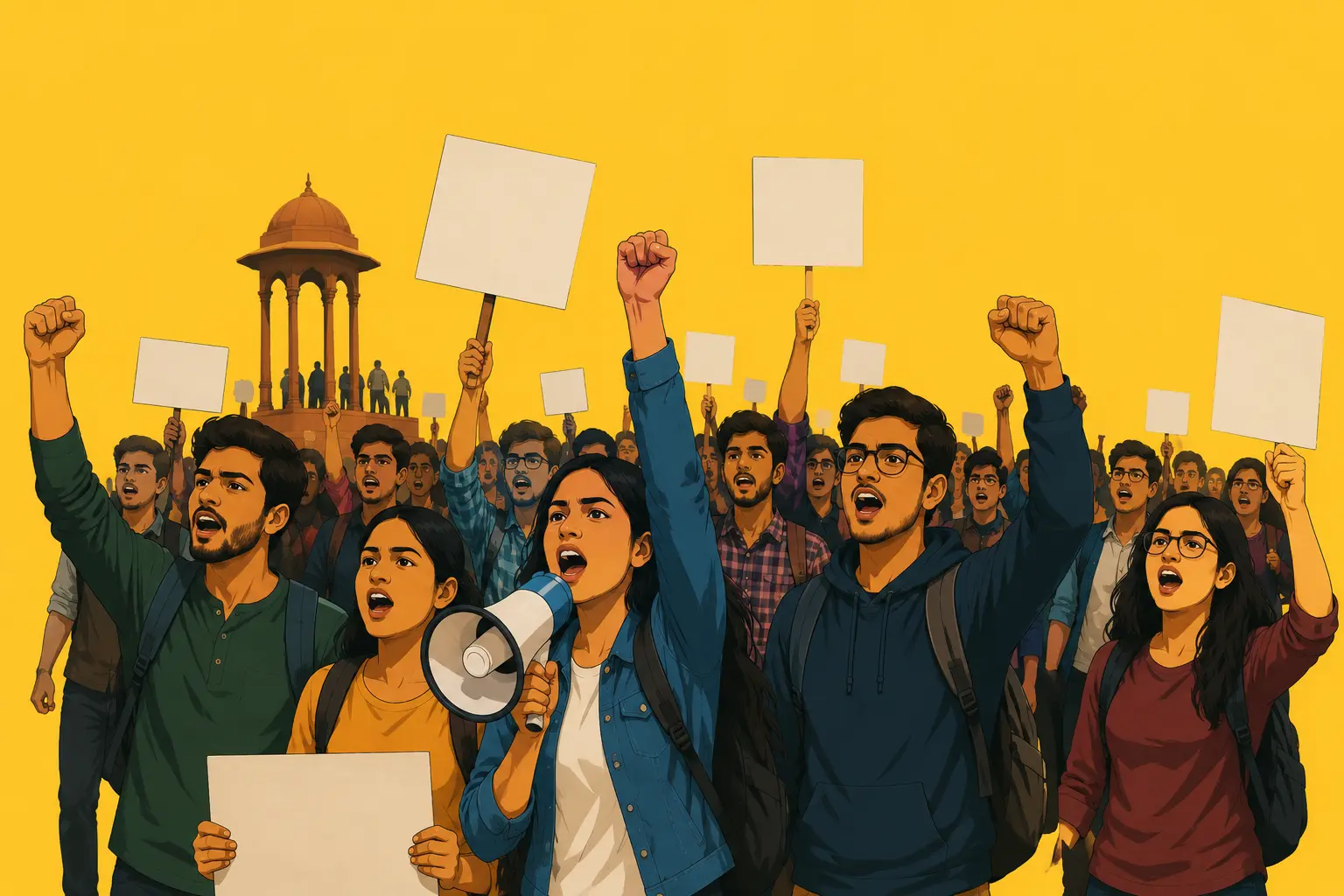
राष्ट्रीय राजधानी दिल्ली के जंतर मंतर समेत देश भर में विद्यार्थियों के सड़क पर आवाज बुलंद करने के बाद हरकत में आई सरकार की ओर से प्रवेश एवं प्रतियोगी परीक्षा प्रणाली में सुधार के लिए लाए गए ‘लोक परीक्षा (अनुचित साधन निवारण) संशोधन विधेयक, 2026’ को बुधवार को लोकसभा की मंजूरी मिल गई। उम्मीद की जा रही थी कि विद्यार्थियों के आंदोलन से निकले इस विधेयक की अहमियत के मद्देनजर संसद में इस पर व्यापक और सार्थक चर्चा होगी, इसकी कमियों पर विचार होगा और नए सुझाव सामने आएंगे, जिनके आधार पर एक सशक्त कानून बनाया जाएगा। मगर, इसे विडंबना ही कहा जाएगा कि चर्चा का यह दौर भी हंगामे की भेंट चढ़ गया, जिसने कई सवाल खड़े कर दिए हैं। विपक्ष का आरोप है कि उसे बोलने नहीं दिया गया, वहीं सत्तापक्ष का कहना है कि विपक्षी नेताओं ने विधेयक पर चर्चा को केंद्र में नहीं रखा। विपक्ष सड़क से लेकर संसद तक विद्यार्थियों पर प्रदर्शन के दौरान बल प्रयोग का मुद्दा लगातार उठाता रहा है। अब सर्वोच्च न्यायालय ने भी संकेत दिया है कि वह पुलिस की सख्ती से जुड़े मामले की जांच के लिए विशेष दल का गठन कर सकता है।
काकरोच जनता पार्टी के आह्वान पर शुरू हुआ विद्यार्थियों का आंदोलन तत्कालीन केंद्रीय शिक्षा मंत्री धर्मेंद्र प्रधान के इस्तीफे और सरकार की ओर से परीक्षा प्रणाली में सुधार के आश्वासन के बाद ही समाप्त हुआ था। लोक परीक्षा (अनुचित साधन निवारण) संशोधन विधेयक इन्हीं सुधारों की एक महत्त्वपूर्ण कड़ी है। माना जा रहा था कि इस विधेयक में अगर कोई कमी रह गई होगी, तो संसद में व्यापक चर्चा के दौरान पेश किए जाने वाले सुझावों के माध्यम से इसे दूर किया जा सकता है। मगर चर्चा के दौरान लोकसभा में जिस तरह का माहौल देखा गया, उससे यह विश्वास करना मुश्किल है कि शिक्षा प्रणाली में सुधार के लिए वास्तव में सख्त एवं सक्षम कानून बनाने के गंभीर प्रयास हुए हों। विपक्ष की ओर से सवाल उठाना स्वाभाविक है, लेकिन यह सत्तापक्ष का दायित्व है कि वह आशंकाओं का निवारण करे और चर्चा को सही दिशा में ले जाए। अगर संसद में बिना सार्थक चर्चा के ही किसी विधेयक को पारित कर दिया जाए, तो जाहिर है कि उस पर भविष्य में भी सवाल उठते रहेंगे। दूसरी ओर विद्यार्थियों के प्रदर्शन के दौरान उन पर बल प्रयोग का मुद्दा भी अहम है। यह प्रश्न शुरू से उठता रहा है कि क्या सुरक्षाबलों के लिए यही एक अंतिम विकल्प था ? अगर विद्यार्थियों के संसद मार्च से पहले ही सरकार ने संवाद के जरिए उन्हें भरोसे में लेने की कोशिश की होती, तो संभवतः इस स्थिति को टाला जा सकता था। सवाल प्रदर्शन के दौरान पैलेट गन और एके-47 राइफल से गोलियां चलाने को लेकर भी उठा है। ख़बरों के मुताबिक, दिल्ली पुलिस के एक अधिकारी के कहने पर त्वरित कार्रवाई बल ने पैलेट गन समेत कई कम घातक हथियारों का इस्तेमाल किया था। यही वजह है कि सर्वोच्च न्यायालय ने इस पूरे घटनाक्रम की निष्पक्ष जांच पर जोर देते हुए विशेष दल गठित करने का संकेत दिया है। साथ ही अदालत ने अठारह वर्ष से कम आयु के उन लोगों को रिहा करने का निर्देश दिया है, जिनका कोई आपराधिक इतिहास नहीं है। बहरहाल, सत्तापक्ष हो या विपक्ष, दोनों की कोशिश यही होनी चाहिए कि देश की शिक्षा प्रणाली में व्यापक सुधार हो, ताकि विद्यार्थियों को भविष्य में किसी परेशानी का सामना न करना पड़े।