
09-06-2026 (Important News Clippings)
To Download Click Here.
 Date: 09-06-26
How To Be Tankful
Iran war hots up again. Here’s how to make a policy that can insulate India better from energy shocks
TOI Editorials
A two-week ceasefire, that stretched to two months, may have lulled us into believing the worst was over. But fresh strikes between Israel and Iran have again exposed the fragility of West Asia and global energy security. Oil has ticked up, and it might pinch our pockets again. This is a risk we have to live with, because alternatives – EVs, and biofuels like ethanol and compressed biogas – aren’t ready yet. Yes, all our petrol is blended with 20% ethanol, but note how controversial it is, for a reason.
Most of our cars and bikes made over the past 15 years were designed for only a 10% blend. Outside Delhi and its neighbourhood, even older vehicles are widely used. So, regardless of how much ethanol India can make, we, as consumers, aren’t ready for it. Contrast this with Brazil, where any day now, govt is expected to increase mandatory ethanol blending from 30% to 32%. It’s not a problem there, because the vast majority of Brazil’s vehicles have been flex-fuel since 2003. They can deal with any ethanol blend, from 0-100%.
Brazil could do this because, in 2003, EVs were still in the future. So, its automakers’ bet on flex-fuel systems, and the ethanol industry’s investments in capacity, paid off. Will the same bets work in India now, when electric vehicles are becoming popular? Last fiscal, 4.5% of all cars sold in India were electric. What if rising fuel prices raise their share to double digits this year? If the future is electric, is an ethanol push worthwhile, especially when it requires heavily subsidised fertilisers? And what about farmers? They’re getting good rates for sugarcane and corn to make ethanol today, but what will they do when demand for petrol-ethanol blends starts tapering? Biogas is another option, but current capacity is negligible. How many years will industry take to scale up, and substitute imported CNG?
That’s why making India’s energy policy today is like hitting a moving target, but it has to be done. The main lesson from this war is clear – we have to reduce dependence on imported hydrocarbons. Making fertilisers with coal, instead of imported gas, is doable, as China has shown. Similarly, turning organic waste into biogas has no downsides. How we power our vehicles tomorrow is the tricky part. This can’t be left to bureaucrats. Govt should consult industry and researchers to make a long-term plan, and then implement it rapidly.

Strategic afterthought
The government must be transparent with the Nicobar project
Editorial
For a project so often invoked as a matter of national security strategy, the ballooning Great Nicobar Island development, now estimated to be at 291,000 crore, rests on a re- markably thin strategic record. The Centre has long cited the “strategic” character of its centre- piece – a transshipment port at Galathea Bay-to withhold information on its environmental clearances. Yet, the Public Investment Board (PIB), a Finance Ministry body, found in August 2024 that the port “lacked strategic objectives”. That label arrived only afterwards, from the Ministry of De- fence and seems less like a founding rationale and more of an afterthought, retrofitted to a ba- lance sheet. Both the PIB and the Public-Private Partnership Appraisal Committee (PPPAC) cleared the proposal, yet the PPPAC refused *12,230 crore in Viability Gap Funding, telling the Ports Ministry to find the money within its own budget – an unusual rebuke for a venture sold as nationally vital. If the port cannot stand on com- mercial returns, and if its real purpose is military, the case for a commercial transshipment hub dissolves.
Great Nicobar sits at the southern tip of the An- daman and Nicobar archipelago, wrapped in tropical rainforest and ringed by reefs of rare ec- ological value. The project – port, international airport, power plant and township – would clear vast tracts of that forest, much of it primary, and disturb the nesting beaches of the leatherback turtle and the habitat of the endemic Nicobar me- gapode. Scientists who have studied the island warn that the loss would be irreversible, and that no afforestation elsewhere can replace what is felled here. The island’s indigenous inhabitants have objections of their own, running alongside the ecological ones but not reducible to them. Tribal councils have said that consent was se- cured without full disclosure, and asked that an- cestral land and the resettlement promised after the 2004 tsunami not be overridden by the pro- ject. Their criticism is not a refusal of all develop- ment. The quarrel is with scale, secrecy and se- quence- a project conceived at a magnitude the island cannot absorb. The remedy is transparen- cy. The Centre should release the High-Powered Committee report in full, account openly for the true cost to the public exchequer, and weigh it against an environmental loss that the exchequer can never reimburse. A project of this scale owes the country at least that much.
Date: 09-06-26
The Oman CEPA, a new gateway for India’s exports
The agreement boosts exports. services, investment and professional mobility
Anant Goenka, [ President, The Federation of Indian Chambers of Commerce and Industry (FICCI) ]
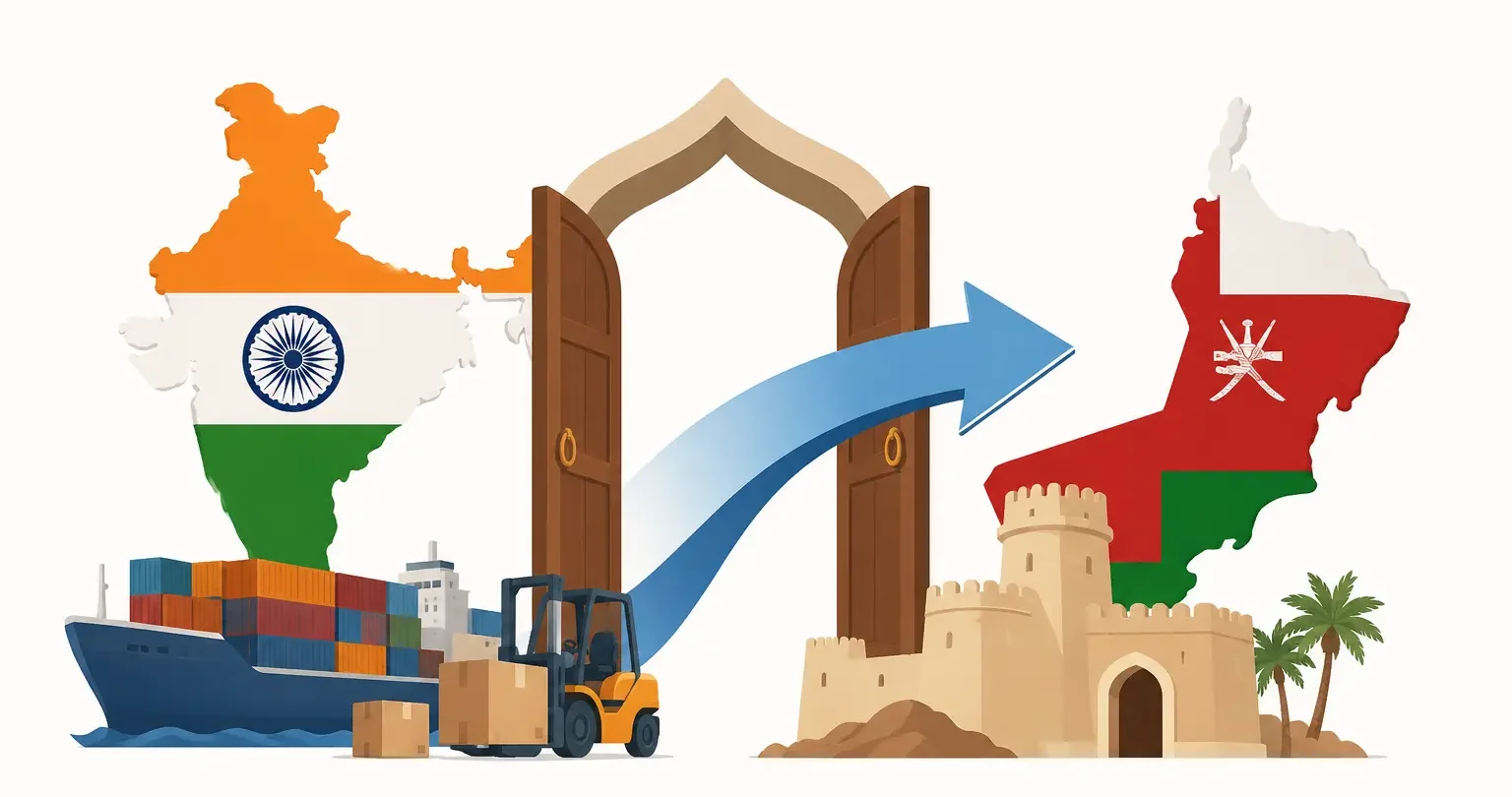
India and Oman share one of the oldest trading relationships, with commercial and maritime links dating back thousands of years. From the movement of spices, textiles and frankincense to enduring people-to-people ties, trade has long been a cornerstone of this partnership. The India-Oman Comprehensive Economic Partnership Agreement (CEPA), which came into force on June 1, 2026, reaffirms and strengthens this historic relationship by providing a modern framework to deepen trade, investment and economic cooperation for the future.
India is amongst the top suppliers for Oman and bilateral trade has grown from $8.94 billion in FY2023-24 to $11.18 billion in FY2025-26, reflecting the growing complementarities between the two economies.
An expansion of India’s trade ties
The CEPA comes at a time when India is actively diversifying its trade partnerships and integrating more deeply with global value chains. Following agreements with the United Arab Emirates, Australia, the European Free Trade Association, the United Kingdom, New Zealand and the European Union, the Oman CEPA further strengthens India’s presence in a region that is central to its energy security, trade and strategic interests.
The CEPA offers significant opportunities for Indian exporters. Oman has offered duty-free access on 98.08% of its tariff lines, covering 99.38% of India’s exports by value. Before the agreement, only 15.33% of India’s exports entered Oman at zero duty under the Most Favoured Nation regime. The CEPA, therefore, provides an immediate competitiveness boost across a broad range of sectors. In textiles and apparel, India already commands a 43% share of Oman’s woven apparel imports and 31% of knitted apparel imports. The removal of the existing 5% tariff will strengthen the competitiveness of Indian manufacturers against China, which is the other dominant supplier in this market. In the case of chemicals, India already supplies nearly 39% of Oman’s inorganic chemical imports, making it one of the leading players in the market. Tariff free access will only amplify this further.
Likewise, engineering goods will also benefit. Oman imports over $3.7 billion worth of mechanical machinery and $3.3 billion worth of automotives annually, where India’s market share is only 5% and 2%, respectively. Preferential market access under the CEPA can help Indian exports of engineering goods expand significantly and deepen their presence in Oman’s infrastructure, construction and industrial sectors.
In pharmaceuticals, where India holds around 10% market share, the agreement’s value lies not in tariff reductions but in regulatory facilitation. Products approved by leading international regulators will benefit from fast-tracked approvals, reducing compliance costs and accelerating market entry. As Oman’s pharmaceutical market continues to expand, Indian companies will be well-positioned to capture a larger share. Duty-free access for products such as meat, eggs, honey, butter and processed foods will further strengthen India’s already strong position. At the same time, sensitive sectors such as dairy, cereals, edible oils and several agricultural commodities have been kept outside tariff concessions, ensuring that domestic producers remain protected.
Streamlining procedures
Significant trade facilitation measures have been introduced. Oman will accept certificates issued by India’s Export Inspection Council (EIC), eliminating duplicative testing and inspections, while also recognising India’s organic (NPOP) and halal certification systems. There are dedicated sanitary and phytosanitary (SPS) and technical barriers to trade (TBT) provisions, which will enhance regulatory transparency and cooperation, and streamlined customs clearance, including fast-track processing for perishables, which will reduce costs and improve export efficiency.
Another forward-looking aspect of the CEPA is its strong focus on services and professional mobility. Bilateral services trade stood at $863 million in 2024, with India enjoying a surplus of nearly $447 million. Yet, India’s share in Oman’s global services imports remains just over 5%, indicating substantial untapped potential.
Oman has undertaken binding commitments covering professionals in sectors such as accounting, engineering, information technology, health care, education and consulting. Oman also raises the quotas for intra-corporate transferees, facilitating greater mobility of Indian professionals and specialists. Provisions relating to AYUSH and traditional medicine further create opportunities for Indian health care and wellness services in the Gulf.
Strategic location advantage
Beyond trade statistics, the CEPA has a larger strategic significance. Oman occupies a unique position at the crossroads of the Gulf, the Indian Ocean and East Africa. Its ports at Sohar, Duqm and Salalah are emerging as major logistics and industrial hubs. For Indian businesses, Oman can serve not only as a destination market but also as a gateway to the wider Gulf Cooperation Council (GCC) region and East African economies.
The India-Oman CEPA once again demonstrates the evolution of India’s trade policy from tariff negotiations to comprehensive economic partnerships encompassing goods, services, investment, mobility and regulatory cooperation. Its benefits will extend from textile clusters in Tamil Nadu and the gems and jewellery industry in Gujarat to engineering hubs in Maharashtra and Punjab, and from pharmaceutical manufacturers in Telangana to seafood exporters in Andhra Pradesh and Kerala.
The real test will now lie in implementation and utilisation. If businesses actively leverage the opportunities created by the agreement, the CEPA can significantly expand India’s export footprint, strengthen economic integration with the Gulf, and support the country’s broader ambition of becoming a globally competitive manufacturing and services powerhouse. For India, the agreement opens not only the Omani market but also a broader gateway to the Gulf and beyond.

ग्रोथ स्टोरी अब भी मजबूत पर निवेश पर फोकस जरूरी है
मिन्हाज मर्चेंट, ( लेखक प्रकाशक और सम्पादक )
सरकार ने अंततः शेयर और मुद्रा बाजारों की गुहार सुन ही ली। सूचीबद्ध सरकारी सिक्योरिटीज़ (जी-सेक) पर 12.5% लॉन्ग टर्म पूंजीगत लाभ कर (एलटीसीजी) को समाप्त करके विदेशी पोर्टफोलियो निवेशकों (एफपीआई) और विदेशी संस्थागत निवेशकों (एफआईआई) के बीच विश्वास बहाल करने के लिए आवश्यक कदम उठाया गया है। लेकिन रुपये को मजबूत बनाने के लिए अभी बहुत कुछ किया जाना बाकी है।
विदेशी निवेशकों (एफपीआई और एफआईआई दोनों) ने जनवरी से मई 2026 के बीच भारतीय शेयर बाजार से 2.30 लाख करोड़ रुपये से अधिक निकाले हैं तो क्या यह भारतीय अर्थव्यवस्था में विश्वास की कमी का संकेत है? ऐसा नहीं है। लेकिन यह वित्त मंत्रालय के लिए अपने कर ढांचे में आवश्यक सुधारों को लेकर एक स्पष्ट चेतावनी अवश्य है। भारत के शेयर बाजार से विदेशी पूंजी का आउटफ्लो केवल भू-राजनीतिक व्यवधानों के कारण नहीं है। इसके लिए हमारी टैक्स व्यवस्था भी जिम्मेदार है।
ईरान युद्ध के कारण कच्चे तेल और एलपीजी की लागत बढ़ने से भारत का चालू खाता घाटा पिछले वर्ष जीडीपी के 1% से बढ़कर 2026 में 2% तक पहुंचने की स्थिति में है। इससे रुपये और समग्र भुगतान संतुलन (बीओपी) पर अतिरिक्त दबाव पड़ रहा है। रुपया तिहरे आघातों का सामना कर रहा है : तेल, चालू खाता घाटा और विदेशी निवेशकों की पूंजी निकासी। एक चौथा फैक्टर भी मौजूद है- एआई की चुनौती।
हालांकि भारत एआई एप्लिकेशंस में उपयोग होने वाले सेमीकंडक्टर चिप के लिए निर्माण इकाइयां (फैब) स्थापित कर रहा है, फिर भी उसे मूलतः एक एआई-वेयरहाउस के रूप में ही देखा जाता है, जहां दर्जनों डेटा केंद्र पश्चिमी देशों के तेजी से बढ़ते एआई इकोसिस्टम की जरूरतों को पूरा करने के लिए गीगावाट स्तर की बिजली का उपयोग करते हैं।
ऐसे में कहीं भारत दुनिया के एआई उद्योग के लिए केवल आउटसोर्स कंप्यूटिंग पावर वेंडर बनकर न रह जाए। जब तक हमारा अपना एआई इकोसिस्टम परिपक्व नहीं हो जाता, तब तक यह धारणा भी भारतीय शेयरों के मूल्यांकन को प्रभावित करेगी। ऐसे में सरकारी सिक्योरिटी और सूचीबद्ध बॉन्डों में विदेशी निवेशकों के लिए किए गए सुधार हमारी विकास-कथा के लिए वैश्विक रुचि को पुनर्जीवित करने में सहायक होंगे।
भारत को विदेशी पोर्टफोलियो निवेशकों को संतुष्ट करने के लिए आधे-अधूरे नहीं, ऐसे निर्णायक टैक्स सुधारों की आवश्यकता है, जो राजकोषीय दृष्टि से भी विवेकपूर्ण हों और एफपीआई तथा एफआईआई को यह भरोसा भी दिलाएं कि भारत निवेश के लिए आकर्षक और विश्वसनीय गंतव्य है।
एलटीसीजी को 2023 में भारतीय और विदेशी, दोनों प्रकार के निवेशकों के लिए अविवेकपूर्ण ढंग से 10% से बढ़ाकर 12.5% कर दिया गया था। अब सूचीबद्ध शेयरों और बॉन्डों के लिए इसे 5% किया जाना चाहिए। शेयरों पर एलटीसीजी (अचल संपत्ति को छोड़कर) से प्राप्त कुल कर राजस्व लगभग 35,000 करोड़ रुपये के आसपास होगा।
भारत का कुल वार्षिक कर राजस्व लगभग 40 लाख करोड़ रुपये है। इसमें कॉर्पोरेट और व्यक्तिगत आयकर से लगभग 22 लाख करोड़ रुपये मिलते हैं। अप्रत्यक्ष कर (जीएसटी, सीमा शुल्क और उत्पाद शुल्क) से लगभग 18 लाख करोड़ रुपये का अतिरिक्त राजस्व आता है।
इस प्रकार सूचीबद्ध शेयरों पर एलटीसीजी कर को 12.5% से घटाकर 5% करने से सरकारी राजकोष पर कुल कर राजस्व का 0.5% से भी कम भार पड़ेगा। लेकिन इसका प्रभाव एफपीआई और एसआईपी के माध्यम से निवेश करने वाले भारतीय निवेशकों, दोनों पर पड़ेगा। कारोबार में होने वाली तेज वृद्धि एलटीसीजी कर से होने वाले मामूली राजस्व-नुकसान की भरपाई कर देगी। यह सभी पक्षों के लिए फायदे का सौदा होगा।
भारत की ग्रोथ-स्टोरी अब भी मजबूत है, लेकिन वैश्विक पूंजी लाभकारी अवसरों की तलाश करती है। बीएसई और एनएसई में मिलाकर 8,367 सूचीबद्ध कंपनियां हैं। इनमें से 1,000 से अधिक उच्च गुणवत्ता वाले शेयर हैं, जो विदेशी निवेशकों को आकर्षित करते हैं।
विदेशी पोर्टफोलियो निवेशकों को पुनः भारत की ओर खींचने के लिए व्यावहारिक कर नीतियां अपनानी होंगी। एलटीसीजी को 5% करने भर से हम चीन पर बढ़त हासिल कर लेंगे, क्योंकि चीन विदेशी पोर्टफोलियो निवेशकों पर 10% दीर्घकालिक पूंजीगत लाभ कर लगाता है। यह भी याद रखना चाहिए कि 2004 से 2018 तक, भारत में सूचीबद्ध शेयरों पर दीर्घकालिक पूंजीगत लाभ कर शून्य था। इसे 2018 में बढ़ाकर 10% किया गया और फिर 2023 में 12.5% कर दिया गया था।
हमें सूझबूझ के साथ दुनिया से प्रतिस्पर्धा करनी होगी। जैसे-जैसे भू-राजनीतिक तनाव कम होंगे, तेल की कीमतें घटेंगी, रुपया स्थिर होगा और हमारा एआई इकोसिस्टम परिपक्व होगा, विदेशी पोर्टफोलियो निवेशक वापस लौटेंगे।

औपनिवेशिक छाप से मुक्त हो शिक्षा
गिरीश्वर मिश्र, ( लेखक पूर्व कुलपति एवं शिक्षाविद् हैं )
देश में रह-रहकर बौद्धिक वर्ग में डीकोलोनाइजेशन यानी वि-उपनिवेशीकरण की चर्चा छिड़ती रहती है, लेकिन वह किसी निष्कर्ष पर नहीं पहुंच पाती। यह ध्यान रखने की आवश्यकता है कि जब भी वि-उपनिवेशीकरण की मुहिम छिड़े तो उसका आधार भी भारतीय होना चाहिए। हमें इस तथ्य को पहचान कर भारत में समकालीन उच्च शिक्षण संस्थानों और उनके उत्पादों, अनुसंधान प्रयासों एवं स्नातकों के लिए पाठ्यक्रम तैयार करना ही प्राथमिकता होनी चाहिए। इस संदर्भ में देखा जाए तो उच्च शिक्षा के पाठ्यक्रम को नवाचारों के माध्यम से सजीव करने की आवश्यकता तो बहुत दिनों से महसूस की जाती रही है, परंतु कोई ठोस कदम नहीं उठाया जा सका। यह प्रवृत्ति देशज विकास के प्रयासों में सदैव बाधक ही रहेगी। स्वतंत्रता प्राप्ति के इतने वर्षों बाद भी देश की शैक्षणिक प्रणाली पर औपनिवेशिक पकड़ को समाप्त करना एक कठिन कार्य सिद्ध हो रहा है।
वर्तमान में कई भारतीय संस्थानों के पाठ्यक्रम भारतीय परिप्रेक्ष्य की वास्तविकताओं या इसकी समस्याओं के ज्ञान को पूरी तरह से प्रतिबिंबित नहीं करते। उच्च संस्थानों की प्रणालियों में भारतीय ज्ञान के वि-उपनिवेशीकरण के प्रयासों को तभी स्पष्ट और सक्रिय रूप से समर्थन दिया जा सकेगा, जब छात्रों को यह सिखाया जाए कि मौलिकता की राह पर कैसे चलें? उन्हें भारतीय परिस्थितियों के लिए विशेष और विशिष्ट समाधान की दिशा में सोचने के लिए भी शिक्षित करना होगा। भारतीय ज्ञान की वर्तमान व्यवस्था के वि-उपनिवेशीकरण से ही पूर्ण स्वराज की प्राप्ति संभव हो सकेगी। अब नवोन्मेषी विचारों और कार्यक्रमों की शुरुआत करने से पहले सोचने के लिए ज्ञान मीमांसकीय रूप से स्वतंत्र होना होगा। ज्ञान मीमांसकीय मुक्ति मानसिक, भावनात्मक और मनोवैज्ञानिक स्वतंत्रता को जन्म देती है।
शिक्षा के उच्च संस्थानों ने भारतीय विचार-दृष्टि की गतिशीलता पर अपनी पकड़ खो दी है। इसका एक विशेष कारण है ज्ञान को समायोजित करने के लिए भारतीय भाषाओं को विकसित करने में विफलता। आज भी अंग्रेजी प्रामाणिक भाषा है और ज्ञान की दुनिया में उसी का वर्चस्व है। मन में हिंदी और दूसरी भारतीय भाषाओं में सोचते हुए उन विचारों को अंग्रेजी में उल्था कर प्रस्तुत करना समयसाध्य ही नहीं, बहुधा निष्प्रभावी एवं अप्रामाणिक भी सिद्ध होता है। मौलिक सोच का अवसर इसलिए भी जाता रहता है कि हम अपने विचार और उसकी कोटियां विदेश से आयातित किए हुए हैं और उसमें ‘फिट’ किए बगैर सोचने-विचारने की प्रक्रिया ही नहीं शुरू हो पाती है।
अपने शिक्षण संस्थानों में होने वाले बौद्धिक प्रयासों, शिक्षण प्रक्रिया और अनुसंधान में भारतीय भाषाओं को संस्थागत रूप से न अपना पाना मौलिकता के रास्ते में एक बहुत बड़ा रोड़ा है। यह मानने के अच्छे-भले कारण हैं कि कई देश जो तकनीकी प्रगति में छलांग लगा रहे हैं, आविष्कारों में प्रगति कर रहे हैं और अकादमिक उत्कृष्टता की सीमाओं को तोड़ रहे हैं, वे ही देश हैं जिन्होंने अपने शैक्षिक पाठ्यक्रम को अपने अनुसार अनुकूलित एवं विकसित किया है। दुर्भाग्य से हमने अपने सोच को उन सीमाओं के भीतर ही सीमित करके बांध लिया है, जो पश्चिमी शिक्षा से विरासत के रूप में हमें मिला। साथ ही हम व्यावहारिक और उपयोगी विकल्प खोजने के लिए पर्याप्त उत्सुक भी नहीं हैं। चाहे जो भी हो, यूरोकेंद्रित ज्ञान माडल में डूबे रहने से हमारे विचारों का उपनिवेशीकरण लगातार बढ़ता रहा है और यह हमेशा देशज विकास के उन प्रयासों में बाधा भी उत्पन्न कर रहा है, जो आत्मनिर्भर देश की जरूरत है।
भारतीय संस्कृति के संरक्षण और समकालीन अनुसंधान और वैचारिक वास्तविकताओं में उन विचारों एवं सिद्धांतों के समावेश के अलावा, भारतीय विश्वविद्यालयों को भारतीय प्रतिभा और ज्ञान मीमांसा को ईमानदारी से चित्रित करने के लिए मौजूदा पाठ्यक्रमों और शैक्षिक कार्यक्रमों का सुनियोजित विस्तार करना होगा। तभी वे देश को सक्षम और तत्पर बनने में कामयाब हो सकेंगे। हमारे पाठ्यक्रम और उनकी मूल्यांकन पद्धति भारतीय विश्वदृष्टि के पीछे छिपे तर्क और उनकी समीक्षा पर प्रश्न पूछने और उनका विस्तार करने में सक्षम होने चाहिए। ये पाठ्यक्रम छात्रों और लोगों की रुचि को इस तरह से आकर्षित करने वाले होने चाहिए, जो भारतीय ज्ञान परंपरा से चुनकर नाम गिनाने की कवायद की औपचारिकताएं मात्र न निभा रहे हों, बल्कि उनके माध्यम से सोचने के लिए प्रेरित हों।
इस दिशा में आवश्यक है कि वे स्वयं अपनी और राष्ट्रीय चेतना का आह्वान भी कर सकें। भारतीय मनीषा और अवधारणाओं को सहज प्रासंगिक रूप से शिक्षा में शामिल करना होगा कि वे अतिरिक्त भार न बनकर हमारी आवश्यकताओं एवं चुनौतियों का सामना करने में हमें समर्थ बना सकें। इसलिए, उच्च शिक्षा पाठ्यक्रम में नए विचारों के समन्वय और संयोजन के माध्यम से प्राणवान बनाकर नई जान फूंकना आवश्यक ही नहीं, अपितु अनिवार्य हो चला है। वैश्वीकरण के इस दौर में ऐसे कदम उठाने इसलिए भी जरूरी हैं, क्योंकि वे ऐसी वैचारिक संरचनाओं को नया आकार देने में सहायक होंगे जो संरचनाएं वैश्विक ज्ञान समुदाय में भारतीयों की स्थिति को बेहतर बना सकेंगी।
Date: 09-06-26
अर्थव्यवस्था को गति देने के क्या हों उपाय
अजय शाह, ( लेखक एक्सकेडीआर फोरम में शोधकर्ता हैं। )
देश की अर्थव्यवस्था को लेकर चिंता का माहौल है। अब वृहद आर्थिक आंकड़े एक अंतराल के बाद सामने आते हैं जिससे विश्लेषण में एक हिस्सा धारणात्मक हो जाता है। बहरहाल, मौजूदा माहौल को आकार देने में झटकों के एक सिलसिले की भूमिका है। वर्ष 2018 और 2019 में अर्थव्यवस्था बुरी हालत में थी । उसके बाद महामारी, यूक्रेन युद्ध, अमेरिकी शुल्क वृद्धि, ईरान युद्ध और तेल के झटकों का सामना करना पड़ा। वैश्विक समृद्धि की राजनीतिक बुनियाद उदार लोकतंत्र और वैश्वीकरण को माना जाता है। यह व्यवस्था पश्चिम के नेतृत्व में विकसित हुई लेकिन अब वह ढांचागत कमजोरियां दिखा रही है। अब देश में वृहद आर्थिक हालात वैसे ही हैं जैसे कि 1980 के दशक में थे। उस समय वित्तीय दबाव और समाजवादी राज्य ढांचा देश की पहचान थे।
तेल का झटका भी देश के सामने 1970 के दशक जैसी समस्या का खतरा पैदा कर चुका है। परंतु केंद्रीय समस्या निजी निवेश में निरंतर आ रही कठिनाई में निहित है जो देश की आर्थिक वृद्धि का मूल है। घरेलू निजी क्षेत्र ने आखिरी बार शुद्ध स्थिर परिसंपत्तियों में एक वर्ष में 20 फीसदी से अधिक की नॉमिनल वृद्धि 2009-10 में हासिल की थी। यह आंकड़ा आखिरी बार 10 फीसदी से ऊपर 2019-20 में गया था। भारतीय निजी कॉरपोरेट क्षेत्र थका हुआ है और जोखिम से बचना चाहता है। आर्थिक नीति इन बाधाओं को कैसे पार कर सकती है और एक सतत निजी निवेश चक्र कैसे उत्पन्न कर सकती है ? यह कहना सुरक्षित है कि विकास प्रक्रिया अटकी हुई है।
सामान्य तौर पर किए जाने वाले छोटे- छोटे उपाय मदद नहीं करेंगे। हमें बड़े पैमाने पर सोचने की आवश्यकता है। आवश्यक आर्थिक नीति रणनीति में दस महत्त्वपूर्ण विचार इस प्रकार हैं। पहला, तेल के झटके का भार पूरी तरह उपभोक्ताओं पर डाला जाना चाहिए। मूल्य संकेत वह प्रणाली है जिसकी मदद से आपूर्ति और मांग में संतुलन बनता है। जब कीमतों पर नियंत्रण किया जाता है तो विसंगति आती है और वित्तीय संतुलन पर दबाव बनता है। पेट्रोलियम पदार्थों की ऊंची कीमत खपत और उत्पादन में जरूरी समायोजन पैदा करेगी। दूसरा, व्यापक आर्थिक झटके को पूरी तरह विनिमय दर में परिलक्षित होना चाहिए। विनिमय दर को नियंत्रित करने के प्रयास आर्थिक वृद्धि को नुकसान पहुंचाते हैं और अंततः व्यर्थ साबित होंगे। एक लचीली विनिमय दर आवश्यक झटके को अवशोषित करने का काम करती है। तीसरा, भारतीय आर्थिक सफलता उच्च उत्पादकता वाली कंपनियों के उदय पर आधारित है, जिनमें निर्यातकों और बहुराष्ट्रीय कंपनियों की प्रमुख भूमिका है। ये कंपनियां अनिश्चित वैश्विक वातावरण का सामना कर रही हैं और उन्हें वित्त तक बेहतर पहुंच की आवश्यकता है। इस अराजकता के युग में संचालन के लिए उन्हें वैश्विक वित्तीय प्रणाली तक पूर्ण पहुंच चाहिए ताकि वे कम लागत वाला पूंजी और हेजिंग साधन प्राप्त कर सकें। प्रत्यक्ष कर संबंधी कई बाधाएं सीमा पार गतिविधियों में रुकावट डाल रही हैं, जिन्हें हल करना आवश्यक है। इसे लागू करने के लिए पूंजी- खाता उदारीकरण का एक व्यापक पैकेज चाहिए। वित्त मंत्रालय को एक विशेषज्ञ समिति गठित करनी चाहिए जिसे एक तकनीकी टीम का समर्थन मिले ताकि यह सुधार पैकेज तैयार किया जा सके और आवश्यक कानूनी साधनों का मसौदा बनाया जा सके।
चौथा, ऊंचे ईंधन मूल्य और मुद्रा अवमूल्यन मुद्रास्फीति का दबाव उत्पन्न करेंगे। व्यापक आर्थिक स्थिरता के लिए मूल्य स्थिरता आवश्यक है। आर्थिक एजेंट 4 फीसदी लक्ष्य के प्रति संस्थागत प्रतिबद्धता का आकलन कर रहे हैं। यदि विधिक व्यापक आर्थिक ढांचा विफल होता है तो नीति की विश्वसनीयता एक दशक तक प्रभावित होगी। हमें मुद्रास्फीति- लक्ष्यीकरण प्रक्रिया में आर्थिक क्षमताओं को सुधारना होगा। विश्वसनीयता बनाने के लिए वित्त मंत्रालय को अब भारतीय रिजर्व बैंक को दी गई सहनशीलता सीमा को घटाना चाहिए। इसे वर्तमान 2 से 6 फीसदी से घटाकर 3 से 5 फीसदी करना चाहिए। मौद्रिक नीति की विश्वसनीयता बढ़ाने के लिए आरबीआई अधिनियम में संशोधन करना होगा ताकि मौद्रिक नीति समिति में गैर-सरकारी अर्थशास्त्रियों को सुपर- बहुमत मिले।
पांचवां, व्यापक आर्थिक स्थिरता के लिए राजकोषीय विवेक भी आवश्यक है। महामारी के दौरान सामान्य सरकारी ऋण तेजी से बढ़ा और अब तक पूर्ववर्ती मार्ग पर वापस नहीं आया है। यद्यपि वर्तमान वर्ष में तत्काल राजकोषीय समेकन कठिन है लेकिन संरचनात्मक मार्ग सहमति से अभी तैयार किया जाना चाहिए। सरकार को एक विशेषज्ञ समिति की आवश्यकता है, जो ऐसी राजकोषीय रणनीति तैयार करे जिसके माध्यम से 2027 और उसके बाद के वर्षों के बजट में सकल घरेलू उत्पाद (जीडीपी) का 0.5 फीसदी का सतत प्राथमिक अधिशेष सुनिश्चित हो सके। छठा भारतीय अर्थव्यवस्था की वृद्धि के लिए कंपनियों का अंतरराष्ट्रीयकरण आवश्यक है। इसे प्रोत्साहित करने के लिए आर्थिक सहयोग और विकास संगठन (ओईसीडी) के सदस्य देशों (अमेरिका को छोड़कर) के साथ गहरे व्यापार समझौते करने होंगे।
इन समझौतों में भारत को यूरोपीय संघ और ब्रिटेन के साथ हुए मुक्त व्यापार समझौतों की तुलना में अधिक व्यापार उदारीकरण करना होगा। 1990 के दशक की द्विपक्षीय निवेश संधि के दर्शन पर लौटना आवश्यक है। निजी विदेशी कारोबारियों को आश्वस्त करने के लिए अंतरराष्ट्रीय मध्यस्थता और अंतरराष्ट्रीय कर मध्यस्थता की आवश्यकता है जो प्रभावी ढंग से काम करे। हाल के वर्षों में आर्थिक राष्ट्रवाद और कर सक्रियता ने विदेशी कंपनियों का विश्वास कम किया है; इस रुख को संरचनात्मक रूप से पुनसंतुलित करना होगा। सातवां, अप्रत्यक्ष कर प्रणाली भारत में निवेश का मूल्यांकन करने वाली हर कंपनी की गणना पर भारी पड़ती है। इनपुट टैक्स क्रेडिट में बाधाओं ने माल एवं सेवा कर (जीएसटी) सुधार से प्राप्त आर्थिक लाभों को कई मायनों में उलट दिया है। जीएसटी में इनपुट टैक्स क्रेडिट की हर बाधा को हटाना होगा। जीएसटी को 10 फीसदी की एकल दर में परिवर्तित करना चाहिए। इन्हें समाप्त करना होगा। आठवां, वैश्विक प्रत्यक्ष विदेशी (एफडीआई) और पोर्टफोलियो निवेशक भारत की गैर-मानक कार्यप्रणालियों से आशंकित हैं। अधिकांश मुद्दों पर हमें 10 मजबूत उभरते बाजारों के औसत दृष्टिकोण का शांतिपूर्वक अनुसरण करना चाहिए। नौवां सुधार के लिए परियोजना प्रबंधन और तकनीकी क्षमता आवश्यक है। इस सरकार की तीन सफल कहानियां हैं। मुद्रास्फीति लक्ष्यीकरण, जीएसटी, और दिवालियापन एवं ऋणशोधन अक्षमता संहिता (आईबीसी)। हमें उस अवधि में काम करने वाले परिवर्तन के सिद्धांत से सीखना चाहिए और इन तरीकों को ऊपर बताए गए आठ क्षेत्रों में लागू करना चाहिए। दसवां, आर्थिक एजेंटों को एक ऐसे भारतीय राज्य की आवश्यकता है जो कानून के शासन और वैश्वीकरण के प्रति प्रतिबद्ध हो और केंद्रीय नियोजन से बाहर निकलने का मार्ग तय करे । असामान्य बयान अनुपातहीन रूप से उन लोगों के विश्वास को बाधित कर सकते हैं जो महत्त्वपूर्ण हैं। संदेश देने में अधिक अनुशासन आवश्यक है। जुलाई 1991 के बजट भाषण से निजी निवेश में उछाल 1995 में जाकर उत्पन्न हो पाया। इसी तरह, वाजपेयी सरकार के सुधारों ने निजी निवेश में उछाल 2003 में देखने को मिला। महत्त्वपूर्ण आर्थिक एजेंट समय के साथ भारतीय राज्य का अवलोकन करते हैं और धीरे-धीरे पूंजी आवंटित करते हैं।