
26-06-2026 (Important News Clippings)
To Download Click Here.
 Date: 26-06-26
Indian? Prove It
Yes, passports alone don’t prove citizenship. But govt must understand why there’s general anxiety
TOI Editorials
An MEA official’s response that an Indian passport is not proof of citizenship, to a question on a passport-holder’s exclusion from SIR, has created both uncertainty and anxiety. Understandably so – there’s been a lot of chatter about the citizenship issue. What the official said is correct – the passport is the primary document for international travel. And, yes, there are various categories of passports, one of which may be issued to non-Indians in select cases. Also true: Bombay HC’s 2013 judgment was clear that a passport by itself is not proof of citizenship.
The fact is India has no single document for citizenship. And attempts at building a National Register of Citizens have, unsurprisingly , faltered. Proving citizenship through documents is a complicated affair. This is not only because India is a document-scarce country, but also because how citizenship should be determined was mostly allowed to be a flexible process. This was by design, given the range of peoples that call India home. The original idea of citizenship presumed most people residing in this country are citizens, unless there was clear and present evidence to suggest otherwise. But, for some time now, this view hasn’t found favour with the official approach.
There’s a problem with that. In the accelerated push for document-based determination of citizenship, and with the relevant law going through multiple amendments, in 2003, 2015, 2019, and 2025, citizenship has become a status that depends not only on possessing documents but on possessing the right documents that fit changing legal criteria. One of these is legacy documents. For example, can proof of birth in India be considered evidence of citizenship, without proof that one of our parents was also born in India? If the answer is no, then the sarkari solution will be: get proof that your mum and dad were India-born. But even many well-to-do people may not possess these documents, far less hundreds of millions of poorer residents of this country. And woe betide anyone who’s lost their birth certificate – getting it out of the relevant municipal authority is a Kafkaesque ordeal. And, as some have pointed out, what’s to prevent an official from asking where your grandad and grannie were born?
None of this is happening now. Neither was MEA wrong. But govt must ask itself why many people who call themselves Indians in utterly good faith, are getting increasingly apprehensive about the citizenship question.
Date: 26-06-26
Good Governance 101
Babus should pay attention to cabinet secy’s note on need for gradual and regular improvement
TOI Editorials
India’s top civil servant has sterling advice for officers on lower branches. To summarise: when they look back on their careers, at the end of their service, they should see 30 years of learning and improvement, not one year’s experience repeated 30 times. Though the idea is not original, as a reminder it is timely. The civil service, after all, is still India’s “steel frame”. When it refuses to grow with time, it hinders the nation’s development. And India is a country held back by old ideas, policies, and its bureaucracy’s reluctance to adapt. But change need not be sudden or dramatic. Officers anyway can’t make tectonic moves. So the cabinet secretary’s note stresses on the importance of routine things, and recommends getting them right, day after day, year after year.
That is nothing but ‘Kaizen’, the Japanese philosophy that made Toyota the world’s biggest carmaker, by sales. Kaizen literally means “good change”. Practically, it requires gradual and continuous improvement. For example, if the same exam suffers paper leaks twice, there’s no Kaizen in the system. And where there’s no Kaizen, the people in charge aren’t asking, “How can we do this better, at a lower cost?” There’s something else they’re probably not doing: ‘Gemba’, or going and seeing with their own eyes. How Mumbai’s suburban commuters hang out of trains, and how getting a bucket of water consumes hours of poor women’s lives.
We can all use Kaizen in our lives, at work and at home, and the cabinet secretary’s advice on keeping meetings short and purposeful, is important too. Business leaders like Jeff Bezos have their meeting hacks, like the two-pizza rule – call no more staff than can be fed on two pizzas. And civil servants should be equally economical, because they operate on the public’s time and funds.

Onerous rules
The newly amended FCRA Rules point to a renewed attempt to stifle NGOs
Editorial
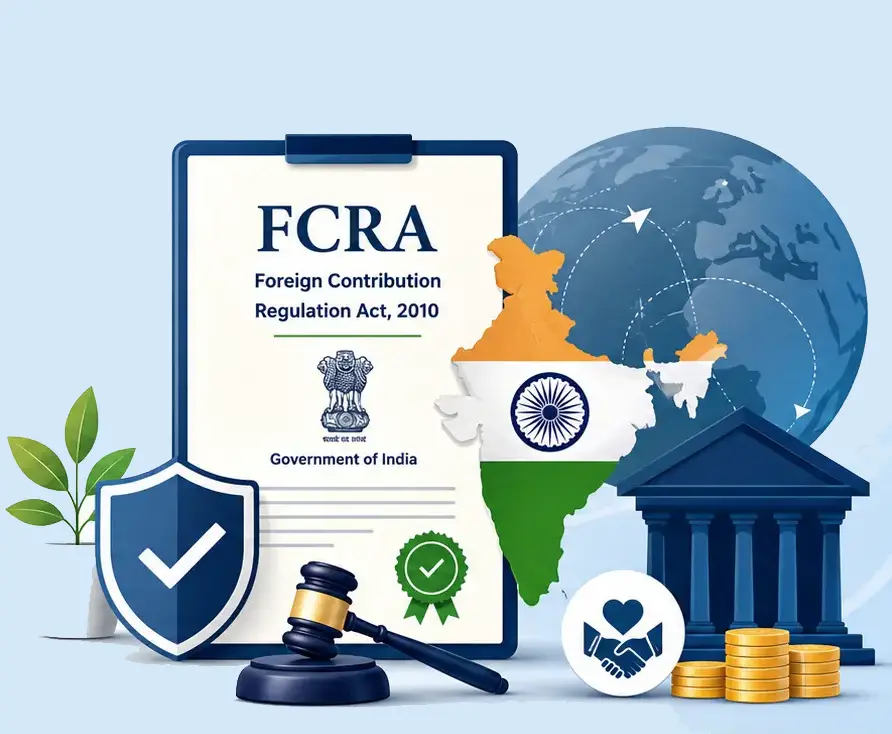 Civil society organisations play a vital role in areas such as health, education, disaster relief, and civil liberties and rights, stepping in where the state falls short. Yet, the Indian state has treated NGOs with suspicion, using the Foreign Contribution (Regulation) Act (FCRA), 2010, to impose stringent restrictions on their functioning. Earlier this week, the FCRA Amendment Rules, 2026 were notified, which require all NGOs registered under the FCRA, 2010, to confine their work to activities specified for their category and to the States and Union Territories named in their registration. They must also disclose their social media handles, websites and publications and are barred from carrying “political content”. The new rules impose stringent penalties for using funds for unapproved purposes and require NGOs to pay separate fees for each category of work and to each State or Union Territory in which they operate, replacing the earlier system of a single registration fee. These increase compliance costs and paperwork. While the government argues that such measures promote transparency, even-handedness and national security, the rules are clearly meant to stifle the work of NGOs. The operation of the FCRA regime has been far from transparent. As CPI(M) MP John Brittas recently complained, parliamentary questions on FCRA cancellations and non-renewals have been disallowed as “secret”, even though more than 20,000 registrations have reportedly been revoked over the past decade on opaque grounds. Far from improving transparency, the new rules burden NGOs with greater barriers and commitments, raising concerns that the Centre intends to create a chilling effect.
In Noel Harper (2022), the Supreme Court upheld the stringent 2020 FCRA amendments, accepting the state’s invocation of sovereignty and national security. Yet, in in 2020, the Court had read down rules that would have classified the rights activism of civil society bodies, including protests and demonstrations as work “of a political nature”, drawing a distinction between party politics and the everyday work of social and economic betterment. The new Rules seek to treat advocacy and “political content” as grounds for disqualification. In March 2026, the Centre had proposed amendments allowing a government-appointed authority to take over the assets of NGOs whose registrations were cancelled, surrendered, or not renewed. Following strong protests, particularly from minority institutions, it put the proposal on hold. Now, the newly notified rules seem another way of throttling NGOs that utilise foreign funding for civil society work. The Centre should withdraw the punitive provisions, particularly those on multiple fees and political content, and adopt fairer rules.
Date: 26-06-26
Keeping humanity at the centre of the AI revolution
AI’s promise must be guided by ethics, dignity and accountability
Ashwani Kumar, [ Senior Advocate, Supreme Court of India, an author and a former Union Minister for Law and Justice ]
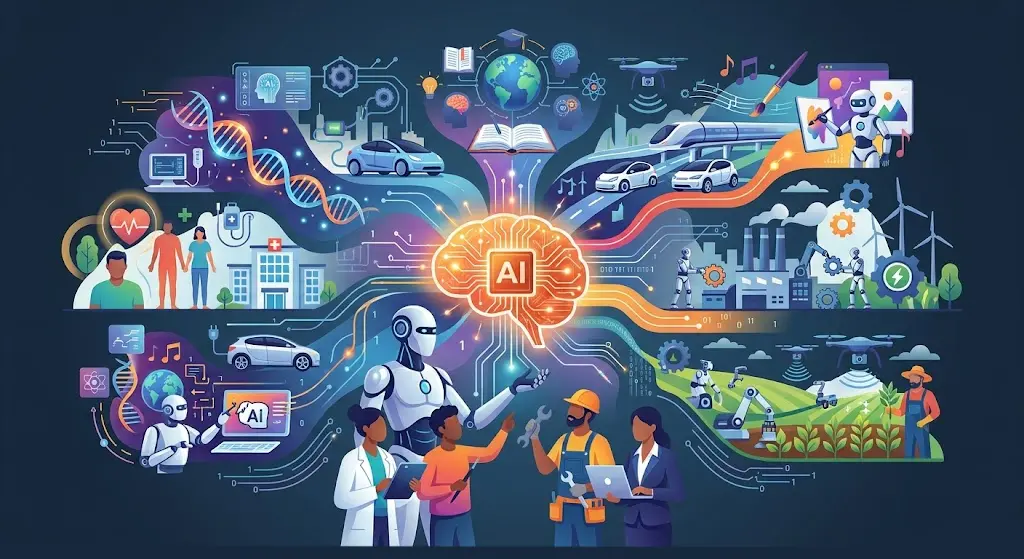 At the peak of human history, the Artificial Intelligence (AI) revolution stands out as a transformative moment, harnessing the infinite potential of science and innovation in the service of humankind. The endless possibilities of AI in every sphere of human activity and its empowering potential to deal with the unprecedented challenges of our times, is a tribute to mankind’s collective ingenuity that validates the boast of accomplishments of which ‘even the gods might be envious’. The automating of tedious tasks involving repetitive work and freeing time for leisure, expanding access to essential services, breakthroughs in medicine, ensuring longevity and better health care including cancer screening and prediction of terminal illnesses, robotic nursing of the sick, a more effective targeting of economic aid to the marginalised, enhanced accessibility of education and knowledge to all and its vast contribution to environmental sustainability in several ways including disaster management and weather forecasting are some of the crowning contributions of AI toward a more inclusive development agenda.
Technology and human values
Even so, questions about the future of human society and the ‘destiny of intelligence’ are most vigorously debated by philosophers, scientists, statesmen and the technology czars, some of whom have pleaded for a pause in the further development and deployment of AI that could hijack our idea of humanity. The claims of the AI protagonists about the ‘amazing abundance’ of goods and services and the caution against slowing down of scientific progress through regulation must contend with the compelling questions about the necessity of ethical guardrails warranted by humanitarian considerations and emotions embedded in the deepest recesses of our being through a cultural evolution spanning the millennia. The question of who we are, and whether we are ready for a new narrative of humanity in which functional efficiency and promised material abundance prevail over the yearnings of the human soul and the dignity of emotion, is an unavoidable and larger inquiry that has resisted the seduction of technological wonders. This is particularly important given that AI is able to replicate, and in some cases even outperform, cognitive skills, including the ability to understand human emotions and intuition.
Are we ready for an endless technological disruption and a ‘global epidemic of stress’ caused by a prolonged volatility in the job market and a predicted ‘useless’ class of millions caused by an unmanageable stress in coping with the effects of technological disruption? Whether we have new social and economic models that protect individual self-worth and ensure for all a life of belonging and emotional well-being are larger philosophical questions arising from a humanist perspective founded on the sacrosanctity of the values we carry as a badge of humanity.
Clearly, the fact that passionate propounders of AI have cautioned against ‘summoning the devil without a kill switch’, must awaken us to the urgency of serious reflection on how to preserve ‘the hidden realm of the mind from which emotions emerge, from which inspiration flows, from which our desires pulse — the subjective part of the human spirit that makes each of us ineluctably who we are’.
Data privacy vulnerabilities, proliferation of misinformation, electoral manipulations, the possibility of super intelligent weapons systems going rogue, AI-enabled phishing campaigns, and surveillance and censorship are some of the ominous portends that can cause social upheavals without e ective global regulation.
Preserving the digital sovereignty of nation-states remains a challenge, given that control over data is intrinsically linked to national security and the strategic autonomy of nations. The establishment of a global regulatory regime that respects national sovereignty and ensures e ective enforcement can no longer be postponed.
A moral compass
The world of AI that could rewrite the code of humanity, therefore, needs a moral vision that can harmonise technological advancement with the preconditions of a virtuous and happy society. Terry Eagleton’s caution in relation to a sense of seductive self-assurance is eloquent and I quote: ‘An in ated self- belief can earn its calamitous comeuppance, which caused the ancient Greeks to shudder and look fearfully to the skies’.
Spanish philosopher José Ortega y Gasset reminded us that ‘we live at a time when man believes himself fabulously capable of creation, but he does not know what to create. Lord of all things, he is not Lord of himself. He feels lost amid his own abundance. With more means at its disposal, more knowledge, more technique than ever, it turns out that the world today goes the same way as the worst of worlds that have been; it simply drifts’.
The encyclical letter of His Holiness, Pope Leo XIV on ‘Safeguarding the Human Person in the Time of Artificial Intelligence’, clinches the moral debate on the humanist dilemmas in relation to AI. Recognising that technology is not antagonistic to humanity, the Pope has stressed the duty to remain ‘profoundly human’ in an era of AI when ‘human dignity is threatened by new forms of dehumanization’.
Emphasising the need to establish standards of ethical discernment based on the dignity of the individual, His Holiness has warned against the ‘illusion’ of ‘self assertion’ and cautioned against progress that exacerbates inequalities and is incapable of healing peoples’ wounds. He has called for a rejection of the ‘idolatry of pro t that sacrifices the weak, a uniformity that neutralizes differences and the pretense that a single language — even a digital one — can translate everything, including the mystery of the person into data and performance’. These assertions by the Ponti are moral injunctions in a world that needed a reminder of the ‘splendour and grandeur of humanity’ beyond its creations and of the limitations of AI in terms of its ‘a ective, relational or spiritual capabilities’.
The moral code propounded by the Pope, a product of an encounter between lived experiences, spiritual consciousness and historical memory, asserts that humanity ourishes in the ‘fragility and nitude’ of the human person and in its limitations.
Ethical AI governance
Thus viewed in the framework of core human values anchored in the dignity of man, global leaders are expected to opt for a ‘humanist centric’ approach in the deployment and regulation of AI for the larger good of humanity with the individual at the centre of their decisions. Prime Minister Narendra Modi has stressed at both the VivaTech 2026 conference in Paris (June 2026) and the India-AI Impact Summit 2026 in New Delhi (February 2026) that such an approach would require a robust and enforceable regulatory framework, rather than voluntary and non-binding commitments, to govern the use of AI. Such a framework could democratise access to frontier AI and help build a shared, trustworthy AI ecosystem in an age that ‘levels everything and reveres nothing’. How nations deal with this epochal challenge will dene the quality of political leadership and our commitment to inclusive democracy anchored in equality and human dignity as the ultimate civilisational aspiration.

किसानों को कम पानी वाली फसलें बोने के लिए प्रेरित करें
संपादकीय
पहले ही आपूर्ति-संकट से जूझ रही अर्थव्यवस्था में अगर ऐन खरीफ सीजन में अभी तक 43% बारिश की कमी आंकी गई हो तो आने वाला संकट कई गुना बढ़ जाता है। आजादी के 79 साल बाद भी भारत में औसत 42% ही सिंचित भूमि है। इस संकट को देखते हुए सरकार ने इनमें 111 जिलों को विशेष रूप से चिह्नित किया है, जिनमें 25% से कम सिंचाई व्यवस्था है। देश के बड़े भाग में खरीफ की मुख्य फसल धान बोई जाती है, जिसमें पानी की काफी जरूरत होती है। जहां सरकार सूखाग्रस्त जिलों की मदद के लिए योजना बना रही है, वहीं बेहतर यह होता कि उन्हें बाजरा और कम खाद-पानी वाली मोटी फसलें बोने के लिए आर्थिक और तकनीकी मदद दी जाती । किसानों को भी समझना होगा कि वर्षा के इंतजार में खेत बगैर बोये छोड़ने की जगह कम लागत और बेहतर रिटर्न देने वाला बाजरा बेहतर विकल्प हो सकता है। चूंकि बाजरा धान के मुकाबले कम समय लेता है लिहाजा खेत को गेहूं या दलहन के लिए समय-पूर्व तैयार किया जा सकता है। किसानों को तथ्य बताते हुए सरकार सुनिश्चित करे कि वह पूरा बाजरा एमएसपी पर खरीद लेगी। हर एकड़ पर 18-20 हजार के मुनाफे का वादा किसानों को आर्थिक बदहाली से बचाएगा। फसलीय विविधता का लक्ष्य भी पूरा होगा, पानी का दोहन बचेगा और देश को सस्ता लेकिन पोषण से भरपूर अनाज विकल्प मिलेगा ।

नागरिकता का प्रमाण
संपादकीय
विदेश मंत्रालय के इस स्पष्टीकरण ने कि पासपोर्ट यात्रा का दस्तावेज है, नागरिकता का प्रमाण नहीं, एक बहस को जन्म दे दिया है तो इसीलिए, क्योंकि आम धारणा यही थी कि पासपोर्ट नागरिकता का सबसे पुष्ट प्रमाण होता है। यह आम धारणा इसके बाद भी थी कि पासपोर्ट एक्ट ऐसा नहीं कहता। इस एक्ट के अनुसार विशेष परिस्थितियों में गैर-भारतीयों को भी पासपोर्ट जारी किया जा सकता है। उच्च न्यायालयों ने भी यही निर्णय दिया है कि पासपोर्ट नागरिकता का प्रमाण नहीं है। विदेश मंत्रालय के स्पष्टीकरण के बाद इस पर बहस होना स्वाभाविक है कि यदि पासपोर्ट नागरिकता का प्रमाण नहीं है तो फिर क्या है? यह प्रश्न इसलिए भी सतह पर है, क्योंकि हाल में और विशेष रूप से कुछ राज्यों में मतदाता सूचियों के विशेष गहन पुनरीक्षण यानी एसआइआर के वक्त यह कहा गया कि आधार भी नागरिकता का प्रमाण नहीं है। इसी तरह पैन, ड्राइविंग लाइसेंस, मतदाता पहचान पत्र, राशन कार्ड इत्यादि भी नागरिकता के प्रमाण पत्र नहीं माने गए। यह सही है कि नागरिकता का निर्धारण सिटिजनशिप एक्ट के तहत होता है, लेकिन समस्या यह है कि देश के लोगों को किसी तरह का नागरिकता प्रमाण पत्र जारी नहीं किया जाता।
सिटिजनशिप एक्ट यह तो बताता है कि जन्म, वंश, देश में लंबी अवधि तक रहने और कुछ अन्य आधारों पर नागरिकता तय होती है, लेकिन अपने देश में अन्य देशों की तरह नागरिकता का कोई विशिष्ट प्रमाण पत्र जारी नहीं किया जाता। विश्व के विकसित और यहां तक कि कई विकासशील देशों में यह काम किया जाता है। इसका सबसे बड़ा लाभ यह होता है कि इन देशों के लोगों को अपनी नागरिकता सिद्ध करने के लिए तरह-तरह के दस्तावेजों का सहारा नहीं लेना पड़ता। चूंकि सिटिजनशिप एक्ट इसकी सिफारिश करता है कि भारत सरकार प्रत्येक नागरिक का अनिवार्य पंजीकरण कर सकती है, राष्ट्रीय पहचान पत्र जारी कर सकती है और अपने नागरिकों का रजिस्टर यानी एनआरसी तैयार कर सकती है, इसलिए यह काम किया ही जाना चाहिए। हालांकि अतीत में नागरिकता प्रमाण पत्र के लिए एनआरसी लाने और आधार को एनआरसी से जोड़ने की कोशिश की गई, लेकिन कुछ हो नहीं सका। इसके बाद नागरिकता कानून में संशोधन करने यानी सीएए बनाने के बाद एनआरसी की आवश्यकता जताई गई, लेकिन उसके खिलाफ दुष्प्रचार के तहत एक अभियान छेड़ दिया गया। इससे राष्ट्रीय नागरिक रजिस्टर तैयार करने की पहल ठंडे बस्ते में चली गई। अभी तक केवल असम में नागरिक रजिस्टर तैयार किया जा सका है। उचित यह होगा कि शेष देश में भी ऐसा ही किया जाए और एनआरसी तैयार कर लोगों को नागरिकता प्रमाण पत्र दिए जाएं। यह पहल घुसपैठियों की पहचान करने के साथ कई अन्य समस्याओं का भी समाधान करेगी।

वेनेजुएला का दर्द
संपादकीय
वेनेजुएला में आए भूकंप ने न केवल भारी तबाही मचाई है, बल्कि वैज्ञानिकों और नगर नियोजकों को नए सिरे से सोचने पर मजबूर कर दिया है। आम तौर पर एक बड़े झटके के पहले या बाद में छोटे झटके आते हैं, पर इस बार वेनेजुएला में पहला झटका 7.2 और दूसरा 7.5 तीव्रता का रहा। किसी भी स्थिति या किसी भी देश में 7 से ज्यादा तीव्रता के भूकंप को बड़े खतरे की तरह देखा जाता है, क्योंकि इतनी तीव्रता इमारतों को झकझोर देती है। वेनेजुएला में बड़ी संख्या में इमारतें भरभरा कर ढह गई हैं। देश के अनेक इलाकों में मलबों का ढेर लग गया है और इससे हुए नुकसान के सटीक आकलन में काफी वक्त लग सकता है। भूकंप के तत्काल बाद जो अनुमान लगाया गया है, उसके अनुसार, कम से कम दस हजार लोगों की मौत बताई जा रही है। दुख की इस घड़ी में यही उम्मीद और प्रार्थना करनी चाहिए कि जान गंवाने वालों की संख्या कम से कम हो। यह भूकंप पिछली एक सदी में देश में दर्ज किए गए सबसे शक्तिशाली भूकंपों में शामिल है।
वेनेजुएला की कार्यवाहक राष्ट्रपति डेल्सी रोड्रिगेज के लिए ही नहीं, यह उस पूरे देश के लिए चुनौतियों भरा समय है। दुनिया के तमाम सक्षम देशों को वेनेजुएला की मदद करनी चाहिए। विशेष रूप से अमेरिका को वेनेजुएला के बचाव व राहत कार्यों में मुस्तैदी दिखानी चाहिए। लोग अभी भूले नहीं हैं, इसी देश में घुसकर अमेरिका ने एक अभियान चलाया था, जिसके तहत इस देश के राष्ट्रपति मादुरो को गिरफ्तार कर रातोंरात अमेरिका ले जाया गया था। राजनीतिक और आर्थिक अस्थिरता से गुजरते इस देश में यह ताजा आपदा दुख या अवसाद का नहीं, विकास व पुनर्वास का अवसर बने। क्षेत्रफल में उत्तर प्रदेश से कुछ बड़े और आबादी में झारखंड से भी छोटे वेनेजुएला को इस आपदा से उबरने में ज्यादा वक्त नहीं लगेगा। हालांकि, एक अहम पहलू यह भी है कि यह देश लगभग 90 प्रतिशत तक शहरीकृत हो चुका है। इस वजह से भी यहां जान-माल के ज्यादा नुकसान की आशंका है। आमतौर पर ग्रामीण इलाके भूकंप को तुलनात्मक रूप से आसानी से झेल लेते हैं, लेकिन शहरी इलाकों में ऊंची इमारतें तबाही बढ़ा देती हैं। वेनेजुएला में बड़े पैमाने पर वाहनों को नुकसान हुआ है। राहत सामग्री और अन्य मदद के लिए वहां परिवहन को युद्ध स्तर पर दुरुस्त करना होगा। वेनेजुएला के शासन-प्रशासन में दखल देने वाले अमेरिका को खुले हाथों और मन से मदद के लिए आगे आना चाहिए। यह अमेरिका और खासकर उसके राष्ट्रपति डोनाल्ड ट्रंप के लिए वेनेजुएला में अपनी लोकप्रियता बचाने का एक अवसर है। परंपरा के अनुसार, भारत से भी वेनेजुएला के लिए यथासंभव मदद जानी चाहिए।
यह विचार की बात है कि क्या दुनिया में भूकंप के मामले बढ़ रहे हैं? वैसे, इसका कोई निश्चित हिसाब नहीं है। दुनिया में जिन क्षेत्रों में तीव्र भूकंप की आशंका है, वहां विशेष सावधानी बरतने की जरूरत है। ऐसे इलाकों में ऊंची और कमजोर इमारतें नहीं बनने देनी चाहिए। देश कोई भी हो, ऊंची इमारतें तभी खड़ी हों, जब उनमें 8 तीव्रता वाले भूकंप को झेलने की क्षमता हो। निस्संदेह, 7 या उससे अधिक तीव्रता के भूकंप असामान्य हैं, लेकिन इतनी तीव्रता के औसतन 16 भूकंप हर साल दुनिया में आते हैं, इनमें से एक भूकंप रिक्टर स्केल पर 8 से ज्यादा का होता है। मतलब, अब जब वेनेजुएला में नए सिरे से इमारतें खड़ी हों, तो उनमें 8 से ज्यादा तीव्रता वाले भूकंपों को सहने की क्षमता अवश्य होनी चाहिए। हर आपदा अवसर के साथ एक सबक भी है।