
29-06-2026 (Important News Clippings)
 Date: 29-06-26
Many Hangovers Of India Going Dry
As El Nino hits hard, the worry is not only for Kharif, but also Rabi crops. With 40% of districts irrigation-poor, rural economy is at risk. And 166 key reservoirs are at only 26% of capacity. So, citywallahs also have cause to fret
Vishwa Mohan
India is about to enter its most critical phase of the rainy season (July-Aug), which coincides not only with the maximum monsoon rains the country could get, but also the peak of Kharif (summer) sowing operation. What’s worrying is how climatic phenomena will impact these two events.
IMD forecast isn’t encouraging. Its prediction of ‘below normal’ rainfall, with 60% probability of its being deficient, has triggered a fear of drought. If this comes to pass, it won’t hurt the farm sector alone, but also distress water reservoirs, groundwater recharge, and hydropower generation.
The country, as on Sunday, logged a deficit of 43% rainfall. Central India, which comprises most parts of the ‘monsoon core zone’, the rain-fed area where farming depends mainly on seasonal rainfall, recorded the highest deficit of 56%. Yes, this deficit will narrow down in July-Aug. But that by itself won’t spare India from the ill-effects of a drought year, as the overall deficit during June-Sept monsoon season will likely cross 10%.
The two major factors – El Nino Southern Oscillation (ENSO) and Indian Ocean Dipole (IOD) – that govern variation in monsoon rainfall, may not help. El Nino – a natural climate pattern in which surface waters of central and eastern tropical Pacific Ocean become warmer than usual – is associated with weak monsoon and harsher summer in India.
IOD, which describes the difference in sea surface temperatures between western and eastern parts of the tropical Indian Ocean, helps form stronger monsoon winds. Positive IOD helps soften the impact of a strong El Nino. Unfortunately, this climatic factor is currently neutral, and therefore it won’t offset the El Nino that will prevail during the entire period when farming enters its critical phase.
Over the years, India has extended its irrigation footprint. But it still has miles to go, before it’s drought-proofed against the vagaries of seasonal rainfall. Agri ministry has recently mapped as many as 315 districts (40% of total districts in the country) as suffering a greater risk of low rainfall and shortage of irrigation. Most of these fall in 12 states – MP, Maharashtra, Gujarat, UP, TN, Rajasthan, Karnataka, Bihar, Jharkhand, Telangana, AP, and Odisha. Except Rajasthan and AP, all these states are reporting a 30-80% rainfall deficit.
Sowing operations in most states remain sluggish. If this situation continues, its impact will certainly be felt on food-grain output, especially when farmers are already struggling with input (such as fertilisers and diesel) costs going up because of the Iran war. Maybe govt is helping on the input costs front in various ways. But rain deficit is quite a different challenge.
The resulting uncertainty has a direct bearing on rural economy. And depressed conditions in the farming sector ultimately impact the overall economy. That’s why Pranab Mukherjee famously described the monsoon season (June-Sept) as India’s true finance minister.
Impact of a poor monsoon on foodgrain output has been well documented. For example, an ICAR-Indian Institute of Farming Systems Research study in 2023 shows that past El Nino years (2002, 2004 and 2009) reduced output of key Kharif crops such as paddy and maize by more than 10% in 77 and 65 districts, respectively, in different states across the country.
Though 2023 was also an El Nino year, at that time a positive IOD largely offset its impact, helping India get near-normal seasonal rainfall, as well as a record output of food-grains. In 2015-16, however, the country was not so lucky. It reported a 5% decline in overall food-grain output, due to a severe El Nino in 2015.
The impact is not limited to Kharif season. Since low rainfall results in less water in the country’s major reservoirs and poor moisture content in the soil, it also impacts Rabi (winter sown) crops during the Nov-Feb period. Current status of 166 key reservoirs, monitored by the Central Water Commission, is worrying. Live storage, as of June 25, is at merely 26% of the total storage capacity of these reservoirs.
If it doesn’t rain adequately during the remaining three months of the monsoon season, there will be a hit on drinking water availability, especially in big cities that depend on direct water supply for drinking and other usage. Since 20 of the above reservoirs are in hydro-electric projects, there will also be a hit on hydropower generation. It would be a kind of double whammy for the country’s energy sector, which has already been under pressure due to the West Asia crisis.
When El Nino is out and about hurting the monsoon, with no climatic cushion from IOD, farmers will need the help of several contingency measures on the ground. In the longer term, they need much more advanced weather-based agro-advisory services and efficient water management. They also need drought-tolerant crop varieties. Many also need help switching to less water consuming millets and pulses, from water-guzzling paddy and sugarcane. Only intensely more location-specific adaptation strategies will help minimise agricultural losses.

Don’t Let AI Chip Off the Old Block
India must up its semiconductor ambitions
ET Editorials
Ever-increasing demand from AI data centres is throttling the supply of memory chips across a range of industries from cars to consumer electronics. The auto industry is redesigning its electronics architecture as soaring chip prices are inflating component costs and threatening production lines. Apple, Microsoft and Sony have announced steep price hikes for some of their best-selling products. Makers of laptops and mobile handsets are reconfiguring devices to offer less memory or storage. Some product categories that operate on wafer-thin margins are likely to be discontinued. Shortage in memory chips is expected to last for a couple of years till fresh capacity comes on stream. Apart from high initial costs of setting up a chip factory, the industry is also dealing with scarce supply of machinery and materials.
Unlike Covid disruptions-created chip shortage, this is a structural crisis. Chipmakers are switching away from consumer-grade memory to the more intensive version used in AI infra. Every high-end chip displaces more than one of the regular memory and storage chips manufacturers like Samsung, SK Hynix and Micron were producing till fairly recently. Record chipmaker profits have led to impressive expansion plans, but factories won’t deliver relief immediately. There is also a likelihood of disinvestment in the broader technology market facing ‘chipflation’ and cooling consumer demand.
The total computing power of AI chips is doubling roughly every 7 mths. Shortage for the non-AI chip market is, thus, growing exponentially. Arresting it will require bringing a larger pool of chip supply from countries like China, which will trigger strategic concerns. Countries like the US and India restrict use of Chinese chips in critical infrastructure. There is an opportunity for India to accelerate its semiconductor manufacturing ambitions within the constraints of upstream supply bottlenecks. India’s recent achievements in export of electronics, however, face a mounting hurdle that is chipping away at global consumer demand.

Sharing waters
The Tungabhadra dam is a good example of inter-State cooperation
Editorial
The coming together of the Chief Ministers of Karnataka (D.K. Shivakumar), Telangana (A. Revanth Reddy) and Andhra Pradesh (N. Chandrababu Naidu), along with Union Jal Shakti Minister C.R. Patil, at the inauguration of the 33 spillway gates of the Tungabhadra dam on June 25 was significant beyond the optics. The three leaders pledged greater inter-State cooperation, which is welcome given that the dam has largely remained free of major disputes due to an established water-sharing formula and the Tungabhadra Board’s regulation of releases. Located in Karnataka’s Koppal district, the dam is considered to be the lifeline of the three southern States, providing irrigation to about 16.4 lakh acres — 9.26 lakh in Karnataka, 6.25 lakh in Andhra Pradesh, and 87,000 in Telangana. It hit the headlines in August 2024 when a crest gate was washed away during heavy inflows — which also happened when the dam was full with 105 thousand million cubic feet (tmc ft) of water. The damaged gate was replaced with a temporary one, but with much water wasted, the authorities, who did not want to take chances with the other 32 gates, chose to install high-grade steel gates, at ₹51 crore and which are expected to last 60 years.
Notwithstanding the bonhomie, the differences among the leaders on some issues concerning the larger Tungabhadra project cannot be brushed aside. The Upper Bhadra project, a major lift irrigation scheme under implementation in the central region of Karnataka and upstream of the Tungabhadra dam, has emerged as an irritant for Andhra Pradesh and Telangana. At one stage, the BJP-led Union government had made a provision of ₹5,300 crore in its budget for 2023-24, a few months before the Karnataka Assembly elections. However, the Centre later chose not to include it under any of its schemes, but this is being implemented by a Karnataka government undertaking. It remains to be seen whether the spirit of camaraderie will help the three neighbours to overcome their differences on the Upper Bhadra issue. The Tungabhadra dam is also facing excessive siltation, which has reduced its storage capacity from the original 133 tmc ft to about 106 tmc ft. Mr. Patil has assured the Chief Ministers about the Centre’s plan to remove silt from water reservoirs across the country including the Tungabhadra. More importantly, the Union government should closely monitor and expedite, wherever required, the execution of dam rehabilitation and improvement projects being taken up in 19 States. Any laxity with regard to dam safety may have disastrous consequences. The focus must be on prevention, not reparation.
Date: 29-06-26
The new digital slavery needs constitutional guardrails
Unchecked AI threatens democracy, demanding constitutional safeguards beyond conventional regulation
Shashi Tharoor, [ Fourth-term Member of Parliament (Lok Sabha) for Thiruvananthapuram (Congressparty),the Chairman of the Parliamentary Standing Committee on External Affairs and the Sahitya Akademi Award-winning author of 29 books, including, most recently, ‘The Sage Who Reimagined Hinduism: The Life, Lessons and Legacy of Sree Narayana Guru’ ]
In his profound encyclical, Magnifica Humanitas, Pope Leo XIV grounds the contemporary crisis of technology in elemental theology, reminding humanity that the individual stands at the absolute centre of divine creation. Yet, this sacred human dignity faces an unprecedented challenge. The Holy Father warns that artificial intelligence (AI), left unchecked, threatens to turn the ownership of our personal data into a new form of digital slavery — a subjugation as cruel as human bondage. Because the stakes are so inherently tied to human dignity, the Pontifi insists that the governance of AI cannot rely on vague good intentions, nor can it be left to the private consciences of the engineers who build these systems. Instead, he issues an urgent call for robust, binding law over abstract ethics, independent public oversight over the empty promises of Silicon Valley’s modern pharaohs — and a clearrequirement that a human being remains accountable whenever an automated system decides who gets a loan, a job, a medical bed, or an education. Pope Leo XIV’s core demand is that this new electronic Curia be strictly regulated rather than quietly surrendered to a handful of private tech monopolies whose reach and resources already outstrip most sovereign governments. He even goes so far as to commend the courage to deliberately slow down the development of AI.
When regulation lags
However, a fundamental problem remains: AI and morality do not observe the same time. AI is developed at the breakneck speed of thestart-up culture, driven by an ethos to move fast and run perpetual beta tests on society in the guise of progress. This velocity is fuelled not just by commercial rivalries, but by relentless mathematical innovation spanning from Silicon Valley to Shenzhen. It presents a deeper hurdle for lawmakers worldwide: parliament can govern what a person does, but it can never forbid a mathematical theorem, a discovery, or an equation from being made. How do lawmakers fulfil the Pope’s wishes?
Law in most democracies moves slowly. By the time landmark legislation such as the European Union’s Artificial Intelligence Act or the United Kingdom’s Online Safety Act were painstakingly debated and passed, the specific technical harms they were built to combat had already mutated, leaving an entire generation to grow up inside unaddressed digital vulnerabilities. Policymakers have historically been behind the innovation curve, and under current paradigms, we will be again.
If legislation is fated to lag behind innovation, the consequences for democratic societies are not merely regulatory; they are existential. Democracy cannot function if citizens cannot distinguish reality from fabrication. At its core, democratic governance relies on a shared epistemic foundation: a collective agreement on basic facts from which public debate, policy, and electoral choices can flow. When that foundation is systematically undermined, the entire democratic project is threatened. Today, AI-generated disinformation and advanced synthetic media (“deepfakes”) have advanced toa level of fidelity where the human eye and ear can no longer reliably detect forgery. This is already our reality. Highly convincing audio and video duplications of political leaders are deployed strategically during sensitive electoral cycles to depress voter turnout, fabricate scandals out of thin air, and instantly shatter public trust in legitimate state institutions.
This vulnerability is hyper-charged by algorithmic manipulation. Big Tech platforms operate on business models engineered exclusively to maximise user engagement. Because outrage, fear, andsensationalism generate the highest click-through rates, platform algorithms systematically prioritise and amplify hyper-partisan content, driving radicalisation. By trapping citizens within hyper-customised echo chambers, these systems normalise online hate and accelerate social fragmentation. In doing so, private platforms exert an unprecedented form of unaccountable power, effectively rewriting the rules of the public square to optimise quarterly corporate profits at the expense of social cohesion.
Democracy’s digital vulnerability
When a society is deeply polarised and stripped of a shared reality, it becomes a soft target for foreign interference. Adversarial nation-states and non-state actors have weaponised these platform vulnerabilities, transforming them into a theatre for sophisticated information warfare. Foreign information manipulation operations are no longer clumsy, bot-driven spam campaigns; they are highly targeted, AI-driven psychological operations designed to covertly exploit pre-existing religious, ethnic, or socioeconomic fault lines within a target nation. By covertly funding, generating, and amplifying divisive narratives, hostile foreign actors can destabilise a democracy from within, turning its own citizens against one another. These coordinated campaigns represent nothing less than a direct, strategic threat to democratic sovereignty itself. As the world’s largest democracy and a global technology hub, India stands at the absolute epicentre of this crisis. In an environment where digital adoption outpaces structural digital literacy, the weaponisation of synthetic media and algorithmic polarisation poses a unique threat to India’s pluralistic society.
If traditional, reactive legislation is doomed to always trail behind mathematical innovation, India cannot rely on standard, backward-looking regulatory frameworks. Instead, an enduring law and policy framework for India must be anchored in five foundational pillars that operate concurrently.
First, AI governance must adopt a strictly rights-based framework that prioritises individual human dignity and digital autonomy, ensuring citizens possess unalienable rights over their personal data, strict consent protocols, and clear protections against algorithmic discrimination in critical sectors such as employment, credit, and health care. Second, platforms must be subjected to genuine democratic accountability; large technology firms can no longer hide behind absolute safe-harbour immunities while their algorithms profit from the viral spread of destabilising disinformation. They must be legally compelled to introduce structural transparency, allowing independent audits of their recommendation engines and forcing them to accept systemic liability for algorithmic amplification that results in real-world violence.
Third, even as these frameworks are constructed, free speech protections must remain fully intact. The power to define and combat disinformation must never devolve into a tool for state-sponsored censorship or the silencing of political dissent. The focus of regulation must remain strictly on structural platform mechanics, such as automated bot networks and deepfake originators, rather than the heavy-handed policing of individual ideological speech.
Fourth, because technical fixes are entirely insuficient without building cognitive resilience within the populace, India must launch a massive, state-backed educational initiative focused on media literacy and digital citizenship. This curriculum must be integrated across schools, universities, and rural community centres to train citizens to critically evaluate digital sources and identify emotional manipulation tactics. Finally, to defend national sovereignty, India must establish sophisticated, cross-sector early-warning systems capable of detecting coordinated misinformation operations in real-time. By leveraging advanced detection tools and fostering deep collaboration between state security apparatuses, independent fact-checking networks, and ethical hackers, the nation can identify and neutralise foreign information warfare campaigns before they achieve viral velocity.
Aconstitutional imperative
Ultimately, the lesson of our era is clear: AI governance cannot remain merely regulatory or technical. It is a profound mistake to treat the manipulation of the information ecosystem as a series of isolated technical glitches to be patched with minor corporate updates or narrow statutory tweaks. Because these technologies possess the unique capability to distort truth, polarise societies, and erode the sovereign choice of voters, AI governance must rise to the level of a constitutional imperative. The right to an unmanipulated information ecosystem, where reality can be clearly distinguished from corporate or state fabrication, must be viewed as an indispensable extension of the fundamental right to life, liberty, and free expression.
Date: 29-06-26
How schools can tackle adolescent malnutrition
Schools are not merely educational institutions; they have the potential to be powerful public health promoting institutions
SubbaRao M. Gavaravarapu, [ Scientist G at the ICMR-National Institute of Nutrition and leads the Let’sFixOurFood Initiative ] & Bharati Kulkarni, [ Director, ICMRNational Institute of Nutrition ]
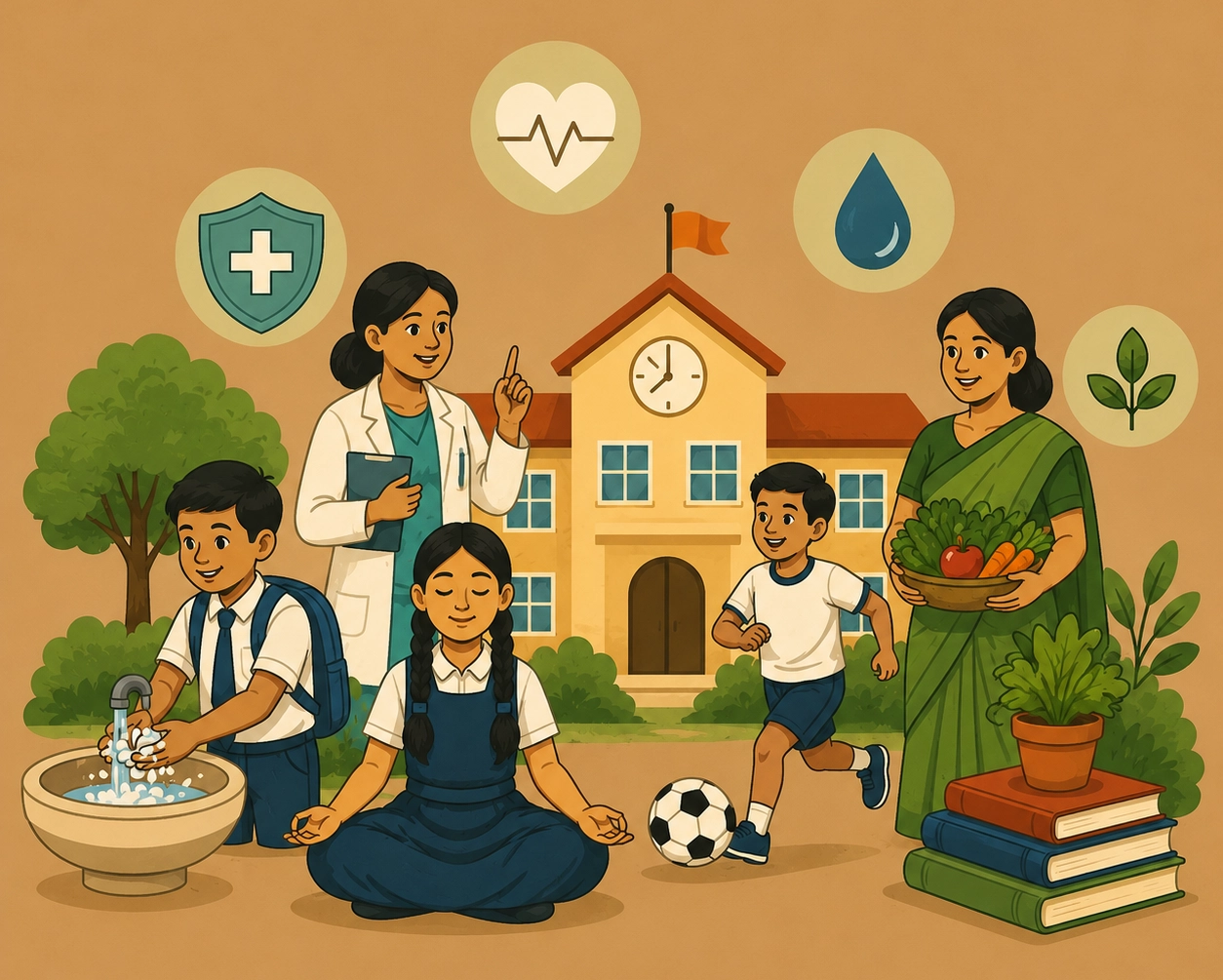 As schools across the country reopened after summer vacation, classrooms were filled once again with the energy, aspirations and anxieties of millions of adolescents. Yet hidden behind their growing ambitions lies a silent public health emergency — adolescent malnutrition. The recently released NFHS-6 (2023-24) findings are stark. Obesity among women aged 15-49 years has risen from 24% to 30.7%, and among men from 22.9% to 27.3%. High blood sugar among men aged 15 and above jumped from 15.6% to 20.9%, and among women from 13.5% to 17.8%. What is most alarming is that lifestyle changes once associated with cities and affluent communities such as sedentary behaviour, processed diets, stress and rising obesity, are now affecting rural populations too. India faces a double burden: undernutrition among children and surging obesity among adults, with obesity driving diabetes, heart disease and stroke. These crises do not begin in adulthood. Their roots lie in adolescence, making schools the most critical setting for prevention.
Addressing diets differently
Schools must recognise that malnutrition is no longer only about thinness. India is witnessing the ‘thin-fat’ phenotype —children who appear lean yet carry dangerous metabolic risk. According to the Comprehensive National Nutrition Survey (CNNS, 2019), 27.4% of Indian adolescents are stunted. At the same time, obesity is rising, particularly among the urban youth. More strikingly, 35% of children under five are stunted yet carry adult-level triglycerides, which is like a metabolic time bomb associated with adult-onset diabetes and cardiovascular disease. Preventing these diseases must begin in school, not in hospitals decades later.
Studies on Delhi school adolescents confirmed that the consumption of milk and dairy products, green leafy vegetables and fruits is lower than what is recommended. Far too many children consume cereal-heavy diets while proteins and protective foods remain woefully inadequate. Schools can address this through improved midday meals, healthier canteens and food demonstrations that teach students how to build balanced plates. The Dietary Guidelines for Indians 2024 recommend that half the plate by volume should consist of fruits and vegetables. Yet research confirms that sedentary and screen-heavy behaviours are inversely associated with daily fruit and vegetable intake — a dangerous compounding effect. School gardens, fruit breaks, and local seasonal produce can normalise healthier eating habits.
Addressing sugar and UPFs
Moreover, the bitter truth about sugar has to be revealed. Sugary drinks, High fat sugar and salt (HFSS) foods, and Ultra-Processed Foods (UPFs) are rapidly replacing traditional foods. Studies highlight alarming trends in free sugar and UPF consumption among Indian adolescents. A recent World Health Organization study has revealed that UPF consumption in India has been surging at more than 13.7% year-after-year. The bitter truth is that the excess sugar consumed today becomes a metabolic risk tomorrow. Schools must actively discourage sugary beverages and display sugar boards showing hidden sugar content. Reinforcement, not one-time campaigns, converts knowledge into practice.
Physical inactivity must be treated as seriously as poor diet. Schools should guarantee structured physical activity and sports as core educational components, not optional extras. This is especially urgent as urban lifestyle habits such as reduced movement, changing diets, and rising obesity are now affecting rural communities too, making inactivity a nationwide epidemic, not only city schools’ problem.
Thus, among the most common risk factors for non-communicable diseases in children and adolescents are unhealthy diets and insuffcient physical activity. The rapid rise of adolescent obesity increases the risk of early-onset Type 2 diabetes, hypertension and heart disease, and will lead to substantially greater healthcare spending. UPF-free school zones must become a national movement backed by consistent policy.
Schools advancing public health
It is here that the Let’s Fix Our Food (LFOF) initiative offers a compelling direction. Led by the Indian Council of Medical Research-National Institute of Nutrition (ICMR-NIN), the LFOF consortium is a multi-stakeholder initiative working to create healthier food environments for adolescents by advancing evidence-based policy, empowering youth through nutrition literacy, and campaigning for regulatory frameworks. Its outputs include recommendations for regulating HFSS food advertising, taxation on unhealthy beverages, a model school nutrition curriculum and a food label reading kit.
A 2025 Lancet study projected that 21.8 crore men and 23.1 crore women in India will be overweight by 2050, with the steepest rise expected among adolescents and young adults aged 15-24 years.
Schools must move beyond textbook nutrition education and adopt skill-based approaches such as reading food labels, recognising portion sizes, understanding marketing tactics, and basic cooking. Schools are not merely educational institutions; they have the potential to be powerful public health promoting institutions. School-based interventions in India have demonstrated measurable improvements in dietary behaviour and reductions in sugary beverage consumption. Achild protected from unhealthy diets today is far less likely to become a patient tomorrow.

घुसपैठियों की पहचान
संपादकीय
गृह मंत्री अमित शाह ने घुसपैठियों की पहचान करने और उन्हें वापस भेजने के लिए एक अभियान शुरू करने की दिशा में सभी राज्यों के पुलिस महानिदेशकों और केंद्रीय एजेंसियों के प्रमुखों की जो बैठक बुलाई, उससे यही पता चलता है कि वे इस अभियान को लेकर संकल्पबद्ध हैं। वास्तव में ऐसे किसी अभियान की गहन आवश्यकता है। ऐसा कोई अभियान तभी सफल होगा जब उसे पूरे देश में एक साथ शुरू किया जाएगा। यह अच्छी बात है कि पहली बार ऐसा होने जा रहा है। अभी तक अलग-अलग राज्यों की पुलिस की ओर से अपने-अपने स्तर पर घुसपैठियों के खिलाफ अभियान छेड़ा जाता था। ऐसे किसी अभियान के दौरान उनकी पहचान और पकड़ भी होती थी, लेकिन घुसपैठिए ऐसा कोई अभियान शुरू होते ही पड़ोसी राज्यों में चले जाते थे। इन स्थितियों में यह आवश्यक है कि पूरे देश में घुसपैठियों के खिलाफ एक साथ अभियान चलाया जाए। देश में घुसपैठियों और विशेष रूप से बांग्लादेशी घुसपैठियों की संख्या कितनी होगी, इसका ठीक-ठीक अनुमान लगाना कठिन है, लेकिन इसमें कोई संदेह नहीं कि उनकी अच्छी-खासी संख्या है। बांग्लादेशी घुसपैठिए एवं रोहिंग्या देश के लगभग सभी हिस्सों में दिखाई देते हैं। कई शहरों में तो वे लंबे समय से रह रहे हैं और उन्होंने छल-छद्म से तरह-तरह के पहचान पत्र भी हासिल कर लिए हैं। पूर्वोत्तर और पश्चिम बंगाल जैसे राज्यों में तो वे मतदाता भी बन गए हैं और सरकारी योजनाओं का लाभ भी उठा रहे हैं।
घुसपैठ की समस्या पुरानी है, लेकिन अभी तक किसी भी केंद्रीय सत्ता ने इससे निपटने के लिए कोई ठोस उपाय नहीं किए। इसका परिणाम यह हुआ कि घुसपैठ लगातार जारी है। यह मानने के अच्छे भले कारण हैं कि घुसपैठियों को अवैध तरीके से देश में लाने और उन्हें पहचान पत्र देकर देश के विभिन्न हिस्सों में पहुंचाने-बसाने वाले गिरोह सक्रिय हैं। इन स्थितियों में घुसपैठियों की पहचान करने और उन्हें पकड़कर वापस भेजने के लिए एक सुनियोजित रणनीति बनानी होगी। इस रणनीति में सभी राज्य सरकारों को सक्रिय रूप से सहयोग देना होगा। घुसपैठियों के खिलाफ सख्ती इसलिए आवश्यक है, क्योंकि वे केवल देश के संसाधनों पर ही बोझ नहीं बन रहे हैं, बल्कि देश के अनेक सीमावर्ती क्षेत्रों में सामाजिक ताने-बाने को भी बदल रहे हैं। कई जगह तो उनकी गतिविधियां राष्ट्रीय सुरक्षा के लिए खतरा पैदा करने का काम कर रही हैं। आवश्यक केवल यह नहीं है कि घुसपैठियों की पहचान कर उन्हें वापस भेजा जाए, बल्कि यह भी है कि सीमाओं पर ऐसी व्यवस्था की जाए, जिससे भविष्य में देश के किसी भी हिस्से में घुसपैठ न हो सके। इसके लिए सीमाओं को अभेद्य बनाने का जो कार्य जारी है, उसे और ठोस रूप प्रदान करना होगा।
Date: 29-06-26
अग्नि सुरक्षा आडिट
संपादकीय
उत्तर प्रदेश की राजधानी लखनऊ के एनिमेशन ट्रेनिंग सेंटर में लगी आग ने कई जिंदगियों को लील लिया, लेकिन हमारा तंत्र अब भी गहरी नींद में है। शुक्रवार को लखनऊ के लोकबंधु अस्पताल परिसर में बने समाज कल्याण विभाग के वन स्टाप सेंटर में लगी आग ने एक बार फिर प्रशासनिक लापरवाही को उजागर किया है। सौभाग्य से इस घटना में कोई जनहानि नहीं हुई, लेकिन यह सीधे तौर पर उन लापरवाह अधिकारियों की कार्यशैली को उजागर करती है जो सबक सीखने को तैयार नहीं हैं। इसी अस्पताल में पिछले साल 14 अप्रैल को भी आग लगी थी। इसके बाद शासन ने अस्पताल को फायर सेफ्टी सिस्टम से लैस करने के लिए लगभग 4.4 करोड़ रुपये स्वीकृत किए थे। दो बार कार्य अवधि बढ़ाए जाने के बावजूद अभी तक अग्निशमन उपकरण लगाने का काम अधूरा है। यही कारण है। कि अस्पताल परिसर की इस इमारत के पास फायर एनओसी तक नहीं थी। जब शासन ने धन उपलब्ध करा दिया तो सुरक्षा के साथ खिलवाड़ क्यों ? प्रशासन ने लखनऊ अग्निकांड के बाद जिस तरह प्रदेश भर में सख्ती से अभियान चलाकर अग्नि सुरक्षा आडिट किया है, उसी तरह सभी सरकारी भवनों, अस्पतालों और कार्यालयों में भी अग्नि सुरक्षा आडिट का अभियान चलाने की आवश्यकता है। यदि जिम्मेदार अब भी लापरवाह बने रहे, तो अगली दुर्घटना अधिक दर्दनाक हो सकती है। समय से चेतने की जरूरत है।

पुनरीक्षण पर सवाल
संपादकीय
मतदाता सूची के विशेष गहन पुनरीक्षण यानी एसआइआर की कवायद को शुरू हुए एक साल पूरा हो गया है। वर्तमान में उन्नीस राज्यों और केंद्रशासित प्रदेशों में यह प्रक्रिया जारी है। खबरों के मुताबिक, इसके जरिए अब तक करीब छह करोड़ मतदाताओं के नाम सूची से हटाए जा चुके हैं। ऐसे में यह सवाल अहम है कि क्या वास्तव में इतनी बड़ी संख्या में लोग मतदान करने के पात्र नहीं है? या फिर बहुत से लोग आधिकारिक दस्तावेज नहीं जुटा पाने की वजह से अपनी योग्यता साबित नहीं कर पाए? सबसे बड़ी चिंता की बात यह है कि जिन लोगों के नाम सूची से बाहर किए गए हैं, उनका भविष्य क्या होगा। अगर वे मतदान के हकदार नहीं है, तो उनके दूसरे अधिकारों पर इसका क्या असर पड़ेगा? यह सवाल इसलिए महत्त्वपूर्ण है, क्योंकि पश्चिम बंगाल और बिहार में पिछले दिनों हुए विधानसभा चुनावों के बाद ऐसी खबरें आई हैं कि दोनों राज्यों में संशोधित मतदाता सूची के आंकड़ों को अब सामाजिक सुरक्षा से जुड़ी सरकारी योजनाओं में शामिल किया जाएगा। इससे यह आशंका भी गहरा रही है कि मतदाता सूची से हटाए गए लोगों को अब सरकारी योजनाओं की लाभार्थी सूची से भी बाहर किया जा सकता है।
सबसे पहले बिहार में पिछले वर्ष विधानसभा चुनावों से पूर्व एसआइआर की प्रक्रिया शुरू की गई थी। तब विपक्षी दलों ने इसके समय को लेकर सवाल उठाए थे। उनका कहना था कि मतदाता सूची में संशोधन के लिए निर्वाचन आयोग के पास पहले पर्याप्त समय था, इसके बावजूद चुनावों से ठीक पहले इस प्रक्रिया को शुरू करना उचित नहीं है। इसके बाद नागरिकता के प्रमाण को लेकर भी यह प्रक्रिया विवादों में रही। विवाद का यह सिलसिला केवल बिहार तक ही सीमित नहीं रहा, बल्कि उत्तर प्रदेश होते हुए यह पश्चिम बंगाल तक पहुंच गया। बिहार में इस प्रक्रिया के तहत मतदाता सूची से लगभग पैंसठ लाख नाम हटाए गए। दूसरे चरण में उत्तर प्रदेश, पश्चिम बंगाल, तमिलनाडु, राजस्थान, छत्तीसगढ़, केरल, पुडुचेरी, अंडमान और निकोबार द्वीप समूह, लक्षद्वीप, गुजरात, मध्य प्रदेश और गोवा में करीब 10.2 फीसद मतदाताओं को सूची से बाहर किया गया। सवाल यह भी है कि क्या इन लोगों को अपनी पात्रता साबित करने के लिए आगे कोई मौका दिया जाएगा, या फिर वे हमेशा के लिए मताधिकार से वंचित हो गए हैं।
इसमें कोई संदेह नहीं है कि मतदाता सूची का समय-समय पर संशोधन जरूरी है, ताकि जिनकी मृत्यु हो गई है या जिन्होंने फर्जी दस्तावेज के आधार पर अपना पंजीकरण कराया है, उनके नाम सूची से हटा दिए जाएं। मगर यह चिंताजनक है कि अभी कुछ राज्यों में ही एसआइआर की प्रक्रिया पूरी हुई है और करीब छह करोड़ लोग मताधिकार से वंचित हो गए हैं, तो देश भर में ऐसे लोगों की संख्या कितनी हो जाएगी, इसका अंदाजा लगाना मुश्किल नहीं है। सूची से बाहर किए गए लोगों को अब अपनी नागरिकता की चिंता भी सताने लगी है, क्योंकि उन्हें सरकार की कल्याणकारी योजनाओं की लाभार्थी सूची से भी बाहर होने का खतरा है। ऐसे में उनका भविष्य संकट में पड़ सकता है। यह सुनिश्चित करना निर्वाचन आयोग की जिम्मेदारी है कि कोई पात्र व्यक्ति किसी तकनीकी कारण या समय पर दस्तावेज न जुटा पाने की वजह से मताधिकार से वंचित न रह जाए। याद रखना चाहिए कि लोकतंत्र सही मायने में तभी जिंदा रहता है, जब पात्र नागरिकों के मतदान का अधिकार सुरक्षित रहे और चुनाव निष्पक्ष एवं पारदर्शी तरीके से संपन्न हों।
Date: 29-06-26
रक्षा के मोर्चे पर रणनीतिक तैयारी
जयंतीलाल भंडारी
दुनिया में अस्थिरता के साथ रक्षा संबंधी चुनौतियां भी बढ़ रही हैं। इसके मद्देनजर भारत को भी तेज विकास के साथ बहुआयामी स्तर पर रक्षा के मोर्चे मजबूत करने होंगे। हाल ही में प्रधानमंत्री ने देश में निर्मित तीन नौसैनिक जहाजों को राष्ट्र को समर्पित करते हुए कहा कि देश में शांति और विकास के लिए सुरक्षा मजबूत करना आवश्यक है। हालांकि, वैश्विक भू-राजनीतिक तनाव और कुछ पड़ोसी देशों से मिल रही चुनौतियों के बीच दुनिया में भारत के प्रति आर्थिक भरोसा बढ़ रहा है। यहां विदेशी निवेश बढ़ रहा है और नए व्यापार समझौते आकार ले रहे हैं। भारत दुनिया की सबसे तेजी से बढ़ने वाली अर्थव्यवस्थाओं में शामिल है। ऐसे समय में अब भारत को विकसित राष्ट्र बनाने के लिए आर्थिक विकास के साथ-साथ आधुनिक रक्षा प्रणाली के मामलेमें भी खुद को सुदृढ़ करना होगा।
इस परिप्रेक्ष्य में हाल में जारी दो रिपोर्ट उल्लेखनीय हैं। विश्व बैंक ने अपनी रिपोर्ट में कहा कि वैश्विक चुनौतियों के बीच वर्ष 2026-27 में भारत की विकास दर 6.6 फीसद होगी और उभरते हुए देशों में भारतीय अर्थव्यवस्था सबसे तेज गति से बढ़ने वाली अर्थव्यवस्था बनी रहेगी। दूसरी ओर दुनिया में हथियारों पर नजर रखने वाली ग्लोबल संस्था ‘स्टाकहोम इंटरनेशनल पीस रिसर्च इंस्टीट्यूट’ (सिपरी) की परमाणु हथियारों पर नजर रखने वाली रिपोर्ट में बताया गया है कि भारत परमाणु हथियार के मोर्चे पर बहुत तेजी के साथ आगे बढ़ रहा है। रिपोर्ट में कहा गया है कि रक्षा बजट के मामले में भारत दुनिया में पांचवें क्रम पर है। जनवरी 2026 तक भारत के पास कुल 190 परमाणु हथियार थे। इनमें से बारह परमाणु बमों को मिसाइल, पनडुब्बी और लड़ाकू विमानों के साथ जोड़ दिया गया है। साथ ही उन्हें संचालन अड्डे पर तैनात किया गया है। स्पष्ट है कि परमाणु हथियारों को अलग रखने की भारत की दशकों पुरानी नीति अब बदल गई है।
लंबे समय से यह माना जाता रहा है कि शांति के समय भारत अपने परमाणु हथियारों को तैनात ‘लांचर’ से अलग रखता है। हालिया कदमों से संकेत मिलता है कि भारत शांति के समय में भी अपने कुछ हथियारों को ‘लांचर’ के साथ जोड़ने की दिशा में तेजी से आगे बढ़ा है। यह कोई छोटी बात नहीं है कि भारतीय युद्धपोत, पनडुब्बी और दूसरे हथियारों में परमाणु हथियार हमेशा तैनात रहते हैं। वस्तुत: चीन और पाकिस्तान के खतरे को देखते हुए रक्षा तैयारी रणनीति के तहत यह एक असाधारण बदलाव है। वैश्विक अर्थव्यवस्था और रक्षा व्यय से संबंधित ताजा रिपोर्ट के मुताबिक, दुनिया में भारत रणनीतिक रूप से आर्थिक मजबूती के साथ रक्षा व्यय बढ़ाने वाले प्रमुख देश के रूप में उभर रहा है। निश्चित रूप से ऐसे समय में जब देश की सीमाएं भू-राजनीतिक चुनौतियों के मद्देनजर पहले से अधिक असुरक्षित और संवेदनशील हो गई हैं, तब भारत को न केवल दुनिया की आर्थिक शक्ति, बल्कि उन्नत परमाणु हथियारों से सुसज्जित सैन्य शक्ति बनने की जरूरत दिखाई दे रही है। स्पष्ट है कि सीमावर्ती क्षेत्रों में पाकिस्तान आधुनिक चीनी हथियारों से भारत में घुसपैठ को बढ़ावा दे रहा है। इन दिनों ईरान-अमेरिका के बीच मध्यस्थता प्रयासों से उसकी निकटता बढ़ी है। चीन की ओर से भी सीमा पर भारत के संप्रभु इलाकों में चुनौती देने वाली गतिविधियां बढ़ी हैं। यह चिंता की बात है कि चीन वास्तविक नियंत्रण रेखा ( एलएसी और विशेष रूप से काराकोरम दर्रे के पास भी चुनौतियां पैदा कर रहा है। पिछले दिनों उसने शरारत पूर्ण तरीके से अक्साई चीन में नया ‘प्रशासनिक क्षेत्र’ बनाया है। चीन हिंद महासागर में ‘स्ट्रिंग आफ पर्ल्स’ नीति के जरिए भी भारत को चुनौती दे रहा है। पिछले वर्ष पाकिस्तान को पहलगाम आतंकी हमले का जवाब देने के मद्देनजर जब ‘आपरेशन सिंदूर’ चलाया गया था, तब पाकिस्तान का साथ देने के लिए चीन, तुर्किये और अजरबैजान का खतरनाक गठजोड़ सामने आया था। चीन ने पाकिस्तान को उपग्रह के जरिए खुफिया जानकारी उपलब्ध कराई थी। अब पाकिस्तान द्वारा चीन के सहयोग से परमाणु हथियार ले जाने में सक्षम अंतर महाद्वीपीय बैलिस्टिक मिसाइल जैसे हथियार विकसित किए जा रहे हैं। इतना ही नहीं उसने सऊदी अरब के साथ रक्षा समझौता भी किया है।
पिछले दिनों अमेरिकी खुफिया संस्थान की ‘एनुअल थ्रेट असेसमेंट’ रिपोर्ट 2026 में कहा गया है कि इस समय पाकिस्तान द्वारा किया जा रहा परमाणु और पारंपरिक हथियारों का विस्तार भारत सहित दक्षिण एशिया के लिए बड़ा खतरा बन गया है। मगर आर्थिक और रक्षा विकास की नई रणनीति के तहत भारत आर्थिक और सामरिक रूप से मजबूती आगे बढ़ रहा है। भारत ने आतंकवाद के प्रति कठोर नीति अपनाई है। पूरी दुनिया ने देखा है कि पिछले वर्ष आपरेशन सिंदूर के तहत भारतीय सेना ने पाकिस्तान को घुटने टेकने पर मजबूर कर दिया था। वस्तुत: सैन्य अभियान के तहत भारत ने एआइ के उपयोग से पाकिस्तान में आतंकी ठिकानों को ध्वस्त कर मिसाल पेश की है। तेज आर्थिक विकास के साथ युद्ध के लिए अर्थव्यवस्था को तैयार करने और मजबूत सैन्य शक्ति बनने के लिए भारत को रणनीतिक कदमों के साथ आगे बढ़ना होगा।
इस समय मजबूत घरेलू बाजार, पूंजीगत व्यय, रेकार्ड खाद्यान्न उत्पादन और विदेशी मुद्रा भंडार देश की शक्ति है। साथ ही ये सभी कारक भारत को बाहरी आर्थिक झटकों से बचा रहे हैं। मगर अभी देश को तीसरी बड़ी आर्थिकी बनाने के लिए रफ्तार से बढ़ना होगा। युवाओं को देश की शक्ति बनाना होगा। हमें युद्ध पर आधारित ऐसी मजबूत अर्थव्यवस्था के रूप में भी तैयार होना होगा, जहां जरूरत पड़ने पर तेजी से औद्योगिक और तकनीकी क्षमता का इस्तेमाल करते हुए युद्ध सामग्री का निर्माण हो सके। सार्वजनिक और निजी क्षेत्र से रक्षा इकाइयों को तकनीकी शैक्षणिक संस्थानों के साथ जोड़ कर सैन्य साजो-सामान को अत्याधुनिक बनाने में भी तेजी से आगे बढ़ना होगा। देश में साइबर और सूचना क्षमताओं का विस्तार करना होगा। क्योंकि अब युद्ध केवल सीमाओं पर ही नहीं लड़े जाते, बल्कि ये आधुनिक चिप से निर्मित मिसाइलों व उन्नत ड्रोन के इस्तेमाल से हवा, समुद्र तथा अंतरिक्ष में भी लड़े जाते हैं
भारत को हाइपरसोनिक मिसाइलों के साथ एआइ की नई क्षमताओं के साथ आगे बढ़ना होगा। इस परिप्रेक्ष्य में भारत की हाल की उपलब्धियां दुनिया भर में रेखांकित की जा रही हैं। इस उपलब्धि के साथ भारत रूस के बाद व्यावसायिक ‘फास्ट ब्रीडर रिएक्टर’ संचालित करने वाला दुनिया का दूसरा देश बन गया है। इससे देश दुनिया की परमाणु महाशक्ति के रूप में उभरेगा। भारत ने पिछले एक दशक में रक्षा उपकरणों के सबसे बड़े आयातक से निर्यातक के रूप में खुद को बदला है। पिछले वित्त वर्ष 2025-26 में 38424 करोड़ रुपए का रेकार्ड रक्षा निर्यात किया है। मगर अभी भी रक्षा मजबूती के लिए मीलों चलना बाकी है। ‘मेक-इन-इंडिया’ के तहत आधुनिक हथियारों का मजबूती से स्वदेशीकरण होगा। भारत को सैन्य साजो-सामान के आधुनिकीकरण के साथ साइबर तकनीक और आधुनिक मिसाइलों से सुसज्जित होना होगा। उम्मीद है देश आर्थिक विकास के साथ परमाणु हथियार मोर्चे पर भी तेजी से आगे बढ़ेगा।

शांति में खलल
संपादकीय
अमेरिका और ईरान के बीच तनाव का फिर बढ़ना दुखद व शर्मनाक है। ईरान के साथ युद्ध विराम के लिए बनी सहमति पर बढ़-चढ़कर खुशी का इजहार करने वाले राष्ट्रपति डोनाल्ड ट्रंप के निर्देश पर ईरान में कई ठिकानों पर हमले हुए हैं। इसका जवाब ईरान ने भी बहरीन और कुवैत में स्थित अमेरिकी सैन्य ठिकानों पर हमले के साथ दिया है। युद्ध के फिर भड़कने और युद्ध विराम के खत्म होने की आशंका मंडराने लगी है। हालात के बिगड़ने के लिए दोनों पक्ष एक दूसरे को जिम्मेदार ठहरा रहे हैं। दरअसल, यह अविश्वास से उपजा संकट है, जिसके समाधान की इच्छा अमेरिका में हाल के वर्षों में तो कभी नहीं दिखी है। अमेरिकी सत्ता प्रतिष्ठान में जैसी दृढ़ता होनी चाहिए, उसका नितांत अभाव हो गया है। दरअसल, अमेरिकी प्रशासन ने ही अविश्वास का यह जाल बुना है, जिसमें वह खुद फंसा हुआ है। ट्रंप ने घोर असावधानी में यह ताजा धमकी दी है कि अगर अमेरिका ने सैन्य बल का प्रयोग किया, तो ईरान का अस्तित्व समाप्त हो जाएगा। निस्संदेह, ट्रंप के इन चुभते शब्दों से पश्चिम एशिया में अमन-चैन को बल नहीं मिलेगा।
अस्थायी संघर्ष विराम में दरार आ गई है। तनाव बढ़ने के बाद ईरान ने अमेरिका के साथ शांति वार्ता समाप्त करने की धमकी दी है। होर्मुज समुद्री मार्ग के फिर बंद होने का खतरा पैदा हो गया है। ईरान की नाराजगी से यही लगता है कि तेल संकट में फिर इजाफे के हालात बनेंगे। सहमति पत्र पर हस्ताक्षर होने के बाद होर्मुज में यातायात शुरू हो गया था। अकेले भारत की ओर 30 से ज्यादा जहाज तेल, गैस, उर्वरक और अन्य सामान लेकर चल पड़े। वैश्विक बाजार में कच्चे तेल की कीमत एक समय 100 डॉलर प्रति बैरल के पार चली गई थी, लेकिन अब भाव वापस 70 डॉलर प्रति बैरल तक पहुंचने वाले हैं। तेल की गिरती कीमतों से महंगाई की रफ्तार पर भी अंकुश के आसार बन रहे थे, पर अब सुधरते हालात पर सवालिया निशान लग गए हैं। अमेरिका ने ईरानी मिसाइल व ड्रोन भंडारण स्थलों और तटीय रडार ठिकानों पर हमले किए हैं, तो ईरानी नौसेना और एयरोस्पेस बलों ने कुवैत व बहरीन में अमेरिकी सैन्य ठिकानों को निशाना बनाते हुए मिसाइल व ड्रोन से हमला किया है। उधर, इजरायल भी हिजबुल्लाह के ठिकानों पर हमले कर रहा है और हिजबुल्लाह भी इजरायल विरोध में कोई कसर नहीं छोड़ रहा है। गौर करने की बात है, अमेरिका और ईरान के बीच युद्ध विराम सहमति बनने के बाद इजरायल-हिजबुल्लाह के बीच भी सहमति बनी थी। यह सोचने का विषय है कि सहमतियां अब टिकती क्यों नहीं हैं?
दुनिया में यही वह मुकाम है, जहां संयुक्त राष्ट्र की कमी महसूस होती है। कभी इस प्रभावी संस्था में इतना नैतिक बल था कि वह तमाम देशों की अनियंत्रित महत्वाकांक्षाओं को काबू में रखती थी। दुर्भाग्य से यह संस्था अब लगभग सामुदायिक भवन जैसी बन गई है, जहां कभी-कभी लोग जुटते हैं और चर्चा करते हैं। यह विश्व संस्था लाचार है। डोनाल्ड ट्रंप का अमेरिका अपनी आंतरिक राजनीति से बुरी तरह से संचालित हो रहा है। बताया जा रहा है, ताजा सहमति की अमेरिका में भी निंदा हुई है और शायद ट्रंप नए सिरे से सहमति चाहते हैं। दूसरी ओर, ईरान ने भी इस सहमति को अपनी जीत की तरह प्रचारित कर दिया। फिर वही अविश्वास से जुड़ा संकट है, जिसके समाधान के लिए एक सक्षम, निष्पक्ष, मानवीय और नैतिक रूप से सबल मध्यस्थ संस्था की जरूरत है, इसके बिना दुनिया का काम नहीं चल सकता।
Date: 29-06-26
समस्या बढ़ाएगा कमजोर मानसून
के जे रमेश, ( पूर्व डीजीएम, मौसम विभाग )
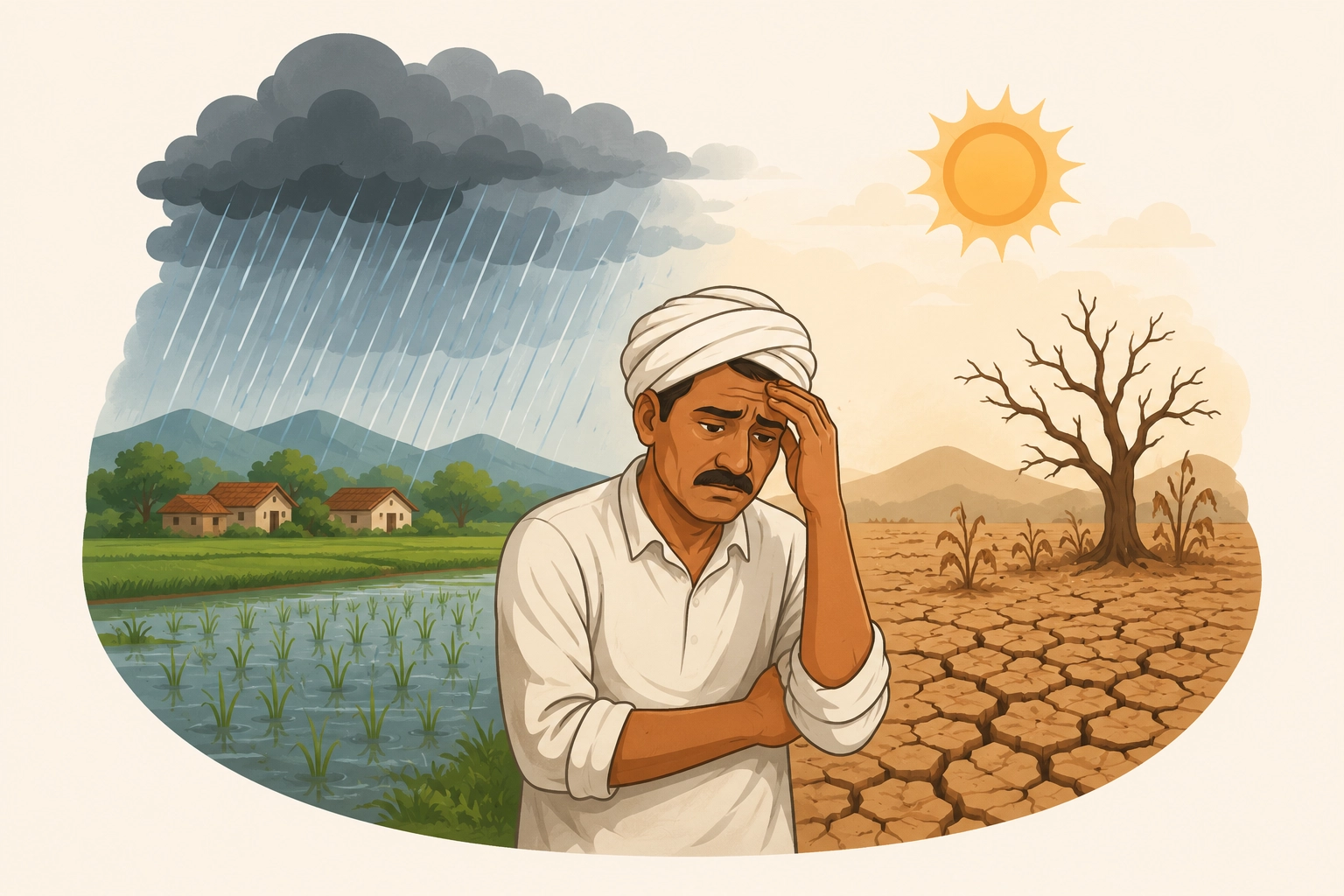 केंद्रीय कृषि मंत्री शिवराज सिंह चौहान ने बीते सप्ताह आशंका जताई कि मानसून में देरी के कारण खरीफ फसलों की बुवाई पर प्रतिकूल असर पड़ सकता है, क्योंकि 315 जिलों में सामान्य से कम वर्षा होने के आसार हैं। कृषि मंत्री ने यह भी बताया कि देश के 111 जिलों को सबसे अधिक संवेदनशील के रूप में चिह्नित किया गया है, क्योंकि वहां सिंचाई की सुविधा 25 प्रतिशत से भी कम है। उन्होंने कहा,‘मानसून में देरी हुई है। अब तक 43 प्रतिशत कम वर्षा दर्ज की गई है।’ भारतीय मौसम विभाग (आईएमडी) के पूर्वानुमान के अनुसार, 2 जुलाई को समाप्त होने वाले सप्ताह तक मानसून के कमजोर रहने का अनुमान है।
इस साल 14 जून तक मानसून में 28.4 प्रतिशत वर्षा की कमी दर्ज की गई। यदि अगले महीने भी यह कमी बनी रहती है, तो खरीफ फसलों की बुवाई प्रभावित हो जाएगी। इससे उपज पर असर पड़ेगा। मौसम विभाग ने इसका कारण अल नीनो को बताया है और कहा है कि जून-सितंबर में दक्षिण-पश्चिमी मानसून के आगे बढ़ने के साथ इसके और मजबूत होने की आशंका है। हालांकि, एक सुखद संभावना यह है कि हिंद महासागर द्विध्रुव (आईओडी) की सकारात्मक स्थिति, जिसमें पूर्वी हिंद महासागर की तुलना में पश्चिमी हिंद महासागर का पानी अधिक गर्म होता है, मानसून पर अल नीनो के कुछ प्रतिकूल प्रभावों को कम कर दे। अगर हालात में कोई बड़ा बदलाव नहीं आया, तो इस बार देश में बारिश कम होगी।
अल नीनो वास्तव में भूमध्यरेखीय प्रशांत क्षेत्र में होने वाली गर्मी है, जो विश्व भर में मौसम के पैटर्न को प्रभावित करती है। भारत में यह कमजोर मानसून की आशंका को बढ़ाती है। 1951 से अब तक, 16 अल नीनो वर्षों में से 12 में सामान्य से कम या अपर्याप्त वर्षा हुई, जबकि छह या सात साल स्थिति ज्यादा खराब रही। वर्षा को सामान्य से कम तब माना जाता है, जब यह दीर्घकालिक औसत का 90-95 प्रतिशत हो और अपर्याप्त तब माना जाता है, जब यह उस मानक से 10 प्रतिशत से अधिक तक कम हो।
अल नीनो का असर 2027 की शुरुआत तक जारी रह सकता है, इससे अगले साल भी उच्च तापमान का खतरा बना रहेगा। भारत के कुछ हिस्सों में पीने के पानी की कमी हो सकती है, जिस तरह 2015-16 के अल नीनो के बाद हुई थी। अल नीनो आमतौर पर प्रशांत महासागर के ऊपर चलने वाली हवाओं को कमजोर करके भारतीय मानसून को दबा देता है। भारत ने 2015 के दौरान मजबूत अल नीनो प्रभाव का अनुभव किया। उस साल जून-अगस्त के तीन महीनों के दौरान 1.3 डिग्री सेल्सियस गर्मी दर्ज की गई, जो 26 जून 2026 को पार करके 1.34 डिग्री सेल्सियस हो चुकी है। नवंबर 2015 से जनवरी 2016 के दौरान अल नीनो वार्मिंग अपने सबसे ऊंचे स्तर 2.4 डिग्री सेल्सियस पर पहुंच गई थी, जिसके कारण 2015 के मानसून (जून-सितंबर) में 12.7 प्रतिशत की कमी आई। हालांकि, तब खाद्य उत्पादन में गिरावट न के बराबर रही। मौजूदा साल में मानसूनी बारिश में लगभग 10 प्रतिशत की कमी का अनुमान है, क्योंकि अक्तूबर-दिसंबर तक अल नीनो वार्मिंग 2.5-3.0 डिग्री तक पहुंच सकती है।
‘इंडियन ओशन डाइपोल’ (आईओडी) हिंद महासागर में मौसम को प्रभावित करने वाला एक अहम कारक है, जो हमारे मानसून की क्षमता पर काफी असर डालता है। लाभकारी आईओडी तब माना जाता है, जब पश्चिमी हिंद महासागर (अफ्रीका के पास) पूर्वी हिस्से (इंडोनेशिया के पास) की तुलना में अधिक गर्म हो जाता है। तापमान का यह अंतर पश्चिम में कम दबाव बनाता है, नमी वाली हवाओं को भारतीय उपमहाद्वीप की ओर खींचता है। 2015 के मानसून के दौरान प्रशांत महासागर में मजबूत अल-नीनो और पश्चिमी हिंद महासागर में अधिक आईओडी एक साथ देखे गए थे। भारत में वार्षिक वर्षा का लगभग तीन-चौथाई हिस्सा चार महीने के मानसून में प्राप्त होता है। कमजोर मानसून कृषि के अलावा अन्य चीजों पर भी असर डालेगा।
कुल मिलाकर, मानसूनी बारिश पर बहुत कुछ निर्भर करता है। भारतीय रिजर्व बैंक द्वारा हाल ही में जारी मासिक रिपोर्ट में कहा गया कि वैश्विक ऊर्जा कीमतों, आपूर्ति शृंखला में बाधाओं, सामान्य से कमजोर मानसून और अल नीनो के कारण खाद्य महंगाई पर दबाव बना रह सकता है। रिजर्व बैंक ने माना है कि महंगाई के बढ़ने के पीछे मुख्य वजह खाद्य पदार्थों, ईंधन के दाम में बढ़ोतरी रही है, क्योंकि आम जरूरत के सामान की कीमतें लगातार बढ़ रही हैं।
वैसे, अल नीनो का असर भारत ही नहीं, पश्चिम पर भी पड़ रहा है। पूरा यूरोप हीट डोम के कारण भीषण गर्मी से झुलस रहा है। फ्रांस, जर्मनी, ब्रिटेन, इटली की सरकारों ने प्रचंड गर्मी को लेकर रेड अलर्ट जारी किए हैं। एक नए शोध के अनुसार, दुनिया के कई देश वर्ष 1970 के दशक की तुलना में दो महीने अधिक ‘हीट स्ट्रेस’ (गर्मी और उमस का भीषण असर) का सामना कर रहे हैं। शोधकर्ताओं ने इसके लिए जीवाश्म ईंधन और ग्लोबल वार्मिंग को मुख्य कारण बताया है। शोध के निष्कर्ष जलवायु परिवर्तन केंद्रित पत्रिका नेचर में प्रकाशित हुए हैं। इस अध्ययन के अनुसार, जो क्षेत्र पहले गर्म हवाओं से बचे रहते थे, वे भी अब इसे ज्यादा महसूस कर रहे हैं।
अनुमान है, साल 2026 में आईओडी का स्तर 1.3 डिग्री से ऊपर तक पहुंच जाएगा और 2026 की मानसूनी बारिश पर अल नीनो के प्रभाव को बेअसर कर देगा। हालांकि, इसका पता सितंबर तक ही चल पाएगा। बुवाई क्षेत्र में अब तक तो खास चिंता नहीं दिख रही है। एहतियात के तौर पर, कृषि मंत्रालय पहले से ही किसानों को खरीफ सीजन के लिए कम अवधि और नमी प्रतिरोधी फसल बोने की सलाह दे रहा है। उधर, आने वाले चार सप्ताह में मध्य, पूर्वी और दक्षिणी भारत में लगातार सक्रिय मानसून बारिश के लिए अनुकूल परिस्थितियां बना रहा है।
कुल मिलाकर, अब तक खरीफ क्षेत्र के लगभग 10 प्रतिशत हिस्से में बुवाई का काम हो चुका है। 22 जून तक सभी तरह की खरीफ फसलों का कुल रकबा 1.17 करोड़ हेक्टेयर रहा, जो पिछले वर्ष की इसी अवधि के 1.13 करोड़ हेक्टेयर के मुकाबले अधिक है। वैसे भी, ज्यादा चिंता की बात नहीं है, भारत के पास चावल का पर्याप्त भंडार है और वह मुख्य खरीफ फसल में कमी को पूरा कर सकता है। हां, बारिश पर निर्भर दलहन और तिलहन के उत्पादन पर असर पड़ेगा।
Date: 29-06-26
विवाह संस्था को बचाने के लिए आगे आए समाज
ऋतु सारस्वत, ( समाजशास्त्री )
पहले सोनम और अब सिया- मीडिया में छाई ये खबरें सभी को स्तब्ध कर रही हैं। ऐसा लगातार क्यों हो रहा है? यह प्रश्न बार-बार मन में कौंध रहा है। यदि वह किसी और के प्रेम में थी, तो फिर उसने इस विवाह के लिए सहमति ही क्यों दी? वह मंगनी से इनकार भी तो कर सकती थी? आखिर क्यों किसी माता-पिता से उनका बेटा इस प्रकार छीन लिया गया? ये वे अनुत्तरित प्रश्न हैं, जिनका उत्तर खोज पाना सरल नहीं दिखता। हर कोई उस सोच और मन:स्थिति को समझना चाहता है, जिसने सोनम, सिया या मुस्कान को यह विश्वास दिलाया कि जीवन की जटिल समस्याओं का समाधान संवाद, असहमति या अलगाव में नहीं, बल्कि किसी व्यक्ति को अपने रास्ते से हटा देने में निहित है।
स्त्री हिंसा और उससे जुड़ी सामाजिक हकीकत पर हम प्रायः विमर्श करने से बचते रहे हैं। जब कभी किसी महिला की संलिप्तता किसी जघन्य अपराध में सामने आती है, उसे अपवाद मानकर भुला दिया जाता है। बीते दशकों में ऐसी अनेक घटनाएं सामने आई हैं, जिन्होंने उस धारणा को गंभीर चुनौती दी है, जो हिंसक व्यवहार व अपराध को मुख्यतः पुरुष व्यवहार से जोड़ती रही है। यह विषय गौर करने योग्य है, क्योंकि किसी सामाजिक यथार्थ को समझने के लिए उसके उन पक्षों पर भी चर्चा जरूरी होती है, जिनकी उपेक्षा लंबे समय तक होती रही हो।
पैट्रीशिया पियर्सन ने अपनी किताब व्हेन शी वाज बैड : वायलेंट वूमेन ऐंड द मिथ ऑफ इनोसेंस में इसी प्रश्न को केंद्र में रखा है। स्त्री की हिंसा के विविध रूपों का विश्लेषण करते हुए वह लिखती हैं, हमारी संस्कृति महिलाओं की आक्रामकता की अंतर्निहित क्षमता को स्वीकार करने से इनकार करती रही है। उनके अनुसार, हिंसा को समझने, उसके कारणों को पहचानने और उसे नियंत्रित करने के लिए महिला आक्रामकता के बारे में प्रचलित धारणाओं की समीक्षा आवश्यक है। जब तक समाज महिलाओं को केवल पीड़िता या नैतिक रूप से श्रेष्ठ प्राणी के रूप में देखता रहेगा, वह महिला की हिंसा और उससे जुड़ी सामाजिक वास्तविकताओं को समग्रता में समझ नहीं पाएगा।
किसी भी समाज की व्यवस्थागत संरचना को बनाए रखने में विवाह संस्था एक महत्वपूर्ण स्तंभ की भूमिका निभाती है। इसीलिए इसके विभिन्न आयामों पर निरंतर शोध किए जाते हैं व पुस्तकें लिखी जाती रही हैं। विवाह की चर्चा होते ही विवाहेतर संबंधों पर विचार अनिवार्य हो जाता है, पर इसके साथ एक गंभीर मिथक जुड़ा हुआ है। साहित्य, सिनेमा व सामाजिक विमर्श में विवाहेतर संबंधों को प्रायः पुरुष व्यवहार से जोड़कर देखा गया है। नतीजतन, स्त्रियों की भूमिका पर या तो कम चर्चा हुई है अथवा उसे अपवाद मानकर टाल दिया गया।
बड़ा सवाल है, सोनम, मुस्कान या सिया के मन में क्या एक क्षण के लिए भी यह प्रश्न नहीं कौंधा होगा कि आधुनिक तकनीक, इलेक्ट्रॉनिक निगरानी, डिजिटल साक्ष्य और निरंतर विकसित होती पुलिस विवेचना के युग में ऐसे अपराधों को लंबे समय तक छिपाए रखना अत्यंत कठिन है? क्या उन्हें यह आभास नहीं था कि सत्य अंततः सामने आ सकता है? यदि ऐसा था, तो फिर इतना बड़ा जोखिम लेने के पीछे कौन-सी मनोवैज्ञानिक प्रक्रिया कार्य कर रही थी? विवाह संस्था किसी भी सभ्य समाज के लिए अपरिहार्य है, पर उतना ही आवश्यक यह भी है कि जब कोई संबंध भावनात्मक रूप से खत्म हो चुका हो, तब उससे सम्मानजनक व वैधानिक रूप से बाहर निकलने का साहस भी समाज प्रदान करे। यदि संबंध-विच्छेद की अपेक्षा सामाजिक प्रतिष्ठा को अधिक महत्व दिया जाएगा; यदि विवाह को हर परिस्थिति में निभाने का दबाव अंतिम विकल्प बना रहेगा, तो इसके दुष्परिणाम समाज को भी भुगतने पड़ेंगे।
इसका अर्थ यह कदापि नहीं कि अपराध का कोई औचित्य सिद्ध किया जा रहा है, बल्कि यह समझना है कि स्वस्थ समाज केवल अपराधियों को दंड देकर नहीं बनता, बल्कि वह उन सामाजिक परिस्थितियों की भी पहचान करता है, जो कभी-कभी व्यक्तियों को विनाशकारी निर्णय की ओर धकेल देती हैं। यदि समाज ने समय रहते इन प्रश्नों पर गंभीर आत्ममंथन नहीं किया, तो पुणे और इंदौर जैसी त्रासदियां घटती रहेंगी।