24-07-2026 (Important News Clippings)
To Download Click Here.
 Date: 24-07-26
You Get What You Pay
That NTA is staffed by just 25 officials tells a larger story of distorted govt pay structures
TOI Editorials
For an organisation that handles exams for millions of students every year, NTA’s permanent staff of only 25 officials is exceptionally small. It relies on another 200 contractual and outsourced personnel to conduct major entrance tests to professional and graduate education. The lean staffing shows NTA is structurally vulnerable. But such design flaws of understaffing are a challenge across several core govt functions, especially health, municipal work, enumeration – essential work that keeps the country running. Take ASHA workers, who work full jobs. But they remain ‘honorary volunteers’ – an army of trained women, unregularised, underpaid and overworked, pulled in a new direction with every new govt scheme. ASHA workers are expected to prosper on high praise, because remuneration remains measly, incentives paltry. If the backbone of rural public healthcare delivery rests on ‘volunteers’, problems are given. But govt’s argument against regularisation of such semi-skilled work, or any type of hiring, is, primarily, high wage bills. This points to a fundamental problem: how govt pay is structured.
Govt employees in lowerand mid-level jobs are very well paid, at much higher rates than market wages, inflating govt’s wage bill, and leaving govts less room to hire more teachers, nurses and municipal workers, or regularise ad hoc govt university teachers, or at the other end, workers like ASHAs. This, even though India has fewer govt employees per capita than many countries. Data for India estimates India has 27 nurses & midwives per 10k people, a far cry from fellow emerging economies such as Brazil, which has 58 nurses & midwives, or South Africa, with 42 nurses & midwives per 10k people.
Evidence of the flailing state is everywhere: in how badly exams are run, in the decrepit state of rural health centres, and in crumbling urban infra. Govts need to hire more, for better governance. To hire more, they need to lighten the bloated payout for unskilled and lowskilled jobs. GOI cannot keep relying on outsourced and contractual workers for critical jobs. Productivity and pay go together, and taxpayers and children shouldn’t have to pay the cost of govts spending heavily on low-level admin and clerical staff, peons, drivers, cleaners and other support functions.
Date: 24-07-26
It’s Bigger Than Jantar Mantar
Some student protests in India have had considerable impact, many haven’t. But even if CJP can’t effect real change, it’s already posted a key message: managing Gen Z frustrations will be one of the toughest political challenges in India
Neeraj Kaushal, [ The writer teaches at Columbia University ]
Cockroach Janta Party (CJP), which emerged as an internet meme barely two months ago, has rapidly evolved into a powerful youth movement, paralysing key areas of New Delhi this week. Caught off guard, govt appears unsure how to respond. It has resorted to a range of measures to contain the protests, with negligible success, while simultaneously signalling a willingness to concede some of CJP’s demands.
The movement continues to gather momentum, and now several political actors and interest groups seek to align themselves with it. Rahul Gandhi appears eager to position himself at the forefront of the agitation, hoping to emerge as its political beneficiary. Akhilesh Yadav may see the movement as an opportunity to strengthen his prospects ahead of the upcoming UP assembly elections. Farmer organisations have announced plans to march to Delhi, seeking to use the protests to refocus attention on agrarian issues. Sonam Wangchuk, a social activist of commendable reputation from Ladakh, had joined the agitation with a hunger strike, and now Anna Hazare has expressed support through a silent protest. It is no longer just a movement about the inefficient and corrupt education system or high youth unemployment.
The question now is whether CJP-led protests will evolve into a sustained national movement comparable to Jayaprakash Narayan’s Total Revolution of the mid-1970s or Anna Hazare’s anti-corruption movement of the early 2010s, or whether they will gradually fizzle out, as many student-led protests have in the past.
For BJP, stakes are considerable. If the agitation persists for several months, it could influence the political climate ahead of UP elections. The party can ill afford a prolonged confrontation resembling farmers’ protests of 2020-21, which lasted more than a year, and ultimately compelled govt to repeal three farm laws. A similarly prolonged movement unfolding in the run-up to UP elections would pose a significantpolitical challenge for BJP.
India has a long history of youth-led movements. Some flared up to change the course of history, some were crushed, and some just fizzled out. Assam Movement, spearheaded by All Assam Students’ Union (AASU), started in 1979, and culminated in Assam Accord of 1985, fundamentally reshaping the state’s political landscape. In 1974, Gujarat’s Navnirman Movement, sparked by student protests against rising hostel fees and corruption, led to then CM’s resignation.
That same year, Total Revolution, also led by students in Bihar under Jayaprakash Narayan’s guidance, grew into a nationwide campaign against corruption and authoritarianism and contributed to Congress govt’s defeat after Emergency in 1977. In 2011, Anna Hazare’s anti-corruption movement, while not student-led, drew participation from students and young professionals across the country.
But many other youth movements failed despite widespread participation. The anti-Mandal agitation of 1990, led largely by university students, opposed the implementation of reservation for OBCs in central govt jobs. It did not prevent implementation of the policy, which was later upheld by Supreme Court. More recently, student-led protests against Citizenship Amendment Act in 2019-20 mobilised thousands of students across universities and generated a nationwide debate on citizenship, but the legislation was not repealed. Similarly, protests against fee hikes and administrative reforms at institutions such as JNU and FTII only won partial concessions. In short, the history of youth-led movements does not help us predict the future course of CJP-led agitation.
In March, in an article ( https://bit.ly/4fgZnz1 ) for this page, I discussed Gen Z protest movements jolting govts across the globe, from Sri Lanka, Bangladesh and Nepal in India’s neighbourhood, to Indonesia and Philippines in Southeast Asia; Egypt, Tunisia, Nigeria, Morocco, and Sudan in Africa, and Peru and Paraguay in Latin America. In the article, I probed if India is likely to witness a similar wave of Gen Z-led protests. There was no CJP on the horizon at that time. I concluded that the probability of a Gen Z movement in India was low. The CJP movement has proved me wrong.
India is home to the world’s largest Gen Z, defined as those born between the mid-1990s and early 2010s. Indian Gen Z, like its cohorts in other parts of the world, is digitally very active. Their aspirations are high, achievements low in comparison. India’s youth male unemployment is three to four times that of the overall male workforce, depending on the measure used. Large numbers of college graduates find themselves either unemployed or working in informal or low-skill jobs, unrelated to their education. So one can argue that India would always be at risk of such youth movements.
Academics Erica Chenoweth and Matthew Cebul, who have studied Gen Z movements, show that while youth-led protests often successfully topple govts, these movements do not bring structural changes, and fail to improve material well-being of the youth. Which means these movements can lead to a vicious cycle of disruption. Managing expectations and opportunities of this vast generation may ultimately prove to be one of the most significant political challenges facing India in the years ahead. Whether CJP succeeds or not, this challenge will persist and grow.

Now, Fix the Broken Exam Architecture
Address education’s shrinking share in budget
ET Editorials
So, peaceful protests do work. Responding to mobilisation under the Cockroach Janta Party (CJP) banner over NEET paper leaks, on Thursday, the prime minister intervened, announcing that his government is setting up fast-track courts to ensure swift and stringent punishment for those found guilty in exam leaks and other exam-related malpractices. Narendra Modi’s response is welcome. Now, GoI must go further, for only an overhaul of India’s competitive exam system can fix it.
First, the exam architecture needs an independent statutory authority with operational autonomy, fixed tenures for those heading it, mandatory external audits and parliamentary oversight. Second, question papers should move through encrypted digital systems, be printed just before tests at authorised centres, use multiple randomised sets, and be protected by cybersecurity audits. Third, honest candidates should not pay the price for administrative ineptitude. Re-examinations must be conducted within fixed timelines, lost attempts restored, age limits relaxed where necessary, and genuine expenses compensated when authorities fail. Fourth, multiple testing windows, score validity over several years, and allowing students to use their best score would reduce consequences of one compromised test, while making every exam feel less like gambling. Fifth, when millions compete for a small number of affordable, high-quality seats, incentives for corruption multiply. India must expand public universities, medical and engineering colleges, strengthen state universities, improve faculty and infrastructure, and create far more quality opportunities.
All this needs money. Over the past 12 yrs, education’s share in the Union budget has nearly halved — from 4.6% in 2013-14 to 2.5% in 2025-26. This needs to be addressed. Fast-track courts can punish those who broke the system. Rebuilding will need not just money, but also patience and a strong belief that there can be no real progress without investing in our students first.

Core upgrade
The updated Index of Core Industries rounds out economic data upgrades
Editorial
The Index of Core Industries (ICI) has finally joined the country’s other economic metrics in becoming up-to-date and representative of the economy. The other metrics such as the national accounts, Consumer Price Index (CPI), Wholesale Price Index (WPI), and the Index of Industrial Production (IIP) were updated earlier this year, although even those were after considerable delays. The ICI has now joined their ranks with the June data being based on a new series with an updated base year, an additional sector being covered, and revised weights and methodologies. This is a welcome upgrade. The performance of these core industries is a vital barometer of the state of the economy. In the new series, the previous eight sectors have become nine, with the vital inclusion of the iron ore sector. Improvements have also been made to how the steel and coal sectors are measured in order to remove the previous double-counting that was taking place. The addition of a sector would naturally change the distribution of weights of the sectors in the index, but the final weights also reflect a broader shift in economic activity. The coal and natural gas sectors have seen their weights nearly halve to about 5.6% and 3.8%, respectively. On the other hand, the electricity sector now makes up more than 30% of the index from less than 20% in the previous series. All of this perhaps reflects the rising share of renewables in electricity generation, even as demand for electricity itself surges.
The performance of the index in June 2026, with a five-month-high growth of 5%, would suggest that Indian industry is shrugging off the slump induced by the West Asia crisis. However, two of the strong growth numbers — iron ore by 43.9% and electricity by 9.8% — were due to a statistical base effect since both sectors had contracted in June last year. It remains to be seen whether the numbers will remain this positive once that base effect wears off in the months ahead. The new series highlights some of the systemic issues that the old series did, such as the persistent contraction of the crude oil and natural gas sectors. They have contracted continuously for 18 and 24 months, respectively. If India does not have these resources, that is one thing. But if it has them and still is not able to extract them economically, then that is a serious shortcoming. The update of the ICI and the recent upgrade of the WPI would have been a good time for a broader statistical reorganisation. With the Ministry of Statistics and Programme Implementation handling the CPI and the IIP, it only makes sense for the WPI and ICI to move to it from their current home in the Ministry of Commerce and Industry. That change can still be made.
Date: 24-07-26
An education system’s collapse, young India’s trauma
The student protests are the consequence of the Narendra Modi government’s policies
Sonia Gandhi, [ Chairperson of the Congress Parliamentary Party ]
For the last few weeks, peaceful protests by young students all over India against examination paper leaks and the general decay in the education system have been gathering momentum. Their demands have been straightforward and to the point: accountability from the Government of India and education reform. The Narendra Modi government has responded to their courage with cowardice and wanton cruelty, treating them not as inheritors of the future but as enemies of the nation. On July 20, 2026, a day of infamy, the Delhi Police and the Central Armed Police Forces (CAPFs) sought to suppress them with uncalled-for violence, using brutal lathicharges and tear gas. Scores of peaceful protesters have been injured. Even students heading back home were not spared, as lathis rained down on their backs and heads. The nation has seen some of the most depressing visuals of youth whose bodies have been scarred by pellets, the use of which would undoubtedly have been approved by the Union Home Minister himself. The videos from that day are seared into our memories and have stirred our collective conscience. Only the government and its captive media are spinning stories around this spontaneous rising tide of protest. It is time to say loud and clear: Stop. These are our sons and daughters, our young men and women.
The Modi government routinely uses violence in preference to dialogue. The pattern is clear, from farmers to activists. But this week, even a government as insensitive as the one that has set new standards of authoritarian governance, sank to a new low. Instead of reaching out with understanding to our future doctors and engineers, teachers and civil servants, entrepreneurs and nation builders, it unleashed the repressive power of the state on them. This can neither be forgiven or forgotten.
The old toolkit of labelling any and every dissent as anti-national has been repurposed to tar the student agitation. The Modi government has reached deep into its bag of tricks to cast aspersions and peddle conspiracies when what it should have done is to introspect on its policies that have motivated the protests.
The decline of public education
The first fundamental issue is the Modi government’s retreat from public education. It has reduced the proportion of its total Budget spent on school education by 50% and on higher education by 33%. Can anyone see the sense in such an absurd retreat? Over the last 12 years, the Modi government has shut down nearly one lakh public schools while overseeing the opening of 43,000 private schools — a large chunk of which are run by the Rashtriya Swayamsevak Sangh, which, along with its affiliate organisations, incidentally presides over the largest private school network in India. In higher education, the University Grants Commission has cut its grants to universities and pushed them to take loans at high rates of interest. To repay them, public universities have resorted to raising their fees.
With high-quality, affordable public education inaccessible, families in India have been forced to spend out of pocket to educate their children. The total amount spent by families on the National Eligibility-cum-Entrance Test (NEET) examination coaching alone is as much as the Modi government invests on public education in total. The cost of pursuing a private education deters lakhs of talented students, who come from humble backgrounds but have immense potential. Equally critical, however, is that these expenses also put a crushing burden of impossibly high expectations on our students. India’s youth are keenly aware of how much their families have invested in the dream of their academic and professional success. The acute desperation of our students is a direct consequence of the privatisation and commercialisation of education.
Broken testing system, issue of success
The second issue is the gutting of India’s public examination system, which has undergone the processes of centralisation, privatisation, and politicisation. The traditional practice of universities and States setting their own examinations to cater to their unique needs was replaced by a centralised, National Testing Agency (NTA)-conducted examinations such as the Common University Entrance Test (CUET). The NTA itself is a hapless,
chronically-understaffed body which relies entirely on an army of private contractors to conduct its examinations. It is also well known that the paper-setters, translators, and experts engaged by the NTA are not renowned academics from India’s premier institutions but are, for the most part, mediocre individuals with political affiliations. The end result of this process has had stark consequences — 152 paper leaks occurring across the country in the past 12 years, including nine by the NTA itself since it was formed in 2017. Even the most talented and hardworking students find themselves failing simply because the authorities are choosing to reap profits from the examination system without facing any significant consequences for their criminality.
The third issue is the diffculty of succeeding in India’s education system. High-quality, well-paid job opportunities after graduation are a rarity today, partly due to the growing monopolisation of the economy. Unemployment rates for our young graduates have been consistently high, averaging about 40% in the last few years. Competition for the remaining few jobs is intense, and our students have never been more ill-equipped to compete for them. The appointment of feckless Vice-Chancellors chosen for their partisan loyalty, and the consequent recruitment of politically connected but unqualified faculty, has created a crisis in teaching in our public universities. At a time when skill requirements in the workplace have become far more challenging, India’s higher education system has remained bound to obsolete systems and politically motivated curricular changes, dangerously out of touch with evolving methods and standards, and particularly unable to keep pace with the Artificial Intelligence-enabled world. Students are confronted with trying to succeed in an increasingly demanding system for which they are far from adequately resourced.
The education system is therefore increasingly expensive, prone to corruption, and difficult to succeed in. But the last nail in the coffin has been the Modi government’s consistent and conscious policy of evading accountability and avoiding good-faith conversations on education. It deliberately cleared the National Education Policy 2020 without seeking consensus or subjecting it to parliamentary deliberations. The NTA itself was never brought to Parliament and remains a society that was set up by the Union Cabinet without any accountability mechanisms. The Education Minister infamously displayed his own contempt for accountability by publicly dismissing the Parliamentary Standing Committee on Education’s recommendations to strengthen the NTA, simply because it had members of the Opposition in it. His unwillingness to resign from office despite these monumental failures has only further inflamed public opinion.
The roots of protest
The student protests are a natural consequence of these interrelated forces: today’s bleak education landscape, which evokes only hopelessness, and the Modi government’s trademark arrogance and unwillingness to be accountable or constructive. The brutality perpetrated by the police personnel functioning under the direct authority of the Union Home Minister on student protesters is hardly unprecedented for this regime. We all remember vividly how armed policemen and paramilitary forces savaged university campuses during the Citizenship (Amendment) Act-National Register of Citizens protests in 2020. The unacceptable excesses against India’s women wrestlers can never be erased from our memories.
The Modi government has not just degraded India’s education landscape but has also made a habit of acting with utter impunity, supreme self-delusion, and abject insensitivity. India’s students have called the Modi regime’s bluff. It is our moral, political, and constitutional duty to stand with them and safeguard their future.
Date: 24-07-26
Is corruption the biggest threat to India’s future?
Shailesh Gandhi & Anjali Bhardwaj, [ Shailesh Gandhi is Former Central Information Commissioner & Anjali Bhardwaj A transparency activist associated with Satark Nagrik Sangathan ]
 Corruption has shaped elections, toppled governments, and sparked some of the biggest public protests in independent India. With digitalisation and the Right to Information (RTI) Act, citizens were promised greater transparency. Yet has India actually become less corrupt? This question has become pertinent as thousands of students hold protests seeking accountability after the National Eligibility cum Entrance Test (NEET) paper was leaked earlier this year. Their campaign has revived memories of the India Against Corruption movement that galvanised the country more than a decade ago. Is corruption the biggest threat to India’s future? Shailesh Gandhi and Anjali Bhardwaj discuss the question in a conversation moderated by Nivedita Varadarajan.
For many, corruption is paying a bribe to get aservice delivered. Has digitalisation helped reduce such petty corruption?
Anjali Bhardwaj: Corruption in India goes from the highest to the very lowest offices in the country and people find it difficult to access even their basic rights and entitlements. Unfortunately, digitalisation is being pushed as a magic wand, as if it would make everything alright. But experience on the ground shows that digitalisation by itself is not going to prevent corruption. If you just go into any government office today, it’s an open secret that there will be somebody who will expect to be bribed.
In fact, with digitalisation, another layer has been added for the poor and the marginalised who find it very diffcult to access services because they are often unlettered and do not have access to the Internet. They can’t easily fill up forms on their own. Another middleman has been added. They have to go to these private cafes where they are charged obnoxious amounts [to get government services].
A proper grievance redressal mechanism needs to be put in place, where if somebody is facing corruption, they can file a complaint and it will be redressed in a time bound manner. A grievance redressal law is required, and it has not been brought through although Parliament had discussed it in great detail in 2014.
The Right to Information Act was intended to make the government accountable. Has the Act lived up to its promise?
Shailesh Gandhi: The Act was one of the best transparency Acts in the world. However, it has been murdered by Supreme Court judgments and bureaucracy. The law has now been modified to such an extent by the Digital Personal Data Protection (DPDP) Act, 2023, that all information relating to corruption can be denied. A lot of countries do not have vigilance departments in most government departments. We have them in almost every government department, but they don’t work. Now we also have a Lokpal burning ₹50-₹60 crore a year delivering nothing.Lokayukta has been there for years and yet we are not getting accountability.
Section 19 of the so-called Prevention of Corruption Act used to say that sanction for prosecution was required if a public servant was accused of corruption. In 2018, Section 17A was introduced, requiring government permission to investigate corruption charges. Our judicial system is creaking. Unless we enforce the rule, corruption cannot reduce.
How is DPDP undermining the RTI Act?
Shailesh Gandhi: The original Act had an 87-word definition for personal information. It said personal information which was not part of public activity or was intrusion of privacy could be denied, but with a caveat that information shall not be denied to Parliament or State legislatures; only that information could be denied to citizens. It was misinterpreted in the Girish Ramchandra Deshpande judgment which said that all personal information could be exempt. The Puttaswamy judgment also created such a theory without ensuring that there was a balance between right to information and right to privacy. In fact, right to privacy has been called a fundamental right without a balance act; it has made it easy for the government to refuse sharing all kinds of personal information. Your name is personal, your age is personal, everything is personal. Information is being denied and will slowly finish the RTI Act.
Does that make uncovering corruption so much harder now than before?
Anjali Bhardwaj: The RTI Act came because of a very strong demand for an information access law. It has been used to access information to hold governments accountable.
We see that every year about six million RTI requests are filed in our country. Its the highest anywhere in the world. The law is used very vibrantly, not just to ensure accountability in the delivery of basic rights, but also to expose big ticket corruption. I can hardly remember any big scam that has got exposed in the country in the last 20 years where the RTI has not played a seminal role. Whether it is the Vyapam scam, the Adarsh Housing Society scam or the electoral bond scheme, the Act has been used. The Act has been very effective in exposing corruption and wrongdoing.
Unfortunately, we are also seeing how the CBI, the ED and the Lokpal have been completely compromised. Big-ticket corruption cases are just not being tackled.
Do weak institutions enable corruption, or does corruption weaken institutions?
Shailesh Gandhi: My submission is that we make great laws, but do not implement them. Unless there is punishment, corruption cannot be contained. Let me give you a bit of information. This was a study done by the Indian police general in 2008. Astudy observed the performance of the CBI’s entire anti-corruption branch from 1980 to 1984. What was the outcome of that? About 280 people were accused of corruption in courts. 144 got convicted. The average time for investigation was 13.4 months, whereas the average time for the first trial was 88 months. In 2008, it was found that only four people had been in prison for more than 20 days — just four people.
Today, corruption is an ‘all-profit, negligible-risk’ activity. So long as this continues, there will be people who will take advantage of this. We make laws and we break laws. We should demand a road map for judicial delays to be less than one year. In less than one year over 90% cases should be decided; this is being done in various countries in the world.
Second, all Information Commissioners are appointed without any transparency. We expect people who are selected in a non-transparent manner to deliver transparency. How does this work? Lakhs of people were there on the roads of Delhi for the Lokpal. After the Lokpal was created, everybody lost interest. Nobody bothers whether they are delivering or not.
Thirdly, the RTI Act should be strengthened. The amendment by the DPDP Act should be taken back. Finally, the media should take it on itself to track 10-15 celebrity corruption cases, track them and see how they have progressed.
Anjali Bhardwaj: In a democracy, it is important to ensure that institutions of accountability, which are the Executive, the Judiciary, and the Legislature, remain accountable to the people of India and function properly. Unfortunately, these institutions have been systematically weakened.
The government has understood that the best way to not be transparent is to continue to work behind a veil of secrecy. To do this, they need to subvert the Information Commissioners’ functioning. A way to do this is to not make appointments to the Information Commissions. Since May 2014, when the BJP came to power, not a single Information Commissioner has been appointed to the central information commission till people approached the Supreme Court or the judiciary.
When the courts order an appointment, they are made in a completely non-transparent manner. We are also seeing that institutions like the ED, the CBI or the Lokpal, simply don’t do the investigations that are required of them to hold those in power accountable. It’s almost as if corruption is only being done by the Opposition.
Is corruption the biggest threat to the future?
Anjali Bhardwaj: Well, yes, because corruption has a very real human cost. How can a country expect to be developed if corruption is not addressed? If there is massive corruption in the delivery of basic rights, like rations or healthcare or education, how can we hope to become a developed country? When there is corruption and crony capitalism, there is every incentive for those in power to subvert institutions.
Shailesh Gandhi: If India is at the 79th position in the rule of law index, we have no hope of being among the top nations of the world. We need to change that. We need to ensure that corruption cases are disposed of in less than a year.

देश में युवाओं और छात्रों के आंदोलनों का इतिहास रहा है
आरती जेरथ, ( राजनीतिक टिप्पणीकार )
छात्र आंदोलनों के रूप में सरकार बड़ी चुनौती का सामना कर रही है। युवाओं के प्रदर्शन दिल्ली ही नहीं, देशभर के शहरों में फैल गए हैं। अतीत में झांककर देखें तो छात्र आंदोलन अकसर खतरे की घंटी साबित होते हैं। 1973 में गुजरात के मोरबी कॉलेज के छात्रों द्वारा मेस में शुल्क वृद्धि के विरोध में शुरू किया गया आंदोलन देखते ही देखते देशव्यापी जनांदोलन में बदल गया था। इसने दो मुख्यमंत्रियों की कुर्सी छीन ली, आपातकाल की घोषणा का मार्ग प्रशस्त किया और अंततः केंद्र की राजनीति में ऐसा भूचाल लाया कि 1977 में इंदिरा गांधी को हार का सामना करना पड़ा।
यकीनन, इतिहास के दो क्षण कभी एक जैसे नहीं होते और यह अनुमान लगाना अभी बहुत जल्दबाजी होगी कि मौजूदा विरोध-प्रदर्शन किस दिशा में जाएंगे। लेकिन इतना जरूर है कि सरकार को इस सम्भावना पर गम्भीरता से विचार करना होगा कि यदि आज सड़कों पर दिखाई दे रहे युवाओं के आक्रोश का शीघ्र और प्रभावी सुधारात्मक कदमों के साथ समाधान नहीं किया गया, तो इसके क्या परिणाम हो सकते हैं।
दिसम्बर 1973 में लौटते हैं। मोरबी कॉलेज में छात्रों के उग्र प्रदर्शन के बाद 40 छात्रों को निलम्बित कर दिया गया था और कॉलेज को अनिश्चितकाल के लिए बंद करना पड़ा था। कुछ ही दिनों में अहमदाबाद के इंजीनियरिंग कॉलेज में भी विरोध प्रदर्शन शुरू हो गए और जनवरी 1974 तक गुजरात विश्वविद्यालय के छात्र भी आंदोलन पर उतर आए। राज्यभर के छात्र संगठनों ने तीन दिन की हड़ताल का आह्वान किया। धीरे-धीरे आंदोलन में मध्य-वर्ग भी शामिल हो गया, जो चिमनभाई पटेल के नेतृत्व वाली कांग्रेस सरकार में महंगाई और भ्रष्टाचार से पहले ही परेशान था। जल्द ही विभिन्न स्थानीय आंदोलन एकजुट होकर नवनिर्माण समिति के बैनर तले आ गए। समिति ने आंदोलन का दायरा बढ़ाते हुए व्यवस्था में व्यापक बदलाव की मांग उठाई। आखिर में मुख्यमंत्री चिमनभाई पटेल को इस्तीफा देने के लिए मजबूर होना पड़ा। गुजरात विधानसभा भंग कर दी गई और नए चुनाव कराए गए।
कांग्रेस (ओ) के वरिष्ठ नेता मोरारजी देसाई जैसे विपक्षी नेताओं ने भी इस आंदोलन का समर्थन किया था। संघ की छात्र इकाई एबीवीपी की भी इसमें भागीदारी थी। वास्तव में, इस आंदोलन ने राज्य में जनसंघ (भाजपा का पूर्ववर्ती स्वरूप) के उभार का पथ प्रशस्त किया था। पहले वह गैर-कांग्रेसी गठबंधनों का हिस्सा बना और अंततः 1995 में भाजपा ने वहां अपने दम पर सरकार बनाई, जिसके बाद से वह आज तक सत्ता से बाहर नहीं हुई है।
1974 में ही जेपी गुजरात आए थे। वहां के आंदोलन से प्रेरित होकर वे बिहार लौटे और कांग्रेस सरकार के खिलाफ इसी तरह का आंदोलन खड़ा किया। इसमें लालू यादव और नीतीश कुमार जैसे युवा छात्र नेता भी शामिल हुए, जिन्होंने आगे चलकर कई दशकों तक राज्य की राजनीति पर प्रभुत्व कायम रखा। अंतत: मुख्यमंत्री अब्दुल गफूर की सरकार भी सत्ता से बाहर हो गई। लेकिन इससे भी अधिक महत्वपूर्ण यह था कि यह आंदोलन बिहार और गुजरात की सीमाओं से निकलकर सरकार के खिलाफ व्यापक विरोध का रूप ले बैठा। जेपी ने सम्पूर्ण क्रांति का आह्वान किया।
जब कॉकरोच जनता पार्टी ने जंतर-मंतर पर अपना विरोध प्रदर्शन शुरू किया और बाद में लद्दाख के कार्यकर्ता सोनम वांगचुक भी उससे जुड़ गए, तब ऐसा लग रहा था कि यह आंदोलन धीरे-धीरे बिना किसी खास प्रभाव के समाप्त हो जाएगा। बहुत कम लोगों ने अनुमान लगाया था कि संसद के मानसून सत्र के पहले दिन आयोजित ‘संसद चलो’ मार्च में दिल्ली की सड़कों पर इतनी बड़ी संख्या में लोग उतरेंगे। लेकिन तब से इन विरोध प्रदर्शनों में केवल छात्र ही नहीं, बल्कि कई अन्य वर्गों के लोग भी शामिल हो चुके हैं। इनमें ऐसे पैरेंट्स भी हैं, जिन्हें अपने बच्चों के भविष्य की चिंता है; ऐसे स्कूली छात्र हैं जो उच्च शिक्षा के अपने सपनों को लेकर चिंतित हैं; ऐसे वरिष्ठ नागरिक हैं जो युवाओं का उत्साहवर्धन करना चाहते हैं; ऑटो-रिक्शा चालक, बेरोजगार युवा और विभिन्न आयु वर्गों तथा सामाजिक तबकों के अनेक लोग भी इसमें शामिल हैं।
ये विरोध प्रदर्शन अभी शुरुआती दौर में ही हैं। इन्हें अभी एक स्पष्ट और संगठित आंदोलन का स्वरूप लेना बाकी है। इस आंदोलन को अभी अपना ‘जेपी’ भी नहीं मिला है। यही स्थिति सरकार को अवसर देती है कि इतिहास के खुद को दोहराने से पहले वह इन विरोध प्रदर्शनों को नियंत्रित कर सके। अतीत से अगर कोई सबक लिया जा सकता है तो वो यही है कि सड़कों पर उतरे लोगों के आक्रोश की अनदेखी करना राजनीतिक समझदारी नहीं है।

पर्यावरण के लिए चुनौती बनी एआई
सुशील द्विवेदी, ( लेखक बायोसाइंस के व्याख्याता हैं )
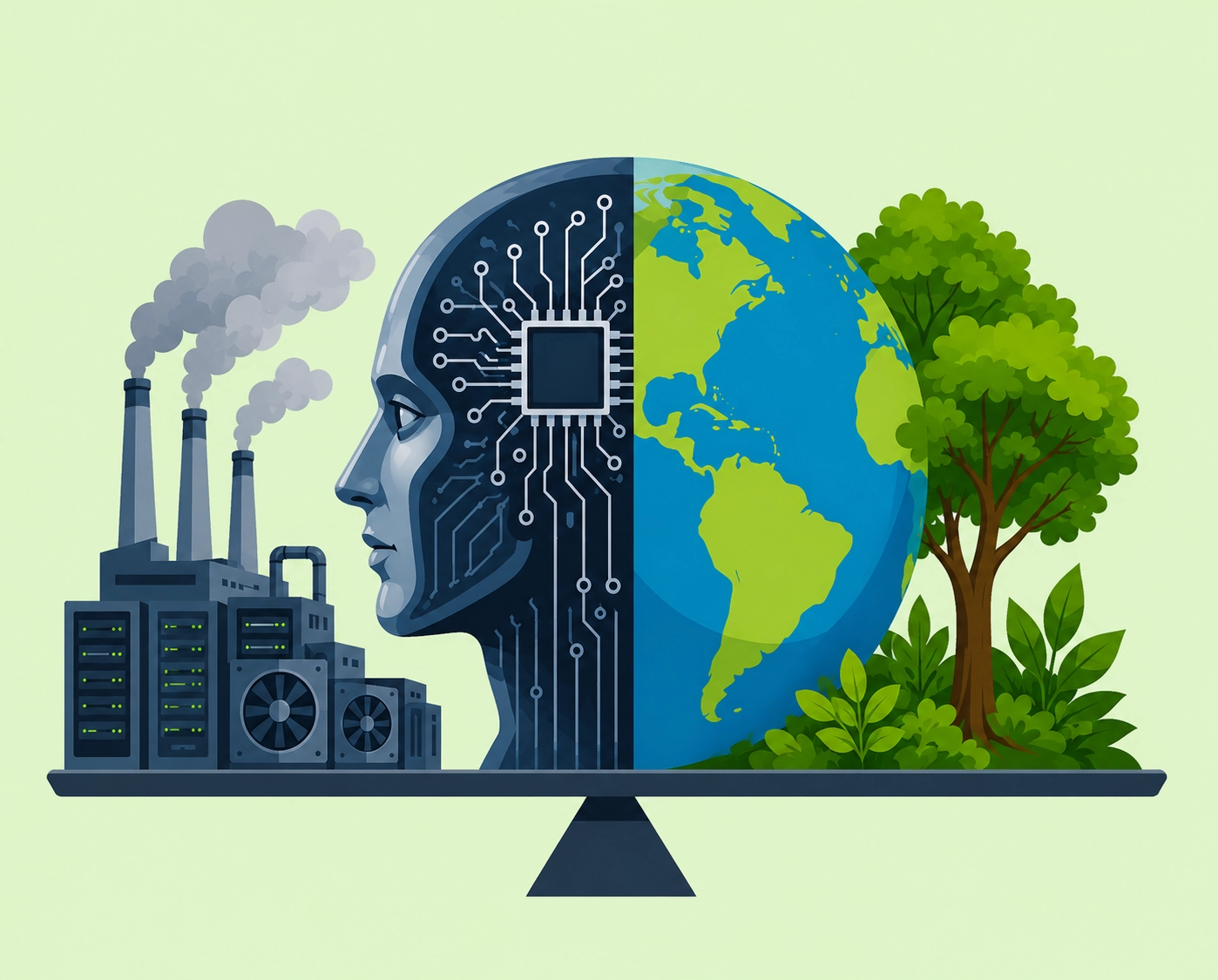 आर्टिफिशियल इंटेलिजेंस यानी एआई आज आधुनिक दुनिया की सबसे तेजी से बढ़ती तकनीक में से एक है। स्वास्थ्य, शिक्षा, कृषि, उद्योग, अंतरिक्ष, रक्षा और संचार से लेकर रोजमर्रा के जीवन तक इसका उपयोग बढ़ रहा है। चैटबाट, एआई सर्च, तस्वीर और वीडियो बनाने वाली तकनीक अब हमारी डिजिटल जिंदगी का हिस्सा बन चुकी हैं, लेकिन एआई के विकास का एक पर्यावरणीय पक्ष भी है, जिस पर गंभीरता से विचार करने की जरूरत है। आम लोगों को लगता है कि एआई केवल मोबाइल या कंप्यूटर पर काम करता है, लेकिन इसके पीछे बड़े-बड़े डाटा सेंटरों में हजारों शक्तिशाली सर्वर लगातार चलते रहते हैं। एआई माडल को प्रशिक्षित करने और उपयोगकर्ताओं के सवालों के जवाब देने के लिए बहुत अधिक कंप्यूटिंग शक्ति चाहिए। इससे सर्वर गर्म होते हैं और उन्हें ठंडा रखने के लिए बड़ी मात्रा में ऊर्जा और कुछ मामलों में पानी की भी जरूरत पड़ती है। दुनिया पहले ही जलवायु परिवर्तन, अनियमित वर्षा, बढ़ती आबादी और तेज शहरीकरण के कारण जल संकट का सामना कर रही है। ऐसे में डाटा सेंटरों की बढ़ती जल आवश्यकता नई चिंता पैदा कर रही है। इसलिए एआई के विकास के साथ पर्यावरण संरक्षण का संतुलन जरूरी है।
भविष्य में ऐसी तकनीक और डाटा सेंटर विकसित करने होंगे, जो कम पानी और ऊर्जा का उपयोग करें। यह समझना जरूरी है कि एआई स्वयं पानी का इस्तेमाल नहीं करता। पानी की खपत मुख्य रूप से उन डाटा सेंटरों में होती है, जहां एआई सेवाओं को चलाने वाले हजारों सर्वर और शक्तिशाली ग्राफिक्स प्रोसेसिंग यूनिट यानी जीपीयू लगातार काम करते हैं। एआई माडल की ट्रेनिंग और संचालन के दौरान ये मशीनें बहुत गर्म हो जाती हैं। उन्हें ठंडा रखने के लिए अलग-अलग कूलिंग तकनीकों का इस्तेमाल किया जाता है, जिनमें कुछ प्रणालियां पानी पर आधारित होती हैं। वाष्पीकरणीय कूलिंग में पानी गर्मी को सोखकर भाप के रूप में वातावरण में चला जाता है। इस कारण इस्तेमाल किया गया पानी पूरी तरह वापस उपलब्ध नहीं हो पाता। जैसे-जैसे एआई का इस्तेमाल बढ़ेगा, वैसे-वैसे डाटा सेंटरों में कंप्यूटिंग और सर्वरों की संख्या भी बढ़ सकती है। इससे गर्मी को नियंत्रित करने के लिए अधिक ऊर्जा और कुछ परिस्थितियों में अधिक पानी की जरूरत होगी। एआई का वाटर फुटप्रिंट केवल डाटा सेंटरों तक सीमित नहीं है। इसके पीछे ऊर्जा उत्पादन की भी बड़ी भूमिका है। एआई माडल को प्रशिक्षित करने और चलाने के लिए भारी मात्रा में बिजली की आवश्यकता होती है। दुनिया के कई हिस्सों में बिजली उत्पादन अभी भी कोयला और गैस जैसे जीवाश्म ईंधनों पर निर्भर है। थर्मल पावर प्लांटों में बिजली उत्पादन और कूलिंग प्रक्रियाओं के लिए पानी की जरूरत होती है। इस प्रकार एआई के लिए इस्तेमाल की गई बिजली का एक हिस्सा अप्रत्यक्ष रूप से जल संसाधनों पर भी दबाव डाल सकता है। यही कारण है कि एआई के पर्यावरणीय प्रभाव को समझते समय केवल डाटा सेंटर के भीतर इस्तेमाल होने वाले पानी को देखना पर्याप्त नहीं है। बिजली उत्पादन, चिप निर्माण, सर्वर निर्माण सहित पूरी आपूर्ति शृंखला में प्रयोग हुए वाटर फुटप्रिंट को भी ध्यान में रखना होगा। इस दृष्टि से एआई का एनवायरमेंटल फुटप्रिंट एक बहुस्तरीय समस्या है-जल, ऊर्जा, कार्बन उत्सर्जन और इलेक्ट्रानिक कचरे के रूप में इसके कई आयाम हैं और जैसे-जैसे जेनरेटिव एआई और लार्ज लैंग्वेज माडल का विस्तार हो रहा है, यह प्राकृतिक संसाधनों और जलवायु पर भारी दबाव डाल रहा है। यही कारण है कि एआइ के पर्यावरणीय प्रभाव को समझते समय केवल डाटा सेंटर के भीतर इस्तेमाल होने वाले पानी को देखना पर्याप्त नहीं है। बिजली उत्पादन, चिप निर्माण, सर्वर निर्माण सहित पूरी आपूर्ति श्रृंखला में प्रयोग हुए वाटर फुटप्रिंट को भी ध्यान में रखना होगा । इस दृष्टि से एआइ का एनवायरमेंटल फुटप्रिंट एक बहुस्तरीय समस्या है- जल, ऊर्जा, कार्बन उत्सर्जन और इलेक्ट्रानिक कचरे के रूप में इसके कई आयाम हैं और जैसे- जैसे जेनरेटिव एआइ और लार्ज लैंग्वेज माडल का विस्तार हो रहा है, यह प्राकृतिक संसाधनों और जलवायु पर भारी दबाव डाल रहा है।
बड़ी टेक कंपनियां भी अब इस चुनौती को पहचानने लगी हैं। कई कंपनियां जल संरक्षण, जल पुनर्भरण की दिशा में काम करने का दावा कर रही हैं। वर्षा जल संचयन, अपशिष्ट जल का पुनर्चक्रण और अधिक कुशल कूलिंग तकनीकें इस दिशा में महत्वपूर्ण कदम हो सकती हैं। इसके अलावा ऐसे डाटा सेंटरों को प्राथमिकता दी जानी चाहिए, जो पुनर्चक्रित या गैर-पेयजल का इस्तेमाल कर सकें, लेकिन कंपनियों के वादे पर्याप्त नहीं हैं। जरूरत पारदर्शिता की है। हर बड़े डाटा सेंटर को यह सार्वजनिक करना चाहिए कि वह प्रतिदिन कितना पानी इस्तेमाल करता है, पानी का स्रोत क्या है, कितना पानी पुनर्चक्रित किया जाता है और स्थानीय जल संसाधनों पर उसका प्रभाव कितना है। सरकारों को भी डाटा सेंटरों की स्थापना के लिए स्पष्ट पर्यावरणीय मानक तय करने चाहिए।
नि:संदेह एआई मानव सभ्यता की सबसे शक्तिशाली तकनीक में से एक बन गई है, लेकिन यह भी देखना जरूरी है कि इसके विकास का पर्यावरण पर कितना असर पड़ रहा है। चूंकि हर डिजिटल गतिविधि के पीछे ऊर्जा, पानी और अन्य संसाधनों की जरूरत होती है और एआई के बढ़ते इस्तेमाल के साथ डाटा सेंटरों की संख्या और उनकी ऊर्जा तथा पानी की मांग भी बढ़ रही है। इसलिए अब एआई को केवल तकनीकी चमत्कार के रूप में देखने के बजाय उसके पर्यावरणीय प्रभाव पर भी ध्यान देना जरूरी होगा। जरूरत ऐसी जिम्मेदार और टिकाऊ तकनीक की है, जो कम ऊर्जा और पानी में अधिक काम करे तथा अक्षय ऊर्जा का इस्तेमाल बढ़ाए। डिजिटल विकास तभी सार्थक होगा, जब वह मानव जीवन को बेहतर बनाने के साथ पृथ्वी और उसके सीमित संसाधनों की भी रक्षा करे।
 Date: 24-07-26
भारत में क्यों नहीं नवाचार पर जोर ?
आकाश प्रकाश, ( लेखक अमांसा कैपिटल से जुड़े हैं )
इस समय भारत को लेकर एक निराशाजनक माहौल बनाया जा रहा है। सबसे बड़ी चिंता यह जताई जा रही है कि आर्टिफिशल इंटेलिजेंस (एआई) की दौड़ में भारत पीछे छूट रहा है। यह भी कहा जा रहा है कि जिन कंपनियों का कारोबार कुशल कर्मचारियों के काम के घंटों के आधार पर चलता है, उन पर एआई का सबसे अधिक असर पड़ेगा।
इसके साथ ही यह धारणा भी मजबूत हो रही है कि भारत नवाचार के मामले में बहुत अच्छा नहीं है। इलेक्ट्रिक वाहन, बैटरी भंडारण, जैविक उत्पाद (बायोलॉजिक्स), ह्यूमनॉइड रोबोट और नवीकरणीय ऊर्जा जैसे नए औद्योगिक क्षेत्रों में भारत पीछे दिखाई देता है। शोध एवं विकास (आरऐंडडी) पर भारत अपने सकल घरेलू उत्पाद (जीडीपी) का केवल 0.65 फीसदी ही खर्च करता है जबकि अधिकांश बड़ी अर्थव्यवस्थाएं इस पर 2.5 से 3 फीसदी तक खर्च करती हैं।
लेकिन क्या यह धारणा सही है कि भारत अत्याधुनिक तकनीक को अपनाने और नए आविष्कार करने में सक्षम नहीं है? अगर उपलब्धियों पर नजर डालें तो कई ऐसे उदाहरण मिलते हैं जिन पर भारत गर्व कर सकता है। भारत ने अपनी तकनीक से परमाणु ऊर्जा से चलने वाली बैलिस्टिक मिसाइल पनडुब्बी बनाई है। यह एक असाधारण उपलब्धि है, क्योंकि दुनिया में केवल चार अन्य देशों के पास ही यह क्षमता है। भारत के अंतरिक्ष कार्यक्रम और मिसाइल कार्यक्रम भी विश्वस्तरीय हैं। अग्नि-6 वास्तव में अंतरमहाद्वीपीय बैलिस्टिक मिसाइल है। अंतरिक्ष प्रक्षेपण और ग्रहों से जुड़े अभियानों में भी भारत ने अपनी विश्वसनीय पहचान बनाई है। फास्ट ब्रीडर रिएक्टर कार्यक्रम अपनी तरह का अनोखा है। इसी तरह करोड़ों भारतीयों द्वारा इस्तेमाल किया जा रहा डिजिटल सार्वजनिक बुनियादी ढांचा भी भारत की बड़ी उपलब्धि है।
ये चारों उदाहरण बताते हैं कि भारत जटिल और अत्याधुनिक तकनीकों को विकसित करने तथा नए समाधान तैयार करने की क्षमता रखता है। इन सभी सफलताओं में एक समान बात यह रही कि सरकार ने इनमें प्रमुख भूमिका निभाई। सरकार ने न केवल इनके लिए पूंजी उपलब्ध कराया बल्कि स्पष्ट लक्ष्य और दीर्घकालिक दृष्टि भी दी। इन परियोजनाओं को सफल होने में कई दशक लगे और ये देश की प्राथमिकताओं का हिस्सा रहीं। ऐसे में यह सवाल उठता है कि क्या भारत की असली चुनौती सरकारी नहीं बल्कि निजी क्षेत्र में नवाचार की कमी है? इस बात के संकेत भी मिलते हैं क्योंकि भारत में शोध एवं विकास पर होने वाले कुल खर्च का 60 फीसदी से अधिक हिस्सा सरकार वहन करती है जबकि अधिकांश विकसित देशों में इस क्षेत्र में सबसे बड़ी भूमिका निजी क्षेत्र निभाता है।
अगर निजी क्षेत्र की बात करें तो यह महसूस होता है कि छोटे उद्योगों और स्टार्टअप में नवाचार की कोई कमी नहीं है। वेंचर कैपिटल निवेशकों से बातचीत करने पर पता चलता है कि कई नए डीप-टेक फंड शुरू हो रहे हैं।
केवल स्टार्टअप ही नहीं बल्कि कई छोटी सूचीबद्ध कंपनियां भी बड़े सपने देखने और जोखिम उठाने का साहस दिखा रही हैं। उनके उद्यमी पूंजीगत व्यय में निवेश करने तथा नए क्षेत्रों में कारोबार बढ़ाने के लिए तैयार हैं। वास्तविक समस्या देश की बड़ी कंपनियों में दिखाई देती है। इनके यहां नवाचार की स्थिति काफी कमजोर नजर आती है। अत्याधुनिक शोध या नई तकनीकों के विकास के बहुत कम उदाहरण मिलते हैं। इसका एक बड़ा अपवाद दवा उद्योग है, जहां कुछ कंपनियों ने वास्तविक शोध और नवाचार करने की क्षमता तथा इच्छा दोनों दिखाई हैं।
अब सवाल यह है कि भारत की बड़ी कंपनियां नवाचार के मामले में पीछे क्यों हैं? एक मत यह है कि ये कंपनियां पहले से ही काफी लाभ कमा रही हैं और पूंजी पर बेहतर रिटर्न मिलने पर अधिक ध्यान देती हैं। ऐसे में इनके शीर्ष नेतृत्व को लगता है कि यदि वे शोध एवं विकास पर अधिक खर्च करेंगे तो अल्पकाल में मुनाफा घटेगा और शेयरों की कीमत पर भी नकारात्मक असर पड़ सकता है। मेरे विचार से यह सोच सही नहीं है। आज का भारतीय शेयर बाजार इतना परिपक्व हो चुका है कि यदि आरऐंडडी पर होने वाले खर्च को सही ढंग से निवेशकों के सामने रखा जाए और उसकी स्पष्ट जानकारी दी जाए तो वह ऐसी कंपनियों और उनके प्रवर्तकों का समर्थन करेगा।
नवाचार की कमी का एक और कारण यह भी हो सकता है कि बड़ी कंपनियों को प्रतिस्पर्धा का दबाव कम महसूस होता है। भारत की सबसे बड़ी कंपनियां लगातार और मजबूत होती जा रही हैं। उनका बैलेंसशीट बेहद मजबूत है और कई क्षेत्रों में उनका बाजार पर प्रभुत्व है। इसीलिए पहले से स्थापित बड़ी कंपनियों को आगे बने रहने के लिए नए प्रयोग या नवाचार करने की आवश्यकता कम महसूस होती है।
देश की सबसे बड़ी कंपनियां और कारोबारी समूह इस समय आधारभूत ढांचे और राष्ट्र निर्माण से जुड़ी परियोजनाओं में भारी निवेश कर रहे हैं। उनके सामने ऐसे कई क्षेत्र हैं, जहां वे बड़े पैमाने पर पूंजी लगाकर अच्छा लाभ कमा सकते हैं। इसीलिए उन्हें अत्याधुनिक तकनीक और शोध पर अरबों रुपये खर्च करने की आवश्यकता महसूस नहीं होती।
कई बड़े कारोबारी समूहों में अब संस्थापक की जगह पेशेवर प्रबंधकों ने काम संभाल लिया है, या फिर परिवार की नई पीढ़ी का ध्यान मुख्य कारोबार के बजाय फैमिली ऑफिस जैसे निवेश प्रबंधन की ओर अधिक है। सामान्यतः जब कंपनी की कमान सीधे संस्थापक या परिवार के हाथ में होती है तब जोखिम उठाने की क्षमता भी अधिक होनी चाहिए। कई ऐसे फैसले होते हैं, जिन्हें लेने का साहस केवल संस्थापक ही कर सकता है। उसका दृष्टिकोण भी पेशेवर प्रबंधन की तुलना में लंबे समय के लिए होता है। शोध एवं विकास में निवेश भी ऐसा ही क्षेत्र है। इसलिए प्रबंधन को भी इस दिशा में प्रोत्साहित करने के लिए उन्हें अधिक हिस्सेदारी आधारित प्रोत्साहन दिए जाने की आवश्यकता हो सकती है ताकि वे भी संस्थापकों की तरह सोच सकें।
भारत के पास ऐसे बड़े उदाहरण भी नहीं हैं, जिनसे प्रेरणा ली जा सके। अभी तक किसी भारतीय कंपनी ने केवल नवाचार के बल पर किसी उद्योग में वैश्विक स्तर पर बड़ी हिस्सेदारी हासिल नहीं की है। सूचना प्रौद्योगिकी (आईटी) सेवा क्षेत्र में जरूर ऐसी संभावना थी। वहां वैश्विक स्तर पर सेवाएं देने का मॉडल वास्तव में एक बड़ा कारोबारी नवाचार था। इसी नए मॉडल के आधार पर भारतीय आईटी कंपनियां दुनिया की अग्रणी कंपनियों में शामिल हुईं। उनके पास पर्याप्त संसाधन और क्षमता थी कि वे आगे भी नई तकनीकों के विकास में बड़ा निवेश करतीं। लेकिन उन्होंने ऐसा करने के बजाय पिछले लगभग दस वर्षों में अपने मुनाफे का छह लाख करोड़ रुपये से अधिक हिस्सा लाभांश और अन्य माध्यमों से अपने शेयरधारकों को लौटा दिया।
यह सही है कि आरऐंडडी में दुनिया की सर्वश्रेष्ठ कंपनियों से प्रतिस्पर्धा करना आसान नहीं है और इसके लिए संसाधनों की आवश्यकता होती है। फिर भी इतिहास बताता है कि कई बड़े शोध और खोज छोटे-छोटे समूहों ने सीमित संसाधनों के बावजूद किए हैं। भारत की बड़ी कंपनियों का इतना बड़ा दायरा और क्षमता है कि वे कई शोध क्षेत्रों में वैश्विक स्तर पर प्रतिस्पर्धा कर सकती हैं।
इसलिए भारत में नवाचार की सबसे बड़ी चुनौती बड़े निजी उद्योग हैं। इस स्थिति को बदलने का सबसे प्रभावी तरीका यह है कि विभिन्न क्षेत्रों में प्रतिस्पर्धा बढ़ाई जाए। नए उद्यमों, स्टार्टअप और विदेशी कंपनियों को बाजार में प्रवेश के अधिक अवसर मिलने चाहिए। इसके लिए कारोबार शुरू करने और इसके परिचालन को सुगम बनाने वाले सुधार बेहद आवश्यक हैं। जब बड़ी कंपनियों को अपने मुनाफे और बाजार हिस्सेदारी पर वास्तविक खतरा महसूस होगा तभी वे नए शोध और नवाचार की दिशा में गंभीरता से कदम उठाएंगी।
दूसरा रास्ता यह हो सकता है कि भारत में कोई ऐसा बड़ा सफल शोध हो जिससे अरबों डॉलर की आमदनी हो। ऐसी सफलता पूरे कॉरपोरेट जगत के लिए एक बड़ा संदेश होगी। इससे अन्य कंपनियों को भी यह समझ आएगा कि नवाचार में निवेश का लाभ कितना अधिक हो सकता है और वे भी इस दिशा में आगे बढ़ने को प्रेरित होंगी। नवाचार के लिए केवल सरकार या बाजार को दोष देना उचित नहीं होगा। देश की बड़ी कंपनियों को खुद ही इसका आकलन करना होगा कि वे इस दिशा में क्या कर सकती हैं।

सदिच्छा के समांतर
संपादकीय
किसी भी मसले पर सरकार के रुख की वजह से अगर जनता या उसके एक हिस्से के बीच असंतोष फैलता है, तो उसका हल निकालना सरकार का ही दायित्व है। इस लिहाज से प्रधानमंत्री नरेंद्र मोदी ने युवाओं को संबोधित करते हुए अगर यह कहा कि प्रश्नपत्र लीक के दोषियों को सजा दिलाने के लिए सरकार ने त्वरित अदालतें स्थापित करने का फैसला किया है और युवाओं के भविष्य के साथ खिलवाड़ करने वाले किसी को भी बख्शा नहीं जाएगा, तो यह वक्त का तकाजा है। मगर सदिच्छाओं से ही अगर समस्याओं का समाधान निकल पाता, तो आज देश में बड़ी तादाद में युवाओं के सामने शायद सड़क पर उतरने की नौबत नहीं आती निश्चित तौर पर नीट 2026 के प्रश्नपत्र लीक होने और इसकी वजह से समूची परीक्षा का रद्द होना विद्यार्थियों के बीच असंतोष भड़कने का तात्कालिक कारण बना है, लेकिन सवाल है कि क्या यह प्रश्नपत्र लीक होने का कोई पहला मामला था! ऐसा क्यों है कि देश भर में इससे उपजे आंदोलन और उसमें पुलिस कार्रवाई के रुख को लेकर तीखे सवाल उठे हैं और इसके बावजूद सरकार को किसी की जिम्मेदारी तय करना जरूरी नहीं लगता।
प्रदर्शनकारियों की एक बुनियादी मांग है कि इसके लिए केंद्रीय शिक्षा मंत्री से इस्तीफा लिया जाए, लेकिन ऐसा लगता है कि सरकार की नजर में इस सवाल की कोई अहमियत नहीं है वरना क्या वजह है कि इस मुद्दे पर देश के अन्य हिस्सों में भी आंदोलन का दायरा फैलने के बावजूद सरकार अब तक कोई ठोस कार्रवाई करती नहीं दिखी है। यह एक बड़ा कारण हो सकता है कि विद्यार्थियों के एक बड़े तबके के बीच सरकार की कथनी पर भरोसा नहीं बन पा रहा है। सच यह है कि पिछले कई वर्षों से अक्सर किसी न किसी परीक्षा का प्रश्नपत्र लीक होने के मामले सामने आते रहे और अगर किसी घटना ने तूल पकड़ लिया, तो सरकार की ओर से सबसे पहली कार्रवाई परीक्षा को रद्द करने की हुई। मगर न तो परीक्षा आयोजित कराने वाली एजेंसी को कठघरे में खड़ा किया गया, न ही संबंधित महकमे के मंत्री से जवाब तलब किया गया। विपक्ष के एक आरोप के मुताबिक, वर्ष 2014 में भारतीय जनता पार्टी के नेतृत्व वाले राष्ट्रीय जनतांत्रिक गठबंधन के सत्ता में आने के बाद से अब तक 152 प्रश्नपत्र लीक हो चुके हैं और इससे करीब साढ़े सात करोड़ विद्यार्थी प्रभावित हुए।
ऐसे में अगर प्रदर्शनकारियों से लेकर विपक्षी दलों की ओर से भी केंद्रीय शिक्षा मंत्री के इस्तीफे की मांग की जा रही है, तो यह अनायास नहीं है। नीट 2026 के प्रश्नपत्र लीक होने के बाद अब यह मामला इतना तूल पकड़ चुका है कि सरकार को कई स्तर पर स्पष्टीकरण देने की जरूरत पड़ रही है। खुद प्रधानमंत्री ने कहा है कि देश के युवाओं का हित और उनका भविष्य हमारी सर्वोच्च प्राथमिकता है। ऐसा लगता है कि पहले के प्रश्नपत्र लीक के मामलों की अनदेखी से जमा हुआ क्षोभ इस बार फूट पड़ा है। ऐसे में होना यह चाहिए कि सरकार की ओर से भविष्य में सब कुछ ठीक करने की सिर्फ सदिच्छा जताने के बजाय उच्च स्तर पर जिम्मेदारी तय की जाए और दोषियों के खिलाफ कार्रवाई के जरिए स्पष्ट संदेश दिया जाए, ताकि देश के युवाओं के बीच भरोसा पैदा हो। अगर आंदोलन की शुरुआत में ही सरकार ने गंभीरता दिखाई होती और प्रदर्शनकारियों से संवाद किया होता, तो शायद मामला इतना जटिल शक्ल नहीं अख्तियार करता।

परीक्षा सुधार जरूरी
संपादकीय
प्रश्नपत्र लीक के खिलाफ छात्रों का आंदोलन अपनी जगह है और उनकी संतुष्टि के बाद ही इसका समापन होगा। फिलहाल, समय संयम और संवाद का है। अब इस आंदोलन का जो आकार हो गया है, उसमें कई सियासी कोण बन गए हैं, तो इसके पटाक्षेप में भी कुछ वक्त लग सकता है। सियासत से अलग अगर देखें, तो गुरुवार को जिस तरह से प्रधानमंत्री नरेंद्र मोदी ने स्वयं कड़ा रुख दिखाया है, उससे लगता है कि देश में परीक्षा-पारदर्शिता के एक नए दौर का आगाज हो सकता है। सरकार ने परीक्षा पत्र लीक के जिम्मेदार लोगों को दंडित करने के लिए त्वरित अदालतें या फास्ट ट्रैक कोर्ट स्थापित करने का निर्णय लिया है। वाकई, युवाओं का भविष्य उज्ज्वल बनाने के लिए परीक्षाओं को निर्दोष बनाना होगा। परीक्षाओं को दोषरहित बनाने के लिए परीक्षा तंत्र को निर्दोष बनाना होगा और इसके लिए सबसे जरूरी है, इस तंत्र में शामिल भ्रष्ट लोगों को सलाखों के पीछे पहुंचाया जाए। जब तक कड़ी सजा नहीं मिलेगी, तब तक पेपर लीक को रोकना मुश्किल है। गुरुवार को उत्तराखंड से आई पेपर लीक की खबर चिंता जताती है।
देश में पेपर लीक के खिलाफ कड़े कानून की मांग हो रही है, जबकि दो साल पहले ही बने सार्वजनिक परीक्षा (अनुचित साधनों की रोकथाम) अधिनियम, 2024 के तहत दोषियों को तीन से पांच वर्ष तक की कैद और 10 लाख रुपये तक का जुर्माना हो सकता है, जबकि अगर कोई गिरोह ऐसा करे, तो सजा बढ़कर पांच से 10 वर्ष की कैद और कम से कम एक करोड़ रुपये का जुर्माना हो जाती है। इतने कड़े कानून के बाद जरूरी है कि दोषियों को मुस्तैदी से सजा दिलवाई जाए। इसमें अब पुलिस के साथ फास्ट ट्रैक कोर्ट की भी भूमिका महत्वपूर्ण हो जाएगी। कुछ राज्यों ने ऐसी विशेष अदालतों को गठन किया है और जिस भी राज्य को इसकी जरूरत महसूस हो रही हो, उसे ऐसा करना चाहिए। प्रधानमंत्री ने बिल्कुल सही घोषणा की है कि जो लोग हमारे युवाओं के भविष्य को नुकसान पहुंचाने की कोशिश करेंगे, उन्हें बख्शा नहीं जाएगा। इस घोषणा को साकार करने की जिम्मेदारी सरकार के साथ उन तमाम लोगों को निभानी पड़ेगी, जो परीक्षा तंत्र से जुड़े हुए हैं। यह छात्र आंदोलन जब समाप्त हो जाएगा, तब छात्र संगठनों को सजग रहना पड़ेगा।
इधर, आंदोलन के अप्रिय पहलू ध्यान खींच रहे हैं, पर परीक्षा सुधार के लिए जो कदम उठाए गए हैं, उन्हें नजरअंदाज नहीं किया जा सकता। एक बड़ा सुधार यह है कि नीट की अगली परीक्षा कंप्यूटर आधारित होगी। कागज-कलम की भूमिका समाप्त हो जाएगी, तो लीक पर भी लगाम लगेगी। अभी नीट यूजी का जो सफल आयोजन हुआ है, उससे भी सीखने की जरूरत है। परीक्षाओं में सुई बराबर सेंध की भी आशंका नहीं रहनी चाहिए। दूसरी बात, सीबीआई को अपनी जांच में तेजी लानी चाहिए। मिसाल के लिए, साल 2024 में नीट-यूजी पेपर लीक की जांच और सुनवाई का काम अभी तक पूरा नहीं हुआ है। जांच व सुनवाई को फास्ट ट्रैक पर लाने की जरूरत है। 2026 में पेपर लीक के दोषियों को कम से कम समय में सजा दिलाने में सीबीआई की भूमिका होनी चाहिए। तीसरी बात, उन तमाम अच्छी सिफारिशें को लागू करने की जरूरत है, जिनसे परीक्षा-पारदर्शिता सोलह आना सुनिश्चित हो। समय आ गया है, किसी भी प्रश्न पत्र से जुड़े लोगों को परीक्षा होने तक सार्वजनिक संपर्कों से अलग रखा जाए। देश में परीक्षा तंत्र के विशेषज्ञों व ईमानदार लोगों की कमी नहीं है, बस इन्हें काम करने देना चाहिए।
Date: 24-07-26
एआई की चुनौतियों से आंखें न चुराइए
पायल सेठ, ( मुख्य अर्थशास्त्री, पीआईएफ )
एक दर्जन नोबेल पुरस्कार विजेताओं के साथ दुनिया के लगभग 200 अर्थशास्त्रियों और एआई शोधकर्ताओं ने विगत 13 जून को ‘वी मस्ट ऐक्ट नाउ’ शीर्षक से एक बयान जारी किया है। इस बयान में चेतावनी दी गई है कि ‘अगले 10 वर्षों में एआई बेहद शक्तिशाली हो सकता है।’ यह दुनिया की अर्थव्यवस्था को औद्योगिक क्रांति से भी अधिक तेज गति से बदल रहा है। हालांकि, एक बड़ा जोखिम यह है कि एआई बड़े पैमाने पर लोगों की नौकरियां खा रहा है।
पिछले महीने जारी इस बयान के मुख्य समन्वयक स्टेनफोर्ड यूनिवर्सिटी के एरिक ब्रिनजोल्फसन का मानना है कि दुनिया इसके लिए तैयार नहीं है। हालांकि, इसकी सबसे अधिक चिंता भारत को होनी चाहिए, क्योंकि हमारे पास विश्व का सबसे बड़ा युवा कार्यबल और ऐसा औपचारिक श्रम बाजार है, जो सालाना लाखों स्नातकों को रोजगार देता है। ब्रिनजोल्फसन की यह चेतावनी भरत चंदर और रुयू चेन के एक अहम शोध-पत्र के बाद आई है। इस शोध-पत्र में बताया गया था कि जिन क्षेत्रों में एआई का इस्तेमाल नहीं होता, उनके मुकाबले एआई संचालित कंपनियों में 22 से 25 साल के युवाओं की नौकरी में लगभग 16 प्रतिशत की गिरावट आई है। यह अध्ययन अमेरिका में हुआ था। वहीं, उन्हीं कार्यालयों में उम्रदराज कर्मियों की संख्या बढ़ती रही। शोधकर्ताओं ने इसे युवा कर्मियों पर खतरा बताया था।
क्या भारत में भी खतरे की यह घंटी बज उठी है? हमने अप्रैल 2020 से जून 2025 तक के भारत के औपचारिक रोजगार का सबसे व्यापक रिकॉर्ड, यानी ‘कर्मचारी भविष्य निधि संगठन (ईपीएफओ)’ के मासिक आंकड़ों की जांच की। ईपीएफओ की श्रेणियों के आधार पर एआई का इस्तेमाल करने वाले उद्योगों को तीन अलग समूहों में विभाजित किया गया। इनको उच्च (विशेषज्ञ सेवाएं, वित्त व कंप्यूटिंग), मध्यम (इंजीनियरिंग, अस्पताल, स्कूल, व्यापार) और निम्न (निर्माण, कपड़ा, होटल, सफाई) समूहों में बांटा गया। फिर, हमने नवंबर 2022 में ओपनएआई के चैटजीपीटी के जारी होने से पहले के रोजगार और बाद के रोजगार की तुलना की।
नतीजे चौंकाने वाले मिले। एआई की मदद से काम कर रहे क्षेत्रों में उम्रदराज कर्मचारियों की संख्या तेजी से बढ़ रही है, जबकि युवा कर्मचारी मुश्किल से उनके साथ कदम मिला पा रहे हैं। चैटजीपीटी आने के बाद एआई ज्यादा उपयोग करने वाले उद्योगों में 29 से 35 साल के कर्मचारियों की संख्या में लगभग 70 प्रतिशत और 35 साल से ज्यादा उम्र वालों में 54 प्रतिशत की बढ़ोतरी हुई, लेकिन 21 साल से कम उम्र के कर्मचारियों में न के बराबर बढ़ोतरी रही। 18 साल से कम उम्र वालों में 3.4 प्रतिशत और 18 से 21 साल वालों में सिर्फ 1.1 प्रतिशत की वृद्धि हुई। हाल ही में ग्रेजुएट हुए 22 से 25 साल के युवाओं के मामले में यह आंकड़ा सिर्फ 9.3 प्रतिशत रहा। अलग-अलग श्रेणियों में यह अंतर साफ दिखता है। निर्माण और वस्त्र जैसे कम असर वाले उद्योगों में 18 साल से कम उम्र वालों की संख्या में भी 110 प्रतिशत की बढ़ोतरी हुई। इन सबके बरक्स जिन उद्योगों में एआई का कम उपयोग होता है, वहां 18 साल से कम के कामगारों में 110 प्रतिशत की वृद्धि देखी गई।
ऐसा क्यों हो रहा है? सबसे बड़ा अंतर वहां दिखता है, जहां एआई ने काम के तरीकों को बदलना शुरू कर दिया है, जैसे विशेषज्ञता, सेवा और वित्त क्षेत्र में कोडिंग जैसे कुलीन काम। एआई अभी तक जिस चीज की नकल नहीं कर सका है, वह है ‘टैसिट नॉलेज’, यानी सालों के अनुभव से बनी समझ और निर्णय लेने की क्षमता। उम्रदराज कर्मचारी इस काम में दक्ष होते हैं। युवा कर्मचारियों के पास किताबी ज्ञान तो होता है, पर संदर्भ की कमी होती है। इसलिए उनकी जगह एआई तैनात कर देने का खतरा ज्यादा है। एक और वजह है- एआई की मदद से अनुभवी कर्मचारी अपने काम का दायरा बढ़ा सकते हैं। कंपनियां ऐसे दक्ष कर्मचारियों को निकालने के बजाय नई भर्तियां घटा रही हैं।
एक अहम बात, जो भारत को अमेरिका से अलग करती है कि वहां शोधकर्ताओं को युवाओं की नौकरियों में सीधी गिरावट दिखी, जबकि भारत का औपचारिक क्षेत्र अब भी बढ़ रहा है। एआई के ज्यादा उपयोग वाले उद्योगों में भी युवाओं के लिए नौकरियों में बढ़ोतरी हो रही है, हालांकि यह उम्रदराज लोगों या कम असर वाले उद्योगों के युवाओं की तुलना में बहुत कम है। यह नतीजा इस गलतफहमी को उजागर करता है कि एआई का सबसे बुरा असर भारत के अकुशल कर्मचारियों पर पड़ेगा। हमारा डाटा फिलहाल इसके उलट बात कहता है- विशेषज्ञ, सेवा या वित्त मामलों में युवाओं को सबसे बड़ी चुनौतियों का सामना करना पड़ रहा है।
बहरहाल, 200 अर्थशास्त्रियों के हस्ताक्षर वाले इस बयान को खारिज करना मुश्किल है। इसमें ऐसे प्रोत्साहन, सुरक्षा-घेरे और संस्थाओं की मांग की गई है, जो यह सुनिश्चित करें कि एआई इंसानों की जगह लेने के बजाय उनकी मदद करे। भारत के लिए इससे तीन नतीजे निकाले जा सकते हैं। पहला, उच्च शिक्षा को शुरुआती स्तर पर ही सोचना होगा। ऐसी डिग्री, जिनमें एआई की दखल बढ़ने वाली है, उसकी प्रासंगिकता के बारे में उन्हें नए सिरे से सोचना होगा। अब अहमियत इस बात की है कि आपके पास व्यावहारिक समझ और संचार का हुनर हो, ताकि आप एआई के साथ मिलकर काम कर सकें। दूसरा, ईपीएफओ डाटा (भारत के सबसे समृद्ध व सबसे कम इस्तेमाल होने वाले लेबर-मार्केट डाटा में से एक है) तक शोधकर्ताओं की पहुंच ज्यादा होनी चाहिए। तीसरा, एआई की वजह से अनुभवी कर्मचारियों की मांग बढ़ेगी ही, इसकी गारंटी नहीं है। जो कंपनियां अप्रेंटिसशिप, मेंटोरशिप व जूनियर कर्मियों के प्रशिक्षण में निवेश करेंगी, उन्हें बढ़त मिल सकती है।
भारत में रोजगार आकांक्षी युवाओं पर अभी अमेरिकी नौजवानों की तरह का खतरा नहीं है। औपचारिक क्षेत्रों में काम कर रहे यहां के युवाओं का रोजगार नहीं छिन रहा है, लेकिन उन पर खतरे के संकेत उन क्षेत्रों में देखे जा सकते हैं, जहां एआई का इस्तेमाल ज्यादा होने लगा है, जबकि एआई के कम उपयोग वाले क्षेत्रों में उनके हमउम्र कामगार दहाई अंकों में विकास कर रहे हैं। हम अभी तक इस बदलाव को पूरी तरह समझ नहीं पाए हैं और हमारे डाटा की भी सीमाएं हैं। हालांकि, दिशा बताने वाले साक्ष्य एक जैसे हैं और अमेरिका में हुई शोध से भी मेल खाते हैं, जिनमें नोबेल पुरस्कार विजेताओं ने कहा है कि कार्रवाई करने का समय आ गया है। इसका अर्थ है कि खतरे की घंट बज रही है। उसकी ध्वनि फौरन सुनने में ही समझदारी है।