
12-09-2026 (Important News Clippings)
To Download Click Here.
 Date: 12-09-26
One BRIC At A Time
India is a balancer between East & West. It’s best-placed to try & arrive at a consensus on Iran in BRICS, just as it did for Ukraine at G20
Pankaj Saran, [ The writer is Convenor, NatStrat & Former Dy NSA and Ambassador ]
The 18th BRICS Summit is a grand display of New Delhi’s diplomatic outreach. This is India’s fourth time as host, but the first in an expanded BRICS format.
The idea of a BRIC group may have been conceived by Goldman Sachs in 2001, but BRIC as a Leaders forum was born only in 2009. The timing speaks for itself. The Leaders G20 was created a year earlier, in response to 2008 financial crisis, in which all BRIC nations were included. This should have been adequate representation for them in global economic governance. As it transpires, this was not deemed to be so, and they decided to upgrade their own group to Leaders level.
For India to sit in a group, which played up its non-West character, was much more challenging in 2009 than it is today. India’s relations with US were then at a historic high, following the nuclear deal in 2008. India’s decision to go to Yekaterinburg was therefore bold and, not surprisingly, looked askance by Washington elites. Yet, India went along because of other equations that were germane to the decision.
The US-led West, on whom India had just the other day – in the biggest leap of faith since the days of non-alignment – placed its bets, was engulfed in an existential crisis. The crisis was forced, and triggered a sense of helplessness and resentment. India, like the rest of the world, was paying the price for American profligacy. Trust in the infallibility of the market, and integrity of Bretton Woods Institutions, had suddenly been lifted.
For the rest, the West’s relations with Russia were still cordial, despite incipient signs of trouble, and of course, China was the poster child of globalisation. It had, by then, lent the scale that underwrote western economic prosperity. But that was not all. The 2008 crisis made the West turn to China to bail out the global economy. China has not looked back since then.
That is the story of the origin of a process that has continued uninterrupted since 2009.
If China has emerged as the sole challenger to American economic supremacy, it is not to blame. If Russia was the source of cheap and abundant energy that first fuelled Europe’s industrial might, and later China’s, it is not to blame. Question to ask is, where was India in all this?
The tables have turned today. It is not the collapse of Soviet Union that is the end of history. But it’s the end of globalisation. Global economy is fragmented, weaponised and volatile. The international trade architecture is in a state of rigor mortis. India’s relations with White House are a shadow of what they once were. US is spending its way out of economic trouble, with a record $40tn debt, unconcerned by its global consequences.
Expansion of BRICS in 2024 was, thus, more the expression of frustration by middle powers against the double whammy of Covid and Ukraine war, than the fruit of brilliant Chinese diplomacy. China only sensed the mood and seized the moment.
Between them, Russia, Saudi Arabia, UAE and potentially Iran, and China hold the keys to India’s current and future energy security and critical raw material and mineral needs, and thereby its economic trajectory.
The proposition that India does not need BRICS and is sufficiently insured by its good relations with the West is a fallacy. India needs all sides, and needs to take a leaf out of the Chinese playbook by maximising advantage from all relationships.
As BRICS leaders meet, major power relations are headed into uncharted territory. US-Russia relations could well be on the cusp of big developments. US-China relations are headed towards carefully managed competition, if not a division of labour. The euphoria of decoupling has given way to the realism of derisking and cohabitation. In this moment of uncertainty, India’s presence in BRICS is even more essential than it was in 2009. India is systemically more important today than it was in 1991, 2008 or 2014.
Guiding the future trajectory of BRICS will be a key task for India. That China is the dominant power in BRICS is not news anymore. That ship sailed in 2008. What India must do is to ensure that the BRICS agenda is not hijacked by it, or used as a stepping stone to global hegemony, for example, by replacing the dollar as the international reserve currency. Problem is that, on this issue, US is itself not helping matters.
A more immediate challenge for Delhi is going to be to reconcile positions on the Iran war. The Bishkek SCO Summit language is unlikely to pass muster, but elements of what could constitute consensus language are already included in the Chair’s Statement issued by India after the BRICS Foreign Ministers’ meeting in May.
Subsequent to that, Iran has signed an MoU with US in June in which it has agreed to certain formulations. A repeat of India’s success in forging consensus on Ukraine at the G20 Summit in 2023, is certainly possible in the case of Iran.
The totality of Indian foreign policy obviously includes trade, tech, defence and investment relations with US and the West. It also means simultaneous engagement with bilateral, plurilateral and multilateral platforms.

Eyes on the road
Judicial fiat alone cannot prevent traffic fatalities
Editorial
 Despite hosting only 1% of the world’s vehicular fleet, India accounts for around 11% of road traffic fatalities, due in some part to widespread non-compliance with wearing seat belts and helmets while driving. Post-crash investigations have often revealed victims being ejected from vehicles or suffering lethal secondary collisions against vehicles’ interiors; children are also vulnerable due to the patchy use of child restraint systems and rear-seat belts. Recently, a Supreme Court Bench asked the Road Transport Ministry to consider a petition to reduce road traffic deaths by habituating the use of these measures. Actual policing is certainly wanting, including due to chronic shortages of traffic police cadres; there is also room to constrain manufacturers to install tamper-proof seat belt reminders and thwart modifications after purchase. The Motor Vehicles (Amendment) Act 2019 instituted or scaffolded various mechanisms to prevent road traffic deaths whereas the national data so far have not presented evidence of improvement at the scale India needs.
However, in 2024, Road Transport Ministry data said that two-wheeler riders constituted 46.2% and pedestrians 20.6% of road deaths. Seat belts and child restraints only protect occupants of enclosed vehicles, so better enforcing their adoption will address the reasons underlying only one-third of the total mortality. In fact, speeding has been found to be the dominant recorded violation associated with fatalities, and a national strategy focused on mitigating opportunities for vehicles to accelerate to high speeds may yield greater gains. Second, neither the Union government nor State governments have systematically employed the ‘Safe System’ approach. While individual responsibility and the duty of care accruing to schools and similar institutions matter, governments are still expected to design roads assuming that not everyone will behave perfectly. Put differently, they need to reduce the probability as well as the severity of crashes, including by identifying and fixing accident-prone locations, setting up physical environments that compensate for human error, reducing children’s exposure to two-wheeler traffic, and improving timely access to trauma care. Finally, India lacks a public culture that reinforces safe behaviour and deters unsafe behaviour. For India to reduce road mortality in a sustained manner, governments must treat safety through a combination of approaches that does not overstate the role of individual decisions. It is also commendable that the Court has referred the petition to the Centre, rather than assume an interventionist posture as it did in 2019, in a tacit acknowledgment that road safety has outgrown judicial fiat.

ट्रम्प को ‘रेवड़ियां बांटने पर क्यों मजबूर होना पड़ा है?
संपादकीय
लोकप्रियता आंकने वाले चार अध्ययनों में अमेरिका के औसतन 60-65% वोटर्स ने ट्रम्प को नकार दिया है। नवम्बर में मध्यावधि चुनाव होने जा रहे हैं। इससे घबराये ट्रम्प ने जीतने पर वोटर्स को 5000 डॉलर (करीब 4.78 लाख रुपये) देने का वादा कर दिया है। भारत की प्रति व्यक्ति आय से 30 गुना अधिक आय वाले सम्पन्न देश में गरीब और विकासशील देशों की तर्ज पर चुनाव पूर्व प्रलोभन देना वहां की जनता का अपमान है। ट्रम्प से जनता की नाराजगी का कारण बढ़ती बेरोजगारी और महंगाई के अलावा दुनिया में अमेरिका की साख का गिरना भी है। ईरान युद्ध ने इस सबसे ताकतवर देश के सामरिक सामर्थ्य की कलई खोल दी है। ट्रम्प के तौर-तरीके जगहंसाई का कारण बने। ट्रम्प की खोखली धमकियों और टैरिफ युद्धों पर भी प्रश्न-चिह्न खड़े हुए। ट्रम्पका 5000 डॉलर देने का वादा कैसे पूरा होगा, जबकि 24 करोड़ वोटर्स हैं और इस पर 1.2 लाख करोड़ डॉलर का खर्च आएगा ? क्या इसके लिए अमेरिकी संसद मंजूरी देगी? और क्या वोटर इसके झांसे में आएंगे? यह राशि अमरीकी बजट का 17% है। संयुक्त संसदीय समिति की रिपोर्ट के अनुसार ट्रम्प की नीतियों के कारण हर अमेरिकी परिवार पर युद्ध, बढ़ी ऊर्जा लागत और वस्तुओं की महंगाई के कारण लगभग 3000 डॉलर का अतिरिक्त बोझ पहले ही पड़ चुका है।

ब्रिक्स की महत्ता
संपादकीय
ब्राजील, रूस, भारत और चीन के लिए गढ़े गए शब्द ब्रिक में दक्षिण अफ्रीका के शामिल होने के बाद ब्रिक्स के नाम से चर्चित इस संगठन का शिखर सम्मेलन एक ऐसे समय भारत में हो रहा है, जब ऐसे किसी समूह की आवश्यकता और बढ़ गई है। इसका एक बड़ा कारण पश्चिम और विशेष रूप से उसका नेतृत्व कर रहे अमेरिका का मनमाना रवैया है। जब करीब एक दर्जन सदस्य देशों के साथ अन्य विकासशील देश इस संगठन का प्रभाव बढ़ता हुआ देख रहे हैं और उसे बढ़ाने की आवश्यकता जता रहे हैं, तब कांग्रेस के वरिष्ठ नेता पी. चिदंबरम का यह कहना राजनीतिक संकीर्णता ही है कि आखिर ब्रिक्स सम्मेलनों से भारत को क्या लाभ मिला है? लगता है वे इसे स्मरण नहीं करना चाहते कि इस संगठन ने मनमोहन सरकार के समय आकार लिया था। मनमोहन सिंह ने इसके पहले और दूसरे सम्मेलन में भाग भी लिया था। उस समय तो चिदंबरम मनमोहन सरकार में मंत्री भी थे। आखिर उन्होंने इसके पहले यह क्यों नहीं पूछा कि इस संगठन से भारत को क्या लाभ मिल रहा है? मनमोहन सरकार में वित्त मंत्री होने के नाते तो उन्हें खास तौर पर यह प्रश्न करना चाहिए था। यह अच्छा हुआ कि उन्हें उनकी ही पार्टी के नेता शशि थरूर ने जवाब दिया। पता नहीं इससे उन्हें ब्रिक्स की महत्ता समझ आएगी या नहीं, लेकिन इसमें कोई संदेह नहीं कि इस संगठन का और प्रभावी रूप में उभरना भारत के साथ विकासशील देशों के हित में है। यह सही है कि इस संगठन के सामने चुनौतियां भी हैं, लेकिन इसी के साथ उसके पास तमाम अवसर भी हैं।
ब्रिक्स के समक्ष अवसरों की कमी इसलिए नहीं, क्योंकि सदस्य देश दुनिया की लगभग आधी आबादी और क्रय क्षमता के हिसाब से वैश्विक जीडीपी के करीब 40 प्रतिशत हिस्से का प्रतिनिधित्व करते हैं। इस मायने में ब्रिक्स समूह जी-7 से आगे है। पिछले कुछ समय में यह संगठन ग्लोबल साउथ कहे जाने वाले देशों की आवाज के साथ अपने न्यू डेवलपमेंट बैंक के जरिये डालर पर निर्भरता घटाने के मंच के रूप में उभरा है। देखना यह है कि दिल्ली में आयोजित बिक्स सम्मेलन में सदस्य और सहयोगी देश अपने मतभेदों को भुलाकर आपसी व्यापार को कितना आगे ले जाने की कोई ठोस रूपरेखा बना पाते हैं? ऐसी रूपरेखा इसलिए बननी चाहिए, क्योंकि इससे ही इस संगठन की अहमियत बढ़ेगी। आज जब अनेक देश आर्थिक, व्यापारिक और कूटनीतिक मामलों में पश्चिमी विश्व का नेतृत्व कर रहे अमेरिका की चौधराहट से परेशान हैं, तब यदि ब्रिक्स देश अपनी-अपनी मुद्राओं के जरिये आपसी व्यापार को बढ़ाने के लिए सहमत हो जाते हैं तो यह एक बड़ी उपलब्धि होगी। यह समय की मांग है कि ब्रिक्स देश आपसी सहयोग के जरिये अपनी सच्ची एकजुटता का प्रदर्शन करें।

ब्रिक्स से उम्मीदें
संपादकीय
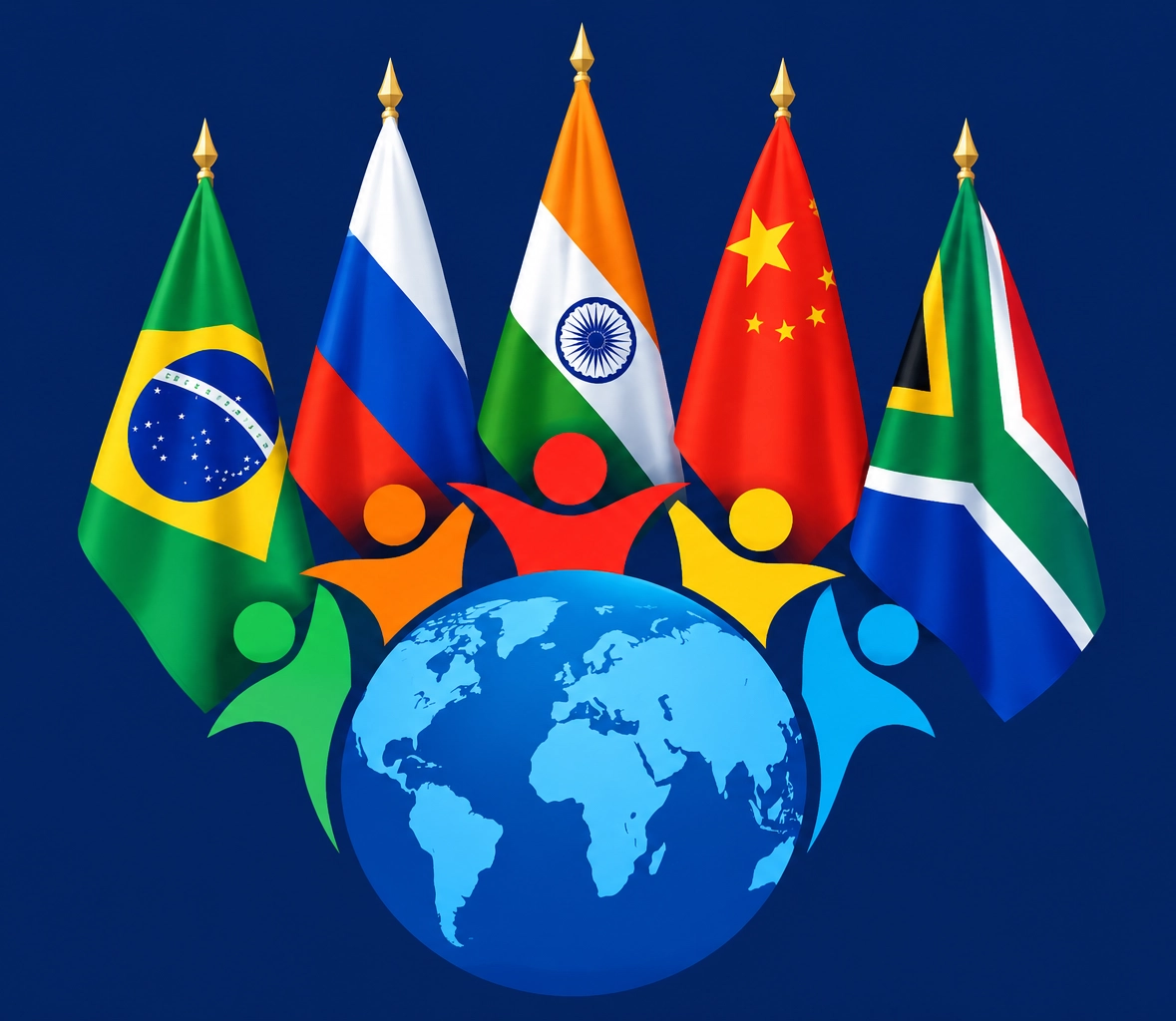 राष्ट्रीय राजधानी नई दिल्ली में ब्रिक्स के सम्मेलन का ऐतिहासिक आयोजन सुखद और स्वागतयोग्य है। वैसे, साल 2021 में भी यह आयोजन नई दिल्ली के हिस्से आया था, पर कोरोना महामारी की वजह से तब सम्मेलन वर्चुअल रहा था। इस बार फिर भारत को ब्रिक्स सम्मेलन के आयोजन का मौका मिला है और यह मौका ऐतिहासिक साबित होना चाहिए। नई दिल्ली विश्व के अनेक आला नेताओं का स्वागत कर रही है। रूस के राष्ट्रपति व्लादिमीर पुतिन और अनेक देशों के आला नेता नई दिल्ली आ गए हैं और महत्वपूर्ण बैठकों का सिलसिला चल पड़ा है। शनिवार को सम्मेलन की शुरुआत होगी और रविवार को आयोजन की उपलब्धियों से दुनिया रूबरू होगी। वाकई, ब्रिक्स से बड़ी उम्मीदें रही हैं। साल 2006 में इसकी शुरुआत ‘ब्रिक’ देशों के विदेश मंत्रियों की बैठक के साथ हुई थी, तब डॉक्टर मनमोहन सिंह भारत के प्रधानमंत्री थे। चार देशों – ब्राजील, रूस, भारत और चीन की भागीदारी के साथ बीआरआईसी या ब्रिक का पहला सम्मेलन 2009 में हुआ था और साल 2011 में इस समूह में दक्षिण अफ्रीका के शामिल होते ही संगठन का नाम हो गया ब्रिक्स।
यह मानने में हर्ज नहीं कि इस संगठन की रीढ़ रूस है। दुनिया में खुद को अलग-थलग होने से बचाने के लिए रूस ने ही साल 2024 में इसका बड़ा विस्तार किया। अब इस संगठन में 11 सदस्य देश हैं और 10 साझीदार देश। इन सभी देशों से इनके आला नेता ही नहीं, बड़े प्रतिनिधिमंडल भी आ रहे हैं या आ चुके हैं। अभी ब्रिक्स का अध्यक्ष देश भारत विशेष रूप से जन-केंद्रित या मानवता-प्रथम के विचार के साथ आगे बढ़ रहा है। ब्रिक्स के तहत इस वर्ष मई से ही भारत में बैठकों का दौर शुरू हो गया था। अनेक मुद्दों पर सहमति पहले ही बन गई है और देशों के आला नेताओं व राष्ट्राध्यक्षों को अंतिम मुहर लगाने का काम करना है। ब्रिक्स में सामूहिक समझौतों या संकल्पों से अलग द्विपक्षीय वार्ताओं पर भी खास निगाह रहने वाली है। व्लादिमीर पुतिन-नरेंद्र मोदी वार्ता के साथ ही, शी जिनपिंग-नरेंद्र मोदी वार्ता से स्वाभाविक ही बड़ी उम्मीदें हैं। भारत की मंशा हर प्रकार से सहयोग-समन्वय बढ़ाने की है और सबको उम्मीद यही है कि ब्रिक्स के तमाम जिम्मेदार नेता इसी दिशा में आगे बढ़ेंगे।
ब्रिक्स के नेताओं को भूलना नहीं चाहिए कि संगठन के तीन मुख्य स्तंभ तय हुए थे – राजनीतिक व सुरक्षा सहयोग, आर्थिक व वित्तीय साझेदारी, और जन-जन के बीच आदान-प्रदान। इस 18वें सम्मेलन में यह विचार जरूर होना चाहिए कि ब्रिक्स लक्ष्य से कितनी दूर है? परस्पर मैत्री का क्या स्तर है? क्या ब्रिक्स के देश साझा विकास के लिए तैयार हैं? यहां विशेष रूप से भारत और चीन के बीच विश्वास बढ़ाने की जरूरत है। चीनी राष्ट्रपति करीब सात वर्ष बाद भारत आ रहे हैं और उन्हें भारतीयों की उम्मीदों पर जरूर गौर करना चाहिए। बुनियादी सुरक्षा हितों को नजरअंदाज करते हुए केवल व्यावसायिक हित साधने की दिशा में बढ़ते रहना ठीक नहीं है। अपनी अलग नीतियों के साथ अकेला पड़ता अमेरिका चाहे जो कर रहा हो, ब्रिक्स को अच्छी व लंबी लकीर खींचकर दिखाना चाहिए। नई दिल्ली में ब्रिक्स के पास बड़ा मौका है। ध्यान रहे, सम्मेलन में युद्धरत ईरान भी है और वह यूएई भी, जिसके शहर इन दिनों मिसाइल हमलों के साये में हैं। हर देश के अपने सपने हैं और ब्रिक्स के भी, लेकिन सबके लिए यही अच्छा होगा कि युद्ध और छद्म युद्ध जैसी बाधाओं को सबसे पहले दूर किया जाए।