
22-08-2026 (Important News Clippings)
To Download Click Here.
 Date: 22-08-26
Sugar Or Ethanol?
Food must always come before fuel
TOI Editorials
Before blending ethanol in petrol became a policy priority, India was world’s second-largest sugar exporter. In a good year, it could export about 7mn tonnes, after satisfying its own voracious appetite of 28mn tonnes. But this year, it will import 1mn tonnes of sugar, because stocks have run low just before the festive season. Sugar prices have risen 20% in a fortnight.
Why are we in this situation? The short and unpopular answer is ethanol. Reports say sugarcane makes up 28% of India’s ethanol feedstock, and 3mn tonnes of sugar has been diverted for ethanol production this year. Restore it to the sugar stock, and you’d end the production season in Sept with a comfortable balance of 6.5-7mn tonnes, as against 3.5-4mn tonnes expected now.
There’s nothing wrong with importing in times of need. Brazil, world’s largest coffee producer, had to buy beans abroad in 2017 when drought hit its robusta crop. But questions arise when shortages are caused by human decisions, not nature. Ethanol blending is one of those decisions. Yes, we want to save forex by reducing petroleum imports, but is ethanol distilled from sugarcane juice, maize or rice, the best way to go about it?
All of India’s 11bn-litre ethanol demand is fulfilled with sugarcane and grains. This may be good for many farmers. For example, 5mn sugarcane growers in UP, which votes in about six months, are a happy political constituency. But it’s not good for all Indians. In July, egg prices set a record, partly because diversion of maize for ethanol production has made chicken feed dearer. Acreage under oilseeds has declined and edible oil imports have risen. Are we prioritising four wheels over two legs?
Food should never have to compete with fuel. Yet, despite this being a weak monsoon year, sugarcane acreage for ethanol has increased while those of pulses, oilseeds and millets have crashed. What are we really saving here? Nobody’s saying that biofuels are bad, but we need to make them with non-food feedstocks. Like paddy stubble, which will be poisoning north India’s air two months from now.
Date: 22-08-26
The 4X Rule To Happiness
It’s not the regular upgrades but the big buys that provide satisfaction. Don’t spend on incremental improvements. Wait, accumulate, and go for grand ‘aha’ experiences
Harsh Goenka
Can money buy happiness? Economists, psychologists, and philosophers have long debated this question. The answer, surprisingly, is yes, but with a caveat. Money buys happiness only up to a point, and only if it is spent intelligently. Yet, look around. Homes are getting bigger, gadgets smarter, holidays grander, and wardrobes fuller. We are buying more than any generation before us. So why do we not seem happier? When does money stop buying happiness?
The problem is that most of us excel at earning, while remaining remarkably poor at spending. We upgrade constantly, consume endlessly, yet derive diminishing joy from every new purchase. The reason lies in what psychologists call hedonic adaptation. Human beings are wired to normalise improvements with astonishing speed. Daniel Kahneman and Angus Deaton famously demonstrated that higher income improves life satisfaction, however, everyday emotional well-being eventually plateaus.
The Harvard Study of Adult Development, one of the longest-running studies on happiness, reached a similar conclusion: lasting happiness comes less from acquisition and accumulation, and more from how we experience life. Consumer culture, naturally, insists on the opposite. Every year we buy the next phone, the next car, the next watch, the next television, each one only marginally better than the last. The excitement fades almost as quickly as the packaging is discarded.
Perhaps we need to rethink, not how much we spend, but how we spend. Let us follow a simple mental model that I call the 4X Rule. If you are replacing something worth 100, don’t buy the 120 version. Wait until you can justify the 400 version. Then resist the temptation again, until you can make another meaningful leap. The multiple itself is not important. What matters is avoiding incremental upgrades that barely change your experience, while demanding constant expenditure.
Take smartphones, for instance. Millions dutifully trade one premium model for the next each year, with a marginally better camera, a marginally faster chip, and within a week the new phone feels exactly like the old one. Now consider someone who waits four or five years. The difference isn’t incremental, it’s transformational. Every interaction feels genuinely new, because it is. The same logic holds for cars, watches, furniture, homes, even wardrobes. Our brains are tuned to notice contrast not continuity, which is precisely why small, frequent upgrades leave us unsatisfied.
Or take the family car. Trade it in every two years for the next level, and you pay a premium to feel exactly as you already felt. Wait long enough, and the eventual upgrade feels more like an occasion. The same holds for watches. The one bought on a whim rarely holds the attention beyond a month, while the one saved for, earns a precious place on the wrist.
The real value of the 4X Rule is in the decision it forces. When something costs four times more, you don’t click “Buy Now” – instead, you research, compare, consult friends, read reviews, and postpone gratification. Behavioural economists have long argued that anticipation is itself a form of happiness, and that the waiting forms a part of the pleasure. By the time the purchase finally happens, the object carries meaning beyond its price. It represents patience and aspiration. And a sense of achievement.
The quieter dividend of the 4X Rule is that you begin to value experiences over accumulation. Owning less becomes a by-product rather than the objective. Modern affluence has filled our homes with possessions, while emptying them of significance. Whether it’s clothing, gadgets, furniture, or art, every possession should earn its place in your life.
At the same time experiences become more meaningful. The extraordinary holiday replaces the string of forgettable weekends. The memorable meal replaces routine indulgence. Thomas Gilovich spent years at Cornell demonstrating that experiences generate more durable happiness than possessions, precisely because they become part of who we are rather than merely what we own.
Some will call this 4X philosophy extravagant. In fact, it’s the opposite. It’s a discipline to spend less often, but with far greater intention. It curbs impulse, reduces mindless accumulation, and rewards patience in a culture that has forgotten the very word. Above all, it forces a question most consumers never pause to ask: will this purchase genuinely change my experience, or is it merely marginally better than what I already have?
The world runs on annual upgrades because they serve corporate balance sheets. Every industry has perfected the craft of making last year’s perfectly good product feel embarrassingly obsolete, thanks to clever advertising. And, tragically, we get taken in by the marketing hype. The result, a treadmill of consumption that never quite delivers the happiness it promises.
Money, in the end, is merely the means, while happiness is the real return on investment. And as every seasoned investor knows, the best returns rarely come from constantly trading, they come from waiting patiently for the exceptional opportunity, and then committing to it with conviction. Perhaps we should manage our consumption the same way. Buy fewer things, but make them count.
The 4X Rule isn’t really about money. It’s about something deeper. It’s based on a psychological insight that life’s satisfaction comes through experiencing ‘aha’ moments, and through creating moments of real wonder. So I would suggest, before your next significant purchase, ask a simple question: will this genuinely transform my experience? If it’s merely an upgrade, wait. The world will keep inventing reasons for us to buy more. Happiness may lie in learning when not to.

Depoliticise India’s Public Spaces
ET Editorials
Everything is political. In India, it’s especially so. From protocols at official functions and movie plotlines, to potholes to dietary dos and don’ts, everything is swiftly drafted into the service of partisan narratives. Worst affected are public spaces, especially ‘ideological recruitment zones’ of educational institutions. ‘Political engagement’ has turned far too many of them into battlegrounds of ideology. When campuses become arenas for factional rivalry, or showrooms for political loyalty, institutions incur damage — something that is unlikely to bother those whose raison d’être is ‘doing politics’.
The problem is not politics itself. Debate and disagreement are vital to intellectual life of enquiry and knowledge. But when perceptions of ‘campus’ are hijacked by clichés of constant political scuffles in the public mind — rather than the reality that they continue to overwhelmingly function as sites of learning — institutions themselves become perceived as ‘dens of politics’. Depoliticising public spaces means creating conditions where work can be conducted unimpeded by ‘extraneous’ matters, ideas can be tested and contested without intimidation, and business can proceed according to professional priorities rather than constant political posturing and whataboutery.
Public spaces and institutions should be ‘neutral commons’ in its truest sense. If every institution becomes a constituency, the country will produce only fiery polemicists, not problem-solvers. To function as they are meant to, public spaces must be insulated from the constant friction of hypercompetitive, ‘extra-political’ politics. Otherwise, the very spaces designed to nurture citizenship will be further consumed by the very politics they are meant to transcend.

Noise annoys
India must enforce noise pollution regulations uniformly and consistently
Editorial
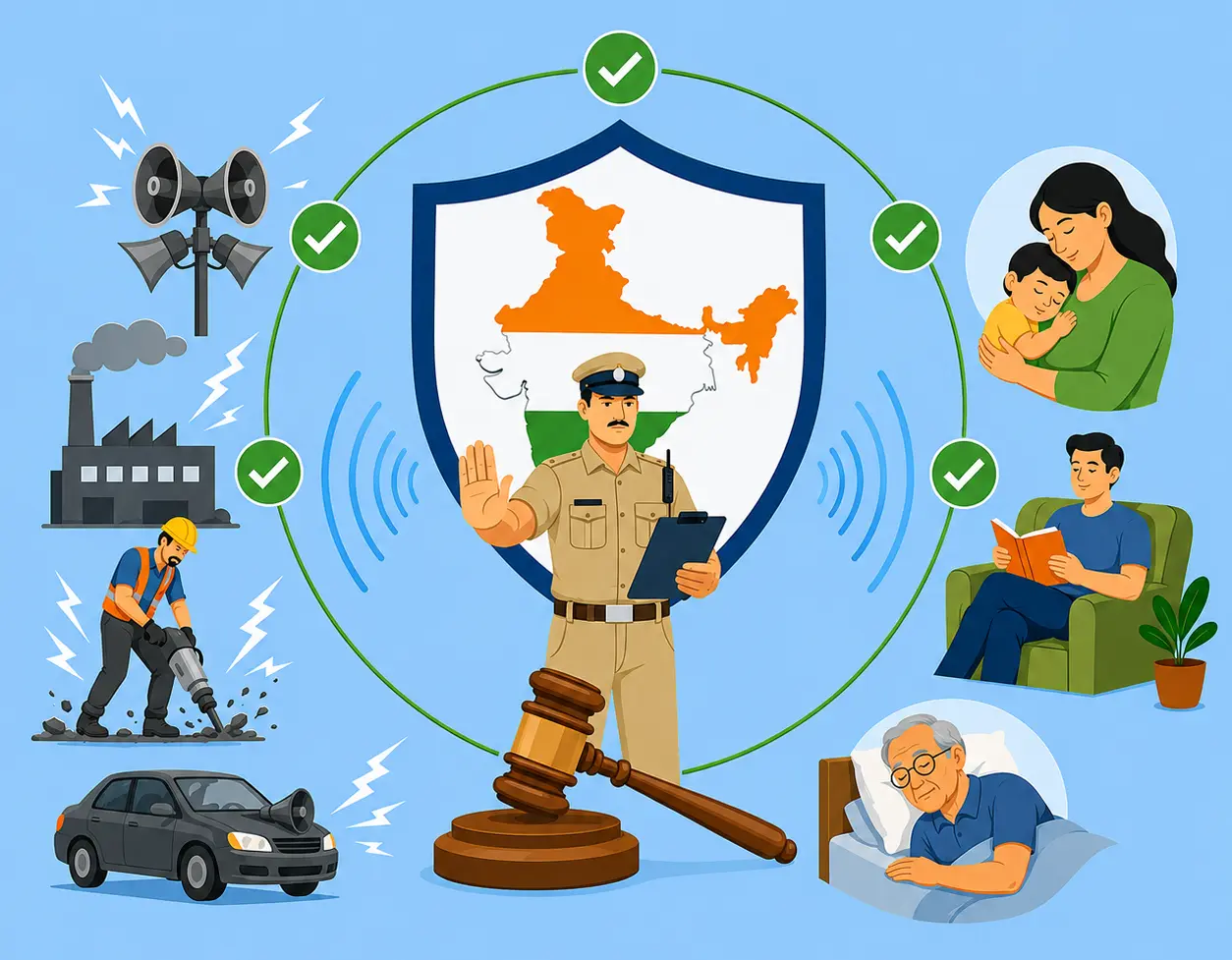 In a February 2025 hearing in the matter of Surendra Prasad vs State of Bihar, the Patna High Court acknowledged DJ trolleys and loudspeakers to be a major source of noise in Patna. After criticising the Bihar State Pollution Control Board (BSPCB) for failing to curb the menace, Justice Rajiv Roy directed the BSPCB to obtain reports from the police about permissions granted to operators of these noise sources and the action taken. In October, the police said they had seized equipment, levied fines, and so on over three months in Patna, Barh, and Fatuha but had taken no action in Masaurhi, a picture Justice Roy called “unbelievable” for suggesting that there were no noise violations there. In the course of these hearings, Justice Roy also summoned police officers and upbraided boilerplate affidavits, among others. The High Court’s August 14 order was a continuation of this escalation, culminating — for now — in Statewide directives on the emission of high-decibel noise. Effectively, the High Court’s actions illustrate how dismal enforcement has become despite the existence of comprehensive laws. Courts have repeatedly said that people have a right under Article 21 to be protected from unlawful noise. Today, with episodic enforcement having become endemic, the Patna High Court becoming a quasi-regulator is, at least as a stopgap measure, creditable.
It is absurd to expect the public to complain about every DJ or horn before the police can respond. The High Court’s directions to the authorities to pursue routine rather than complaints-based enforcement and to have DJs, sound-system operators, and event halls register themselves with the subdivisional authorities are the sort of proactive enforcement that regulating noise pollution in particular warrants. In fact, the High Court’s order also touched on a practical, everyday understanding of how loud-noise violations occur when it directed loudspeakers to stop playing at 9.55 p.m., five minutes before the law’s 10 p.m. cut-off, effectively allowing time for operators to wind up rather than permit the deceptively innocuous practice of carrying on past 10 p.m. because “it is just a few minutes”. Loud noise is often produced by ordinary social events such as festivals, weddings, political campaigns, and religious events, and enforcing rules creates friction with people who believe they have a right to practise their culture as they deem fit. Also, governments have an incentive to tolerate, rather than antagonise, their constituents. At the same time, having operators register themselves so that officials can regulate all of them equally rather than sporadically can also eliminate selective interventions. In the final analysis, the success of the High Court’s latest order should be measured by whether the State develops a consistent habit of enforcement.
Date: 22-08-26
Ensuring equity amid India’s educational progress
India’s educational progress needs stronger focus on equity, inclusion, accessibility, and quality
Sahab Deen, [ Project Scientist at the Remote Sensing Applications Centre, Lucknow, Uttar Pradesh ] & Navneet Sharma, [ Teaches education at the Central University of Himachal Pradesh, Dharamshala ]
The Unified District Information System for Education Plus (UDISE+) 2025-26 report highlights notable progress in India’s school education system, covering 1.47 million schools, 240 million students, and 10.2 million teachers. Progress has been recorded in gross enrolment, student retention, dropout reduction, teacher availability, and educational infrastructure. However, the report also shows that regional and social disparities persist in access, resources, learning opportunities, and educational outcomes. Disparities in gross enrolment ratios (GER), dropout rates, pupil-teacher ratios, and infrastructure availability across regions and social groups indicate the ongoing challenge of guaranteeing equitable, inclusive, and quality education in India.
Regional and social imbalances
The report confirms that significant variations exist across socioeconomic groups and geographic regions in terms of various indicators. The distribution of enrolled students shows that Andhra Pradesh leads in Aadhaar seeding (99.6%), followed by Chandigarh (99%), while Meghalaya records the lowest rate (35%), compared with the national average of 90.2%. Uttar Pradesh accounts for the highest share of schools and student enrolment, while Meghalaya and Himachal Pradesh have the lowest shares of schools relative to enrolment, indicating higher student-school ratios.
At the school level, West Bengal has recorded the highest proportion of foundational and preparatory schools (79%) of total, and among the lowest secondary schools (11%); Chandigarh has the highest secondary schools (83%) and the lowest foundational and preparatory schools (5%) of total. The social composition of enrolled students shows significant variation across regions. Chandigarh and Delhi have the highest proportions of General category students, while Lakshadweep, Mizoram, Meghalaya, and Ladakh have high proportions of Schedule Tribe (ST) enrolment. Punjab records one of the highest shares of Scheduled Caste (SC) enrolment, whereas Other Backward Classes representation is particularly high in Tamil Nadu and Gujarat.
At the national level, the GER has recorded highest for OBCs (49%), followed by General (27%), SCs (17%), and STs (10%). Thus, GER indicates large differences in school education enrolment in comparison to their corresponding population of each social group.
The Gender Parity Index across all school levels shows higher girls’ enrolment and participation than boys across most of the States/Union Territories. The UDISE+ data show that students from minority communities account for more than 20% of enrolment, with Muslims and Parsis among the major minority groups. The average enrolment per school shows that Chandigarh registers the highest average enrolment per school (1,194), followed by Delhi (788); while Ladakh records the lowest average enrolment (64), indicating variation in the size of the schools across the country.
The pupil-teacher ratio (PTR) is an important factor influencing students’ performance and achievement. The PTR varies highly, registering lowest in Union Territories and highest in densely populated States. A significant inter-State variation in PTR exists across pedagogical stages; i.e., foundational, preparatory, and middle PTRs are generally lower than secondary across most of the States. Jharkhand records the highest Secondary PTR (43), followed by Uttar Pradesh, signifying a heavy workload on teachers. On the other hand, Sikkim has the lowest secondary PTR (6), followed by Ladakh. The GER varies significantly at the levels of schools and regions across the country. Meghalaya records the highest Foundational GER (131), followed by Mizoram, while Bihar has the lowest GER (24), preceded by Uttar Pradesh. Meghalaya again records the highest Preparatory GER (171), followed by Manipur; whereas Gujarat has the lowest GER (74), preceded by Bihar. Chandigarh and Meghalaya record the highest Middle GER (118), followed by Delhi. On the contrary, Bihar has the lowest GER (70), preceded by Nagaland. Similarly, Chandigarh registers the highest Secondary GER (109), followed by Goa; while Bihar has the lowest GER (48), preceded by Nagaland.
The dropout rate determines the attainment and transition rate to the next stage of schools. Bihar accounts for the highest preparatory dropout rate (7.9%), followed by Meghalaya. On the other hand, many States/Union Territories such as Delhi, Haryana and Maharashtra do not report dropout. Similarly, Bihar records the highest middle-level dropout rate (9%), followed by Uttar Pradesh. While several States/Union Territories such as Chandigarh, Maharashtra and Andhra Pradesh do not register dropouts at this stage, Ladakh records the highest secondary dropout rate (14.8%), followed by Karnataka. West Bengal has the lowest dropout rate (1.5%), preceded by Telangana.
Persistent gaps
Generally, access to schooling has improved significantly over the years. Most children now have a school at a suitable distance, but regional differences continue. Remotely located places, hilly, tribal and border areas still have limited schools and transport facilities, where school-going children face greater difficulties in attending school regularly, such as in Bageshwar district of Uttarakhand, Ganjam and Kandhamal districts of Odisha, Kathua district of Jammu and Kashmir, and Palghar district of Maharashtra. Simultaneously, children from SCs, STs, minorities, and economically poor families have a greater likelihood to face different barriers that limit their enrolment, attendance, and completion of schooling.
School infrastructure has improved in several areas of the country, i.e., access to drinking water and electricity. However, the availability of infrastructure varies regionally across the country. Educationally backward districts are still struggling to provide a learning environment in rural schools in comparison to urban areas.
Teacher availability is a factor that significantly influences educational outcomes. The report shows that many States have recruited qualified teachers, while teacher shortages continue in several regions. Rural and remote schools often face a shortage of teachers performing multiple classes and subjects and many other non-teaching responsibilities allotted by the government. High student-teacher ratios reduce the individual attention students receive and adversely affect the learning process. Despite progress in girls’ schooling, challenges persist in reducing dropout rates, enhancing transition from primary to secondary education, and providing sucient and suitable facilities for disabled children. Inclusive infrastructure, accessible classrooms, and supportive teaching practices are essential for equitable education.
Targeted investment will help
The UDISE+ 2025-26 report shows that educational inequality persists across accessibility, infrastructure, teacher availability, digital resources, and social inclusion. Addressing these dimensions collectively is essential for equitable educational development. In line with the National Education Policy (NEP) 2020, targeted investment in educationally deprived regions, improved digital infrastructure, adequate teacher deployment, and stronger support for disadvantaged groups can help bridge persistent gaps.
Regional and social imbalances continue to influence educational opportunities and learning conditions. Reducing these disparities requires a balanced approach that collectively improves infrastructure, promotes equitable teacher deployment, strengthens inclusive social and economic policies, and provides dedicated support for disadvantaged social groups. A regionally and socially balanced approach that integrates educational quality, equity, and accessibility will help create a more inclusive education system, address the paradox of progress in India’s evolving school education landscape, and contribute to the country’s long-term social, economic, and regional development.

दस साल में पहली बार शकर आयात की नौबत क्यों आई?
संपादकीय
सरकार ने दस साल में पहली बार शकर का आयात करने का फैसला लिया है। आखिर यह स्थिति आई क्यों ? 2022 से शकर के निर्यात पर ईयू और यूएस को निर्धारित कोटा देने के अलावा – लगातार अंकुश लगाना पड़ता था ताकि घरेलू उपभोग के लिए शकर महंगी न हो। फिर आखिर ऐसा क्या हो गया कि शकर बाहर से डॉलर देकर खरीदी जाएगी? यह सच है कि घर-घर खपत वाली शकर का शुरुआती स्टॉक पिछले साल के मुकाबले 20% कम हो गया है। माना जा रहा है कि गन्ने का उपयोग एथेनॉल बनाने में किया जा रहा है। पेट्रोल में एथेनॉल की ब्लेंडिंग पर विवाद चल रहा है। भारत जैसे देश में अगर अनाज या गन्ने को इस काम में प्रयुक्त किया गया तो खाद्य-संतुलन बिगड़ सकता है। शकर की कमी इसका पहला संकेत है । फिर नीतियों में इतना उतार-चढ़ाव होना उद्योगों के लिए भी असहज स्थिति पैदा करता है। यह नीतियों का ही दोष है कि इस साल किसानों ने दलहन, तिलहन तो छोड़ें, मोटा अनाज भी बोना कम करके उसकी जगह गन्ना लगाया है। अब अगर सरकार शकर का आयात करने जा रही है तो इसका सीधा मतलब यही है कि या तो किसान या शकर मिलों को घाटा होगा। शकर मिलें देश की जरूरत से 30-40 लाख टन ज्यादा चीनी पैदा करती थीं, लेकिन इस साल करीब 11% गन्ने को एथेनॉल के लिए डाइवर्ट किया गया है।
Date: 22-08-26
आने वाले कल के खेल-सितारों को तैयार करने का यही समय है
अमिताभ कांत नीति, ( आयोग के पूर्व सीईओ और भारत के पूर्व जी-20 शेरपा )
 मौजूदा हालात को देखते हुए तो यह बेहद कठिन लगता है कि भारत 2034 के फीफा विश्वकप के लिए क्वालिफाई कर पाएगा। लेकिन 2034 को एक डेडलाइन के तौर पर जरूर लिया जा सकता है। तब तक भारत ऐसा फुटबॉल सिस्टम विकसित करे, जो विश्वकप के लिए क्वालिफाई करने के लिए चुनौती पेश कर सके। भारत अभी एशियाई देशों में से क्वालिफाई करने योग्य स्तर से काफी दूर है। हमारी टीम में निरंतरता का अभाव है और हमारा डेवलपमेंट सिस्टम ऐसे पर्याप्त फुटबॉलर तैयार नहीं कर पाता है, जो शीर्ष पर प्रतिस्पर्धा कर सकें।
हमारा मकसद यही होना चाहिए कि अगले 8 वर्षों में भारत एशिया का उन्नत फुटबॉल सिस्टम बने। यदि हमने यह कर लिया तो क्वालिफाई करना संभव है। इसके लिए पहली जरूरत है- संस्थागत स्थिरता। सुप्रीम कोर्ट के निर्देशों और भारतीय खेल प्रशासन फ्रैमवर्क के तहत ऑल इंडिया फुटबॉल फेडरेशन (एआईएफएफ) के प्रशासनिक ढांचे से जुड़ी प्रक्रिया समाधान की दिशा में आगे बढ़ी है। प्राथमिकता सुधारों को लागू करने की हो।
हमें इंडियन सुपर लीग के उभरते व्यावसायिक ढांचे को स्थिर, प्रतिस्पर्धी और आर्थिक तौर पर जिम्मेदार ऐसी पेशेवर व्यवस्था में बदलना होगा, जिसमें फेडरेशन की स्पष्ट भूमिका हो। इसकी सफलता इस बात से तय होगी कि क्या वह खेलों का भरोसेमंद कैलेंडर, मजबूत क्लब, खिलाड़ियों के लिए अनुबंध संबंधी निश्चितता और नेशनल लीग के लिए आपस में जुड़ा ढांचा उपलब्ध करा पाता है। कॉर्पोरेट और सरकारी सहायता भी तभी बढ़ेगी, जब पूरा इको-सिस्टम पेशेवर ढंग से संचालित हो।
दूसरी जरूरत यह है कि इस पूरी व्यवस्था को भारतीय खिलाड़ी तैयार करने के इर्द-गिर्द संगठित किया जाए। विश्व कप का क्वालिफिकेशन महज इससे हासिल नहीं होता कि हर कुछ वर्षों में राष्ट्रीय टीम का कोच बदल दिया जाए या बड़े मुकाबलों से पहले छोटे-मोटे प्रशिक्षण शिविर लगा दिए जाएं। जो फुटबॉलर भारत को 2034 के विश्व कप की चुनौती तक ले जा सकते हैं, उनमें से अधिकतर आज 12 से 20 वर्ष की उम्र के बीच हैं। उनके विकास का समय यही है। शुरुआत जिलास्तरीय स्काउटिंग से हो। फिर ये खिलाड़ी मान्यता प्राप्त अकादमियों और प्रतिस्पर्धी यूथ लीगों से होते हुए पेशेवर क्लबों और राष्ट्रीय टीमों तक पहुंचें। सर्वश्रेष्ठ खिलाड़ियों को बेहतर कोचिंग, पर्याप्त मैच खेलने के अवसर और मजबूत एशियाई तथा अंतरराष्ट्रीय टीमों के खिलाफ नियमित खेलने का अनुभव मिलना चाहिए। प्रतिभाओं की पहचान कम उम्र में ही होनी चाहिए और उनकी भौगोलिक या आर्थिक पृष्ठभूमि को देखे बिना उन्हें तेजी से आगे बढ़ाया जाना चाहिए।
कोचों में भी हमें गंभीरता से निवेश करना होगा। कोच-एजुकेशन को नेशनल कैपेसिटी-बिल्डिंग की तरह लें। नेशनल प्लेयर डेटाबेस, वीडियो एनालिसिस, पारदर्शी स्काउटिंग और सभी प्रतियोगिताओं के लिए समान मानदंड तय करने में तकनीक की मदद ली जा सकती है। तीसरी जरूरत है सभी को साथ लेकर चलने वाला राष्ट्रीय गठबंधन। कोई भी फेडरेशन, मंत्रालय, राज्य सरकार या पेशेवर लीग अपने दम पर विश्वकप क्वालिफिकेशन की क्षमता नहीं रखती। एआईएफएफ को तकनीकी दिशा, नियमन और राष्ट्रीय स्तर पर समन्वय की जिम्मेदारी उठानी होगी। क्लबों को पेशेवर खिलाड़ियों के विकास का प्रमुख जरिया बनना होगा। केंद्र और राज्य सरकारों को इंफ्रास्ट्रक्चर, स्कूली प्रतियोगिताओं, खेल के मैदानों तक आमजन की पहुंच और उच्चस्तरीय प्रदर्शन के लिए जरूरी सहायता देनी होगी। भारतीय कॉर्पोरेट जगत को भी अब छोटी-छोटी स्पॉन्सरशिप से आगे बढ़कर अकादमियों, कोचों, यूथ लीगों, अंतरराष्ट्रीय एक्सपोजर में धैर्य के साथ दीर्घकालिक निवेश करना चाहिए। पूर्व खिलाड़ियों और कोचों को भी सार्थक तकनीकी भूमिकाएं दी जानी जरूरी है।
खेल प्रशंसक के तौर पर बड़े हुए बहुत-से भारतीयों की तरह मैं भी डुरंड कप को केवल एक और फुटबॉल प्रतियोगिता के तौर पर नहीं याद करता। यह टूर्नामेंट भारतीय फुटबॉल के इतिहास, संस्थागत टीमों की ताकत और सार्थक प्रतियोगिताओं से उपजे गौरव का प्रतिनिधित्व करता रहा है। आज भी ऐसी प्रतियोगिताएं एक महत्वपूर्ण रणनीतिक भूमिका निभा सकती हैं। वे भारतीय प्रतिभाओं की पहचान करने और उन्हें आगे बढ़ाने का मंच भी बन सकती हैं।

भीड़तंत्र का पर्याय न बने लोकतंत्र
शंकर शरण, ( लेखक राजनीतिशास्त्र के प्राध्यापक एवं वरिष्ठ स्तंभकार हैं )
दिल्ली के जंतर-मंतर पर ‘कॉकरोच’ छात्र-युवाओं के धरने पर जिन दलों, नेताओं, बड़े लोगों ने खुल कर या चुपचाप समर्थन-सहयोग दिया था, वे रांची के मुंडा स्टेडियम में नदारद रहे। अथवा कहें कि एक जगह पीठ पर एक तरह के दल थे, तो दूसरी जगह दूसरे खेमे के। जबकि दोनों स्थानों पर मुद्दा शैक्षिक परीक्षाओं में गड़बड़ी के विरुद्ध था। यह तुलनात्मक दृश्य क्या दिखाता है? यही कि युवा शक्ति अथवा आज के मुहावरे में ‘जेन-जी’ के बारे में एकतरफा बातों को विवेक पर तौलना बेहतर है। हर युग में युवाओं में अधिक ऊर्जा, आदर्श और न्यायप्रियता रहती है। इसलिए कभी-कभी बार-बार होती गड़बड़ी या अनुचित परिघटना पर उनमें उद्वेलन ‘युवा आंदोलन’ का रूप लेता है। प्रायः ऐसा तभी होता है, जब स्थापित राजनीतिक दल में अच्छे नेताओं का अभाव हो। तब कोई घटना अनायास किन्हीं युवाओं को परिदृश्य में ला देती है। जैसा हाल में मुख्य न्यायाधीश द्वारा एक विशेष संदर्भ में ‘काकरोच’ कह देने से हुआ। यदि देश के कोई नेता वैसी संज्ञा का प्रतिवाद करते, तो संभवतः काकरोच जनता पार्टी जैसी व्यंग्यात्मक प्रतिक्रिया को वैसा अप्रत्याशित समर्थन नहीं मिलता। इस तरह देखा जाए तो काकरोच आंदोलन का उद्भव हमारे राजनीतिक दलों की सामूहिक उदासीनता का भी परिणाम था।
राष्ट्रीय राजनीति में जनता पार्टी से लेकर असम में आसू और आम आदमी पार्टी के उदाहरणों में देखा गया कि छात्र-युवा अंततः पेशेवर नेताओं द्वारा ही मुख्य रूप से इस्तेमाल होते हैं। काम निकल जाने और सत्ता पा लेने के बाद नेता बड़े-बड़े बौद्धिकों, विधिवेत्ताओं आदि को दूध में पड़ी मक्खी की तरह निकाल फेंक देते हैं। इसलिए राजनीति में दूरदृष्टि, दृढ़ता और विवेकशीलता का स्थायी महत्व है। किसी भी आंदोलन में यदि प्रभावी नेता विवेकशील न हों तो उसके गलत दिशा में जाने की भरी-पूरी आशंका रहती है। हालांकि दृढ़ता, समर्पण, संसाधन-कुशलता आदि गुण किसी मतांध, कट्टरपंथी में भी हो सकते हैं। अतः भीड़ देखकर उत्साहित होने में सावधानी रखनी चाहिए, क्योंकि वह विचारहीन होती है। उसे सदैव कोई और इस्तेमाल करता है। एक बार भीड़ में कोई उलटी-सीधी बात भर दी जाए तो वह अपने बीच के व्यक्तियों को भी नियंत्रण में ले लेती है। यह अधिकांश भीड़ आंदोलनों में देखा गया है। जेपी आंदोलन से लेकर काकरोच पार्टी के संसद मार्च तक यही हुआ है।
कुल मिलाकर मामला न सीधा है और न एकतरफा। यही राजनीति की जटिलता है। इसमें जितना सामने रहता है, उससे अधिक छिपा रहता है। उन छिपी बातों, उद्देश्यों में अधिकांश अनुपयुक्त होती हैं। इसीलिए छिपाई जाती हैं, लेकिन भोले छात्र युवा ही नहीं, आम लोग भी उससे अनजान रहते हैं। इसीलिए लोकतंत्र में विशेषतः लोगों को लुभाने, भड़काने, बड़ी-बड़ी बातें करने, सपने दिखाने का प्रचलन है। किसी भी तरह अधिक लोगों को अपनी ओर खींचना ही आम नेताओं का उद्देश्य होता है। यह काम भीड़ की मानसिकता को उकसा कर अधिक सरलता से होता है। इसीलिए नेताओं की बिरादरी भीड़ की चापलूसी करती है। बात-बात में ‘जनता’ का गुणगान उसका सबसे सामान्य रूप है। जबकि कहीं भी जनता कोई नीति नहीं बनाती। उसके नाम पर अच्छे या बुरे नेता ही यह करते हैं। यह अकाट्य तथ्य है कि कोई भी भीड़ प्रेरित आंदोलन अपने घोषित आदर्श वाला लक्ष्य नहीं प्राप्त करता। उसके बल से केवल सत्ता में उलटफेर होता है। नई सत्ता अच्छी नीति बनाए या पहले से भी बुरा हाल कर दे, यह मात्र नए नेताओं के विवेक और योग्यता पर निर्भर रहता है। यह रुझान पचास वर्षों के भारतीय अनुभव से प्रमाणित है। जेपी का छात्र आंदोलन और आल असम छात्र यूनियन आदि ने अंततः सत्ता में उलटफेर तो किया, किंतु उनके घोषित लक्ष्य ‘भ्रष्टाचार का खात्मा’ या ‘विदेशी घुसपैठ रोकना’ आकाश-कुसुम ही रहे। इतना ही नहीं, स्थिति पहले से और बुरी होती गई।
केवल भीड़, नारे और आवेश से आशा रखना फिजूल है। राजनीति में शार्टकट से कोई नीतिगत उपलब्धि असंभव है। नेताओं, दलों के बदले मुद्दों पर शांतिपूर्वक विचार करने पर ही वैसी उपलब्धि का मार्ग मिल सकता है। हालांकि वह धैर्य और सामाजिक चेतना की मांग करता है, जबकि पेशेवर नेता अपनी दलीय चेतना से लाभ की फिराक में रहते हैं। अतः आकस्मिक आंदोलनों में भी वे खुले-छिपे मौका तलाशते हैं कि उसका अपने स्वार्थ में उपयोग करें। यही कारण है कि बड़े-बड़े आंदोलन भी अपना घोषित लक्ष्य पाने में विफल रहते हैं। उसकी शुरुआत किसी उचित समस्या से तो होती है, परंतु उसका वैज्ञानिक समाधान केवल सामाजिक भावना से मिल सकता है, जबकि दलीय प्रतिद्वंद्विता उसे अनिवार्यतः इधर या उधर खींचती है। तदनुरूप समस्या पर समुचित विचार और सही समाधान पर सहमति बनाने के बदले दलीय धड़ों द्वारा एक-दूसरे को गिराने की प्रवृत्ति ऊपर हो जाती है। लोगों को लफ्फाजी से आसान रास्ता दिखाया जाता है। इस तरह सत्ता परिवर्तन तो हो जाता है, लेकिन समस्या यथावत बनी रहती है। किसी भी आंदोलन में नारों से शायद ही कुछ तय होता है। उलटे भीड़ को शक्ति देना, उसके समक्ष झुकना एक तरह से बड़े संकट को न्योता देने जैसा हो सकता है। जनता के नाम पर मुट्ठी भर शातिर लोग आम लोगों का इस्तेमाल करते हैं।
किसी भी आंदोलन की सरसरी चापलूसी या आदतन भर्त्सना अनुपयुक्त है। राजनीति में सब कुछ निर्णयकारी व्यक्तियों पर निर्भर होता है। यदि निर्णायक स्थान पर विवेकशील और कटिबद्ध व्यक्ति हों तभी सकारात्मक परिणाम मिल सकते हैं। अन्यथा तमाम हंगामे और उथल-पुथल के बाद भी हालात वही ढाक के तीन पात वाले रहते हैं। यही राजनीति के प्रति सदियों से महान ज्ञानियों की सीख है। यही दुनिया भर के आधुनिक अनुभव भी हैं। इसलिए हमें भीड़तंत्र और लोकतंत्र की बारीक रेखा का सदैव ध्यान रखना होगा। राष्ट्रजीवन के किसी भी अन्य क्षेत्र की तुलना में लोकहित की राजनीति कहीं अधिक पात्रता एवं विशेषज्ञता की मांग करती है। इसकी जितनी उपेक्षा होती है, उस हद तक समाज की हानि होती रहती है।
Date: 22-08-26
बार-बार चेतावनी देता हिमालय
जयसिंह रावत, ( लेखक वरिष्ठ पत्रकार हैं )
हिमालय की दुर्गमता को वरदान में बदलने के लिए उसका सीना छलनी कर सड़कें, रेल लाइनें, बिजलीघर और सुरंगें बनाई जा रही हैं। यह सब आवश्यक ही लगता है, लेकिन जब हम प्रकृति के साथ अंधाधुंध छेड़छाड़ के तात्कालिक और दूरगामी परिणामों की कल्पना करते हैं तो सिहरन होती है। 2023 में 17 दिनों तक दुनिया की सांसें रोकने वाले सिलक्यारा सुरंग हादसे वाली जगह पर इसी साल फिर कंक्रीट गिरने से एक मजदूर की मौत हो गई। इस हादसे पर बहस चल ही रही थी कि 20 जुलाई को सिक्किम के तीस्ता स्टेज-6 परियोजना की सुरंग में मीथेन गैस के विस्फोट और सुरंग का एक हिस्सा ढहने से 25 मजदूरों की मौत हो गई। इस भयंकर हादसे की गूंज अभी थमी भी नहीं थी कि उत्तराखंड के चमोली जिले में विष्णुगाड-पीपलकोटी जलविद्युत परियोजना की सुरंग में फिर बड़ा हादसा हो गया, जिसमें आठ श्रमिकों की मौत हो गई। इस हादसे का तात्कालिक कारण अचानक सुरंग के एक हिस्से का ढहना तथा उससे निकले मलबायुक्त पानी का सैलाब था।
हिमालयी क्षेत्र में सिलसिलेवार हादसे मानव जीवन के प्रति प्रशासनिक और निर्माण एजेंसियों की उपेक्षा की ओर इशारा तो करते ही हैं, साथ ही हिमालय के भूगर्भ की अनदेखी और पर्वतों में सुरंग इंजीनियरिंग की कामयाबी पर भी प्रश्नचिह्न खड़े करते हैं। ताजा हादसा किसी एक परियोजना या निर्माण स्थल की विफलता भर नहीं है। इसके पीछे संपूर्ण हिमालयी क्षेत्र में तेजी से हो रहे अवसंरचनात्मक निर्माणों और वहां की जटिल भूगर्भीय परिस्थितियों के बीच बढ़ता तनाव दिखाई देता है। सवाल यह है कि क्या हम हिमालय की प्रकृति को समझकर सुरंग बना रहे हैं या केवल अपनी विकास योजनाओं की समयसीमा पूरी करने के लिए पहाड़ को उसकी मूल संरचना के विरुद्ध धकेल रहे हैं? बार-बार हादसों का दोहराया जाना साबित करता है कि हमने अतीत से कोई सबक नहीं सीखा। किसी भी निर्माण स्थल पर होने वाली छोटी विफलताएं दरअसल भविष्य के बड़े हादसों की पूर्व चेतावनियां होती हैं।
भूगर्भ विज्ञान के दृष्टिकोण से हिमालय में सुरंग का निर्माण कोई साधारण मैदानी इंजीनियरिंग का काम नहीं है। हिमालय दुनिया की सबसे युवा पर्वत प्रणालियों में से एक है और भूगर्भीय रूप से आज भी निरंतर गतिमान है। यहां की चट्टानें अनेक स्थानों पर टूटी-फूटी और दरारों से भरी हैं। क्या विष्णुगाड-पीपलकोटी परियोजना की विस्तृत परियोजना रिपोर्ट बनाने वालों को यह प्राथमिक ज्ञान नहीं था कि हिमालय पर बर्फ के रूप में जो पानी जमा है, वह रिस-रिसकर पहाड़ के भीतर एक संपूर्ण और विशाल भूजलतंत्र बनाता है? कुछ वर्ष पहले इसी क्षेत्र में स्थित तपोवन-विष्णुगाड जलविद्युत परियोजना की सुरंग में हुआ भारी जल-स्राव भी गंभीर चिंता का कारण बना था। ऐसा भूगर्भिक जल-स्राव एक अप्रत्याशित खतरा भर नहीं, बल्कि यह क्षेत्र के पर्यावरण और पारिस्थितिकी तंत्र को पहुंचाया जाने वाला एक बड़ा स्थायी नुकसान है।
जब सुरंगों के कारण सदियों पुराना आंतरिक भूजलतंत्र छिन्न-भिन्न हो जाता है, तो बहुत बड़े भूभाग को गंभीर जल-संकट से जूझना पड़ता है। पीपलकोटी हादसे की मानवीय-आर्थिक क्षतियों का आकलन तो होगा ही, पर दूरगामी पर्यावरणीय क्षति की भरपाई कोई नहीं कर पाएगा। पहाड़ के ऊपर दिखाई देने वाली जमीन और उसके भीतर की भूगर्भीय संरचना को एक जैसा समझना आधुनिक इंजीनियरिंग की भूल है। सुरंग के सामने दिखाई देने वाली चट्टान कुछ मीटर आगे वैसी नहीं रहती। भूमिगत जल अपना रास्ता बदल सकता है और चट्टान की मजबूती अचानक कम हो सकती है। सुरंग का नक्शा केवल निर्माण शुरू होने से पहले तैयार नहीं होता, बल्कि खोदाई के दौरान सामने आने वाली वास्तविक भूगर्भीय परिस्थितियों के अनुसार उसमें लगातार बदलाव करना पड़ता है। सुरंग निर्माण में कमजोर चट्टान मिलने पर केवल कंक्रीट की परत चढ़ा देना पर्याप्त नहीं। खतरे का संकेत मिलने पर काम रोकना किसी परियोजना की विफलता नहीं, बल्कि कुशल इंजीनियरिंग का प्रमाण है।
दुर्भाग्य से हमारे देश में परियोजनाओं को समय पर पूरा करने, लागत सीमित रखने की होड़ मची रहती है, लेकिन पहाड़ किसी समयसीमा से संचालित नहीं होते और न ही प्राकृतिक चट्टानें किसी ठेके की शर्तों से बदलती हैं। इसलिए हिमालयी सुरंगों के लिए सुरक्षा आडिट की एक स्वतंत्र और कठोर व्यवस्था जरूरी है। दुर्घटना के बाद जांच कराने से ज्यादा जरूरी है कि निर्माण के दौरान नियमित रूप से बाहरी भूगर्भ विशेषज्ञों से निष्पक्ष जांच कराई जाए। सिलक्यारा के अनुभव बताते हैं कि बचाव अभियानों में तकनीक तो बढ़ी है, लेकिन किसी देश की श्रेष्ठता हादसे न होने देने में है। हिमालय हमें बार-बार चेतावनी दे रहा है। सवाल यह नहीं कि अगली दुर्घटना कब होगी, बल्कि यह है कि हम अपनी नीति और व्यवस्था कब बदलेंगे? किसी सुरंग के उद्घाटन पर रोशनी जलती है और विकास का उत्सव मनाया जाता है, लेकिन उस रोशनी के पीछे मजदूरों की अनकही कुर्बानियां छिपी होती हैं। यदि वही अंधेरा बार-बार उनकी कब्र बनता रहे, तो हमें विकास की इस पूरी परिभाषा पर पुनर्विचार करना होगा।
 Date: 22-08-26
जेनज़ी आंदोलन सुधारों के लिए एक अवसर
अजय छिब्बर, ( लेखक जॉर्ज वॉशिंगटन विश्वविद्यालय के विशिष्ट अतिथि विद्वान और वियतनाम में विश्व बैंक के पूर्व कंट्री डायरेक्टर रहे हैं। )
नीट पेपर लीक के बाद जंतर मंतर पर आयोजित छात्र- छात्राओं के विरोध प्रदर्शन का अंत हो चुका है। ऐसा तब हुआ जब सरकार शैक्षणिक सुधार लाने का वादा किया। परंतु बीते एक महीने का घटनाक्रम बढ़ती असमानता और देश के वृद्धि और विकास मॉडल में रोजगारों की कमी के कारण बढ़ती नाराजगी को दर्शाता है। अगर बेरोजगारी इसी तरह बढ़ती रही तो देश का जनांकिकी लाभांश एक आपदा में बदल सकता है। खास कर यह देखते हुए कि एक तरफ तो सकल घरेलू उत्पाद यानी जीडीपी में वृद्धि हो रही है और दूसरी ओर बेरोजगारी भी बढ़ रही है।
नवंबर 2025 में मैंने इसी समाचार पत्र में लिखा था कि क्यों भारत को युवाओं के असंतोष को लेकर ढिलाई नहीं बरतनी चाहिए क्योंकि पड़ोसी बांग्लादेश और नेपाल में ऐसे आंदोलनों की परिणति हम देख चुके हैं। बिना समुचित रोजगार अवसरों के बढ़ती शिक्षा एक खतरनाक मिश्रण है। यूएनडीपी की 2013 की मानव विकास रिपोर्ट दिखाती है कि इस सदी के आरंभ में अरब में हुए आंदोलनों में इसका अहम योगदान था। शुरुआत में सरकार ने प्रदर्शनों के विरुद्ध बल प्रयोग किया लेकिन जब आंदोलन गति पकड़ गया तो वह शिक्षा मंत्री को बदलने और एक उच्चस्तरीय परीक्षा सुधार समिति के गठन की मांग पर सहमत हो गई। निस्संदेह परीक्षा सुधार अहम हैं लेकिन उनके अलावा शासन, शिक्षा और आर्थिक नीतियों में भी जरूरी सुधार करने की आवश्यकता है।
भारत में लोकतांत्रिक संस्थाओं और मीडिया को मजबूत करने के लिए शासन सुधार महत्त्वपूर्ण है। लेकिन इसके साथ ही भारत को रोजगार की कमी और विशेषकर युवा बेरोजगारी से भी निपटना होगा। इसके लिए देश के विकास मॉडल में बुनियादी बदलाव जरूरी हैं। देश का जीडीपी तो बढ़ा है लेकिन रोजगार से जीडीपी वृद्धि की प्रत्यास्थता यानी जीडीपी में हर प्रतिशत वृद्धि पर रोजगार कितना बढ़ता है, इसका स्तर 1980 के दशक में लगभग 0.5 से घटकर 2000 के दशक में 0.3 और आज 0.16 पर आ गया है।
भारत की रोजगार लोच या प्रत्यास्थता अब दुनिया में सबसे कम है जबकि बांग्लादेश और वियतनाम में यह 0.3 से अधिक, चीन और इंडोनेशिया में 0.4 और फिलीपींस में 0.5 है। अंतरराष्ट्रीय श्रम संगठन (आईएलओ) के अनुसार वियतनाम का रोजगार से जनसंख्या अनुपात लगभग 75 फीसदी है, जबकि भारत का लगभग 50 फीसदी पर स्थिर रहा है । यदि भारत का अनुपात 10 प्रतिशत अंक अधिक, यानी 60 फीसदी होता तो इसका मतलब होता कि 14 करोड़ अधिक लोग नियमित नौकरियों में होते ।
भारत को दूसरी पीढ़ी के सुधार करने होंगे विशेषकर श्रम कानून और भूमि कानून में सुधार लाना होगा जो औपचारिक रूप से कामगारों को नियुक्त करना कठिन बनाते हैं और भूमि अधिग्रहण को बहुत महंगा । साथ ही बिजली, मालभाड़ा और पूंजी की लागत जो भारत में प्रतिस्पर्धियों की तुलना में अधिक है वह कम करनी होगी। इन सुधारों के साथ भारत को अपने सांठगांठ वाले पूंजीवादी, बड़े व्यवसाय- हितैषी और पूंजी गहन आर्थिक मॉडल से भी दूर जाना होगा।
भारतीय उद्योग धीरे-धीरे बिग 5 यानी पांच बड़ी कंपनियों में केंद्रित होता जा रहा औद्योगिक विकास का नेतृत्व करने के लिए बड़े व्यवसायों को भारी सब्सिडी और शुल्क सुरक्षा देकर उन पर निर्भर रहने की रणनीति उल्टा असर डाल रही है। इसके परिणामस्वरूप हम असमय ही औद्योगीकरण में कमजोरी और बेरोजगारी में इजाफा देख रहे हैं। बड़े व्यवसायों का यही डर पहले कृषि सुधारों को भी पटरी से उतार चुका था जबकि भारत को उन सुधारों की सख्त जरूरत थी। हाल ही में सेवा क्षेत्र भी जिसने पहले काफी नौकरियां पैदा की थीं, वह आर्टिफिशल इंटेलिजेंस क्रांति से प्रभावित होकर बड़े पैमाने पर छंटनी का सामना कर रहा है।
चीन को भूल जाइए जो भारत से बहुत आगे निकल चुका है और अगले वर्ष उच्च आय वाला देश बन जाएगा। अब तो वियतनाम जो 2010 में भारत से पीछे था वह विगत 16 वर्षों में उच्च मध्य आय की श्रेणी में पहुंच गया है, जहां 2025 में उसकी सकल प्रति व्यक्ति राष्ट्रीय आय 4,650 डॉलर हो गई। दूसरी तरफ, भारत अब भी निम्न मध्य आय वाला देश है, जिसकी सकल प्रति व्यक्ति राष्ट्रीय आय 2,760 डॉलर है। वियतनाम में निवेश का स्तर भारत से बहुत अलग नहीं है। फर्क यह है कि वियतनाम ने चीन की तरह अपने शुरुआती विकास चरण में निर्यातोन्मुख एफडीआई पर भारी निर्भरता रखी जिसने अधिक नौकरियां पैदा कीं। वियतनाम में शुद्ध एफडीआई जीडीपी का औसतन 7 फीसदी से भी अधिक रहा और शुरुआती वर्षों में 10-12 फीसदी तक पहुंचा। भारत के मामले में शुद्ध एफडीआई कभी भी जीडीपी के 4 फीसदी तक नहीं पहुंचा और यह औसतन 1-2 फीसदी के करीब रहा। अब तो यह घट रहा है क्योंकि जिन्होंने भारत में निवेश किया था वे भी अपनी रकम निकाल रहे हैं।
वियतनाम की सफलता का एक बड़ा कारण यह है कि वह आसियान मुक्त व्यापार क्षेत्र, व्यापक एवं प्रगतिशील प्रशांत पार साझेदारी समझौता, क्षेत्रीय व्यापक आर्थिक साझेदारी और यूरोपीय संघ के एफटीए जैसे प्रमुख व्यापार और निवेश समझौतों का हिस्सा है। वियतनाम ने इन समझौतों का उपयोग घरेलू सुधारों को आगे बढ़ाने के लिए किया। भारत ने किसी व्यापक व्यापार और निवेश समझौते में शामिल होने का कोई इरादा नहीं दिखाया है और मौजूदा द्विपक्षीय निवेश संधियों को भी कमजोर किया है। भारत ने द्विपक्षीय व्यापार समझौतों की दिशा में कदम बढ़ाया है। लेकिन अब भी अमेरिका के साथ एक समझौते को अंतिम रूप देने और यूरोपीय संघ के साथ किए गए समझौते को अनुमोदित करने में जूझ रहा है।
वियतनाम ने चीन की तरह पर्यटन पर भी ध्यान केंद्रित किया है। 2025 में वहां 2 करोड़ से अधिक पर्यटक पहुंचे जबकि भारत में यह संख्या 1 करोड़ रही। इसमें प्रवासी भारतीयों की घरेलू यात्राएं शामिल नहीं हैं। चीन ने लगभग 4 करोड़ पर्यटकों को आकर्षित किया। भारत अपनी विशाल सांस्कृतिक धरोहर के साथ आसानी से प्रति वर्ष 5 करोड़ पर्यटकों को आकर्षित कर सकता है बशर्ते कि वह संगठित प्रयास करे और पर्यटन को रोजगार सृजन का साधन बनाए । यह रोजगार पैदा करने का एक सरल उपाय है जिस पर ध्यान देना चाहिए।
इतिहास बताता है कि अधिकांश जेनजी आंदोलनों से कोई स्थायी बदलाव नहीं आए । अरब स्प्रिंग विद्रोही आंदोलनों को बड़े पैमाने पर कुचल दिया गया और कोई बड़ा परिवर्तन नहीं हुआ। हाल के जेनजी विद्रोहों ने भारत के पड़ोस में शासन परिवर्तन तो किए लेकिन सार्थक सुधार नहीं हुए। चीन में भी 1989 में त्यान आनमेन चौक पर छात्र नेतृत्व वाले विद्रोह को क्रूरता से दबाने के बाद बड़े सुधार रुक गए लेकिन 1992 में दोबारा शुरू हुए।
भारत एक अलग रास्ता अपना सकता है और उसे अपनाना भी चाहिए। उम्मीद है कि ये विरोध भारत के बेरोजगारी वाले वृद्धि मॉडल में बड़े सुधार और सरकार द्वारा वादा किए गए व्यापक आर्थिक सुधारों की ओर ले जाएंगे। अन्यथा सामाजिक तनाव बने रहेंगे स्वतंत्रता के 100 साल पूरे होने तक भारत के लिए उच्च मध्य आय श्रेणी में पहुंचना और मध्य आय के जाल से निकलना कठिन हो सकता है।

चीनी की कीमत
संपादकीय
चीनी की कीमतों को नियंत्रित रखने के लिए भारत को करीब एक दशक बाद शुल्क मुक्त आयात का सहारा लेना पड़ा है और यह सोचने वाली बात है। भारत में त्योहारी सीजन आने वाला है। ऐसे में, चीनी की घरेलू कीमतों को आम लोगों की पहुंच में रखना जरूरी है। पिछले महीने चीनी 45 रुपये प्रति किलोग्राम बिक रही थी और अब इसकी कीमत 65 रुपये तक पहुंच गई है। कहीं-कहीं तो यह 69 रुपये प्रति किलोग्राम भी बिक रही है। अब उचित ही 31 अक्तूबर तक 10 लाख टन तक कच्ची चीनी के शुल्क-मुक्त आयात को मंजूरी दी गई है। चीनी का देश में अभाव नहीं है, पर उसकी कीमतों में इजाफे से चिंता बढ़ रही है। एहतियातन हर मुमकिन उपाय सरकार को समय रहते करने चाहिए। सरकार ने बाजार में उपलब्धता में सुधार के लिए उसकी भंडारण सीमा को भी सख्त किया है। चीनी की अधिक खपत करने वाले उद्योगों को भी निर्देश दिए गए हैं। बिहार सहित अनेक राज्यों में सरकारें अपने स्तर पर इसकी कालाबाजारी व जमाखोरी रोकने में लग गई हैं। सजग रहना होगा, देश में कई बार अफवाहों की वजह से भी कीमतें या महंगाई बढ़ी है।
वैसे, स्थिति बहुत चिंताजनक नहीं है, क्योंकि शुल्क मुक्त आयात के फैसले के बावजूद चीनी के निर्यात को पूरी तरह से रोकने की नौबत नहीं आई है। चीनी निर्यात के जो अनुबंध पहले से हैं, उनकी पालना होगी और अमेरिका, यूरोप के लिए निर्यात का क्रम बना रहेगा। इसके अलावा, चीनी का नया सीजन शुरू होने वाला है, तो कीमतों में कमी आएगी। हालांकि, इस विषय को विस्तार से देखना चाहिए कि आखिर चीनी की कीमतों में तेजी के पीछे क्या कारण हैं? क्या गन्ने की पैदावार के एक बड़े हिस्से को चीनी मिलों में भेजने के बजाय इथेनॉल मिलों में भेजा जा रहा है? क्या गन्ने के उत्पादन में कमी आई है? क्या देश की जरूरत के हिसाब से गन्ना उत्पादन का क्षेत्र बढ़ नहीं रहा है? इथेनॉल की बढ़ती जरूरत को पूरा करने के लिए क्या गन्ना उत्पादन बढ़ाने की कोई योजना तैयार की गई है? ये ऐसे महत्वपूर्ण सवाल हैं, जिनके जवाब तलाशने के लिए कृषि मंत्रालय के साथ ही पेट्रोलियम मंत्रालय को भी कदम उठाने पड़ेंगे। जो कंपनियां इथेनॉल उत्पादन में लगी हैं, उन्हें अपने स्तर पर गन्ना उत्पादन को बढ़ावा देने के लिए काम करना चाहिए। गन्ने की विविध मांग बढ़ रही है, तो गन्ना किसानों को भी ज्यादा लाभ मिलने चाहिए।
निस्संदेह, चीनी की उपलब्धता और कीमत संभालने का काम सरकार आसानी से कर सकती है। भूलना नहीं चाहिए कि समय के साथ देश में खाद्यान्न उत्पादन लगातार बढ़ रहा है। ज्यादातर बुनियादी खाद्य पदार्थों के मामले में हम आत्मनिर्भर हो चुके हैं। गेहूं, चावल, सब्जी, फल, दूध में भारत आगे निकल चुका है, पर चिंता दलहन और तेलहन को लेकर है। देश में दाल की कमी 20 प्रतिशत तक रह गई है, इतने ही प्रतिशत दाल के आयात की जरूरत पड़ रही है। बीते साल दाल आयात में 12 प्रतिशत कमी आई है। जहां, देश में बढ़ती संपन्नता के साथ दालों की मांग तेजी से बढ़ी है, वहीं, दाल का आयात 60 लाख टन तक सिमट आया है। दूसरी बड़ी चिंता, खाद्य तेल को लेकर है, जिसमें हम करीब 50 प्रतिशत ही आत्मनिर्भर हो पाए हैं। तेल की खपत तेजी से बढ़ रही है। बीते दिनों प्रधानमंत्री नरेंद्र मोदी ने भी भोजन में कम से कम तेल इस्तेमाल के लिए प्रेरित किया था। अपने 140 करोड़ लोगों के देश में किसी भी संकट से निपटने के लिए कुछ समय के लिए ही सही, मितव्ययिता का सहारा लिया जा सके, तो इससे बेहतर कुछ नहीं।