
29-05-2026 (Important News Clippings)
To Download Click Here.

Validating flaws
The Supreme Court upholds the SIR without scrutinising its problematic record
Editorial
The Supreme Court’s verdict on Wednesday upholding the ECI’s SIR of the electoral rolls as “an advancement towards free and fair elections” arrives long after the SIR became a settled fact in Bihar and the exercise carried out in 12 other States and Union Territories in phase 2. For months, the Court refused to weigh in on the constitutionality of the exercise, in Association for Democratic Reforms vs ECI, and proceeded instead with administrative and managerial decisions. The impact of an unimpeded exercise was a net trim of the rolls by more than 10%, with nearly 6.5 crore deletions and, crucially, an unexplained and curious fall in the gender ratio in the rolls of most States except Tamil Nadu. In West Bengal, the flaws of the SIR led to arbitrary deletions and the systematic exclusion of a large section of minorities and the underprivileged, with statistical exercises indicating that this influenced poll outcomes in many constituencies. The Court’s interventions on the SIR remained largely supervisory until Wednesday, when it delivered a judgment that can only be called a retrospective validation of the process.
It has at last decided the constitutional question, and decided whether the SIR was proportionate and free of arbitrary exclusion as implemented. But it did not adequately confront the record of the implementation. Its reasoning engages the SIR in theory rather than its practice. To the petitioners’ contention that Section 21(3) of the Representation of the People Act authorises only targeted, constituency-specific revision and not a State-wide dragnet, the Court held that the word “any” cannot be read down to “only,” and that a systemic problem of migration and churn needed to be remedied systematically. But it overlooked that Section 21(3) is an exceptional power that omits the “prescribed manner” safeguard binding ordinary roll revisions. On the objection that requiring crores of already-enrolled electors to prove their eligibility afresh inverts the presumption that those electors are valid, the Court offered a distinction between an “adjudicatory” exercise, where that presumption holds, and an “inquisitorial” one, where it does not. The prior judgment in Lal Babu Hussein (1995), which had insisted that any removal be reasoned and individuated, was confined to its own facts. Yet, the Court’s assurance that the presumption survives is not borne out when the SIR requires the elector to prove an entitlement already held. An accurate roll, as the Court rightly argues, is the foundation of a genuine election. This is why the potentially wrongful deletion of lawful voters through a hurried process under a demanding election-driven deadline is a grave blow to electoral integrity.
Date: 29-05-26
Will increasing the strength of the SC solve the pendency problem?
The pendency crisis cannot truly be addressed unless the Supreme Court develops a more robust mechanism to filter out frivolous litigation SWAPNIL TRIPATHI
Prashant Reddy T. & Swapnil Tripathi, [ Reddy T. – Legal Academic and co-author of “Tareekh Pe Justice: Reforms for India’s District Courts’ & Tripathi – leads Chakra, the constitutional law centre at Vidhi Centre for Legal Policy ]
On May 17, the President promulgated an ordinance increasing the sanctioned strength of the Supreme Court from 34 to 38 judges. The move came just days after the Union Cabinet approved the Supreme Court (Number of Judges) Amendment Bill, 2026, stating that the addition of four judges would enable the top court to facilitate “speedy justice”. On May 27, the Supreme Court Collegium recommended the elevation of four High Court Chief Justices and senior advocate V. Mohana as judges of the top court. According to the National Judicial Data Grid, pendency before the SC currently stands at 93,966 cases. Is increasing the top court’s strength an effective way to reduce pendency? Prashant Reddy T. and Swapnil Tripathi discuss the question in a conversation moderated by Aaratrika Bhaumik.
Was the ordinance route necessary to increase the top court’s sanctioned strength?
Prashant Reddy: No. With Parliament set to convene within weeks, the government could easily have introduced the proposal through the ordinary legislative process. In any event, previous Bills increasing the sanctioned strength of the top court have often passed with minimal debate. In fact, in 2009, the government reportedly introduced a similar measure through a money Bill owing to its numerical disadvantage in the Rajya Sabha. Resorting to an ordinance for a measure of this nature deepens institutional scepticism and fuels unnecessary speculation about the motives of the move.
Does the Supreme Court’s willingness to entertain a large number of Special Leave Petitions (SLPs) contribute to the pendency?
Swapnil Tripathi: Yes. The Constituent Assembly envisaged that the Supreme Court would exercise considerable restraint, particularly in invoking its extraordinary jurisdiction under Article 136 of the Constitution. SLPs were conceived as a remedy to be exercised sparingly. Over time, however, a substantial portion of the Supreme Court’s docket has come to be dominated by SLPs. What is even more concerning is the court’s persistent reluctance to formulate clear guidelines governing the exercise of this jurisdiction. The absence of any meaningful guidelines has contributed to the very accumulation of arrears the institution is now struggling to manage.
Prashant Reddy: The difficulty with Article 136 is that there has never been a clear consensus, even within the Constituent Assembly, on the precise role this jurisdiction was intended to perform. In most other common law jurisdictions, top courts have evolved institutional filters to regulate discretionary appeals, mindful of the finite judicial time available to them. They generally confine themselves to the most contentious or jurisprudentially significant cases. By contrast, as recently as 2016, a Constitution Bench of the Supreme Court declined to narrow the scope of Article 136, observing that no effort should be made to restrict the court’s powers under the provision. The result is an increasingly unpredictable system in which outcomes often appear contingent on the Bench before which a matter is listed. This, in turn, fuels allegations of Bench fixing and corrupt listing practices, eroding the court’s legitimacy in the eyes of the public.
Should the Court confine itself primarily to constitutional cases to reduce backlog?
Prashant Reddy: No. Last year, in Vijaya Bank & Anr. versus Prashant B. Narnaware, a Division Bench of the Supreme Court was called upon to interpret Section 27 of the Indian Contract Act. The case was about the validity of a bond clause; allowing a public sector bank to recover damages from an employee who resigned before completing a mandatory three-year service period. Although framed as a contract law dispute, the issue went to the heart of the right to work and carried significant implications for labour mobility and market competition. Questions of law with such far-reaching consequences must engage the top court’s attention. The real concern is not that the Court hears such cases, but how it hears them. Matters involving substantial questions of law ought to be decided by larger Benches to ensure doctrinal consistency.
Swapnil Tripathi: I agree. The Supreme Court was never envisaged as a constitutional court alone. It was also designed to function as the country’s final court of appeal. Over time, however, its appellate jurisdiction has increasingly overshadowed its role in deciding constitutional questions. At the same time, the court must ensure that the inflow of routine appeals is reduced and that intervention is reserved for cases where it is genuinely warranted. I would, however, add an important caveat. Where courts are called upon to decide substantial questions of law, such matters ought ideally to be heard by larger Benches to minimise inconsistencies in interpretation among coordinate Benches.
Will increasing the Supreme Court’s sanctioned strength lead to more conflicting rulings by coordinate Benches?
Prashant Reddy: Yes. An increase in the court’s sanctioned strength is likely to result in greater doctrinal inconsistency, particularly when most judges sit in Division Benches of two. A larger number of Benches will inevitably result in a greater number of cases being entertained and, consequently, more conflicting rulings by coordinate Benches. Further, once divergent views emerge among coordinate Benches and matters require reference to larger Benches for authoritative resolution, delays are likely to become even more pronounced.
Swapnil Tripathi: I think the polyvocality of the Supreme Court is one of its strengths, but it works as a strength only when accompanied by judicial discipline. The two must complement each other. Judges may arrive at different conclusions on facts, but the application of legal principles must remain consistent.
Does the government need a more consistent ST: A common justification offered for not litigation policy?
Prashant Reddy: The government was initially expected to introduce a National Litigation Policy (NLP) to reduce the overwhelming volume of cases involving the Union, State governments, and public sector undertakings that continue to clog the judicial system. The government eventually withdrew its assurance to introduce it, leaving unanswered questions about how decisions relating to government litigation are actually taken. There are numerous instances where similar cases remain pending before different High Courts, and instead of allowing at least one High Court to conclusively adjudicate the issue, the government files transfer petitions before the Supreme Court. The result is that these cases often remain pending before the top court for several more years.
Swapnil Tripathi: The government’s litigation strategy often appears to be driven by a highly result-oriented, case-to-case approach rather than any coherent policy. Courts have repeatedly questioned why the government continues to pursue virtually every dispute up to the Supreme Court, even in cases where its position is clearly unsustainable. There is also a striking lack of institutional consistency. Changes in law officers often lead to shifts in legal strategy, with successive counsels sometimes advancing positions entirely contrary to those taken earlier. Ultimately, it is the individual litigant, lacking the State’s resources and institutional capacity, who suffers the most.
What are the institutional reforms required?
Swapnil Tripathi:The pendency crisis cannot truly be addressed unless the Supreme Court develops a more robust mechanism to filter out frivolous litigation. This is particularly important in the context of Public Interest Litigations (PIL). The court must strictly apply the guidelines laid down in State of Uttaranchal versus Balwant Singh Chaufal (2010), including ensuring that a PIL is filed for a genuine public cause and not driven by personal or political interests. As for cases already pending before the court, stricter time allocation for oral arguments is essential. Greater reliance should also be placed on written submissions so that judicial time is not consumed by prolonged hearings.
Is this an opportunity to improve gender representation on the Bench?
Prashant Reddy: Yes. In my view, these four additional positions ought ideally to be filled by women. There must also be greater transparency in the appointments process.
Swapnil Tripathi: A common justification offered for not appointing more women judges is that there are not enough senior women judges in the High Courts. But the convention of seniority has often been relaxed when it comes to appointing male judges to the Supreme Court.

एसआईआर पर फैसले से उभरे हैं कुछ जरूरी सवाल
संपादकीय
सुप्रीम कोर्ट ने एसआईआर को सही ठहराने वाले अपने फैसले में एक बार फिर इसी कोर्ट के पूर्व के दो फैसलों- राजबाला (2015) और अनूप बरनवाल ( 2023 ) – से सहमत होकर मताधिकार को कानूनी दर्जे से ऊपर उठाते हुए अनुच्छेद 326 के तहत संवैधानिक हक का दर्जा दिया है। लेकिन इसके बावजूद अगर किसी व्यक्ति का नाम एसआईआर में चुनाव आयोग द्वारा हटाया जाता है तो व्यावहारिक रूप से गृह मंत्रालय के समक्ष सिद्धि की जिम्मेदारी आयोग की न होकर व्यक्ति की होगी। फैसले में आयोग को नागरिकता की प्रारम्भिक जांच की संस्था माना गया है, जबकि पूर्व के कई फैसलों में इस कार्य के लिए गृह मंत्रालय की एजेंसियों को ही सक्षम माना गया है। सैद्धांतिक रूप से किसी भी संवैधानिक अधिकार को सुनिश्चित करने का जिम्मा राज्य की संस्थाओं पर होना चाहिए। लेकिन क्या एसआईआर का भी यही उद्देश्य है? संविधान सभा में अनुच्छेद 324 ( देश भर के लिए एक ही चुनाव आयोग) पर बोलते हुए डॉ. आम्बेडकर ने एक चौंकाने वाला सत्य बताया था- मूल ड्राफ्ट में हर राज्य के लिए अलग आयोग का प्रावधान था, पर पता चला कि कुछ राज्य सरकारें राज्य स्तरीय आयोग के पक्ष में इसलिए हैं, क्योंकि वे कुछ धार्मिक, जातीय व अन्य समूहों को मताधिकार से वंचित करना चाहती हैं। चुनाव आयोग को भी नाम हटाने के लिए पूर्णतः जवाबदेह बनाना बेहतर होता।
Date: 29-05-26
देश में युवाओं का बढ़ता आक्रोश हमें कुछ बताता है
राजदीप सरदेसाई, ( वरिष्ठ पत्रकार )
 आज सब तरफ कॉकरोच शब्द की चर्चा है। किन्तु इसके हमारे राजनीतिक शब्दकोश का हिस्सा बनने से बहुत पहले ही मैं इस शब्द का उपयोग करता आ रहा हूं। ईश्वर न करे, लेकिन कल किसी परमाणु विस्फोट में दुनिया नष्ट हो जाए, तब भी केवल कॉकरोच ही जीवित बचेंगे। एक ग्रेट-सर्वाइवर से राजनीतिक प्रतिरोध के प्रतीक तक, कॉकरोचों ने एक लंबी यात्रा तय की है।
कॉकरोच जनता पार्टी या सीजेपी का उदय उस व्यवस्था के प्रति बढ़ते जनाक्रोश को दर्शाता है, जो इतनी खण्डित हो चुकी है कि प्रदर्शनकारियों को लोकतंत्र पर मंडराते खतरों की ओर संकेत करने के लिए एक कीड़े की छवि का सहारा लेना पड़ा है। हम ऐसे समय में जी रहे हैं, जिसमें नेतागण सम्राटों की तरह व्यवहार करने लगे हैं और विपक्ष कोई विश्वसनीय चुनौती पेश नहीं कर पा रहा है। इसी शून्य में कॉकरोच रेंगता हुआ प्रवेश करता है- एक ऐसा प्राणी, जिससे हमें घृणा करना और डरना सिखाया गया है, फिर भी जो हर तरह की विपत्ति के बीच जीवित रहने की क्षमता रखता है।
यह तथ्य कि एक अपेक्षाकृत अनजान पोलिटिकल कम्युनिकेशन स्ट्रैटेजिस्ट द्वारा किसी अमेरिकी विश्वविद्यालय में बैठकर शुरू किया गया एक व्यंग्यात्मक आंदोलन अचानक सत्ता गलियारों में बेचैनी पैदा कर दे, अपने आप में बहुत कुछ बताता है। आखिर एक शक्तिशाली राष्ट्र को मुख्य न्यायाधीश की गैर-जरूरी टिप्पणी से उपजे ऑनलाइन-आंदोलन से चिंतित क्यों होना चाहिए? भारत के बेरोजगार युवाओं का मानो उपहास करते हुए मुख्य न्यायाधीश ने अनजाने में एक तीखी प्रतिक्रिया को जन्म दे दिया : क्रोध, अलगाव और व्यंग्य से संचालित एक डिजिटल विद्रोह। तब से लाखों युवा भारतीय इसके इर्द-गिर्द एकजुट हो चुके हैं।
इस पूरी घटना को विशेष रूप से दिलचस्प बनाने वाली बात यह है कि सीजेपी वास्तव में कोई राजनीतिक दल नहीं है। उसका न कोई नेता है, न कार्यालय, न कार्यकर्ता-तंत्र, न कोई संगठनात्मक ढांचा। 1.5 अरब की आबादी और असाधारण विविधता वाले इस देश में केवल साइबर-स्पेस में मौजूद एक आंदोलन को सिद्धांततः यथास्थिति के लिए खतरा नहीं होना चाहिए। फिर भी खतरा क्यों महसूस किया जा रहा है?
सीजेपी पर विदेशी फंडिंग से संचालित होने का आरोप लगाया जा रहा है। झूठा दावा किया जा रहा है कि उसके अनेक समर्थक पाकिस्तानी हैं। उसके सोशल मीडिया हैंडल्स को ब्लॉक किया जा रहा है। कुछ लोगों ने तो उसे आम आदमी पार्टी का प्रॉक्सी सिद्ध करने की भी कोशिश की। यह सब एक प्रकार की संशयग्रस्त मानसिकता को उजागर करता है।
इस घबराहट के पीछे कई कारण हैं। अव्वल तो यही कि यह काफी हद तक नैरेटिव को कंट्रोल करने का दौर है। इस दौर का राजकाज चौबीसों घंटे चलने वाले किसी विज्ञापन-अभियान जैसा प्रतीत होता है : उपलब्धियों का प्रचार करो, विफलताओं को दबा दो, नारे बदलो और आगे बढ़ जाओ। करोड़ों नौकरियां जिनका वादा किया गया था नहीं मिलीं, किसानों की आय दोगुनी नहीं हुई, पेपर लीक लगातार जारी हैं- लेकिन नैरेटिव-प्रबंधन यह सुनिश्चित करता है कि आम धारणा, प्रदर्शन पर भारी पड़े। ऐसे में यह चीज परेशान करने वाली लग सकती है कि इंटरनेट के ये कॉकरोच किसी लिखी हुई पटकथा का पालन करने से इंकार कर रहे हैं।
दूसरे, युवाओं का आक्रोश चुनावी दृष्टि से महत्व रखता है। ऊंची जीडीपी वृद्धि के आंकड़ों और उग्र राष्ट्रवाद के शोर के पीछे एक ऐसी पीढ़ी मौजूद है, जो गहरी असुरक्षा से जूझ रही है। लाखों शिक्षित युवा रोजगार के घटते अवसरों, परीक्षाओं के बढ़ते दबावों और ऐसी अर्थव्यवस्था का सामना कर रहे हैं, जहां स्थायी नौकरी पाना लगातार दूर की कौड़ी बनता जा रहा है। बहुतों के लिए यह निराशा अब चिरस्थायी हो चुकी है। उन्हें लगता है कि राजनेता उन्हें केवल चुनावों के समय ही देखते हैं और केवल तभी सुनते हैं, जब वे विरोध-प्रदर्शन करते हैं। यह आक्रोश केवल वैचारिक ही नहीं है, यह कई मायनों में व्यक्तिगत भी है।
यह हालिया चुनावों में भी स्पष्ट दिखाई दिया, विशेषकर तमिलनाडु में, जहां विजय की लोकप्रियता ने पारम्परिक राजनीति से तंग आ चुके युवा मतदाताओं को बड़े पैमाने पर आकर्षित किया। पूरे भारत में युवा मतदाता अब पुराने और जड़ राजनीतिक विचारों को लगातार अस्वीकार कर रहे हैं। वे ताजगी, प्रामाणिकता और भावनात्मक जुड़ाव की तलाश में हैं। मीम-संस्कृति उनके प्रतिरोध की भाषा बन चुकी है। और याद रहे कि व्यंग्य हमेशा राजनीतिक हथियार साबित होता है। अधिनायकवादी व्यवस्थाएं हास्य-व्यंग्य के सामने खुद को आश्चर्यजनक रूप से असुरक्षित ही पाती हैं।

सीमा की सुरक्षा
संपादकीय
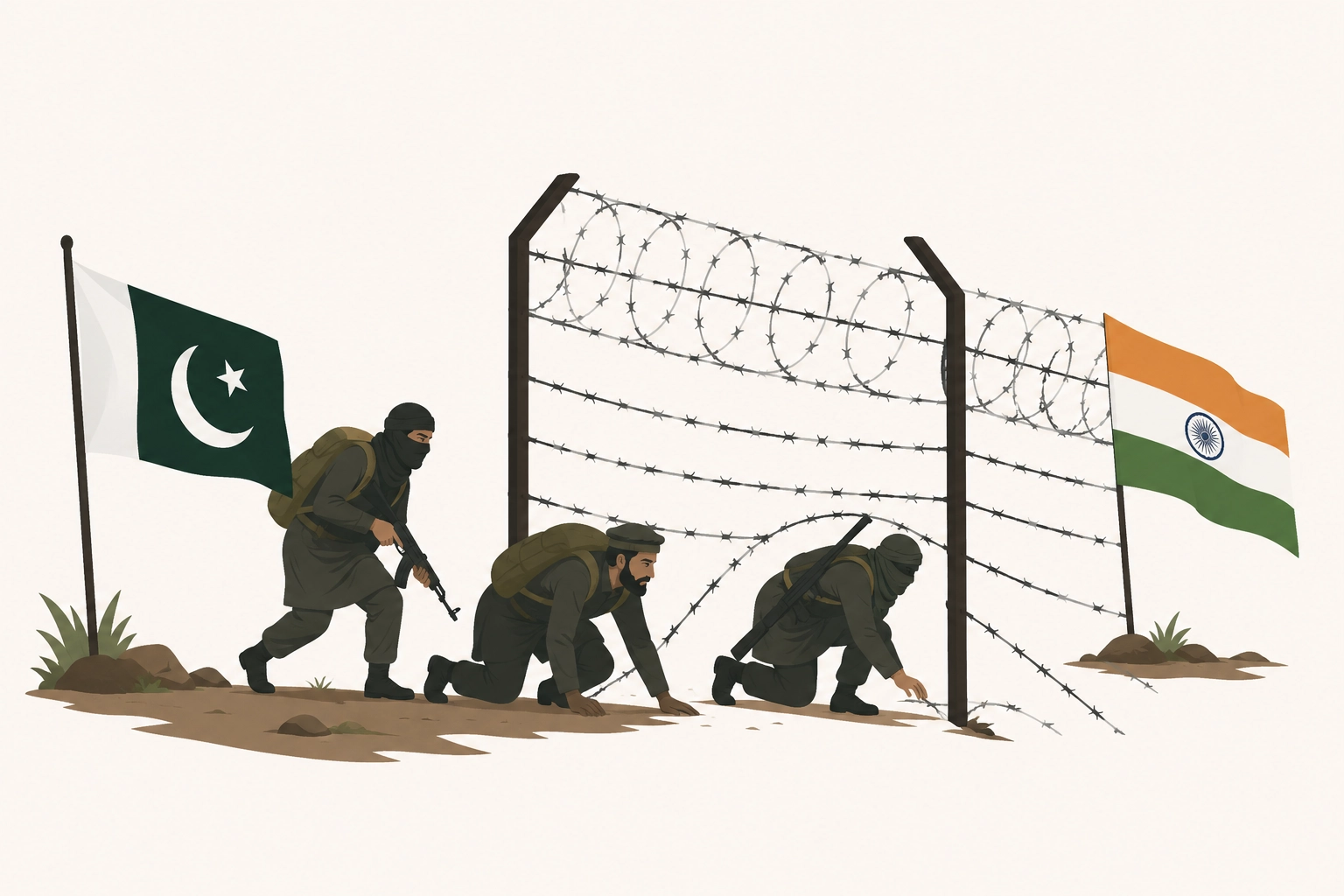 पाकिस्तान की ओर से भारतीय सीमा में घुसपैठ और इससे जुड़ी आतंकवाद की समस्या ने भारत को किस स्तर तक नुकसान पहुंचाया है, यह छिपा नहीं है। हालांकि सीमा पर तैनात सुरक्षा बल के जवान अपनी ओर से पूरी कोशिश करते हैं कि पाकिस्तानी ठिकानों से भारत में घुसपैठ करने वालों को रोकें, गिरफ्तार करें या फिर जरूरत पड़ने पर उन्हें निशाना बनाया जाए। विडंबना यह है कि आज भी सीमा पर भारत को अक्सर घुसपैठ और आतंकी हमलों का सामना करना पड़ता है। इसकी एक बड़ी वजह सीमा पर सुरक्षा व्यवस्था के तार और निगरानी का तंत्र अपेक्षित स्तर पर मजबूत न होने को माना जाता रहा है। फिर सीमा पर स्थित रिहाइशी इलाकों में भी कई बार आतंकी सूत्रों से जुड़े लोगों की पहचान नहीं पाने के अपने जोखिम हैं। शायद यही वजह है कि गृहमंत्री अमित शाह ने साफ लहजे में पाकिस्तान सीमा के आसपास सुरक्षा के लिहाज से सख्त नीति अपनाने को कहा है।
गौरतलब है कि राजस्थान के सीमावर्ती इलाके के आसपास के जिलों में सुरक्षा को लेकर गृहमंत्री अमित शाह ने उच्चस्तरीय बैठक में भारत और पाकिस्तान सीमा के आसपास चौतरफा सुरक्षा योजना के तहत कई अहम निर्देश दिए हैं। इसके मुताबिक, अब सीमा से पंद्रह किलोमीटर तक के क्षेत्र में हर अवैध निर्माण के खिलाफ सख्त कार्रवाई होगी और शून्य सहनशीलता की नीति के तहत ऐसे निर्माणों को ध्वस्त किया जाएगा। इस सख्ती की वजह मुख्य रूप से राजस्थान के सीमाई इलाके के जिलों में घुसपैठ, मादक पदार्थों की तस्करी और अन्य गैरकानूनी गतिविधियों पर पूरी तरह रोक लगाना है। यह छिपा नहीं है कि सीमा से सटे क्षेत्र में पाकिस्तान की ओर से अलग-अलग रूप में होने वाली घुसपैठ अंतिम तौर पर भारत में आतंकवाद की जड़ों को मजबूत करती है। खासतौर पर सीमावर्ती इलाकों में अवैध रूप से रहने वाले कुछ लोग कई बार आतंकियों के लिए अप्रत्यक्ष सहायक के रूप में काम करते हैं। इनमें से कई लोग भ्रष्टाचार का सहारा लेकर न केवल स्थानीयता का फर्जी दस्तावेज बनवा लेते हैं, बल्कि संदिग्ध वित्तीय लेनदेन, अवैध गतिविधियों और सीमा पार से मादक पदार्थों की तस्करी में भी लिप्त होते हैं।
यह अकारण नहीं है कि आतंकवाद के खिलाफ चलने वाले अभियान के सामने अक्सर आंतरिक मोर्चों पर खड़ी जटिलताएं एक बड़ी चुनौती होती हैं। दरअसल, पाकिस्तान स्थित ठिकानों से अपनी गतिविधियां संचालित करने वाले आतंकी संगठनों ने सीमावर्ती इलाकों में अपना नेटवर्क खड़ा करने के लिए स्थानीय आबादी में घुसपैठ करके अपनी जगह बनाने को एक ढांचे के रूप में विकसित किया है। इसके अलावा, वे कारोबारी प्रतिष्ठानों से संपर्क साध कर भी आतंकी संगठनों के वित्तपोषण का एक संजाल खड़ा करते हैं। पाकिस्तान द्वारा आतंकवाद को शह देने का मुद्दा कई बार अंतरराष्ट्रीय सम्मेलनों में भी उठ चुका है। भारत की ओर से लगातार चेतावनी और सख्ती के बावजूद सीमा पर घुसपैठ और आतंकवादी गतिविधियों पर पूरी तरह रोक लगा पाना अब तक संभव नहीं हो सका है। पिछले वर्ष पहलगाम में पर्यटकों पर हमले से लेकर आतंकी वारदात की एक लंबी श्रृंखला रही है। इस लिहाज से देखें, तो सीमावर्ती इलाकों में आतंकी तत्त्वों या उनके लिए सहयोगी के रूप में काम करने वाले तंत्र के खिलाफ सख्ती एक जरूरी कार्रवाई है

अपनी यादों के उजाले हमारे साथ छोड़ गए बशीर बद्र
शीन काफ निजाम, ( मशहूर शायर )
अभी दो दिन पहले ही उनके शहर भोपाल से लौटा हूं। वहां भी दोस्तों से दरयाफ्त किया कि बशीर बद्र साहब का अब क्या हाल है? पिछले दिनों जब उनसे मिलने गया था, तब वह पहचान नहीं पा रहे थे और बोलना भी उनके लिए दुश्वार था। अफसोसनाक था कि उनकी हालत रोज-ब-रोज बद से बदतर होती जा रही थी। यादों से जुड़ी बीमारी ही ऐसी थी कि जिसका कोई इलाज न था। दोस्तों से सिर्फ यही खबर मिलती रहती थी कि बशीर साहब का अब तब का ही मामला है और आखिरकार उनके न रहने की मनहूस खबर भी आ ही गई।
मेरे उनसे बड़े अच्छे ताल्लुकात रहे। सन् 1973- 74 से ही हमारा साथ था। दरअसल, उस समय मैंने अपने जोधपुर में एक मुशायरा कराया था- ‘अदब का बदलता हुआ मंजरनामा’। मैंने उनसे कहा कि आप जरूर तशरीफ लाइए। गौर कीजिएगा, वह तब भी मुशायरे में आने के लिए मुआवजे को लेकर सजग थे और हर शायर लेखक को होना भी चाहिए। ताज्जुब होता है, तब सेकंड क्लास कोच में बिना आरक्षण सर्दी में
ठिठुरते हुए वह आए । मैंने अपने कुछ दोस्तों को स्टेशन भेजा था। जब गाड़ी आई, तब मेरे दोस्त ट्रेन के इंजन गार्ड के डिब्बे तक बशीर बद्र साहब- बशीर बद्र साहब पुकारते दौड़ते रहे। असल में, वह कंबल ओढ़कर सो गए थे। खैर, मेजबानों की कुछ परेशानी के बाद वह जगे और बरामद हुए।
अब पीछे पलटकर देखता हूं, तो वक्त उनके साथ बहुत अच्छा गुजरा। बहुत पढ़े-लिखे थे। वह खास तौर से गजल के शायर थे। उनका यह शेर- उजाले अपनी यादों के हमारे साथ रहने दो / न जाने किस गली में जिंदगी की शाम हो जाए, बहुत मशहूर हुआ। यह शेर हर जगह उनकी शिनाख्त बन गया था। उनमें अनेक शायरों की गूंज थी। हर पढ़े-लिखे शायर के साथ ऐसा होता है। लेखक डेविड लॉज ने कहा ही है कि गजल की विषय-वस्तु दूसरे से जरूर प्रभावित होती है, पर जरूरी नहीं कि कोई गजलकार दूसरे को जाने।
खैर, आज यादें उमड़ रही हैं। बशीर साहब के ऐसे अनगिनत शेर हैं, जो दिल में बसे हुए हैं। उनका एक शेर बेजोड़ है खूबसूरत, उदास, खौफजदा । वो भी है 20वीं सदी की तरह। इस तरह का इजहार तब नहीं था, जब बशीर साहब लेखन में आए थे। यह नई गजल में उनका खास कारनामा था और उन्हीं के साथ चला गया। उनके पास रूमानियत से चीजों को देखने का जो सलीका था, वह उनके जरिये ही पहली बार हिन्दुस्तान में शुरू हुआ।
बशीर साहब मुशायरे के मिजाज को बेहतरीन ढंग से समझने लगे थे। वह मुशायरों की शान हो गए थे, पर उनकी गहराई कम न हुई थी। एक मिसाल देखिए, आंखों में रहा दिल में उतरकर नहीं देखा। कश्ती के मुसाफिर ने समंदर नहीं देखा। बशीर साहब ने इस हुनर को बचाए रखा । गजल में जो छिपाने की कला है, उसे बचाए रखा। उनका एक मशहूर शेर है, कोई हाथ भी न मिलाएगा, जो गले मिलोगे तपाक से । यह नए मिजाज का शहर है जरा फासले से मिला करो। यहां बशीर साहब के समकालिक निदा फाजली भी याद आते हैं। इन दोनों शायरों के साथ मुझे एक अजीब बात यह लगती है कि अगर ये मुशायरे में न होते, तो पता नहीं, कितनी ऊंचाई तक गजल विधा को ले जाते ।
उनका एक शेर बहुत चर्चित है- लोग टूट जाते हैं एक घर बनाने में, तुम तरस नहीं खाते बस्तियां जलाने में, पर यह मुशायरे का है। यहां मैं कहना चाहूंगा कि उनके कुछ ज्यादा गहरे शेरों पर ज्यादा निगाह जानी चाहिए। उनमें गजल की जो समझ थी, बहुत कम लोगों में मैंने पाई। वह हवा में से गजल समझते थे। उनके साथ जब भी मैं दुबई, अबू धाबी या अमेरिका गया, मुझे यही लगा कि बशीर बद्र ऐसा शायर है, जिसे उतना वकार नहीं मिला, जितना मिलना चाहिए था।
गजल की दुनिया में उन्होंने नए लफ्जों का इस्तेमाल किया। नए लफ्जों में उनका जो माशूक है, वह मॉडर्न है। उनका बेहतरीन शेर है औराक में छुपाती थी अक्सर वो तितलियां। शायद किसी किताब में रखा हुआ हूं मैं ।
उनकी शायरी की गहराई पर जरूर काम होना चाहिए। आप 20 वीं सदी में गजल की चार-पांच हस्तियों को गिनने जाएंगे, तो उनमें एक नाम बशीर बद्र का होगा। बीसवीं सदी की गजल को जब-जब याद किया जाएगा, बशीर बद्र और उनके शेर पूरी शिद्दत से याद आएंगे।