
28-07-2026 (Important News Clippings)
To Download Click Here.
 Date: 28-07-26
Tighter & Looser
While moves to make NTA leak-proof are welcome, India should revert to a less centralised exam system
TOI Editorials
One good outcome of the youth protest is that govt has become serious about exam leaks. It’s proposed longer jail terms and heftier fines for culprits, and also set up a committee with the mandate to make exams leak-proof. There have been other committees, but with Nandan Nilekani at its helm, this one seems credible. As Infosys co-founder and UIDAI founder-chairman, Nilekani can be expected to pull off what the PM wants: “maximum use of tech for making exams clean and transparent”. That will mean injecting safeguards into every stage of the exam cycle, from setting question papers to checking and declaration of results.
There’s no doubt that this can be done. China’s Gaokao is among the largest “gatekeeper” exams in the world. Korea’s Suneung isn’t comparable in scale, but is equally important. And both have good track records, made possible with tech. But tech can only fix security gaps in the functioning of National Testing Agency. Deeper questions about its founding and functioning, however, remain unanswered.
In the almost nine years that it has existed, NTA has not exactly covered itself in glory. There have been too many failures, such as the bungled result of NEET 2020 that led to Vidhi Suryavanshi’s suicide – NTA reported she had scored 6 marks, when her actual score was 590. The whole point of centralising entrance exams – against the Constitutional stress on federalism in education – was to offer a better, glitch-free experience, so that meritorious students might score seats anywhere in the country. But by creating one uniform pattern for each exam, NTA’s made the coaching industry more efficient and powerful. By following the NCERT syllabus at the undergraduate level, it’s also disadvantaged students from state boards, most of whom are from less privileged backgrounds.
This is not a call to dismantle NTA, but when reforms are afoot, all problems must be addressed. One way could be to create a hybrid system in which tests held by NTA – NEET, CUET, etc – are only used to fill a certain percentage of all-India seats in state-run institutes. The states can fill the rest with their own common entrance tests, as was the case before. This restores the federal framework of higher education. It also shields the testing process from leaks, because one leak cannot affect all seats. There would be many more ideas – govt should consider them all to create a better testing system.

eXport Boost For eCommerce
Inventory-led sales can boost profits
ET Editorials
 Last week, GoI permitted FDI in inventory-based ecommerce exclusively for exports of goods manufactured in the country. This move could very well transform ecommerce exports from a minuscule share of India’s export basket into a substantial one. The decision is timely because exporters using this route are expected to face mounting scrutiny of production methods that could stymie their plans. Indian MSMEs export around $5 bn in handicrafts, apparel and jewellery through ecommerce, while China manages about $300 bn via this route. The potential remains untapped in India because ecommerce exports follow rules drafted for business exports. The compliance required of MSMEs attempting to sell directly to consumers overseas is daunting. Besides, importing destinations such as the EU are imposing additional digital record keeping, involving the entire lifecycle of imported products. The US is considering extra duties on imports from India it suspects of having been made using forced labour.
Routing such exports through ecommerce platforms that can handle regulatory paperwork at both ends is the way forward. These platforms have the scale and technology to meet compliance requirements and the digital documentation increasingly demanded by importing countries. Shein, a Chinese ecommerce brand, holds about a fifth of the worldwide fast fashion market. In contrast, about 12,000 Indian MSMEs managed to export through ecommerce. Their products are typically valued far less than $1,000. Having an explicit ecommerce export policy should help Indian MSMEs compete with rivals in China, South Korea, Japan and Vietnam.
Easing of rules for platforms such as Amazon and Flipkart also addresses their long-standing concern over being denied inventory-based ecommerce in the country. There are extra profits to be made in direct sales from inventory beyond commissions they are allowed to charge for connecting buyers and sellers. The relaxation plugs a gap in their business model in India.
Date: 28-07-26
US-Saudi N-Word Will Have Wider Fallout
ET Editorials
Last week, the US and Saudi Arabia signed a civil nuclear agreement. It underscores Washington’s continuing interest in the Gulf. The pact departs from the US’ ‘gold standard’ of non-proliferation safeguards, creating a contradiction. While Washington is willing to make concessions to Riyadh, it continues its ‘maximum pressure’ campaign against Iran’s nuclear programme. But this is not unusual. 24 of 26 US civil nuclear agreements do not include it. The UAE, the only other Gulf state with such a pact, is the exception. However, the imbalance could still be addressed through the review clause in the 2009 US-UAE agreement.
Saudi Arabia’s long-time rival, Iran, is now even less likely to compromise on the n-issue. Tehran has maintained that it has the right to enrich uranium. The issue is sensitive, because Israel follows an unstated policy of maintaining a regional nuclear monopoly. That explains Trump’s late attempt to make Saudi membership of the Abraham Accords a condition for the deal. But Riyadh has repeatedly linked normalisation with Tel Aviv to a credible pathway to Palestinian statehood. Insisting on that condition could delay implementation of the agreement, perhaps explaining Trump’s subsequent efforts to soften his position through social media.
The agreement’s repercussions extend well beyond West Asia. It is important for the US because it limits China’s scope to expand its influence in the Gulf while securing multibillion-dollar opportunities for US companies. But as Washington deepens its commitment to the region, Beijing is likely to redouble its efforts in the Indo-Pacific and its immediate neighbourhood. That makes the efforts of India, Japan and Australia to preserve a free and open Indo-Pacific even more critical.

Forced labour farce
India should not let the U.S.’s new tariffs push it towards a trade deal
Editorial
The 10% tariff that the United States has imposed on India and several other countries over their imports of goods supposedly made using forced labour is merely an attempt to restore permanent tariffs and, once again, highlight the benefits of a trade deal with the U.S. The U.S. Supreme Court’s February 2026 decision dealt a body blow to the U.S.’s attempts to secure trade deals. The main threat, of high reciprocal tariffs, had been removed. U.S. President Donald Trump’s solution, of a temporary 10% tariff on all countries, suffered from two weaknesses: it would expire in 150 days, and was levied on all countries equally, regardless of whether they had a deal with the U.S. or not. Those tariffs have now expired. The Section 301 ‘forced labour’ tariffs announced last week are more permanent, and have carved out benefits for those with trade deals with the U.S. For example, while U.S. imports from India will face a 10% tariff over and above the base tariff the U.S. charges everybody, the European Union and Taiwan will face a total tariff of 10%. Similar benefits have been accorded to Japan, South Korea and Switzerland, all of which also have trade deals with the U.S. at various stages of formalisation. If stopping forced labour was the primary focus, tariffs would have been applied equally across all offenders, regardless of trade deal status. The tariffs would also not have had as many product-wise exemptions and country-wise quotas as the final version has.
There is also the question of whether the U.S. should be penalising other countries for their trade with third parties. India has not been accused of using forced labour, yet faces tariffs because others have been. This, soon after the U.S. government told a court that it did not want to act as the “world police”. India has done well to reduce the proposed 12.5% tariffs to a final 10%, the same as or better than most of its competitors. All it took was a notification banning the import of goods made using forced labour. The action itself will be difficult to enforce, since it will require countries such as China and Malaysia to allow Indian government officials to visit and investigate their labour conditions. But simply issuing the notification won India a tariff reduction. However, uncertainty persists since the other Section 301 investigation, on excess capacity, is yet to play out and could result in further tariffs. It is highly unlikely that India will accept a trade deal until those tariffs become clear. That said, the tariffs should not push India towards a deal. Experience has shown that the U.S. tariff landscape can change radically even after a deal is signed.
Date: 28-07-26
To fix unemployment, fix the economy first
The ‘ease of doing business’ must now become subordinate to the ease of living and earning for all citizens
Arun Maira, [ Author of ‘Reimagining India’s Economy: The Road to a More Equitable Society’ ]
The Cockroach Janta Party’s movement has highlighted the political urgency for reforming the economy to create more employment for India’s youth. Fixing the education system alone will not solve the unemployment problem. The basic structure of the economy must be reformed.
China and India, the only two countries in the world with populations exceeding one billion, have the greatest need for meaningful employment. If citizens are not fully employed, and incomes of masses do not rise, their economies cannot grow. China has done much better than India in this regard; the per capita income of Chinese citizens has risen roughly eight times faster than Indians’ in the last 30 years.
India’s leaders find themselves in the middle of conflicting trends. First, they are pushing ahead with reforms for ‘ease of doing business’; diluting the rights of workers to organise; and weakening environmental protection. Second, they are promoting the wide-spread application of Artificial Intelligence (AI) to improve ‘productivity’ (and other benefits) in agriculture, industry, health and education, with productivity defined, purely in economic terms, as more output with less human input. Third, they also see the need to change the pattern of growth and increase employment elasticity. Employment elasticity is the amount of meaningful employment created with each unit of GDP growth, in which India has been a laggard since the liberal market economic reforms of the 1990s.
Since India has the largest population of youth in the world, its economic growth should have the highest employment elasticity. However, the increased adoption of AI will only make it worse.
The China model
China has invested billions to become an AI superpower and has raced to integrate the technology across a range of industries.By 2024, more than two million robots were already working in Chinese factories. And in Beijing, Shanghai and Shenzhen, Meituan, the nation’s largest food delivery service, has experimented with using small autonomous robots to deliver food. But China’s advances in AI have run headlong into a growing problem: anxiety over the workers who could be displaced.
China’s political and economic history reveals that, despite being an authoritarian country, the Chinese government is very attentive to what people are thinking and saying on the Internet. History has taught them that another revolution will form if disenchanted and educated youth rise along with the disgruntled workers and peasants. They know they must respond.
Unemployment has been increasing in China. The unemployment rate for migrant workers rose to 5.7% in March this year, which has been the highest in nearly three years for China, while youth unemployment stood at 16.3% in April. Moreover, 70% of unemployed young people are university graduates, with older laid-off workers facing prolonged periods of joblessness.
However, Chinese courts have been swift to act. A court ruled in May that a tech company had illegally laid-off a worker after replacing him with AI software. Another ruled that, “the development of artificial intelligence technology should be applied to liberating labour, promoting employment and improving people’s livelihood”. And yet another ruled that “companies that benefit from technology must, at the same time, adopt social responsibilities and protect worker rights”.
China’s Ministry of Human Resources and Social Security announced in January that it would roll out policies to address the impact of AI on jobs, including targeted support for key industries. In June, the State Council issued a plan on implementing an “employment-first” strategy for the 2026-2030 period. Party officials have proposed sweeping government interventions such as requiring employers to offer training to help workers adapt to an AI-centric job market.
The Chinese government’s ‘people-first’ ideology has served China’s economy and its people well. China’s leaders have remained socialists; they have always put the needs of common citizens, and the stability of China’s society, above economists’ demands for deregulation of markets and prices, especially with respect to labour, food, education, health, and housing.
The road ahead for India Indian income levels must rise rapidly — in agriculture, manufacturing, and services. The government has added ‘ease of living’ to ‘ease of doing business’ as the purpose of the reforms required for India to become ‘Viksit Bharat’ by 2047. To make it areality, it will have to put more teeth into its policies to increase employment and incomes, and stave off the negative impacts that AI will have on employment. Policies must require that employers take more responsibility for training their own workers; they must be restrained from laying them off.
New policies must put workers’ rights ahead of capitalists’ rights, as China has done. India’s labour market reforms, with the four labour codes, are directed to improve ‘ease of doing business’, which is undoubtedly necessary. However, the ‘ease of doing business’ must now become subordinate to the ease of living and earning for all citizens.
India’s leaders would do well to learn from China’s leaders on how to navigate this moment in history. The rights of all workers must be firmly protected. While the views of financial investors must be heard, the views of workers and small-time entrepreneurs must be heard much more.

टेक्नोलॉजी से उम्मीद है कि वो पेपर लीक को रोकेगी
संपादकीय
परीक्षा प्रक्रिया को लोक-प्रूफ बनाने के लिए सरकार ने दो तरह के कदम उठार है। पाला कानून को बेहद सख्त बनाना कि आर्थिक दंड और दीपकालिक सजा का डर अपराधियों को हतोत्साहित करें। दूसरा और सार्थक प्रयास है, छह सदस्यीय टास्क फोर्स का गठन। इसके सदस्य मुख्यतः वे लोग हैं, जिन्होंने अपनी तकनीकी प्रशासनिक क्षमता से देश को नई दिशा दी है। तकनीक निर्दोष होती है और इसके प्रयोग से प्रश्नपत्र लोक होने से बचाया जा सकता है। भारत में हाईटक के जनकल्याण के लिए प्रयोग में अब तक बड़ी सफलताएं हैं आधार, डिजिटल पेमेंट सिस्टम, डीबीटी, शिक्षा और स्वास्थ्य, परिवहन और वस्तु सेवाओं की डिलीवरी । इनमें डिजिटाइजेशन ने काफी हद तक भ्रष्टाचार और सरकारी संस्थाओं की आदतन सुस्ती से मुक्ति दिलाई है। लिहा पेपर सेटिंग से लेकर एग्जाम सेंटर तक का सफर अंतिम क्षण तक गोपनीय रखना बड़ी बात नहीं होनी चाहिए। फिर उत्तर देने के तरीके को भी ऐसे फॉर्मेट में डाला जा सकता है, जहां लीक की गुंजाइश न रहे। नंदन नीलेकणी की अध्यक्षता वाली समिति के सदस्य जनहित में टेक्नोलॉजी के प्रयोग में अपूर्व क्षमता दिखा चुके हैं। लीक-एफ जेईई और यूएससी की परीक्षाएं इसका उदाहरण हैं। लीकेज में अधिकांशतः कोचिंग सेंटरों की भूमिका मिली है, इससे बचने के लिए टेस्ट का तरीका भी बदलना होगा।

लोकतंत्र, विरोध और जनजीवन
तरुण गुप्त, ( लेखक दैनिक जागरण के प्रबंध संपादक हैं )
छात्रों के विरोध प्रदर्शनों से जुड़े उथल-पुथल भरे माहौल में आखिरकार शांति आई। यह आने वाला समय ही बताएगा कि यह आंदोलन की समाप्ति है या केवल एक अस्थायी ठहराव। वैसे भी हमारे जैसे विविधतापूर्ण और विभिन्न स्तरों पर बंटे राष्ट्र-समाज में विभाजनकारी मुद्दों की कभी कोई कमी नहीं होगी। इन मतभेदों के मोर्चे पर संतुलन साधकर जनहित के मार्ग पर आगे बढ़ना हमेशा एक बड़ी चुनौती होती है। कुछ तीखे तेवरों वाला यह आंदोलन चूंकि अब समाप्त हो गया है, इसलिए इस पर नागरिकों की प्रतिक्रिया एवं शासन की भूमिका जैसे दोनों पहलुओं पर विचार करना समीचीन होगा। पेपर लीक की शिकायत से शुरू हुआ यह मुद्दा धीरे-धीरे एक बड़े आंदोलन में बदल गया। कार्यकर्ताओं, कलाकारों, किसान संगठनों और विपक्षी दलों जैसे विभिन्न समूह इसके साथ जुड़ते गए, जिसके पीछे व्यक्तिगत सरोकारों से लेकर राजनीतिक हितों की अपनी भूमिका रही। इसमें जनभावनाओं को लामबंद करने में इंटरनेट मीडिया की भूमिका भी दिखाई पड़ी। ऐसा व्यापक जनाक्रोश केवल गुमराह करने वाले तत्वों के जरिये ही नहीं पनप सकता। राजनीतिक अवसरवादी ऐसी आग को भड़का सकते हैं, लेकिन इसकी चिंगारी उन व्यवस्थागत विसंगतियों में निहित होती है, जिन्हें लंबे समय से अनदेखा किया गया हो। स्मरण रहे कि स्कूली शिक्षा में सुधार की मांग लंबे समय से की जा रही है। छात्रों और शिक्षकों की अनुपस्थिति, अप्रशिक्षित शिक्षक और पुरानी शिक्षण पद्धतियां सरकारी स्कूलों तथा कम लागत वाले निजी संस्थानों को प्रभावित कर रही हैं। चुनिंदा नामी-गिरामी स्कूलों को छोड़कर अधिकांश संस्थान बुनियादी शिक्षा देने में भी संघर्ष कर रहे हैं। प्रतिस्पर्धी परीक्षाओं की अनुकूल तैयारी के अभाव में छात्र निजी कोचिंग सेंटरों पर निर्भर होते जा रहे हैं, जहां बेहतर तैयारी काफी हद तक आर्थिक स्थिति पर निर्भर करती है।
‘शिक्षा का अधिकार’ मिलने के बाद भी ‘सही और गुणवत्तापूर्ण शिक्षा’ पाना अभी भी एक अधूरा लक्ष्य ही बना हुआ है। उच्च शिक्षा की एक गंभीर चुनौती सीटों की भारी कमी से जुड़ी है। सीमित सीटों के चलते लाखों छात्र अस्वस्थ प्रतिस्पर्धा और तनाव के शिकार होते हैं। चाहे नीट हो या जेईई या सीयूईटी और यहां तक कि 12वीं बोर्ड परीक्षा, जहां किसी दिन विशेष का प्रदर्शन-परिणाम ही किसी युवा के भविष्य की दिशा तय कर देता है। प्रतिष्ठित संस्थानों में प्रवेश के लिए कई देशों में कहीं व्यापक प्रणालियां प्रचलित हैं, जो स्कूली प्रदर्शन, मानकीकृत परीक्षाओं, निबंधों, साक्षात्कारों और पठन-पाठन से इतर गतिविधियों के आधार पर अभ्यर्थियों का समग्रता में मूल्यांकन करती हैं। इसके मर्म को तो आत्मसात किया जाना चाहिए कि जीवन कोई टी-20 नहीं, अपितु टेस्ट की तरह है, जहां हर छात्र एक दूसरी पारी रूपी अवसर का हकदार है। केवल एक परीक्षा पर निर्भर रहने के बजाय वर्ष भर के दौरान कई चरणों में आयोजित होने वाली परीक्षाएं तनाव को घटा सकती हैं। पेपर लीक को रोकने के लिए भी कड़े उपाय आवश्यक हैं, लेकिन जब कोई एक विशेष परीक्षा भाग्य-विधाता नहीं रह पाएगी तो उससे जुड़ी समस्याओं की गंभीरता भी स्वाभाविक रूप से कम हो जाएगी।
रोजगार केवल आय का स्रोत नहीं, बल्कि व्यक्ति के स्वाभिमान, जीवन उद्देश्य और निजी विकास का आधार भी है। इसके बावजूद, कामकाजी आबादी की तुलना में नौकरियों का विस्तार पर्याप्त गति से नहीं हो पाया है। भारत के जनसांख्यिकीय लाभांश का लाभ निरंतर उद्योगीकरण और विनिर्माण-आधारित विकास के माध्यम से ही प्राप्त किया जा सकता है, जो बड़े पैमाने पर रोजगार सृजन में सक्षम हो।
कोई विचारधारा भले कितनी ही भली क्यों न हो, उसे आम जनजीवन को ठप करने की गुंजाइश नहीं मिलनी चाहिए। विरोध-प्रतिरोध का अधिकार मौलिक है, लेकिन कानून-व्यवस्था और शांतिपूर्ण नागरिक जीवन का अधिकार भी उतना ही महत्वपूर्ण है। लोकतांत्रिक समाजों को असहमति व्यक्त करने के ऐसे तौर-तरीके अपनाने चाहिए जो कोई अवरोध पैदा न करें, जबकि शासन-प्रशासन को भी संयम और अहिंसक उपायों के साथ ही स्थिति को संभालना चाहिए। जहां हिंसा नितांत निंदनीय है, वहीं राज्य द्वारा अत्यधिक बल प्रयोग से विरोध-प्रदर्शन का दमन भी उतना ही अनुचित है। आमरण अनशन, सड़क जाम और भड़काऊ बयानबाजी भी टकराव को बढ़ाते हुए तार्किक लोकतांत्रिक संवाद को पटरी से उतारती है।
जेन-जी की अभिव्यक्तियां भी इस आंदोलन का एक महत्वपूर्ण पहलू रहीं। हास्य-व्यंग्य की सार्वजनिक जीवन में सदैव अपनी भूमिका रही है और नई पीढ़ी ने इसे आत्मसात करते हुए अपने गंभीर राजनीतिक संदेशों को व्यंग्य की चाशनी में लपेटकर प्रस्तुत भी किया। यह संवाद में शिष्टाचार को लेकर पारंपरिक परिपाटी में परिवर्तन का प्रतीक है। इस संदर्भ में जेन एक्स का परंपरावादी दृष्टिकोण बदलाव से जुड़े इस बेपरवाह रवैये को लेकर कुछ असहज हो सकता है, लेकिन इसकी प्रभावशीलता की सराहना भी करनी होगी। कहा जाता है कि ‘संशयी बनो, नकारात्मक नहीं।’ व्यंग्य और हास-परिहास के साथ भाषा की मर्यादा को लांघे बिना किया गया संवाद संभवतः कहीं अधिक प्रभावी संदेश दे सकता है। सभ्य समाज में अभद्रता एवं अशिष्टता के लिए कोई स्थान नहीं। जेन-जी को अभिव्यक्ति और अनादर में अंतर समझना होगा।
प्रशासन ने आखिरकार प्रतिक्रिया दी, भले ही दबाव में आकर। फास्ट-ट्रैक अदालतों की स्थापना, कड़े कानूनों के वादे और शिक्षा मंत्री का बहुचर्चित इस्तीफा हुआ। ऐसे इस्तीफे के प्रतीकात्मक महत्व को समझा जा सकता है, लेकिन केवल प्रतीकात्मकता पर्याप्त नहीं है। ध्यान संस्थागत सुधार की ओर स्थानांतरित होना चाहिए।
इस आंदोलन से न केवल जेन-जी, बल्कि सभी पीढ़ियों के समक्ष एक महत्वपूर्ण प्रश्न अवतरित होता है। क्या किसी पक्ष के लिए यह जीत के जश्न का अवसर है या सभी के लिए गंभीर आत्मचिंतन का? इसमें यह विस्मृत न किया जाए कि शांतिपूर्ण असहमति तभी तक स्वीकार्य हो सकती है, जब वह कानून के शासन, संस्थानों के संचालन और दैनिक जीवन की मुश्किलें न बढ़ाए। लोकतंत्र के लिए असहमति अनिवार्य है, अराजकता नहीं।
Date: 28-07-26
रोजगार बाजार के अनुरूप ढले शिक्षा
प्रो. रसाल सिंह, ( लेखक दिल्ली विश्वविद्यालय के किरोड़ीमल कॉलेज में प्रोफेसर हैं )
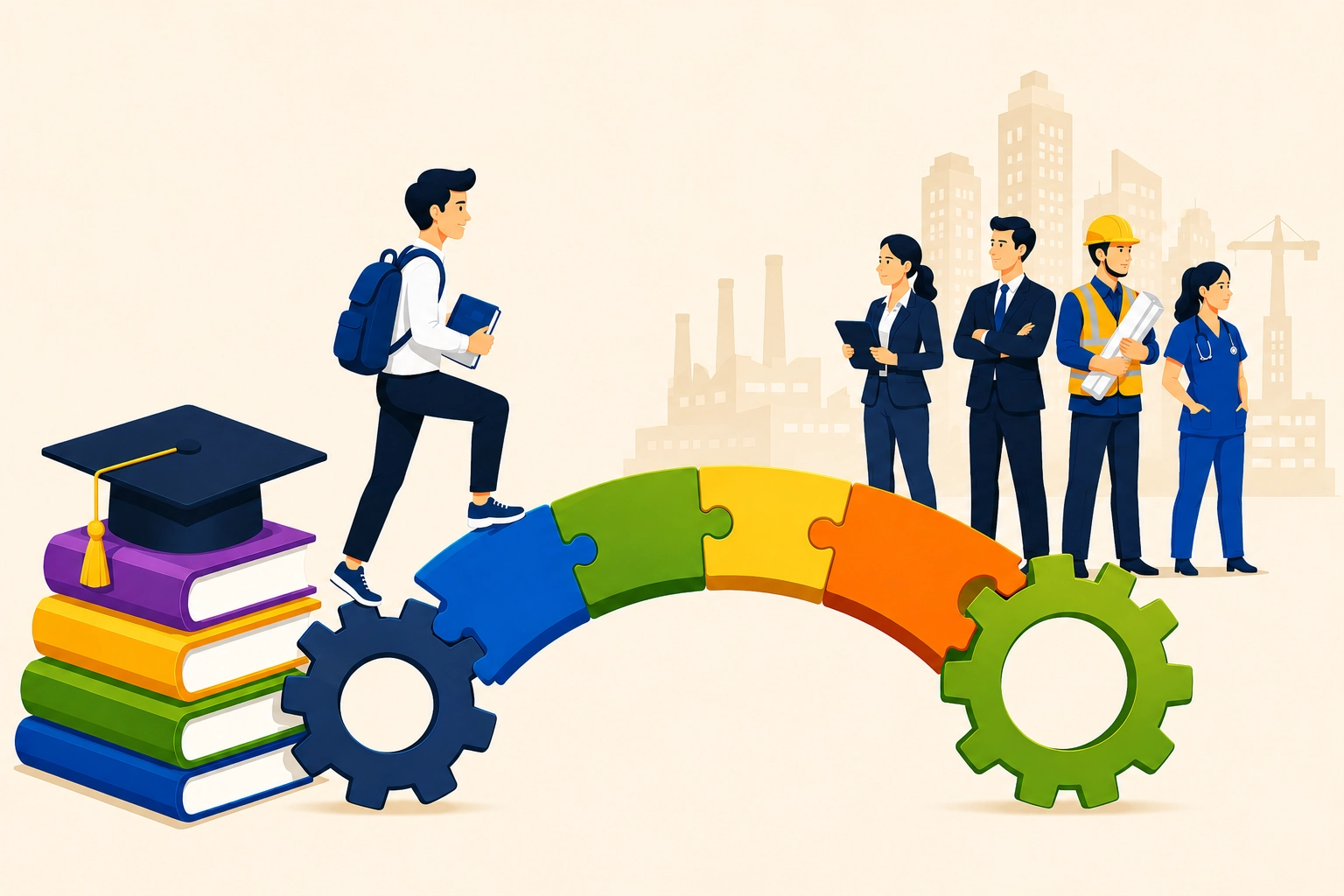 विकसित भारत के लक्ष्य की सबसे महत्वपूर्ण और मजबूत सीढ़ी शिक्षा है, लेकिन हाल के आंकड़े इस सीढ़ी की कमजोरी दर्शाते हैं। इंडिया स्किल्स रिपोर्ट के अनुसार देश में केवल 56 प्रतिशत स्नातक ही आज किसी छोटे-मोटे रोजगार के योग्य माने जा सकते हैं। औसतन हर दो में से एक युवा डिग्री लेकर भी समकालीन रोजगार बाजार की जरूरतों पर खरा नहीं उतर पा रहा है। दूसरी ओर इंडिया ग्रेजुएट स्किल इंडेक्स के अनुसार एआइ और मशीन लर्निंग से जुड़ी भूमिकाओं में रोजगार के अवसर पिछले एक साल में 46 प्रतिशत बढ़े हैं, जबकि एचआर, डिजिटल मार्केटिंग और सामान्य प्रशासन जैसी पारंपरिक नौकरियों की मांग लगातार घट रही है। अमेरिका, चीन, जापान सहित यूरोप के विश्वविद्यालय इस बदलाव को इतनी गंभीरता से ले रहे हैं कि उन्होंने एआइ के कारण अपने पारंपरिक कार्यक्रमों की घटती मांग को देखते हुए न सिर्फ उनकी फीस कम कर दी है, बल्कि बदलते रोजगार परिदृश्य के अनुरूप अपने विश्वविद्यालयी पाठ्यक्रमों में आमूलचूल परिवर्तन भी किया है। चीन ने पिछले महीने अपने 12 हजार से अधिक (लगभग एक तिहाई) स्नातक डिग्री कार्यक्रमों को अप्रासंगिक मानते हुए बंद कर दिया। ये वे पाठ्यक्रम थे, जो समकालीन और भविष्य के जाब मार्केट से मेल नहीं खाते। उनकी जगह चीन ने एआइ, रोबोटिक्स, सेमीकंडक्टर, क्वांटम एप्लीकेशन और उन्नत विनिर्माण जैसे क्षेत्रों में नए कार्यक्रम शुरू किए हैं। इसकी मूल वजह यह थी कि वहां एक ओर डिग्रीधारी बेरोजगारों की संख्या क्रमशः बढ़ती जा रही थी और प्रतिष्ठानों को अपनी आवश्यकताओं के अनुरूप कुशल कर्मी नहीं मिल पा रहे थे।
भारत में भी पुराने और परंपरागत कार्यक्रमों और पाठ्यक्रमों को तत्काल समाप्त या संशोधित करने की आवश्यकता है। उभरते हुए रोजगार परिदृश्य और कौशल आवश्यकताओं के अनुरूप अपने शिक्षा-तंत्र को बदलकर ही हम उसे प्रासंगिक बनाए रख सकते हैं। आज फैक्ट्री से लेकर बाजार तक और डिजाइनिंग स्टूडियो से लेकर फाइनेंशियल एनालिसिस तक एआइ साथ-साथ काम कर रही है। इस नए युग को ‘स्किल आग्मेंटेशन’ की जरूरत है, जहां तकनीक इंसान की जगह नहीं लेती, बल्कि उसकी क्षमता बढ़ाती है। इसी कारण पिछले केंद्रीय बजट में ‘शिक्षा के लिए एआइ’ उत्कृष्टता केंद्र स्थापित करने हेतु 500 करोड़ रुपये का प्रविधान किया गया है। इसे इंडिया एआइ मिशन के साथ जोड़ा गया है। हमें इस मद में भारी मात्रा में निवेश की आवश्यकता है। साथ ही एआइ को केंद्र में रखते हुए राष्ट्रीय शिक्षा नीति-2020 को पुनर्व्याख्यायित और क्रियान्वित करने की आवश्यकता है। शिक्षा और शोध में अधिकतम निवेश करने वाले देश ही आर्थिक महाशक्ति बनते हैं।
पाठ्यक्रमों को फिर से डिजाइन करने के क्रम में हमें मानविकी को खत्म नहीं करना है, बल्कि उसे समकालीन आवश्यकताओं के अनुसार बदलना है। इतिहास को डाटा विजुअलाइजेशन के साथ, साहित्य को कंटेंट स्ट्रैटेजी और डिजिटल नैरेटिव के साथ दर्शन को एआइ एथिक्स के साथ और भाषाविज्ञान को कंप्यूटेशनल सिमेंटिक्स के साथ जोड़ना होगा। इसे ही डिजिटल ह्युमैनिटीज और कल्चरल एनालिटिक्स कहा जाता है। इंजीनियरिंग के पाठ्यक्रम को भी लीगेसी तकनीकों से निकालकर सिस्टम थिंकिंग और एनर्जी ट्रांजिशन के इर्द-गिर्द बनाना होगा। हमें लचीलेपन और बहु-विषयकता को बढ़ावा देना चाहिए। एक छात्र बीकाम के साथ डाटा एनालिटिक्स पढ़ सके, बीए के साथ कोडिंग सीख सके, विज्ञान के साथ उद्यमिता का प्रोजेक्ट कर सके। एनईपी का मेजर-माइनर सिस्टम इसी सोच से आया है। दीवारें तोड़कर वातायन बनाने होंगे। कला, वाणिज्य, विज्ञान के पुराने खांचे अब काम नहीं आएंगे। समाज, उद्योग और बाजार के साथ सहवर्ती संबंध और निरंतर संवाद होना चाहिए। पाठ्यक्रम बंद कमरे में नहीं बनने चाहिए। टीसीएस, इन्फोसिस, एमएसएमई, स्टार्टअप इकोसिस्टम और क्षेत्रीय उद्योगों को बोर्ड आफ स्टडीज में जगह मिलनी चाहिए। इंटर्नशिप दो माह की औपचारिकता न होकर छह माह की परियोजना होनी चाहिए।
छात्र का मूल्यांकन मार्कशीट के आधार पर नहीं होना चाहिए। वह संस्थान से अंकपत्र लेकर नहीं, निपुणता लेकर निकले। इसके लिए शिक्षकों की निरंतर अपस्किलिंग होनी चाहिए और छात्रों के प्लेसमेंट के आधार पर उनका मूल्यांकन होना चाहिए। अधुनातन सूचना-तकनीक का बुनियादी ढांचा बनाना भी आवश्यक है। वर्चुअल लैब, एआइ ट्यूटर, सिमुलेशन आधारित प्रयोगशालाएं अब विलासिता नहीं, आवश्यकता हैं। इन्हें टियर-टू और टियर-थ्री शहरों तक पहुंचाना होगा, ताकि डिजिटल डिवाइड शिक्षा का डिवाइड न बन जाए। उद्यमिता के अनुकूल परिवेश भी विकसित करना होगा। इसे शिक्षा-तंत्र के डीएनए में डालना होगा। प्रत्येक डिग्री में स्टार्टअप दृष्टि, हरेक कैंपस में इनक्यूबेशन लैब और फंडिंग सुनिश्चित करनी होगी। हमें नौकरी मांगने वाली पीढ़ी नहीं, नौकरी देने वाली पीढ़ी तैयार करनी होगी। यदि हम वाकई विकसित भारत चाहते हैं तो हमें विकसित विश्वविद्यालय तैयार करने होंगे। विकसित भारत शिक्षा अधिष्ठान और राष्ट्रीय अनुसंधान फाउंडेशन राजनीति और लालफीताशाही से बचकर इस सपने को साकार कर सकते हैं।
 Date: 28-07-26
जंतर मंतर से सामने आईं बड़ी चुनौतियां
श्याम सरन, ( लेखक विदेश सचिव रह चुके हैं। )
राष्ट्रीय जनतांत्रिक गठबंधन (राजग) सरकार को पिछले । दिनों बड़ी राजनीतिक चुनौती का सामना करना पड़ा, जब हजारों युवा दिल्ली के जंतर मंतर पर पहुंचकर आंदोलन करने लगे। आंदोलन जंतर-मंतर पर ही नहीं रुका बल्कि दूसरे शहरों में भी फैल गया। सरकार ने प्रदर्शन का नेतृत्व कर रहे युवाओं और सामाजिक कार्यकर्ता तथा लद्दाख के शिक्षक सोनम वांगचुक से बात की। 28 जून से भूख हड़ताल पर बैठे वांगचुक ने केंद्रीय मंत्रियों जेपी नड्डा और जितेंद्र सिंह के आश्वासन पर अपना अनशन खत्म कर दिया। शिक्षा मंत्री धर्मेंद्र प्रधान के इस्तीफे के बाद छात्रों का प्रदर्शन भी खत्म हो गया है।
आंदोलन के आरंभ में सरकार छात्रों की प्रमुख मांग यानी प्रधान के इस्तीफे पर झुकने को शायद तैयार नहीं थी। उधर छात्र उच्च शिक्षा सचिव को हटाए जाने के कदम से संतुष्ट नहीं थे। प्रधान और उनके मंत्रालय को राष्ट्रीय पात्रता सह प्रवेश परीक्षा-यूजी (नीट- यूजी) के पेपर बार- बार लीक होने के लिए जिम्मेदार ठहराया जा रहा था। इस परीक्षा के जरिये ही देश भर के सरकारी और निजी मेडिकल कॉलेजों में बच्चों को दाखिला मिलता है।
नीट की शुरुआत 2016 में हुई थी और 2018 में स्वायत्त संस्था के रूप में पंजीकृत राष्ट्रीय परीक्षा एजेंसी (एनटीए) को न केवल नीट बल्कि देश भर में होने वाली अन्य परीक्षाएं कराने की भी जिम्मेदारी दे दी गई जैसे कॉमन यूनिवर्सिटी एंट्रेंस टेस्ट (सीयूईटी) । यह केंद्रीकृत व्यवस्था जल्दबाजी में लागू की गई थी और इसे कारगर तथा पारदर्शी ढंग से चलाने की पर्याप्त क्षमता तथा विशेषज्ञता निश्चित रूप से नहीं थी। बताया जाता है कि एनटीए में केवल 25 कर्मचारी हैं। परीक्षा केंद्र चलाने, आईटी बुनियादी ढांचा संभालने, प्रश्नपत्र बांटने तथा निगरानी करने (आर्टिफिशल इंटेलिजेंस की मदद से निगरानी करना भी ) जैसे इसके काम निजी कंपनियों से ठेके पर कराए जा रहे हैं सवाल यह है कि जब सभी प्रमुख जिम्मेदारियां ठेके पर दूसरों को दी जा रही हैं तो केंद्रीकरण का औचित्य ही क्या है।
अच्छी तरह काम करती आई व्यापक विकेंद्रीकृत व्यवस्था को छोड़कर ऐसी केंद्रीकृत व्यवस्था क्यों अपनाई जाए, जो विविधता, कई भाषाओं और कई तरह की संस्कृति वाले देश के लिए सबसे अच्छी नहीं हो सकती ? अधिकार अपनी मुट्ठी में लेने की एक के बाद एक सरकारों की प्रवृत्ति ही हमारी मौजूदा समस्याओं का कारण बनी है। शिक्षा अत्यंत संवेदनशील मामला है क्योंकि इसमें हमारी युवा पीढ़ी का भविष्य दांव पर है। पेपर लीक, गलत मूल्यांकन और अपनी मर्जी से परिणाम बदल देने जैसी ज्यादातर खामियां जांच पड़ताल किए और सख्त जवाबदेही तय किए बगैर निजी एजेंसियों से ठेके पर काम कराने का ही नतीजा है।
जंतर मंतर पर युवाओं में जो आक्रोश दिखा वह बेवजह नहीं था और उसका समाधान होना चाहिए। सरकार ने बिगड़ते राजनीतिक टकराव को तो संभाल लिया मगर सच यही है कि हमारी वर्तमान शिक्षा व्यवस्था खामियों से भरी है और उसमें फौरन बुनियादी सुधार की जरूरत है। स्वयं प्रधानमंत्री ने वर्तमान शिक्षा प्रणाली की अनेक कमियों के लिए जिम्मेदारी तय करने की आवश्यकता को स्वीकार किया है और उन्हें दूर करने के लिए नए विधायी उपायों की घोषणा भी की है। प्रदर्शनों के पीछे छिपी कुंठा और गहरी बेचैनी को संवेदना के साथ समझना चाहिए। बिना मतलब साजिश ढूंढने या युवा प्रदर्शनकारियों पर काला ठप्पा लगाने से भी बचना चाहिए।
यह भी आवश्यक है कि पिछले कुछ दिनों की घटनाओं और उस गंभीर चुनौती के बीच स्पष्ट संबंध को देखा जाए जिसका सामना देश कर रहा है। यह चुनौती है शिक्षित भारतीयों के लिए पर्याप्त संख्या में अच्छी नौकरी तैयार करने में नाकामी । बेहतर शिक्षा वाले हमारे नागरिक दूर के देशों में अवसर पाने में सफल हो जाएं तो यह कोई खुशी मनाने की बात नहीं है। खुशी मनाने से यह हकीकत नहीं छिप सकती कि हम अपनी युवा पीढ़ी को उचित करियर और उन्नति की संभावनाएं देने में अक्षम हैं। सॉफ्टवेयर उद्योग उन क्षेत्रों में शुमार रहा है, जिसने आकांक्षाओं से भरे युवा भारतीयों को अच्छा करियर दिया । लेकिन आर्टिफिशल इंटेलिजेंस में तेजी से हो रही प्रगति इस सेवा उद्योग को चुनौती दे रही है, जो तकनीकी बदलावों से पीछे रह गया है और अच्छी नौकरी देने की जिसकी क्षमता घटती जा रही है। प्रमुख बहुराष्ट्रीय कंपनियां देश में वैश्विक क्षमता केंद्र स्थापित कर रही हैं जिनसे रोजगार के अवसर बढ़ेंगे लेकिन ये केंद्र विदेशी कंपनियों के लिए बौद्धिक संपदा तैयार करते हैं भारत के लिए नहीं ।
पिछले कई वर्षों से एक के बाद एक राज्य और केंद्र सरकारों ने नागरिकों को बिना भेदभाव सार्वजनिक सुरक्षा, शिक्षा और स्वास्थ्य उपलब्ध कराने के अपने मूल दायित्व से धीरे-धीरे हाथ खींच लिया है। वह दायित्व है नागरिकों को बिना भेदभाव के सार्वजनिक सुरक्षा, शिक्षा और स्वास्थ्य उपलब्ध कराना। पिछले करीब एक दशक में भारतीय अर्थव्यवस्था के सबसे तेजी से बढ़ते क्षेत्र रहे हैं निजी सुरक्षा (10 से 14 प्रतिशत सालाना), निजी शिक्षा (11 से 14 प्रतिशत) और निजी स्वास्थ्य सेवा (12 से 15 प्रतिशत) । सार्वजनिक सुरक्षा पर सरकार का व्यय सकल घरेलू उत्पाद (जीडीपी) के 1 प्रतिशत के आसपास ही बना हुआ है और प्रति 1 लाख लोगों पर पुलिसकर्मियों की संख्या केवल 150 है, जो शायद सबसे कम है।
देश का शिक्षा बजट बढ़कर जीडीपी के 4 प्रतिशत तक पहुंच गया है मगर यह राष्ट्रीय शिक्षा नीति की 6 प्रतिशत की सिफारिश से कम है। स्वास्थ्य सेवा पर कुल सरकारी व्यय जीडीपी का लगभग 1.5 प्रतिशत आंका गया है। सार्वजनिक क्षेत्र द्वारा प्रदान की जाने वाली इन आवश्यक सेवाओं का पैमाना और गुणवत्ता लगातार गिरती गई है। गुणवत्तापूर्ण शिक्षा केवल उन चंद लोगों के लिए उपलब्ध है, जो निजी स्कूलों का खर्च उठा सकते हैं और सार्वजनिक स्वास्थ्य पर भी यही बात लागू होती है। इन आवश्यक सेवाओं को व्यावसायिक बनाना आम भारतीयों के लिए नुकसानदेह साबित हुआ है और यह बात श्रम बाजार में प्रवेश करने वालों की रोजगार पाने की योग्यता में भी झलकती है।
भारत का वर्तमान आर्थिक मॉडल देश की संसाधन संपदा के अनुरूप नहीं है। हमारे पास श्रम की आपूर्ति बहुत ज्यादा है मगर भूमि और पूंजी की कमी है। देश को अपनी पूंजी और भूमि का उपयोग बहुत किफायत के साथ करना चाहिए। उसे श्रम- प्रधान वृद्धि की रणनीति अपनानी चाहिए मगर श्रम प्रधान का अर्थ तकनीक का कम इस्तेमाल नहीं होना चाहिए।
हमने 1990 के दशक की शुरुआत में आर्थिक सुधार और उदारीकरण की महत्त्वाकांक्षी नीतियां अपनाई और इनसे ऊंची वृद्धि के रूप में अच्छे परिणाम भी मिले। ये सुधार बाजार हितैषी थे, केवल व्यवसाय – हितैषी नहीं देश भर में बड़ी संख्या में नए उद्योग और व्यवसाय उभरे। छोटे और मझोले उद्योगों को उल्लेखनीय बढ़ावा मिला। भारत का 40 प्रतिशत निर्यात इन्हीं से आया। लेकिन लगता है कि अब दुनिया भर में मौजूदगी वाले बड़े औद्योगिक घरानों का ही ध्यान रखा जा रहा है। उत्पादन से जुड़े प्रोत्साहन (पीएलआई) की योजना पूंजी और तकनीक प्रधान उद्योगों को बढ़ावा देती है, जिनमें रोजगार की क्षमता कम होती है। इस पर भी पुनर्विचार की आवश्यकता है। युवाओं के आंदोलन से उत्पन्न चुनौती भारत की आर्थिक दिशा पर अधिक सार्थक बहस का अवसर दे रही है क्योंकि यह दिशा भारत के युवाओं को केंद्र में रखकर ही तय होनी चाहिए जो इसकी प्रेरक शक्ति हैं।

दमन की राह
संपादकीय
एक स्वस्थ लोकतंत्र में जनता को किसी मसले पर शांतिपूर्ण विरोध और असहमति जाहिर करने का अधिकार होता है और सरकार को इसे सकारात्मक नजरिए से देखना चाहिए। जब भी जनता के किसी हिस्से में सरकार के रुख की वजह से असंतोष पैदा हो, तो यह जिम्मेदारी सरकार की ही होती है कि वह संवाद के जरिए समस्या का समाधान निकाले। मगर इससे बड़ी विडंबना और क्या हो सकती है कि अगर सरकार की उदासीनता की वजह से लोग अपनी बात कहने सड़क पर उतरें, तो उन्हें रोकने के लिए बातचीत की गुंजाइश निकालने के बजाय दमन का रास्ता अख्तियार किया जाए। नीट 2026 के प्रश्नपत्र लीक के मुद्दे पर जब विद्यार्थियों ने दिल्ली के जंतर मंतर पर विरोध प्रदर्शन की शुरुआत की, तो सरकार के पास वक्त था कि वह संवाद के जरिए एक आदर्श समाधान सामने रखे। अगर इस दौरान स्थिति बिगड़ने की आशंका होती, तो उसे नियंत्रित करने के लिए भी हर वह विकल्प आजमाए जाने चाहिए थे, जिससे प्रदर्शन बेलगाम न हो और न ही पुलिस को हिंसक बलप्रयोग करने की जरूरत पड़े। मगर अपनी मांगों के साथ ‘संसद मार्च’ का आह्वान करने वाले विद्यार्थियों के खिलाफ पुलिस ने जैसी सख्ती दिखाई, उससे यह सवाल उठा है कि सरकार देश के लोकतांत्रिक ढांचे और जनता के संवैधानिक अधिकारों को कैसे देखती है।
गौरतलब है कि नीट प्रश्नपत्र लीक होने पर तत्कालीन शिक्षा मंत्री धर्मेंद्र प्रधान के इस्तीफे की मांग के साथ दिल्ली में प्रदर्शन करने वालों पर पुलिस ने आंसू गैस के गोले छोड़े और बेरहमी से लाठीचार्ज किया था। मगर इस क्रम में ज्यादा गंभीर आरोप यह सामने आया कि आंदोलनकारियों पर पुलिस की ओर से पेलेट गन भी चलाया गया। वहीं पुलिस के इस रवैये के विरोध में जब देश के अन्य हिस्सों में भी प्रदर्शन शुरू हुए, तो वहां भी गैरजरूरी तरीके से आक्रामक रुख अख्तियार किया गया। एक अन्य आरोप के मुताबिक, बिहार के सिवान में एक पुलिसकर्मी ने एके-47 राइफल से विद्यार्थियों पर गोलियां चलाई। सवाल है कि महज प्रश्नपत्र लीक होने के मसले पर अपना विरोध जताने वालों के खिलाफ घातक हथियार चलाने की हद तक जाकर पुलिस आखिर क्या संदेश देना चाहती है। क्या ऐसे आरोपों के बाद अनिवार्यता की दलील पर विद्यार्थियों के खिलाफ ऐसे बर्ताव को उचित ठहराया जा सकता है?
यों आज के दौर में अमूमन हर सार्वजनिक गतिविधि की जीवंत तस्वीरें बहुत कुछ बयान कर जाती हैं, लेकिन अगर इस तरह के आरोप भी लगे, तो क्या यह संविधान और देश के लोकतांत्रिक ढांचे के प्रति सरकार की वचनबद्धता पर सवालिया निशान नहीं हैं? कायदे से अपनी लोकतांत्रिक और संवैधानिक जिम्मेदारियों को लेकर सरकार को खुद सजग रहना चाहिए था मगर विचित्र है कि यह सुप्रीम कोर्ट को याद दिलाना पड़ रहा है कि शांतिपूर्ण और कानूनसम्मत प्रदर्शन का अधिकार संविधान के हाथों संरक्षित है और केवल आंदोलन करने के आधार पर लाठीचार्ज को सही नहीं ठहराया जा सकता। आंदोलन खत्म होने के बाद कई जगहों से ऐसी खबरें आई कि हिंसा में शामिल होने का आरोप लगा कर कई विद्यार्थियों को गिरफ्तार किया जा रहा है और उनके खिलाफ कानूनी कार्रवाई की जा रही है यह आंदोलनकारियों से किए गए वादे से सरकार के मुकरने की तरह है, जिसमें यह आश्वासन दिया गया था कि विद्यार्थियों के खिलाफ कोई कानूनी कार्रवाई नहीं की जाएगी। यह बेवजह नहीं है कि विपक्ष को यह आरोप लगाने का मौका मिला है कि पूरा तंत्र विद्यार्थियों के खिलाफ जानलेवा तरीके से खड़ा है।