
07-09-2026 (Important News Clippings)
To Download Click Here.
 Date: 07-09-26
Right-Sizing
Switch from Mercator’s map was long overdue. When size matters, every nation deserves fair depiction
TOI Editorials
Size, unfortunately, is a proxy for importance. That’s why kings rode elephants, and forbade plebeians to be mounted around them. And in that age of kings and emperors – the year 1569, to be precise, when Shakespeare was five – a cobbler’s son in modern-day Belgium drew a map that made navigation easier. Because it was the age of navigation, that map was quite a hit, so much so that not only ships but also classrooms adopted it. Thus, generations, us included, have learnt geography from that map.
And that’s a problem. Because the map Gerard Cremer or Kramer – Kramer is German for shopkeeper – made was an imperfect representation of the globe. To fit a 3D globe on a 2D plane, Cremer, who had latinised his name to Gerardus Mercator – merchant – by then, had to stretch the parts that were away from the Equator. So, places like Europe and Russia became disproportionately bigger. Greenland, which is two-thirds the size of India, appeared as large as entire Africa. African nations, understandably, didn’t like it. When size is a proxy for importance, why should a large country like Algeria tolerate being shown as smaller than Greenland?
Opposition to Mercator’s map is not new. When WW2 spread deep into Russia, military strategists realised their estimates of distances were all wrong. Yet, even some maps of other planets like Mars, Jupiter and Venus, are based on Mercator’s projection. It is the foundation of Google Maps also. Useful, yes, but politically wrong. That’s why, on Friday, UN General Assembly passed a resolution to promote “equal-area maps”, like the Equal Earth projection, which is a more realistic representation of different countries’ and continents’ relative sizes.
Only America opposed the resolution, terming it a “radical ideological project”. But it might be that Trump does not like the “new” and small Greenland, although even now it’s twice as large as Texas and California combined. India has welcomed the new map, and the principle of “equal-area cartographic representation”, but demanded that its territory, including Jammu and Kashmir, and Ladakh, be shown in accordance with the official Indian map. Altogether, this is a good step. We should reexamine the world map, and our notions of the relative importance of nations, based on their size. As for Mercator’s map, it won’t go away because it is a genius idea with specific uses. Politics of maps aside, Mercator contributed to human advancement, like Galileo and Newton, and shouldn’t be villainised for it.
Date: 07-09-26
Kitchen Therapy
Home food is good for heart, mind and soul. So, no surprise, ‘cooking’ itself is healthy
TOI Editorials
Gran always told us, and science backed her up, that eating home-cooked food is a great strategy for good health. Now, an observational study in Japan has found home-cooking activity can cut back the risk of dementia in older people. It’s true home-cooking becomes drudgery when the daily labour, from planning to serving, to being responsible for balancing taste with family’s nutritional needs, falls disproportionately on women. At the other end of the household spectrum, for those living solo, cooking can seem a chore. Here is where the convenience economy has pitched in, and hugely helped, for households where social norms haven’t changed to equitably divide household chores, and where cooking seems a drag.
That said, it is also equally true that cooking, over the last two decades or so, is many people’s newfound joy, therapy even – especially baking, that demands near-meditative focus, calm and patience. The riot of colours of fresh veggies, fruits, grains, pulses, meats and fish is a joy to behold, in a world that’s mostly a phone screen. Kitchen tech advancements, with fascinating gadgetry, gizmos and thingamajigs, make the most arduous tasks a breeze. The excitement of discovering new ways of doing old things, chop chop, has no parallel. To get it just right consistently, the seasoning, flavour, colour, texture, is high ambition, high achievement. If social media is a drool-scroll of hacks, tricks and intelligent recipes, for home cooks, there is no greater delight than a rack of cookbooks from across the world, a treasure trove, a travel through global cuisines – most home food anywhere, across continents, is remarkably simple, hearty, fun to make. And healthy.
Since Homo sapiens learnt to tame fire, cooking has meant sharing, and community. Cooking makes us human. It’s little wonder the very act of cooking has been found to be healthy too. That’s a juicy, grilled tip to make it a labour of self-love.

An Old Geopolitical Distortion Corrected
ET Editorials
The UN’s decision to adopt ‘Equal Earth projection’ is an important corrective. For centuries, the Mercator projection — designed for 16th-c. navigation — has warped the world’s proportions, inflating Europe and North America while shrinking Africa, Latin America and South Asia. Greenland, absurdly, has loomed as large as Africa, though Africa is 14× bigger. Such distortions aren’t innocent — they reinforce colonial hierarchies, embedding a world view in which the ‘global south’ appears peripheral, diminished and less consequential.
The Equal Earth projection, developed in 2018, restores proportionality. Africa regains its true immensity, Latin America stretches to its rightful breadth, and Europe shrinks to scale. By urging its adoption in education, media and official use, the UN is correcting a centuries-long misrepresentation that has seeped into politics, economics and culture. Representation matters. Just as parliaments, films and textbooks shape identity, maps are mirrors of self-perception. A continent consistently drawn smaller than it is risks internalising inferiority, much like the old, symbolically-loaded description of Africa as the ‘dark continent’. Perception bleeds into aid, investment and diplomacy.
Such symbolism is profound. In classrooms, the new map will recalibrate how billions imagine the world. Over time, such subtle shifts in perception can influence policy, trade and respect. The US’ lone opposition — Serbia, Estonia, Georgia, Lithuania, Moldova and Ukraine abstained — was telling. Washington argued the UN should focus on ‘pressing issues’. But maps are not neutral. To dismiss reform is to defend distortion. Equal Earth projection reminds us that every act of representation shapes dignity and power.

शिक्षा व्यवस्था को चाहिए नैतिक आधार
जगमोहन सिंह राजपूत, ( लेखक एनसीईआरटी के पूर्व निदेशक हैं )
 आजादी के पहले के तीन दशक तक किसी परीक्षार्थी का पेपर लीक या सॉल्वर जैसे शब्दों से कोई परिचय नहीं था, लेकिन आज पेपर लीक को झेलना युवाओं की नियति बन गया है। ऐसी स्थितियों को निर्मित करनेवाले अपराधी पढ़े-लिखे ही होते हैं। वे व्यवस्था को जानते हैं और उसे चलाने वालों को चिह्नित कर उन्हें भी अपने में शामिल कर लेते हैं। इससे स्पष्ट होता है कि शिक्षा संस्थाएं और व्यवस्था उस सर्वकालिक मूल्यबोध से कितनी दूर नहीं हो गई हैं, जिसमें उनका उद्देश्य ‘व्यक्ति से व्यक्तित्व’ निर्माण होता है। यदि इसे बदलना है तो शिक्षा व्यवस्था के बाहर के परिदृश्य पर भी निगाह डालनी होगी और उसका विश्लेषण करना होगा।
द्वितीय विश्वयुद्ध की समाप्ति के पश्चात कहा गया कि भविष्य के साम्राज्य ज्ञान के साम्राज्य होंगे। हालांकि भारत इसे बहुत पहले समझ चुका था कि ज्ञान से पवित्र और कुछ भी नहीं है। प्राचीन भारत के मनीषी इसे समझते थे। उनकी ज्ञान साधना का लक्ष्य सत्य की खोज और ‘सर्वभूत हिते रतः’ के दर्शन को व्यावहारिकता प्रदान करना था। इसके लिए विद्या-अध्ययन के श्रेष्ठ संस्थान स्थापित किए गए, गुणवत्ता एवं प्रतिभा को उचित अवसर देकर और उसका समुचित संवरण कर भारत ने अपनी ज्ञान-श्रेष्ठता को वैश्विक स्वीकार्यता दिलाई। आज आधुनिक विज्ञान के क्षेत्र में ज्ञान अर्जन की जो तेजी आई है, उसमें और प्राचीन भारतीय ज्ञान अर्जन परंपरा में बहुत बड़ा अंतर है। आज मशीन-तत्व, प्रतिस्पर्धा तथा सामरिक उपयोगिता प्राथमिकता पा रहे हैं। वैसे यह अब स्थापित हो चुका है कि ज्ञान के साथ बुद्धि, विवेक और मानवीय संवेदना का पूर्ण-रूपेण समन्वय परम आवश्यक है।
यह भारत का नैतिक उत्तरदायित्व है कि वह सहिष्णुता के अपने विचार को वैश्विक स्तर पर प्रतिष्ठित करे, लेकिन भारत इसका निर्वाह तभी कर सकेगा जब उसकी शिक्षा व्यवस्था और उसका प्रबंधन अनुकरणीय स्तर पर आ सकें। चिंता की बात है कि आज ऐसा नहीं दिखाई देता है। विश्व के जिन देशों के लिए भारत केवल एक बाजार है, वे भारत को रास्ता नहीं दिखा सकते। भारत भी पश्चिमी देशों की नकल करके यदि अपनी शिक्षा की विषयवस्तु तैयार करता है तो वह केवल डिग्री ही दे सकता है, भारतीयता नहीं। कृत्रिम मेधा यानी एआइ शिक्षा और उसके प्रबंधन को नए-नए स्तरों पर ले जा रही है। भारत को भी उसमें अग्रणी होना होगा। मगर भारतीय तत्व उसमें खो न जाए, इसका ध्यान भी रखना होगा। विश्व में मान-सम्मान और प्रतिष्ठा उसी देश को प्राप्त हो सकेगी, जिसकी शिक्षा व्यवस्था गुणवत्ता, उत्कृष्टता और मानवीय तत्व से परिपूर्ण होगी। भारत की वर्तमान शिक्षा नीति में ऐसे तत्व उपलब्ध हैं, जो उसे भविष्योन्मुखी बना सकते हैं, लेकिन इसके लिए हर स्तर पर अकादमिक नेतृत्व की उपस्थिति आवश्यक है। पिछली सदी के सातवें-आठवें दशक तक देश की शिक्षा संस्थाओं का नेतृत्व नौकरशाहों के हाथ में नहीं था। विडंबना यह है कि आज राज्यों में टेक्स्टबुक कारपोरेशन का अध्यक्ष तक एक नौकरशाह होता है।
दुखद है कि देश की शिक्षा व्यवस्था अशक्त होती जा रही है। एक राज्य के पांच सरकारी विश्वविद्यालयों में एक भी नियमित अध्यापक नहीं है। देश में एक लाख से अधिक सरकारी स्कूल केवल एक अध्यापक द्वारा चलाए जा रहे हैं। पिछले दो वर्षों में सरकारी स्कूलों में नामांकन 86 लाख घटा है, जबकि निजी स्कूलों में इसी दौरान 88 लाख बढ़ा है। संविधान देश के बच्चों को समानता और समता के आधार पर शिक्षा का अधिकार देता है, लेकिन क्या इसमें अध्यापकों की नियमित नियुक्ति सम्मिलित नहीं है? चाहे स्कूल हों या विश्वविद्यालय, मूलभूत आवश्यकताएं पूरी होनी ही चाहिए। केवल नीति में शिक्षक-छात्र अनुपात के महत्व को दर्शाना और व्यावहारिकता में उससे आंख चुरा लेना हर उस बच्चे के साथ अन्याय है, जो सरकारी व्यवस्था में पढ़ने को मजबूर है। प्रश्न पत्रों का लगातार लीक होना और उसके बाद जंतर-मंतर जैसी घटनाएं यह स्पष्ट करती हैं कि जो युवा शिक्षा प्राप्त कर रहे हैं वे अपने भविष्य को लेकर कितने सशंकित हैं? आंकड़े कहते हैं कि एक वर्ष में केवल सात प्रतिशत स्नातकों को ही नियमित वेतनमान वाला राजगार मिल पाता है। देश के 67 प्रतिशत स्नातक युवा राजगार नहीं पा सके हैं। आउटसोर्सिंग की प्रथा ने बिचौलियों को रोजगार के क्षेत्र में लाकर युवाओं के शोषण का नया क्षेत्र खोल दिया है। भविष्य की अनिश्चितता तनाव को बढ़ाती है। इसका नकारात्मक प्रभाव विद्यार्थियों की संकल्पना शक्ति और वैचारिक प्रतिभा पर पड़ता है। इससे जिज्ञासाएं कुंठित हो जाती हैं और सर्जनात्मकता भी सीमित हो जाती है। ऐसे में नवाचरों का दायरा भी सिकुड़ जाता है।
देश की बौद्धिक संपदा में उस दिन कई गुना वृद्धि हो जाएगी जब हर बच्चे को अपेक्षित स्तर का स्कूल, उचित संख्या में प्रशिक्षित और संतुष्ट अध्यापक तथा आवश्यक संसाधनों से सज्जित स्कूल मिल सकेगा और किसी युवा को आर्थिक, सामाजिक और सांस्कृतिक स्थिति के कारण उच्च शिक्षा में जाने में कोई असुविधा नहीं होगी।

कामयाबी का प्रक्षेपण
संपादकीय
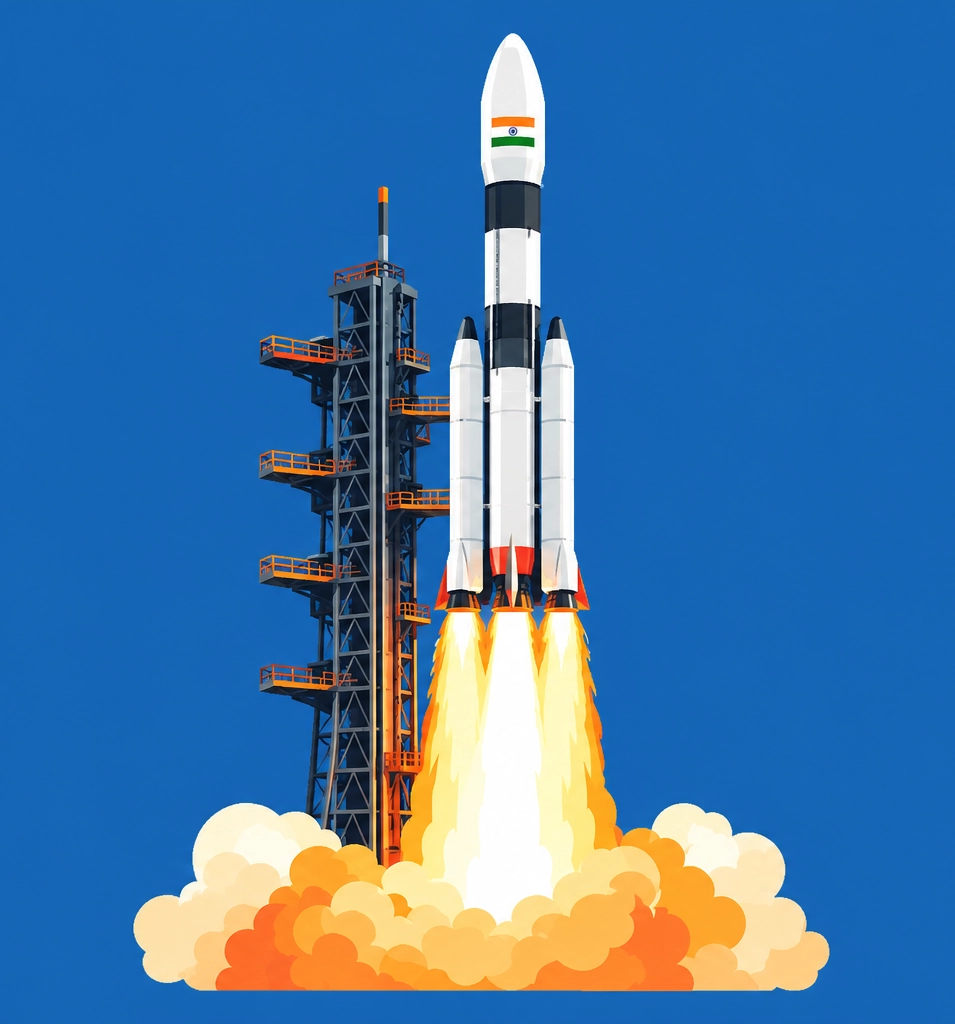 अंतरिक्ष में हासिल की गई कोई भी सफलता विज्ञान की उपलब्धि होने के साथ-साथ एक राष्ट्र की दूरदृष्टि, संस्थागत क्षमता और भविष्य को लेकर उसके आत्मविश्वास को भी परिलक्षित करती है। भारतीय अंतरिक्ष अनुसंधान संगठन (इसरो) द्वारा ईओएस-5 का सफल प्रक्षेपण इसी अर्थ में खास है। भू- तुल्यकालिक कक्षा में स्थापित होने वाले देश के पहले ‘इमेजिंग’ उपग्रह की सफलता ने फिर यह साबित किया है कि भारत अब अंतरिक्ष विज्ञान में केवल अपनी उपस्थिति दर्ज कराने वाला देश नहीं, बल्कि नई क्षमताओं के साथ आगे बढ़ने वाली शक्ति बन रहा है। यह उपलब्धि महज एक उपग्रह को अंतरिक्ष में पहुंचाने तक सीमित नहीं है। यह मौसम पूर्वानुमान, प्राकृतिक आपदाओं की चेतावनी, कृषि नियोजन, पर्यावरण संरक्षण, समुद्री गतिविधियों और राष्ट्रीय सुरक्षा तक के मामले में व्यापक स्तर पर उपयोगी साबित होगी। अंतरिक्ष विज्ञान का संबंध अब नागरिक जीवन, आर्थिक विकास और राष्ट्रीय सुरक्षा से जुड़ चुका है। इसलिए ईओएस-5 की सफलता को भारत की तकनीकी आत्मनिर्भरता की दिशा में महत्त्वपूर्ण कदम के रूप में देखा जाना चाहिए।
सीमित संसाधनों के बावजूद इसरो के वैज्ञानिकों ने अनुशासन, धैर्य और नवाचार के बल पर जो विश्वसनीयता पाई है, वह हमारी अमूल्य राष्ट्रीय पूंजी है। राजनीतिक बदलावों के बावजूद अंतरिक्ष कार्यक्रमों में बनी नीतिगत निरंतरता ने इसरो को दुनिया की विश्वसनीय एजेंसियों में स्थापित किया है। मगर सफलता का उत्सव भविष्य की चुनौतियों को ढक नहीं सकता। वैश्विक अंतरिक्ष प्रतिस्पर्धा तेजी से बदल रही है। इसमें केवल पुरानी उपलब्धियों के भरोसे आगे बढ़ना संभव नहीं। सरकार का दायित्व सफल प्रक्षेपणों पर वैज्ञानिकों को बधाई देने तक सीमित नहीं होना चाहिए। इसरो को पर्याप्त संसाधन, अत्याधुनिक सुविधाएं, स्थायी वित्तीय समर्थन और युवा वैज्ञानिक प्रतिभाओं को आकर्षित करने वाली नीति चाहिए। निजी क्षेत्र की बढ़ती भागीदारी के बीच यह भी ध्यान रखना होगा कि इससे इसरो की वैज्ञानिक क्षमता और संस्था के रूप में उसकी अहमियत कहीं से भी कमजोर न पड़े। विज्ञान पर किया गया निवेश खर्च नहीं, भविष्य की भरोसेमंद पूंजी है। इसरो की मजबूती दरअसल उस भारत की मजबूती हैं, जो धरती की जरूरतों को समझते हुए अंतरिक्ष में अपना भविष्य तलाश रहा है।