
10-08-2026 (Important News Clippings)
To Download Click Here.

Why This Trump Oil Tariff is Zzz
Russian oil imports can be easily dialled down
ET Editorials
A bill passed by overwhelming majority in the US Senate to impose 100% tariffs on the top 5 buyers of Russian oil doesn’t pose an immediate disruption to India’s energy supplies. The bill is still some way from becoming law, and New Delhi has ramped up its diplomatic initiatives since Russia’s war on Ukraine to diversify its oil and gas imports. India now imports oil from a wider basket of oil-producing nations and has adequate buying heft to scale up purchases from alternative sources. Traditional suppliers in West Asia will find it easier to fulfil short-haul tanker deliveries to India as they emerge from a prolonged closure of the Hormuz Strait. Long-term buying commitments from India can help seed investments in energy infrastructure by smaller oil-producing nations in Africa and South America. The share of Russian supplies in India’s oil imports grew at breakneck pace. This provides some indication how rapidly these can be dialled down.
The US, however, will face a far more complex situation in ensuring global oil prices don’t surge on account of its additional weaponisation. Sanctions, aimed at the top 5 importers, will allow Russian oil to flow to smaller buyers. Opec has been struggling to enforce production quotas, and the UAE’s withdrawal from the oil-producing cartel highlights rising conflicts with national interest. Conflicts like those in West Asia and Europe, and ensuing sanctions, contribute to divergence of investment from production capacity in Opec states. Trump will have to use the extra strategic muscle provided in the bill with caution.
He’s already facing a pushback from Nato allies over disrupting oil trade. Those effects could magnify if China and India were to draw from the same oil well as Europe. Trump has used tariffs against India and threats against China for buying Russian oil even before Congress gave him the authority. Tariffs against India were withdrawn, and the threat to China was not acted upon. A piece of paper allowing the action should not change the situation on the ground.
Date: 10-08-26
Turn America’s H-1B Loss Into India’s Gain
ET Editorials
The Trump regime is changing the pathways into the US, changing rules that are blurring the long-held idea of the ‘American Dream’. The most recent measure under consideration is doing away with the 60-day grace period given to suddenly unemployed foreigners on non-immigrant work visas like H-1B to find alternative employment, or, well, wind up and ‘go back’. These skilled workers will go from legal to illegal immigrant status in the blink of a Trumpian eye. Indian skilled workers will be impacted, as H-1B is one of the visa categories affected by the proposal forwarded by the US Department of Homeland Security. Estimates put the number of Indians on H-1B visas at nearly 3 lakh — 71.2% of H-1Bs issued are to Indians.
But tightening of the US immigration regime can be a big opportunity to reverse India’s brain drain. With India’s ambitions in tech expected to rise in R&D, opportunities to absorb internationally-trained workforce are many. Rising uncertainty of the US immigration system is a gift horse that India should not look in the mouth. But making most of this opportunity requires creating a globally comparable ecosystem in education and research institutions, startups and businesses. The domestic IT sector can move up the value chain, strengthening India’s position as a global capability centre, by attracting more international companies and MNCs to expand their India office to access high-end talent. Tighter US immigrant space could help push India on to a more circular path that balances the ambitious Indian’s ‘foreign’ dream with the country’s growth.
The Trump regime’s approach to skilled foreign workers will undermine the ability the US has had to draw on global talent all this time. But that’s for the US to worry about.

Shifting sands
Pakistan, Saudi Arabia and Türkiye will struggle to create credible deterrent
Editorial
The joint defence agreement, signed by Pakistan, Saudi Arabia and Türkiye in Mecca on August 7 reflects their shared strategic anxieties and the changes under way in West Asia’s security architecture. The three countries have pledged to bolster collective security and deterrence, and promised to treat an armed attack against one as an attack against all. On paper, this is a formidable alliance. Pakistan is a nuclear-armed country with a powerful military; Saudi Arabia, one of the world’s largest crude oil exporters, has deep pockets and considerable influence across the Muslim world; and Türkiye has an expanding military industrial base, including advanced drone production capabilities. That the pact was announced in the middle of the war on Iran and Israel’s continuing bombing campaigns in the region is no coincidence. Faced with the prospect of reduced American strategic presence in West Asia, regional powers have begun looking beyond the traditional U.S. security umbrella for new partnerships. In September 2025, a few weeks after Israel bombed Qatar, Pakistan and Saudi Arabia announced a bilateral defence agreement. The war on Iran, which saw Tehran retaliating by striking U.S. bases across the Persian Gulf, and Israel’s wars in its neighbourhood, have further deepened the security concerns of Saudi Arabia and Türkiye. They have now decided to turn the page on their often fraught relationship and build a trilateral framework with Pakistan, which fought a short aerial war with India in May 2025.
This agreement shows the growing appetite of regional powers for formal security pacts. Türkiye, which has long sought a bigger role in West Asia, will gain more strategic space. Pakistan, traditionally a South Asian regional power overshadowed by India, is also seeking to expand its role as a West Asia security provider and mediator. The alliance would allow the three countries to deepen defence cooperation and military interoperability though it is too early to say whether it would help them address their security challenges. Alliances based on collective security, such as NATO and CSTO, are generally formed to build deterrence against conflicts. The biggest liability of the Mecca Agreement is that it was signed amid ongoing wars. Over the past five months, Saudi Arabia has faced repeated Iranian missile and drone attacks. The collective security pledge is unlikely to deter Iran from targeting U.S. bases in Saudi Arabia if the war, currently on pause, escalates further. Existing conflicts, therefore, make the promise of collective defence largely symbolic from the very outset. So, the credibility of the Mecca Agreement will ultimately depend on whether the three partners can turn their political commitment into a credible deterrent, which is currently non-existent.
Date: 10-08-26
A new security triangle emerges with the Makkah Pact
Depending on how different scenarios unfold, the Makkah Joint Defence Agreement (MJDA) could affect India’s interests in several ways
Mahesh Sachdev, [ Retired Indian Ambassador, specialising in the Arab world and oil issues ]
The Makkah Joint Defence Agreement (MJDA), signed on August 7, 2026, by the top leaders of Saudi Arabia, Türkiye and Pakistan, is the first regional realignment since the geostrategic tsunami of the United States-Iran war. While the MJDA text has not been revealed, the joint statement issued specifically states that “any armed attack against any one of the three states shall be regarded as an attack against them all”.
This echoes infamous Article 5 of the North Atlantic Treaty Organization (NATO) — never invoked — leading speculators to claim that the MJDA was a harbinger of a “Muslim NATO”. It appears to be part of a jerky Saudi response to specific security challenges, including a Strategic Mutual Defence Agreement (SMDA) with Pakistan last year and a 14-country Multinational Maritime Defence Alliance (MMDA) in the last week of July.
Shifting alignments, uncertain stakes
Any analysis of the MJDA faces multiple uncertainties, including ongoing regional turbulence, partners’ previous karma, and their varied expectations. This hazy context creates a push-pull effect: from anticipation of the MJDA having profound cascading implications to it being a seemingly desultory, inconsequential response to their asymmetric defence and security challenges. Some also see it as inducing counter-polarisation and alarming other stakeholders from Iran and its non-state allies, Israel, Kurds, and Greece to the United Arab Emirates and India. To walk back, the Saudi Deputy Foreign Minister has clarified that it is neither an effort to establish a military axis nor a sectarian bloc. He denied any link to nuclear ambitions or an arms race.
This denial is unlikely to pierce the statement’s conspicuous silence about the precise threats that the MJDA is geared to confront, the U.S.-Iran war roiling the region, Israeli aggressiveness, threats from the non-state actors, and the impact of choke point constrictions. It also refrains from either inviting like-minded regional powers to join in or an uplink with the existing collective security architectures provided by the Arab League, the Organisation of Islamic Cooperation and the Gulf Cooperation Council (GCC).
Observers point out that the Arab-Muslim world has remained divided against Israel for close to eight decades. Hence, the prospect of the MJDA being a precursor to a Muslim NATO polarised against Iran and its Arab proxies appears far-fetched at this stage. Moreover, even as all three MJDA signatories are allies of the U.S. (which remains suspiciously silent), it is unclear if it is meant to substitute the regional Pax Americana or to serve as a surrogate for the ancien régime. In the same vein, if the proposed Muslim NATO in future decides to confront Israel, the U.S. would have scored its own goal.
Moreover, the MJDA is beset by various snags. The Saudis have bitter memories of the Ottoman rule, which brutally suppressed the Al-Saud. For similar reasons, from Türkiye, Ankara’s boots on the ground have been shunned by most post-independence Arab regimes.
Till recently, Türkiye promoted the Sunni outfits such as the Muslim Brotherhood, Hamas and motley Syrian militias, many of which are anathema to the Gulf regimes. Türkiye’s President Recep Tayyip Erdoğan’s Neo-Ottoman ambitions to lead the Sunni Islamic world collide with the Kingdom’s self-image of being the Custodian of Islam’s Two Holiest Shrines. Riyadh does not continence playing second fiddle to Turkey or any other Muslim power. President Erdoğan had atesty relationship with Saudi Crown Prince Mohammed bin Salman (MbS) over the 2018 murder of Jamal Khashoggi, a U.S.-based Saudi journalist, in the Saudi consulate in Istanbul. Turkish leaks on this episode sullied MbS’s image, making him a western outlier.
On the other hand, Pakistani troop deployments in Saudi Arabia in the past resulted in frictions due to chain of command disputes, Islamabad’s refusal to have its troops shorn of Shias and its reluctance to confront Iran or Yemen. Armed forces in Türkiye and Pakistan have a long-standing tradition of Bonapartism. Saudis have kept armed forces and the National Guard, both with an American-styled set up, out of politics since the Ikhwan militia insurrection (the late 1920s) and the Makkah siege of 1979. Both Türkiye and Pakistan have an active border with Iran — offering a potentially lucrative post-war economic bonanza that they would be loath to forego. Pakistan’s enthusiasm for the MJDA is circumscribed by its 900 kilometre-long border with Iran, a large Shia minority, internal security challenges and hostility with India and Afghanistan. In a typical doublespeak, last week, Pakistan began formal discussions on a Free Trade Agreement with Iran, notwithstanding the U.S. sanctions, the MJDA and the SMDA.
Riyadh’s security needs
The MJDA is clearly fulcrumed around Saudi security requirements, which Riyadh expects Türkiye and Pakistan to mitigate as part of a “friends with benefits” arrangement. However, the current threats faced by Saudi Arabia are complex and asymmetric, ranging from air attacks on its vital and vulnerable oil and civil infrastructure by Iran and its proxies, the closures of the Strait of Hormuz and Bab al-Mandeb and the possible insurrection by the restive Shia minority. It is unclear if Türkiye and Pakistan can meet such challenges, where the U.S. Central Command, with its large, long-standing presence and state-of-the-art equipment, failed. The new allies could perhaps upstage the U.S. in having more boots on the ground in Saudi Arabia, but the Kingdom is unlikely to face a ground invasion. Moreover, relying on foreign forces to address internal security challenges would be bad optics for the The MJDA is clearly fulcrumed around Saudi security requirements, which Riyadh expects Türkiye and Pakistan to mitigate as part of a “friends with benefits” arrangement. However, the current threats faced by Saudi Arabia are complex and asymmetric, ranging from air attacks on its vital and vulnerable oil and civil infrastructure by Iran and its proxies, the closures of the Strait of Hormuz and Bab al-Mandeb and the possible insurrection by the restive Shia minority. It is unclear if Türkiye and Pakistan can meet such challenges, where the U.S. Central Command, with its large, long-standing presence and state-of-the-art equipment, failed. The new allies could perhaps upstage the U.S. in having more boots on the ground in Saudi Arabia, but the Kingdom is unlikely to face a ground invasion. Moreover, relying on foreign forces to address internal security challenges would be bad optics for the Kingdom. The foregoing is not to deride the MJDA as merely a cosmetic exercise. It symbolises the congruence of the three large Sunni powers with considerable complementarity: the Saudi $83 billion defence budget, Türkiye’s booming military industrial complex exporting $10 billion annually and Pakistan’s 6,60,000-strong armed forces. Their defence and security cross-pollination through military exercises, interoperability of weapon systems and co-production and development of hardware would be beneficial to them all. Additionally, Türkiye and Pakistan could gain political influence in the Kingdom and enrich themselves.
At this stage, the MJDA’s future appears uncertain. It may flourish if a low-burn attrition war continues to ripple through the region. Ironically, if an all-out shooting war breaks out, Türkiye and Pakistan may be hesitant to commit forces against Iran, their neighbour. At the other end, if peace prevails, the MJDA would become superfluous. A market share scrimmage among the oil exporters would create a glut, affecting the Saudi capacity to bankroll the MJDA partners.
Having suffered Iranian doggedness and Trumpian tantrums, Saudi Arabia and other Gulf Arabs are currently experimenting with various security alternatives. The Saudis began the SMDA with Pakistan last year and have felt the need for an MMDA and MJDA. They do not appear to be playing a zero-sum game between semi-reliable Pakistan and India. U.S. President Donald Trump’s unreliability was on full display to the Saudis recently in his last-minute Abraham Accords rider to the recent nuclear agreement with the Kingdom. The Saudis may not wish to further complicate their dependence on Uncle Sam by deepening their entanglement with Ankara and Islamabad, both ultimately subject to Washington’s dictates.
The implications for India
Depending on various scenarios panning out, the MJDA can impact India’s interests in multiple ways. While India needs to keep a steely eye on Pakistan’s attempt to align the MJDA partners with it against India, New Delhi should not overreact. As the world’s third-largest crude oil importer, India is slated to drive global demand for the next 15 years. India has been the Kingdom’s third-largest market and second largest trading partner. Like Saudi Arabia, India has been both a consistent and moderate pro-status quo power amenable to simpler paradigms of economic complementarity.
Riyadh finds ties with India uncluttered by extraneous considerations. India is a geo-strategically safe bet for the turbulent Gulf. Riyadh, facing a huge paradigm shift, is most unlikely to wade into supporting Pakistan’s adventurism against India. So, while the MJDA may give Islamabad an adrenaline high, Pakistan’s quest to match India’s rise through military fluster in West Asia is unlikely to succeed.

मेटा को चेतावनी
संपादकीय
यह अच्छा हुआ कि भारत सरकार ने इंस्टाग्राम, वाट्सएप और फेसबुक का संचालन करने वाली कंपनी मेटा को यह चेतावनी दी कि उसे भारतीय कानूनों का पालन करना होगा। इसके साथ ही सरकार ने मेटा से अपने एल्गोरिदम को लेकर भी जवाब तलब किया है। यह सुनिश्चित करना होगा कि इस निर्देश का वास्तव में पालन हो, क्योंकि मेटा अथवा अन्य इंटरनेट मीडिया कंपनियां एलगोरिदम का मनमाना उपयोग करती हैं। एआइ के आगमन के बाद उनके लिए ऐसा करना और आसान हो गया है। अब यह किसी से छिपा नहीं कि इंटरनेट कंपनियां एक विशेष एजेंडे का प्रचार-प्रसार करती हैं। वे यह सुनिश्चित कर रही हैं कि लोग क्या देखें और क्या नहीं? ऐसा करके वे लोगों के चिंतन को प्रभावित कर रही हैं। चिंताजनक यह है कि यह काम प्राय: संकीर्ण उद्देश्यों की पूर्ति के लिए किया जाता है। यह एक तथ्य है कि इंटरनेट कंपनियां कई देशों में चुनावों को प्रभावित करने का काम कर चुकी हैं। वे ऐसा भारत में भी कर चुकी हैं और इसका पता कैंब्रिज एनालिटिका मामले से चलता है। वैसे तो इंटरनेट मीडिया कंपनियां अपने को ‘सोशल मीडिया’ कहती हैं, लेकिन सच यह है कि वे असामाजिक और अराजक तत्वों को भी प्रोत्साहन प्रदान करती हैं। वे ध्रुवीकरण के साथ ही सामाजिक विभाजन की खाई भी चौड़ी कर रही हैं। वे कई बार अपने गलत इरादों की पूर्ति करती हुई पाई गई हैं। हर बार वे माफी मांगकर बच निकलती हैं। भारत सरकार को अब केवल माफी से संतुष्ट नहीं होना चाहिए। यदि कोई इंटरनेट मीडिया कंपनी अनुचित कार्य करती पाई जाए तो उसे वैसे ही कठोर दंड का भागीदार बनाया जाना चाहिए जैसे अनेक पश्चिमी देश समय-समय पर बनाते हैं और उन पर भारी जुर्माना लगाते हैं। अभी हाल में अमेरिका ने मेटा पर भारी जुर्माना लगाया। इंटरनेट मीडिया कंपनियां दुनिया भर में लोगों को लती भी बना रही हैं।
अभी हाल में मेटा ने प्रधानमंत्री मोदी के वीडियो को हटाने को लेकर जो माफी मांगी, उसे खारिज कर सरकार ने उचित ही किया। समस्या केवल यह नहीं कि मेटा ने किसी खास एजेंडे के तहत शरारतपूर्ण ढंग से प्रधानमंत्री के वीडियो को हटाया, बल्कि यह भी है कि उसने यह माना कि उसके प्लेटफार्म पर बाल यौन शोषण से जुड़े कंटेंट के साथ-साथ डीपफेक वीडियो को बढ़ावा दिया गया। यह भी स्वीकारा कि उसने पैसे लेकर हानिकारक सामग्री को बढ़ावा दिया। ये सब ऐसी हरकतें हैं, जिनके लिए मेटा अथवा अन्य इंटरनेट कंपनियों को जवाबदेह बनाना अनिवार्य है। यह सही समय है कि भारत सरकार मेटा एवं अन्य इंटरनेट मीडिया कंपनियों को जवाबदेह बनाने के साथ ही इस पर भी विचार करे कि आखिर विदेशी इंटरनेट मीडिया कंपनियों पर निर्भर रहना कहां तक उचित है?
Date: 10-08-26
खाड़ी पर ऊर्जा निर्भरता के खतरे
शिवकांत शर्मा, ( लेखक बीबीसी हिंदी के पूर्व संपादक हैं )
एक पुरानी कहावत है कि नमाज छुड़ाने गए थे, लेकिन रोजे गले पड़ गए। अमेरिकी राष्ट्रपति डोनाल्ड ट्रंप के साथ यही हुआ। ट्रंप ईरान को परमाणु शक्ति बनने से रोकने चले थे, लेकिन होर्मुज बंद करा बैठे। उन्होंने अमेरिका के साथ-साथ पूरी दुनिया को आर्थिक संकट में डाल दिया। लगभग चार महीनों की बमबारी के बाद ईरान 17 जून को 60 दिनों के युद्धविराम के साथ होर्मुज खोलने पर सहमत हुआ था। इसी दौरान उसके परमाणु निरस्त्रीकरण के साथ-साथ जिहादी गुटों का समर्थन बंद करने पर बातचीत होनी थी, लेकिन मामला होर्मुज किसकी निगरानी और नियंत्रण में रहे, इसी पर अटका रहा और युद्धविराम 20 दिनों के भीतर ही टूट गया। इस बार ट्रंप की 13 दिनों की बमबारी के बावजूद ईरान ने होर्मुज नहीं खोला। उलटे यमन के हाउती विद्रोहियों से लाल सागर के रास्ते जाने वाले सऊदी तेल टैंकरों पर भी हमले कराने शुरू कर दिए। लिहाजा पश्चिमी एशिया से गुजरने वाले दोनों समुद्री व्यापार मार्ग बंद हो गए हैं। इन्हें खोलने के लिए एक बार फिर युद्धविराम की बातें हो रही हैं, जिन्हें लेकर ट्रंप आश्वस्त लगते हैं।
इस बार ईरान और अमेरिका के बीच सीधी बातचीत नहीं हो रही है। ईरान और ओमान आपस में तय कर रहे हैं कि व्यापारिक यातायात खुला रखने के लिए होर्मुज का प्रबंधन कैसे हो? दोनों के बीच यातायात के एक नए मार्ग पर सहमति भी बनी है, जिसके प्रवेश पर ईरान का नियंत्रण रहेगा और निकास पर ओमान का। इसका प्रविधान पिछली सहमति के पांचवें बिंदु में भी था, परंतु ट्रंप को ईरान के नियंत्रण वाली बात नहीं भाई और सहमति टूट गई थी। इस बार ईरान ने अपना रवैया और कड़ा करते हुए कहा है कि यातायात के प्रबंधन पर ओमान के साथ सहमति बन जाने के बावजूद होर्मुज तब तक नहीं खुलेगा जब तक अमेरिका के बर्ताव में सुधार नहीं आता। अमेरिका को अपनी नाकेबंदी खोलकर होर्मुज से अपनी नौसेना हटानी होगी, लड़ाई बंद करके बातचीत की मेज पर आना होगा और युद्धविराम तोड़कर किए हमलों से हुए नुकसान की भरपाई करनी होगी।
राष्ट्रपति ट्रंप 2015 की परमाणु संधि तोड़ चुके हैं और तीन बार समझौता वार्ताओं के बीच हमले कर चुके हैं। ऊपर से वे इजरायल के साथ संबंध बनाने की शर्त पर सऊदी अरब को परमाणु रिएक्टर देने की बात कर रहे हैं। दूसरी तरफ सऊदी ने दो दिन पहले पाकिस्तान और तुर्किए के साथ एक त्रिपक्षीय सामरिक समझौता किया है, जिसमें सहमति बनी कि एक पर हुए हमले को तीनों पर हुआ हमला माना जाएगा। ये तीनों ही देश अमेरिकी कृपापात्र हैं। इसलिए इस समय ऐसा समझौता होना अमेरिका की शह के बिना संभव नहीं है। इसलिए ईरान अब होर्मुज का नियंत्रण किसी कीमत पर छोड़ने को तैयार नहीं है। रणनीतिकारों का मानना है कि होर्मुज का नियंत्रण ईरान को वह कुंजी देता है, जिसके सहारे वह खाड़ी के देशों और तेल पर निर्भर देशों को अनुकूल रिश्ते बनाए रखने पर विवश कर सकता है। यह अर्थव्यवस्था की उस वीटो शक्ति की तरह है, जो उसकी ढाल बन सकती है, लेकिन ईरान की यह वीटो शक्ति भारत समेत पूरी दुनिया की ऊर्जा सुरक्षा के लिए स्थायी खतरे की बात होगी।
असल में खाड़ी की ऊर्जा पर निर्भरता हमेशा से विश्व अर्थव्यवस्था की कमजोर नस रही है। पश्चिम एशिया में जब-जब लड़ाई छिड़ी तब-तब विश्व में ऊर्जा संकट आए, जिनसे महंगाई और मंदी जैसी मुश्किलें बढ़ीं। 1973 के अरब-इजरायल युद्ध में तेल के दाम चौगुने हो गए थे। इससे महंगाई बढ़ी, मंदी आई और शेयर बाजार धड़ाम हो गए थे। 1979 में ईरान की इस्लामी क्रांति के कारण तेल के दाम दोगुने हो गए थे। 1990 में इराक के कुवैत पर कब्जा कर लेने के कारण तेल के दाम तिगुने हो गए थे। अमेरिका और रूस के तेल निर्यातक बन जाने के कारण इस बार की लड़ाई से उतना गंभीर संकट तो पैदा नहीं हुआ, लेकिन कोविड की मार से उबरती अर्थव्यवस्थाओं के लिए इतनी मार भी कम नहीं है। ऊपर से होर्मुज का नियंत्रण अब ईरान के हाथों में जाता दिखाई दे रहा है, जो शीर्ष नेतृत्व के मारे जाने और व्यापक विनाश होने के कारण उथल-पुथल के दौर में है।
दूसरी ओर, अमेरिका अपनी पूरी ताकत लगा कर भी ईरान को परास्त और खाड़ी के मित्र देशों को बचा नहीं पाया है। उसका वर्चस्व क्षीण होने से होर्मुज के ऊर्जा आपूर्ति मार्ग पर निर्भर रहना संभव नहीं रहा है। इसलिए हर देश विकल्प तलाश रहा है। भारत रूस, अमेरिका और वेनेजुएला के अलावा यूएई के फुजेरा बंदरगाह और ओमान के रास्ते तेल और गैस लेने की व्यवस्था कर रहा है। उसने ओमान के साथ सीमा व्यापार संधि की है और ओमान से गुजरात तक पाइपलाइन बिछाने पर विचार कर रहा है। इन उपायों के साथ-साथ भारत अपने नए तेल और गैस के भंडारों की खोज में भी जुटा है।
इस सबके बीच ऊर्जा विशेषज्ञों का कहना है कि दूसरे देशों और वैकल्पिक मार्गों से जीवाश्म ऊर्जा लेना और अपने यहां नए स्रोतों की तलाश करना समाधान नहीं है। असली और स्थायी समाधान ऊर्जा की आत्मनिर्भरता हासिल करने में है, जो स्वच्छ ऊर्जा से ही हासिल हो सकती है। मसलन चीन की ऊर्जा खपत भारत से पांच गुना है, लेकिन उसका एक चौथाई से अधिक वह स्वच्छ संसाधनों से पैदा करता है। बिजली में तो वहां सौर, पवन और पनबिजली का प्रतिशत 42 से ऊपर जा चुका है। इसलिए खाड़ी से पैदा होने वाले ऊर्जा संकट का उस पर बहुत गंभीर असर नहीं हुआ। स्वच्छ ऊर्जा के पांच बड़े लाभ हैं। पहला-आप खाड़ी या रूस जैसे बड़े तेल उत्पादक देशों की उथल-पुथल से पैदा होने वाले ऊर्जा संकट से बचे रहते हैं। दूसरा-होर्मुज जैसे आपूर्ति मार्गों में गतिरोध से उत्पन्न संकट से बचते हैं। तीसरा-ऊर्जा आयात में खर्च होने वाले 12-13 लाख करोड़ रुपये बचा कर उन्हें शिक्षा, स्वास्थ्य और बुनियादी ढांचा सुधारने में लगा सकते हैं। चौथा-विश्व का सबसे गंभीर संकट बने जलवायु परिवर्तन की रोकथाम में मदद करते हैं। पांचवां-ऊर्जा में आत्मनिर्भर बनते हैं और तेल प्रतिबंधों की पकड़ से बाहर होकर राष्ट्रीय सुरक्षा को मजबूत करते हैं। इसलिए अब घर-घर में इस जागरूकता का प्रसार आवश्यक हो गया है कि ऊर्जा आत्मनिर्भरता ही वास्तविक निजी एवं राष्ट्रीय सुरक्षा है।

बेटियों के लिए बदलता नजरिया
रचना सिद्धा
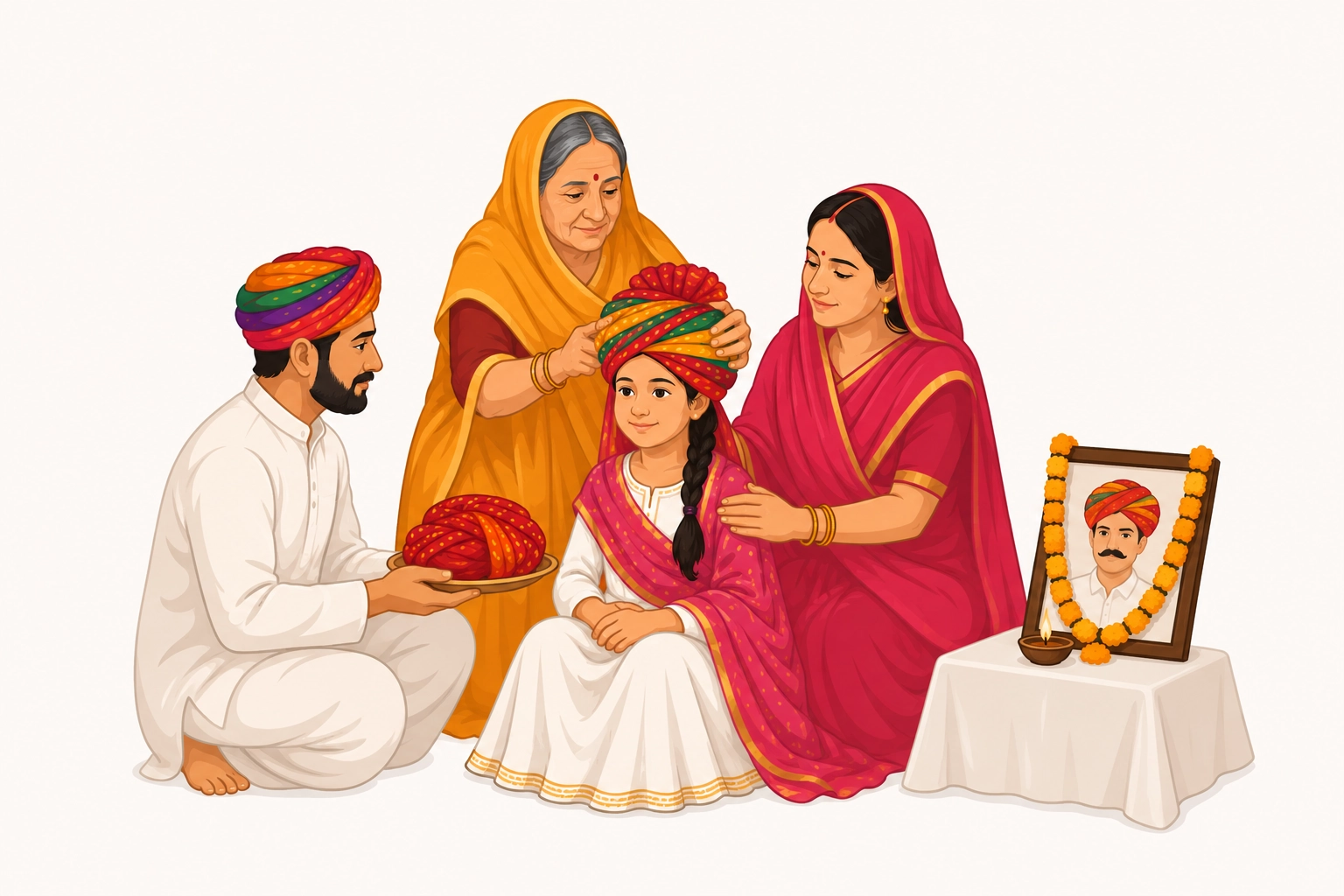 कुछ समय पहले राजस्थान के नागौर जिले के सुरियास गांव में पहली बार एक बेटी का ‘पाग दस्तूर’ किया गया। राजस्थान की पारंपरिक सामाजिक व्यवस्था में पिता के निधन के बाद परिवार के बड़े बेटे को परिवार का उत्तराधिकारी घोषित किया जाता है। इसी को ‘पाग दस्तूर’ कहते हैं। अगर परिवार में पुत्र नहीं होता, तो कई परिवार दत्तक पुत्र लेकर यह रस्म निभाते हैं। पंद्रह जुलाई को सुरियास गांव के कान सिंह राठौड़ का बीमारी से निधन हो गया। उनके परिवार में एकमात्र संतान उनकी दस वर्षीय बेटी है। बारहवें की रस्म के बाद किसी निकट संबंधी को दत्तक लेकर ‘पाग दस्तूर’ कराने की चर्चा चल रही थी। मगर कान सिंह की माता और पत्नी ने साफ शब्दों में कहा कि क्योंकि उनकी एकमात्र संतान पुत्री है, इसलिए उसका ही ‘पाग दस्तूर’ किया जाएगा। इस बदलाव से परिवार ने पुरानी परंपरा को नया स्वरूप देते हुए मजबूत संदेश दिया है कि परिवार की पहचान और सम्मान केवल बेटे से नहीं, बल्कि बेटी से भी आगे बढ़ सकता है। गांव के लोगों का भी कहना है कि इस निर्णय ने वर्षों की सामाजिक सोच में बदलाव ला दिया है जो बेटियों को बराबरी का अधिकार और सम्मान देने का संदेश देता है।
पिछले कुछ वर्षों में लड़कियों को गोद लेने का चलन बढ़ा है। इस बात की पुष्टि करती हाल ही में जारी ‘सेंट्रल अडाप्शन रिसोर्स अथारिटी’ की एक रिपोर्ट के मुताबिक पिछले वर्ष के मुकाबले वर्ष 2025-26 में लड़कियों को गोद लेने वालों की संख्या में आठ फीसद की बढ़ोतरी दर्ज की गई है। वह समय बीत गया, जब बेटियों को बोझ माना जाता था और बेटों को परिवार का सम्मान। तब बेटियां पराया धन मानी जाती थी और बेटे को वंश को आगे बढ़ाने वाला और बुढ़ापे का सहारा बनने वाला कहा जाता था। यहां तक कि अंतिम संस्कार बेटों के हाथों से होने पर मुक्ति मिलने की सोच हमारी मानसिकता पर हावी थी। इसी मानसिकता के प्रभाव में हमने सदियों तक लड़कियों को दोयम दर्जे का नागरिक बना कर रखा।
सदियों से भारतीय समाज में पुत्र मोह एक कड़वी सच्चाई बन कर हमारे साथ रहा है। मगर आज हवा का रुख बदल रहा है। आधुनिक भारत में यह एक नया और सुखद बदलाव दिखाई दे रहा है। न केवल भारत में, बल्कि दुनिया भर में समाज की सोच में तेजी से बदलाव आ रहा है। पहले जहां बेटों को प्राथमिकता दी जाती थी वहीं अब बेटियों के प्रति झुकाव बढ़ रहा है। एक विश्लेषण के मुताबिक 1980 से अब तक करीब पांच करोड़ बेटियां जन्म से पहले ही खत्म कर दी गर्इं। यह आंकड़ा अब तेजी से घट रहा है। विश्लेषण के मुताबिक 2001 से अब तक 70 लाख बेटियां बचाई गई हैं। चीन, भारत और दक्षिण कोरिया जैसे देशों में लिंगानुपात तेजी से सामान्य होता जा रहा है। माता पिता अब बेटियों को ज्यादा समझदार, संवेदनशील और कम चुनौतीपूर्ण मानने लगे हैं।
कई देशों में अब यह धारणा भी जोर पकड़ती जा रही है कि बेटियां बुजुर्ग माता-पिता की बेहतर देखभाल करती हैं। यह सोच भारत में भी तेजी से बढ़ रही है और शायद यही कारण है कि अब एक संतान बेटी हो जाने के बाद भी दंपति लड़के के लिए दूसरी संतान के बारे में नहीं सोचते। यह समाज की सोच में आया एक सकारात्मक बदलाव नहीं, बल्कि सोच की उस संकीर्णता पर भी करारी चोट है जिसने लंबे समय तक बेटियों को ‘पराया धन’ मान कर हाशिये पर रखा। इस सकारात्मक बदलाव के पीछे कई अहम कारण हैं, जिसने लोगों की मानसिकता को बदलने में बड़ी भूमिका निभाई है।
आज बेटियां किसी भी क्षेत्र में पुरुषों से पीछे नहीं हैं। खेल के मैदान से लेकर अंतरिक्ष तक, कारपोरेट के बोर्डरूम से लेकर सीमा की सुरक्षा तक हर जगह बेटियों ने अपनी काबिलियत का लोहा मनवाया है। ओलंपिक पदकों से लेकर सिविल सेवाओं तक, जब माता-पिता हर जगह बेटियों का परचम लहराते देखते हैं, तो उनका गर्व से सिर ऊंचा हो जाता है। यह सफलता इस बात का प्रमाण है कि अवसर मिले, तो बेटियां आसमान छू सकती हैं। उन्होंने यह सिद्ध कर दिया है कि अवसर मिलने पर वे किसी भी क्षेत्र में लड़कों से कम नहीं हैं। उनकी सफलता ने समाज की पुरानी धारणाओं को तोड़ते हुए बेटियों के प्रति सम्मान और भरोसे को मजबूत किया है।
अक्सर देखा जाता है कि बेटियां शादी के बाद भी अपने माता-पिता के प्रति उतनी ही संवेदनशील और जिम्मेदार रहती हैं, जितना कि शादी से पहले थीं। बुढ़ापे में माता-पिता की देखभाल करने और उनका भावनात्मक सहारा बनने में बेटियां किसी से कम साबित नहीं हो रही हैं। समाज में अब यह बात गहराई से महसूस की जाने लगी है कि बेटा केवल एक कुल का नाम आगे बढ़ाता है, लेकिन बेटी दो-दो परिवारों को रोशन करती है।
साक्षरता दर में वृद्धि और कानून के प्रति बढ़ती जागरूकता ने भी इस बदलाव की नींव रखी है। ‘बेटी बचाओ, बेटी पढ़ाओ’ जैसे सरकारी अभियानों, कन्या भ्रूण हत्या के खिलाफ सख्त कानून और संपत्ति में बेटियों के समान अधिकार जैसे विधायी कदमों ने लोगों को यह सोचने पर मजबूर किया है कि बेटा और बेटी दोनों बराबर हैं। केंद्र और राज्य सरकारों की विभिन्न योजनाओं ने भी इस बदलाव में अहम भूमिका निभाई है। ‘बेटी बचाओ, बेटी पढ़ाओ’ जैसे अभियान ने कन्या भ्रूण हत्या रोकने, बालिका शिक्षा को बढ़ावा देने और समाज में सकारात्मक सोच विकसित करने का कार्य किया है। कई राज्यों में कन्या जन्म पर आर्थिक सहायता, छात्रवृत्ति, निशुल्क शिक्षा तथा उच्च शिक्षा के लिए विशेष प्रोत्साहन जैसी योजनाओं ने परिवारों को बेटियों के भविष्य के प्रति आश्वस्त किया है।
आजकल के छोटे या एकल परिवारों में माता-पिता लिंग भेद से परे जाकर केवल एक या दो बच्चों की परवरिश पर ध्यान दे रहे हैं। अब लोग इस बात से पूरी तरह बेफिक्र हैं कि उनका इकलौता बच्चा बेटा है या बेटी। वे बेटी की परवरिश भी उसी लाड़-प्यार, शिक्षा और संसाधनों के साथ कर रहे हैं जो कभी सिर्फ बेटों का हक समझा जाता था।
इस यात्रा को पूरा होने में अभी कुछ वक्त लगेगा। न केवल शहरी बल्कि ग्रामीण क्षेत्रों में भी बेटियों को लेकर जो स्वीकार्यता और ललक बढ़ी है, वह उम्मीद जगाने वाली है। हालांकि देश के दूरदराज इलाकों में आज भी कुछ कुरीतियां और भेदभाव के अंश बाकी हैं। कुछ क्षेत्रों में अब भी लैंगिक भेदभाव, बाल विवाह और शिक्षा से वंचित कर दिए जाने जैसी समस्याएं मौजूद हैं। बदलाव के लिए जो हमारी गति है, उससे मंजिल बहुत दूर नहीं लगती। जब समाज बेटियों को बोझ नहीं, बल्कि एक वरदान के रूप में देखने लगता है, तब केवल एक परिवार और समाज का नहीं, बल्कि पूरे राष्ट्र का उत्थान होता है। इसलिए बेटियों को सुरक्षित वातावरण, गुणवत्तापूर्ण शिक्षा और आत्मनिर्भर बनने के अवसर प्रदान करना हम सभी की जिम्मेदारी है। बेटियों की बढ़ती चाह एक समृद्ध, समतावादी और संवेदनशील भारत के निर्माण का सबसे सशक्त प्रतीक है।

साइबर अपराध रोकने की सर्वोच्च पहल
प्रांजल शर्मा, ( डिजिटल नीति विशेषज्ञ )
 मुंबई में एक व्यक्ति ने आतंक-निरोधी एजेंसी का कथित अधिकारी बनकर एक रिटायर डॉक्टर को फोन किया और आतंकियों को धन देने का आरोप लगाते हुए उन्हें ‘डिजिटल अरेस्ट’ कर लिया। पीड़ित डॉक्टर ने डरकर उस ‘अधिकारी’ को 1.3 करोड़ रुपये ट्रांसफर कर दिए। दूसरी घटना में चेन्नई निवासी एक व्यक्ति से विदेशी पार्सल से जुड़े कस्टम नियमों के उल्लंघन का डर दिखाकर भारी भरकम रकम ऐंठ ली गई, जबकि उन्होंने ऐसा कोई ऑर्डर किया ही नहीं था।
इसी तरह, एक व्यक्ति ने खुद को साइबर क्राइम विभाग का अधिकारी बताकर एक इन्फ्लुएंसर से इंस्टाग्राम पर संपर्क किया और उन पर कॉपीराइट उल्लंघन का आरोप लगाकर ‘जुर्माना’ भरने को कहा। ये चंद उदाहरण हैं, जो बताते हैं कि कैसे साइबर अपराधी लोगों को धोखा देने के लिए डर और अधिकार का इस्तेमाल करते हैं। ऐसे माहौल में, साइबर क्राइम में इस्तेमाल होने वाले ‘म्यूल अकाउंट्स’ (धोखाधड़ी से पैसे ऐंठने के लिए इस्तेमाल होने वाले खाते) पर सर्वोच्च न्यायालय के हालिया दिशा-निर्देश अहम हैं।
शीर्ष अदालत ने डिजिटल अरेस्ट और साइबर धोखाधड़ी पर सख्त रुख अपनाते हुए भारतीय रिजर्व बैंक को चार सप्ताह के भीतर ‘म्यूल अकाउंट्स’ से निपटने के लिए व्यापक मानक प्रक्रिया (एसओपी) तैयार करने का निर्देश दिया है। कोर्ट ने कहा है कि आरबीआई म्यूल खातों की पहचान करने, उन्हें तुरंत फ्रीज करने और उनके दुरुपयोग रोकने के लिए स्पष्ट नियम और तकनीक (जैसे एआई और मशीन लर्निंग) का उपयोग करे। सीबीआई देश भर में डिजिटल अरेस्ट से संबंधित धोखाधड़ी के मामलों की जांच करे। सभी राज्य और केंद्र शासित प्रदेश साइबर फ्रॉड को रोकें, धन वापसी मॉड्यूल का तत्काल उपयोग शुरू करें और पीड़ितों को राहत व मुआवजा दिलाएं।
इस आदेश में जांच एजेंसियों, बैंकों और राज्यों को आपसी तालमेल बढ़ाने और लोगों में जागरूकता अभियान चलाने को भी कहा गया है। यह आदेश विशेष रूप से उन खातों के मामले में अहम है, जो अक्सर गलत केवाईसी प्रक्रिया या बैंक अधिकारियों की मिलीभगत से अवैध धन को स्थानांतरित करने के लिए खोले जाते हैं। न्यायालय ने इसकी खामियां दूर करने को कहा है। कुल मिलाकर, शीर्ष न्यायालय का यह आदेश एक महत्वपूर्ण मोड़ है, जो साइबर धोखाधड़ी के खिलाफ केंद्रीकृत, समयबद्ध और त्वरित कार्रवाई वाली प्रणाली बनाने को प्रेरित करता है।
म्यूल खाते कई तरह के होते हैं। कई मामलों में लोगों को फीस, कमीशन या आसान नौकरी का लालच देकर उनके खातों का इस्तेमाल किया जाता है। कुछ मामलों में, लोगों को ब्लैकमेल किया जाता है। उन्हें यौन-अपराधों में फंसाकर, नकली पुलिस-ईडी की कॉल दिखाकर या बहला-फुसलाकर खाते का विवरण देने को मजबूर किया जाता है। कुछ ऐसे भी खाते होते हैं, जिन्हें चोरी के दस्तावेज या हैक किए गए केवाईसी डाटा का इस्तेमाल करके खोल लिए जाते हैं। साइबर अपराध में आमतौर पर डिजिटल अरेस्ट, फिशिंग या नकली कॉल करके, पीड़ित को झांसा देकर किसी खाते में पैसे भिजवाए जाते हैं। इसके बाद पैसे को तत्काल 20 से 50 दूसरे खातों में भेजा जाता है या कैश, क्रिप्टो में बदला जाता है। ऐसे में, जांच एजेंसियों के लिए असली चोर का पता लगाना मुश्किल हो जाता है।
देश का कानून म्यूल गतिविधि को गंभीर मानता है। इसमें शामिल लोगों पर धनशोधन निरोधक कानून, धोखाधड़ी और आपराधिक साजिश के लिए भारतीय दंड संहिता या भारतीय न्याय संहिता और अगर डिजिटल तरीकों का इस्तेमाल हुआ हो, तो ‘सूचना-तकनीक कानून’ के तहत मुकदमे चल सकते हैं। ऐसे अपराधों में लिप्त व्यक्ति का खाता फ्रीज किया जा सकता है व काली सूची में डाला जा सकता है। ऐसे व्यक्ति को नए खाते खोलने या कर्ज और क्रेडिट कार्ड लेने में मुश्किलें आ सकती हैं।
बैंक और नियामक संस्थाएं कुछ खास संकेतों पर नजर रखती हैं, जैसे कोई खाता, जो पहले निष्क्रिय रही हो या जिसमें कम जमा-निकासी हो रही हो, उसमें अचानक बड़ी रकम आने लगे। इसी तरह, किसी खाते में राशि आते ही कई खातों में उसका अंतरण हो और खाताधारक इस धन का स्रोत या मकसद न बता सके, तो उसे संदिग्ध माना जाता है। अगर आपको कभी अपने खाते का इस्तेमाल करने के लिए पैसे का लालच दिया जाए या किसी ऐसे व्यक्ति के खाते से धन लेने और आगे भेजने के लिए कहा जाए, जिसे आप नहीं जानते हैं, तो वह म्यूल अकाउंट हो सकता है।
तेजी से बदलती डिजिटल दुनिया में साइबर अपराध बेहद चालाकी से किए जा रहे हैं। इनमें सबसे खतरनाक है ‘डिजिटल अरेस्ट’। आम साइबर धोखाधड़ी से अलग डिजिटल अरेस्ट में अपराधी जांच अधिकारी के वेश में पीड़ितों को डराते-धमकाते हैं और उनसे पैसे ऐंठते हैं। अगर आपको कभी किसी सरकारी अधिकारी के नाम से कोई संदिग्ध कॉल या मैसेज आए, तो सतर्क हो जाइए। उसका मकसद आपसे पैसे लेना या आपकी संवेदनशील निजी जानकारी हासिल करना हो सकता है। माहौल बनाने के लिए पीड़ितों को अक्सर वाट्सएप या स्काईपे जैसे प्लेटफॉर्म पर वीडियो कॉल करने के लिए मजबूर किया जाता है। उनका भरोसा जीतने के लिए इन कॉल में थाने का बैकग्राउंड रखा जाता है।
गौरतलब है, भारतीय अपराध कानून में ‘डिजिटल अरेस्ट’ जैसा कोई प्रावधान नहीं है। ऐसी जालसाजी से बचने का सबसे अच्छा तरीका है सतर्क और जागरूक रहना। यदि कोई व्यक्ति खुद को अधिकारी बताता है, तो उसका नाम, संगठन और संपर्क नंबर लेकर तुरंत छानबीन करें। वह व्यक्ति यदि तुरंत पैसे की मांग करता है, तो सवाल करें, क्योंकि वैध अधिकारी कभी भी फोन पर या ऑनलाइन पैसे की मांग नहीं करेंगे। फोन पर या ऑनलाइन आधार नंबर, बैंक विवरण या ओटीपी जैसी संवेदनशील जानकारियां न दें और कॉल, एसएमएस, वाट्सएप के माध्यम से प्राप्त संदिग्ध संदेशों और कॉल की रिपोर्ट दर्ज कराएं।
भले ही सर्वोच्च न्यायालय, आरबीआई और सरकारी एजेंसियां साइबर अपराध के खिलाफ लड़ रही हैं, लेकिन इसके बारे में आम लोगों का जागरूक होना महत्वपूर्ण है। उन्हें फर्जी दावों और कॉल के प्रति बहुत सावधान रहना चाहिए। साइबर धोखाधड़ी से मुकाबला करने के लिए कानूनी कार्रवाई और उपभोक्ताओं की सतर्कता, दोनों जरूरी है।