
20-11-2026 (Important News Clippings)
 Date: 20-11-26
Big Three? No Big Deal
US, China, Russia can’t shape the world, because it’s too complex & interconnected
TOI Editorials
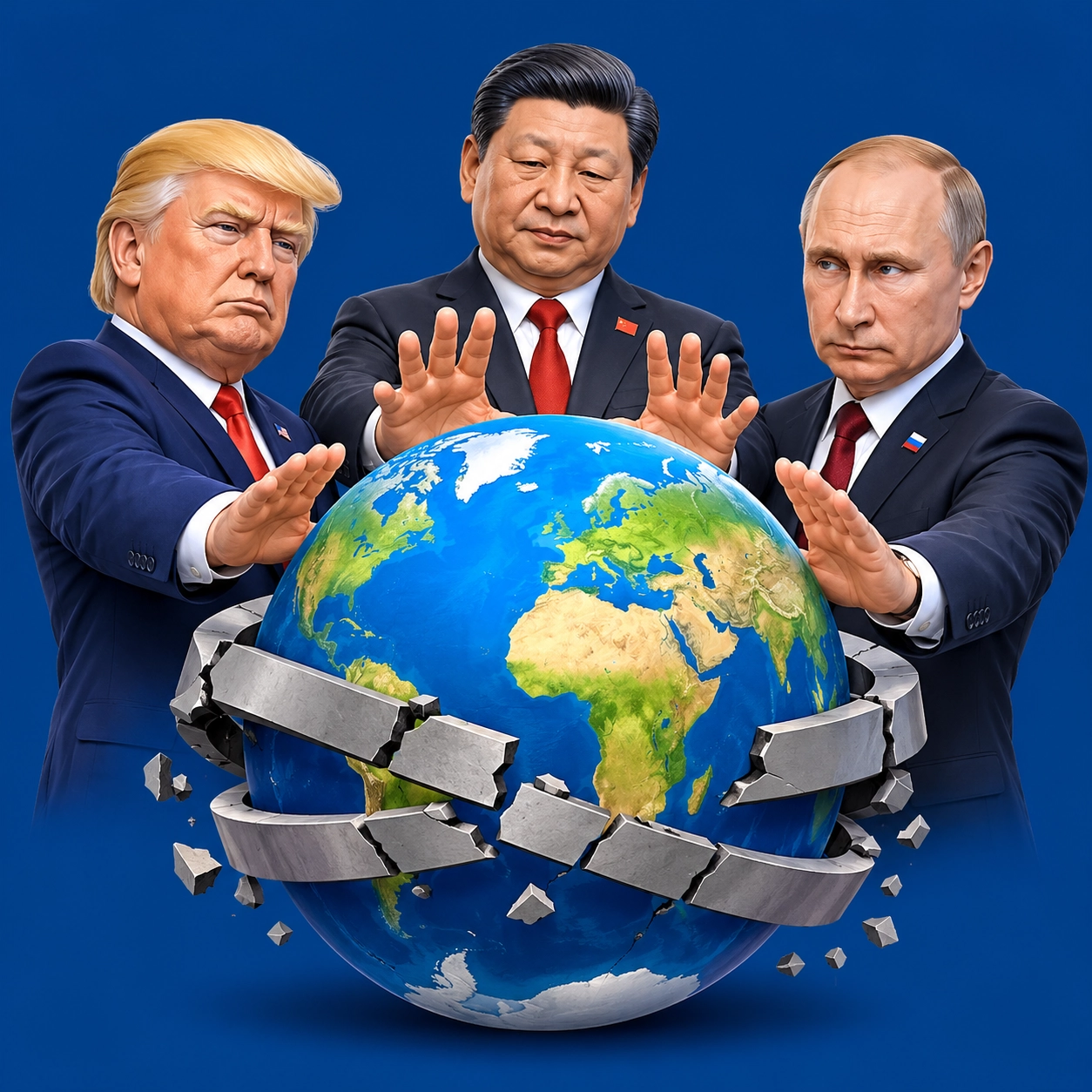 The comparison to the 1945 Yalta Conference was inevitable. Leaders of three permanent UNSC members, including the world’s two largest economies, with all three jointly possessing the largest nuclear arsenal in the world, sitting down in a first-its-kind trilateral meeting. Trump, Xi, and Putin, over their 1.5-hour talk, appeared to agree that their countries have a special responsibility to jointly manage global peace and security. Except that this kind of thinking is way past its sell-by date. It’s one thing for US, China, and Russia to engage in dialogue. Quite something else for the three of them to decide for the rest of the world.
At Yalta, it was US, UK, and Soviet Union that determined the fate of the post-World War II global order. But the very fact that order is fraying today, shows up that approach. The days of major power dominance are behind us. Neither is US the sole superpower, nor is Russia the erstwhile Soviet Union. Plus, when China was admitted to WTO in 2001, Western nations sought to remake the country in their own image. How wrong they were. And if any proof were needed that major powers no longer solely call the shots, consider the two wars in Ukraine and Iran. Russia’s war against Ukraine was supposed to last three days – it is now closing in on five years. Ukraine still stands. The combined US-Israel attack against Iran was supposed to achieve its goals in a few weeks, tops. It’s nine months, and Iran is as defiant as ever.
Moreover, despite two major powers going rogue and carrying out illegal wars, the world did not come to a grinding halt. It adjusted, reworked its trade and energy sinews, markets adopted a new normal. How? Because the world today is more interconnected than ever before, and multipolarity is the lived reality. Earlier this year, Canadian PM Mark Carney made a prescient call to middle powers to unite in the face of intensifying major power rivalry. This is something that India understands intimately.
So, India’s multi-alignment strategy, which sees it being part of a plethora of groups, ranging from Shanghai Cooperation Organisation and Brics to Quad, is perfectly suited for the current geopolitical climate. Modi can speak to both Zelenskyy and Putin; Xi and Trump; Netanyahu and Pezeshkian. That’s the direction of the world, not US, China, and Russia carving up spheres of influence. The world needs multipolarity, not a triumvirate.

Incomplete remedies
The ECI offers relief to a section of deleted electors but SIR’s flaws remain
Editorial
Following the Special Summary Revision (SSR) by the Election Commission of India (ECI) in some States that had undergone the Special Intensive Revision (SIR), mostly in Phases 1 and 2, some 74 lakh names were added onto the electoral rolls. This meant that the electorate in those 13 States, that had shrunk from 49.61 crore to 45.22 crore after the SIR, has now gone up to 45.96 crore. The ECI has extended the SSR to States and UTs in Phase 3. As before, it requires no proof of citizenship or mapping to older rolls, and insists on personal notice before any deletion other than of the dead. It also directs Electoral Registration Officers (EROs) to cross-verify deletions personally wherever they exceed 2% of a polling station’s electors. Draft deletions in Phase 3 of the SIR averaged 17%, and reached 32.8% in Delhi. The ECI also offered another opportunity to electors deleted by the SIR in the seven States and UTs where it is still underway, such as Delhi and Maharashtra, to return to the rolls. Electors who did not return their forms can do so now, explaining the delay, and those who moved within the State can return through the enumeration form with proof of their new address. EROs will process these forms under Rule 21(1) of the Registration of Electors Rules, 1960, and restore the elector’s old EPIC number.
These “corrective” measures follow the Supreme Court’s observation on October 28 that forcing deleted electors to re-enrol through Form 6, meant for new voters, was an “error”. The ECI’s use of remedies that existed in the registration rules is a tacit admission that it went wrong during the SIR. But the measures are limited. They reach roughly 4.5 crore of the 13.37 crore struck off the draft rolls and do not cover electors who moved out of their States. Electors in States where the SIR has concluded, including Bihar and West Bengal, which have already voted on the SIR rolls, can return only through the SSR, by filing Form 6 as new voters, with fresh EPIC numbers and no record that they were ever on the roll. In essence, the structure of the SIR remains intact. Electors must still provide details from “the last SIR”, and those whose details are unavailable or do not match will be asked for documents in a manner that amounts to a citizenship test. The legality of the ludicrous “logical discrepancy” checks remains unaddressed. The 2002-03 special revision offered a better way. Those who had shifted homes were enumerated door to door at their new addresses. The Supreme Court must direct the ECI to return to that model.
Date: 20-11-26
Talks without peace
Europe must be part of any settlement on the Ukraine war
Editorial
The trilateral negotiations in Abu Dhabi between Russia, Ukraine and the U.S. earlier this month failed to produce a major breakthrough or bridge the wide gap between Kyiv and Moscow. Yet, they were a good beginning towards finding a political settlement to Europe’s longest war since the Second World War. In the two-day talks, hosted by the U.S., the warring sides agreed on some humanitarian measures, including prisoner exchange. U.S. representatives Jared Kushner and Steve Witkoff met Russian President Vladimir Putin in Moscow after the talks to discuss the proposal. In the next stage, U.S., Ukrainian and European officials will meet in Berlin to discuss a coordinated European and Ukrainian position towards the peace process. As of now, Russian and Ukrainian positions remain far apart. Russia demands Ukraine withdraw from the territories of Donbas it still controls to stop attacks. Russia also wants to introduce limits to Ukrainian military capabilities and Kyiv to declare neutrality (give up its NATO ambitions). Ukraine, on the other hand, has rejected making any territorial concessions for a settlement and asked for security guarantees from the West so that Russia would not attack the country again.
That Ukraine survived Russia’s invasion and continued to resist Russian forces for almost five years is no small feat. But it has also paid a huge price for its resistance. The country has lost more than 20% of its territory. Millions have fled, while men of fighting age are being drafted into the military. Ukraine’s economy is kept afloat by European support, while its military continues to rely on NATO for weapons and other supplies. Until recently, the West stood united in its support for Ukraine against Russia, but that unity has since begun to fray. U.S. President Donald Trump, who has lifted sanctions on Russian diesel, is seeking to reset Washington’s ties with Moscow. European leaders, who initially sought to isolate Russia, have also started reestablishing contacts with the Kremlin. In October, Finnish and Norwegian leaders held direct talks with Mr. Putin. To be sure, Ukraine’s long-range strikes can hurt Russia, as the recent attack on the Kerch Bridge demonstrated. But such strikes are unlikely to change the Kremlin’s thinking about the war. As the conflict drags on, Ukraine’s position is weakening, and its allies are growing increasingly divided. After almost five years, Russia has failed to take a decisive victory. Ukraine does not have a credible path towards victory either. A diplomatic settlement, therefore, is the only way forward. The Abu Dhabi talks recognised this reality. But for the process to be meaningful, Europe must also be brought to the negotiating table.
Date: 20-11-26
The changing dynamic of nationalism in India
One of the most distinctive features of the present day dominant ethnic nationalism is that it is based on exclusions – religious minorities, Dalits, tribals and women are systematically relegated to the background
D. V. Kumar, [ Former Professor, Department of Sociology, North-Eastern Hill University, Shillong ]
Many social science scholars had argued that nationalist and ethnic feelings would become weaker in the context of developed capitalism and modernity. However, we now know that nationalism continues to remain an implacable force. There is no dearth of literature about what nationalism means and how one makes sense of it. Here, we will look at two forms of nationalism and contextualise it by looking at the changing dynamic of nationalism in India.
Two forms of nationalism
Broadly speaking, one can refer to two kinds of nationalisms – civic and ethnic nationalism. The former is based on shared respect for values of liberty, equality, justice and fraternity and an unshakeable faith in the constitutional
framework. It is inclusive, progressive, liberating and democratic. It seeks to bring together people who are otherwise extremely diverse in terms of their religions, social practices, languages, food habits, cultures etc. It takes special care to ensure that the marginalised and historically oppressed groups are accommodated within the nationalist framework. It also gives space to every identity to nurture itself unhindered.
On the contrary, ethnic nationalism focuses on essentialising and privileging one single identity via religion, language, or ethnicity and is therefore exclusionary, regressive, destructive and undemocratic. It poses physical and epistemic danger to those identities which do not fall within the dominant understanding of what nationalism is. Hitler clearly espoused ethnic nationalism (superiority of Germanic Aryan race) which led to unspeakable atrocities being committed against Jews in Nazi-era Germany.
The nationalism that grew in India during the freedom struggle was largely civic in nature. It was an inclusive, liberating, and democratic project. There was a strong conviction that what was being sought was worth fighting for and morally and ethically justified. There was almost a touch of romance; one could not but fall in love with the ideals of justice, equality, freedom and secularism which were the guiding principles of the nationalism that was experienced during the freedom struggle. It was an open invitation to explore. In this endeavour, science was to be a partner.
When the Constitution, which was a product of reasoned debates and contestations, came into existence, it unleashed enormous democratising possibilities. Its incorporation of fundamental rights and freedoms was a paradigmatic shift in a society which had and still has some of the most oppressive structures in the world such as the caste system. A democratic Constitution could have emerged only in the context of democratic nationalism.
Exclusionary nature of present nationalism
The nationalism that is being privileged now in India in the last decade or so is the antithesis of what nationalism stood for during the freedom struggle and in its aftermath. What one is witnessing today is the assertion of an exclusionary, masculine, undemocratic ethnic nationalism (Hindurashtra). Systematic and organised efforts are being made to convert civic nationalism into an ethnic and exclusionary nationalism. One of the most distinctive features of the present day dominant ethnic nationalism is that it is based on exclusions – religious minorities, Dalits, tribals and women are systematically relegated to the background. The fact that they can come under attack for storing beef or for skinning dead animals clearly shows that they have no space in the dominant imagination of the nation.
Women too are constantly lectured on what they should do and what to wear, with less say over bodily autonomy. If women are vocal in raising their voice against unjust and unfair happenings in the country (for example, the SIR protests over ‘vote chort), it supposedly leads to “cultural shocks” among some wide-chested males. This shows the symbiosis between patriarchy and nationalism. What we are seeing today is an aggressive and masculinised version of nationalism.
As noted by political scientist Benedict Anderson, a nation is an “imagined political community”. He, however, did not look at the possibility of multiple imaginations, and the possibility that at certain historical junctures certain imaginations (right-wing nationalism at present, for example) hold sway over others. In the current dominant imagination, there is clearly no space for marginalised and oppressed sections of society. They have only two options: either fall in line or be ready to be subjected to a ‘cognitive blackout’. Therefore, the nationalism that is presently on the ascendant has lost its progressive and emancipatory potential. It is intolerant of any kind of questioning and deeply oppressive of dissent. It uses all possible state
machinery to suppress oppositional voices. Anti-nationals, urban naxals, dimagi naxals etc. are some of the terms used to describe those who dare to imagine the nation in a creative, democratic and inclusive manner.
Further, one hears of ‘peace bonds’ these days when anybody tries to hold peaceful protests against what they perceive as anti-people and anti-democratic measures of the government. Weaponising ‘peace bonds’ has become a way of silencing dissent. It is in the very nature of ethnic nationalism that alternative imaginations and different ways of looking at what the nation should be are delegitimised. The right-wing nationalists of today are clearly inspired by the European (Germany, in particular) experience and are trying to follow its model of nationalism which is based on essentialising a single identity.
It needs to be recognised that ethnic nationalism when pushed to its extreme logic assumes the form of fascism as it happened in Europe. American philosopher Jason Stanley enumerates 10 important features of fascism (glorification of a mythical past, anti-intellectualism, victimhood, propaganda etc.), some of which are observed in India today. In this context, one also needs to remember, as economist Prabhat Patnaik argued, the deeply imperialist nature of European nationalism, bent upon capturing distant lands, and the history of Indian nationalism and its anti-imperialist thrust.
The role of corporate capitalism
The other important feature of present-day ethnic nationalism is the cosy relationship that it has developed with corporate capitalism. Whenever capitalism is in crisis, as it is now, with high levels of unemployment and a falling rate of profit, it looks for those phenomena which can distract the attention of people. It has found in Hindutva one such phenomenon. In such times, capital needs a reactionary ideology to de-radicalise class consciousness and prevent the possibility of marginalised sections of society coming together in the fight for justice and equality. The ideology of right-wing nationalism is precisely that. Further, equality is an idea with which both capitalism and right-wing nationalism share an uncomfortable relationship.
Clearly, there is a strong need to recover the inclusive, empowering and anti-imperialist nationalism of the freedom struggle that once united us on the basis of equality, justice, secularism and respect for differences.

हर नागरिक को सूचनाएं सम्प्रेषित करने का हक है
संपादकीय
जंतर-मंतर प्रदर्शन के दौरान हुई घटनाओं के मामले में दिल्ली पुलिस ने सुप्रीम कोर्ट के समक्ष अपने जवाब में कहा है कि रील बनाने वालों को असली पत्रकारों के समकक्ष नहीं रखा जा सकता है। पुलिस ने कहा कि कैमरा और माइक्रोफोन के सहारे सोशल मीडिया पर कंटेंट बनाकर पैसे कमाने वाले वर्ग और पत्रकार में फर्क होता है। दिल्ली पुलिस भूल गई कि भारत के संविधान का अनुच्छेद 19 (1) (अ) अभिव्यक्ति की आजादी किसी पत्रकार को नहीं, हर नागरिक को देता है । और राज्य को यह देखने का अधिकार नहीं है कि अभिव्यक्ति सम्प्रेषण के लिए किन उपकरणों या किस माध्यम का इस्तेमाल होता है। जिन संस्थाओं के नाम पुलिस ने वैध सोशल मीडिया के रूप में लिए हैं, वे भी अपने प्रयासों से धन ही अर्जित करती हैं। फिर अगर कंटेंट गलत है तो अवमानना से लेकर शांति भंग तक तमाम कानून हैं, जिनके तहत पुलिस उन पर कार्रवाई कर सकती है। लेकिन जब तक उनके कंटेंट से लोक व्यवस्था को खतरा नहीं है, उन्हें मनमाने ढंग से कवरेज से रोकना किसी भी समुन्नत प्रजातंत्र में अक्षम्य है। राज्य की एजेंसियों को यह भी समझना होगा कि कुछ साल पहले तक मीडिया संगठन से सम्बद्ध पत्रकार ही मान्य हुआ करते थे, लेकिन आज नई टेक्नॉलोजी ने कम लागत के कैमरे के जरिये सीधा सम्प्रेषण करने वाले इन्फ्लुएंसरों का नया वर्ग भी पैदा कर दिया है।

किसानों की समृद्धि में सहायक स्वस्थ पशुधन
शिवराज सिंह चौहान, ( लेखक केंद्रीय कृषि एवं किसान कल्याण मंत्री हैं )
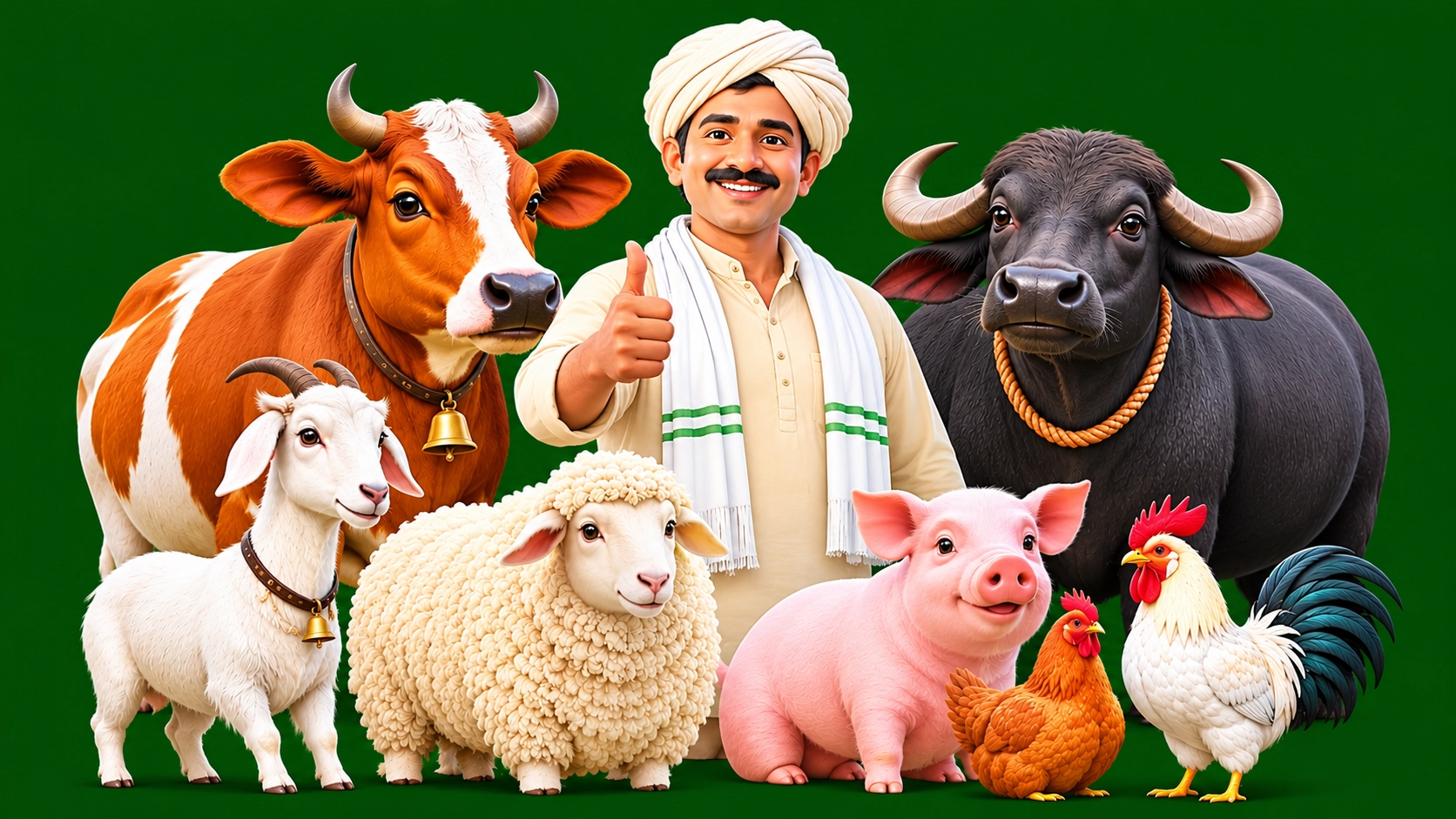 हाल में प्रधानमंत्री नरेन्द्र मोदी ने पशुधन के स्वास्थ्य और पशुपालकों की आर्थिक समृद्धि के संबंध में कहा कि पशु स्वस्थ होगा, तो पशुपालकों की कमाई भी बढ़ेगी। यह विचार भारतीय कृषि और पशुपालन के उस व्यापक सोच को अभिव्यक्त करता है, जिसमें किसानों की आय, पशुधन का स्वास्थ्य और ग्रामीण अर्थव्यवस्था एक-दूसरे से गहराई से जुड़े हैं। पशु-पक्षियों को संक्रामक रोगों से सुरक्षित रखना केवल पशु चिकित्सा का विषय नहीं, बल्कि किसानों की आजीविका, पोषण सुरक्षा और राष्ट्रीय अर्थव्यवस्था की रक्षा का महत्वपूर्ण दायित्व है। कृषि अर्थव्यवस्था में पशुपालन, डेरी और कुक्कुट पालन की महती भूमिका है। करोड़ों ग्रामीण परिवारों, विशेषकर महिलाओं और छोटे एवं सीमांत किसानों के लिए ये गतिविधियां आय, रोजगार और आर्थिक सुरक्षा का आधार हैं। संकट के समय पशुधन आर्थिक संबल भी बनता है। ऐसे में पशुओं के रोगों की रोकथाम और उनके लिए प्रभावी टीकों की उपलब्धता देश की कृषि विकास रणनीति का अभिन्न हिस्सा है।
पिछले एक दशक में भारत ने पशु एवं कुक्कुट रोगों के विरुद्ध स्वदेशी वैक्सीन विकास में महत्वपूर्ण प्रगति की है। भारतीय कृषि अनुसंधान परिषद (आईसीएआर) के संस्थानों और देश के विज्ञानियों ने स्थानीय परिस्थितियों, भारतीय वायरस स्ट्रेन और रोगों की प्रकृति को ध्यान में रखते हुए अनेक वैज्ञानिक समाधान विकसित किए हैं। इससे आयात पर निर्भरता घटाने, टीकों की उपलब्धता बढ़ाने और देश की जैव-सुरक्षा मजबूत करने की संभावनाएं बढ़ी हैं। यह आत्मनिर्भर भारत के संकल्प का महत्वपूर्ण वैज्ञानिक आयाम है। इस दिशा में 2019 में विकसित सब-वायरल पार्टिकल आधारित इन्फेक्शियस बर्सल डिजीज (गंबोरो) वैक्सीन कुक्कुट स्वास्थ्य के क्षेत्र में आधुनिक जैव-प्रौद्योगिकी की उल्लेखनीय उपलब्धि रही। 2020 में विकसित ब्रुसेला एबार्टस एस19 डेल्टा-पर (दीवा) वैक्सीन ने ब्रुसेलोसिस नियंत्रण के लिए नई संभावनाएं प्रस्तुत कीं। इसी प्रकार क्लासिकल स्वाइन फीवर का स्वदेशी सेल कल्चर वैक्सीन सुअर पालकों के लिए महत्वपूर्ण विकल्प बना।
भारतीय वैज्ञानिक अब पशु रोगों के लिए देश की आवश्यकताओं के अनुरूप आधुनिक समाधान विकसित करने में सक्षम हैं। 2022 में लंपी स्किन डिजीज के विरुद्ध स्वदेशी टीका लंपी-प्रोवैकइंड (लंपी-प्रोवेसाइंड) का विकास एक ऐतिहासिक उपलब्धि रहा। आईसीएआर-राष्ट्रीय अश्व अनुसंधान केंद्र, हिसार और आईसीएआर-भारतीय पशु चिकित्सा अनुसंधान संस्थान, इज्जतनगर के विज्ञानियों ने मिलकर यह टीका विकसित किया। लंपी रोग के प्रकोप ने देश के पशुपालकों को भारी आर्थिक नुकसान पहुंचाया था। स्वदेशी टीके के विकास और इसकी तकनीक के व्यावसायिक हस्तांतरण ने देश में बड़े पैमाने पर टीका उत्पादन का मार्ग प्रशस्त किया। यह भारतीय अनुसंधान संस्थानों और उद्योग जगत के बीच सफल तकनीकी सहयोग का भी उदाहरण है। अफ्रीकन स्वाइन फीवर के विरुद्ध आईसीएआर-राष्ट्रीय उच्च सुरक्षा पशु रोग संस्थान, भोपाल द्वारा विकसित स्वदेशी टीका भी बड़ी उपलब्धि है। इस रोग ने विशेषकर पूर्वोत्तर भारत के सुअर पालकों को गंभीर आर्थिक क्षति पहुंचाई थी। अगस्त 2026 में इस टीके को राष्ट्र को समर्पित किया जाना पशु स्वास्थ्य अनुसंधान में भारत की बढ़ती आत्मनिर्भरता का उल्लेखनीय पड़ाव है। इस टीके के उत्पादन के लिए महंगी और पेटेंट आधारित विदेशी सेल लाइन पर निर्भरता की आवश्यकता नहीं है। इससे भविष्य में किफायती और व्यापक उत्पादन की संभावनाएं मजबूत होंगी। इसी क्रम में मुर्गियों में अत्यधिक रोगजनक एवियन इन्फ्लुएंजा के विरुद्ध स्वदेशी टीके का विकास देश की वैज्ञानिक क्षमता का एक और महत्वपूर्ण उदाहरण है। 2006 में भारत में पहली बार इस रोग की पहचान के बाद से इसके विभिन्न उप-प्रकारों के अनेक प्रकोप सामने आए। संक्रमित पक्षियों को बड़े पैमाने पर खत्म करने के साथ व्यापार प्रतिबंध और उत्पादन में गिरावट पोल्ट्री किसानों को भारी आर्थिक नुकसान पहुंचाते हैं।
एवियन इन्फ्लुएंजा के कुछ स्ट्रेन में मनुष्यों और अन्य स्तनधारियों को संक्रमित करने की क्षमता भी है। इसलिए इसका नियंत्रण पशु स्वास्थ्य के साथ सार्वजनिक स्वास्थ्य की दृष्टि से भी महत्वपूर्ण है। इस चुनौती को ध्यान में रखते हुए भोपाल स्थित आईसीएआर- राष्ट्रीय उच्च सुरक्षा पशु रोग संस्थान ने मुर्गियों के लिए निष्क्रिय एच5एन1 वैक्सीन विकसित किया। परीक्षणों में टीकाकरण के बाद छह महीने तक सुरक्षात्मक प्रतिरक्षा और चुनौती परीक्षणों में संपर्क में रखे गए पक्षियों में वायरस संचरण नहीं होने के उत्साहजनक परिणाम प्राप्त हुए हैं। इन उपलब्धियों का वास्तविक महत्व तभी है, जब वैज्ञानिक अनुसंधान प्रयोगशालाओं से निकलकर किसानों तक पहुंचें। केंद्र सरकार राष्ट्रीय पशुधन स्वास्थ्य एवं रोग नियंत्रण कार्यक्रम तथा राष्ट्रीय पशु रोग नियंत्रण कार्यक्रम के माध्यम से टीकाकरण, रोग निगरानी और नियंत्रण व्यवस्था को निरंतर सुदृढ़ कर रही है। साथ ही, विश्वविद्यालयों, अनुसंधान संस्थानों, निजी उद्योग और राज्य सरकारों के बीच समन्वय को और मजबूत किया जा रहा है।
बदलते जलवायु परिदृश्य और उभरते संक्रामक रोगों को देखते हुए वन हेल्थ भी अत्यंत महत्वपूर्ण है। मानव, पशु और पर्यावरण का स्वास्थ्य परस्पर जुड़ा हुआ है। इसलिए रोगों की शीघ्र पहचान, वैज्ञानिक निगरानी, अनुसंधान और प्रभावी टीकाकरण को एकीकृत रूप से आगे बढ़ाना होगा। भारत का लक्ष्य केवल अपनी पशुधन और कुक्कुट संपदा को सुरक्षित करना नहीं, बल्कि विश्व को किफायती, प्रभावी और गुणवत्तापूर्ण पशु टीके उपलब्ध कराने वाला प्रमुख देश बनना भी है। आत्मनिर्भर भारत का वास्तविक अर्थ यही है कि देश अपनी चुनौतियों का समाधान अपनी वैज्ञानिक क्षमता, अनुसंधान और नवाचार से स्वयं विकसित करे। स्वस्थ पशुधन, सुरक्षित पोल्ट्री क्षेत्र और समृद्ध किसान विकसित भारत की हमारी यात्रा के महत्वपूर्ण आधार हैं।
 Date: 20-11-26
बढ़ता असंतुलन
संपादकीय
चीन के साथ भारत का द्विपक्षीय व्यापार घाटा निरंतर बढ़ रहा है। यह वृद्धि भारत के लिए मुश्किल पैदा करेगी। ताजा आंकड़ों के मुताबिक वित्त वर्ष 2026-27 के पहले सात महीनों में यह घाटा बढ़कर रिकॉर्ड 83 अरब डॉलर हो गया जो पिछले वर्ष की समान अवधि से 30 फीसदी अधिक है। वास्तविक चिंता यह है कि पूरे वर्ष के दौरान यह 150 अरब डॉलर तक पहुंच सकता है। गत वित्त वर्ष में यह 112 अरब डॉलर तक गया था। यह बात ध्यान देने लायक है कि चीनी आयात के झटकों से बचाने वाले संरक्षणवादी उपाय अब अतीत की बात हैं। सरकार यह सीख चुकी है कि भारत की औद्योगिक आकांक्षाओं के चलते चीन से कुछ विशिष्ट आयातों को लेकर खुलापन दिखाना होगा। भारत का इलेक्ट्रॉनिक उत्पादन और निर्यात खासतौर पर चीनी फोन का निर्यात पिछले वर्ष काफी बढ़ा है। वृद्धि का बड़ा हिस्सा उस आपूर्ति श्रृंखला पर निर्भर है जो चीन में बने कच्चे माल पर आधारित हैं। यह ध्यान रखना जरूरी है कि किसी देश के साथ बढ़ता व्यापार घाटा, विशेषकर तब जब चीन की तरह उस देश का विनिर्माण क्षेत्र में दबदबा हो अनिवार्य रूप से नुकसानदेह नहीं होता, जबकि वह भारत के विनिर्माण और अन्य मूल्य श्रृंखलाओं में जगह बनाने के प्रयासों में मददगार हो।
यदि देश में घरेलू मूल्य संवर्धन बढ़ रहा है और पर्याप्त संख्या में आपूर्तिकर्ताओं का इकोसिस्टम बन रहा है तो व्यापार घाटे का कम से कम कुछ हिस्सा उचित ठहराया जा सकता है। वित्त मंत्री ने विश्व बैंक और अंतरराष्ट्रीय मुद्रा कोष की सालाना बैठकों के दौरान बैंकॉक में कहा था कि असंतुलन की बुनियादी वजह यह है कि भारतीय उत्पादों के लिए चीनी बाजार में प्रवेश करना अब भी मुश्किल है। उन्होंने दवाइयों सहित कुछ अन्य क्षेत्रों का उल्लेख किया था जहां चीन को भारत का निर्यात अपेक्षा के अनुरूप नहीं है। यह केवल भारत की बात नहीं बल्कि एक वैश्विक असंतुलन है जिसकी वजह चीन की राज्य-नियंत्रित अर्थव्यवस्था का लगातार निवेश और उत्पादन तथा इसके परिणामस्वरूप निर्यात को घरेलू खपत से अधिक प्राथमिकता देना है। इसीलिए 2026 के पहले 10 महीनों में चीन का वस्तु व्यापार अधिशेष एक लाख करोड़ डॉलर से अधिक हो गया। इसमें उच्च प्रौद्योगिकी वाले सामान के बढ़ते निर्यात की भी भूमिका रही है जिनकी जरूरत तकनीकी क्षेत्र और आर्टिफिशल इंटेलिजेंस के विस्तार के लिए है।
यदि चीनी कंपनियां जरूरत से ज्यादा निवेश करके अतिरिक्त उत्पादन क्षमता तैयार कर रही हैं और इसके परिणामस्वरूप कम कीमतों पर निर्यात कर रही हैं तो इसकी वजह उनकी अर्थव्यवस्था की संरचना में निहित प्रोत्साहन हैं। इनमें सरकारी सहायता, निर्देशित ऋण, स्थानीय उत्पादों को प्राथमिकता देने वाली नीतियां और कई तरह की सब्सिडी शामिल हैं। चीन के घरेलू परिवारों की कमजोर क्रय शक्ति इस स्थिति को और गंभीर बनाती है। इसके पीछे वित्तीय दमन, सरकार द्वारा नियंत्रित वेतन व्यवस्था और संपत्ति के निवेश के साधन के रूप में कमजोर पड़ते रियल एस्टेट बाजार पर अत्यधिक निर्भरता जैसे कारण हैं।
भारत को चीनी बाजार तक अपनी पहुंच आसान बनाने के लिए प्रयास जारी रखने होंगे लेकिन साथ ही किसी तरह चीन की अर्थव्यवस्था में आंतरिक बदलाव की प्रक्रिया को तेज करना चाहिए। इसके लिए बहुपक्षीय प्रयासों की जरूरत पड़ सकती है। इस समस्या का सीधे समाधान करने के लिए कोई बहुपक्षीय प्रयास नहीं किया जा रहा है। इसके लिए नेतृत्व की आवश्यकता है और इस भूमिका का स्वाभाविक दावेदार अमेरिका फिलहाल निष्क्रिय नजर आ रहा है। अमेरिकी राष्ट्रपति डॉनल्ड ट्रंप जो इस समय चीन की यात्रा पर हैं, वह भी असंतुलन को लेकर काफी चिंतित हैं। लेकिन इससे निपटने के तरीके को लेकर उनका नजरिया अलग है। वे अलग-अलग क्षेत्रों के लिए अलग-अलग समझौतों के पक्षधर हैं लेकिन अब तक उन्हें ऐसे किसी समझौते को अंतिम रूप देने में खास सफलता नहीं मिली है, जो टिकाऊ साबित हो सके। भारत को इस पर नजर रखनी चाहिए कि क्या इस दिशा में वास्तविक बहुपक्षीय पहल के लिए कोई अवसर बनता है। साथ ही उसे यह भी सुनिश्चित करना होगा कि चीन के साथ उसकी अपनी अपरिहार्य आर्थिक एकीकरण की प्रक्रिया वैश्विक आपूर्ति श्रृंखलाओं में उसकी स्थिति को कमजोर करने के बजाय मजबूत करे।

मिलने को मजबूर हुए तीन कद्दावर
एम जे अकबर, ( वरिष्ठ पत्रकार व पूर्व केंद्रीय मंत्री )
चीन के लोगों में एक कहावत बहुत प्रचलित है- गरजना खूब, पर बरसना नहीं। शिखर सम्मेलन का नतीजा बेशक फीका हो, लेकिन बयानबाजी और शोर-शराबे में कभी कमी नहीं की जाती। अक्सर शब्दों की बाजीगरी से यह तथ्य छिप जाता है कि कूटनीति एक लंबी और जटिल प्रक्रिया है। इसमें बड़े दावों से अधिक अहमियत धीरे-धीरे होने वाली प्रगति की होती है। जब दो देशों के नेता आपस में मिलते हैं, तो उनके बीच सौहार्द और गर्मजोशी की ही तस्वीरें आती हैं, पर शिखर वार्ता की सफलता का असली पैमाना यह है कि उसमें बुनियादी और अहम मुद्दों पर कितनी ठोस प्रगति हुई?
शेनझेन में खास यह रहा कि यहां तीन दिग्गज नेता एक साथ जुटे। इनमें से दो राष्ट्रपति (डोनाल्ड ट्रंप और व्लादिमीर पुतिन) युद्धों के कारण लगातार सुर्खियों में रहे हैं, जबकि तीसरे शासनाध्यक्ष (शी जिनपिंग) का जोर अगले दो वर्षों के भीतर ताइवान को चीन में मिलाने पर है। तीनों नेताओं की अपनी-अपनी महत्वाकांक्षाएं हैं, जो सैन्य जरूरतों से गुंथी हुई हैं।
ट्रंप किसी कीमत पर इतिहास में एक पराजित नेता के रूप में दर्ज नहीं होना चाहते। उनकी कोशिश है कि रूस और चीन मिलकर ईरान पर दबाव डालें, ताकि वह उनकी शर्तें मानने को तैयार हो जाए और अमेरिकी राष्ट्रपति उसे अपनी जीत के रूप में पेश कर सकें।
पुतिन की मंशा है कि यूक्रेन में रूस ने जिन इलाकों पर कब्जा कर लिया है, उसे अमेरिकी मान्यता मिल जाए। रूस सिर्फ कीव से नहीं लड़ रहा, बल्कि उसका टकराव समूचे यूरोप से है। अब फ्रांस, ब्रिटेन और नीदरलैंड पूरे दमखम से यूक्रेन का साथ दे रहे हैं, जबकि जर्मनी से उसे आर्थिक मदद मिल रही है।
रही बात शी जिनपिंग की, तो उनके पास समय की बड़ी चुनौती है। उन्होंने अपनी पार्टी और देश के लोगों से वायदा किया है कि 2028 तक वह ताइवान को चीन में शामिल कर लेंगे, लेकिन इससे पहले उन्हें 2027 के पार्टी सम्मेलन में फिर से अपनी जीत सुनिश्चित करनी होगी। बेशक, चीनी कम्युनिस्ट पार्टी में नेतृत्व के प्रति असहमति जताने की परंपरा नहीं है, लेकिन जिनपिंग को चौथी बार कार्यकाल हासिल करने के लिए कोई असाधारण उपलब्धि बतानी होगी, जो सिर्फ ताइवान हो सकती है।
ट्रंप पहले ही संकेत दे चुके हैं कि ईरान को लेकर उनकी मंशा पूरी नहीं होने वाली है। पत्रकारों से रूबरू होते हुए उन्होंने कहा कि ईरान को लेकर उन्हें रूस और चीन की जरूरत नहीं है। हालांकि, सच्चाई यह है कि उन्होंने ऐसा इसलिए कहा, क्योंकि वे इन दोनों देशों का साथ हासिल करने में विफल रहे हैं।
ट्रंप ने एपेक शिखर सम्मेलन में उस महत्वपूर्ण मेहमान का कोई जिक्र नहीं किया, जिसकी गैर-मौजूदगी भी काफी सुर्खियों में रही। वह मेहमान उत्तर कोरिया के नेता किम जोंग उन थे। उनकी संभावित मौजूदगी के लिए परमाणु निरस्त्रीकरण को बहाना बनाया गया था, क्योंकि इस शिखर सम्मेलन का मकसद एक अन्य दौर की ‘साल्ट वार्ताएं’ (सामरिक शस्त्र सीमा वार्ता) करना नहीं था, जिनके तहत 1972 और 1979 में परमाणु समझौते हुए थे। उत्तर कोरिया का मुद्दा चीन के एजेंडे में था। शी जिनपिंग चाहते हैं कि उत्तर कोरिया को एक परमाणु शक्ति संपन्न देश के रूप में अमेरिका मान्यता दे। इससे अमेरिका के खिलाफ उनका दूसरा मोर्चा खत्म हो जाएगा और वह ताइवान के खिलाफ अपनी पूरी ताकत व संसाधन झोंक सकेंगे।
पूर्वी एशिया और प्रशांत क्षेत्र के रणनीतिक समीकरणों को आखिरी बार बदलने वाले अमेरिकी राष्ट्रपति रिचर्ड निक्सन ने साम्यवादी चीन को मान्यता देकर सोवियत संघ के खिलाफ पश्चिमी मोर्चे पर अपना ध्यान लगाया था। ट्रंप भी 21वीं सदी के निक्सन बन सकते थे, लेकिन अब वह अमेरिकी जनता को परमाणु शक्ति संपन्न उत्तर कोरिया के लिए शायद ही राजी कर सकेंगे, खासकर तब, जब तेहरान की परमाणु क्षमता को ही वह ईरान-युद्ध का कारण बताते रहे हैं।
शी जिनपिंग का ध्यान ताइवान पर होने से मुमकिन है कि जब तक यह मसला नहीं सुलझ जाता, तब तक बीजिंग हिमालयी क्षेत्र में यथास्थिति को बिगाड़ने से बचेगा। इसका मतलब है कि भारत को संभवत: अगले पांच वर्षों तक कुछ राहत मिल सकती है। इस अवधि का इस्तेमाल उसे भविष्य के हाईटेक युद्धों की तैयारी में बड़ी छलांग लगाने के लिए करना चाहिए।
उधर, राष्ट्रपति ट्रंप समझते हैं कि अमेरिकी सैन्य ताकत की भी अपनी सीमाएं हैं, लेकिन मुमकिन है कि इस सच को स्वीकार करने के लिए उन्हें सैन्य शक्ति का आखिरी दांव आजमाना पड़े। उनके सहयोगी इजरायली प्रधानमंत्री बेंजामिन नेतन्याहू को भी किसी बड़ी रणनीति की जरूरत है, क्योंकि सत्ता पर लगातार कमजोर पड़ती पकड़ को मजबूत बनाने का एकमात्र रास्ता नए सिरे से युद्ध छेड़ना है।
पश्चिम एशिया में अमेरिकी ताकत की जो तस्वीर कभी काफी प्रभावशाली नजर आती थी, वह अब ईरान द्वारा कई मोर्चों पर किए गए जवाबी हमलों से धुंधली पड़ गई है। इन सबसे इजरायल की विश्वसनीयता पर भी गंभीर सवाल खड़े हो रहे हैं। ट्रंप ने मध्यावधि चुनावों में रिपब्लिकन पार्टी की हार की एक बड़ी वजह अमेरिकी मतदाताओं के बीच इजरायल की घटती लोकप्रियता को बताया है। हाउस में डेमोक्रेटिक पार्टी के नए स्पीकर हकीम जेफ्रीज भी चाहते हैं कि अमेरिका अपनी इजरायल नीति की नए सिरे से समीक्षा करे। ट्रंप ने इजरायल को मिलने वाली सालाना चार अरब डॉलर की सहायता भी रोक दी है। अमेरिकी जखीरे पर भी सवाल उठने लगे हैं, क्योंकि केशम द्वीप पर हालिया बमबारी के दौरान अमेरिकी नौसेना कथित तौर पर ऐसे मिसाइलों का इस्तेमाल कर रही थी, जो बेकाम थीं।
इस तरह देखें, तो त्रिपक्षीय वार्ता की मेज पर बैठने वाले तीनों देशों में चीन ही एकमात्र ऐसा देश है, जिसके पास अभी मजबूत और जरूरत पड़ने पर तुरंत इस्तेमाल की जा सकने वाली सैन्य ताकत है। इसकी वजह यह है कि उसने अब तक अपनी इस ताकत का उपयोग नहीं किया है। हालांकि, सैन्य शक्ति केवल संचित करने के लिए नहीं होती। अगर शी जिनपिंग 21वीं सदी का माओत्से तुंग बनना चाहते हैं, तो उनको निकट भविष्य में ताइवान (जिसका अस्तित्व अब तक अमेरिकी सैन्य समर्थन के कारण बना हुआ है) की चुनौती का सामना करने के लिए जरूरी जोखिम उठाने ही होंगे। अगर ऐसा न हो सका, तो वह भी अपने हालिया पूर्ववर्तियों की तरह भुला दिए जाएंगे।