
21-09-2026 (Important News Clippings)
To Download Click Here.
 Date: 21-09-26
Carbon Question
Who should cut emissions first? The developed world, which has the biggest hand in climate change
TOI Editorials
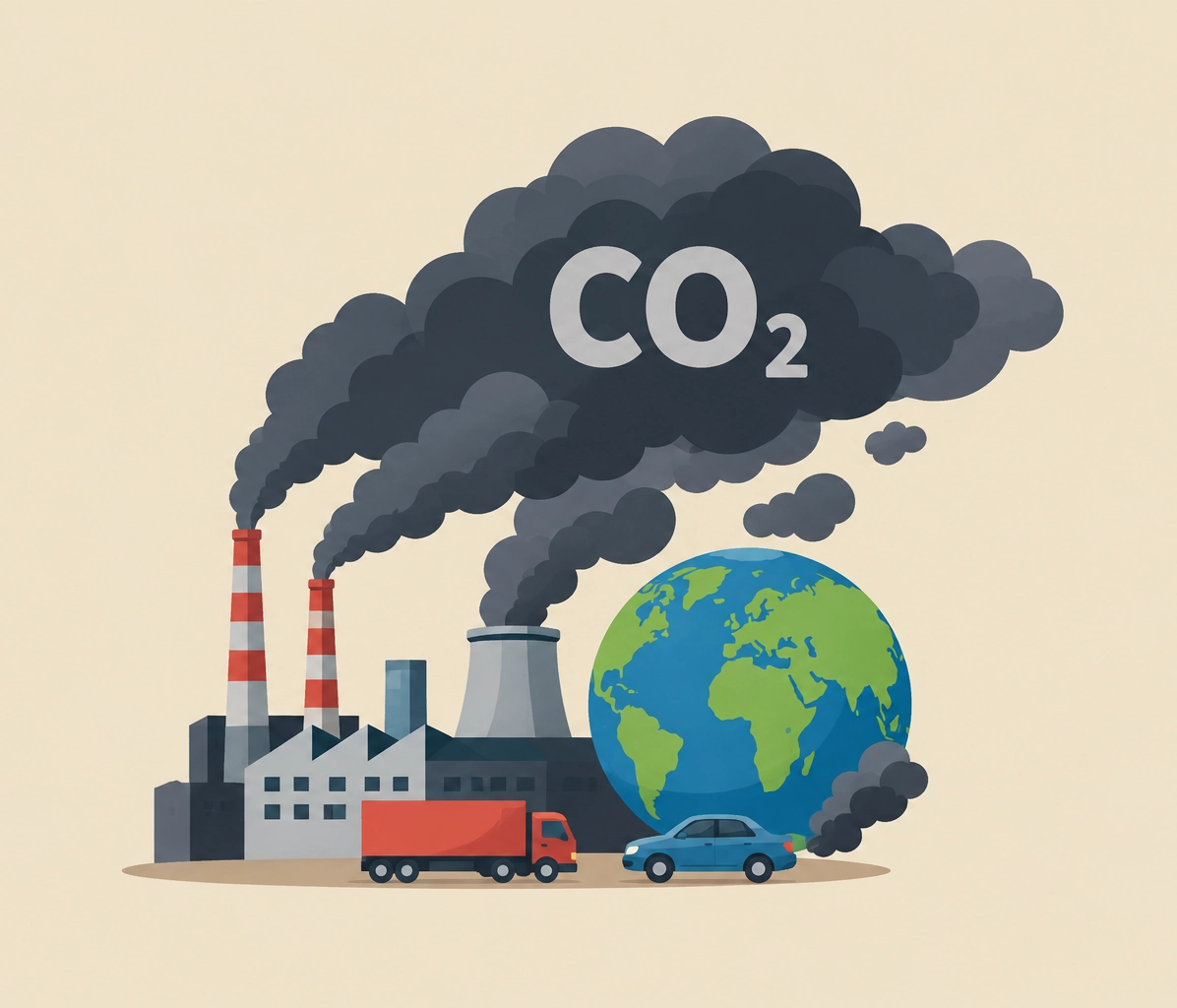 Fossil fuel use took off with the Industrial Age, and all those carbon emissions gradually made Earth warmer. So much so that, in 2015, at COP21, countries agreed to try and limit warming to 1.5°C over pre-industrial levels. But we’re struggling. The 12 months from Feb 2023 to Jan 2024 were 1.52°C warmer. And this month, UN has warned that we’ll probably overshoot the target long-term by 2030. Something needs to be done urgently, and some rich nations think India should make the start because it is the third-largest carbon emitter now. Which is true, but the argument itself is absurd.
Yes, India is only the third-largest emitter, despite being the most populous country. More importantly, although it is home to 18% of world population, India is responsible for only 3.5% of global carbon emissions over the past 270-odd years. That’s the point PM Modi made at an NGT conference in Delhi on Saturday. So, for the rich world to expect developing countries to slam the brakes on industrialisation, power generation, etc is patently unfair. Consider this: tiny UK, where the Industrial Age started, is responsible for 4.3% of all-time emissions, and US alone has emitted almost one-fourth of all carbon.
As Modi said, a fair comparison is only possible with per capita emissions. How much carbon does the average Indian emit in a year, vis-à-vis an average American? It’s 2.2 tonnes vs 14.2 tonnes. Forget the West, India’s per capita emissions aren’t even close to the global average of 4.7 tonnes. Since emissions are a proxy for prosperity – the kind of house you live in, appliances you use, vehicle you drive – aren’t Indians entitled to the same high standards of living?
Yet, India has honoured its COP21 commitments better than rich nations. It promised that 40% of its installed power capacity by 2030 wouldn’t use fossil fuels, and met the target 9 years early. And India does not aspire to the wasteful living standards of the West. All it wants is to achieve a good quality of life for all its citizens, while moving towards net-zero by 2070. It’s already working to reduce the emissions intensity of GDP, and planting forests to act as a massive carbon sink. So, instead of preaching to India, developed nations should acknowledge their historical responsibility for climate change, and start reducing their emissions fast.

Serious escalation
The new U.S. law on Russian oil imports carries more legal weight
Editorials
The U.S. Russia Sanctions Act, now signed into law by President Donald Trump, and its resultant impending tariffs, present a new and substantially different escalation of tensions between the U.S. and India. The law provides the U.S. President the authority to levy tariffs of up to 100% on countries such as India that import large quantities of Russian oil and gas. This is more serious than the penal tariffs that Mr. Trump had levied earlier. The escalation last year of reciprocal tariffs to 50% on India’s import of Russian oil was based on an Executive Order, and could be rescinded through the same method. This latest Act has been passed by the U.S. Congress and so carries a higher order of legal permanence and authority. Mr. Trump will have to justify in writing to Congress any waiver he wants to provide. The 50% tariffs hit Indian exports to the U.S. hard, but the impact was somewhat mitigated by exporters sharing the cost with their American customers. That was, however, a financially devastating and unsustainable bid to retain customers. Sharing a 100% tariff will be impossible for India’s largely micro, small and medium enterprises (MSME) exporters. The 100% tariffs are also over and above the 10% ‘forced labour’ tariffs and the 50% Section 232 tariffs on steel and aluminium. Indian exports to the U.S. will simply become too uncompetitive should these new tariffs come to pass. India has three options before it: cut Russian oil imports, retain those imports and bear the tariffs, or convince the U.S. to implement a low tariff using the “up to 100%” phrasing of the law.
Continuing with Russian oil imports and bearing the tariffs would be a significant blow to India’s export ambitions and MSMEs. The U.S. is India’s largest export destination, accounting for about 20% of its total goods exports. In any case, historical data have shown that India has usually complied with U.S. pressure to cut oil imports from particular countries, including from Russia, vocal claims of strategic autonomy aside. Finding other sources will be difficult. Russia accounted for more than 51% of India’s oil imports as of July 2026, while supplies through the Strait of Hormuz remain constrained. India will have to chivvy countries such as Oman to hasten their expansion of alternative ports. The price of oil remains well above $100 a barrel, meaning finding favourable deals with new suppliers will be increasingly difficult. Union Commerce Minister Piyush Goyal will have much to do during his planned trip to the U.S. at the end of this month for the G-20 Trade Ministerial. There are still 30 days before the U.S. can levy its tariffs. India’s ability to secure a low rate will be a true test of Prime Minister Narendra Modi’s friendship with Mr. Trump.
Date: 21-09-26
India’s NGOs at a new funding crossroads
India’s non-governmental organisations must navigate shifting foreign and domestic funding sources
Pushpa Sundar, [ The author of several books on philanthropy, with the latest title being *Giving with A Thousand Hands: The Changing Face of Indian Philanthropy ]
When the first Foreign Contribution Regulation Act (FCRA) was passed in 1976, a government of a different political hue was in power from the one that has now proposed the more fierce FCRA Amendment Bill, 2026. But the underlying political apprehensions were similar — the fear that foreign powers could destabilise the country by funding civil society organisations (non-governmental organisations or NGOs). In the present case, there is also an unstated fear of religious conversions by Christians and other religious minorities. The Bill is yet to be enacted because of strong reactions by the Opposition parties and several civil society groups, particularly Christian organisations.
The government claims that the flow of foreign funds into India’s NGO sector operates as a vast, intricate and opaque web. Under the banners of development, human rights and social welfare, thousands of crores of unmonitored capital pour into the country every year. Much of this money deliberately bypasses state accounting mechanisms and finds its way into politically charged campaigns, highly selective local advocacy, and aggressive proselytisation and religious conversion networks.
Proposed legislation, the concerns
Under the proposed legislation, if an FCRA certificate is cancelled, surrendered or automatically lapses, foreign contributions and all assets created from them would vest in a government-appointed “designated authority”. The organisation can recover the assets if registration is restored within the prescribed period. Permanent vesting will occur only if registration is not restored within that period. The Bill also provides for revision and an appeal to the District Judge.
If a fresh certificate is not obtained within the prescribed period, the assets could be sold or transferred to a government department, with the proceeds going to the Consolidated Fund of India. However, during the provisional-vesting period, restoration of registration results in return of assets and unused foreign contribution.
NGOs, especially Christian organisations, which the government says receive a larger proportion of the funds among religions associations, are worried that the legislation may not be religion-neutral and that, ultimately, the real sufferers would be the beneficiaries served by such charitable organisations, which have established and operate numerous schools, hospitals, old-age care homes and similar institutions. As some leaders from the northeast and tribal areas have pointed out, such institutions are sometimes the largest or only providers of these services in many areas.
Already, the FCRA registrations of 22,496 NGOs have been cancelled since 2015, leaving about 14,466 active registered associations eligible to receive foreign contributions (Ministry of Home Affairs data, September 2026). In fact, the amounts received are larger than those in 2006-07 (₹12,289.6 crore from private international donors), the last year for which data were available when this writer wrote the book, Foreign Aid for Indian NGOs: Problem or Solution? (2010).
So why the protests? The fact is that different sources of funding have a differential impact on organisations and their effectiveness because, as the saying goes, “He who pays the piper calls the tune”.
Though in total, the volume of foreign aid to NGOS is small compared with government budgets, and only a small proportion of NGOs receive such aid, it is highly valued because it is not only an alternative source of funding but also more flexible than government funding, with fewer restrictions on how it can be used. It is generally tailored to an NGO’s needs through discussions between the NGO and the donor.
The book, Foreign Aid for Indian NGOs, which is based desk research and interviews with several NGOs, large and small, suggests that while a few organisations felt that foreign aid had adverse consequences, such as encouraging the adoption of ideas and practices from abroad that were unsuited to Indian conditions, most felt that foreign funds had contributed to India’s development and, in particular, to the growth of the voluntary sector. They had brought in new ideas, techniques, technologies and organisational improvements. In the absence of adequate government funding and private philanthropy, foreign aid had played a positive role.
Need for funding diversity
Today, however, given political events in neighbouring countries and elsewhere in the world, and without being privy to the secret sources of information that the government has about the destabilisation role played by foreign money, it is difficult to pass a definitive judgment on the need for and value of foreign aid today.
There can be no doubt that a vibrant and independent civil society is necessary for a healthy democracy and for preventing the abuse of unrestrained political power by any one section of society. Plural sources of funding are also necessary to ensure that civil society is not dependent on any one source.
But equally, one can question whether foreign funds are the only answer to the needs of civil society today. First, the voluntary sector is more developed now. Second, the situation regarding foreign aid itself has changed. Bona fide foreign donors are themselves moving away from giving to India because of their own economic difficulties and the perception that India, which is aiming to become the world’s third-largest economy, no longer needs aid from them.
Third, the domestic non-government funding environment has also improved. According to the Forbes 2026 list, there are 3,332 billionaires in the world, of whom 229 are in India, giving it the third-largest number after the United States and China. The amount they donate to philanthropy has also increased. According to the India Philanthropy Report by Bain & Company, private philanthropy was projected to reach 1.43 lakh crore ($16 billion) in FY 2025. In addition, there is retail giving of about 237,000 crore annually.
The downside is that, according to the same report, demand is growing faster than supply, with projections indicating that the gap could reach ₹18 lakh crore ($210 billion) by 2030.
Moreover, new philanthropists, especially entrepreneurs and technology leaders, are shifting away from traditional areas towards ecosystem building, scientific research, higher education and complex institutional support.
This is undoubtedly good news for social and economic change, but bad news for NGOs delivering traditional education, health and social welfare services.
A glimmer of hope for such NGOs is that, following the Companies Act, 2013, which made corporate social responsibility (CSR) spending compulsory for companies above a certain size, CSR spending by such listed companies was *22,563 crore in FY25, up 17.5% (latest CRISIL report).
Since many companies do not have the internal competency to undertake social development, they rely on NGOs as partners. Although many companies are moving into environmental and other emerging areas, many still find the traditional areas of health, education and rural development more meaningful.
A new opportunity
So if, in the ultimate analysis, the government does decide to limit foreign funding, the future need not be bleak if Indian domestic philanthropy steps up to fill the gap.
However, indigenous donors, and the government in particular, must become more responsive to the needs of NGOs, learn from foreign donors some of the practices that made their aid so sought after, and engage in more serious dialogue on funding practices, as distinct from development issues, to improve those practices and address the dissatisfaction on both sides. Ultimately, it is the innate generosity that is dormant in hundreds of dedicated Indians that will change the dynamics of development in India, not foreign aid, which at best can be the cherry on the cake.

कृत्रिम मेधा से सिकुड़ती इंसानी सोच
अभिषेक कुमार सिंह
 कृत्रिम मेधा (एआइ) के फायदे – नुकसान की चर्चा तो इसके आगमन के साथ ही शुरू हो गई थी, लेकिन अब बहस जिस स्तर पर जा पहुंची है, उसे देखकर लगता है कि जल्द ही इसके इस्तेमाल को लेकर कोई ठोस नीति नहीं बनाई गई, तो दुनिया मुश्किल में पड़ सकती है। मुश्किल भी ऐसी कि एआइ से मनुष्य के अस्तित्व के लिए ही खतरा पैदा हो सकता है। ऐसा ही एक आकलन हाल में प्रमुख वैश्विक एआइ कंपनी एंथ्रोपिक के वरिष्ठ सुरक्षा शोधकर्ता रहे ईवान ह्यूबिंगर ने किया है। उनका दावा है कि आगामी कुछ वर्षों में एआइ के कारण मनुष्य के अस्तित्व पर संकट की आशंका दस फीसद से अधिक है। हालांकि यह एक सैद्धांतिक आकलन है। ऐसे में इसे वैज्ञानिक रूप से प्रमाणित भविष्यवाणी नहीं माना जा सकता है, लेकिन एक संकट जो सबसे ज्यादा दिख रहा है, वह है कि एआइ इंसानों की स्वाभाविक बुद्धि और उसके विकास के रास्ते में रुकावट पैदा कर रहा है।
अमेरिका के न्यूयार्क शहर में पिछले दिनों कृत्रिम मेधा को लेकर चिंता प्रशासन के एक फैसले में भी नजर आई। वहां के मेयर जोहरान ममदानी ने 2026-27 के शैक्षणिक वर्ष के लिए प्री-स्कूल से आठवीं कक्षा तक विद्यार्थियों द्वारा ‘जेनरेटिव एआइ के इस्तेमाल पर रोक लगा दी है। इस प्रतिबंध के दायरे में शहर के करीब छह लाख विद्यार्थी आएंगे। साथ ही प्रशासन ने ‘स्क्रीन टाइम’ सीमित करने और उच्च विद्यालय के विद्यार्थियों में साल में दो बार एआइ तथा उससे जुड़ी आलोचनात्मक समझ विकसित करने की व्यवस्था की है। यह फैसला एक तकनीक – विरोधी घोषणा नहीं है, बल्कि स्थानीय प्रशासन का तर्क है कि पहले बच्चों को खुद सोचने-समझने और सीखने दीजिए, उसके बाद वे एआइ तकनीक का सावधानी से इस्तेमाल कर पाएंगे। बच्चों को सीखने तथा आगे बढ़ने के लिए अपने शिक्षकों और मानवीय जुड़ाव की जरूरत होती है। इसलिए छोटे बच्चों को एआइ से दूर ही रखा जाना चाहिए। इस फैसले का एक महत्त्वपूर्ण पहलू यह भी है कि दिव्यांग और कंप्यूटर विज्ञान सीख रहे विद्यार्थियों पर यह रोक लागू नहीं होगी। यही वह फर्क है, जिसे भारत में भी समझने की आवश्यकता है।
यहां सवाल सुविधा और सीखने के बीच फर्क का है। ‘जेनरेटिव एआइ’ उपकरणों ने तथ्यों की जानकारी हासिल करने का रास्ता आसान बना दिया है। इनकी मदद से कोई भी विद्यार्थी महज कुछ सेकंड में निबंध लिखवा सकता है, गणित के सवालों का समाधान पा सकता है, किसी पुस्तक का सारांश तैयार करवा सकता है, प्रस्तुति की सामग्री खोज सकता है और शोध पत्र की संरचना तक प्राप्त कर सकता है। मगर यहां एक बुनियादी सवाल पैदा होता है कि काम पूरा होना और सीखना क्या एक ही बात है? दुनिया की आर्थिक प्रगति और विश्व व्यापार लिए काम करने वाले आर्थिक सहयोग एवं विकास संगठन की ‘डिजिट एजुकेशन आउटलुक – 2026’ रिपोर्ट इस अंतर की ओर विशेष रूप से ध्यान दिलाती है। इसके मुताबिक, सामान्य ‘जेनरेटिव एआइ ‘ की सहायता से विद्यार्थी बेहतर उत्तर तैयार कर सकते हैं, लेकिन इसका अर्थ यह नहीं कि उनकी वास्तविक सीख भी उतनी ही बेहतर हुई है।
कुछ अध्ययनों में पाया गया कि एआइ की सहायता से बेहतर प्रदर्शन करने वाले विद्यार्थी असल परीक्षा में पिछड़ जाते हैं। एआइ की मदद लेने का अर्थ है कि जो श्रम बच्चे के मस्तिष्क को करना था, वह मशीन को सौंप दिया गया। शिक्षा और तकनीक के बीच यही असली फर्क है। एक बच्चे को कोई कठिन पाठ पढ़कर उसका अर्थ समझने में वक्त लग सकता है, लेकिन एआइ उपकरण महज कुछ सेकंड में उसका सारांश तैयार कर सकता है। इस प्रक्रिया में समय जरूर बचता है, लेकिन सवाल है कि क्या शिक्षा का उद्देश्य हमेशा समय बचाना है ? किसी कठिन समस्या पर उलझना, गलत उत्तर देना, दोबारा कोशिश करना, किताब खोजना, शिक्षक से पूछना और अंततः समाधान तक पहुंचना सीखने की प्रक्रिया का हिस्सा है। अगर एआइ हर कठिनाई शुरू होने से पहले ही उसका उत्तर प्रस्तुत कर दे, तो विद्यार्थी उत्तर तो पा सकता है, पर उस तक पहुंचने की बौद्धिक यात्रा से दूर हो जाएगा। यानी खतरा एआइ से नहीं, उसके समयपूर्व और अविवेकपूर्ण इस्तेमाल से है इसलिए बच्चों और विश्वविद्यालय के विद्यार्थियों को एक ही श्रेणी में रखना उचित नहीं होगा। छोटे बच्चे की भाषा, स्मृति, तर्क, कल्पना और सामाजिक कौशल अभी विकसित हो रहे होते हैं। उन्हें शिक्षक से प्रश्न करने की जरूरत है, सहपाठी से असहमत होना सीखना है, हाथ से लिखना है, कहानी पढ़नी है और कभी-कभी गलत उत्तर देकर शर्मिंदा भी होना है। ये सभी अनुभव शिक्षा का हिस्सा हैं।
सैद्धांतिक तौर पर कृत्रिम मेधा को निगरानी के तहत लाया जाना चाहिए, न कि निगरानी की जगह कृत्रिम मेधा को तैनात कर दिया जाए। तकनीक का उपयोग इंसानी निरीक्षकों की जगह लेने के लिए नहीं, बल्कि उनकी क्षमता बढ़ाने के लिए किया जाना चाहिए। हालांकि, दुनिया अब धीरे-धीरे इस मार्ग की तरफ बढ़ती दिखाई देती है। आस्ट्रेलिया ने स्कूलों के लिए राष्ट्रीय एआइ नियमावली तैयार की है। इसके छह प्रमुख आधार हैं, जिनमें शिक्षण एवं सीखने की प्रक्रिया, मानव एवं सामाजिकता, पारदर्शिता, निष्पक्षता, जिम्मेदारी और निजता की सुरक्षा शामिल हैं। इसी तरह ब्रिटेन का शिक्षा विभाग भी स्कूलों और कालेजों को एआइ के सुरक्षित इस्तेमाल के लिए डेटा के नियमन और बौद्धिक संपदा अधिकार जैसे मुद्दों पर प्रशिक्षण सामग्री उपलब्ध करा रहा है। यानी बहस अब केवल ‘एआइ चाहिए या नहीं’ की नहीं रह गई है। सवाल है कि किस उम्र में, किस उद्देश्य से, कितनी मात्रा में और किसकी निगरानी में एआइ का प्रशिक्षण दिया जाए ? भारत को भी इसी आधार पर राष्ट्रीय शैक्षणिक एआइ नीति की आवश्यकता है।
प्राथमिक शिक्षा के स्तर पर मानवीय संवाद, पढ़ने-लिखने, गणना और स्वतंत्र सोच विकसित करने को प्राथमिकता दी जानी चाहिए। माध्यमिक शिक्षा के स्तर पर एआइ साक्षरता शुरू हो, लेकिन तैयार उत्तर लेने के बजाय उसकी सीमाओं और जोखिमों के बारे में समझाया जाना जरूरी है। उच्च कक्षाओं में एआइ का शिक्षक- नियंत्रित उपयोग हो और विश्वविद्यालय स्तर पर इस तकनीक को लेकर नई मूल्यांकन प्रणाली विकसित करने की आवश्यकता है। सबसे महत्त्वपूर्ण बात यह है कि शिक्षक को भी इस परिवर्तन के केंद्र में रखा जाए, हाशिये पर नहीं। शिक्षा का भविष्य शायद इस बात से तय नहीं होगा कि हमारे विद्यार्थियों के पास कितना शक्तिशाली एआइ है, बल्कि इससे तय होगा कि एआइ उपलब्ध होने के बावजूद वे स्वयं कितने सक्षम हैं।
इस बात पर गौर करना जरूरी है कि कैलकुलेटर ने गणित को समाप्त नहीं किया, कंप्यूटर ने बुद्धि को समाप्त नहीं किया और इंटरनेट ने शिक्षक को अप्रासंगिक नहीं बनाया। एआइ भी शिक्षा को समाप्त नहीं करेगा, बशर्ते हम उसे शिक्षा का सहायक बनाए रखें, उसका प्रतिस्थापन नहीं तकनीक बच्चे के सामने समाधान प्रस्तुत कर सकती है, पर शिक्षा का काम उसमें प्रश्न पैदा करना है। जिस दिन शिक्षा प्रणाली यह अंतर पूरी तरह भूल जाएगी, तब सबसे बड़ी समस्या यह नहीं होगी कि एआइ कितना बुद्धिमान हो गया है, बल्कि यह होगी कि हमने मनुष्य को स्वयं बुद्धिमान बनने के लिए कितना अवसर छोड़ा है।

गांवों का दर्जा नहीं, नीतियां बदलिए
टीसीए अनंत, ( पूर्व मुख्य सांख्यिकीविद्, भारत )
भारत में किसी क्षेत्र पर शासन दो प्रकार की प्रशासनिक व्यवस्थाओं के माध्यम से किया जाता है। 73 और 74वें संविधान संशोधनों के जरिये ये दो व्यवस्थाएं बनाई गई हैं- ग्रामीण इलाकों के लिए पंचायतें और शहरी क्षेत्रों के लिए शहरी स्थानीय निकाय। इसके अलावा कोई अन्य श्रेणी नहीं है। जब तक सरकार किसी अधिसूचना में कुछ और न कहे, तब तक किसी भी जगह को ‘ग्रामीण’ ही माना जाता है।
हालांकि, जनगणना वह व्यवस्था बदल देती है और इसमें उस नाम का इस्तेमाल होता है, जिसका जिक्र संविधान में भी नहीं है- ‘जनगणना- शहर’ । प्रशासनिक रूप से जो इलाके शहर हैं, उनके अलावा इसमें सांख्यिकीय पैमाने पर ‘शहरों’ की पहचान की जाती है। ये वे क्षेत्र होते हैं, जहां कम से कम 5,000 लोग रहते हैं, जनसंख्या घनत्व कम से कम 400 व्यक्ति प्रति वर्गकिलोमीटर होता है और कामकाजी पुरुष आबादी का कम से कम 75 फीसदी हिस्सा खेती छोड़कर दूसरे कामों में लगा होता है। इन इलाकों के अलावा बाकी सब क्षेत्र ग्रामीण माने जाते हैं। इस तरह, राज्य सरकार द्वारा शहरी घोषित किए जाने से काफी पहले जनगणना शहरी इलाकों की पहचान कर लेती है।
वी टंडेल, के हीरानंदानी और एम कपूर के शोध-पत्र में इसी अंतर की चर्चा की गई है, जिसका शीर्षक है ‘परिभाषा भला क्यों अहम है ? भारत में रोजगार गारंटी कार्यक्रम के जरिये शहरी परिभाषाओं के असर और उपयुक्तता पर एक अध्ययन।’ अपने इस पत्र में लेखक बताते हैं कि एक ‘जनगणना शहर’ अपने निवासियों के लिए हर जरूरी मामले में ग्रामीण क्षेत्र ही बना रहता है। उन पर पंचायतों का अधिकार होता है, ग्रामीण जीवन के हिसाब से उन पर टैक्स लगता है और वे ग्रामीण योजनाओं का लाभ उठाने के योग्य होते हैं।
इनका दर्जा बदलने का फैसला राज्य सरकार लेती है, और लेखक बताते हैं कि अक्सर ऐसा नहीं किया जाता, क्योंकि वहां के रहवासियों को ज्यादा टैक्स चुकाने या मिलने वाले फायदों को खोने का डर होता है, पंचायतें अपना अधिकार गंवाने का विरोध करती हैं, बिल्डर जमीन के इस्तेमाल के ढीले नियमों को पसंद करते हैं और राज्य के पास ऐसा न करने के अपने राजनीतिक कारण होते हैं। लेखक ने यही पता लगाने का प्रयास किया है कि क्या इसके पीछे कोई आर्थिक मकसद भी है, मगर उन्हें अपने अध्ययन में ऐसा नहीं दिखा। उनके मुताबिक, अनुचित लाभ उठाना नहीं, बल्कि गलत वर्गीकरण और असमर्थता इसकी वजहें हैं।
संयुक्त राष्ट्र की ‘विश्व शहरीकरण संभावना रिपोर्ट, 2025’ इस समस्या पर नई रोशनी डालती है। भारतीय प्रणाली के उलट संयुक्त राष्ट्र की ‘शहरीकरण की डिग्री पद्धति’ बस्तियों को एक सतत प्रक्रिया के रूप में देखती है, और जनसंख्या घनत्व व समीपता संबंधी अंतरराष्ट्रीय मानदंडों का उपयोग करते हुए, देश के प्रत्येक वर्गकिलोमीटर को शहर, कस्बा, अर्द्ध-घना क्षेत्र या गांव के रूप में बांटती है। अगर इस मापदंड को भारत पर लागू करें, तो पता चलता है कि देश का बड़ा हिस्सा पहले से ही तकनीकी रूप से शहरी बन चुका है। चीन ने भी अपनी बस्तियों में बदलाव के साथ-साथ शहरी परिभाषा का विस्तार किया है, लेकिन भारत में मानदंड अपरिवर्तित रहे हैं, जिससे इस तरह की रिहाइशें अस्तित्व में आ चुकी हैं, जहां काम शहरों जैसा होता है, लेकिन वे गांव के रूप में दर्ज और शासित हो रही हैं।
इसका व्यावहारिक असर पड़ेगा। दरअसल, इतने अधिक क्षेत्रों में यदि शहरों जैसी स्थिति है, तो अगली जनगणना में भारत की शहरी आबादी में जबर्दस्त उछाल देखने को मिल सकता है। यह उछाल उस बदलाव को मायेगा, जो पहले से ही हो रहा है, न कि नए पलायन या निर्माण को वह हमें शासन से जुड़े उस सवाल पर सोचने को मजबूर करता है, जिसे टंडेल और उनके साथियों ने उठाया है कि जब किसी जगह का प्रशासनिक दर्जा बदलता है, तो उस क्षेत्र और वहां के लोगों के जीवन में क्या बदलाव आता है?
दिक्कत यही है कि हमारा कल्याणकारी ढांचा इस सवाल का सही जवाब देने के लिए नहीं बनाया गया है। जनहितकारी कार्यक्रम अलग-अलग मंत्रालयों द्वारा अलग-अलग स्तरों पर चलाए जाते हैं, और हर मंत्रालय अपने अधिकार क्षेत्र के हिसाब से लाभार्थियों की परिभाषा तय करता है। मसलन, ग्रामीण योजनाएं ग्रामीण विकास मंत्रालय चलाता है, जबकि शहरी मामलों का मंत्रालय शहरी योजनाएं। इसलिए किसी बस्ती का वर्गीकरण सिर्फ एक नाम नहीं है, बल्कि वह पैमाना है, जो तय करता है कि वहां रहने वाले लोगों को कौन-कौन सी सुरक्षा या सुविधाएं मिलेंगी।
किसी गांव का आर्थिक स्वरूप (नए हाई-वे, औद्योगिक गलियारे या निर्माण कार्यों के कारण) वहां की प्रशासनिक व्यवस्था में बदलाव से काफी पहले बदल सकता है। श्रेणी में बदलाव अतार्किक होता है। मसलन, जैसे ही कोई पंचायत ‘नगर पंचायत’ बनती है, उसे ग्रामीण योजनाओं का लाभ मिलना बंद हो जाता है, जबकि शहरी दर्जे वाली सुरक्षा कभी-कभार ही मिल पाती हैं। दिहाड़ी मजदूरी करने वाले परिवारों की मुश्किलें इस बदलाव से कम नहीं होतीं, बल्कि खेती की अनिश्चितता गैर-कृषिवाली अनिश्चितता में बदल जाती है, जबकि कल्याणकारी योजनाएं वास्तव में इन्हीं परिवारों की सुरक्षा के लिए बनाई गई हैं।
यह ग्रामीण और शहरी श्रेणियों को खत्म करने या एक राष्ट्रीय परिभाषा अपनाने की वकालत नहीं है, बल्कि नीतिगत सुधार की मांग है। हमें एक ऐसा सिस्टम बनाना चाहिए, जो यह सुनिश्चित करे कि प्रशासनिक वर्गीकरण से किसी परिवार की उन सुरक्षा सुविधाओं में कटौती नहीं होनी चाहिए, जिन पर वह निर्भर है।
इसके लिए, री-क्लासिफिकेशन (वर्गीकरण में बदलाव ) के बाद एक तय समय तक मौजूदा लाभार्थियों को पुरानी व्यवस्था के तहत लाभ की सुविधा दी जा सकती है। इसमें गरीबी या असुरक्षा जैसी पात्रता पूर्ववत रखी जा सकती है और अन्य पात्रताएं भी प्रशासनिक ढांचे के आधार पर तय करने के बजाय उन समस्याओं के आधार पर तय जा सकती हैं, जिनके समाधान के लिए संबंधित कार्यक्रम की शुरुआत की गई होती है। सवाल यह नहीं है कि गांव और शहर के बीच फर्क कहां किया जाए, बल्कि यह है कि जब देश इस फर्क की परिभाषा गढ़ेगा, तो दूसरी तरफ खड़े लोगों का क्या होगा? और क्या भारत का कल्याणकारी ढांचा उस बदलाव के साथ कदम मिला सकेगा, जो संयुक्त राष्ट्र के मुताबिक, पहले ही तेजी से हो रहा है?