
29-12-2025 (Important News Clippings)
To Download Click Here.

Aravali, a Defining Matter & Moment
ET Editorial
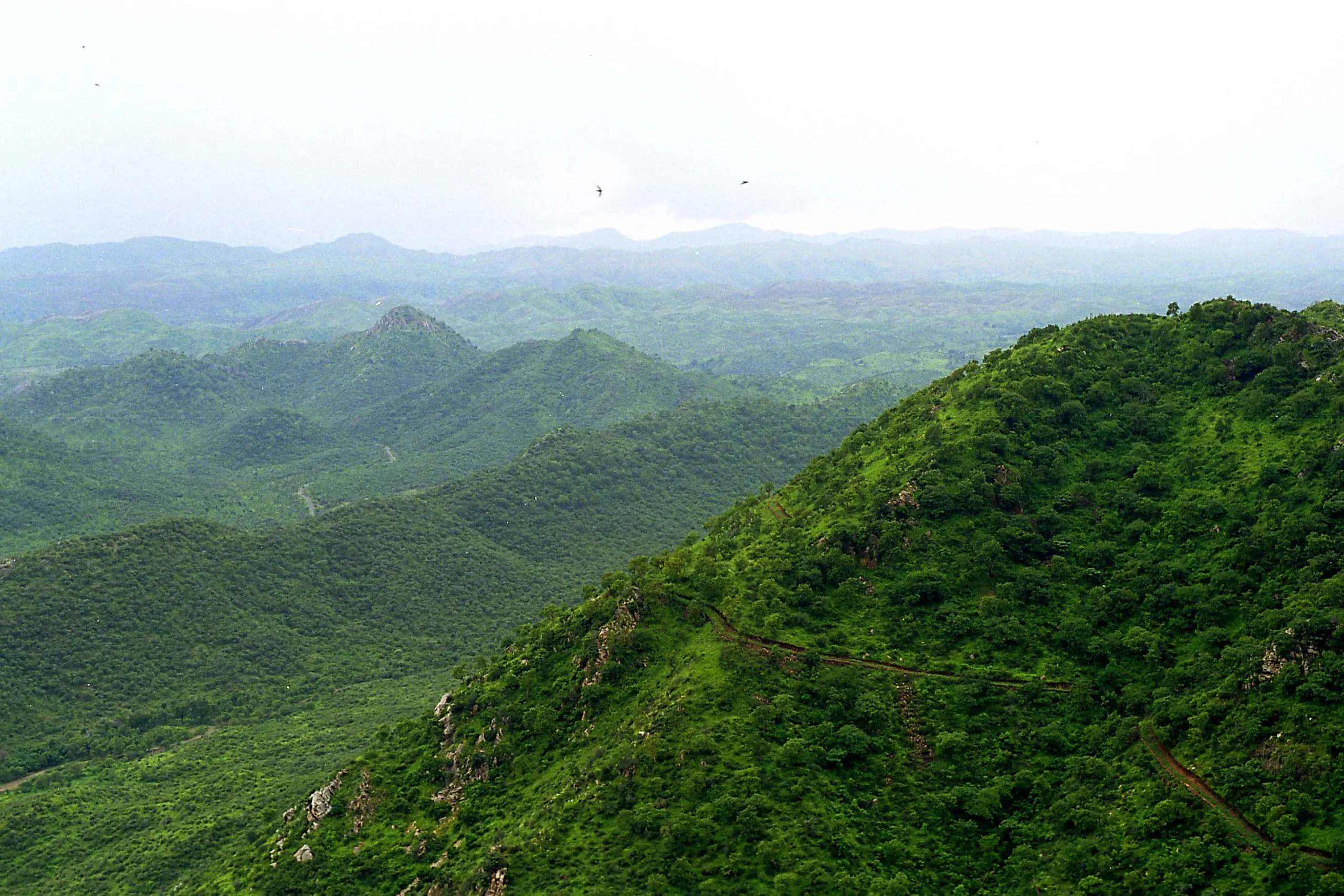
The controversy over the uniform definition of the Aravalis is about more than the country’s oldest mountain formations or permissible and illegal mining. With the Supreme Court scheduled to hear the matter today before a bench headed by CJI, the stakes have risen. The dispute turns the spotlight on a deeper issue: India’s approach to the environment as natural capital, and how environmental well-being is treated in the pursuit of economic growth.
At the heart of the debate is GoI’s controversial ‘100-m uniform definition’. Bhupender Yadav argues it protects nearly 90% of the Aravali region, particularly from illegal mining. Conservationists and experts contend otherwise. This disagreement must be resolved. But it should not obscure that environmental protection continues to be framed as an economic cost. The ‘grow now, pay later’ mindset must give way to the recognition that prosperity cannot be sustained without environmental well-being. The range is not merely spread across mineral-rich regions. It is a fragile ecological system that acts as a barrier against desertification, mitigates pollution, enables groundwater recharge and influences local climate. Protecting it is not an economic burden, it is an investment in long-term resilience.
The controversy also exposes weaknesses in environmental governance. Opacity in rule-making and implementation has eroded trust. Claims of misinformation can only be countered through transparency, engagement with scientists and civil society, and clear accountability in enforcement. The Aravali debate is an inflection point. How India responds will signal whether environmental protection remains a regulatory inconvenience — or is finally recognised as central to sustainable growth.

Linked civilisations, a modern strategic partnership
A revitalised partnership between Iran and India will aid economic partnership and ensure stability in West Asia
Mohammad Fathali, [ is Ambassador of the Islamic Republic of Iran in India ]
Relations between Iran and India transcend the boundaries of conventional diplomacy. They represent an ongoing dialogue between two ancient civilisations that emerged from a shared cultural womb at the dawn of human history. Long before the Aryan tribes divided — one settling on the Iranian plateau and the other in the fertile plains of the Indus and Ganges — they spoke related languages, worshipped through similar myths, and held a common worldview.
The profound resemblance between the Avesta and the Rigveda stands as clear testimony to this shared origin. Through centuries of political change, this civilisational affinity has nurtured a deep reservoir of trust and cultural understanding — never completely severed despite periods of distance and turmoil.
Nowhere is this historical bond more vividly reflected than in the enduring presence of Persian in the Indian subcontinent. India embraced Persian for centuries — not merely as a language, but as a vessel of art, diplomacy and poetry. This cultural hospitality gave rise to the luminous “Indian Style” (Sabk-e Hendi) in Persian literature, shaped by the imagination and creativity of Indo-Persian poets. Among them, Mirza Abdul-Qadir Bedil Dehlavi shines as the most illustrious figure — a poet whose philosophical depth and boundless imagination expanded the horizons of Persian poetry and continues to inspire scholars and writers across generations.
The modern drivers of ties
In today’s world, nostalgia alone cannot sustain bilateral relations. Fortunately, the evolving geopolitical environment and economic needs have drawn Tehran and New Delhi closer than ever. As the global order tilts toward multipolarity, the Iran-India axis is positioned to assume a strategic role in shaping regional stability and economic architecture.
Energy security remains a central pillar. India, one of the fastest-growing economies globally, continues to rely significantly on oil and gas to fuel its industries. With extensive hydrocarbon reserves, Iran stands as a natural partner in securing India’s long-term energy needs.
Perhaps the most consequential arena of cooperation is transport and connectivity. India’s participation in the development of the Chabahar Port signals the strategic weight both nations attach to this maritime gateway. Complementing this, Iran forms a vital link in the International North-South Transport Corridor (INSTC) — a multimodal route connecting India to Russia and Northern Europe through Iran. This corridor is approximately 40% shorter and 30% more cost-efficient when compared to the traditional Suez Canal route, granting both countries a competitive advantage in Eurasian trade.
Security and technology
Beyond commerce, Iran and India share mutual concerns regarding regional security. The rise of extremism and terrorism in West and South Asia threatens both nations, making intelligence cooperation a discreet yet essential foundation of bilateral ties.
Challenges remain. Historically, third-party pressures have influenced the trajectory of relations. Yet, India has often navigated these complexities by prioritising its national interest with strategic prudence. In an era marked by shifting power centres and the rise of Asia, it is imperative for both countries to strengthen flexible financial mechanisms — such as trade through local currencies — to reduce vulnerability to external constraints.
The future demands diversification beyond traditional oil trade. Cooperation in knowledge-based industries, information technology — where India holds significant comparative advantage — and in nanotechnology and the medical sciences (fields in which Iran has made remarkable progress), can open new horizons of economic partnership.
A shared future built on an ancient past
Iran and India may rightly be described as one soul in two bodies — united by history, enriched by culture, and positioned by geography to complement one another. If the Silk Road and Persian language once formed the bridge between them, today, energy cooperation, counterterrorism and strategic transit connectivity serve as the new pillars of partnership.
As the two nations mark the 75th anniversary of diplomatic relations, the moment is ripe for Tehran and New Delhi to transform historical goodwill into a bold, forward-looking alliance. A revitalised partnership will not only enhance the prosperity of their peoples but also anchor stability in the turbulent landscape of West Asia.
The time has come for Iran and India, guided by their shared legacy and mutual interests, to design a future that is collaborative, resilient, and independent, echoing the ancient symphony of civilisations that still binds them today.

स्वास्थ्य में नवाचार
संपादकीय

स्वास्थ्य सेवाओं में अधिक से अधिक तकनीक के उपयोग का लाभ अंततः मरीजों को ही मिलता है। झारखंड सरकार भी इसे अच्छी तरह समझती है। इसलिए इस दिशा में लगातार प्रयास भी हो रहे हैं। स्वास्थ्य सेवाओं में मोबाइल एप के उपयोग की बात हो या पोर्टल के माध्यम से योजनाओं की पहुंच लाभुकों तक सुनिश्चित कराने की, स्वास्थ्य विभाग इस दिशा में लगातार पहल कर रहा है। 108 एंबुलेंस सेवा तथा ममता वाहन के लिए मोबाइल एप के माध्यम से बुकिंग इसी पहल का हिस्सा है, जिसके लिए साफ्टवेयर तैयार करने एवं टेंडर प्रक्रिया पर मंथन शुरू हो गया है। हालांकि, मरीजों के हित को केंद्र में रखकर किया जा रहा यह प्रयास तभी सार्थक होगा, जब साफ्टवेयर फूलप्रूफ और नियमित तौर पर अपडेट हो । यह भी नहीं भूलना चाहिए कि अभी भी झारखंड के कई सुदूर क्षेत्रों में मोबाइल कनेक्टिविटी की समस्या है। ऐसे में मोबाइल एप से बुकिंग के अलावा पूर्व की तरह 108 डायल जैसी आफलाइन व्यवस्था के साथ-साथ अन्य विकल्पों पर भी फोकस करना होगा। उम्मीद की जानी चाहिए कि इसे केंद्र में रखकर स्वास्थ्य विभाग ऐसा सिस्टम तैयार करेगा, जिससे मरीजों, घायलों तथा गर्भवती महिलाओं को ससमय सुलभ तरीके से इन योजनाओं का लाभ मिल सके। तकनीक तभी प्रभावी होती है, जब उसे जमीनी स्तर पर काम करने वाले लोग सहजता से अपना सकें। डाटा सुरक्षा, मरीजों की गोपनीयता का भी ध्यान रखा जाना चाहिए।
Date: 29-12-25
सुगमता का पर्याय बनें सुधार
आदित्य सिन्हा, ( लेखक लोक-नीति विश्लेषक हैं )
आर्थिक विकास कई बिंदुओं पर निर्भर करता है। ऐसा ही एक प्रमुख बिंदु है कारोबारी सुगमता अर्थात लोगों के लिए कोई व्यवसाय शुरू करना, उसे चलाना और उसका विस्तार करना कितना आसान है। जब नियम सरल होते हैं और निर्णय पूर्वानुमानित होते हैं तो कंपनियां उत्पादन, भर्ती और निवेश पर ध्यान केंद्रित करती हैं।
जब प्रक्रियाएं धीमी या अनिश्चित होती हैं तो पूरी ऊर्जा इसी में झोंक दी जाती है कि अनुपालन, मुकदमेबाजी के बोझ और जोखिमों से कैसे बचा जाए। स्पष्ट है कि कारोबारी सुगमता में बाधा समूची आर्थिकी के विकास में बड़ी बाधक बनती है। भारत जैसे देश में तो यह और महत्वपूर्ण हैं, जहां नियामकीय जटिलताएं, कई अनुमतियों की आवश्यकता और अनिश्चित प्रवर्तन उद्यमों के लिए एक छिपे हुए टैक्स की तरह काम करते हैं। इसका परिणाम यह निकलता है कि न केवल आर्थिक गतिविधियों का दायरा सिकुड़ता है, बल्कि जो परियोजनाएं अस्तित्व में भी आना चाहें तो वे देरी के चलते लागत में बढ़ोतरी की शिकार हो जाती हैं।
वर्ष 2014 में केंद्र की सत्ता में हुए परिवर्तन के साथ ही नई सरकार ने इन परेशानियों को समझते हुए कारोबारी सुगमता को बेहतर बनाने के सार्थक प्रयास शुरू किए। सरकार ने व्यवसाय शुरू करने, चलाने और आवश्यकता पड़ने पर उनके समापन को आसान बनाने के लिए सुधारों की एक समग्रतापूर्ण नीति अपनाई है। इस क्रम में कानूनों को सरल बनाया गया है। प्रक्रियाओं का डिजिटलीकरण हुआ है। कई गतिविधियों को आपराधिक दायरे से मुक्त किया गया है, जिससे कुछ प्रक्रियागत कामकाज गैर-आपराधिक हुए हैं।
केवल आवश्यक अनुमतियों के लिए ही प्रतीक्षा करनी पड़ती है और उन्हें प्राप्त करने की प्रक्रिया भी आसान बनाई गई है। गुणवत्ता नियंत्रण से जुड़े नियम भी इतने तार्किक हुए हैं कि उनके चलते लागत पर बोझ न बढ़े। बीते दिनों चार नई श्रम संहिताओं ने सुधारों के इस सिलसिले को नया आयाम दिया है, जिसमें श्रमिकों से लेकर उद्यमियों के हितों को पूरा ध्यान रखा गया है। इन सुधारों को एक लक्षित एमएसएमई एजेंडे के माध्यम से और मजबूती प्रदान की गई है। वृद्धि के लिए आकार या दायरे की सीमाओं को संशोधित किया है। उद्यमों को औपचारिक क्षेत्र के अंतर्गत आने के लिए प्रोत्साहन मिला है। ऋण से लेकर सरकारी खरीद तक की पहुंच बेहतर बनाई गई है। अंतिम कड़ी को जोड़ने पर भी जोर दिया गया है।
उद्यमों का सबसे अधिक वास्ता जिला प्रशासन से पड़ता है। इसे देखते हुए जिला व्यापार सुधार कार्ययोजना (डी-बीआरएपी), 2025 एक शानदार पहल है। इसमें डिजिटलीकरण, समयबद्ध मंजूरियां, जोखिम-आधारित निरीक्षण और निवेशक सुविधा को जिला स्तरीय शासन में समाहित किया गया है, ताकि कारोबार सुगमता केवल नीतिगत आख्यान तक ही सीमित न रहे, बल्कि दैनिक कामकाज में भी महसूस की जा सके। चर्चा है कि सरकार एक जन विश्वास सिद्धांत पर भी काम कर रही है। यह नियामकीय दृष्टिकोण में गहन बदलाव पर केंद्रित है।
इसके मूल में यह है कि विश्वास ही सामान्य दस्तूर होना चाहिए और नियंत्रण अपवाद। इस क्रम में राष्ट्रीय सुरक्षा, सार्वजनिक सुरक्षा, मानव स्वास्थ्य और पर्यावरण को छोड़कर अन्य तमाम आर्थिक गतिविधियों के लिए पूर्व अनुमति की आवश्यकता नहीं होगी। लाइसेंस स्थायी आत्म-पंजीकरण में बदल जाएंगे, निरीक्षण जोखिम-आधारित और अमूमन तृतीय पक्ष द्वारा होंगे और आपराधिक दंड की जगह भी अनुपातिक सामान्य जुर्माना लगाया जाएगा।
इसमें राज्य की भूमिका ‘आपको किसने अनुमति दी?’ के बजाय ‘आप आगे बढ़ सकते हैं’ को मान्यता देने की हो जाएगी। इसमें कुछ असामान्य परिस्थितियों में ही कड़े विशेष प्रविधान लागू होंगे। यह भारत के नियामकीय दृष्टिकोण में एक बड़े परिवर्तन का संकेत है, जो लाइसेंस राज के उलट है। लाइसेंस राज में अमल से पहले अनुमति की आवश्यकता होती है और उसमें अनुपालन भी स्पष्टता के बजाय डर के कारण अधिक होता है।
नए वर्ष में भारत को अगला कदम यह उठाना चाहिए कि कारोबारी सुगमता सुधार एजेंडे के तहत शासकीय सिद्धांत में परिवर्तित हो, जो जन विश्वास सिद्धांत में निहित हो और संघीय प्रणाली में आंतरिक रूप से समाहित हो। यह भी अनदेखा न किया जाए कि केंद्र सरकार सुधारों की व्यापक दिशा तो निर्धारित कर सकती है, लेकिन किसी भी सुधार की दशा मुख्य रूप से राज्यों, जिला और स्थानीय निकायों द्वारा निर्धारित होती है।
इसलिए 2026 में राज्यों को अपने स्तर पर भी प्रयास करने ही होंगे। उन्हें अनुमतियों के दायरे को घटाने से लेकर नियमों का मानकीकरण भी करना होगा। राज्यों को जोखिम-आधारित निरीक्षण, आत्म-प्रमाणन और तृतीय पक्ष द्वारा आडिट को उस स्तर पर समाहित करना चाहिए, जहां अनुपालन डाटा मजबूत है। गुणवत्ता और सुरक्षा नियमों को घरेलू औद्योगिक तत्परता के साथ सुसंगत बनाया जाना भी बहुत जरूरी है।
भारत को कारोबारी सुगमता को केवल सरकारी प्रक्रिया में सुधार नहीं, बल्कि एक महत्वपूर्ण आर्थिक ताकत के रूप में देखना चाहिए। आज टैरिफ और ट्रेड वार के अलावा भू-राजनीतिक अनिश्चितताओं में कंपनियों के लिए बाजार के दायरे के साथ-साथ नियमों में स्पष्टता और परिस्थितियों के अनुरूप ढलने की क्षमता भी उतनी ही महत्वपूर्ण है। जो देश तत्परता के साथ नियमों में परिवर्तन करने, कानूनों को विश्वसनीय तरीके से लागू करने और अनावश्यक अड़चनों को दूर रखने में सक्षम होते हैं, वे स्वाभाविक रूप से निवेश को आकर्षित करने में सफल होते हैं।
भारत के लिए इसका स्पष्ट अर्थ है कि केंद्र और राज्य सरकारें निवेश और रोजगार को ध्यान में रखकर काम करें। अनावश्यक और बोझिल नियमों को निरंतर रूप से घटाएं और ‘जन विश्वास सिद्धांत’ को हर स्तर पर नियम बनाने का आधार बनाया जाए। भारत की प्रतिस्पर्धा क्षमताएं केवल बड़े सुधारों की घोषणाओं से ही नहीं, बल्कि इस पहलू से तय होंगी कि उसका नियामकीय तंत्र उद्यमों को वैश्विक अनिश्चितताओं की तुलना में कितनी तेजी से आगे बढ़ाने में सहायक बनता है।

भारतीय वैज्ञानिकों का कमाल ने पूरी दुनिया को चौंकाया
मनीष मोहन गोरे, ( वैज्ञानिक पत्रकार )
विज्ञान और प्रौद्योगिकी के क्षेत्र में भारत ने इस साल खूब प्रगति की है, जिससे एक ‘ग्लोबल इनोवेशन लीडर’ के रूप में उसकी स्थिति काफी मजबूत हुई है। अंतरिक्ष अनुसंधान, स्वदेशी सेमीकंडक्टर, क्वांटम कंप्यूटिंग, टिकाऊ इंफ्रास्ट्रक्चर व बड़े रिसर्च इको सिस्टम में हमारे वैज्ञानिकों, संस्थानों, स्टार्टअप व नीति-निर्माताओं ने बड़े अनुसंधान किए व उपलब्धियां दर्ज की।
साल 2025 में अंतरिक्ष प्रौद्योगिकी भारत की वैज्ञानिक उपलब्धियों में सबसे आगे रही इसरो ने इस साल 200 से भी ज्यादा महत्वपूर्ण उपलब्धियां हासिल कीं, जो इसकी लॉन्च क्षमता, ऑर्बिटल साइंस और मिशन सामर्थ्य की तेज प्रगति को दर्शाती हैं। इस साल की इसकी खास सफलताओं में से एक हैं, भारत का पहला सफल स्पेस डॉकिंग एक्सपेरिमेंट (स्पाडेक्स), जिसमें दो सैटेलाइट को सफलतापूर्वक डॉक किया गया। इस जटिल ऑपरेशन ने भारत को ‘इन स्पेस डॉकिंग’ में विश्व का चौथा सक्षम देश बना दिया है। यह टेक्नोलॉजी भविष्य के स्पेस स्टेशन सैटेलाइट सर्विसिंग और लंबे समय तक मानव अंतरिक्ष यात्रा के लिए बहुत आवश्यक है।
भारत का महत्वाकांक्षी मानव अंतरिक्ष मिशन ‘गगनवान’ पर तेजी से काम जारी है। इसके लिए चार गगन यात्रियों (प्रशांत नायर, अजीत कृष्णन, शुभांशु शुक्ला और अंगद प्रताप) का चयन किया गया। इनमें से एक शुभांशु शुक्ला एक्सिओम 4 मिशन के अंतर्गत अंतरराष्ट्रीय अंतरिक्ष स्टेशन (आईएसएस) पर गए और 26 जून से 14 जुलाई तक वहां रहकर उन्होंने आईएसए ऑबिटिंग लैब में रहने वाले पहले भारतीय अंतरिक्ष यात्री होने का कीर्तिमान बनाया। इस वर्ष इसरो ने आदित्य- एल सोलर मिशन से ‘टेराबाइट्स साइंटिफिक डाटा’ भी जारी किया, जिससे दुनिया भर के अंतरिक्ष वैज्ञानिकों व शोधार्थियों को सोलर फिजिक्स और स्पेस वेदर की घटनाओं के बारे में हमारी समझ को गहरा करने में मदद मिली।
यह क्वांटम महत्वाकांक्षा का भी साल रहा। नेशनल क्वांटम मिशन के तहत बेंगलुरु स्थित डीप-टेक कंपनी क्यूपीआईएआई ने क्यूपीआईएआई इंडस लॉन्च किया, जो देश का पहला फुल-स्टैक क्वांटम कंप्यूटर है। इसके साथ ही नेशनल सुपरकंप्यूटिंग मिशन ने भारत के हाई- परफॉर्मिस कंप्यूटिंग क्षेत्र को नया विस्तार दिया, जिससे रिसर्च संस्थानों में पेटाफ्लॉप्स प्रोसेसिंग पावर की तैनाती
हो सकी। ये सिस्टम जलवायु मॉडलिंग, दवाओं की खोज, आर्टिफिशियल इंटेलिजेंस को नई गति दे रहे हैं।
कोर कंप्यूटिंग हार्डवेयर में आत्मनिर्भरता ने 2025 में एक बड़ी छलांग लगाई। इसरो व चंडीगढ़ स्थित सेमीकंडक्टर लेबोरेटरी ने विक्रम 3201 माइक्रोप्रोसेसर विकसित किया। वह भारत की पहली पूर्ण स्वदेशी 32- बिट स्पेस ग्रेड चिप है, जिसे मिशन-क्रिटिकल एप्लीकेशन के लिए तैयार किया गया है। केंद्रीय सड़क अनुसंधान संस्थान ने पर्यावरण के अनुकूल इंफ्रास्ट्रक्चर में स्टील स्लैग टेक्नोलॉजी का प्रयोग कर औद्योगिक ‘बाइप्रोडक्ट’ को कम उत्सर्जन वाले हाईवे सामग्री में तब्दील किया। सरकार ने रणनीतिक रूप से वित्तीय पोषण और नीतिगत पहल के जरिये विज्ञान के क्षेत्र में शोध को बढ़ावा देना जारी रखा। शोध में आने वाली रुकावटों को कम करने और सभी क्षेत्रों में इनोवेशन को बढ़ावा देने के लिएइस वर्ष एक लाख करोड़ रुपये की रिसर्च, डेवलपमेंट और इनोवेशन योजना लॉन्च की गई। भारत अंतरराष्ट्रीय विज्ञान उत्सव और राष्ट्रीय विज्ञान पुरस्कार 2025 ने सभी क्षेत्रों में वैज्ञानिक उत्कृष्टता को उजागर किया। इससे ऐसी संस्कृति को बढ़ावा मिला, जो जिज्ञासा और खोज को महत्व देती है।
साल 2025 में भारत की विज्ञान और प्रौद्योगिकी की उपलब्धियां एक सुसंगत लक्ष्य का हिस्सा हैं, जो मौलिक शोध, स्वदेशी तकनीकी विकास, क्षमता निर्माण और समावेशी विकास को दर्शाती हैं। इस साल भारत ने दिखाया कि वैज्ञानिक उत्कृष्टता और सामाजिक प्रगति साथ-साथ आगे बढ़ सकती हैं। जैसे-जैसे देश भविष्य की चुनौतियों के लिए तैयार हो रहा है- स्वच्छ ऊर्जा, स्वास्थ्य – नवाचार, जलवायु लचीलापन और अंतरिक्षमें मानव अन्वेषण- इस साल की उपलब्धियां परिवर्तनकारी दशक की नींव रखती प्रतीत हो रही हैं।