
12-01-2026 (Important News Clippings)
To Download Click Here.
 Date: 12-01-26
Our Data, Our Rights, Our Questions
Data protection law gives Indians a legally enforceable framework to assert their right to privacy, especially against non-state actors. But govt agencies have too much latitude. Appellate body needs to have real teeth
Karmanya Singh Sareen
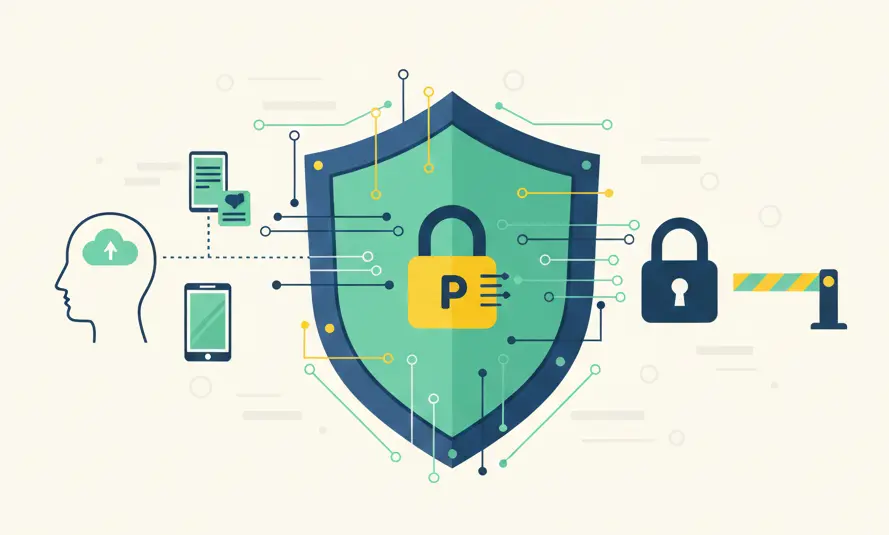
Ten years ago, there was no right to privacy in India. Today, after Digital Personal Data Protection Act (DPDPA), 2023 was partially brought into force with the notification of rules on Nov 13, 2025, we have a law that provides a legally enforceable framework for Indian users to assert their right to privacy against state and non-state actors.
But the law is not perfect. There is still a long way to go for large data fiduciaries to respect the rights of Indians, and allow them to meaningfully exercise these rights. There is probably an even longer way to go towards making data privacy a fundamental part of govt processes. However, because of the work of so many individuals and organisations, SC orders, and finally govt, we have this law today. Here’s how it began.
2016 | Before EU’s GDPR law of 2018, and India’s 2017 SC recognition of privacy as a fundamental right in the Puttaswamy case, data privacy was not a thing. But it became a concern when WhatsApp, which had originally been privacy-focused, introduced a policy allowing personal user data sharing with Facebook entities, betraying its own promises.
This involuntary sharing of data with Facebook – that had acquired WhatsApp in 2014 – felt wrong. So we went to court. First, Delhi HC, and then SC. Govt told SC in 2017 that a data protection law would be in place within the year. However, it’s taken eight long years to get here.
Gains from DPDPA | Essentially, DPDPA crystallises and recognises the fundamental right to privacy of users (data principals) against companies (data fiduciaries or data processors) from the perspective of data protection.
Firstly, it applies against the “State”. This means you can assert your rights against private organisations as well as govt. Under DPDPA, consent must be “free, specific, informed, unconditional, unambiguous with a clear affirmative action”. This means default opt-in options are not “consent”. Consent must be withdrawable with comparable ease. So, dark patterns making withdrawal of consent hard will be illegal. Fiduciaries must limit their processing of the data specifically to purposes for which consent was sought.
User rights have also been clearly defined in DPDPA, including obtaining of information about processing of their personal data, plus correction, completion, updation and deletion/erasure of personal data. Yes, you can legally compel companies to delete your data unless they have a good reason not to.
DPDPA clearly gives a high degree of protection to personal data of children. It also constitutes the Data Protection Board as the primary regulatory authority, functioning as an independent body and as a digital office.
The Act also has a provision for exemptions for startups for certain data processing activities, balancing ease of doing business against the right to privacy of users.
Concerns | Some of DPDPA’s aspects are quite glaring, while others will likely improve over time with judicial intervention. For example, there are broad exceptions for processing of personal data by the State, which are not clearly defined. This could result in govt overreach.
Furthermore, the Act does not apply to personal data made public by the user. This means any personal data you yourself make public would not be protected. The Act should ideally apply to all personal data without this exception, as sometimes intermediaries are involved.
It will also be difficult to know how independent the Board is, given that the appointments will be made by govt.
RTI Act has also been amended under DPDPA, where Section 44(3) of DPDPA now exempts disclosure of personal information under RTI. There was, earlier, a public interest exception for disclosure of personal information under RTI.
DPDPA’s maximum fine of ₹250cr for breaches by fiduciaries might be too small for some large companies. On the other hand, a fine of up to ₹10,000 on users for “frivolous” complaints, etc, could disincentivise legitimate complaints. Also, Board orders can only be appealed before Telecom Disputes Settlement and Appellate Tribunal (TDSAT), whose chairperson and two members are appointed by Centre. High courts would have been better appellate bodies.
Better than nothing | Is DPDPA perfect? No, but thanks to it, rights like the right to deletion/erasure of personal data are legally recognised, and companies are legally bound to respect them.
Over time, I hope that the Board, the appellate tribunal and courts will enforce the law, draw clearer lines on its subjective parts, and protect citizens’ interests. The journey to see this law become reality has been long. Today, we have a law that codifies OUR rights on OUR data. And, in my opinion, that’s a good thing.
The writer was a petitioner in 2016’s ‘WhatsApp Case’

Inward turn
U.S. isolationism will fuel ethno-nationalism and racist hatred
Editorial
The Donald Trump administration has sparked fresh concern on the global stage after it announced through a presidential memorandum that the U.S. would be withdrawing from the UN Framework Convention on Climate Change, as well as 65 other international organisations and platforms, describing these as “contrary to the interests of the United States”. Having already pulled out of the Paris climate agreement in his first term, Mr. Trump has now doubled down on plans to end all U.S. commitments to fight climate change by reversing his predecessor Joe Biden’s actions. Washington has made plans for a quick exit mostly from UN-related agencies and advisory panels whose mandate relates to climate and renewable energy, gender equality, minority rights, rule of law and other areas that the Trump administration considers to be supporting diversity and ‘woke’ initiatives.
There is a serious question of real-world impact and damage to the existing order that is engendered by the U.S.’s impending plunge into pure isolationism. The administration’s wholesale rejection, in early 2025, of decades of prior institutional commitments to and engagement with the World Health Organization has already led to setbacks to projects across the developing world that focus on maternal and infant mortality, disease surveillance, and halting the advance of tuberculosis, malaria and HIV/AIDS — all heavily dependent on external funding. In the climate change, human rights, labour standards and rule of law contexts, the key financing channels and impactful leadership momentum have historically been associated with U.S. institutions. The inevitable vacuum that the Trump White House’s action will produce could actually cede that space to power players such as China and Russia, whose incentives to support a level playing field in coordinated international policies with a strong global footprint may not be aligned with the rest of the democratic world. The world has already been witness, under both Trump administrations, to the deleterious, destabilising consequences of Washington weaponising trade tariffs as means to achieving political goals. Now this small-frame view of national self-interest trumping good governance principles for the global commons may become the modus operandi for the remainder of the 21st century. The very idea of the nation state may face unprecedented challenges as inward orientation in policymaking will build an ever stronger base for rising ethno-nationalism and racist hatred of the “other”. History has shown that this gives free rein to the worst qualities of human nature, with disastrous socio-political consequences.

ईरान को ट्रंप की धमकी
संपादकीय
अमेरिकी राष्ट्रपति डोनाल्ड ट्रंप ने ईरान में सैन्य हस्तक्षेप करने के जो नए संकेत दिए, उससे यह स्पष्ट है कि वेनेजुएला पर हमले के बाद वे पूरी तरह से बेलगाम हो गए हैं। उनका मनमानापन इसलिए बढ़ता चला जा रहा है, क्योंकि वेनेजुएला में अमेरिकी सेनाओं के हमले का विश्व समुदाय की ओर से एक सुर में विरोध और प्रतिरोध नहीं हुआ। चार वर्ष पहले जब रूस ने बुक्रेन पर हमला किया था तो अमेरिका और उसके सहयोगी राष्ट्रों ने उस पर अंतरराष्ट्रीय नियम-कानूनों की अनदेखी करने के आरोप लगाए थे। पिछले चार वर्षों में वे आरोप लगातार दोहराए गए हैं, लेकिन अब ट्रंप रूसी राष्ट्रपति पुतिन की ही तरह मनमानी कर रहे हैं। स्पष्ट है कि उनका रवैया विश्व को और अधिक अस्थिर एवं अशांत करने वाला ही है वह सही है कि ईरान की कट्टरपंथी इस्लामी सत्ता के खिलाफ वहाँ के लोग सड़कों पर हैं और उनके प्रति सख्ती दिखाई जा रही हैं, लेकिन यह स्थिति अमेरिका अथवा किसी अन्य देश को वहां पर सैन्य हस्तक्षेप करने की अनुमति नहीं देती। यदि ईरान में किसी तरह के हस्तक्षेप की आश्यकता है तो उसकी पूर्ति संयुक्त राष्ट्र की सहमति से और उसके नेतृत्व में ही होनी चाहिए। इसी के साथ वह भी आवश्यक है कि ईरानी शासक और विशेष रूप से वहां की सत्ता का संचालन कर रहे सर्वोच्च नेता अवातुल्ला खामेनेई कह समझे कि अपने लोगों का दमन करके स्थितियों को नहीं सुधारा जा सकता। ईरान के लोग जिन कारणों से सड़कों पर हैं, उनको अनदेखी नहीं की जा सकती। वे बड़ती महंगाई से बुरी तरह त्रस्त हैं। ईरान की आर्थिक स्थिति इसलिए गड़बड़ाई हुई है, क्योंकि अमेरिका ने इस आधार पर उस पर कठोर प्रतिबंध लगा रखे हैं कि वह परमाणु हथियार बनाने की चेष्टा कर रहा है। ईरान की ऐसी किसी बेटा से इजरायल भी सशांकित है और कुछ महीनों पहले इसी कारण उसने वहाँ पर हमला भी किया था। इस हमले में अमेरिका ने भी इजरायल का साथ दिया था। एक बार फिर अमेरिका और इजरायल ईरान की घेराबंदी करें तो हैरानी नहीं, लेकिन इससे पश्चिम एशिया की स्थितियां और अधिक बिगड़ेंगी। ईरान अमेरिकी प्रतिबंधों के चलते पहले ही आर्थिक रूप से पस्त है। विडंबना यह है कि इसके बावजूद वह हिजबुल्ला, हमास जैसे संगठनों के साथ-साथ वमन में काबिज राउती विद्रोहियों को आर्थिक एवं सैन्य सहायता देने में लगा हुआ है। स्वाभाविक रूप से ईरान की जनता इसके भी खिलाफ है। यदि ईरानी सत्ता अमेरिकी हस्तक्षेप से बचना चाहती है तो उसे अपने रवैये में परिवर्तन करना होगा। पता नहीं ऐसा होगा या नहीं, लेकिन भारत को ईरान के बिगड़ते हालात के प्रति सतर्क रहना होगा, क्योंकि व उसके व्यापक हित निहित हैं।
Date: 12-01-26
बौद्धिक अवसाद से मुक्त हो जेएनयू
रामानंद शर्मा, ( लेखक दिल्ली विश्वविद्यालय के आर्यभट्ट कालेज में असिस्टेंट प्रोफेसर हैं )
हाल में जवाहरलाल नेहरू विश्वविद्यालय (जेएनयू) में जो कुछ हुआ, वह केवल छात्र राजनीति की हलचल नहीं है। यह भारतीय गणराज्य के यथार्थ और परिसर की पुरानी जकड़न के बीच एक बड़ा विचलन है। साबरमती छात्रावास के पास हुई सभा जिस तरह हिंसक नारेबाजी में बदली, वह चौंकाती नहीं है। यह उस रुग्ण मानसिकता का प्रकटीकरण है, जो संवैधानिक संस्थाओं के निर्णयों को स्वीकार करने के बजाय सड़क पर चुनौती देने की आदी हो चुकी है। विश्वविद्यालय प्रशासन ने इसे ‘नफरत की प्रयोगशाला’ कहा है। दरअसल यह उस अकादमिक वामपंथ की विफलता है, जो आज भी समय की आहट नहीं सुन पा रहा। प्रखर चुनावी जनादेश के इस दौर में अब ‘दिखावे का विद्रोह’ अपनी प्रासंगिकता खो चुका है।
विश्वविद्यालय किसी विचारधारा की छावनी नहीं, बल्कि संविधान के अधीन चलने वाली सार्वजनिक संस्थाएं हैं। उनका दायित्व केवल प्रश्न उठाना नहीं, बल्कि संवैधानिक मर्यादाओं के भीतर रहकर विवेक विकसित करना भी है। जब कोई परिसर स्वयं को वैचारिक युद्धभूमि में बदल लेता है, तब वह अपनी संवैधानिक पहचान खो देता है। लोकतंत्र में प्रतिरोध का स्थान है, पर वह संस्थागत संतुलन के भीतर होना चाहिए, उसके विरुद्ध नहीं। यहां नीतिगत विरोध नहीं हो रहा, बल्कि सीधे सर्वोच्च न्यायालय के निर्णय को ललकारा जा रहा है। जब छात्र राजनीति न्यायालय को भी सत्ता का औजार बताने लगती है, तब गणराज्य की अंतिम तटस्थ भूमि भी असुरक्षित हो जाती है। यह असहमति नहीं, बल्कि संवैधानिक विश्वास का क्षरण है। ऐसी स्थिति में लोकतंत्र केवल टकराव का अखाड़ा बनकर रह जाता है।
उमर खालिद और शरजील इमाम की जमानत याचिका पर न्यायिक फैसला साक्ष्यों पर आधारित था, किंतु जेएनयू के एक वर्ग ने इसे ‘अन्याय’ बता दिया। उन्होंने संस्थान को अदालत के सामने खड़ा कर दिया है। जब छात्र संगठन देश के शीर्ष नेतृत्व के विरुद्ध अमर्यादित नारे लगाते हैं, तो वह वैचारिक मतभेद नहीं रहता। वह संविधान की मूल भावना का अनादर है। किसी व्यक्ति के प्रति सहानुभूति अलग बात है, पर न्यायिक प्रक्रिया को शत्रु मान लेना न्यायपालिका की अखंडता पर प्रहार है। लोकतंत्र में असहमति का स्थान न्यायालय में होता है, सड़कों पर उकसावे में नहीं। यदि छात्र राजनीति खुद को न्यायपालिका से ऊपर मान ले, तो यह गणराज्य के लिए बड़ी चिंता है।
जेएनयू जैसे संस्थान आम नागरिकों की गाढ़ी कमाई से चलते हैं। यह समाज के साथ एक नैतिक अनुबंध है। इस अनुबंध के भीतर आलोचना वैध है, पर राष्ट्र की वैधता को अपमानित करना स्वीकार्य नहीं है। करदाताओं से यह आशा करना कि वे अपनी ही बर्बादी के नारों के लिए धन दें, किसी भी समाज में संभव नहीं है। यह जवाबदेही की मांग दमन नहीं, बल्कि एक लोकतांत्रिक आवश्यकता है। शैक्षणिक स्वतंत्रता का सबसे बड़ा शत्रु प्रशासनिक नियंत्रण नहीं, बल्कि वैचारिक एकाधिकार है। जब किसी एक दृष्टिकोण को नैतिक ऊंचाई और अन्य को संदेह की दृष्टि से देखा जाए, तब परिसर स्वतः असहिष्णु हो जाता है। संस्थानों का क्षरण दमन से नहीं, विचारों की एकरूपता से होता है। विविधता पाठ्यक्रम में ही नहीं, विमर्श में भी होनी चाहिए।
कोई भी परिपक्व लोकतंत्र अपने संस्थानों को राष्ट्र के विरुद्ध भावनात्मक उभार का मंच नहीं बनने देता। परिसर की उग्र राजनीति का सबसे अनदेखा प्रभाव उन छात्रों पर पड़ता है, जो पढ़ने आए हैं, नारे लगाने नहीं। पहली पीढ़ी के विद्यार्थी, ग्रामीण पृष्ठभूमि के युवा और सीमित संसाधनों वाले छात्र सबसे अधिक प्रभावित होते हैं। उनकी चुप्पी सहमति नहीं, विवशता है। विश्वविद्यालय यदि उनकी आकांक्षाओं की रक्षा नहीं करता, तो वह अपने सामाजिक दायित्व से चूक जाता है। परिसर में ‘स्थायी आंदोलन’ की प्रवृत्ति शैक्षणिक क्षरण पैदा कर रही है। जब पहचान पढ़ाई के बजाय प्रदर्शनों से होने लगे, तो छात्रों का भविष्य दांव पर लग जाता है।
दीर्घकाल में यह संस्थान को भीतर से खोखला कर देता है। वैश्विक परिदृश्य को देखिए। विकसित लोकतंत्रों ने भी अभिव्यक्ति की सीमाएं तय की हैं। फ्रांस में आतंकी समूहों के समर्थन पर गिरफ्तारियां होती हैं। अमेरिका में हिंसा भड़काने वाले भाषणों को संरक्षण नहीं मिलता। फिर भारत से ही यह अपेक्षा क्यों कि वह अपने अस्तित्व पर प्रहार करने वाली भाषा के प्रति मौन रहे? दुनिया का कोई भी उदार समाज राष्ट्र की अखंडता को खंडित करने वाले आह्वान सहन नहीं करता। भारत इस वैश्विक व्यवस्था का अपवाद नहीं हो सकता। ‘आपातकाल’ और ‘फासीवाद’ जैसे शब्दों का प्रयोग अब समाज में एक नैतिक थकान पैदा कर रहा है।
जेएनयू का मौजूदा संकट एक गहरे बौद्धिक अवसाद का लक्षण है। आंदोलनकारियों को समझना होगा कि विरोध का अधिकार देश की जनता के सामूहिक विवेक से ऊपर नहीं है। आपातकाल का कल्पित भय उन लोगों का आवरण है, जो लोकतांत्रिक संवाद का साहस खो चुके हैं। यदि जेएनयू को अपनी प्रतिष्ठा बचानी है, तो उसे कर्मकांडीय राजनीति छोड़नी होगी। उसे नफरत की प्रयोगशाला के बजाय नवाचार का केंद्र बनना होगा। अब समय आ गया है कि परिसर की राजनीति गणतांत्रिक जिम्मेदारियों को स्वीकार करे।

प्रदूषण के खिलाफ
संपादकीय
राष्ट्रीय पर्यावरण मानक प्रयोगशाला की शुरुआत पर्यावरण प्रबंधन को मजबूत बनाने की दिशा में एक सराहनीय कदम है। नई दिल्ली में शुरू किए गए इस प्रयोगशाला का मकसद आयातित उपकरणों और विदेशी प्रमाणन तंत्रों पर निर्भरता को कम करना है, क्योंकि कभी-कभी ऐसे उपकरण भारत की आबोहवा के अनुकूल साबित नहीं हो पाते हैं। इस प्रयोगशाला का उद्घाटन करते हुए केंद्रीय विज्ञान एवं प्रौद्योगिकी मंत्री जितेंद्र सिंह ने कहा भी कि अब भारत को प्रदूषण निगरानी से जुड़े उपकरणों के प्रमाणन के लिए विदेशी एजेंसियों पर निर्भर नहीं रहना पड़ेगा और भारतीय जलवायु परिस्थितियों के अनुसार अब यहीं परीक्षण की सुविधा उपलब्ध रहेगी। इस प्रयोगशाला की शुरुआत से सिर्फ प्रदूषण के खिलाफ हमारी लड़ाई मजबूत नहीं होगी, बल्कि दूसरे देशों पर निर्भरता कम होने से विदेशी मुद्रा की बचत भी होगी और निवेशकों का भरोसा ज्यादा मजबूत होगा। इसकी एक वजह यह भी है कि इस प्रकार की राष्ट्रीय स्तर की सुविधाएं ब्रिटेन के अलावा सिर्फ भारत ही जुटा सका है। इसी कारण कयास लगाए जा रहे हैं कि इससे घरेलू विनिर्माण, स्टार्टअप और लघु व मध्यम उद्योगों को बल मिलेगा, जिससे परोक्ष रूप से भारत की अर्थव्यवस्था को फायदा होगा।
ऐसे प्रयास की जरूरत देश को थी भी। सेंटर फॉर रिसर्च ऑन एनर्जी ऐंड क्लीन एयर (सीआरईए) का बीते पांच वर्षों ( 2020 के कोविड- काल को छोड़कर 2019 से 2024 तक) का आंकड़ा बताता है कि देश के 44 फीसदी शहर एक लंबे समय से वायु प्रदूषण से जूझ रहे हैं। साल 2025 में तो असम मेघालय सीमा पर स्थित बर्नीहाट सबसे प्रदूषित शहर आंका गया, जिसके बाद ही दिल्ली और गाजियाबाद का स्थान था। लंबे समय तक दूषित हवा में रहना कितना खतरनाक हो सकता है, इसका पता पिछले महीने सरकार द्वारा संसद में दी गई जानकारी से चलता है कि साल 2022 से 2024 के बीच दिल्ली के छहसरकारी अस्पतालों में सांस की गंभीर बीमारियों के दो लाख से भी अधिक मरीज आए, क्योंकि देश की राजधानी प्रदूषण के बढ़े स्तर से लगातार जूझती रही है। इन सबके अलावा ऐसे तमाम आंकड़े हैं, जो बताते हैं, दूसरे देशों की तुलना में यहां स्थिति ज्यादा गंभीर है। ऐसे में, उन उपकरणों की जरूरतें भी बढ़ जाती हैं, जो मानव जीवन को वायु प्रदूषण के नुकसान से बचा सकें। अब चूंकि स्थानीय परिस्थितियों के अनुसार उपकरणों को जांचा-परखा जा सकेगा, इसलिए उनके अधिक प्रभावी होने की उम्मीद बढ़ गई है।
यह सुखद है कि जीवन की दोनों बुनियादी जरूरतों हवा और पानी पर अब विशेष ध्यान दिया जाने लगा है। जिस तरह स्वच्छ हवा को लेकर कवायद तेज कर दी गई है, ठीक उसी तरह साफ पानी की उपलब्धता सुनिश्चित करने को लेकर भी प्रयास किए जा रहे हैं। इंदौर की घटना बेशक हमारी व्यवस्था पर एक गंभीर सवाल है, लेकिन लोकसभा में पेश आंकड़े बताते हैं कि पीने के पानी की गुणवत्ता जांचने के लिए देश में अब कुल 2,847 प्रयोगशालाएं हैं, जिनमें से 1,678 एनएबीएल से मान्यता प्राप्त हैं। कुछ राज्य, जिनमें दुर्भाग्य से बड़े सूबे भी हैं, जरूर अभी जद्दोजहद कर रहे हैं, लेकिन ऐसी सुविधाएं बढ़ाने की कोशिशें अनवरत की जा रही हैं। जाहिर है, काम दोनों मोचों पर हो रहा है। हालांकि, इससे जल को निर्मल और हवा को स्वच्छ बनाए रखने की कवायद ढीली नहीं पड़नी चाहिए, क्योंकि कुदरत से मिली साफ हवा और साफ पानी जैसी नेमतों का कोई विकल्प उपलब्ध नहीं है।