
07-07-2026 (Important News Clippings)
To Download Click Here.
 Date: 07-07-26
Invisible Censors
Silencing stories can’t silence reality. Still, opaque takedowns like that of Satluj are very damaging
TOI Editorials
Sadly, India has gotten used to discussing censorship. Silent film Bhakta Vidur was the first to be banned, because the colonial govt didn’t like the lead character resembling Gandhi. After Independence govts continued chopping movies, however they fancied, wherever they suspected a potential to “excite dissatisfaction”. The Kissa Kursi Ka ban during the Emergency is a famous example. Unfamous ones are countless. Filmmakers have found themselves saving from the guillotine (or not) a kiss, a divorce, a story “too lady-oriented”. But traditional censorship leaves fingerprints. Someone signs an order. Platform removals are different.
Backdoor censorship is what Satluj ’s been facing. In its earlier avatar, Punjab ’95 , it got pulled from Toronto International Film Festival enigmatically. Now, suddenly, it’s become “unavailable” on a streaming service in India, “in light of current developments”. When regulators and platforms interact without explicit orders, responsibility evaporates. Their common line of argument is that the public’s filmic diet must be curated, to ensure that its passions are not over-inflamed, society is not destabilised. But more than a century of evidence is clear that this is simply not a danger. And in a world where viewers cannot sustain attention through a two-hour movie without checking their phones, the idea that they will emerge radicalised by it, is particularly absurd. It belongs to fantasy.
Neither are citizens passive vessels into which ideas are poured, nor is a film a command. It is an invitation – to think, to argue, to reject, or to be persuaded. To deny citizens that invitation harms art, infantilises the public, and injures democracy. Especially when it comes to the difficult stories about society, censorship is completely wrong-headed. Uncomfortable mirrors that allow us to confront complexity and injustice only make us stronger. As James Baldwin said, “Not everything that is faced can be changed, but nothing can be changed until it is faced.”

When in India, Play By Indian Rules
Meta can’t leave child safety to algorithms
ET Editorial
GoI has asked Meta to disable Instagram ads promoting child abuse in India after a BBC Eye exposé. India has strict rules for child protection, and Meta insists it has zero tolerance for the sexual exploitation of minors. The offending ads, the company claims, slipped past the technology deployed to ensure advertising conforms to Meta’s community standards. The policing lapse in Meta’s biggest market — Indians constitute over a billion users of Facebook, Instagram and WhatsApp — must not recur. The social media and instant messaging platforms run the risk of losing their safe-harbour status if their content, including advertising, runs afoul of Indian laws. Meta’s business runs on serving targeted ads to large audiences, so it must raise the threshold for ad curation in a vital market.
GoI had earlier told Meta to put its plans to roll out WhatsApp usernames on hold, citing the increased risk of cybercrime. Concerns over child abuse will reinforce the official argument. The BBC investigation reported that the paid ads on Instagram led to Telegram channels where child sexual abuse material was available for sale. WhatsApp’s username feature could lower transparency on the messaging platform. Strong anti-abuse measures such as blocks have been used on platforms like Telegram that allow identities to be camouflaged. Meta would do well to sympathise with India’s sensitivities regarding law enforcement.
Meta faces action in the EU over child protection as well. Investigations have revealed that FB and Instagram do not do enough to discourage children under 13 from accessing their platforms. Separately, Meta’s recommendation algorithms have been found to stimulate addictive behaviour among children. The company’s record on child protection has been found wanting in multiple jurisdictions. While older demographics drive Meta’s advertising revenue, it faces an existential threat if it cannot onboard the next generation. This tension leads to regulatory pushback. Any additional friction over child abuse ads tends to heighten the regulatory reflex.

AI governance and a voice for the Global South
Jhalak M. Kakkar, [ Execuive Director Centre for Communication Governance, National Law University Delhi ]
Astha kapoor, Co-Founder and Director of the Aapti Institute. ]
In February 2026, India hosted the India AI Impact Summit 2026, that sought to put the needs and challenges of the Global South at the centre of the Artificial Intelligence (AI) discourse. The summit’s themes framed by India were rooted in the contextual realities of the Global South with a focus on real-world harms. This was a departure from the previous summits (at Bletchley Park, 2023, U.K.; Seoul 2024, and Paris 2025) that prioritised both catastrophic and existential risks over questions of present harms, equity and inclusion.
As the Summit evolved, the political and policy momentum shifted toward raising capital for AI development in India and accelerating adoption through domestic use cases. In this process, India increasingly began to position itself within the newly framed “middle power” discourse, at the cost of Global South solidarity which underpinned the Summit’s original vision. India clarified this stance by joining Pax Silica, signalling strategic alignment with the United States-dominated semiconductor supply chain. As part of the agreement, India agreed to adopt a pro-innovation regulatory approach, thereby compromising its pursuit of strategic autonomy.
Middle power dilemma
This repositioning of India’s geopolitical character, as a middle power, has left it in a lonely corner. The middle power narrative is diplomatically attractive but strategically uneasy. India’s aspirations to be positioned alongside European and Asian countries such as Japan, which do not consider India a peer in technological capability or economic development, is also in dissonance with its colonial past and low per capita – realities that firmly anchor India within the Global South. Accompanying the friction between India’s ambition and its realities is the U.S.’s foreign policy push for global AI adoption of U.S. tech, bringing into question whether it will be a reliable partner in the Al adventure to India. The U.S. has declared its disinterest in Al governance, especially global multilateral or multistakeholder governance. This raises fundamental questions for India and the Global South on concentration of infrastructure, and economic power in the U.S. Will this be a repeat of the social media story – when U.S. foreign policy pushed back against regulating for user harms to safeguard the interests of social media platforms concentrated in the U.S.? Furthermore, economic value primarily accrues to American industry despite significant business and users outside its borders, while disproportionate externalities and harms also persist in domestic markets.
Pertinent issues
In the AI story, numerous questions arise. Will India mainly be a consumer of U.S. tech with Indian users bearing disproportionate harm? Will India be a site for extraction of data, labour for data labelling, minerals for manufacturing, and land, water, electricity and resources for data centres, primarily enabling the growth of American Big Tech?
Since the summit in February, India has sanctioned land for data centres displacing communities, triggering protests. There are no meaningful guardrails to protect local communities as American companies scrape public content to build language and indigenous knowledge datasets. The non-profit ecosystem is signing memoranda of understanding to diffuse AI and adopt use cases. However, fundamental AI innovation has been slow – India remains unable to compete with global foundational models, its semiconductor development is focused on low-value assembly and there is a question of adequate capital to invest and grow the national Al ecosystem.
But perhaps all is not lost for India. The first of a two-part UN Global Dialogue on AI is underway in Geneva (July 6-7, 2026). Stakeholders will convene to discuss how the multilateral and multistakeholder ecosystem can come together to collectively define the rules for the governance of AI.
A window for leadership
India can use the opportunity to stitch together a fractured Al policy agenda that currently lacks a leader. It remains one of the few countries with the political heft, the technical capacity, and a diverse market to play this role. Rather than positioning itself merely as a destination for investment or a market for AI, India could reassert a vision of technological development rooted in public purpose, user safety, strategic autonomy, and international cooperation.
India should reiterate the need for international norms that empower Global South countries to focus on building local Al ecosystems and fostering innovation, safeguarding users, enhancing regulatory capacity, enabling skilling and developing domestic infrastructure. It should also advance critical debates on competition and consumer protection and ensure economic value accrues within national markets.
Concurrently, India must create pathways for international cooperation on AI within the Global South. The Geneva dialogue is a critical moment for Global South countries to come together to enable enhanced agency and strategic autonomy. This requires developing innovative approaches to pool capacity and resources including cooperation on data, compute, interoperable standards and shared protocols and governance, and strengthening institutional capacity both regulatory and technical across the Global South.
As heterogeneous as the Global South is, it can be a counterweight to the hegemony of Big Tech. India can lead this march to ensure that shared governance norms are created and benefits are shared with the people in the Global South, appropriately protecting them from harm.
Date: 07-07-26
How the right to walk is integral to modernity
Even the gods had a history of walking: the goddess Lakshmi’s footprints, drawn as part of folk rituals of worship, are evidence of that
Sumana Roy, [ Teaches at Ashoka University, Sonipat, and is the author of ‘How I Became a Tree’ and ‘Provincials’ ]
That we would need a court of law to remind us that the Right to Walk should be a fundamental right at this moment in history when activists are trying to stop government-corporations from restricting the natural flow of rivers cannot be just a coincidence. The Right to Walk on footpaths, to be specific. There is a restriction on the freedom of nearly all parts of the human body imposed by the state – the hands cannot touch whatever they want to, one can’t spit or defecate wherever one might want to, one cannot rest one’s back against every available wall, and our legs are prevented from taking us to anywhere the mind wants to.
Hence the unnoticed privilege of having a mind-“Kothao aamar hariye jawar nei mana monay monay” (I can get lost anywhere, in my mind), is a Rabindranath song sung as much with hope as with the intuitive acknowledgement that only the mind has that kind of unrestrictive freedom. At the other end of the head are our legs, and one would imagine that they would also like a similar degree of freedom as the mind has in the Tagore song. It must be in acknowledgement of this need that the Supreme Court has asked for the Right to Walk on footpaths to be included as a fundamental right.
Walking with(in) literature
It seems almost tautological – the need for such a right. However, under a Facebook post from a decade ago, which detailed the experience of being a pedestrian in India, among the many disrespectful and inhuman responses was one by a young engineer. The pedestrian does not pay road tax and therefore cannot make a claim on the road, he said. The abrasive character of new capitalist energy soon became visible; he insisted that like the poor, the pedestrian was a burden on the Indian economy. What would he then make of the recent Supreme Court ruling that declared the Right to Walk safely on footpaths a fundamental right under Article 19(1)(d) (freedom of movement) and Article 21 (right to life), a ruling that gives pedestrians a claim on public pathways over automobiles?
Five kilometres away from the Supreme Court, where this ruling was given, Gandhi was walking, his walk frozen into a statue along with others in the piece of sculpture called “Gyarah Murti”, built by Devi Prasad Roy Chowdhury. Could that have played a role in the ruling? Or, since they knew the Indian Constitution so well, could they have been unconsciously thinking of Nandalal Bose, whose art frames the words that guarantees our relationship with this country, and whose linocut from 1930, “Bapuji”, which showcases Gandhi standing with the most well-known walking stick in the world, has conditioned the way we imagine Gandhi? Or could they have been thinking of Rabindranath’s song “Aella chalo re” (Walk alone), which sings of the conviction necessary to walk alone?
The judges who had delivered this judgment, Justices P.S. Narasimha and A.S. Chandurkar, must have been raised by a literary consciousness that would have influenced such an outlook. To give an example, a poem such as Jibanananda Das’s Bonolata Sen, that begins, ‘For a thousand years I’ve been walking earth’s paths,/from Sinhala’s seas to the waters of Malaya in night’s darkness’. A poem like that was in the air, and influenced the way a community spoke and loved and laughed. There were bound to be equivalents of this trust placed in walking in all literary and artistic cultures of India.
Walking has been integral to the creation of a political instinct in India – from Subhash Chandra Bose’s ‘Delhi chalo’ to Gandhi’s Dandi March, various protest marches have marked resistance before and after 1947. These had been sharpened by a spiritual history that had been a harvest of walking – by figures such as Siddhartha, Nanak, Chaitanya, and other mendicant-seekers. Even the gods had a history of walking: the goddess Lakshmi’s footprints, drawn as part of folk rituals of worship, are evidence of that. As had ways of storing information or writing a poem or telling a story, for, ‘pada’ (foot), is a metric stanza and also a foundational group in Indic knowledge categories.
A symbol of modernity At university, the author of this article had once told her teacher that modernity came to exist because Baudelaire – who coined the term in his 1863 essay “The Painter of Modern Life” – walked the streets of Paris. One wasn’t thinking specifically of the flaneur, but of walking without purpose, and what it does to our mind and its circulation of thoughts. We’ve all benefitted from walking unknotting the clots in our self-accusatory consciousness.
“The long poem of walking manipulates spatial organisations, no matter how panoptic they may be: it is neither foreign to them (it can take place only within them) nor in conformity with them (it does not receive its identity from them). It creates shadows and ambiguities within them. It inserts its multitudinous references and citations into them (social models, cultural mores, personal factors). Within them it is itself the effect of successive encounters and occasions that constantly alter it and make it the other’s blazon: in other words, it is like a peddler carrying something surprising, transverse or attractive compared with the usual choice. These diverse aspects provide the basis of a rhetoric. They can even be said to define it,” Michel de Certeau writes in The Practice of Everyday Life. The Supreme Court’s judgment, in rehabilitating the sense of life as a long poem, to “wander lonely as a cloud”, restores to Indians their quiet modernity.
Date: 07-07-26
Questions surrounding the Quad’s future
With the U.S reversing U.S Indo-Pacific Command back to the U.S Pacific Command, critisms have been levelled against the relevance of the Quad.
Amit Kumar
Last week, Japanese Prime Minister Sanae Takaichi was in New Delhi for the 16th India-Japan Annual Summit, her first visit to India since assuming office. The two sides reaffirmed their commitment to a free and open Indo-Pacific. The reaffirmation, however, comes at a mo- ment when the idea of the Indo- Pacific appears to be losing its principal champion. On June 16, the Pentagon renamed the U.S. In do-Pacific Command back to the U.S. Pacific Command, reversing a❘ change it had made in 2018.
The renaming of the Command in 2018, although symbolic, recognised the region’s growing significance and acknowledged India’s centrality to the U.S.’s regional strategy. The reversal suggests that the region no longer enjoys the priority it once did in Washington. In fact, the National Security Stra- tegy released by the U.S. in Novem ber 2025 prioritises the Western Hemisphere over the Indo-Pacific and mentions the Quad only in passing. It also assuages Beijing, which has long resented the formulation. Washington’s approach to managing its relations with Beijing is undergoing a change under the current administration.
All of this has put the future of the Quad under the scanner. If Washington retreats from the idea, the platform built around it inevit ably invites questions about its re- levance. These anxieties only add to a set of older concerns. How relevant or securitised is the Quad? Is it doing enough? And the criti- cisms aren’t without substance.
The first criticism entails the hesitation to name China. If the objective is indeed to shape the ba lance of power in the region, the si- lence over Beijing’s military and economic aggression is bad optics. However, this is largely a normative criticism. One can argue that Free Whatsapp Channel https: the Quad’s reluctance to name Beijing is strategic, because positioning itself as an anti-China plat- form could dissuade smaller countries from associating with it.
Critics highlight the Quad’s hesitation to project itself as a security-centric grouping as another of its shortcomings. Given that Beij-gests that Quad has a heavy focus ing poses hard security challenges to the region, any balancing effort has to be primarily securitycentric. The extent of the grouping’s hesitation is evident in the mem- bers’ active effort to make an implicit distinction between Quad and the Quadrilateral Security Dialogue (QSD). There is a reluctance to use them interchangeably, even as the members acknowledge the grouping’s origins to be rooted in the first QSD in 2004.
The Quad’s reluctance to elevate the partnership to a 2+2 format – a bilateral ministerial dialogue comprising Foreign and Defence Ministers – is another pain point. Even as each of the four countries has formalised 2+2 meetings bilaterally with one another, the Quad continues to host meetings only at the leaders’ and Foreign Ministers’ level.
Domain of cooperation
The alleged overwhelming focus on non-security or soft issues is a related criticism. However, a re- view of the Quad’s agenda tells a different story. Even though the Quad assumed its current form in 2017, there was a lull for the first four years. It only picked up steam in 2021 during the COVID-19 pan- demic, when the four countries held their first virtual leaders’ summit and announced a first set of initiatives. Within six months, the Quad held its first in-person leaders’ summit and expanded its areas of cooperation. The list to- day has grown to 37, of which 23 fall under security-related do- mains (Chart 1). Technology sove- reignty, maritime capabilities and secure communications will be key in countering China in the years ahead.
on interoperability, data sharing, monitoring, and relief (Chart 2). While this is necessary and critically important for any security-focused grouping, Quad’s integration efforts are limited to civilian or non-military grade applications. Nonetheless, these integration exercises have dual-use capabilities and can be leveraged for even military-grade purposes.
The Quad’s focus on building capacity and resilient supply chains is also significant, especial- ly as these relate to critical and emerging technologies, maritime, and communications – the do- mains where the bulk of contestation with China is expected.
The Quad’s security focus is not matched by its funding pattern. Based on what is available in the public domain, health and climate have been the primary beneficiar- ies (Chart 3). One can argue that since most security-related initiatives focus on integration and stan dard-setting, they do not require the same scale of dedicated fund- ing. But building resilient supply chains would require substantial capital commitment, and that is where the gap is most visible.
The Quad’s recent commitment to mobilise $20 billion towards the Critical Minerals Initiative and Framework could change this picture. But it remains only a stated target at this point, with no funding com- mitted or allocated. If security is. sues make up close to two-thirds of Quad’s initiatives, the funding allocation must follow suit.
The questions surrounding the Quad’s future will not be settled by nomenclature in Washington. They will be settled by whether the grouping backs its security-heavy agenda with capital.

सवाल पूछने भर से प्रजातंत्र पर खतरा नहीं आ जाता है
संपादकीय
24 विपक्षी दलों के इंडिया ब्लॉक ने एक पत्र में भारत के मुख्य न्यायाधीश से कहा कि जब संस्थागत ढांचा पूरी तरह असफल हो जाता है, तब प्रजातंत्र को अराजकता में बदलते देखा गया है। आरोप चुनाव आयोग के तरीकों और सुप्रीम कोर्ट द्वारा बरनवाल फैसले में बताई गई प्रक्रिया को नकारते हुए मुख्य चुनाव आयुक्त के चयन में सरकार का वर्चस्व बहाल करने को लेकर था। पत्र में अपील थी कि कोर्ट अंतिम सहारा होती है। हाल ही में बॉम्बे हाईकोर्ट ने भी सरकार विरोधी नारे लगाने पर एक विपक्षी नेता को शहरबदर करने की पुलिस की कार्रवाई की निंदा की थी। भारत के मुख्य न्यायाधीश को लिखे विपक्षी दलों के पत्र पर सत्ताधारी दल ने कहा, प्रजातंत्र को कलंकित करना विपक्ष की खतरनाक साजिश है। लेकिन प्रजातंत्र खतरे में है कहने का मतलब प्रजातंत्र को कलंकित करना नहीं होता, बल्कि उन शक्तियों पर जिन पर प्रजातंत्र को सुरक्षित रखने की जिम्मेदारी है- अपना काम सही ढंग से न करने का आरोप होता है। प्रतियोगी प्रजातंत्र में विपक्ष के राजनीतिक दलों द्वारा सरकार की गलतियां बता कर जनमत हासिल करना प्रजातंत्र की रीढ़ मानी जाती है। वहीं सत्ताधारी दल भी उसके मुकाबले में अपनी उपलब्धियां गिनाता है। एक स्वस्थ लोकतंत्र में सरकार की खामियां गिनाने को राष्ट्रहित से खिलवाड़ नहीं करार दिया जा सकता ।
Date: 07-07-26
चुनावों में बेतहाशा खर्च भ्रष्टाचार को बढ़ावा देता है
मिन्हाज मर्चेंट, ( लेखक, प्रकाशक और सम्पादक )
चुनाव लड़ना एक महंगा काम है। भारत में लोकसभा या विधानसभा का चुनाव लड़ने के लिए पार्टियों को दो प्रमुख आवश्यकताएं होती हैं। पहली, अपने उम्मीदवार के चुनाव-प्रचार के लिए बड़े पैमाने पर धन जुटाना। दूसरी, अपनी सीटें बढ़ाने के लिए विपक्ष के उम्मीदवारों को अपने पक्ष में करना। एसोसिएशन फॉर डेमोक्रेटिक रिफॉर्म्स (एडीआर) के अनुसार, 2024 के लोकसभा चुनाव के दौरान पांच राष्ट्रीय और 21 क्षेत्रीय राजनीतिक दलों को दानदाताओं से आधिकारिक रूप से कुल 7,445 करोड़ रुपए मिले थे। यह चुनावी फंडिंग का वैध हिस्सा है।
व्यावसायिक कंपनियों और व्यक्तियों के लिए दलों को डोनेट करने की अनुमति देने वाली विवादास्पद इलेक्टोरल बॉन्ड योजना को फरवरी 2024 में उच्चतम न्यायालय ने निरस्त कर दिया था। लेकिन अधिकांश दलों ने इसका विकल्प तलाशने के तरीके विकसित कर लिए हैं। पश्चिम बंगाल विधानसभा चुनाव के बाद भी आंतरिक रूप से विभाजित तृणमूल कांग्रेस के बैंक खाते में 630 करोड़ से अधिक की राशि शेष होना यह दर्शाता है कि चुनावी प्रक्रिया के दौरान वैध और अवैध, दोनों प्रकार के धन का व्यापक प्रवाह होता है।
2024 के लोकसभा चुनाव में 7,445 करोड़ का आधिकारिक व्यय वास्तविक चुनावी खर्च का केवल एक छोटा हिस्सा है। सेंटर फॉर मीडिया स्टडीज़ (सीएमएस) ने अनुमान लगाया है कि चुनाव की कुल लागत 1.35 लाख करोड़ रु. रही थी। यह 2004 के लोकसभा चुनाव में खर्च हुए 15,000 करोड़ की तुलना में 900% अधिक है।
यह 2020 के अमेरिकी राष्ट्रपति चुनाव पर हुए 1.2 लाख करोड़ रु. के खर्च से भी अधिक है। चुनाव आयोग ने उम्मीदवारों के खर्च की सीमा तय की है। प्रत्येक सांसद कानूनी रूप से अधिकतम 95 लाख तक खर्च कर सकता है, जबकि विधायकों के लिए यह सीमा 28 लाख से 40 लाख के बीच है। लेकिन दलों के चुनावी खर्च पर सीमा नहीं है।
इन अनुमानों के आधार पर, 2024 के लोकसभा चुनाव में अवैध फंडिंग 1 लाख करोड़ रुपए से कहीं अधिक रही। यह धन कंपनियों, रियल एस्टेट डेवलपर्स और अन्य स्रोतों से आया। ये जिन दलों को धन देते हैं, उनसे भविष्य में लाभ की अपेक्षा भी रखते हैं। यह प्रवृत्ति केवल भारत तक सीमित नहीं है।
उदाहरण के लिए, अमेरिका में विनियमित पब्लिक अफेयर्स कमेटियां (पीएसी) सीनेट और प्रतिनिधि सभा के उम्मीदवारों के चुनाव अभियानों में बड़ी मात्रा में धन लगाती हैं। अमेरिकन इजराइल पब्लिक अफेयर्स कमेटी (एआईपीएसी) जैसे प्रभावशाली फंडिंग ग्रुप्स किसी उम्मीदवार की चुनावी संभावनाओं को बना या बिगाड़ सकते हैं।
एआईपीएसी दशकों से अमेरिका के पूर्व राष्ट्रपति जो बाइडेन और सीनेटर लिंडसे ग्राहम जैसे नेताओं को वित्तीय समर्थन देता रहा है। अंतर केवल पारदर्शिता का है। हालांकि, अमेरिकी व्यवस्था में भी कार्टेल और विशेष हित समूहों का अवैध धन नकद के रूप में उम्मीदवारों तक पहुंचता है। भारत में चुनावों में नकद फंडिंग का अनुपात कहीं अधिक है और यह व्यापक भ्रष्टाचार को बढ़ावा देता है।
यद्यपि केंद्र स्तर पर भ्रष्टाचार यूपीए के फोन-बैंकिंग वाले दौर की तुलना में कम हुआ है, लेकिन राज्य और नगर निकाय स्तर पर भ्रष्टाचार बढ़ा है। सरकार इससे अनभिज्ञ नहीं है, लेकिन इसके बारे में बहुत कुछ नहीं कर सकती। हर स्तर पर चुनावी फंडिंग की आवश्यकता होती है। विधानसभा और नगर निगमों में बहुमत हासिल करने के लिए विपक्षी नेताओं को अपने पक्ष में करना भारी कीमत वसूलता है।
लेकिन इस सबसे मतदाताओं के दो प्रमुख वर्गों में असंतोष बढ़ रहा है। पहला, मध्यमवर्गीय करदाता और व्यापारी, जिन्हें लगता है कि उनके साथ अपेक्षित न्याय नहीं हुआ। दूसरा, जेन-जी युवा, जिनका मानना है कि सरकार ने रोजगार सृजन के लिए बहुत कम किया है। ये दोनों वर्ग मुख्यतः सोशल मीडिया और ऑनलाइन माध्यमों पर ही अधिक मुखर हैं।
अधिकांश भारतीय इस बढ़ते असंतोष से अप्रभावित हैं। लेकिन सरकार उन्हें हल्के में नहीं ले सकती। राम मंदिर की दानपेटी की चोरी की घटना एक चेतावनी है। भारतीय जनता पार्टी राम मंदिर के मुद्दे पर सत्ता तक पहुंची थी। यदि भ्रष्टाचार का दाग भगवान के घर तक पहुंचता दिखाई देता है, तो भाजपा के किले की नींव कमजोर पड़ सकती है।
प्रधानमंत्री मोदी इससे पहले भी अनेक संकटों का सामना कर चुके हैं- कोविड, टैरिफ, युद्ध आदि। लेकिन भ्रष्टाचार अनेक सिरों वाले राक्षस की तरह है। 2029 के लोकसभा चुनाव से पहले उस पर नियंत्रण पाना मोदी के सामने सबसे बड़ी चुनौती है।
Date: 07-07-26
दुनिया के शहर मिलकर भी क्लाइमेट चेंज से लड़ सकते हैं
माइकल ब्लूमबर्ग, ( न्यूयॉर्क सिटी के पूर्व मेयर और यूएन में वरिष्ठ पदाधिकारी )
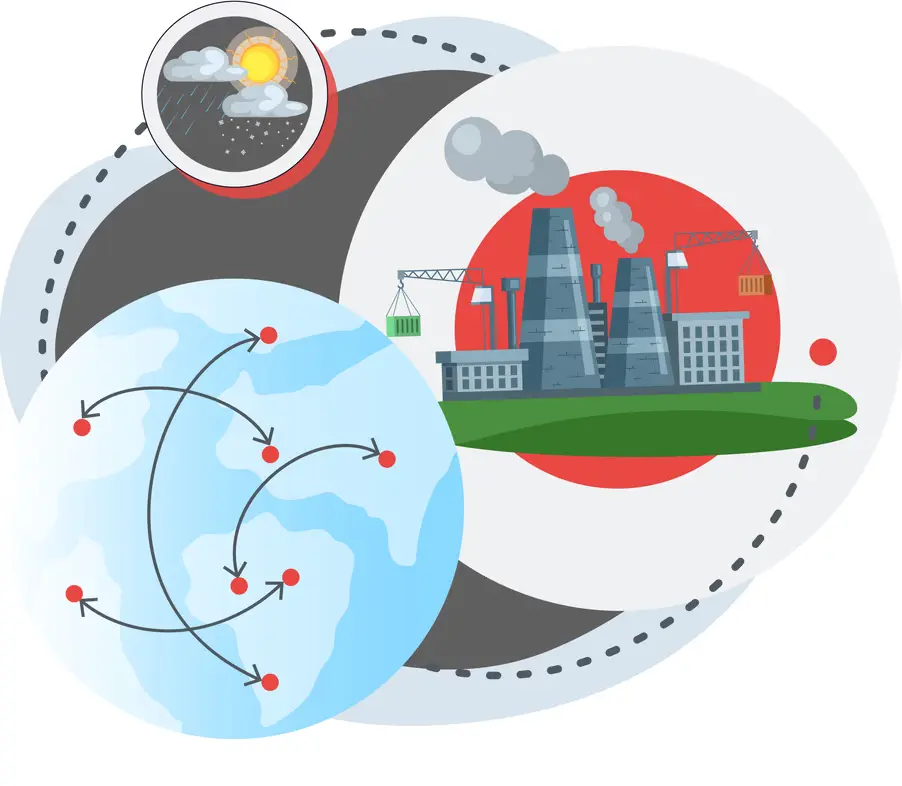
जलवायु परिवर्तन के खिलाफ पूरी दुनिया ही एक लड़ाई लड़ रही है। इस संघर्ष में लक्ष्यों और प्रतिबद्धताओं की कोई कमी नहीं रही है। लेकिन अंततः लोग इस दिशा में हुई प्रगति का आकलन इस आधार पर करते हैं कि वे अपने दैनिक जीवन में क्या अनुभव करते हैं। और जलवायु कार्रवाई का प्रभाव दुनिया के शहरों में सबसे अधिक प्रत्यक्ष रूप से दिखाई देता है।
शहरों में यह समझ अब बनने लगी है कि ग्रीनहाउस गैसों का उत्सर्जन कम करने और जलवायु संबंधी चुनौतियों का सामना करने की क्षमता बढ़ाने वाले उपाय लोगों के दैनिक जीवन को भी बेहतर बनाते हैं। एनर्जी-इफिशिएंट घर बिजली के बिल को कम करते हैं। रिन्यूएबल एनर्जी आयातित-ईंधनों पर निर्भरता और तेल-गैस की कीमतों में उछाल से पैदा होने वाली मुश्किलों को कम करती है।
बेहतर सार्वजनिक परिवहन और सुरक्षित साइकिल इंफ्रास्ट्रक्चर लोगों को आने-जाने के लिए अधिक किफायती और स्वस्थ विकल्प उपलब्ध कराता है। पेड़ और ग्रीन बेल्ट हवा की गुणवत्ता में सुधार लाते हैं, इलाकों को ठंडा रखते हैं और शहरों को रहने के लिए अधिक सुखद बनाते हैं।
लेकिन जलवायु कार्रवाई का उद्देश्य केवल यही नहीं है। यह लोगों को गर्म होती पृथ्वी के पहले से स्पष्ट हो चुके प्रभावों से सुरक्षित रखने का भी प्रयास है। लू, बाढ़, सूखा और एक्स्ट्रीम-मौसम की घटनाएं लगातार अधिक तीव्र हो रही हैं। शहर और उनके निवासी इन चुनौतियों का सबसे पहले सामना कर रहे हैं। यही कारण है कि जलवायु परिवर्तन का सामना करने के लिए एडाप्टेशन के उपायों को भी आगे बढ़ाना होगा।
दुनिया भर में स्थानीय नेतृत्व स्कूलों, अस्पतालों, नर्सिंग होम्स और सार्वजनिक स्थलों को अत्यधिक गर्मी तथा अन्य जलवायु जोखिमों से नागरिकों की सुरक्षा के लिए अनुकूल बनाने के प्रयास कर रहा है। छायादार व्यवस्थाएं, ग्रीन रूफ और प्राकृतिक कूलिंग सिस्टम्स बढ़ते तापमान के प्रति शहरों की क्षमता को बढ़ा सकते हैं, जिसका सबसे अधिक लाभ बच्चों, बुजुर्गों और अन्य संवेदनशील समूहों को मिलता है। आज दुनिया के कई बड़े शहरों में ग्रीनहाउस गैस उत्सर्जन घटा है, जबकि उनकी आबादी लगातार बढ़ती रही है। इसके अलावा, तमाम तरह के शहर मिलकर उस प्रगति को और तेज करने के लिए सहयोग कर रहे हैं, जो उन्होंने अलग-अलग स्तर पर हासिल की है।
पिछले एक दशक में ग्लोबल कोवेनेंट ऑफ मेयर्स फॉर क्लाइमेट एंड एनर्जी (जीसीओएम) 150 देशों के 14,000 से अधिक शहरों और स्थानीय सरकारों के गठबंधन के रूप में विकसित हुआ है, जो एक अरब से अधिक लोगों का प्रतिनिधित्व करता है। इसमें भारत के भी 29 शहर शामिल हैं और सबसे नया सदस्य तिरुवनंतपुरम है।
इसके अनेक सदस्य शहरों ने अपनी सरकारों की तुलना में अधिक महत्वाकांक्षी जलवायु लक्ष्य अपनाए हैं और उन्हें अधिक तेजी से हासिल करने की दिशा में आगे बढ़े हैं। फिर भी, यदि उन्हें अधिक सहयोग मिले तो वे और तेजी से तथा अधिक व्यापक स्तर पर काम कर सकते हैं। उन्हें तकनीकी विशेषज्ञता और फंडिंग तक पहुंच की तत्काल आवश्यकता है। अनेक स्थानीय निकायों के पास अब भी इतने संसाधन नहीं हैं कि वे जलवायु परियोजनाओं की पहचान, विकास और क्रियान्वयन कर सकें।
साझेदारी से इन जरूरतों को पूरा किया जा सकता है। सिटी क्लाइमेट फाइनेंस गैप फंड- जिसे जीसीओएम और विश्व बैंक का समर्थन प्राप्त है- पहले ही ऐसी परियोजनाएं विकसित करने में शहरों को सहायता दे रहा है, जो निवेश को आकर्षित कर सकें और आबादी को लाभ पहुंचा सकें। पिछले कुछ वर्षों में इसने 1,400 से अधिक शहरों को जलवायु संबंधी महत्वाकांक्षाओं को व्यावहारिक कार्रवाई में बदलने में सहायता प्रदान की है।
राष्ट्रीय सरकारें अब जलवायु परिवर्तन से निपटने में शहरों की क्षमता को तेजी से स्वीकार कर रही हैं। लेकिन इसे केवल शुरुआत माना जाना चाहिए। सबसे सफल जलवायु-नीतियां वही होती हैं, जिनका असर लोग अपने रोजमर्रा के जीवन में देख और महसूस कर सकें, यानी स्वच्छ हवा, अधिक सुरक्षित सड़कें, बिजली का कम बिल, अधिक स्वस्थ घर और एक्स्ट्रीम-मौसम से बेहतर सुरक्षा।
सबसे सफल जलवायु-नीतियां वही होती हैं, जिनका असर लोग अपने रोजमर्रा के जीवन में देख और महसूस कर सकें, यानी स्वच्छ हवा, अधिक सुरक्षित सड़कें, बिजली का कम बिल, अधिक स्वस्थ घर और एक्स्ट्रीम-मौसम से बेहतर सुरक्षा।
 Date: 07-07-26
निगरानी बढ़ाने जरूरत
संपादकीय

इलेक्ट्रॉनिकी और सूचना प्रौद्योगिकी मंत्रालय ने मेटा को इंस्टाग्राम पर ऐसे सभी विज्ञापन और सामग्री हटाने का निर्देश दिया है, जो बाल यौन शोषण सामग्री को बढ़ावा देते हैं या उसे सुगम बनाते हैं। इससे पता चलता है कि आर्टिफिशल इंटेलिजेंस (एआई) से सामग्री के प्रसार के इस दौर में सोशल मीडिया प्लेटफॉर्म की जवाबदेही बढ़ाना कितना आवश्यक है। चिंता बढ़ाने वाली बात है कि शोषणकारी सामग्री कथित तौर पर पेड विज्ञापनों के रूप में सामने आई चिंता केवल यूजर्स द्वारा तैयार हो रही सामग्री की ही नहीं है बल्कि स्वचालित विज्ञापन समीक्षा प्रणालियों और एआई आधारित सामग्री जांच की विश्वसनीयता की भी है, जिसे प्रकाशन से पहले कड़ी जांच से गुजरना चाहिए। मेटा ने दोहराया है कि वह ऐसे मामलों को बिल्कुल सहन नहीं करती। कंपनी ने कहा है कि वह अरबों उपयोगकर्ताओं के बीच अपमानजनक सामग्री का पता लगाने के लिए उन्नत एआई का उपयोग करती है। फिर भी यह विवाद दर्शाता है कि एआई से होने वाली जांच की भी अपनी सीमाएं हैं। बीबीसी की एक जांच से पता चला कि मेसेजिंग ऐप टेलीग्राम के जरिये ऐसी सामग्री बेचने के विज्ञापन दिखाए जा रहे थे। रिपोर्ट के अनुसार टेलीग्राम इस वर्ष ऐसी सामग्री वाले 2.74 लाख से अधिक समूहों और चैनलों को हटा चुका है मगर वह काफी लगता।
रिकमंडेशन यानी सिफारिश करने वाले इंजन और विज्ञापन एल्गोरिद्म को ज्यादा से ज्यादा लोगों को प्लेटफॉर्म तक लाने और कमाई बढ़ाने के हिसाब से बनाया जाता है। मगर ये इंजन ऐसे बारीक नेटवर्कों का पता नहीं लगा पाते, जो पहचाने से बचने के लिए लगातार बदलते रहते हैं। जब विज्ञापनों के जरिये ऐसी सामग्री से कमाई की जाती है तो यह विफलता सामग्री की जांच तक नहीं रहती बल्कि प्लेटफॉर्म की वाणिज्यिक समीक्षा प्रणालियों तक चली जाती है। इससे कंपनियों के आश्वासन पर ही भरोसा करने के बजाय कंटेंट रिकमंडेशन प्रणालियों और विज्ञापन मंजुरी प्रक्रियाओं की स्वतंत्र जांच जरूरी हो जाती है। वह चुनौती दुनिया भर में है और बढ़ती जा रही है। 2025 में अमेरिका के नैर- लाभकारी संगठन नैशनल सेंटर फॉर मिसिंग एंड एक्सप्लॉइटेड चिल्ड्रन (एनसीएमईसी) को 2.13 करोड़ साइबर टिपलाइन रिपोट्र्स प्राप्त हुई। इनमें 6.18 करोड़ चित्र, वीडियो और अन्य फाइलें बाल यौन शोषण से संबंधित थी। लगभग 15 लाख रिपोट्र्स जेनरेटिन एआई से जुड़ी थीं, जिससे पता लगता है कि बाल शोषण में एआई का दुरुपयोग कितना बढ़ रहा है। इंटरनेट वॉच फाउंडेशन (आईडब्ल्यूएफ) ने भी 2025 में एआई से बनाए गए बाल यौन शोष संबंधी 8,029 चित्र और वीडियो की पहचान की, जो उससे पिछले वर्ष की तुलना में 14 प्रतिशत ज्यादा थे। एआई से तैयार होने वाले ऐसे वीडियो 260 गुना बड़े हैं।
सूचना प्रौद्योगिकी अधिनियम और सूचना प्रौद्योगिकी (मध्यस्थ दिशानिर्देश एवं डिजिटल मीडिया आचार संहिता) नियम, 2021 जरूरी सावधानी बरतने का जिम्मा मध्यस्थों पर डालते हैं। लेकिन जो प्लेटफॉर्म विज्ञापन देकर सामग्री से कमाई करते हैं, उनके ऊपर इससे भी ज्यादा जिम्मेदारी होनी चाहिए। स्वतंत्र एल्गोरिधिक ऑडिट, विज्ञापन समीक्षा प्रक्रियाओं के पारदर्शी खुलासे, विज्ञापनदाताओं की अधिक सख्त ‘अपने विज्ञापनदाता को जाने’ (केवाईए) सत्यापन प्रक्रिया, संदिग्ध विज्ञापन खरीद के लिए दी जाने वाली रकम की कड़ी निगरानी और अधिक जोखिम वाले विज्ञापनों की अनिवार्य मानवीय समीक्षा आदि को नियामकीय जरूरत बनाया जाना चाहिए। पारदर्शिता बढ़ाने के लिए यह भी आवश्यक है कि ऐसे प्लेटफॉर्म समय-समय पर पारदर्शिता रिपोर्ट प्रकाशित करें। इन रिपोर्टों में अस्वीकृत विज्ञापनों, निलंबित विज्ञापनदाताओं और बाल सुरक्षा से जुड़े प्रवर्तन कदमों का विवरण हो। इससे जवाबदेही मजबूत होगी। इसी प्रकार रोकने वाले बानी निवारक उपायों का कारगर होना भी उतना ही महत्वपूर्ण है।
अवैध सामग्री के पेड प्रमोशन से जुड़े मामलों में बार-बार विफल रहने बाले प्लेटफॉर्म पर गड़ा अर्थदंड लगाया जाना चाहिए। साथ ही सीमा- पार शोषण नेटवकों को खत्म करने के लिए कानून प्रवर्तन एजेंसियों के बीच सहयोग मजबूत होना चाहिए। प्रशिक्षत मानव समीक्षाकर्ताओं का साथ देने के लिए एआई से चलने वाले पहचान उपकरण भी होने चाहिए। बाल सुरक्षा जैसे अधिक जोखिम वाले ऐसा करना विशेष रूप से आवश्यक है। हाल ही में शुरू की गई ‘टेक इट डाउन’ पहल भी बाल यौन शोषण सामग्री और बिना सहमति के साझा की गई अंतरंग तस्वीरों को जल्दी हटाने की दिशा में सकारात्मक कदम है। एआई जैसे-जैसे डिजिटल पारिस्थितिकी को बदल रहा है वैसे-वैसे ही प्लेटफॉर्म की जवाबदेही भी केवल अवैध सामग्री हटाने तक सीमित नहीं रहनी चाहिए। उसकी जवाबदेही ऐसी समग्री के लिए रकम की उपलब्धता, प्रचार और बढ़ावे को शुरू में ही रोकने के लिए भी होनी चाहिए।

संघर्ष की विरासत
संपादकीय
कला जगत में ऐसे कम लोग हुए हैं, जिन्होंने अपने जीवन में लगभग हर स्तर पर प्रतिकूल परिस्थितियों के बावजूद न केवल मजबूत उपस्थिति दर्ज की, बल्कि अपनी चुनी हुई विधा को एक नया आयाम दिया। तीजन बाई और पंडवानी आज एक-दूसरे के मजबूत पर्याय के तौर पर जाने जाते हैं, तो इसकी एक ठोस पृष्ठभूमि भी है। महज नौ साल की उम्र में जब तीजन बाई ने अपने चचेरे नाना से पंडवानी का प्रशिक्षण लेना शुरू किया, तो उस उम्र में भी उन्हें समाज से लेकर अपने परिवार तक का काफी विरोध झेलना पड़ा। दरअसल, पंडवानी विधा में गायन को आमतौर पर पुरुषों का क्षेत्र माना जाता था। आगे उनका निजी जीवन भी इससे बुरी तरह प्रभावित हुआ और उनकी शादी भी टूटी। मगर पंडवानी और तीजनबाई ने शायद एक-दूसरे को चुन लिया था और यही वजह थी कि कमजोर सामाजिक तबके से आने और तमाम विपरीत हालात के बावजूद उन्होंने अपनी कला को नहीं छोड़ा और उसके तहत वे महाभारत कथा की अलग-अलग बारीकियों के साथ उसके अभिनय पक्ष पर काम करती रहीं।
अपनी प्रतिबद्धता की वजह से ही वे न केवल अपने आसपास के गांवों में एक कामयाब पंडवानी गायिका के रूप में जानी गईं, बल्कि तत्कालीन प्रधानमंत्री इंदिरा गांधी के सामने भी उन्हें अपनी प्रस्तुति देने का अवसर मिला। उनकी प्रतिभा के लिए उन्हें पद्म पुरस्कारों सहित कई अन्य सम्मान से नवाजा गया, लेकिन उनकी अहमियत उनके व्यक्तित्व में मौजूद उन खासियतों से कायम रही, जिन्हें उन्होंने काफी मेहनत और संघर्ष से अर्जित किया था। उनकी प्रस्तुतियों में उत्साह, ऊर्जा, आक्रामकता, कठोरता से लेकर कोमलता और वात्सल्य के भाव दर्शकों के भीतर उतर जाते थे और इससे पता चलता है कि उन्हें इसके लिए किस स्तर की साधना से गुजरना पड़ा होगा औपचारिक शिक्षा नहीं के बराबर होने के बावजूद अपनी चुनी हुई कला में उन्होंने जिस स्तर की बारीकियां हासिल कीं, वैसा विरले दिखता है। मौजूदा दौर में मंचीय प्रस्तुतियां महज चकाचौंध और आधुनिक तकनीक की गूंज में दबी लगती हैं, लेकिन कला और उसकी अहमियत को समझने वालों को तीजन बाई की प्रस्तुतियों के बीच ठहराव के साथ मौन की संवेदना के मायने भीतर तक उतर जाना ज्यादा याद रह जाता है।