
04-09-2026 (Important News Clippings)
To Download Click Here.
 Date: 04-09-26
Why Critics Of GDP Numbers Are Plain Wrong
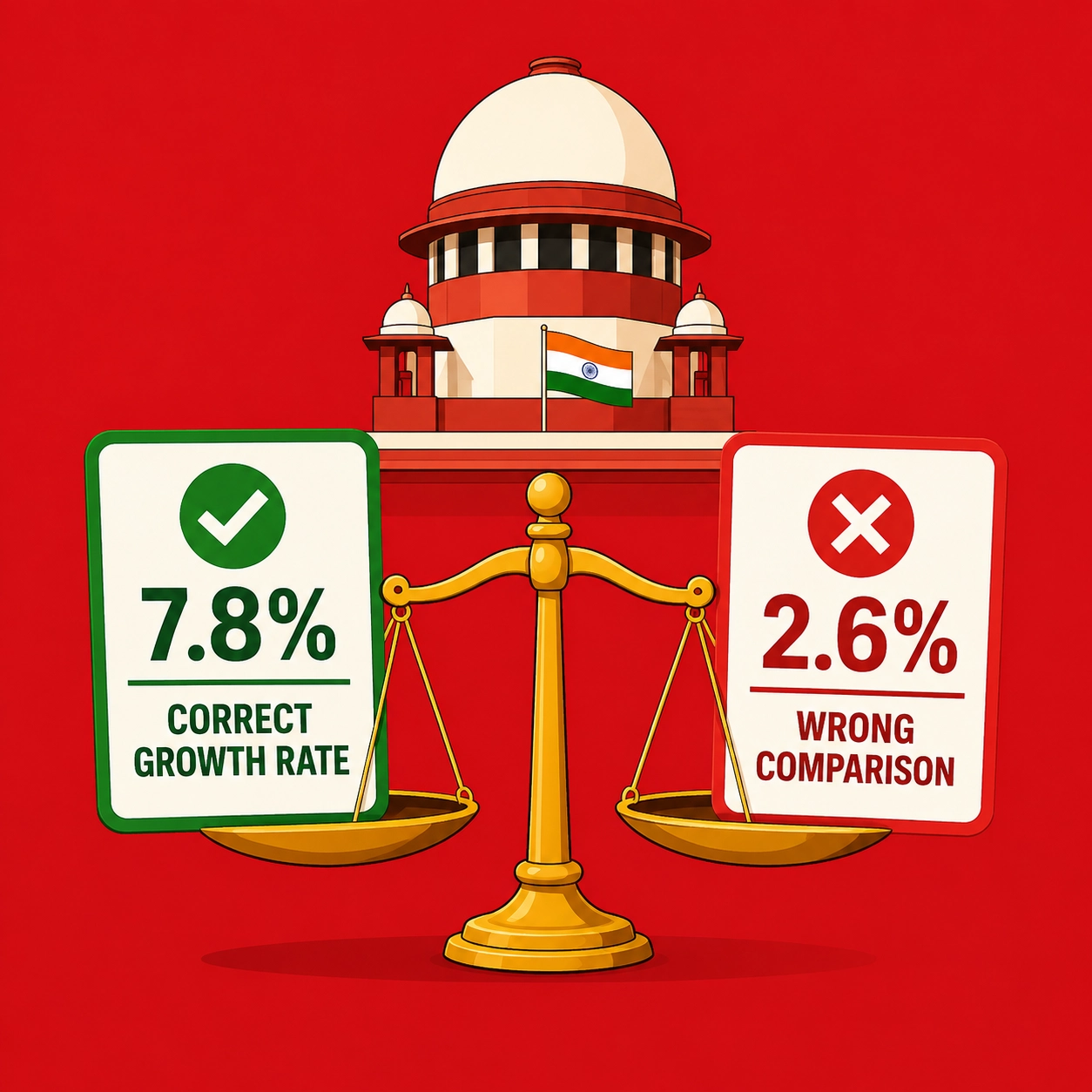
You can’t compute growth by comparing numbers from two different series. So, 7.8% is the correct growth rate. Also, there is plenty of other economic data that supports the high growth figure
Gourav Vallabh, [ The writer is finance professor ]
 India’s first-quarter GDP release has generated unusual controversy. The official estimate says nominal GDP grew by 10.3% in Q1 FY 2026-27; a competing calculation puts it at 2.6%. Neither can describe the same comparison.
This is not a contest between optimism and pessimism. It turns on an elementary statistical rule: growth must be calculated between numbers prepared under the same series. Apply one ruler to both years, and the 2.6% claim collapses.
At current prices, Q1 FY 2026-27 GDP is estimated at 88.27L cr . Its comparable Q1 FY 2025-26 estimate, in the new 2022-23 series, is 80L cr, yielding 10.3% growth. At constant prices, GDP rose from 75.46L cr to 81.36L cr, giving real growth of 7.8%. The 2.6% figure divides the new-series 88.27Lcr by the old-series 86.05L cr. That is not an alternative estimate; it is arithmetic built by splicing two statistical frameworks.
Why did last year’s 86.05L cr become 80L cr? The published journey is clear.
- On Aug 29, 2025, Q1 FY 2025-26 nominal GDP was 86.05L cr, under the old series.
- When the 2022-23 series arrived in Feb 2026, it became 80.32L cr.
- It was updated to 80.44L cr in June, and to 80L cr in Aug, after the new IIP and PPI series were incorporated.
- The denominator was, therefore, revised through a documented sequence, rather than changed at the last minute, to fabricate growth.
A crucial distinction is being lost. Nominal GDP, or GDP at current prices, values production at the prices prevailing in that period; it does not use the base year’s price list. Merely replacing 2011-12 with 2022-23 as reference year cannot mechanically reduce nominal GDP.
The base-year price reference directly affects real GDP, which holds prices constant, to isolate changes in output. If a factory sells 100 units at 50 each, its nominal output is 5k, regardless of the base year. If better records, later, reveal returns or double-counting, however, the estimate must change. That is a data and measurement revision, not a base-price effect.
A new GDP series does much more than replace a price reference. It can introduce new surveys and GST data, better company and govt records, a change in coverage of economic activities, removal of duplication, updated ratios, and improved methods of estimating value addition.
The 2022-23 series expands coverage of the unincorporated sector, adopts double deflation in manufacturing, and improves quarterly benchmarking. These changes can revise both nominal and real GDP for earlier periods. Thus, two propositions are simultaneously true: changing base-year prices alone does not alter nominal GDP, but a comprehensive series revision can alter it because the information set and methodology have changed.
Those insisting on 2.6% should state required assumptions openly – that the new surveys and GST data add no information; that company and govt records are unchanged; that economic coverage has not widened; that corrections for duplication and updated ratios do not matter; and that the revised methodology has no effect on historical nominal estimates.
Those assumptions contradict the documented construction of the new series. The denominator is not optional: 86.05L cr remains a historical old-series estimate, while 80L cr is the comparable new-series estimate. Valid growth requires the same ruler for both years.
The broader evidence also fits a strong quarter. Cement production grew 8.9%, IIP for infra & and construction goods 7.2%, electricity IIP 9.3%, capital goods output 15.2%, commercial vehicle sales 18.3% and cargo at major ports 6.2%. Because these indicators help compile quarterly GDP, they’re not wholly independent. Nevertheless, they reflect observable activity, which is hard to reconcile with nominal growth of only 2.6%.
The internal pattern is equally coherent:
- Real manufacturing grew 9.2%, utilities 8.9%, construction 7.7% and services 10%.
- Private consumption rose 7.1%, fixed investment 11.9% and real exports 12%.
Nor is 7.8% real growth an implausible break from India’s recent path. Before Aug’s update, published real GDP growth for FY 2023-24, 2024-25 and 2025-26 was 7.2%, 7.1% and 7.7%, respectively. National Accounts Statistics 2026, after incorporating updated IIP, PPI, and administrative data, revised these rates to 7.3%, 7.2%, and 7.8%. Either vintage shows three consecutive years above 7%. Q1 FY 2026-27 grew 7.8%, against 6.9% a year earlier. Annual and quarterly rates are not identical, but they establish continuity, rather than a statistical surprise.
If 7.8% real growth is consistent with India’s recent economic path, the next question is why nominal GDP grew faster, at 10.3%? This is explained by the price component, captured in GDP deflator. Nominal GDP reflects changes in both output and prices, whereas real GDP seeks to isolate output.
The two growth rates imply an increase of roughly 2.3% in the GDP deflator. This deflator should not be confused with either CPI or WPI. It measures price changes across the economy-wide value chain, using multiple price indicators with varying weights. Household consumption prices, wholesale goods prices and prices embedded in value addition, can, thus, move differently.
Every GDP number has a journey. For Q1 FY 2026-27, the first advance estimate was released in Aug 2026, the second advance estimate will follow in Nov, and provisional estimate in Feb 2027. The first revised estimate will be in Feb 2028, followed by the second and final revised estimates in Feb 2029. Revisions are part and parcel of GDP estimation, not evidence of manipulation.
NSO should also publish a simple bridge showing how documented changes in data, coverage and methodology reduced the figure from 86.05L cr to 80L cr.
Scrutiny must begin with comparable numbers. In current series, Q1 FY 2026-27 recorded 10.3% nominal growth and 7.8% real growth; 2.6% isn’t an alternative estimate, but a category error produced by mixing series. Explanations ignoring this elementary principle must be challenged, because they violate both economic theory and common sense.

Religious Tourism as Branded Pilgrimage
ET Editorials
India’s pilgrimage towns are awash with humanity, but starved of high-end hospitality. Ayodhya, Tirupati, Varanasi and Shirdi together draw tens of millions of devotees each year. Yet, branded hotels are conspicuous by their absence. Alan Watts, Hilton’s Asia-Pacific president, is blunt: there is ‘almost no branded supply’ at such destinations. For a country that aspires to be the world’s third-largest lodging market, this is a gaping opportunity disguised as a yawning gap.
Religious tourism is not a niche sideshow but a $60-bn industry, which is growing as India’s upper-middle aspirational classes with money to spend demand comfort to go with their devotion. Pilgrims increasingly take air-conditioning, Wi-Fi and reliable service for granted. It’s no longer a clean cot in a dharamshala. The Indian diaspora, too, wants to get a slice of this spiritual pie with five-star amenities. To make branded religious tourism thrive, three ingredients are essential. One, infrastructure investment: airports, roads and utilities must keep pace with crowds. A luxury suite is of little use if the journey there is a penance. Two, cultural sensitivity: hotels must blend luxury with reverence — prayer halls, architecture echoing temple motifs, aesthetics. Third, partnerships with temple trusts: legitimacy depends on being seen as enhancing, not exploiting, faith.
The risks are real. Over-commercialisation of the high-end kind can provoke backlash. The line between lux service and opulence is thin. Yet, the rewards are immense. Branded hotels can capture a slice of a vast market while raising standards. A well-run luxury resort or hotel in, say, Madurai would be an apt statement of India’s ability to marry tradition with modernity, faith with commerce.

विकास दर को कई फैक्टरों से समझना जरूरी होता है
संपादकीय
वर्ष 2026-27 की पहली तिमाही का पूर्व वित्त वर्ष के इसी काल से तुलनात्मक जीडीपी – आयतन ही विकास दर बताता है। 2011-12 को आधार वर्ष मानते हुए यह 86.05 लाख करोड़ था। लेकिन सरकार ने इसी साल फरवरी में 2022-23 को आधार वर्ष मानते हुए नई सीरीज शुरू की और पिछले वर्ष की इसी तिमाही का जीडीपी आयतन घटाकर 80 लाख करोड़ और चालू वर्ष का 88.27 लाख करोड़ तय किया। लिहाजा नॉमिनल विकास दर 10.3 घोषित हुई और रियल विकास दर 7.8% । लेकिन कुछ अर्थशास्त्री पुरानी सीरीज पर मान्य 86.05 लाख करोड़ को बेंचमार्क मानते हुए विकास दर मात्र 2.6% मान रहे हैं। अर्थशास्त्रियों का यह आरोप तो सही है कि प्रक्रियात्मक बदलाव के कारण नई सीरीज में औपचारिक क्षेत्र के आंकड़े ज्यादा दिखाई देंगे, जबकि अनौपचारिक क्षेत्र के आंकड़े घटेंगे। लेकिन यह बदलाव जरूरी था, क्योंकि जीएसटी लेनेदेन में डिजिटल प्रयोग का बढ़ना यानी औपचारिक क्षेत्र का प्रसार, डाटा मॉनिटरिंग में टेक का प्रयोग, पीएलएफएस के पांच साला सर्वे की जगह 2022-23 से एएसयूएसई शुरू करना आर्थिकी की सही तस्वीर देगा। नोटबंदी और कोरोना से अनौपचारिक क्षेत्र को क्षति हुई है। एमएसएमई बदहाल हैं। ग्रामीण अर्थव्यवस्था पर नए बेरोजगारों का बोझ है। ऐसे में विकास दर को अन्य व्यावहारिक फैक्टरों के चश्मे से भी देखना होगा।
Date: 04-09-26
महिलाओं के पक्ष में एक नई राजनीतिक भाषा सुनाई दी है
आशुतोष वार्ष्णेय, ( ब्राउन यूनिवर्सिटी, अमेरिका में राजनीति विज्ञान के प्रोफेसर )
कुछ दिनों पहले ‘छात्रों की गूंज’ कार्यक्रम के दौरान पुणे में युवा महिलाओं को संबोधित करते हुए राहुल गांधी ने कहा कि भारत में आदर्श नारी को तीन वर्गों में डाल दिया जाता है, उसे सिर्फ बेटी, पत्नी या मां के रूप में देखा जाता है। राहुल ने आगे कहा कि इनमें से किसी एक के रूप में देखे जाने में कोई गलत बात नहीं है, लेकिन यही आपकी एकमात्र पहचान नहीं हो सकती।
कई महिलाएं बेहतरीन प्रोफेशनल होती हैं, जिनकी महत्वाकांक्षाएं और सपने इन पारंपरिक भूमिकाओं से आगे हैं। लेकिन अपने लक्ष्यों को हासिल करने की उनकी कोशिश अक्सर उन रुकावटों से भरी होती है, जो समाज और उसे चलाने वाली सोच उनके सामने खड़ी करती है। इन रुकावटों और इस सोच के खिलाफ लड़ना और उन्हें दूर करना जरूरी है। महिला दर्शकों की जोरदार तालियों के बीच राहुल का आखिरी संदेश था : ‘पिंजरा तोड़ो, पितृसत्ता को खत्म करो।’
अब तक इस तरह की बातें दुनिया भर में अकादमिक सेमिनारों और कॉन्फ्रेंस में लगातार सुनने को मिलती रही हैं। लेकिन जहां तक मेरी जानकारी है, पहली बार इन्हें भारत की मुख्यधारा की राजनीति में लाया गया है।
अकादमिक और राजनीतिक मुख्यधारा अकसर सामाजिक और राजनीतिक जीवन के दो अलग-अलग हिस्से होते हैं। अमेरिका की आईवी लीग यूनिवर्सिटीज में ‘मागा’ की सोच का बहुत कम या बिल्कुल असर दिखाई नहीं देता। भारत में जेएनयू को भी अकसर एक अलग दुनिया माना गया है। केरल या बंगाल (जब राज्य में सीपीएम की सरकार थी) को छोड़ दें तो जेएनयू की राजनीतिक संस्कृति का राष्ट्रीय मुख्यधारा से बहुत कम मेल रहा है। दिल्ली स्कूल ऑफ इकोनॉमिक्स (और सोशियोलॉजी) का रिकॉर्ड भी कुछ ऐसा ही रहा है- मुख्यधारा की राजनीति में उसकी भूमिका शायद ही कभी उसकी बौद्धिक चमक के बराबर रही हो।
इसलिए राहुल गांधी का पितृसत्ता के खिलाफ कदम नया और अलग है। यह सुनिश्चित करने के लिए कि पितृसत्ता को खत्म करो की अपील को ऊपर से थोपी गई कोई बौद्धिक बात न माना जाए, जिसका महिलाओं की रोजमर्रा की जिंदगी से कोई लेना-देना नहीं हो, पुणे में राहुल का बात रखने का तरीका काफी अलग था। उन्होंने इसे किसी यूनिवर्सिटी की ऊंची अकादमिक दुनिया से सीधे निकले राजनीतिक भाषण की तरह नहीं, बल्कि एक बड़े जन-कार्यक्रम की तरह पेश किया।
मंच पर कई युवा महिलाओं को बुलाया गया था। इनमें लगभग सभी छात्राएं या हाल ही में पढ़ाई पूरी करने वाली युवा महिलाएं थीं। उन्होंने अपनी पढ़ाई और दूसरे लक्ष्यों के बारे में बताया और उन रुकावटों के बारे में भी बताया, जिनका उन्हें सामना करना पड़ता है। इनमें शहर और गांव, दोनों जगहों से आई महिलाएं थीं। कुछ अंग्रेजी अच्छी तरह बोल रही थीं, कुछ हिंदी में और कुछ मराठी में। कुछ ऊपरी-मध्यम वर्ग के परिवारों से थीं; एक आदिवासी महिला थीं और एक महाराष्ट्र के एक छोटे शहर के एक सफाई कर्मचारी की बेटी थीं। सफाईकर्मी की बेटी ने दिल्ली के जामिया मिल्लिया इस्लामिया से पढ़ाई की थी और पत्रकार बनना चाहती हैं, लेकिन उन्हें बार-बार कहा जाता है कि वे पत्रकार नहीं बन सकतीं, उन्हें शादी के बारे में सोचना चाहिए।
सभी महिलाओं ने अपनी बात इस तरह रखी कि रोजमर्रा की जिंदगी पर पितृसत्ता के बुरे असर को समझा जा सके। उन्होंने बताया कि गांव से बाहर के स्कूलों में जाना कितना मुश्किल है; सार्वजनिक परिवहन कितना असुरक्षित है, चाहे बसें भरी हों या खाली; सोशल मीडिया का इस्तेमाल उन्हें शर्मिंदा करने और दबाव बनाने के लिए कैसे किया जाता है। सिर्फ लिखकर ट्रोल करने के जरिए नहीं, बल्कि तस्वीरों और वीडियो के साथ छेड़छाड़ करके भी; महिला वकीलों को कमतर मानने वाली सोच के कारण कानूनी मामले योग्यता के आधार पर नहीं, बल्कि जेंडर के आधार पर दिए जाते हैं; कैसे नागरिक के तौर पर अभिव्यक्ति की आजादी का इस्तेमाल करने पर उनके खिलाफ एफआईआर दर्ज कर दी जाती है और कहा जाता है कि महिलाओं को अभिव्यक्ति की इतनी स्वतंत्रता नहीं दी जा सकती।
इस कार्यक्रम का मकसद सिर्फ किसी विचार को उदाहरणों के जरिए समझाना नहीं था। इस कवायद का मकसद गहराई से राजनीतिक था। बंगाल में जीत के बाद बीजेपी का राजनीतिक प्रभाव बहुत बढ़ गया था। लेकिन कॉकरोच जनता पार्टी (सीजेपी) आंदोलन- खासकर जंतर-मंतर का प्रदर्शन- ने देश में राजनीतिक विमर्श को बदला है। इसी मौके का फायदा उठाते हुए राहुल गांधी राजनीतिक बहस में बढ़त हासिल करने की कोशिश कर रहे हैं। 2027 में कई विधानसभा चुनाव होने हैं और छात्र व महिलाएं यकीनन एक महत्वपूर्ण वोटर समूह हैं।

हिमालयी राज्यों की चुनौती
संपादकीय
ग्लेशियर झीलों के फटने और हिमस्खलन के खतरों से निपटने की तैयारियों की समीक्षा के लिए केंद्रीय गृह सचिव की अध्यक्षता में हिमालयी राज्यों और केंद्रशासित प्रदेशों की जो बैठक आयोजित की गई, वह समय की मांग थी। नेपाल में ग्लेशियर फटने से आई विनाशकारी बाढ़ के बाद यह आवश्यक हो गया था कि हिमालय क्षेत्र के राज्य ऐसी किसी आपदा से निपटने के लिए कमर कसें। यह इसलिए और आवश्यक था, क्योंकि हिमालयी राज्य बारिश और बाढ़ से उपजी चुनौतियों का सामना पहले से ही कर रहे हैं। इसकी अनदेखी नहीं की जा सकती कि पिछले कुछ वर्षों में बारिश के दिनों में पर्वतीय नदियों में बाढ़ आने से हिमालयी राज्यों को अच्छी-खासी जन-धन हानि का सामना करना पड़ा है। इससे संतुष्ट नहीं हुआ जा सकता कि गृह सचिव की ओर से बुलाई गई बैठक में हिमालय क्षेत्र के राज्यों और केंद्रशासित प्रदेशों ने हिमनद झीलों की निगरानी और प्रारंभिक चेतावनी प्रणालियों को मजबूत करने को लेकर अपनी-अपनी तैयारियों का विवरण सामने रखा, क्योंकि अभी और भी कुछ करने की जरूरत है। पहली जरूरत तो सभी ग्लेशियरों की सतत निगरानी की है।
यह पर्याप्त नहीं कि भारत अपने हिमालयी क्षेत्र के ग्लेशियरों की निगरानी कर रहा है, क्योंकि कई ग्लेशियर ऐसे हैं, जो दूसरे देशों की सीमा में ऐसी जगह पर हैं कि उनके फटने से भारत के पर्वतीय राज्यों को अधिक खतरा हो सकता है-ठीक वैसे ही जैसे नेपाल की नदियों में जो बाढ़ आई, वह तिब्बत के हिमालयी क्षेत्र में ग्लेशियर फटने से आई। दुर्भाग्य यह रहा कि चीन ने नेपाल को ग्लेशियर फटने की समय पर सूचना नहीं दी। चीन इस मामले में पहले भी सुस्ती और उदासीनता दिखा चुका है। ऐसे में यह आवश्यक है कि भारत, नेपाल, भूटान मिलकर चीन पर इसके लिए दबाव बनाएं कि ग्लेशियरों की निगरानी का कोई साझा तंत्र स्थापित हो। अब जब यह स्पष्ट है कि ग्लोबल वार्मिंग के चलते ग्लेशियर कहीं अधिक तेजी से पिघल रहे हैं, तब उनकी सतत निगरानी को सर्वोच्च प्राथमिकता दी जानी चाहिए। यह सही समय है कि उत्तराखंड, हिमाचल, सिक्किम, अरुणाचल प्रदेश और जम्मू-कश्मीर को ध्यान में रखकर शुरू की गई ग्लेशियल लेक आउटबर्स्ट फ्लड संबंधी परियोजना की समीक्षा की जाए। इसके साथ ही हिमालयी राज्यों में बांध, बिजली, सड़क, सुरंग निर्माण संबंधी परियोजनाओं का भी इस दृष्टि से आकलन किया जाना चाहिए कि कहीं वे पर्वतीय क्षेत्र के पारिस्थितिकी तंत्र को तो प्रभावित नहीं कर रही हैं? ऐसा करते हुए हिमालयी राज्यों में नदियों के किनारे होने वाली बसाहट को अनिवार्य रूप से रोका जाना चाहिए। यह ठीक नहीं कि नदियों के किनारे घरों के साथ होटल और रिसार्ट आदि बन रहे हैं।
 Date: 04-09-26
बढ़ती बॉन्ड यील्ड के जोखिम
संपादकीय
 विभिन्न देशों की बढ़ती बॉन्ड यील्ड वित्तीय बाजारों और नीति निर्माताओं, दोनों को चिंतित कर रही है। जापान में इस सप्ताह 10 वर्ष के सरकारी बॉन्ड की वील्ड 3 फीसदी पहुंच गई जो 1996 के बाद का सबसे ऊंचा स्तर है। बॉन्ड कीमतों और यील्ड में परस्पर विपरीत संबंध होता है। ब्रिटेन में कर्ज लेने की लागत कई दशकों के उच्चतम स्तर पर पहुंच गई है। 30 साल की अवधि वाले सरकारी बॉन्ड की वील्ड 6 फीसदी के करीब पहुंच रही है। अमेरिका जो दुनियाभर में बॉन्ड यील्ड बढ़ने के लिए आशिक रूप से जिम्मेदार है वहां भी डेट मार्केट में बड़े पैमाने पर बिकवाली देखी गई है। भारत में भी लंबी अवधि वाले बॉन्ड की यील्ड धीरे-धीरे बढ़ रही है और इस सप्ताह 10 वर्षीय बॉन्ड की यील्ड 7 फीसदी तक पहुंच गई। ऊंची यील्ड से सरकार और निजी क्षेत्र दोनों के लिए वित्तपोषण की लागत बढ़ जाती है। बाजार दरों में तेज बढ़ोतरी से भारी कर्ज लेने वाली संस्थाओं के लिए ऋण चुकाने की क्षमता से जुड़े जोखिम काफी बढ़ सकते हैं।
डेट मार्केट में बिकवाली के कई कारण हैं। सबसे प्रमुख कारण ईरान युद्ध है। क्षेत्रीय तनाव में हालिया बढ़ोतरी ने एक बार फिर वैश्विक तेल कीमतों को बढ़ा दिया है जिससे दुनियाभर में महंगाई दर बढ़ने की आशंका है। युद्ध कितने समय तक चलेगा यह स्पष्ट नहीं है। इससे निवेशक लंबी अवधि के लिए पैसा लगाने से भी हिचक रहे हैं। इसके अलावा सरकारों पर बढ़ता कर्ज भी निवेशकों की चिंता बढ़ा रहा है। उदाहरण के लिए अमेरिकी सरकार का कुल कर्ज हाल ही में मनोवैज्ञानिक रूप से महत्वपूर्ण 40 लाख करोड़ डॉलर के स्तर को पार कर गया। कुछ निवेशकों का मानना है कि अमेरिकी सरकार की वित्तीय स्थिति ऐसे रास्ते पर बढ़ रही है जो लंबे समय तक टिकाऊ नहीं है।
अंतरराष्ट्रीय मुद्रा कोष के अनुमानों के अनुसार अमेरिकी सरकारी कर्ज 2025 में सकल घरेलू उत्पाद (जीडीपी) के करीब 124 फीसदी से बढ़कर 2031 में 142 फीसदी तक पहुंच सकता है। अमेरिकी वित्त विभाग ने हाल ही में लंबी अवधि वाले बॉन्ड की पुनर्खरीद बढ़ाने का प्रस्ताव रखा था जिसे बाजार के एक वर्ग ने अच्छी तरह नहीं लिया। अमेरिकी वित्त विभाग ने हाल ही में जापानी अधिकारियों के साथ मिलकर येन को मजबूती देने और जापान को अमेरिकी सरकारी बॉन्ड की अपनी होल्डिंग बेचने से रोकने की कोशिश भी की। अगर जापान ये बॉन्ड बेचता तो इससे बॉन्ड यील्ड पर दबाव और बढ़ सकता था।
फेडरल रिजर्व में नए चेयरमैन की नियुक्ति और अमेरिकी केंद्रीय बैंक की संवाद शैली में अचानक आया बदलाव भी बाजारों में बेचैनी पैदा कर रहा है। केविन वॉश ने अपने बहुप्रतीक्षित जैक्सन होल भाषण में 2 फीसदी महंगाई लक्ष्य के प्रति फेड की प्रतिबद्धता दोहराई। महंगाई दर पांच वर्षों से अधिक समय से इस लक्ष्य से ऊपर बनी हुई है और फेड को ब्याज दरें बढ़ाने की जरूरत पड़ सकती है। इससे बॉन्ड यील्ड पर और दबाव बढ़ेगा। आर्टिफिशल इंटेलिजेंस (एआई) से संबंधित क्षमता में लगातार हो रहा निवेश भी पूंजी की मांग बढ़ा रहा है और ब्याज दरों को ऊपर ले जा रहा है। एआई में बढ़ते निवेश का कुछ हिस्सा कर्ज के जरिये वित्तपोषित किया जा रहा है। यदि लंबे समय तक इस निवेश से मिलने वाला रिटर्न उम्मीद से कम रहता है तो इससे वित्तीय व्यवस्था में नई कमजोरियां पैदा हो सकती हैं। बढ़ती बॉन्ड यील्ड अपने आप में ऐसे हालात पैदा कर सकती है जिनसे निपटने के लिए वित्तीय बाजार तैयार न हों। जापान में लंबे समय तक ब्याज दरें लगभग शून्य रही हैं इसलिए निवेशक वहां कम ब्याज पर कर्ज लेकर दूसरे देशों और बाजारों में निवेश करते रहे। ऐसे निवेशों की वापसी से सरकारी बॉन्ड सहित विभिन्न परिसंपत्तियों की कीमतों पर असर पड़ सकता है।
वैश्विक स्तर पर ऊंची बॉन्ड यील्ड या कर्ज लेने की बढ़ती लागत भारत जैसी उभरती अर्थव्यवस्थाओं के लिए अच्छी खबर नहीं है जो विदेशी निवेश पर निर्भर हैं। विकसित देशों में बढ़ते बजट घाटे और निवेश की बढ़ती मांग से वैश्विक बचत का बड़ा हिस्सा वहीं खपने की आशंका है। इससे विकासशील देशों की ओर आने वाले पूंजी प्रवाह पर असर पड़ सकता है। पिछले कुछ वर्षों में भारत का अनुभव भी इसकी पुष्टि करता है।
इसलिए भारत को विदेशी निवेश आकर्षित करने के लिए अपनी प्रतिस्पर्धात्मक क्षमता बढ़ानी होगी। भारतीय रिजर्व बैंक की स्वैप योजना के तहत उम्मीद से बेहतर पूंजी प्रवाह से भारत को तत्काल भुगतान संतुलन संबंधी चुनौतियों से निपटने में मदद मिलेगी लेकिन यह प्रत्यक्ष विदेशी निवेश और पोर्टफोलियो निवेश का विकल्प नहीं है।