
01-07-2026 (Important News Clippings)
To Download Click Here.
 Date: 01-07-26
Right To Die, In Peace
On Doctors’ Day , an SC judge (retd) and a physician parse the arguments, for and against, medical termination of life for patients who can’t be cured. First priority is a law and system for palliative care
Arjan K Sikri and Chandrakant Lahariya, [ Justice Sikri retired from Supreme Court in March 2019. Dr Lahariya is a specialist in preventive & cardiometabolic medicine ]
 For years, the name Aruna Shanbaug was India’s most painful reminder of a question we did not know how to answer. A young nurse in Mumbai, brutally assaulted in 1973, spent over four decades alive, but not, in any ordinary sense, living. Her case forced India to ask an uncomfortable question: when medicine can keep the body going, but cannot restore life as we understand it, must suffering be prolonged, or does a person have the right to refuse such prolongation?
Supreme Court’s answer was that though a person has no right to die by taking their own life, they have the right to refuse medical treatment and hasten death, known as passive euthanasia.
That question has returned with urgency – India is ageing, chronic and terminal illnesses are more common. Hospitals can keep people alive for longer than ever. Ventilators, feeding tubes and intensive care can delay death. But medical advancement, alone, cannot answer the moral question at the bedside: are we helping a person live, or merely prolonging ‘dying’?
Right to die with dignity cannot be reduced to a slogan. It is a test of India’s healthcare system. A society cannot respect death with dignity, if it fails to provide care with dignity. India has taken important legal steps. Though there is no independent right to die in Indian law, the idea lies within the right to live with dignity under Article 21. Passive euthanasia, under safeguards, is legally recognised. Living wills are permitted.
These milestones acknowledge that life is not merely biological existence. Life also includes dignity, choice and freedom from needless suffering. If mentally competent, a patient can refuse treatment. If she has written an advance will, that must be given effect. If the patient is in a vegetative state, the test becomes what is in the “best interest of the patient”.
But the law is only one part of the story. The harder work lies inside hospitals, homes and families. The Harish Rana judgment of 2026 explains this complexity. In most Indian families, such decisions are rarely made by the patient alone. Doctors may know recovery is not possible, but hesitate to say it clearly. The family may continue treatment because stopping feels like betrayal. Often, everyone knows the truth, but no one has the courage to name it.
Medicine must rediscover a simple truth: healing is not the same as curing.
A doctor may not cure advanced cancer, reverse irreversible brain damage, or restore a failing body to meaningful life. But the duty of medicine does not end when cure ends. It becomes the duty to relieve pain, reduce fear, speak honestly, support the family and ensure the patient is not abandoned.
Any serious conversation on the right to die must begin with the right to heal. Has the patient received pain relief? Has palliative care been offered? Has the family been counselled? Has depression or despair been assessed? Has the person been made to feel like a burden? Has the decision emerged from dignity, or from debt and exhaustion? If these questions are not answered, a so-called choice may not be free. It may be the voice of untreated pain, loneliness, poverty or fear.
Palliative care is central to this debate, yet remains weak in much of India. Many families hear “palliative” and think it means giving up. It does not. Palliative care is not about ending care. It improves the quality of the life that remains. It can reduce pain and anxiety, guide families, and help doctors avoid cruelty and false hope.
In an ideal system, palliative care would begin early in serious illness and be available in district hospitals, nursing homes and homes, not only in the last 48 hours. Pain relief should not depend on geography or luck or affordability. No society should debate the right to die without first ensuring the right not to suffer needlessly.
Mental health also matters. A wish to die may be a considered decision amid irreversible suffering. But it may also arise from depression, grief, trauma or temporary despair. These are not the same. A humane system must tell the difference. Counsellors, mental health specialists and palliative care teams should be part of end-of-life decisions.
The risk of pressure is real. The elderly, disabled, chronically ill and poor may feel they are a burden. In a country where medical bills can push families into debt, this concern cannot be dismissed. Autonomy must be respected, but also protected. Safeguards are not paperwork, but moral protection.
Doctors, too, need clarity. Most doctors are trained to save lives. Many worry that withdrawing life support may invite blame or litigation. Clear rules, medical boards, documentation and ethics support can protect patients and doctors. They can reassure families that stopping futile treatment is not abandoning a loved one.
The way forward is not to choose between the right to die and the duty to heal. India must hold both together. The right to die with dignity must remain protected. The duty to heal must remain constant, especially when cure is no longer possible.
The “best interest” test should mean this: end-of-life care should never become a hurried decision, a family compromise or a response to system failure. It must be slow, compassionate, documented and honest. A civilised health system is judged not only by how aggressively it fights disease, but by how gently it accompanies a person when the fight can no longer be won.
When the cure ends, care must not. That is where dignity truly begins.
Date: 01-07-26
‘Underlying principle: timeline plus tech equals trust’
Writing on the second anniversary of 3 new laws replacing IPC-CrPC, NCRB director argues the criminal justice system is now technology-powered and victim-centric
Alok Ranjan
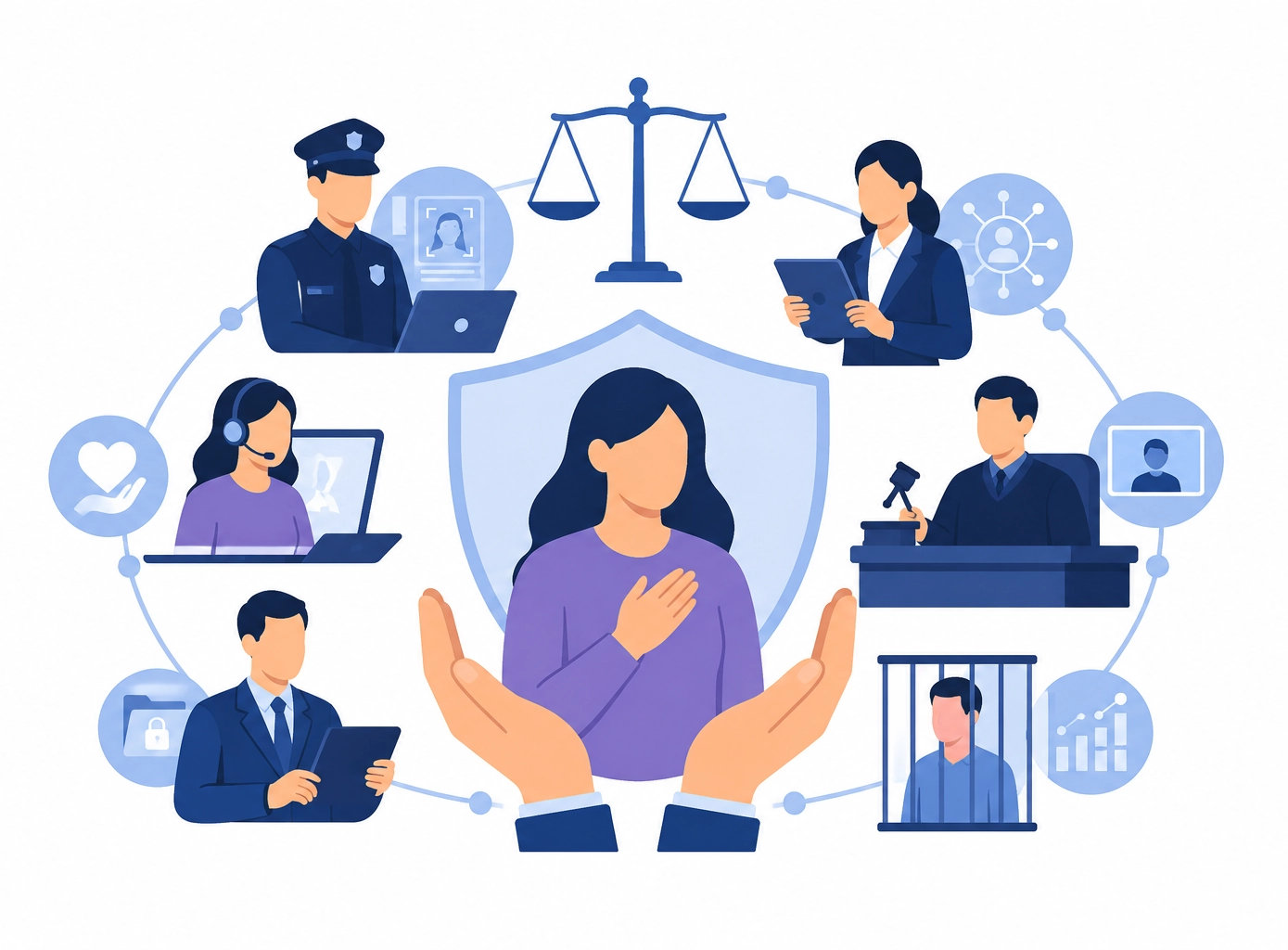 For an ordinary citizen, the criminal justice system is not simply a collection of statutes, rules or institutions. It is experienced through simple questions. Was the complaint recorded promptly? Was the victim kept informed throughout the investigation? Was evidence collected carefully? Did the witness receive summons in time? And did the case conclude without avoidable delay?
India’s criminal justice system has long carried twin burdens of delay and fragmentation. Cases move through disconnected institutions, paper-heavy workflows and uneven practices across jurisdictions, making those more process-centric than victimcentric. Bharatiya Nyaya Sanhita, 2023 (BNS), Bharatiya Nagarik Suraksha Sanhita, 2023 (BNSS), and Bharatiya Sakshya Adhiniyam, 2023 (BSA), which came into force on July 1, 2024, re-engineer this journey.
Objective is to create a modern, tech-enabled and victim-centric criminal justice system. Implementation countrywide is necessarily demanding. Capacities vary and several institutions must act in sequence. Legal reform will inspire confidence only when it becomes reliable everyday practice.
Timely justice | A most significant reform under the Nyaya Sanhita is an additional 45 structured timelines, across investigation and trial, to make 145 timelines in total. Vision is to complete the criminal justice process, from inception of a case to final adjudication, within three years.
These prescribed timelines are supported through tech-based monitoring mechanisms, via the criminal justice digital ecosystem.
Now, automated alerts for investigating officers can ensure timely filing of chargesheets. Similar timelines incorporated into the Case Information System (courts’ case-management platform) will help judicial officers monitor timelines. The principle is simple: ‘Timeline Plus Tech Equals Trust’.
Such monitoring has improved chargesheet compliance: 60-day compliance has increased, from 51% in 2024 to 67% in 2026, while 90-day compliance has increased from 40% to 60% during the same period.
Integrated-interoperable system | The second pillar is technological integration as the operational framework. It paves way for new specific initiatives: e-FIR, zero-FIR that is jurisdictionand language-agnostic, e-Sakshya (electronic evidence capture & management), e-Summons (electronic issuance & service of summons), MedLEaPR (medico legal and postmortem reports), e-Forensics, e-Prisons, e-Prosecution and Nyaya Shruti (videocons for judicial proceedings). These are instruments for a paperless and integrated ecosystem, with digitally authenticated records, and electronic data-sharing, enabling faster, more transparent processes.
A key development is expansion of the Interoperable Criminal Justice System (ICJS), which connects the five pillars of criminal justice – police, courts, prisons, forensics and prosecution – on a unified digital platform under the vision of ‘One Data, Once Entry’.
The near real-time electronic transmission of FIRs and chargesheets between police and courts can reduce duplication, improve data accuracy and enable timely judicial action. For the citizen, interoperability should mean the system shares information within lawful boundaries, instead of repeatedly asking the citizen to carry the same papers from one office to another.
Why digital-default, forensics matter | Service of summons remains a chokepoint in criminal trials. Direct electronic service to addressee can reduce intermediaries, making the process faster, transparent and accountable. Its success, however, depends on capturing accurate mobile numbers, emails and contact details of the accused and witnesses right at filing of the case. Digital reform succeeds, when basics are done consistently.
A justice system is only as strong as the quality of evidence. BNSS requires a forensic expert to visit the crime scene, in offences punishable with imprisonment for seven years or more, collect evidence and ensure the process is videographed. Tools such as e-Sakshya strengthen collection, preservation and authentication of evidence.
Over 700 mobile forensic vans are deployed, with expansion underway. The aim is to make scientific investigation the norm, and improve quality of evidence, for timely trials. In last two years, rate of disposal of forensic cases has nearly doubled.
For victims and families, the value of better forensics is deeply human. A carefully documented crime scene, a protected chain of custody, and timely forensic report, reduce uncertainty and help ensure cases are decided on credible evidence.
Collaborative governance, silent work | Large reforms often falter in uneven implementation. The response has, therefore, relied on sustained coordination among Centre and states, and across justice system’s five pillars. Strategy involved sustained high-level engagement, including meetings with CMs, chief secretaries and DGPs of all states, and constant engagement with registrars general and central project coordinators of all 25 HCs. Supreme Court e-committee’s support led to a quantum leap in integrating Case Information System with ICJS. Bhopal’s National Judicial Academy drafted model rules in consultation with HCs.
For citizens, ‘legislative framework is in place’, ‘tech tools are available’, ‘institutional will is evident’, and it calls for ‘sustained commitment, coordinated action, and a shared sense of purpose’. Citizen-first and victim-centric objective of Nyaya Sanhita framework lies in aligning clear timelines, interoperable tech and multi-institutional coordination.
If these reforms are followed through, outcomes will extend far beyond faster paperwork. It’ll enable a justice system more predictable, transparent and trustworthy. This is the standard citizens are entitled to expect: measurable compliance with established procedures, consistent application of law, and timely delivery of justice.

Let’s Gilt Trip Those Foreign Investors
Bondholders, check out our treasury bonds
ET Editorials
Indian government bonds are becoming a highly attractive buy for foreign investors, Goldman Sachs has told clients. This comes on the heels of coordinated measures by GoI and RBI — including favourable tax changes and easier market access — that have already triggered a surge in overseas buying of long-dated gilts. While these policy moves were initially made to counter capital fleeing Indian stocks after the Hormuz shutdown, Goldman Sachs analysts emphasise that the conflict will neither derail India’s fiscal consolidation path nor force RBI into premature interest rate hikes. Both factors encourage foreign investment in Indian treasury bonds.
India’s bond market is becoming stronger structurally with consistent buying by domestic institutional investors. Foreign ownership of Indian gilts is low, which makes the market less vulnerable to global bond sell-offs. Yields on Indian gilts are relatively higher than those in other emerging markets. Withholding and capital gains taxes have been scrapped for foreign investors, improving returns. India’s gilt market is now reaching a size that foreign investors cannot ignore. Yet, their exposure is minuscule in comparison to mature bond markets. This opens an avenue for diversification for global institutions.
Recent economic performance has helped. The economy has weathered successive crises without losing momentum. It had the quickest recovery from Covid disruptions and has successfully negotiated back-to-back energy shocks despite its import dependence. Domestic consumption provides a cushion in an unstable global economic landscape. Financialisation of household savings has made its capital markets, both equity and debt, more resilient to international financial flows. A manufacturing push and an energy transition should keep the trade balance within manageable limits. And the debt GoI is raising is going into capex that sustains India’s class-leading growth. It’s time for global bondholders to pay serious attention to the Indian debt market.
Date: 01-07-26
No Single Road To Clean Mobility
ET Editorials
The energy crisis triggered by the US war on Iran has underscored the urgency of reducing oil and gas use in mobility. Fuel choice and transport tech will be critical if India is to reduce import dependence, decarbonise vehicles and strengthen domestic manufacturing.
On paper, ethanol blends — from E20 to E100 — appear to offer the ideal hedge by preserving viability of ICE fleet, minimising disruption for automakers, while enabling gradual fleet electrification. But this won’t be easy. ICE vehicles can operate on lower ethanol blends like E20 or E30 without much engine modifications or major changes in consumer behaviour. Higher blends, like E85 or E100, require both. They also raise concerns over reliable ethanol supply, food security and disruptions to feedstock availability. Electrification, meanwhile, poses its own challenges, including securing critical minerals, reuse and disposal of batteries, grid readiness, and charging infra. It could also create new import dependencies, while cheaper Chinese EV imports raise concerns about competitiveness of India’s auto industry.
By 2050, India’s passenger vehicle fleet could approach 500 mn. Decarbonising mobility, reducing import dependence and ensuring the sector’s competitiveness will require a fuel- and tech-agnostic strategy. This means keeping options such as hydrogen fuel cells and dimethyl ether open, and promoting innovations across emerging fuels and technologies. GoI should build on NITI Aayog’s decarbonisation scenarios, develop a roadmap with milestones, and use corporate average fuel efficiency (CAFE) standards and zero-emission vehicle (ZEV) mandates to progressively reduce emissions and oil dependence, while providing right signals to industry, investors and innovators.

मौसम की मार गांव और गरीब पर ही सबसे ज्यादा
संपादकीय
कहां तो भारत का सम्पन्न वर्ग गर्मी को हराने के लिए हर साल यूरोप जाता था और कहां अकेले फ्रांस में भीषण गर्मी से बेहाल करीब 1000 लोगों की मौत हो गई। यूरोप में करीब 1300 मौतें हुई हैं। यह वह महाद्वीप है, जहां लोगों को पेट पालने के लिए भरी दोपहर में रेहड़ी पर सामान बेचकर या गिग वर्कर्स के रूप में घर-घर सेवाएं देकर या कंस्ट्रक्शन साइट पर काम कर कमाने की मजबूरी नहीं है। जबकि भारत में ऐसा श्रम करोड़ों लोग की आजीविका का साधन है। सामाजिक, प्रशासनिक व्यवस्था में इनमें से कौन लू का शिकार हो गया, या इससे पैदा हुई शारीरिक व्याधियों से पीड़ित हुआ, इसके आकलन की व्यवस्था नहीं है। किसान खेत में हफ्तों काम करते-करते कब डिहाइड्रेशन-जनित इलेक्ट्रोलाइट्स या माइक्रो-न्यूट्रिएंट्स की असाधारण कमी के शिकार हो जाएं, यह सिस्टम के संज्ञान में नहीं आता। वैसे भी देश में ताजा सर्वे के अनुसार आधे से ज्यादा लोग मृत्यु के पूर्व मेडिकल इलाज से वंचित रहते हैं। मौसम विभाग के अनुसार रविवार को एनसीआर में तापमान तो 42 डिग्री था लेकिन इसका शरीर पर अनुभव (फील लाइक) 50 डिग्री सेल्सियस का था। जिजीविषा की मजबूरियां गरीब को खुले में श्रम करने को मजबूर करती हैं। सबसे बुरी स्थिति किसानों की है। सिंचाई की सुविधा केवल 42% खेतों में है। जल का स्तर लगातार गिरने से बोरिंग भी फेल हो रहे हैं और शहरों में भू-जल मिलना बंद या कम हो गया है। सच्चाई यही है कि भीषण गर्मी का खतरा सबसे ज्यादा गरीब और गांव ही झेलता है।
Date: 01-07-26
दंगों के कारणों पर बात करना जरूरी है
शेखर गुप्ता, ( एडिटर-इन-चीफ, ‘द प्रिन्ट’)
माल्टा में जन्मे अमेरिकी कार्टूनिस्ट जो सैको ने अपने अनूठे ‘कॉमिक्स जर्नलिज्म’ के बूते दुनिया भर में तो लोकप्रियता हासिल की ही है, अपने भारी-भरकम बायोडाटा में उन्होंने अपनी सबसे ताजा किताब ‘द वंस एंड फ्यूचर रायट’ के रूप में एक और उपलब्धि जोड़ ली है। लेकिन प्रकाशक ने इस किताब को वितरण से रोक लिया है। आखिर, यह 2002 के गुजरात दंगे के बाद हुए सबसे बड़े मुजफ्फरनगर दंगे के बारे में जो है।
आइए, पहले तथ्यों पर नजर डाल लें। भारत में किताबों पर कभी-कभार प्रतिबंध लगाने का दुखद इतिहास रहा है। लेकिन सैको की किताब पर सरकार ने प्रतिबंध नहीं लगाया है। प्रकाशक ने ही यह कदम उठाया। उसने किताब को रोककर कुछ संशोधन करने के सुझाव देते हुए पांच पेज का एक नोट भेजा था, जिसे सैको ने खारिज कर दिया। अब कई दूसरे भारतीय प्रकाशक सैको से संपर्क करने की कोशिश में जुटे हैं। सैको का कहना है कि वे चाहते हैं किताब भारतीय पाठकों तक पहुंचे।
144 पेज की इस किताब में कॉमिक्स-पत्रकारिता के उस्ताद सैको ने अपने शानदार स्केचेस के माध्यम से एक जटिल कहानी कह दी है। टेक्स्ट केवल ‘ब्लर्ब्स’ में दर्ज है, जिसे पढ़ने में दो घंटे से ज्यादा नहीं लगेंगे, बशर्ते आप उनके रेखाचित्रों से सम्मोहित न हो जाएं और चित्रों तथा चेहरों के जरिए कही गई कहानी में खो न जाएं। किताब पर रोक नहीं लगाई गई है, और कोई भी कानून किसी भी किताब को पढ़ने से नहीं रोकता। सैको ने 2013 के मुजफ्फरनगर दंगे की जो कहानी कही है, वह सीधी, मुख्यतः एक रेखा में चलती है, तथ्यपूर्ण है और भारतीय पत्रकारिता में सैकड़ों नहीं तो कई बार कही जा चुकी है। किताब में कोई आश्चर्यजनक बात नहीं कही गई है, कोई नया खुलासा नहीं किया गया है और न बढ़ा-चढ़ाकर कुछ कहा गया है। सैको ने भारतीय संदर्भ के मद्देनजर दंगे को ‘छोटा’ ही बताया है।
आखिर सैको ने इस पर एक पूरी किताब क्यों लिखी है, जबकि बोस्निया और गाजा में जनसंहार और कत्ल-ए-आम पर लिखी कृतियां उन्हें खूब प्रसिद्धि और पुरस्कार दिला चुकी हैं? जिस दंगे को वे ‘छोटा’ बता रहे हैं, जिसमें 42 मुसलमान और 20 हिंदू समेत कुल 62 लोग मारे गए, उसमें उनकी इतनी दिलचस्पी क्यों जगी? नई दिल्ली से मात्र डेढ़ सौ किलोमीटर दूर दंगे में 62 लोगों का मारा जाना बेशक कोई छोटी बात नहीं है। लेकिन आप चाहें या न चाहें, साम्प्रदायिक दंगों के आकार का भी एक पैमाना बन गया है। सैको की ‘रिपोर्टिंग’ अविश्वसनीय रूप से बारीक है लेकिन कहा जा सकता है कि कुछ मामलों में वे चूक गए हैं। उदाहरण के लिए, उनकी यह समझ कि बंटवारे के दौरान हुई भारी मार-काट के बाद भारत में साम्प्रदायिक दंगे 1992 में बाबरी मस्जिद विध्वंस के बाद ही हुए।
जबकि गुजरात में ही दंगों का 1992 से पहले का भी इतिहास रहा है, खासकर 1969 में अहमदाबाद दंगे में 512 लोग मारे गए थे। बड़े आंकड़े बहुत कुछ कहते हैं। साम्प्रदायिक हिंसा पर शोध वार्ष्णेय-विलकिंसन डेटासेट पर आधारित रहे हैं। यह डेटासेट ब्राउन यूनिवर्सिटी के प्रोफेसर आशुतोष वार्ष्णेय और येल यूनिवर्सिटी के प्रोफेसर स्टीवेन विलकिंसन के नाम पर स्थापित है। इसमें भारत में 1950 से 1995 के बीच हुए 1,194 उल्लेखनीय साम्प्रदायिक दंगों के आंकड़े दर्ज हैं। इनमें से 72 फीसदी यानी 871 दंगे नेहरू, इंदिरा और राजीव गांधी की सरकारों के कार्यकाल में हुए। भारत में साम्प्रदायिक दंगों का सिलसिला बाबरी मस्जिद विध्वंस के बाद नहीं शुरू हुआ, लेकिन विडम्बना यह है कि सैको ने इस तर्क को मान लिया। साम्प्रदायिक दंगों के रूप में हमारी राष्ट्रीय शर्म के बारे में और ज्यादा जानना है तो ‘पब्लिक पॉलिसी रिसर्च सेंटर’ की वेबसाइट पर ‘अ फैक्टशीट ऑन कम्युनल रायट्स’ को भी देखें।
लेकिन इस वजह से हम उस बात को न ओझल करें, जिस पर सैको ने जोर दिया है कि किस तरह स्थानीय झगड़े दंगों का रूप ले लेते हैं, लगभग नेतृत्व विहीन और शुरू में राजनीति से मुक्त भीड़ हावी हो जाती है। मौके का फायदा उठाकर सियासतदां और सिद्धांतकार भी कूद पड़ते हैं। सैको बताते हैं कि मुजफ्फरनगर में यही हुआ। वे यह भी याद दिलाते हैं कि उस समय कमान किसके हाथ में थी। तब उत्तर प्रदेश में अखिलेश यादव के नेतृत्व में उनके पिता मुलायम सिंह यादव की समाजवादी पार्टी की सरकार थी और देश की कमान यूपीए की सरकार के हाथ में थी। दोनों ‘सेकुलर’ ताकतें!
बाबरी विध्वंस (1992) और गुजरात दंगों (2002) के बाद सार्वजनिक बहसें जिस कदर ध्रुवीकृत हो गई हैं, उसके मद्देनजर कभी-कभी तीखी विदेशी नजर आपको ज्यादा साफ तस्वीर दिखा देती है। सैको बताते हैं कि मुजफ्फरनगर में छिटपुट घटनाओं को किस तरह हल्के से लिया गया, जैसे एक मुस्लिम लड़की के दुष्कर्म और हत्या की कोशिश; एक हिंदू लड़की को परेशान करने के शक में एक मुस्लिम लड़के की हत्या और बदला लेने के लिए हिंदू समूह के दो चचेरे भाइयों की हत्या; जाटों के एक जुलूस पर मुस्लिम भीड़ का हमला; ऐसी सभी घटनाओं को गम्भीरता से नहीं लिया गया। सैको बताते हैं कि दो लड़कों की हत्या के मामले में पुलिस ने कई मुसलमानों को गिरफ्तार किया, जिनकी कमीजों पर खून के दाग थे। उन सभी को अगली सुबह रिहा कर दिया गया और एसएसपी तथा जिला मजिस्ट्रेट का तबादला भी कर दिया गया। सैको ने लिखा है यूपी के जाटों को यह मुसलमानों को संतुष्ट करने की कोशिश लगी होगी। सैको ने ‘दि फ्यूचर रायट’ (भविष्य का दंगा) शीर्षक से 17 पेज में जो निष्कर्ष दिया है, उसमें उन्होंने लिखा है कि दंगों ने बीजेपी को उस राज्य में 2017 और 2022 के चुनावों को जीतने में मदद की।
लेकिन कोई भी सरकार ऐसी बातें कहने वाली किताब पर प्रतिबंध नहीं लगाएगी। ऐसी बातें तो पिछले एक दशक में प्रकाशित दो दर्जन किताबों में पाई जा सकती हैं। हां, प्रकाशक का यह कहना सही है कि किताब में भारत का जो नक्शा दिया गया है, उसे प्रकाशित करना कानून का उल्लंघन होगा। लेकिन हर कोई ऐसे मामलों से निपटना जानता है। विदेशी प्रकाशनों में ऐसे नक्शों पर मुहर लगाई जाती है कि यह गलत है, या उन्हें हटा दिया जाता है। लेकिन इसे बहाना बनाकर किसी किताब को न वितरित करना क्रूर मजाक ही होगा।
Date: 01-07-26
नागरिकता सिद्ध करने वाला दस्तावेज आखिर कौन-सा है?
आरती जेरथ, ( राजनीतिक टिप्पणीकार )
बंगाल और बिहार में एसआईआर पर हुई तीखी बहस के बाद से ज्यादातर भारतीय इस प्रक्रिया को गहरी आशंका की नजर से देख रहे थे। ऐसे में एसआईआर का तीसरा चरण शुरू होते ही नागरिकता के प्रमाण को लेकर सरकार के विरोधाभासी बयानों ने भ्रम को और बढ़ा दिया है। हाल ही में विदेश मंत्रालय ने कहा कि 1955 के नागरिकता कानून के तहत पासपोर्ट किसी की नागरिकता का कानूनी दस्तावेज नहीं है। 1967 के पासपोर्ट एक्ट के अनुसार यह महज यात्रा का एक दस्तावेज है, जिसका उद्देश्य अंतरराष्ट्रीय यात्राओं को सुगम बनाना है।
इस बयान से हैरान लाखों देशवासियों ने सोशल मीडिया पर अपनी नाराजगी और अविश्वास जताते हुए सरकार से यह स्पष्ट करने की मांग की कि यदि पासपोर्ट नहीं, तो कौन-सा दस्तावेज नागरिकता का निर्णायक प्रमाण है? चुनाव आयोग ने असमंजस को और बढ़ाया ही। आयोग के अधिकारियों ने एक समाचार एजेंसी से कहा कि पासपोर्ट उन 12 सहायक दस्तावेजों में शामिल रहेगा, जिन्हें वोटर एसआईआर प्रक्रिया के दौरान मतदाता सूची में शामिल होने के लिए इस्तेमाल कर सकते हैं।
अब चूंकि वैध नागरिकों को ही मतदान का अधिकार है तो आयोग के इस दावे से एक उचित सवाल उठना लाजिमी है। जब विदेश मंत्रालय हाल ही में कह चुका है कि पासपोर्ट नागरिकता का ‘निर्णायक और स्वतंत्र प्रमाण’ नहीं है, तो फिर चुनाव आयोग मतदाता सूची में नाम दर्ज कराने के लिए इसे कैसे स्वीकार सकता है? एक ओर जहां पासपोर्ट-धारक यह सोचकर परेशान हैं कि आखिर उस बुकलेट की क्या कीमत है, जिसे वे लंबे समय से अपनी भारतीय नागरिकता का अंतिम प्रमाण मानते रहे थे, वहीं दूसरी ओर गृह मंत्रालय चुप्पी साधे बैठा है।
भारतीय नागरिकता की प्राप्ति, निर्धारण और उसे रद्द करने के प्रावधानों को नियमित करने वाले नागरिकता कानून की नोडल मिनिस्ट्री गृह मंत्रालय ही है। लेकिन वह इस मुद्दे पर चल रही बहस में दखल देने से बच रहा है। यकीनन, नागरिकता एक कानूनी विषय है। लेकिन कानून की बारीकियों से परे, यह उन अनेक दस्तावेजों पर जनता के भरोसे का सवाल भी है, जिन्हें हम भारतीय होने के नाते अपने पास रखते हैं। वर्षों से पासपोर्ट-धारक भरोसा करते रहे कि नेवी ब्लू रंग की यह छोटी-सी बुकलेट उनकी नागरिकता का निर्णायक प्रमाण है। आखिरकार, सरकार भी यह बुकलेट तभी जारी करती है, जब वह पूरी तरह संतुष्ट हो जाती है कि आवेदक भारतीय नागरिक है और पासपोर्ट रखने का पात्र है। इसके लिए पुलिस सत्यापन भी किया जाता है। लेकिन यह भरोसा शायद गलत था।
हम जानते हैं कि पैन कार्ड टैक्सेशन के लिए है। ड्राइविंग लाइसेंस वाहन चलाने की अनुमति देता है। आधार कार्ड पहचान और निवास का प्रमाण है, जो बैंक खाता खोलने के लिए जरूरी है। इसे पैन कार्ड से भी लिंक करना पड़ता है, ताकि हम टैक्स चुका सकें। हम यह भी जानते हैं कि वाेटर आईडी कार्ड से हम वोट दे सकते हैं। वहीं हम हमेशा यह सोचते रहे कि पासपोर्ट देश-विदेश में नागरिकता का प्रमाण है। यदि ऐसा नहीं है, तो नागरिकता सिद्ध करने वाला दस्तावेज कौन-सा है?
2019 में सरकार की ओर से जारी प्रेस रिलीज में भी कहा गया था कि ‘जन्मतिथि और जन्म-स्थान से संबंधित कोई भी दस्तावेज पेश करके नागरिकता सिद्ध की जा सकती है। हालांकि ऐसे दस्तावेजों के बारे में निर्णय होना अभी बाकी है।’ जब सरकार ही ऐसे दस्तावेज को लेकर भ्रम में है, तो फिर हम किसकी ओर देखें? समस्या नागरिक पंजीयन व्यवस्था में भी है। लाखों भारतीयों के पास जन्म प्रमाणपत्र नहीं है, क्योंकि जन्म पंजीकरण 1970 के बाद अनिवार्य हुआ था। इसके अलावा स्कूल प्रमाणपत्रों, जमीन संबंधी दस्तावेजों और यहां तक कि मतदाता सूचियों में भी लोगों के नाम अकसर अलग-अलग होते हैं। जब नागरिकता कानूनी जांच का विषय बन जाए तो दस्तावेजों में मौजूद विसंगतियां बड़ी कठिनाइयां पैदा करती हैं।