
13-09-2025 (Important News Clippings)
To Download Click Here.

Don’t Panic, Let HNIs Migrate and Prosper
It will boost India’s economic footprint.
ET Editorial
Capital movement through wealth migration is becoming easier in a protectionist world order, which by its nature tends to restrict labour mobility. India is witnessing both varieties of migration — millionaires and mechanics — with host countries trying to keep one group out while sweetening the welcome for the other. Golden visas create jobs for locals and immigrant workers ‘steal’ jobs. Countries drawing both types of immigrants are not exactly capital-scarce, and the challenge is to deploy the incoming wealth in productive activity instead of allowing it to inflate asset prices. These countries are also typically labour-scarce and can achieve the same outcome through relaxed immigration and export competitiveness.
Source countries lose productive assets in both forms of migration and need to craft counter-strategies. The obvious place to start is by working on the business environment that is creating wealth so that more of it can be generated. This influences labour migration by increasing local employment opportunities. These are usually countries with large populations, and they can improve social security through accelerated growth. The advantage lies with source nations that outgrow migration hosts. They are closing the gap that causes all forms of migration. Growth through migration is a self-limiting strategy when protecting local jobs is a requirement. Economic liberalisation faces no such constraints.
A country like India need not be unduly concerned about migration of its HNIs. So long as it grows reasonably rapidly, the economy should be able to replenish migration of wealth. The number of millionaires being created every year in the country dwarfs the number that are leaving. More jobs are being created in the country than are available to Indian workers overseas. Millionaire — and billionaire — migration strengthens overseas jobs market for Indian workers by shaping favourable policies in host countries. India is at a favourable point in terms of economic activity and demographics to use migration as a strategy to increase its export footprint.

Scam space
Social media platforms should proactively remove fraudulent content
Editorial
Policing the digital economy requires what might seem disproportionate resources, and a recent case in Hyderabad illustrates why. A retired doctor was persuaded to invest more than ₹20 lakh after viewing a video on Instagram, in which Union Finance Minister Nirmala Sitharaman appeared to endorse an investment scheme. The video was a deepfake. Similar videos have been in circulation, featuring other public figures, to lend credibility to fraudulent cryptocurrency platforms. Such scams exploit the limited technical literacy of the wider population, regulatory gaps in cryptocurrency trading, the new use of Artificial Intelligence (AI)-generated deepfakes, and the limited response of social media platforms. Despite wide smartphone penetration, many users are still unable to identify online manipulation, and are further motivated by the promise of rapid profits and fabricated evidence of gains. Complaints often arise only after attempts to withdraw returns are blocked. Public awareness campaigns remain uneven and often general, leaving many people vulnerable to scams that use increasingly sophisticated forms of deception. Most countries, including India, also do not yet classify them with the same clarity as conventional securities, creating an environment where fraudsters operate with impunity. Many are hosted abroad, operate through complex chains of wallets, and can disappear overnight. While police units have developed capacity, their reach stops at national borders.
Social media platforms, which serve as the principal channel for these scams, often respond passively. While companies such as Instagram publish advisories on avoiding scams and offer reporting mechanisms, fraudulent videos and accounts remain accessible until removed. The policies of platforms emphasise user self-protection rather than proactive detection. This means that scams circulate long enough to entrap victims before takedown requests are processed. The scale of global content slows manual review while automated moderation systems remain limited in detecting manipulated videos. As they are private entities profiting from user engagement, platforms prefer to avoid sustained monitoring that would involve intrusive scrutiny of user uploads. The result is that deepfake scams are treated as individual incidents rather than systemic vulnerabilities. Three measures are necessary. First, governments must define standards for registration, disclosure, and cross-border cooperation to limit the space in which fraudulent schemes operate. Second, technical literacy must be treated as a public policy priority. Awareness efforts should be continuous and supported by educational institutions, rather than limited to periodic campaigns by police units. Third, social media platforms should be required to remove fraudulent content proactively. Without these, such scams will entail huge human and material costs.
Date: 13-09-25
The RTI’s shift to a ‘right to deny information’
Citizens and the media need to challenge the Digital Personal Data Protection Act’s amendment of Section 8(1)(j) of the Right to Information (RTI) Act
Shailesh Gandhi, [ is a former Central Information Commissioner ]
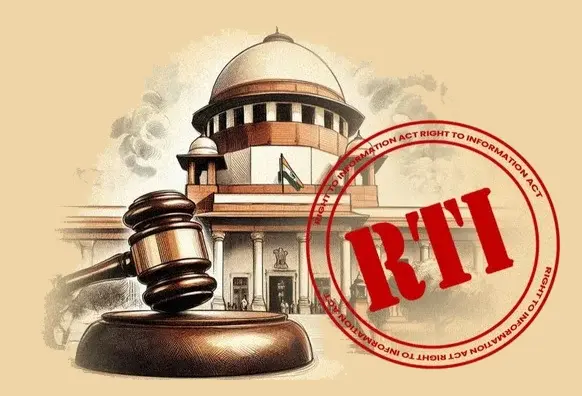
The Right to Information (RTI) Act is founded on the principle that in a democracy, which is defined as “rule of the people, by the people, for the people”, all information held by the government inherently belongs to the citizens. The government acts as a custodian of this information on behalf of the populace. Citizens legitimise their representatives by electing them, who in turn legitimise the bureaucracy. Therefore, the default mode under the RTI is that all information must be shared with citizens.
However, the Act always included specific exemptions to protect certain interests, such as national sovereignty. One crucial exemption is the Act’s Section 8(1)(j), which is on “personal information”.
The original Section 8(1)(j) was a detailed provision designed to balance the right to information with individual privacy. It stipulated that personal information could be denied if it had no connection to public activity or constituted an “unwarranted invasion on the privacy of an individual”, unless there was a larger public interest in its disclosure.
A key aspect of this original provision was a proviso which is an acid test. It said: “provided that the information which cannot be denied to the Parliament or a State Legislature shall not be denied to any person”. This meant that if information could not be denied to Parliament or a State Legislature it could also not be denied to an ordinary citizen. The intent was to guide public information officers (PIOs) in discerning what constituted public activity, private activity, or an invasion of privacy, especially given the difficulty in definitively defining “privacy” (even Justice K.S. Puttaswamy (Retd) vs Union Of India acknowledged that it would evolve on a case-to-case basis). The government routinely collects information from an individual in the normal course of its duties, and such information is generally not considered to be an invasion of privacy and should, therefore, be shared. However, if it invades his privacy, it must not be taken routinely. Restrictions on the fundamental right to information should be within the limits set by Article 19(1)(2) of the Constitution. Here, there are only two words relating to privacy: ‘decency’ or ‘morality’. If disclosure violates decency or morality, it should be denied to Parliament and citizens.
The ambiguity of ‘personal information’
The Digital Personal Data Protection (DPDP) Act amends Section 8(1)(j) of the RTI Act — a drastic alteration of Section 8(1)(j) that reduces its length to six words. This significant abbreviation makes it easy for most information to be denied. The core concern revolves around the interpretation of “personal information” itself.
One of the most pressing issues is the lack of a clear and consistent definition of “personal information” under the amended RTI Act, especially in its relationship with the new Data Protection Law. There are two conflicting views: the first is Natural Person Interpretation: One view holds that “person” should be understood in its general sense, referring to a “normal person” or natural person. The second is the DPDP Bill Definition. The other, equally valid view, interprets “person” as defined in the Digital Personal Data Protection (DPDP) Bill. The DPDP Bill’s definition is expansive, including a “Hindu undivided family, a firm, a company, [and] any association of individuals and the State”.
If the latter definition is adopted, “almost everything is personal information”. A significant amount of information can be shown to be related to some person. Thus the law gives a handle to deny most information. The RTI is transformed into a Right to Deny information. It becomes an ‘RDI’. This broad interpretation poses a fundamental threat to the spirit of transparency. Adding to the complexity, the DPDP Bill contains a provision that overrides all other laws in cases of conflict. This is alarming because the DPDP Bill specifies strong penalties for violations which can be as high as ₹250 crore.
This creates an untenable situation for PIOs. As much of the government information is now digital, PIOs are apprehensive that a mistake in disclosing information could lead to severe financial penalties. This fear will incentivise PIOs to err on the side of information denial rather than disclosure, effectively creating a “right to deny information”. The DPDP Act must not override the RTI Act, though it might be acceptable for it to override other Acts.
Facilitating corruption
The practical implications of these amendments are dire for public accountability and the fight against corruption. Transparency is a crucial tool in this battle, especially when other anti-corruption mechanisms have proven to be ineffective.
The first is the loss of public monitoring. Citizens are the best monitors against corruption. If information is denied, this vital monitoring mechanism is severely hampered. India’s multilayered government agencies such as vigilance departments, anti-corruption bureaus and the Lokpal, have abjectly failed to curb corruption.
The second is denial of essential information. The broadened scope of “personal information” means that even mundane yet crucial documents could be withheld — a citizen’s own corrected marksheet could be denied as “personal”. The example of Rajasthan sharing details of pension beneficiaries to combat “ghost employees” and “ghost cards” will cease. Even a simple order signed by an official could be denied as “personal information”. It can result in over 90% of information being denied.
The third is unfettered corruption. The amendment “makes it the easy thing to be corrupt”. Information relating to ghost employees or corruption charges falls under “personal information”. It will be hidden, allowing corruption to ‘flourish and continue unhindered’.
While the “larger public interest” clause still exists in the RTI Act (in Section 8(2)), its practical application is extremely rare and difficult. Citizens should not have to demonstrate “larger public interest” to access information as it is their fundamental right. This requirement only applies if information is already exempt.
There will be less than 1% orders where an exemption is accepted, but disclosure is based on larger public interest. This is because it is an incredibly challenging decision for any officer to make, weighing potential harm to an individual against the broader public benefit of disclosure. Therefore, relying on this clause to ensure transparency after the amendment is largely futile.
Apathy and a call to action
Despite the gravity of these amendments, there has been a notable lack of public and media outcry when compared to previous RTI changes, such as those concerning Commissioner’s salaries and tenures. This apathy may be due to the amendment being “under the guise of data protection”, making it seem less threatening to the average citizen. There is also a common sentiment that an individual’s own information should not be shared, regardless of its relevance, leading to an ‘ego takes over’ mentality.
Sections 8(2) and 44(3) of the DPDP Bill constitute a “very fundamental regression on our democracy” and a “very fundamental attack on our fundamental rights”.
There needs to be a focus on four issues. First, media and citizen engagement — there must be widespread public discussion across the country. Second, political accountability — citizens should demand assurances from political parties in their election manifestos that these amendments will be reversed. Third, public opinion — it is crucial to build strong public opinion with the support of the media. Fourth, recognition of gravity — this issue deserves as much attention as any other critical national debate, as the fundamental right to information is being compromised.
If citizens continue to remain silent, they will imperil their freedom and democracy. Collective action can lead to these changes being reversed. The future of transparency and accountability in India hinges on whether citizens and media can push back and protect the integrity of the RTI Act.

Date: 13-09-25
मानसिक रोगों को लेकर अभी जागरूकता कम है
संपादकीय
डब्ल्यूएचओ की ताजा दो रिपोर्ट्स बताती हैं कि दुनिया के हर परिवार या पड़ोस के परिवार में कम से कम एक सदस्य मानसिक बीमारी का शिकार है। दुनिया की 800 करोड़ की आबादी में 100 करोड़ लोग इस बीमारी से ग्रस्त हैं। भारत के संदर्भ में देखें तो एक परिवार में औसतन 4.4 सदस्य हैं, लेकिन गांवों में, या उत्तर भारत के घनी आबादी वाले राज्यों में परिवार का आकार काफी बढ़ जाता है। रिपोर्ट के अनुसार दुनिया की आबादी – वृद्धि से अधिक तेजी से मानसिक बीमारियों के शिकार लोगों का प्रतिशत बढ़ रहा है। चूंकि यह बीमारी लोगों में फैसले लेने, समसामयिक सामजिक मानदंडों के अनुरूप आचरण करने की क्षमता को बाधित करती है, इसलिए इस कारण वैश्विक जीडीपी में 1 ट्रिलियन डॉलर की कमी आंकी गई है। डब्ल्यूएचओ की चिंता यह है कि विकासशील देश अभी इस खतरे के प्रति सजग नहीं हैं। जहां सम्पन्न देश इसकी रोकथाम – उपचार के लिए प्रति व्यक्ति 65 डॉलर खर्च कर रहे हैं, वहीं गरीब देश मात्र 0.04 डॉलर । मानसिक बीमारियों में डिप्रेशन और एंग्जायटी प्रमुख हैं। डब्ल्यूएचओ आगामी 25 सितम्बर की बैठक में दुनिया के देशों को इसके प्रति सजग करने जा रहा है। इससे पहले वह अपनी अगली रिपोर्ट में देशवार ब्योरा भी देगा, ताकि दुनिया के 144 देश इस संकट को लेकर अपनी स्थिति को समझ सकें।
Date: 13-09-25
नेपाल में सोशल मीडिया बैन पर भारत के लिए सबक
विराग गुप्ता, ( सुप्रीम कोर्ट के वकील )

सोशल मीडिया की वजह से भ्रष्टाचार, वंशवाद, कुशासन के खिलाफ जागरूकता बढ़ती है। नेपाल, बांग्लादेश, श्रीलंका में सरकारों के तख्तापलट में तमाम कारणों के अलावा इसने भी भूमिका निभाई है। लेकिन हिंसा, आगजनी और संस्थाओं को ध्वस्त करने के बाद जन-आकांक्षाओं को पूरा करने के लिए जेन-जी के पास गवर्नेंस और नव-निर्माण का रोडमैप नहीं दिखता।
महाभारत काल में मूर्च्छित पांडवों को होश में लाने के लिए यक्ष-युधिष्ठिर संवाद हुआ था। उसी तर्ज पर गरीबी, बेरोजगारी, असमानता से निपटने और राष्ट्र-निर्माण में जेन-जी को जोड़ने के लिए सोशल मीडिया के सबसे बड़े बाजार भारत में इन 4 पहलुओं पर संवाद के साथ ही मुकम्मल कार्रवाई की भी जरूरत है :
टेक कम्पनियां : संसार का सबसे बड़ा आश्चर्य क्या है? यक्ष के इस प्रश्न का आधुनिक जवाब कुछ ऐसा होता कि फेसबुक, वॉट्सएप, यूट्यूब जैसी मुफ्त में सेवाएं देने वाली कम्पनियों का मुनाफा कहां से आता है? अमेरिका में फेडरल ट्रेड कमीशन की नई रिपोर्ट के अनुसार ये कम्पनियां विज्ञापन, ट्रैकिंग और एआई प्रोजेक्ट्स के लिए अरबों लोगों के डेटा का गैर-कानूनी इस्तेमाल कर रही हैं। सोशल मीडिया को नियंत्रित करने वाले धन्नासेठों के साथ ट्रम्प ने बैठक की थी। कयास हैं कि चीन के सामने नतमस्तक नेपाली पीएम ओली के तख्तापलट के पीछे टेक कम्पनियों की बड़ी भूमिका है।
डेटा प्रोटेक्शन नियमन : शिकायत अधिकारी की नियुक्ति समेत कई नियमों के पालन के लिए नेपाली सरकार ने दो साल पहले आदेश जारी किया था। पिछले साल टेक कम्पनियों के संगठन ने नियमों के पालन में असमर्थता जताई।
पिछले महीने सुप्रीम कोर्ट ने सोशल मीडिया कम्पनियों के रजिस्ट्रेशन के लिए आदेश दिया। उसके अनुसार सरकार ने इन कम्पनियों को एक सप्ताह में रजिस्ट्रेशन करवाने की चेतावनी जारी की। सुप्रीम कोर्ट के आदेश की अवहेलना और नियमों का पालन नहीं करने वाली फेसबुक, मैसेंजर, यूट्यूब, इंस्टाग्राम, वॉट्सएप, लिंक्डइन समेत 26 कम्पनियों को बैन कर दिया था। विद्रोह भड़कने के बाद बैन हटाया गया। सवाल है कि यूरोप में जनरल डेटा प्रोटेक्शन रेगुलेशन (जीडीपीआर) का पालन करने वाली टेक कम्पनियां नेपाल में नियमों का पालन क्यों नहीं कर रहीं?
भारत सरकार : ट्रम्प के टैरिफ युद्ध के ऐलान के बाद प्रधानमंत्री मोदी ने स्वदेशी से आत्मनिर्भर भारत का आह्वान किया है। लेकिन सरकारी काम में विदेशी एेप्स के गैरकानूनी इस्तेमाल और समाज को सोशल मीडिया के नशे से मुक्त करने के प्रयास नहीं हो रहे हैं।
संसद की स्थायी समिति की रिपोर्ट में फेक न्यूज के खतरे के मद्देनजर सेफ हार्बर कानून पर पुनर्विचार की बात कही गई है। यह दिलचस्प है कि भारत में फेक न्यूज की स्पष्ट कानूनी परिभाषा नहीं है। विदेशी कम्पनियों के दबाव की वजह से दो साल पहले पारित डेटा सुरक्षा कानून को अभी तक लागू नहीं किया गया है।
सोशल मीडिया के सिक्के का पहला पहलू अभिव्यक्ति की आजादी है। संविधान और लोकतंत्र की इस आत्मा को सुरक्षित रखना बेहद जरूरी है। लेकिन दूसरा पहलू यह है कि टेक कम्पनियों को बेलगाम छूट के कारण रोजगार खत्म हो रहे हैं और इससे गरीब-अमीर की खाई बढ़ रही है। विदेशी कम्पनियों के लिए कानून में शिथिलता और टैक्स चोरी की छूट, संविधान के समानता के सिद्धांत का बड़ा उल्लंघन है।
सुप्रीम कोर्ट : सोशल मीडिया में बड़े पैमाने पर अश्लील, हिंसक और आपत्तिजनक सामग्री होती है। कुछेक मामलों में विरोधियों को निशाना बनाने के लिए सिलेक्टिव तरीके से एफआईआर दर्ज करने के बाद गिरफ्तारी भी हो जाती है। कानून का यह दुरुपयोग भाजपा और विपक्ष शासित सभी राज्यों में हो रहा है।
तेलंगाना हाईकोर्ट के नए आदेश के अनुसार सोशल मीडिया पोस्ट्स के मामलों में बेवजह की एफआईआर दर्ज करने और मुकदमेबाजी पर पुलिस और अदालतों को रोक लगानी चाहिए। सुप्रीम कोर्ट में ऐसे मामलों पर बड़े वकीलों की लम्बी बहस के बाद जमानत मिल जाती है, लेकिन मुकदमेबाजी चलती रहती है।
सोशल मीडिया कम्पनियों के नियमन से जुड़े अनेक लम्बित मामलों पर कई सालों से सुप्रीम कोर्ट में सुनवाई नहीं हो रही। सुप्रीम कोर्ट के जज सूर्यकांत ने एक नए मामले में सोशल मीडिया गाइडलाइंस बनाने के लिए सरकार को आदेश दिया है। जज के अनुसार व्यावसायिक मुनाफा कमाने वाले इन्फलुएंर्स को अभिव्यक्ति की आजादी के मौलिक अधिकार की कानूनी ढाल नहीं मिलनी चाहिए।

Date: 13-09-25
समावेशी डिजिटल तंत्र की जरूरत
अभिषेक कुमार सिंह
कुछ समय पहले सर्वोच्च न्यायालय ने अपने एक फैसले में कहा था कि ई-गवर्नेंस और कल्याणकारी योजनाओं एवं प्रणालियों तक समावेशी डिजिटल पहुंच आम व्यक्ति के जीवन और स्वतंत्रता के मौलिक अधिकार का एक हिस्सा है। मामला तेजाब हमले के एक पीड़ित और दृष्टिबाधित व्यक्ति की ओर से दायर याचिकाओं से जुड़ा था। याचिकाकर्ताओं ने यह मुद्दा उठाया था कि देश के तेजी से विकसित हो रहे डिजिटल पारिस्थितिकी तंत्र में तमाम योजनाएं और सेवाएं ऐसी हैं, जिनमें बायोमीट्रिक पहचान से जुड़ी प्रक्रियाएं शामिल हैं।
इन योजनाओं का लाभ उन जैसे लोग इसलिए नहीं उठा पा रहे हैं, क्योंकि चेहरे के घावों, चोटों के निशान या दृष्टिबाधित होने पर तकनीकी बाध्यताओं के कारण वे अपना पंजीकरण कराने में असमर्थ हैं। चूंकि इन लोगों की डिजिटल पहचान अंकित नहीं हो पाती है या फिर डिजिटल पहचान की जांच में ये लोग नाकाम रहते हैं, इसलिए बैंकिंग, ई-गवर्नेंस और सरकार की अनेक कल्याणकारी योजनाओं में उनकी पहुंच सुनिश्चित नहीं हो पाती है। ऐसे में उनके साथ सतत डिजिटल सेवाओं के मामले में भेदभाव हो रहा है।
सर्वोच्च अदालत का फैसला अपने आप में काफी तार्किक और सुविचारित है। मगर अभी भी हमारे देश और समाज में कई चीजें ऐसी हैं, जो डिजिटल क्रांति का लाभ आम जनता तक पहुंचने के रास्ते में मुश्किलें पैदा करती हैं। जैसे कि तकनीक की सही जानकारी न होना और भाषा की बाध्यता।
इस कारण बहुत से लोग डिजिटल सेवाओं का फायदा उठाना तो दूर, उल्टा इसके जरिए फर्जीवाड़े का शिकार हो जाते हैं। हाल में ऐसी कई रपट सामने आई हैं, जिनमें तथ्यों पर आधारित दावा किया गया है कि साइबर धोखाधड़ी का शिकार होने वालों में बुजुर्गों की संख्या काफी ज्यादा है। इसकी वजह यह है कि वे तकनीक के कम जानकार हैं, लेकिन बैंकिंग आदि तमाम सहूलियतें पाने के लिए उन्हें विवशता में डिजिटल तकनीकों का उपयोग करना पड़ता है।
यह मामला सिर्फ तकनीकी दक्षता का नहीं है, बल्कि इससे एक समावेशी समाज का पहलू भी जुड़ा हुआ है। इस नजरिए से देखें तो दुनिया में साढ़े पांच अरब से ज्यादा इंटरनेट का इस्तेमाल करने वाले लोगों को हम तकनीकी रूप से समर्थ मान सकते हैं। यह आंकड़ा वैश्विक आबादी का करीब 68 फीसद है। इनमें से लगभग 5.24 अरब लोग सोशल मीडिया का भी इस्तेमाल करते हैं, जो दुनिया की 64 फीसद आबादी है।
इस संदर्भ में भारत को देखें तो उपलब्ध आंकड़ों के अनुसार, वर्ष 2024 में सक्रिय इंटरनेट उपयोगकर्ताओं की संख्या करीब 87 करोड़ थी और इसमें प्रतिवर्ष करीब आठ फीसद की बढ़ोतरी हो रही है। इस आधार पर वर्ष 2025 के अंत तक देश में नब्बे करोड़ लोग इंटरनेट का सक्रिय इस्तेमाल कर रहे होंगे। लेकिन इससे बाहर की आबादी या यों कहें कि उन लोगों की स्थिति क्या है, जो विभिन्न कारणों से डिजिटल तंत्र से नहीं जुड़ पाए हैं।
अगर हम भारत की आबादी 1.40 अरब मानें तो अभी भी करीब पचास करोड़ लोग ऐसे हैं, जो डिजिटल तौर पर शेष देश से कटे हुए हैं। इनमें भी उन लोगों की स्थिति और भी विकट है, जो किसी शारीरिक अक्षमता के कारण डिजिटल साधनों के इस्तेमाल में पीछे छूट जाते हैं। डिजिटल तंत्र के इस असाधारण पहलू की तरफ तब नजर गई, जब सर्वोच्च न्यायालय ने अपने एक फैसले में कहा कि ई-गवर्नेंस और कल्याणकारी योजनाओं एवं प्रणालियों तक समावेशी और सार्थक डिजिटल पहुंच आम व्यक्ति के जीवन तथा स्वतंत्रता के मौलिक अधिकार का एक हिस्सा है। शीर्ष अदालत ने इन याचिकाओं की विस्तार से जांच की और यह पाया कि याचिकाकर्ताओं में से एक तेजाब हमले का पीड़ित व्यक्ति अपनी आंखें झपकने में अक्षम है, जबकि दूसरा व्यक्ति पूरी तरह से दृष्टिबाधित है। इस वजह से इन दोनों का बैंक खाता खोलने के लिए जरूरी केवाईसी (नो योर कस्टमर) प्रक्रिया संपन्न नहीं कराई जा सकती है।
दृष्टिबाधित याचिकाकर्ता ने तर्क दिए थे कि केवाईसी प्रक्रिया के दौरान सेल्फी लिए जाने, लिखित हस्ताक्षर करने, शीघ्रता से ओटीपी पढ़ने और उसे सही स्थान पर भरने जैसी अड़चनें उनके जैसे लोगों के प्रति भेदभावपूर्ण हैं। वहीं, तेजाब पीड़ित व्यक्ति ने दावा किया था कि केवाईसी की प्रक्रिया में कैमरे में देखकर पलकें झपकाने का नियम उन जैसे लोगों के लिए भेदभावपूर्ण है। याचिकाकर्ताओं ने इन तकनीकी बाध्यताओं का हवाला देते हुए केवाईसी के नियमों में बदलाव की मांग की थी, जिसे शीर्ष अदालत ने सभी को गरिमा के साथ जीने और आजीविका कमाने के अधिकार की रोशनी में देखा।
सर्वोच्च न्यायालय ने अपने फैसले में केंद्र सरकार, रिजर्व बैंक आफ इंडिया और सभी संबंधित पक्षों को केवाईसी की प्रक्रिया में बदलाव का निर्देश दिया है। साथ ही कहा कि यह दायित्व सरकार का है कि वह समाज में हाशिये पर पड़े, वंचित, कमजोर और दिव्यांग वर्गों को एक समावेशी डिजिटल पारिस्थितिकी तंत्र प्रदान करे। इन निर्देशों के तहत अदालत का उद्देश्य देश में नागरिकों की पहचान सुनिश्चित करने वाली प्रक्रिया- आधार, आनलाइन सेवा वितरण मंच और नेट बैंकिंग के माध्यम से डिजिटल प्रगति की लहर के बीच एक महत्त्वपूर्ण पहलू को रेखांकित करना है, जिसे अक्सर अनदेखा कर दिया जाता है। यह पहलू डिजिटलीकरण की प्रक्रिया से संबंधित तकनीकों को अपनाने से जुड़ा है, जिनमें अक्सर इस तथ्य को नजरअंदाज कर दिया जाता है कि क्या ये वास्तव में सभी नागरिकों के लिए समावेशी और सुलभ हैं।
अगर ध्यान से देखें तो हम पाएंगे कि बैंकिंग ही नहीं, बल्कि राशन, चिकित्सा और शिक्षा समेत तमाम तरह की सुविधाएं और सेवाएं किसी न किसी रूप में डिजिटल पहचान के स्रोतों से जुड़ गई हैं। लेकिन कोई व्यक्ति यदि किसी शारीरिक अक्षमता, चोट अथवा विकृति के कारण इससे संबंधित प्रक्रिया संपन्न नहीं कर पाता है, तो वह लगभग सभी सेवाओं और सुविधाओं से वंचित हो जाता है।
इस मामले में शीर्ष अदालत का यह कहना भी प्रासंगिक है कि हर स्तर पर डिजिटल खाई को भरना अब केवल नीतिगत मसला नहीं है, बल्कि यह एक संवैधानिक जरूरत बन गया है, ताकि प्रत्येक नागरिक को सम्मानपूर्ण जीवन, स्वायत्तता और सार्वजनिक जीवन में समान भागीदारी करने का अवसर मिल सके। इस निर्णय का एक उल्लेखनीय पहलू यह भी है कि इसमें नागरिकों की डिजिटल पहचान करने वाली सरकारी और निजी संस्थाओं (जैसे के निजी बैंकों) पर यह जिम्मेदारी डाली गई है कि कोई भी नागरिक किसी शारीरिक अक्षमता, विकृति अथवा दिव्यांगता के कारण डिजिटल रूप से कहीं पिछड़ न जाए।
इस तरह से कहा जा सकता है कि यह फैसला देश में व्याप्त सामाजिक-आर्थिक अंतर को पाटने का भी काम करेगा। चूंकि इससे सभी नागरिकों को डिजिटल पारिस्थितिकी तंत्र में एक समान मौके मिलेंगे। लेकिन इसका दूसरा पहलू भी काफी गंभीर है। ऐसे लोग जिन्हें मजबूरी में डिजिटल बैंकिंग का सहारा लेना पड़ रहा है, वे साइबर धोखाधड़ी के आसान शिकार बन रहे हैं। ऐसे में बैंकिंग और केवाईसी आदि के लिए कागज आधारित पारंपरिक पुष्टिकरण की व्यवस्था और वीडियो-आधारित केवाईसी की प्रक्रिया आज के समय की जरूरत है। इसी तरह भाषायी समस्या के समाधान के लिए अनुवाद तथा आडियो को केवाईसी का हिस्सा बनाना चाहिए, जबकि दृष्टिहीनों के लिए ब्रेल लिपि आधारित प्रक्रिया विकसित की जानी चाहिए ।
Date: 13-09-25
मॉरीशस के साथ सहयोग
संपादकीय
भारत और मॉरीशस ने फैसला किया है कि अब दोनों देश स्थानीय मुद्रा में व्यापार करने की दिशा में संजीदगी से बढ़ेंगे। वाराणसी में मॉरीशस के प्रधानमंत्री डॉ. नवीनचंद्र रामगुलाम के साथ द्विपक्षीय शिखर वार्ता के दौरान प्रधानमंत्री नरेन्द्र मोदी ने कहा कि भारत और मॉरीशस महज पार्टनर नहीं, बल्कि परिवार हैं। पिछले साल मॉरीशस में यूपीआई और रूप कार्ड की शुरुआत हुई थी और अब दोनों देशों ने स्थानीय मुद्रा में व्यापार करने का मन बनाया है। प्रधानमंत्री मोदी ने कहा कि भारत हमेशा मॉरीशस की संप्रभुता के पक्ष में रहा है, और मुक्त, खुला, सुरक्षित, स्थिर तथा समृद्ध हिन्द महासागर हमारी झ प्राथमिकता में रहा है। मॉरीशस, भारत की पड़ोसी प्रथम और विजन महासागर का एक अहम स्तंभ है। इस हिन्द महासागरीय देश के साथ सात करार हुए हैं। करीब छह हजार करोड़ रुपये के विशेष आर्थिक पैकेज की भी घोषणा की गई है ताकि मॉरीशस अपने बुनियादी ढांचे और स्वास्थ्य सुविधाओं को बेहतर कर सके। माना जा रहा है कि पैकेज मॉरीशस में रोजगार की स्थिति बेहतर होगी । भारत की इच्छा है कि मॉरीशस इतना समृद्ध हो ताकि हिन्द महासागर में अपनी समुद्री स्थिति को खासी मजबूत कर सके। भारत और मॉरीशस के बीच उनके नागरिकों के बीच सहोदर भाव से खास मजबूती मिलती है। भारतीय संस्कृति का यह देश विस्तार सरीखा दिखलाई पड़ता है। वहां की आबादी का बड़ा हिस्सा उन लोगों का है, जिनके पूर्वज उन्नीसवीं शताब्दी में बिहार और उत्तर प्रदेश से ‘गिरमिटिया’ श्रमिक के रूप में इस पूर्वी अफ्रीकी देश पहुंचे थे। वहां उन्हें कृषि खासकर ईख की खेती में लगाया गया। मॉरीशस की प्रगति में भारतीय मूल के इन लोगों ने उल्लेखनीय योगदान दिया। बाद के कालखंड में इनके वंशज मॉरीशस में नीति-नियंता की भूमिका में उभरे। देश की बागडोर उन्होंने संभाली। मौजूदा प्रधानमंत्री डॉ. नवीनचंद्र रामगुलाम के पूर्वज भी भारत से वहां पहुंचे थे। आज भारतीय मूल के मॉरीशस के नागरिक दोनों देशों को खास आयाम दे रहे हैं। भारत ने शुरू से ही मॉरीशस के प्रति सहयोगी भाव रखा है। उसे आर्थिक सहयोग के मामले में प्राथमिकता पर रखा है। भारत तकनीकी लिहाज से मजबूत आधार रखता है, और मॉरीशस को सहयोग में तकनीकी पहलू को अच्छे से जोड़ सकता है। स्वास्थ्य भी ऐसा ही एक क्षेत्र है, जिसमें भारत की प्रगति और उपलब्धियों से मॉरीशस लाभान्वित हो सकता है।
Date: 13-09-25
बदलाव की आहट
योगेश कुमार गोयल
छत्तीसगढ़ के गरियाबंद जिले में 11 सितम्बर को ‘सुरक्षा बलों द्वारा किए गए ऑपरेशन में बड़े पैमाने पर सफलता हासिल हुई है, जिसमें सीसी सदस्य मनोज उर्फ बालकृष्ण सहित दस दुर्दात नक्सली मारे गए। यह मुठभेड़ शोभा और मैनपुर थाना क्षेत्र के जंगलों में हुई जिसमें एक करोड़ के इनामी तेलंगाना के वारंगल निवासी 58 वर्षीय मोडेम बालकृष्ण के मारे जाने की पुष्टि स्वयं एसपी निखिल राखेचा ने की। नक्सलियों के खिलाफ इस बड़ी कार्रवाई के महत्व को समझने के लिए हालिया महीनों में छत्तीसगढ़ और देश भर में नक्सलियों के खिलाफ हुए अभियानों की समीक्षा जरूरी है।
मई माह में नारायणपुर – अबूझमाड़ क्षेत्र में लगभग पचास घंटे चले ऑपरेशन में सुरक्षा बलों ने डेढ़ करोड़ के इनामी और माओवादियों के महासचिव नंबाला केशव उर्फ बसवराजू को मार गिराया था। उसकी मौत के बाद नक्सलियों ने लगभग छह करोड़ के इनामी देवजी उर्फ संजीव उर्फ पल्लव को संगठन का नया महासचिव नियुक्त किया जबकि दंडकारण्य स्पेशल जोनल कमेटी के सचिव पद की जिम्मेदारी भीषण माओवादी कमांडर माडवी हिडमा को दी गई। देवजी, जो करीमनगर (तेलंगाना) के दलित परिवार में जन्मा, बीते साढ़े तीन दशकों से नक्सलवाद से जुड़ा है। उस पर देश के विभिन्न राज्यों में छह करोड़ रुपये से अधिक का इनाम घोषित है। इसी प्रकार माडवी हिडमा, बस्तर के बीजापुर जिले के पुवर्ती गांव का निवासी, नक्सलियों की रणनीति और बड़े हमलों के लिए कुख्यात है।
बीते डेढ़ वर्ष में छत्तीसगढ़ में सुरक्षा बलों ने 453 नक्सलियों को मार गिराया है जबकि 1602 ने आत्मसमर्पण किया और 1591 को गिरफ्तार किया गया। औसतन रोजाना छह नक्सलियों को पकड़ा जा रहा है, और एक से ज्यादा को मुठभेड़ में मार गिराया जाता है। गृह मंत्रालय के अनुसार, 2024 में देश भर में सुरक्षा बलों ने 290 नक्सलियों को मार गिराया 1090 को गिरफ्तार किया, और 881 ने आत्मसमर्पण किया। 2025 के पहले चार महीनों में ही 148 माओवादी ढेर हुए, 104 की गिरफ्तारी हुईं और 164 ने आत्मसमर्पण किया। अकेले बस्तर क्षेत्र में अनेक बड़े ऑपरेशन हुए हैं, जिनमें 29 नक्सलियों को कांकेर जिले ( 16 अप्रैल 2024 ) में 31 को बीजापुर जिले (9 फरवरी 2025) में मारा गया।
सुरक्षा अभियानों की आक्रामक रणनीति के चलते नक्सली संगठनों की रीढ़ टूट रही है, और उनका जनसमर्थन तेजी से कमजोर पड़ रहा है। आंकड़ों की गणना करें तो पिछले एक वर्ष में देश भर में सुरक्षा अभियानों के कुल 357 नक्सलियों की मृत्यु हुई जिनमें 136 महिला नक्सली, चार केंद्रीय कमेटी सदस्य और 15 राज्य कमेटी के वरिष्ठ सदस्य शामिल हैं। दंडकारण्य क्षेत्र में ही 281 नक्सली मारे गए। छत्तीसगढ़, झारखंड, तेलंगाना, आंध्र प्रदेश, ओडिशा जैसे राज्यों की जमीनी हकीकत यह है कि अब माओवादी सीमित क्षेत्रों में छिपे हैं जबकि पहले देश के 38 जिले पूरी तरह नक्सल प्रभावित थे, अब यह संख्या घट कर छह जिलों तक सीमित रह गई है।
केंद्र सरकार का उद्देश्य मार्च, 2026 तक छत्तीसगढ़ को नक्सलवाद से पूर्णतया मुक्त करना है। इसके लिए दोहरी नीति अपनाई जा – रही है- सख्त सुरक्षा कार्रवाई और बहुआयामी विकास योजनाएं | छत्तीसगढ़ में आत्मसमर्पण करने वाले नक्सलियों के लिए देश की सबसे बेहतर पुनर्वास नीति लागू की गई है, तीन साल तक प्रति माह दस हजार रुपये प्रोत्साहन राशि, कौशल विकास प्रशिक्षण, स्वरोजगार, नकद इनाम, कृषि या शहरी भूमि का आवंटन। मुख्यमंत्री विष्णुदेव साय ने स्पष्ट किया है कि अब बंदूक की जगह किताबों का स्थान है, और सड़कों की गूंज सुनाई दे रही है। ‘नियद नेल्ला नार’ योजना के तहत बस्तर के दूरदराज गांवों में सड़क, बिजली, शिक्षा, स्वास्थ्य, कार्ड, किसान क्रेडिट, प्रधानमंत्री आवास, मोबाइल टावर, वन अधिकार पट्टों जैसी सुविधाएं सुलभ कराई जा रही हैं। अधिकारियों के मुताबिक, अबूझमाड़ के रेकावाया गांव में पहली बार स्कूल खुल रहा है, जहां कभी नक्सली स्वयं स्कूल चलाते थे। बंद पड़े करीब पचास स्कूल दोबारा चालू किए गए हैं, नये भवन तैयार हो रहे हैं, और शिक्षा- स्वास्थ्य की सुविधाएं सुदूर इलाकों में पहुंच रही हैं। इसी तरह, नक्सल प्रभावित क्षेत्रों में ग्राम पंचायत स्तर तक योजनाएं पहुंचाई जा रही हैं, स्कूल, डिजिटल साक्षरता, स्वास्थ्य शिविर सक्रिय किए गए हैं।
नक्सलवाद का विश्लेषण किया जाए तो बीते छह दशकों में उसने भारत के लोकतंत्र को बार-बार चुनौती दी है। 2004-14 के बीच तेरह हजार से अधिक हिंसक घटनाएं, सैकड़ों सुरक्षाकर्मियों तथा नागरिकों की मृत्यु हुई लेकिन 2014 से 2024 के बीच इन घटनाओं में उल्लेखनीय गिरावट आई है। हिंसक घटनाएं घटकर लगभग आधी रह गई हैं, सुरक्षाकर्मियों की मौतें 73 प्रतिशत और नागरिकों की मौतें 70 प्रतिशत कम हुई हैं। हालांकि नक्सलियों की विचारधारा लोकतंत्र, संविधान और न्यायपालिका को अस्वीकार करती है, वे हिंसा को जनता की आवाज बता कर खुद को वैध ठहराने की कोशिश करते हैं। ऐसे में सुरक्षा बलों, सरकार और समाज तीनों की जिम्मेदारी और मुस्तैदी बढ़ जाती है। नक्सल समर्थक शहरी नेटवर्क, एनजीओ, वकीलों, शिक्षकों आदि पर भी सरकार कठोर कार्रवाई कर रही है। शहरी नेटवर्क को खत्म करने और वैचारिक आतंकी ढांचे को धराशायी करने के लिए पुलिस, सुरक्षा बल और सरकार द्वारा संयुक्त रूप से अभियान जारी हैं।
स्पष्ट है कि राष्ट्र अब नक्सलवाद के अंतिम दौर की ओर है। विकास और सुरक्षा की समन्वित नीति, लगातार अभियानों, पुनवीस योजनाओं और जनता की सोच में बदलाव ने नक्सली नेतृत्व, कैडर और संरचना को लगातार कमजोर किया है। यदि यही गति बनी रही तो मार्च, 2026 तक भारत को पूरी तरह नक्सल मुक्त घोषित करना संभव हो जाएगा। इस खूनी विचारधारा से देश को मुक्ति दिलाना ही लोकतंत्र की सच्ची विजय है, वह लोकतंत्र, जिसने दशकों तक हिंसा, विद्रोह और आतंक से जूझते हुए आज विकास, शिक्षा और स्थायी शांति की दिशा में निर्णायक कदम बढ़ाया है।