28-01-2026 (Important News Clippings)
To Download Click Here.
 Date: 28-01-26
For A Continental Shift
India must address concerns over pesticide use and industrial emissions, for smooth rollout of FTA with EU
TOI Editorials
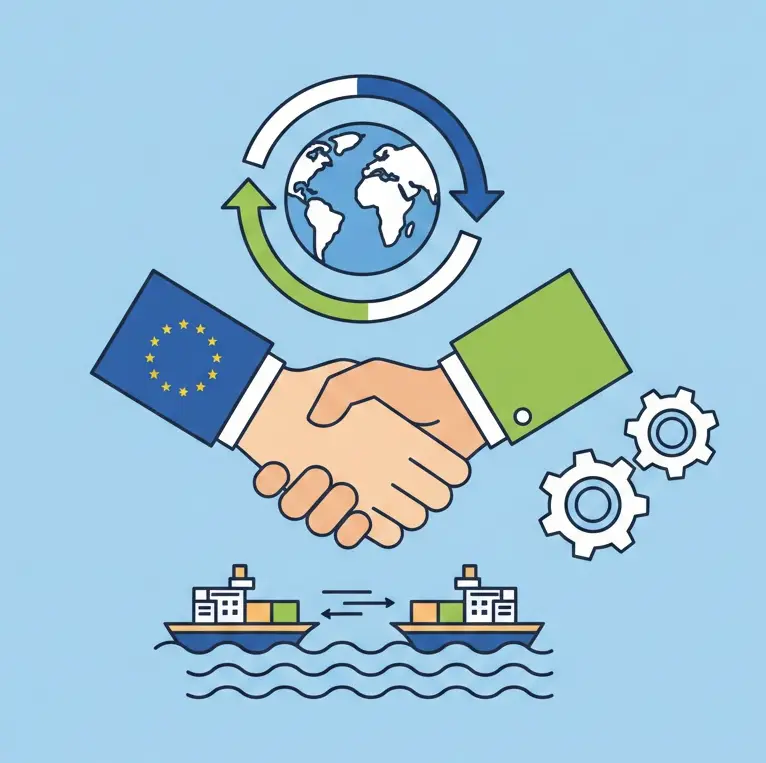
India’s free trade agreement with EU is great news. Once the pact is implemented – hopefully, early next year – both sides will benefit from lower prices, higher demand, and more jobs. Together with another major trade deal that India signed with UK last year, this FTA lays the ground for not only sustained export growth but also the employment of our highly skilled workers abroad.
EU is India’s biggest trade partner, with total bilateral trade of over $200bn. In both goods and services, the balance of trade favours India. So, the elimination of tariffs on 98% of Indian products will only make them more competitive. The deal is good for Indian consumers also, as gradual reduction or elimination of tariffs on European goods, ranging from chocolates to cars, will make them more affordable. The import duty on fully built cars will be slashed to 10% eventually. But all of this is subject to the FTA’s ratification by EU’s 27 member countries. That’s the big ‘if’ of the deal.
India signed the Comprehensive Economic and Trade Agreement (CETA) with UK last July, but its rollout is still pending. So, dealing with 27 govts will be trickier, and require a sustained diplomatic push. Issues like India’s continued purchase of Russian oil, for example, could pose a hurdle. And time is of the essence in trade deals, as the experience with Trump has shown. Last Feb, India and US were discussing ‘Mission 500’, a plan to grow bilateral trade past $500bn by 2030. Instead, India got saddled with penal sanctions. Another Trump tantrum against EU could make some member countries go slow on the India deal. But it’s also possible that the FTA speeds up America’s own deal with India.
Meanwhile, EU’s hyper-regulatory policies are an obstacle for the FTA. For example, EU has refused to dilute its sanitary and phytosanitary (SPS) rules on plant and animal health for India. It has also stood firm on Carbon Border Adjustment Mechanism, or CBAM, that taxes goods like steel, cement and aluminium based on their carbon emissions. These are non-tariff barriers that can be overcome only with significant investments, driving up costs for Indian producers. But all of these are in the future. For now, a deal is on the table, and getting it going should be the goal.
Date: 28-01-26
What Do We Get From EU?
India & the bloc operate at different stages of value chain, so their FTA can help both without hurting domestic industries. But EU’s carbon tax, excess regulation & lengthy ratification are potential glitches
Ajay Srivastava, [ The writer is an expert on trade and tech issues ]
After nearly two decades of stop-start talks, India and European Union yesterday announced the conclusion of negotiations on a free trade agreement. This is India’s ninth trade agreement in four years and its 19th overall, alongside six narrower preferential trade agreements.
This deal is being concluded now, not because differences between the two sides have vanished, but because geopolitics has forced pragmatism. Recent tariff shocks under Trump, combined with rising dependence on China, have pushed both sides to narrower ambitions, and an executable deal.
India and EU together account for 23% of global GDP and 25% of global population (nearly $25tn and 2bn people), making this one of the world’s largest trade deals, serving around 1bn middleand high-income consumers. Plus, with bilateral goods and services trade already close to $220bn, it starts from a strong base for expansion.
This FTA helps both sides. Because India and Europe sell different kinds of products, they do not compete directly with each other. India mainly exports labour-intensive goods such as garments, footwear and auto parts, along with downstream products like smartphones, generic pharmaceuticals and cut and polished diamonds, and processed fuels including diesel and aviation turbine fuel.
EU, by contrast, supplies capitaland tech-intensive products (machinery and aircraft), advanced goods such as electronic components and medical devices, and essential industrial inputs like rough diamonds and metal scrap. Because both operate at different stages of the value chain, tariff cuts will reduce costs and expand trade without hurting domestic industries.
SECTORAL OUTCOMES | This FTA spans 24 chapters covering goods, services, intellectual property, digital trade, govt procurement, environment, labour and data protection. Here’s how both sides stand to gain in the key areas.
Tariff cuts | EU will cut or eliminate tariffs on 98% of Indian goods, though many duties are already low. Real gains lie in garments (around 12%) and footwear (8–15%), where tariff cuts would boost India’s competitiveness against Vietnam and Bangladesh. Tariff cuts will also benefit marine products, gems and jewellery, handicrafts, chemicals and machinery.
India will reduce or remove tariffs on about 97% of EU exports. Wine duties will fall from 150% to 20-30%, spirits to 40%, beer to 50%, and car tariffs from 100-125% to 10% for up to 250,000 vehicles. India will also move to zero tariffs on many agri-food products and most processed foods, chemicals, machinery, electronics and aircraft.
Services push | India has secured EU commitments in IT and IT-enabled services, professional services, education, finance, tourism, construction and other business sectors. This FTA also creates a framework to ease short-term and temporary business travel for professionals. However, the final outcome will be clear only once the text is released.
Despite EU being India’s second-largest IT market, exports remain below potential. EU rules often require Indian firms to set up local offices even for remote work and impose high minimum salary thresholds for Indian professionals. India is seeking EU recognition as a “data-secure” country to cut compliance costs and compete on equal terms with Japan and South Korea. Overall, India’s gains in services will depend on outcome of data security status, adequate number of short-term visas, social-security totalisation, and mutual recognition of qualifications. Both sides have agreed on facilitative frameworks on above themes, but we have to wait for the legal text for details.
India has offered EU its most ambitious commitments on financial services in any trade agreement so far. However, India and EU differ critically on govt procurement, intellectual property, labour, environment and sustainability. We will know the details once FTA texts are released.
KEY RISKS | This FTA’s success will depend on how the following three risks are handled.
Carbon tax | EU’s Carbon Border Adjustment Mechanism (CBAM) began taxing imports based on their carbon emissions from Jan 1. Post FTA implementation, EU goods could enter India duty-free, while Indian exports will continue to face carbon taxes in Europe. Worse, although CBAM currently covers only six products, including steel and aluminium, it is designed to expand to all industrial goods in the next few years, potentially wiping out much of the FTA’s tariff gains.
The agreement does little to fix this imbalance. EU has agreed to extend to India any flexibility it offers other countries, like recognising carbon prices or verifiers. But this provides no relief to exporters already paying the tax. Also, a proposed cooperation platform in early 2026 and possible EU funding of € 500mn for India’s green transition are broad measures that do not address exporters’ immediate, product-level, carbon-tax costs, leaving CBAM largely unresolved. India may consider an equal value retaliation.
Regulatory hurdles | Indian medical devices and chemicals face high registration costs. Basmati rice, spices and tea are often rejected due to unreasonably low pesticide trace limits, while marine products face extra testing. Schemes like CBAM require certification by EU-authorised auditors and extensive data reporting, raising costs, delaying shipments and hurting MSMEs most.
Delayed EU ratification | This remains a risk. The EU-Mercosur deal, signed on Jan 17, 2026, faces opposition from several EU countries over farm imports and environmental concerns, blocking even provisional application. While the India-EU FTA largely avoids agriculture, new objections could still emerge. Even in the best case, approval by all 27 EU member states could take more than a year.
After years of drift, the India-EU FTA signals a turn towards realism in a fractured global trade system. Its promise is clear, but so are the risks. Above all, the unresolved carbon tax is set to weigh on Indian exports in the years ahead, like a toll booth placed halfway across a free bridge.

The solution to the falling rupee lies in diplomacy
Capital outflows are hitting the rupee. These outflows will continue to take place until India and the U.S. come to an understanding.
C. Rangarajan, [ Former Governor, Reserve Bank of India ]
N.R. Bhanumurthy, [ Director, Madras School of Economics, Chennai ]
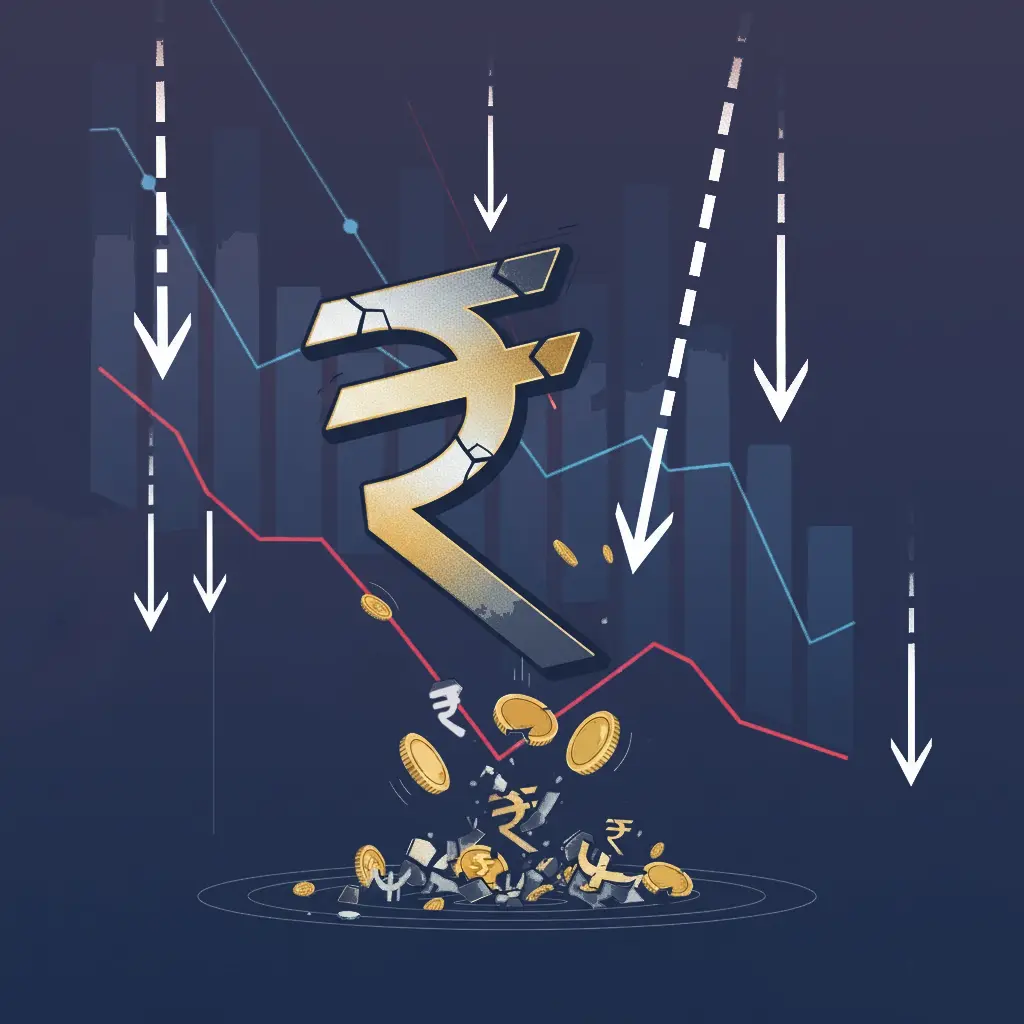
The sudden decline in the value of the rupee has somewhat shaken the people and the markets. They wonder why this is happening when the economy is doing well, characterised by a good growth rate, low inflation, and a modest current account deficit.
India’s growth rate in the current year is estimated at 7.4%. Inflation has been subdued with CPI inflation ending the year 2025 at 1.33%, below the Reserve Bank of India (RBI)’s lower target band for the fourth consecutive month. The current account deficit as a percentage of GDP in the first half of 2025-26 is only 0.76 compared to 1.35 in the previous year. The fall in the value of rupee since April 2025 is about 6%.
The villain of the piece
Since the trade deficit (merchandise and services), which was $96.58 billion in April-December 2025 compared to $88.43 billion in the same period last year, is not that large, the main villain in the piece is capital outflows. There has been a steady outflow of capital since U.S. President Donald Trump took an adverse view on India and imposed 50% import duty on Indian exports. Initially, the U.S. imposed a 25% tariff on ‘reciprocal’ basis and then another 25% because India was importing crude oil from Russia. Now, it is threatening to impose an additional 25% tariff on countries that are doing business with Iran. This includes India, although trade with Iran is only 0.15% of the country’s total trade.
Net capital inflows in April-December 2024 were $10,615 million. In the same period in 2025, they turned negative, with a net outflow of $3,900 million. Despite months of negotiations with the U.S., no agreement has been reached yet. There seem to have been issues that could not be resolved easily. If this stalemate continues, the rupee will continue to fall.
We have to note that in the changed context, capital outflows are caused not by strict economic factors but by fears generated by the ‘hostile’ attitude of the U.S. In 2022, the rupee depreciated by almost 10%. That had some economic explanation, such as the Federal Reserve’s sharp hikes in interest rates. But this time, there is no clear economic explanation. Thus, the situation has shifted from the economic arena to the diplomatic platform. When tariffs are getting weaponised for geopolitical reasons, diplomacy is the major route for a solution.
RBI intervention
India’s exchange rate regime underwent a change in 1993 when it moved to a market-determined exchange rate regime. But the new system did not rule out the RBI’s intervention in the foreign exchange market. Since 1993, all RBI Governors have made it clear that the intention is not to use intervention to peg the value of the rupee, but to reduce its volatility.
However, the word ‘volatility’ was never defined. We can deduce from the actions of the RBI that reducing volatility means not only reducing fluctuations around a prevailing level, but also ‘moderating’ the fall in the value of the rupee when it happens. Shocks from rupee fluctuations have a cost. It is only to minimise the impact of such sudden shocks that there is intervention. Even then, it is not the intention of the RBI to prevent the fall, but to let it slide smoothly to whatever level it has to fall. It may be best for the RBI to clarify that reducing volatility also includes moderating the fall in the value of the rupee. After all, intervention, especially if it is asymmetric, does affect the level of exchange rate while minimising its volatility. The present situation adds another element — non-economic pressures acting on the value of the rupee. In fact, if India and the U.S. come to an understanding, the rupee will appreciate.
Why devaluation is not the remedy
Will a fall in the value of the rupee have any beneficial effects? The import content of India’s exports is rising. As a result, the stimulus to exports provided by devaluation will be moderated in the changed context. Further, given the high tariffs in the U.S. market, India’s exporters are unlikely to gain significant access there. On the import side, most of India’s imports are essential goods, with crude oil alone accounting for about 25% of total merchandise imports. A fall in the rupee would raise their prices, fuelling inflation.
India’s inflation is not higher than the inflation in developed countries in the West. Devaluation is called for when there is wide disparity in inflation. That is when we need to focus on Real Effective Exchange Rate (weighted average of a country’s currency relative to a basket of major trading partners, adjusted for inflation). It is true that some countries such as China have tried to keep the value of the currency undervalued. But this is currency manipulation, which is controversial.
The fall in the value of the rupee in the last one month has been caused by the fears engendered by the imposition of 50% tariff on Indian exports by the U.S. There is a possibility that the tariffs may even go up because of new legislation in the U.S. The full impact of the tariffs will be felt only in 2026-27.
What is hitting the rupee as of now are capital outflows. These outflows will continue to take place until India and the U.S. come to an understanding. We cannot ignore the fall in the value of the rupee. Capital outflows will get accelerated with every fall in the value of the rupee. The required earning in rupee terms will rise to attract investors in such a situation. When capital outflows happen because of the sale of stocks, they have a direct impact on the stock market. Our trade negotiators must reach an early understanding with the U.S. Meanwhile, the RBI can only smoothen the fall in the value of the rupee.

ईयू से डील अमेरिका को एक शालीन जवाब है
संपादकीय
ट्रम्प के टैरिफ, बलप्रयोग और रोजाना की धमकियों ने दशकों से सहज रूप से चल रही विश्व व्यवस्था की चूलें हिला दी हैं। इसने दुनिया को विकल्प ढूंढने पर भी मजबूर किया। 27 देशों के संगठन ईयू ने भारत से 19 साल से उबड़-खाबड़ रास्तों पर डगमगाती ट्रेड डील अंततः मुकम्मल की। अब भारत अपनी कृषि और संलग्न वस्तुएं, टेक्स्टाइल और मेटलर्जी उत्पाद 22.9 ट्रिलियन डॉलर जीडीपी वाले संगठन को बेच पाएगा और उसकी हाई-एंड कारें, तकनीकी, हथियार और शराब कम दरों पर हासिल कर सकेगा। भारतीय टैलेंट के लिए ईयू में नया द्वार खुलेगा। रूस से तेल न खरीदने की कोई शर्त नहीं होगी, ना ही नेट जीरो कार्बन उत्सर्जन करने की गति समय-सीमा में बढ़ाने की एकमात्र शर्त । ईयू प्रमुख का मानना है इसके दूरगामी परिणाम होंगे। ईयू जानता है कि नेट जीरो कार्बन उत्सर्जन के भारत के प्रयास दुनिया के अन्य देशों से ज्यादा हैं। बहरहाल यह डील ट्रम्प को एक शालीन जवाब है कि अमेरिका के बिना भी दुनिया दौड़ सकती है। आने वाले वर्षों में ईयू भारत का सबसे बड़ा ट्रेड पार्टनर होगा। इसके अलावा सामरिक क्षमता वाले जर्मनी, फ्रांस, डेनमार्क से व्यापार विस्तार का भी अपना महत्व होगा । ट्रम्प को उम्मीद थी कि उनके इशारे पर ईयू भी आरोप लगाएगा कि भारत रूस से तेल खरीदकर उसे परोक्ष रूप से यूक्रेन के खिलाफ वित्तीय मदद दे रहा है और ऐसा कहकर वह भारत से दूरी बनाएगा। लेकिन ईयू और नाटो का अपमान उसके हमारे साथ खड़े होने का बड़ा कारण है।

सबसे बड़ा और प्रभावी व्यापार समझौता
डॉ. जयंतीलाल भंडारी, ( लेखक अर्थशास्त्री हैं )
आखिरकार नई दिल्ली में आयोजित भारत-यूरोपीय संघ (ईयू) के शिखर सम्मेलन में प्रधानमंत्री मोदी और यूरोपीय आयोग की अध्यक्ष उर्सुला वान डेर लेयेन की उपस्थिति में भारत-ईयू के बीच ऐतिहासिक मुक्त व्यापार समझौते (एफटीए) का एलान कर दिया गया। प्रधानमंत्री मोदी के अनुसार यह एफटीए दुनिया की दो बड़ी अर्थव्यवस्थाओं के बीच तालमेल का शानदार उदाहरण है।
उर्सुला ने भी इस समझौते को सभी ‘मदर आफ आल डील्स’ कहते हुए यह रेखांकित किया कि दुनिया के वर्तमान ‘ग्रोथ सेंटर’ और इस सदी के आर्थिक पावर हाउस भारत के साथ यह एफटीए यूरोप को दुनिया के सबसे तेजी से बढ़ते आर्थिक क्षेत्रों में पहली बढ़त दिलाएगा। इस एफटीए से दो अरब लोगों का एक साझा बाजार तैयार होगा और यह संयुक्त बाजार वैश्विक सकल घरेलू उत्पाद (जीडीपी) के लगभग एक चौथाई हिस्से का प्रतिनिधित्व करेगा। इस एफटीए ने अमेरिका द्वारा लगाए गए ऊंचे टैरिफ के बीच भारत और ईयू को नई रणनीतिक गोलबंदी के साथ व्यापारिक संबंधों को नई दिशा दी है।
भारत-ईयू एफटीए के लिए बातचीत 2007 में शुरू हुई थी, लेकिन 2013 में यह वार्ता थम गई। जून 2022 में वार्ता फिर से शुरू की गई, जो अब अंजाम तक पहुंची है। भारत और यूरोपीय संघ दोनों वैल्यू चेन के अलग-अलग स्तरों पर काम करते हैं। भारत प्रमुखतः श्रम-प्रधान और प्रसंस्करण आधारित वस्तुओं का निर्यात करता है, जबकि यूरोपीय संघ मुख्यतः पूंजीगत वस्तुओं, उन्नत प्रौद्योगिकी और औद्योगिक उत्पादों की आपूर्ति करता है। पिछले वित्त वर्ष 2024-25 में भारत और 27 देशों के संगठन ईयू के बीच वस्तुओं और सेवाओं में कुल व्यापार 190 अरब डालर से अधिक का रहा। इसी वित्त वर्ष में दोनों के बीच वस्तुओं का द्विपक्षीय व्यापार 136.53 अरब डालर रहा।
इसमें भारत का निर्यात 75.85 अरब डालर और आयात 60.68 अरब डालर था। यूरोपीय संघ भारत में एक बड़ा निवेशक भी है, जिसका अप्रैल 2000 से सितंबर 2024 तक प्रत्यक्ष विदेशी निवेश (एफडीआइ) करीब 117.4 अरब डालर रहा। इस एफटीए से भारत और यूरोपीय संघ के छात्रों, कामगारों, शोधकर्ताओं और उच्च कुशल पेशेवरों की आवाजाही को सुगम बनाने, अनुसंधान और नवाचार को बढ़ावा देने के लिए एक व्यापक गतिशील ढांचे को आकार मिला है। यह एफटीए भारत-ईयू व्यापार के लिए महज एक व्यापार का रणनीतिक दस्तावेज नहीं है, बल्कि आर्थिक पुनर्व्यवस्था के रूप में भारत और ईयू के लिए बदलते वैश्विक व्यापार वातावरण में आगे बढ़ने का अवसर देने वाला पड़ाव है।
इस एफटीए के तहत दोनों पक्ष आपसी व्यापार वाली 90 प्रतिशत से अधिक वस्तुओं पर आयात शुल्क शुरुआत से ही कम या समाप्त कर देंगे, जबकि कुछ अन्य वस्तुओं पर इसे आगामी वर्षों में चरणबद्ध तरीके से हटाया जाएगा। यह एफटीए व्यापार, निवेश, स्वच्छ और हरित ऊर्जा, विज्ञान और प्रौद्योगिकी, सुरक्षा और रक्षा, डिजिटल पहलों, कनेक्टिविटी, अंतरिक्ष और कृषि के क्षेत्रों में आपसी प्रतिबद्धता को दिखाता है। यह वस्तुओं, सेवाओं के व्यापार और नियमों पर केंद्रित है, लेकिन निवेश संरक्षण जैसे मुद्दे अलग से सुलझाए जाएंगे।
विज्ञान और प्रौद्योगिकी सहयोग भारत-ईयू एफटीए का एक मुख्य स्तंभ है, जिसे संस्थागत ढांचे का समर्थन प्राप्त है और इससे अनुसंधान और नवाचार को बढ़ावा मिलेगा। अंतरिक्ष सहयोग भारत-ईयू एफटीए का एक और महत्वपूर्ण आयाम है, जो दशकों के तकनीकी सहयोग पर आधारित है। जहां यह एफटीए क्लीन टेक्नोलाजी, फार्मास्यूटिकल्स और सेमीकंडक्टर जैसे खास सेक्टर में जरूरी सप्लाई चेन को मजबूत करेगा, वहीं मैरीटाइम सिक्योरिटी, आतंकवाद से निपटने और साइबर-डिफेंस में सहयोग भी बढ़ाएगा।
भारत के लिए ईयू के साथ एफटीए निर्यात और निवेश बढ़ाने के साथ-साथ भारत के घरेलू बाजार को बढ़ाने, मेक इन इंडिया अभियान को गति देगा। इसके जरिये भारत जहां अपने कपड़ा, चमड़ा और हथकरघा जैसे क्षेत्रों में निर्यात बढ़ा सकेगा, वहीं भारतीय पेशेवरों और आइटी सेवाओं के निर्यात के लिए यूरोपीय संघ के दरवाजे खुलेंगे और भारतीय श्रमिकों की यूरोप में सक्रियता बढ़ेगी।
यूरोपीय संघ के दृष्टिकोण से भारत के साथ एफटीए एक उभरती आर्थिकी के साथ उसका पहला समझौता है। इससे यूरोपीय संघ की निर्भरता चीन पर घटेगी। साथ ही उसे भारत की तेजी से बढ़ती आर्थिकी में भी लाभ मिलेंगे। जहां शुल्क कटौती से कारों, मशीनरी, एयरक्राफ्ट और केमिकल के क्षेत्र में मौके खुलेंगे, वहीं सबसे तेजी से बढ़ते भारत के बड़े बाजार में सेवाओं, खरीद, निवेश तक ईयू देशों की पहुंच बेहतर होगी।
ईयू के साथ एफटीए भारत के निर्यात और निवेश के साथ विकास दर बढ़ाने में अहम होगा। देशों के साथ एफटीए के अधिकतम लाभ उठाने के लिए भारत को घरेलू उद्योगों की प्रतिस्पर्धा बढ़ाने, सेवा क्षेत्र का लाभ उठाने, निर्यात में विविधता लाने, कृषि और संवेदनशील क्षेत्रों की सुरक्षा करने, व्यापार संतुलन को अपने पक्ष में लाने के साथ-साथ पर्यावरण और श्रम मानकों के परिपालन पर ध्यान केंद्रित करना जरूरी होगा।
Date: 28-01-26
आर्थिक सहयोग का नया युग
संपादकीय
अंततः भारत और यूरोपीय संघ के बीच सभी समझौतों की जननी कहा जाने वाला मुक्त व्यापार समझौता (एफटीए) हो गया। इस समझौते का महत्व केवल इसलिए नहीं है कि यह दुनिया की एक चौथाई आबादी वाले भारत और 27 सदस्यीय यूरोपीय संघ के बीच हुआ है। इसका महत्व इसलिए भी है, क्योंकि इसने अपना आर्थिक दबदबा कायम करने की कोशिश करने वाले अमेरिका और चीन को यह संदेश दिया है कि उनका विकल्प उपलब्ध है। इस संदेश की पुष्टि अमेरिकी नेताओं के उन बयानों से होती है, जिनसे यह ध्वनित हो रहा है कि उन्हें यह समझौता रास नहीं आया। आश्चर्य नहीं कि अमेरिका इसमें अड़ंगा लगाने की कोशिश करे।
वास्तव में टैरिफ के मामले में अमेरिका के मनमाने रवैये ने ही इस समझौते की राह आसान की। इस समझौते का एक महत्व इसलिए भी है, क्योंकि यूरोपीय संघ और भारत दूसरी और चौथी सबसे बड़ी अर्थव्यवस्थाएं हैं, जो वैश्विक सकल घरेलू उत्पाद (जीडीपी) के 25 प्रतिशत के बराबर हैं और जो वैश्विक व्यापार का एक तिहाई हिस्सा हैं। स्पष्ट है कि विश्व की दो बड़ी अर्थव्यवस्थाओं में सहयोग दोनों पक्षों को व्यापार और निवेश के अभूतपूर्व अवसर प्रदान करेगा।
यह अवसर आर्थिक समृद्धि को बल प्रदान करने के साथ रोजगार की समस्या भी दूर करेगा। इस समझौते से जहां यूरोपीय कारों, वाइन, मशीनरी, रसायन, स्टील आदि पर भारतीय आयात शुल्क में भारी कटौती होगी, वहीं भारतीय वस्त्र, रत्न, औषधि आदि के लिए यूरोपीय बाजार में पहुंच आसान होगी। यह भी उल्लेखनीय है कि इस समझौते से दोनों पक्षों के बीच रणनीतिक सहयोग बढ़ेगा। इसके अलावा भारतीय छात्रों, शोधकर्ताओं और कुशल पेशेवरों को यूरोप में नए अवसर मिलेंगे।
चूंकि भारत और यूरोपीय संघ के बीच का एफटीए दोनों के लिए लाभकारी है, इसीलिए उत्साह का माहौल है, लेकिन यह ध्यान रहे कि इस समझौते का यूरोपीय संसद और परिषद से अनुमोदन चाहिए होगा। इसमें जो समय लगेगा, उसका सदुपयोग इस एफटीए का अधिकतम लाभ उठाने की तैयारी में खपाना चाहिए। यह तैयारी भारतीय उद्यमियों को विशेष रूप से करनी होगी। उन्हें अपने को साबित करने का जो अवसर मिलने जा रहा है, उसे भुनाने में कोई कसर नहीं छोड़नी चाहिए।
उन्हें गुणवत्ता और उत्पादकता का स्तर उन्नत करते हुए ऐसे मूल्यवान विश्वस्तरीय उत्पाद तैयार करने होंगे, जिनकी विशिष्ट पहचान बने और इसके चलते उनकी मांग बढ़े। इसकी अनदेखी नहीं की जा सकती कि भारतीय उत्पाद अपनी उच्च गुणवत्ता के लिए कम ही जाने जाते हैं। भारतीय उद्यमियों को अपने उत्पादों का निर्माण विश्वस्तरीय मानकों के अनुरूप करने के लिए भी तैयार रहना होगा, क्योंकि इससे ही आपसी व्यापार का पलड़ा भारत के पक्ष में बना रह सकता है।

Date: 28-01-26
नए अवसरों का द्वार
संपादकीय
भारत और यूरोपीय संघ के बीच बहुप्रतीक्षित मुक्त व्यापार भा समझौते (एफटीए) पर मंगलवार को हस्ताक्षर हुए। हाल के दिनों का यह दुनिया में अपनी तरह का सबसे बड़ा समझौता है जो दो अरब लोगों का बाजार तैयार करता है। बहरहाल, 16वीं भारत-यूरोपीय संघ शिखर बैठक और दोनों पक्षों के नेताओं का संवाद केवल व्यापार तक सीमित नहीं रहा। इस अवसर पर कई अन्य समझौतों पर भी हस्ताक्षर हुए ताकि आपसी सहयोग बढ़ाया जा सके और रिश्तों को मजबूती प्रदान की जा सके उदाहरण के लिए दोनों पक्षों ने भारत-यूरोपीय संघ की सामरिक साझेदारी के सभी पहलुओं को शामिल करने वाला एक व्यापक दस्तावेज तैयार किया है। भारत और यूरोपीय संघ रक्षा और सुरक्षा पर सहयोग को बेहतर बनाएंगे। गतिशीलता पर सहयोग के लिए एक व्यापक ढांचा भी सहमति से तय किया गया है। भारत और यूरोपीय संघ सेवाओं के क्षेत्र में कई उप क्षेत्रों को एक-दूसरे की प्राथमिकताओं को समायोजित करने के लिए खोलेंगे। यूरोपीय संघ ने भारतीय छात्रों को पढाई के बाद कामकाजी वीजा देने का भी वचन दिया है।
जहां तक व्यापार समझौते की बात है, यह कानूनी अनिवार्यताएं पूरी होने के बाद ही लागू होगा लेकिन इससे जो हासिल हुआ है वह उल्लेखनीय है। वर्ष 2024-25 में भारत- यूरोपीय संघ द्विपक्षीय व्यापार करीब 136.54 अरब डॉलर का था। भारत ने उस वर्ष 75.85 अरब डॉलर मूल्य की वस्तुओं का निर्वात किया जबकि उसका आयात 60.68 अरब डॉलर का रहा। पैमाने को देखते हुए व्यापार बहुत तेजी से बढ़ सकता है भारत और यूरोपीय संघ वैश्विक सकल घरेलू उत्पाद में 25 फीसदी और वैश्विक व्यापार में एक तिहाई हिस्सेदारी रखते हैं। दोनों पक्षों का सेवा क्षेत्र में भी गहरा कारोबारी रिश्ता है। इस बात पर सहमति बनी है कि यूरोपीय संघ भारत से आयात होने वाली वस्तुओं के लिए मूल्य के आधार पर 99.5 फीसदी पर शुल्क कम करेगा जबकि भारत 92 फीसदी से अधिक वस्तुओं पर शुल्क को उदार बनाएगा। समझौता लागू होते ही भारत मूल्य के हिसाब से 30 फीसदी व्यापार वस्तुओं पर शुल्क को शून्य कर देगा और इसका दायरा धीरे-धीरे बढ़ाया जाएगा। उल्लेखनीय है कि यूरोपीय संघ ने कार्बन सीमा समायोजन तंत्र (सीचीएएम) पर रियायत नहीं दी है। यद्यपि उसने यह सहमति दी है कि किसी भी अन्य देश को दिया गया लचीलापन भारत को भी प्रदान किया जाएगा।
इस एफटीए को अंतिम रूप देना एक कामयाबी है और दोनों पक्षों की नियम आधारित विश्व व्यवस्था के प्रति प्रतिवद्धता को दोहराता है। परंतु भारत को कम से कम तीन अहम मुद्दों पर ध्यान देना होगा। पहला, यह अमेरिका के साथ व्यापार समझौते का विकल्प नहीं है। अमेरिका अभी भी मिलेजुले संकेत दे रहा है लेकिन भारत को एक पारस्परिक लाभकारी समझौते तक पहुंचने के प्रयास जारी रखने चाहिए। लंबे समय तक अमेरिकी बाजार की पहुंच खोने की आशंका से बचना बहुत आवश्यक है। दूसरा, भारत को अपनी पूरी व्यापार नीति की समीक्षा करनी चाहिए और शुल्कों को उल्लेखनीय रूप से कम करना चाहिए। भारत ने यूरोप के प्रति खुलापन दिखाया है इसलिए सामान्य रूप से शुल्कों को कम करना अब आसान होना चाहिए। आगामी केंद्रीय बजट इस प्रक्रिया को सार्थक तरीके से शुरू करने का एक उत्कृष्ट अवसर होगा। इसके अतिरिक्त गुणवत्ता नियंत्रण आदेशों का पुनर्मूल्यांकन भी जरूरी है जो वास्तव में व्यापार बाधाएं ही हैं।
भारत को यदि वैश्विक मूल्य श्रृंखलाओं का हिस्सा बनना है तो यह अहम है। अब उसे व्यापक क्षेत्रीय व्यापार व्यवस्थाओं मसलन ‘प्रशांत पार साझेदारी का व्यापक और प्रगतिशील समझौता’ आदि का हिस्सा बनने पर विचार करना होगा। तीसरा भारत को अब आंतरिक सुधारों को और अधिक आक्रामक ढंग से आगे बढ़ाना होगा। वह केवल तभी व्यापार समझौतों का लाभ ले पाएगा जब भारत के व्यवसाय अधिक प्रतिस्पधीच एफटीए की एक आम आलोचना यह होती है कि वे भारतीय व्यवसायों को लाभ नहीं पहुंचाते। ऐसा प्रतिस्पर्धात्मकता के कारण होता है। आंतरिक सुधार भविष्य में ऐसे नतीजों से बचने में मददगार साबित हो सकते हैं।

दुनिया में भारत का कद बढ़ाता करार
अरुण कुमार, ( वरिष्ठ अर्थशास्त्री )
भारत और यूरोपीय संघ के बीच हुआ मुक्त व्यापार समझौता ऐतिहासिक तो है ही, वक्त की जरूरत भी है। वैसे’ भी, हर अंतरराष्ट्रीय समझौता अपनी तात्कालिक अनिवार्यताओं और भविष्य की संभावनाओं से प्रेरित होता है। दरअसल, यूरोप और भारत, दोनों को इस समय एक-दूसरे की बहुत जरूरत है। अमेरिका ने दोनों को ही दबाने की कोशिश की है। हमसे ज्यादा प्रतिकूल, बल्कि एकतरफा शर्तें उसने यूरोपीय संघ पर थोपी हैं।
अमेरिका ने यूरोपीय संघ के उत्पादों पर 15 प्रतिशत आयात शुल्क तो लगाया ही, इसके साथ यह शर्त भी नत्थी कर दी है कि यूरोपीय संघ अमेरिकी उत्पादों पर कोई शुल्क नहीं लगा सकता। यही नहीं, अमेरिका में 600 बिलियन डॉलर का निवेश करने को भी कहा गया है। ग्रीनलैंड के मसले पर राष्ट्रपति ट्रंप ने यूरोपीय संघ पर जैसा दबाव बनाया है, वह पूरी दुनिया में चर्चा का विषय बना हुआ है। ऐसे में, स्वाभाविक ही यूरोप के देश वाशिंगटन से बेहद नाराज हैं। इधर, भारत भी ट्रंप प्रशासन की कारगुजारियों से खुश नहीं है। यूरोप के देश भारत के विशाल बाजार और आर्थिक भविष्य की अहमियत समझते हैं। इसलिए दोनों ने एक-दूसरे की तरफ कदम बढ़ाया है।
भारत और यूरोपीय संघ का यह समझौता कितना पुरअसर है, इसका अंदाज इसी बात से लगाया जा सकता है कि इस करार पर मुहर लगने के पहले ही अमेरिकी वित्त मंत्री स्कॉट बेसेंट ने संकेत देना शुरू कर दिया कि भारत पर लगा अतिरिक्त 25 फीसदी शुल्क हटाया जा सकता है। बेसेंट ने इसके लिए रूस से भारत द्वारा तेल आयात में कटौती की आड़ ली। हालांकि, इस समझौते को लागू होने में अभी कुछ समय लग सकता है, क्योंकि यूरोपीय संघ की संसद से पारित होने के बाद सभी 27 देश अपनी-अपनी संसद में इसे पारित करेंगे। शायद इसीलिए इसे अगले साल से लागू होने की बात कही गई है, मगर इसका तात्कालिक राजनीतिक फायदा यही हो सकता है कि अमेरिका अतिवादी रुख अपनाने से बाज आ जाए।
पिछले करीब 18 वर्षों से भारत और यूरोपीय संघ मुक्त व्यापार समझौते के लिए प्रयासरत थे, मगर जिन कारणों से अमेरिका से बात नहीं बन पा रही थी, वही वजह यूरोपीय संघ के साथ हमारे समझौते में भी अड़चन बनी हुई थी। अमेरिका की तरह यूरोप के देश भी हमारे कृषि बाजार तक अपनी निबंध पहुंच चाहते रहे हैं, मगर यह मानना हमारे लिए बहुत मुश्किल है। करार से ज्यादातर कृषि उत्पादों को अलग रखा गया है, लेकिन कुछ कृषि उत्पादों पर हमने अपने टैरिफ में कटौती करने का जो एलान किया है, उससे हमको कुछ नुकसान हो सकता है। इसी तरह, स्टील और कार्बन उत्सर्जन के सवाल पर हमें जितनी रियायत की अपेक्षा थी, वह नहीं मिल सकी, मगर अंतरराष्ट्रीय समझौतों में लेन-देन स्वाभाविक बात है।
अब समझौता हो चुका है और व्यापक तौर पर देखें, तो लाभ दोनों पक्षों को होने वाला है। यूरोपीय आयोग की अध्यक्ष उर्सुला वॉन डेर लेयेन ने कहा भी है कि इस समझौते के लागू होने के बाद लगभग 43.5 हजार करोड़ रुपये के टैरिफ कम हो जाएंगे। इस समझौते से हमारी 90 फीसदी से अधिक चीजें शून्य टैक्स के साथ यूरोपीय देशों में बिक सकेंगी। अमेरिकी टैरिफ से भारत के जिन कारोबारी क्षेत्रों को धक्का लगा था, उनको इस समझौते से यकीनन बड़ी राहत मिली है। खासकर कपड़ा, चमड़ा, मछली, आभूषण कारोबार आदि से जुड़े व्यापार को बड़ा फायदा होने वाला है। इन सामानों पर अभी जो अलग-अलग शुल्क लगते रहे हैं, वे शून्य हो जाएंगे। इसका बड़ा लाभ यह भी है कि इन क्षेत्रों में बड़े पैमाने पर रोजगार सृजन होता है। यूरोप के नजरिये से देखें, तो जर्मनी और फ्रांस जैसे देशों को इसका अधिक फायदा होगा, क्योंकि ये देश ऑटोमाबाइल निर्माण में दुनिया के अग्रणी देश हैं।
विश्व व्यापार में सबसे महत्वपूर्ण कारोबारी शर्तें ही होती हैं। प्रायः तकनीकी रूप से मजबूत देश तीसरी दुनिया के देशों को दबाते आए हैं। ‘डब्ल्यूटीओ’ या उसके पहले ‘गैट’ में यही होता रहा है। चूंकि उन्नत तकनीकी के मामलों में उनका दबदबा होता है, इसका वे फायदा उठाते हैं, इसका अंतिम नुकसान गरीब देशों के कामगारों को होता है। अमीर देशों में उपभोक्ताओं को चीजें चूंकि सस्ती मिलती हैं, इसलिए उनके यहां महंगाई नियंत्रित रहती है। इसीलिए संतुलित व्यापार सबके हित का माना जाता है। इस लिहाज से भारत- यूरोपीय संघ समझौते की शर्तें संतुलित हैं।
हालांकि, हमें यहां यह भी देखने की जरूरत है कि अब तक हमने जिन-जिन देशों के साथ व्यापार समझौता किया है, उनका निर्यात तो बढ़ गया, लेकिन हमारा उतना नहीं बढ़ा। इसकी एक बड़ी वजह तो यह है कि हमारे पास उनके जैसी टेक्नोलॉजी नहीं है। इस लिहाज से इस समझौते से हमें मदद मिल सकती है। हमारे बच्चों को यूरोप के संस्थानों में जाकर पढ़ने का अवसर मिलेगा। भारतीय आईटी क्षेत्र समेत विभिन्न क्षेत्रों के पेशेवरों को यूरोप का बड़ा बाजार मिलेगा। वहां उनके लिए काम करने की स्थितियां आसान होंगी । भारत और यूरोप की आबादी को जोड़ लें, तो यह दुनिया की दो अरब से अधिक आबादी हो जाती है। अगर इसमें अफ्रीका के देश भी जुड़ गए, तो अमेरिका विहीन शेष दुनिया की ओर कदम बढ़ जाएगा। इसलिएइस समझौते को इतना महत्वपूर्ण समझा जा रहा है।
इसमें तो कोई दोराय नहीं हो सकती कि इस समझौते से दुनिया में भारत का कद और बड़ा हुआ है। अब देखने वाली बात है कि अमेरिका इससे क्या सबक लेता है और वह दुनिया को क्या ‘ऑफर’ करता है? उसने दस प्रतिशत का न्यूनतम टैरिफ तो सब पर लगा ही दिया है, उसके ऊपर ही वह बढ़ाता जा रहा था। अगर दुनिया के बड़े देश इसी तरह मिलकर आपस में व्यापार बढ़ाते हैं, तभी संतुलन आ सकेगा और अमेरिकी दबाव शिथिल पड़ेगा ।
चूंकि यूरोप लोकतंत्र का बड़ा हिमायती रहा है, इसलिए भारत को यूरोप के साथ कदमताल करने में कोई कठिनाई नहीं होगी। यह समझौता अन्य देशों को भी भारत के साथ मुक्त व्यापार के लिए प्रेरित करेगा ।
Date: 28-01-26
सांसद निधि की तुलना दूसरी योजनाओं से नहीं हो सकती
राकेश सिन्हा, ( पूर्व सदस्य,राज्यसभा )
सांसद स्थानीय विकास निधि को लेकर इन दिनों एक वितंडा खड़ा करने की कोशिश की जा रही है। पिछले दिनों कुछ सांसदों के बारे में दावा किया गया कि उन्होंने इस मद का एक रुपया भी खर्च नहीं किया। इसी आधार पर कई लोग दलील दे रहे हैं कि इस योजना को ही खत्म कर देना जाना चाहिए, मगर सच यह है कि इसकी ऐसी उपयोगिता है, जिसकी विकास की अन्य योजना निधियों से तुलना नहीं की जा सकती ।
इसे व्यापक संदर्भ में देखने की आवश्यकता है। इसका कारण है। देश की आधारभूत संरचनाओं में प्रगति अब ठोस यथार्थ बन चुकी है। सड़क, पानी, बिजली, नाली, सीवर आदि जो कल तक स्थानीय लोगों की ज्वलंत समस्याएं हुआ करती थीं और लोग उसके समाधान की अपेक्षा सांसद-विधायक विकास निधि से रखते थे, वह बात अब प्रायः नहीं रही। पंचायत से लेकर जिले तक का बजट पिछले दस वर्षों में कई गुना बढ़ा है।
यहां एक बात और स्पष्ट करना जरूरी है। दुनिया के सभी पदों के पास घोषित शक्तियां होती हैं और पद के अनुपात में उनका विशेषाधिकार रहता है, परंतु सांसद के पास शक्ति शून्य है। वह जनता की वैधानिक ताकत से प्रतिनिधि बनता है, जनता के जीवन के सभी आयामों से उसका सरोकार होता है। अतः सांसद की ताकत विशेषाधिकार के गर्भ से उपजता है। सांसद निधि इसी विशेषाधिकार को रेखांकित करता है।
इसके उपयोग में जितनी प्रयोगधर्मिता होगी, परिणाम उतने ही प्रभावी होंगे। एक उदाहरण देना चाहूंगा। बिहार के बेगूसराय के एक छोटे से मुहल्ले (टोला) में सामाजिक-आर्थिक रूप से हाशिये के लोग रहते हैं। युवाओं से संवाद में पुस्तकालय निर्माण की मांग उठी। इसकी घोषणा करके राशि आवंटित कर देना एक मिनट का काम था। मैंने ऐसा नहीं किया। घंटों अनौपचारिक संवाद चलता रहा। उसी सिलसिले में टोले का जातिसूचक नाम बदलने पर राय बनी। नया नाम तय हुआ- हनुमान – शिव टोला। मैंने पाया है कि ग्रामीण क्षेत्रों मैं पुस्तकालयों के प्रति आकर्षण है। एक पुस्तकालय पीढ़ियों की सोच के निर्माण का पवित्र स्थल है, जहां अध्ययन, चिंतन, सृजन और संकल्प निर्माण होता है। पुस्तकालय भौतिकता, अनैतिकता, संकीर्णता आदि से उत्पन्न आपदाओं से समाज को बचाता है।
प्रधानमंत्री नरेंद्र मोदी ने जब से सत्ता संभाली है, खेल के प्रति उन्होंने युवाओं में उत्साह बढ़ाया है। खेल में भी सुनहरा करियर है, गांव-कस्बों तक यह संदेश गया है। अतः खेल सुविधाओं की भी मांग अब सांसदों से होने लगी है। चाहे निर्माण या विकास का रूप जो भी हो, इसमें बहुआयामी संवाद का जरिया बनने की असीम क्षमता है। सांसद निधि के साथ नैतिकता का आयाम लगते ही उसकी व्यापकता बढ़ जाती है। एक तरफ, निर्माण कार्य होता है, दूसरी तरफ संकीर्णता की दीवार ढहने लगती है। सूची बनाकर विकास योजनाओं को जारी करना या मांग के आधार पर आवंटन की अपनी उपयोगिता है, पर वे जिलाधिकारी की योजना की तरह हो जाती हैं। उससे सांसद निधि का सामाजिक- सांस्कृतिक पक्ष अंकुरित भी नहीं हो पाता है।
मेघालय के ईस्ट खासी हिल्स में कोंगयोंग गांव को मैंने 2020 में गोद लिया था। सेंगखासी (जनजाति) का स्कूल सरकारी सहायता से वंचित था ।
सहायता देने से पूर्व लोगों के सामूहिक श्रमदान, स्वच्छता अभियान आदि पर संवाद होते रहे। ऐसे में, सांसद निधि स्कूल के विकास से अधिक वहां सामूहिकता के भाव को आगे बढ़ाने का माध्यम बन गई । श्रमदान द्वारा निधि का उपयोग हुआ। सुखद बात यह रही कि ईसाई और सेंगखासी समुदायों के बीच चली आ रही कटुता मिट गई।
हमारे लोकतंत्र में एक कमी है, सांसदों के कार्यकलापों, विशेषकर सांसद निधि के उपयोग का सोशल ऑडिटिंग न होना। यह ‘सब धान बाईस पसेरी’ कर देता है। सोशल ऑडिटिंग से उनकी कमियों पर प्रभावी अंकुश लग सकता है। हमें नहीं भूलना चाहिए कि लोकतंत्र सिर्फ जनादेश नहीं है। इसकी बुनियाद में नैतिक व्यवस्था है। इसलिए सांसद निधि का उपयोग रचनात्मक तरीके से होना चाहिए।