
26-11-2026 (Important News Clippings)
To Download Click Here.

Fresh Beginning, Now Build Trust
ET Editorial
Nepal PM Balen Shah’s India visit last week marked a new dawn in a ‘civilisational’ relationship between the two neighbours. Having learnt from past snags, New Delhi appears to have got the message: Nepal does not want or need a big brother, but a partner it can rely on. The ‘Viksit Bharat, Samunnat Nepal’ roadmap encapsulates this shift. Shah is keen on a reset with India, as is New Delhi.
India needs to focus on its neighbourhood relationships. Nepal offers a good starting point — moving away from a security-focused approach, whether on energy or defence, towards one that positions India as a natural ally. The proposed offshore IIT campus, startup incubator, innovation hub, expanded scholarships and MoU on a satellite communication network respond to the aspirations of the Nepalese people, particularly its youth. Improved access to ports, railways and airports will further strengthen connectivity. India is also working with Kathmandu to support its rebuilding efforts after the August flash floods that killed more than 1,000 people. Development assistance, a fifth of which is in grants, will support reconstruction, while a line of credit will fund energy projects. The challenge will be to ensure that these initiatives deliver visible benefits, while respecting Nepal’s sovereignty and room for independent choices.
Building resilience and advancing scientific research, particularly on the impact of rising emissions and temperatures on mountain regions, could be other planks of this reset between the two. Partnerships between scientific institutions could strengthen assessments and inform policy responses. Each such effort would help cement Nepal’s trust in India. Building that trust, and safeguarding it, should be New Delhi’s priority.

on cultivating constitutional morality
Consititutional morality is a wider philosophy that requires adherence to core values and ideals anshrined in the Consititution
Rangaranjan R., [ Former IAS officer and author of ‘Courseware on Polity Simplified’ He currently trains at Officers IAS academy.]
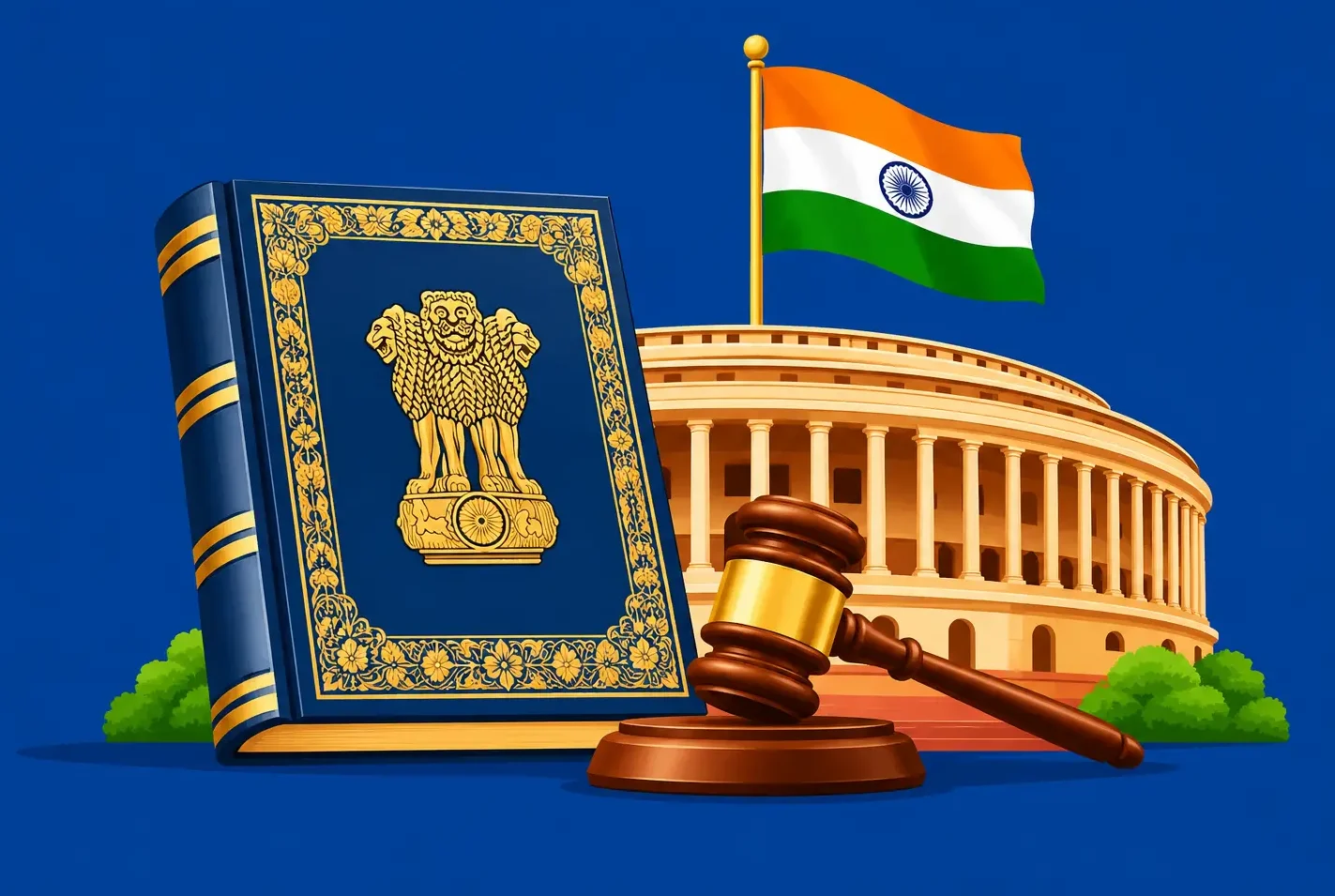
As we celebrate Constitution day or ‘Samvidhan Divas’, one should take a closer look at the body which drafted the Indian Constitution- the Constituent Assembly. The Constituent Assembly was elected as per the scheme formulated by the Cabinet Mission Plan in 1946. It consisted of 229 members from the British provinces, who were elected by members of the provincial assemblies, and 70 members nominated by the princely states.
The Constituent Assembly had its first meeting on December 9, 1946. After almost three years, the Constitution was adopted on November 26, 1949, which, since 2015, has been celebrated as Constitution day in India.
While some of the provisions relating to citizenship, elections, provisional parliament, and temporary and transitional provisions came into force immediately, the bulk of the Constitution came into force on January 26, 1950. This date was chosen due to the historical significance of January 26 which was celebrated as ‘Poorna Swaraj’ day in 1930 following the resolution of the Lahore Session of the Indian National Congress.
Core facets
A Constitution is a written legal document. Countries whose polity follow a monarchy such as Bahrain or a totalitarian dictatorship like North Korea also have a constitution of their own. Constitutionalism on the other hand is the political framework wherein the government’s powers are limited by the terms of the Constitution. It rests on certain important democratic and liberal principles such as rule of law, separation of powers between various branches, checks and balances that allow each branch of government to monitor and limit the actions of others, protection of individual rights, and a system of judicial review. Part III of our Constitution, which includes provisions which guarantee fundamental rights to citizens, epitomises the principle of constitutionalism. It guarantees equal rights to all, thereby
establishing a rule of law; and places restrictions on the state from making laws that violate these rights. It also provides for judicial review wherein the courts can declare any law that is ultra vires of the Constitution as null and void.
Constitutional morality, though deeply connected with constitutionalism, is a wider philosophy that requires adherence to core values and ideals enshrined in the Constitution such as justice, liberty, equality and fraternity. It requires both the state and citizens to respect and uphold these constitutional values even when they clash with the majority opinion or traditional social morality. The Supreme Court in the Kesavananda Bharati case (1973), that created the ‘Basic structure’ doctrine, made a reference to constitutional morality. In recent years, it has been highlighted in an array of judgments including the Puttaswamy case (2017) that declared right to privacy as a fundamental right; the Indian Young Lawyers Association case (2018) that allowed entry of women into the Sabarimala shrine; and the Navtej Singh Johar case (2018) that decriminalised homosexuality.
Strengthening one’s resolve
Dr. Bhimrao Ambedkar in his concluding Constituent Assembly speeches talked about constitutional morality while defending the elaborate administrative provisions that are contained in our Constitution. He invoked the English political and classical historian George Grote and claimed that it is only in a society where people are saturated with constitutional morality that the details of administration can be left to be prescribed by ordinary legislature such as Parliament or State Assemblies. He felt that constitutional morality is not a natural sentiment; it has to be cultivated.
He also remarked that democracy in India is only a top-dressing on a soil which is essentially undemocratic. He listed three potent dangers to India’s nascent democracy at the time of the adoption of the Constitution. First, the tendency to hero-worship or build personality cults in politics, which could lead to the overall degradation of democracy and eventual dictatorship. Second, while political equality is enshrined in the Constitution, it was in dissonance with the prevalent social and economic inequality which could lead to a revolt by the subaltern classes, blowing up the magnificent edifice of democracy that had been painstakingly built after decades of colonial rule. Third, was the need to protect the sanctity of constitutional methods in public life without slipping into anarchy.
The functioning of democracy and constitutionalism in our country has yielded mixed results in the last 75 years. On the positive side, there have been periodic elections with smooth transfers of power; elected governments at the Centre and States have attempted to provide social and economic justice; and the overall functioning of public life has been within constitutional means.
Myriad challenges
However, there are a litany of challenges that continue to jeopardise constitutionalism and constitutional morality. From the perspective of state functioning, the concerns can be listed as follows-first, is the tendency to equate electoral majority with unrestricted political authority, which undermines institutional checks and balances as well as individual liberty; second, is the politicisation of constitutional institutions that erode their neutrality; and third, is the pervasiveness of a culture that prioritises political expediency and administrative convenience over fairness and accountability.
Similarly, from the perspective of the citizenry, there is a continued attachment to social morality and orthodoxy, when it comes to religious, caste and linguistic identities, over constitutional principles of equality and fraternity. There is also a weak sense of public duty, and a prioritisation of individual or sectional interests.
On this Constitution day, the state machinery should resolve to uphold the principles of constitutionalism. The citizenry that includes civil society groups and family units should inculcate constitutional values within all members of society.

देर से लिया सही निर्णय
संपादकीय
बुनियादी ढांचे के निर्माण में काम आने वाली भारी मशीनों को देश में ही बनाने के लिए केंद्रीय कैबिनेट ने 11,000 करोड़ रुपये की प्रोत्साहन योजना को जो हरी झंडी दी, वह देर से लिया गया एक सही निर्णय है। इस निर्णय की आवश्यकता इसलिए पड़ी, क्योंकि हमारे उद्यमी इन्फ्रा टूल्स कही जाने वाली मशीनों का स्वयं निर्माण करने के लिए आगे नहीं आ रहे थे। इसके चलते चीन पर निर्भरता बढ़ रही थी। इसका लाभ उठाकर चीन जब-तब मशीनों के साथ-साथ उनके कलपुर्जों के निर्यात पर भी रोक लगा देता था या उनकी आपूर्ति में अनावश्यक अड़ंगे लगाता था।
इसे देखते हुए सरकार ने जो फैसला अब लिया, वह पहले ही ले लिया जाना चाहिए था। यदि हमारे उद्यमी समय रहते इन्फ्रा टूल्स बनाने की पहल करते तो इससे वे ही लाभ में रहते, क्योंकि इन टूल्स की मांग भारत के साथ अन्य देशों में भी बढ़ रही है।
समझना कठिन है कि हमारे उद्यमियों ने क्रेन, बुलडोजर, टनल बोरिंग मशीन और अन्य निर्माण उपकरणों के साथ ऊंची इमारतों में लगने वाली लिफ्ट, फायर-फाइटिंग सिस्टम आदि बनाने की आवश्यकता क्यों नहीं महसूस की? क्या वे इससे अनभिज्ञ हैं कि मेट्रो, पोर्ट, हाइवे, रेल, आवास आदि से जुड़ी बढ़ती परियोजनाओं में भारी मशीनों के साथ-साथ बिजली ट्रांसमिशन से जुड़े उपकरणों की मांग बढ़ रही है?
यह पहली बार नहीं, जब सरकार को उद्योग जगत के हिस्से के काम को आगे बढ़ाने का फैसला खुद करना पड़ा हो। इसके पहले भी सरकार को मेक इन इंडिया जैसी पहल के जरिये उद्यमियों को वह सब सामग्री देश में बनाने के लिए प्रोत्साहित करना पड़ा, जिनके लिए वे चीन पर निर्भर थे। यह ठीक नहीं कि स्वदेशी के सहारे आत्मनिर्भर बनने की जरूरत बार-बार जताने के बाद भी हमारे उद्यमी अपने उत्पादों के लिए कच्चे माल के साथ-साथ मशीनें और कलपुर्जे चीन से मंगाना सुविधाजनक समझते हैं।
शासन का काम उद्योग जगत के लिए अनुकूल अवसर और वातावरण उपलब्ध कराना होता है, लेकिन अपने देश में सरकार को उद्यमियों को यह भी बताना पड़ता है कि उन्हें किस सामग्री के निर्माण को प्राथमिकता देनी चाहिए और अंतरराष्ट्रीय प्रतिस्पर्धा क्यों करनी चाहिए? यह एक पहेली ही है कि हमारे उद्यमी मैन्यूफैक्चरिंग के मामले में चीन से कोई सीख लेने के बजाय उस पर अपनी निर्भरता क्यों बनाए हुए हैं?
यह प्रश्न भी अनुत्तरित है कि वे शोध एवं विकास और नवाचार को प्राथमिकता देने के लिए तत्पर क्यों नहीं दिख रहे हैं? यदि वे घरेलू बाजार से संतुष्ट बने रहते हैं तो न तो भारत को विकसित देश बनाने के लक्ष्य को हासिल करने में सहायक बन सकते हैं और न ही अंतरराष्ट्रीय बाजारों में अपनी छाप छोड़ने में समर्थ हो सकते हैं।
Date: 26-11-26
ढाका से रिश्ते पटरी पर लाने की चुनौती
डॉ. आनंद कुमार, ( लेखक मनोहर पर्रिकर रक्षा अध्ययन एवं विश्लेषण संस्थान में फेलो हैं )
मई 2014 में केंद्र में भाजपा के नेतृत्व वाली राजग सरकार के सत्ता संभालने के बाद प्रधानमंत्री नरेन्द्र मोदी ने ‘पड़ोस प्रथम’ नीति को विदेश नीति की प्रमुख प्राथमिकताओं में शामिल किया था। इस नीति का मूल उद्देश्य भारत के पड़ोसी देशों के साथ राजनीतिक, आर्थिक और सुरक्षा संबंधों को मजबूत बनाना तथा भारत की आर्थिक प्रगति का लाभ पूरे दक्षिण एशिया तक पहुंचाना था। इसके पीछे यह समझ भी थी कि भारत का वैश्विक शक्ति के रूप में उभार तभी अधिक प्रभावी और टिकाऊ हो सकता है, जब उसका निकटवर्ती क्षेत्र शांतिपूर्ण, स्थिर और आर्थिक रूप से समृद्ध हो। हालांकि पिछले 12 वर्षों में पड़ोसी देशों के साथ भारत के संबंधों में कई उतार-चढ़ाव आए, लेकिन हाल के घटनाक्रम बताते हैं कि भारत अधिकांश पड़ोसी देशों के साथ अपने रिश्तों को बेहतर बनाने में सफल रहा। नेपाल के प्रधानमंत्री की नई दिल्ली यात्रा इसका ताजा प्रमाण है। अब बांग्लादेश एकमात्र ऐसा प्रमुख पड़ोसी देश है, जिसके साथ संबंधों को सामान्य बनाना भारत के लिए बड़ी चुनौती बना हुआ है।
शेख हसीना के शासनकाल में भारत और बांग्लादेश के संबंधों में उल्लेखनीय प्रगति हुई। दोनों देशों ने कई लंबित विवादों को सुलझाने के साथ-साथ व्यापार, ऊर्जा, सुरक्षा और संपर्क के क्षेत्रों में सहयोग का विस्तार किया। बांग्लादेश ने भी भारत की सुरक्षा संबंधी चिंताओं को समझते हुए पूर्वोत्तर भारत में सक्रिय उग्रवादी संगठनों के खिलाफ भी सहयोग किया। इसके बदले भारत ने बांग्लादेश के विकास के लिए ऋण सहायता, बुनियादी ढांचा विकास, संपर्क परियोजनाओं और व्यापारिक अवसरों के विस्तार में महत्वपूर्ण भूमिका निभाई। एक समय भारत-बांग्लादेश संबंधों को दक्षिण एशिया में सफल द्विपक्षीय सहयोग का आदर्श उदाहरण माना जाता था, लेकिन अगस्त 2024 में व्यापक घरेलू अशांति के बाद शेख हसीना की सत्ता से विदाई ने इस रिश्ते की दिशा बदल दी। मोहम्मद यूनुस के नेतृत्व में अंतरिम सरकार के गठन के बाद दोनों देशों के बीच अविश्वास बढ़ने लगा। बांग्लादेश में अल्पसंख्यकों और विशेषकर हिंदुओं की सुरक्षा, भारत विरोधी बयानबाजी, सीमा से जुड़ी घटनाओं और बाहरी शक्तियों के बढ़ते प्रभाव को लेकर भारत की चिंताएं सामने आईं। परिणामस्वरूप दोनों देशों के संबंधों में ऐसी गिरावट आई, जिसकी कुछ समय पहले कल्पना करना भी कठिन था।
बांग्लादेश में चुनाव के बाद तारिक रहमान के नेतृत्व में नई सरकार के गठन से भारत को उम्मीद थी कि द्विपक्षीय संबंधों को नई दिशा मिलेगी। नई दिल्ली ने भी सकारात्मक संकेत देते हुए संबंधों को फिर से पटरी पर लाने की इच्छा व्यक्त की, लेकिन अब तक राजनीतिक नेतृत्व में बदलाव का असर दोनों देशों के संबंधों में अपेक्षित सुधार के रूप में दिखाई नहीं दिया है। बांग्लादेश के विपरीत मालदीव के साथ भारत के संबंधों में हाल के वर्षों में सकारात्मक बदलाव आया। राष्ट्रपति मोहम्मद मुइज्जू जब 2023 में ‘इंडिया आउट’ अभियान के आधार पर सत्ता में आए, तब दोनों देशों के बीच तनाव बढ़ गया था। धीरे-धीरे दोनों देशों ने संबंधों को सामान्य बनाने की दिशा में कदम उठाए। अब आर्थिक सहयोग, विकास सहायता और व्यापार को बढ़ाने पर जोर दिया जा रहा है। दोनों देशों को यह अहसास है कि हिंद महासागर में उनकी भौगोलिक निकटता और साझा हित एक स्थिर साझेदारी की मांग करते हैं।
श्रीलंका के साथ भारत के संबंधों में सुधार भी पड़ोस प्रथम नीति की एक महत्वपूर्ण उपलब्धि है। आर्थिक संकट से पहले श्रीलंका ने चीन के साथ अपने आर्थिक और रणनीतिक संबंधों को काफी विस्तार दिया था, लेकिन 2022 में श्रीलंका के गंभीर आर्थिक संकट और उसके बाद उत्पन्न राजनीतिक अस्थिरता ने स्पष्ट कर दिया कि संकट के समय भरोसेमंद पड़ोसी का सहयोग कितना महत्वपूर्ण होता है। भारत ने उस कठिन दौर में वित्तीय और आवश्यक सामग्री के रूप में व्यापक सहायता उपलब्ध कराई। इस मदद ने श्रीलंका में भारत की भूमिका के प्रति सकारात्मक दृष्टिकोण विकसित करने में योगदान दिया। इसके बाद दोनों देशों ने आर्थिक, समुद्री और सुरक्षा सहयोग को मजबूत करने की दिशा में कदम बढ़ाए हैं। नेपाल के साथ संबंध भी पटरी पर लौट रहे हैं।
वहां के प्रधानमंत्री बालेन शाह की हालिया भारत यात्रा ने द्विपक्षीय संबंधों को नई दिशा देने का अवसर उपलब्ध कराया है। इस दौरान विकास सहायता, बुनियादी ढांचे, संपर्क, ऊर्जा, प्रौद्योगिकी और सांस्कृतिक सहयोग से जुड़े कई समझौतों और पहलों पर सहमति बनी। स्पष्ट है कि भारत की पड़ोस प्रथम नीति ने कई क्षेत्रों में सकारात्मक परिणाम दिए हैं। जहां, श्रीलंका, मालदीव और नेपाल के साथ भारत के संबंधों में व्यापक सुधार हुआ, वहीं भूटान सहित अन्य पड़ोसी देशों के साथ भी सहयोग का आधार निरंतर मजबूत बना हुआ है। हालांकि पाकिस्तान के चलते दक्षिण एशिया की राजनीतिक परिस्थितियां अब भी जटिल हैं। ऐसे समय में बांग्लादेश के साथ संबंधों में तनाव भारत के लिए अतिरिक्त चिंता का विषय है।
बांग्लादेश का महत्व केवल द्विपक्षीय व्यापार तक सीमित नहीं है। बांग्लादेश की सक्रिय भागीदारी के बिना बिम्सटेक जैसे क्षेत्रीय मंचों की क्षमता का पूरा उपयोग करना भी कठिन होगा। इसलिए मौजूदा तनाव द्विपक्षीय संबंधों के साथ समूचे दक्षिण-पूर्वी एशिया में क्षेत्रीय एकीकरण की संभावनाओं को भी कमजोर करता है। भारत को इस स्थिति से निपटने के लिए धैर्य, राजनीतिक परिपक्वता और रणनीतिक दृष्टिकोण अपनाना होगा। इसके साथ ही अल्पसंख्यकों की सुरक्षा, सीमा पार गतिविधियों और सुरक्षा संबंधी चिंताओं को भी स्पष्ट रूप से उठाना चाहिए। विकास परियोजनाओं को समय पर पूरा करना और आर्थिक सहयोग के ठोस लाभ बांग्लादेश की जनता तक पहुंचाना भी आवश्यक है। बांग्लादेश के नेतृत्व को भी समझना होगा कि भारत के साथ सहयोग उसके अपने आर्थिक विकास, सुरक्षा और क्षेत्रीय हितों के लिए अनिवार्य है। घरेलू राजनीति या बाहरी शक्तियों के हितों को आपसी संबंधों पर हावी नहीं होने देना चाहिए।

Date: 26-11-26
साइबर सुरक्षा
संपादकीय

देश में आज हर कार्य का डिजीटलीकरण किया जा रहा है। बैंकिंग, शिक्षा, स्वास्थ्य, व्यापार, सरकारी सेवाओं और रोजमर्रा के कार्यों में डिजिटल तकनीक का इस्तेमाल लगातार बढ़ रहा है। इसमें दोराय नहीं कि तकनीक ने जीवन को पहले की तुलना में अधिक सुविधाजनक, तेज और सरल बना दिया है। मोबाइल फोन और इंटरनेट के माध्यम से घर बैठे अनेक सेवाओं का लाभ उठाना संभव हो गया है।
आनलाइन भुगतान एवं खरीदारी, टिकट बुकिंग और सरकारी योजनाओं से जुड़ी सुविधाओं ने लोगों का समय और श्रम बचाया है। मगर इसके साथ ही साइबर अपराध का खतरा भी तेजी से बढ़ रहा है। हाल ही में केंद्र सरकार ने अपने कर्मियों को निर्देश दिया है कि वाट्सएप वेब पर संवेदनशील कामकाज करने से परहेज करें। साथ ही चेतावनी दी है कि सार्वजनिक कंप्यूटर पर वाट्सएप वेब का इस्तेमाल करने के बाद लागआउट नहीं करने से साइबर अपराधी संबंधित खाते में सेंध लगा सकते हैं। ऐसे में सवाल है कि साइबर सुरक्षा के पुख्ता इंतजाम की जिम्मेदारी आखिर किसकी है?
साइबर अपराध आज केवल तकनीकी रूप से जानकार लोगों तक सीमित नहीं रह गया है, बल्कि आम नागरिक, विद्यार्थी, नौकरीपेशा लोग और छोटे कारोबारी भी इसके शिकार बन रहे हैं। साइबर अपराधी लोगों की व्यक्तिगत जानकारी, बैंक खातों, मोबाइल नंबरों और डिजिटल पहचान का दुरुपयोग कर उन्हें अपने जाल में फंसा लेते हैं। कभी बैंक अधिकारी बनकर फोन किया जाता है, तो कभी किसी सरकारी विभाग का प्रतिनिधि या जांच एजेंसी का अधिकारी बनकर लोगों को डराया जाता है। इसके अलावा कृत्रिम बुद्धिमत्ता का बढ़ता इस्तेमाल भी साइबर अपराधियों के लिए ठगी का नया औजार बन गया है। ऐसे में चिंता इस बात की है कि एक तरफ सरकार डिजिटल भारत बनाने के लिए लोगों को कई स्तरों पर प्रोत्साहित करती नजर आती है, तो दूसरी तरफ कर्मचारियों को वाट्सएप पर संवेदनशील कार्य नहीं करने के निर्देश दिए जाते हैं। यही नहीं, खबरों के मुताबिक हाल में खुफिया एजेंसियों ने सुरक्षा बलों के अधिकारियों के कुछ निजी वाट्सएप समूहों में पाकिस्तानी एजंटों की सेंधमारी को लेकर भी आगाह किया है।
अहम सवाल यह है कि सरकारी तंत्र की ओर से केवल सावधानी बरतने की सलाह देने से क्या साइबर अपराध पर रोक लग पाएगी ? जाहिर है, सरकार और सुरक्षा एजेंसियों को इस चुनौती से निपटने के लिए ठोस एवं व्यापक कदम उठाने होंगे। सबसे पहले साइबर अपराधों की शिकायत दर्ज कराने की प्रक्रिया को सरल, पारदर्शी और प्रभावी बनाया जाना चाहिए। शिकायत के बाद त्वरित कार्रवाई सुनिश्चित हो, ताकि ठगी गई रकम को समय रहते वापस दिलाया जा सके। साइबर अपराध से संबंधित पुलिस इकाइयों को आधुनिक तकनीक, प्रशिक्षित कर्मचारियों और पर्याप्त संसाधनों से लैस करना आवश्यक है। प्रभावी कार्रवाई के लिए राज्यों और विभिन्न जांच एजेंसियों के बीच बेहतर समन्वय होना चाहिए। बैंकों और डिजिटल भुगतान कंपनियों की जिम्मेदारी भी कम नहीं है। उन्हें संदिग्ध लेन-देन की पहचान करने के लिए मजबूत निगरानी व्यवस्था विकसित करनी चाहिए। डिजिटल सेवाओं में सुरक्षा के मानकों को मजबूत करने के साथ-साथ डेटा की गोपनीयता सुनिश्चित करना भी जरूरी है। डिजिटल भारत का सपना तभी साकार होगा, जब तकनीकी सुविधाओं के साथ नागरिकों और उनकी संपत्ति की सुरक्षा को भी सर्वोच्च प्राथमिकता दी जाएगी।