
12-06-2026 (Important News Clippings)
To Download Click Here.

Higher Ethanol Mix Tax Cut a Good Drive
It can curb fuel import, spur biofuel export
ET Editorials
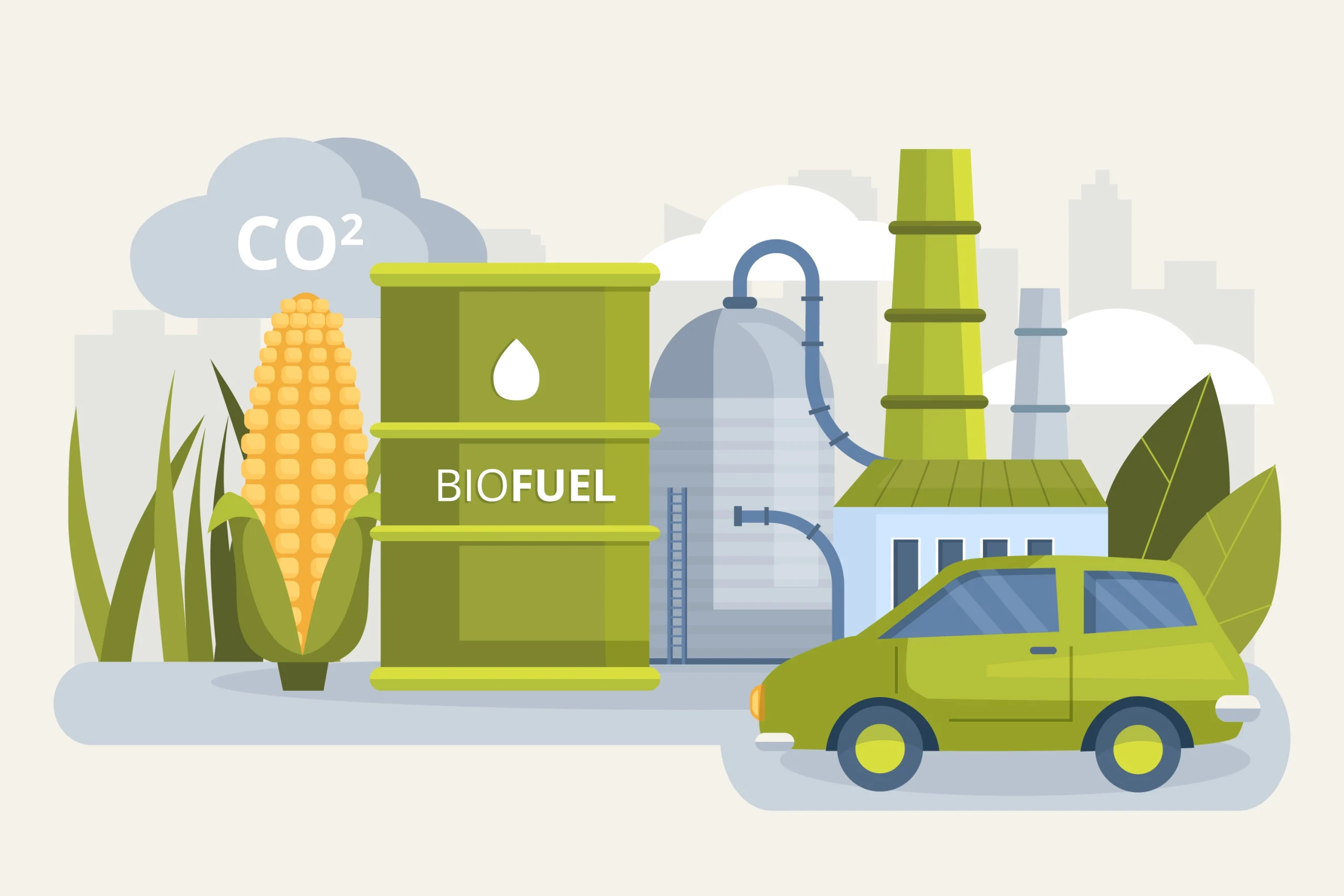 Tax exemption for petrol with higher ethanol content than is available is a forward-looking measure with little impact on consumption during the current oil crisis. Thursday’s announcement of central excise exemption for petrol laced with 20-30% ethanol follows recently announced fuel standards for various grades in this band. Indian refiners blend 20% ethanol into petrol, and automakers are also on board. Adding more ethanol involves getting oil refiners and car manufacturers to make adjustments. The tax exemption ought to facilitate the transition to higher levels of ethanol blending. This is a follow-up action to India bringing forward its ethanol-blending programme for petrol.
Ethanol’s import-substitution argument, however, runs into several criticisms. One, blending is restricted to petrol. A proposal to blend diesel, which makes up most of the refinery output, with isobutanol is under consideration. Two, ethanol’s energy efficiency does not match that of petrol. So, more blended fuel must be burnt to travel the same distance. Three, ethanol is produced from water-intensive sugarcane and grain, which could limit the country’s fuel-doping ambitions. Finally, India episodically controls sugar exports — such as it is doing currently — when the season’s closing stocks fall below official comfort levels.
India has major overcapacity in ethanol, while its excess capacity in refined petroleum is modest. The country has recently allowed the export of ethanol. Petroleum products, on the other hand, are a principal export item and will benefit from ethanol overcapacity if fuel-blending levels increase. The contention that India may be trading fuel inflation for food inflation does not stand up to scrutiny. Ethanol production relies heavily on agri-waste. A combination of import substitution and export competitiveness will push India’s fuel-doping plans. The implicit carbon tax on fuel will serve as a consistent policy tool to lower India’s dependence on imported energy.

Should India incentivise bigger families?
Social and demographic transformations are complex phenomena, and go hand in hand with economic development. Historically, with a certain level of social and economic development, the fertility rate drops NEELANJAN SIRCAR
Aparajita Chattopadhyay, [ Professor at the International Institute for Population Sciences ] & Neelanjan Sircar, [ Political scientist teaching at Ahmedabad University ]
For decades, Indian policymakers have encouraged population control, with the familiar slogan of ‘Hum Do, Humare Do’ (We two, our two). However, the recent drop in India’s Total Fertility Rate (TFR) — the average number of children a woman would have in her lifetime — has now dropped to 1.9, below the replacement rate of 2.1, with some southern States seeing their TFR drop to 1.3. Last month, Andhra Pradesh Chief Minister Chandrababu Naidu announced cash incentives of 30,000 and 40,000 to women having their third and fourth child respectively, in a bid to reverse that trend. Several other southern States have indicated that they also see the bene ts of boosting population growth, though not through acash payout. Should India incentivise bigger families? Aparajita Chattopadhyay and Neelanjan Sircardiscuss the question in a conversation moderated by Priscilla Jebaraj.
Why are policymakers considering a change in the approach to population control?
Aparajita Chattopadhyay: After a long struggle with family planning since independence, our fertility has started declining. There are State-level variations, but overall fertility now is 1.9. It is ne, and India can grow in this way for maybe 40 to 50 years. But reversal of fertility trends cannot be a policy driven thing. It is deeply rooted socio-culturally and is an individualistic choice. You cannot tell a group of women to increase fertility because I am giving you money. It has never happened in that way, even in European or other Asian countries.
The political implications are the immediate trigger for this policy. Is the threat of future parliamentary delimitation a reason to reverse fertility decline?
Neelanjan Sircar: There has been a lot of discussion about the growth rate of southern States as delimitation is on the horizon. But we need to look beyond pure politics because any growth spurred by these incentives is unlikely to help in the short-term. The reality is, if there’s a delimitation exercise happening in the next couple of years, you’re not going to dramatically change the fertility rate by then.
Another reason this is being considered is because of the political economy of States with a working population that may be shrinking. But this is a ham-handed approach. Social and demographic transformations are complex phenomena, and go hand in hand with a certain level of economic development. Historically, with a certain level of social and economic development, the fertility rate drops. Now, there’s a cash incentive at play to encourage people to have more children. For a wealthy family, this incentive is simply not enough to invest in another child. But for a poor family, perhaps it is. Here, you are not just increasing the fertility rate in a State, you are also changing other social attributes in the population, in terms of who is going to be able to respond to such an incentive and who will not. It’s not as simple as saying we’ve created a working age population because you’ve fundamentally changed the composition of the working age population once you’ve introduced an economic incentive.
What has been the international experience of attempting to boost population growth?
Aparajita Chattopadhyay: Incentivisation can help relatively lower income groups, and this has happened in many European countries. For example, in Poland, there was a short-term boost in birth rate only among the lower income demographics. In Sweden and France, tax incentives changed things for a short span, but it was very di cult to sustain that reversal, and the same thing happened with Singapore, Japan, South Korea.
Nowadays, the entire world is going through a polycrisis shock. There is a lot of instability in geopolitics, the economy, and the climate. Moreover, there are both altruistic and individualistic attitudes to fertility. The younger generation is quite aspirational. They need their prosperity — a good job and savings. So, you cannot ask them to go and have more children.
Until women con rm that there is security in every possible sense, they will not reverse the fertility rate because there are plenty of tangible and intangible costs for a woman or for the society to have an additional child. So at this juncture, I believe that incentivisation may not work. In India, especially, it is not required because we have a huge population base, so there may not actually be a scarcity of working age labourers if you improve their skills, give them better job opportunities, improve the savings and investment scenario, and promote the silver ageing economy.
Falling fertility rates are an uneven phenomenon. What does this portend for Indian federalism?
Neelanjan Sircar: Obviously there are some immediate questions about converting populations into political representation through delimitation. But another variable would be that as we see di erences in fertility rates, we’re also going to see very di erent demographic pro les of States. And we know that the youth, the middle-aged, and the elderly all vote di erently. They’re in di erent stages of life, so they have di erent economic preferences in terms of what agovernment should be investing in, for instance, pensions versus manufacturing jobs versus childcare. So we’re going to see very di erent political economy choices.
Aparajita Chattopadhyay: With regard to Andhra Pradesh, if you look at the recent NFHS statistics, there are a number of areas, instead of cash incentives, where they can spend money in order to get lower middle class people to reproduce more. Almost one in four women aged 20 to 24 got married before turning 18. Only 30% of households have women who own any assets, and only 48% of women work. If Andhra Pradesh thinks that they’re demographically advanced and can behave like Europe to reverse fertility trends, then the women in the workforce should be at 80%.
In European countries, the motherhood penalty is almost negligible. There is enough parental leave, and workforce participation is very high. So only when your economy and social security is perfect can you think of having areversal of fertility trends.
What are some key ndings of the Longitudinal Ageing Study in India?
Aparajita Chattopadhyay: By 2050, 20% or more of the Indian population will be aged 60 and above, so we have to prepare ourselves, especially with regard to healthcare costs. We need tremendous investment in geriatric care, basic primary healthcare, better pension schemes, and better savings schemes. We also need to have communities for elderly living. But we still have ahuge population base. Don’t mix up the percentage with the number base. We can reduce the working age population so long as we have a very highly skilled population who earn well and will pay for these costs.
If population growth incentives don’t work, then lower-fertility rate States may increase their working age population through migration from other States. What is the political fallout of that?
Neelanjan Sircar: Demographic anxieties have been showing up in one State after another. Even in a poorer State like West Bengal, there are demographic anxieties vis-a-vis Bangladesh. As for why this phenomenon happens, these are labour market vacancies. These are populations which have achieved a certain level of development, and yet the economy requires some people willing to do manual work, at a lower wage, in the sun. This is not a problem that can be solved by simply having more children. It is unlikely that demographic anxieties can be reduced as a function of the economic structure.
Migration is an economic phenomenon that is almost independent of the fertility rate, given what the economic condition of these States might be. The people who are being birthed there are very unlikely to be willing to do those jobs that people coming from north India are doing today in south India.
It boggles the mind that somebody is trying to reverse what is a very standard social phenomenon and demographic trend at this stage of development. I understand that there are challenges in Europe where countries are well below replacement rates. But this entire debate is bizarre for the very simple reason that there are so many things the government could be spending this kind of money on which would actually address the needs of an ageing population and an underemployed population. This is a very peculiar policy decision.

वास्तव में दोष किसान का नहीं, हमारे सिस्टम का है
संपादकीय
केंद्र और राज्य सरकारों ने पिछले साल लगभग दो लाख करोड़ की खाद सब्सिडी, 1.30 लाख करोड़ की बिजली रियायत और 60 हजार करोड़ की सम्मान निधि बांटी। इसके अलावा 3.47 लाख करोड़ के 22 कृषि उत्पाद एमएसपी पर खरीदे, जिस पर लागत का 50% से ज्यादा लाभ देने का दावा किया। सिंचाई, बीज, ब्याज और फसल बीमा के मद में भी करीब एक लाख करोड़ दिया जाता है। कुल हुआ लगभग दस लाख करोड़ । इस आंकड़े की तस्दीक आरबीआई की उस रिपोर्ट से भी होती है कि 52 लाख करोड़ के कुल कृषि जीवीए (सकल मूल्य वर्द्धन) का 22% तमाम तरह की सब्सिडीज / सहायता हैं। रजिस्ट्रार जनरल के अनुसार क्रमशः 14 करोड़ हेक्टेयर ऑपरेशनल होल्डिंग्स और 12 करोड़ किसान हैं। यानी एक हेक्टेयर पर औसतन 71.40 हजार या हर खेतिहर को 83 हजार की राहत । न भूलें कि हर किसान समान खाद नहीं डालता, हर खेत की उर्वरा शक्ति समान नहीं होती और हर उत्पाद एमएसपी पर नहीं खरीदा जाता। फिर जहां उद्योगों में यंत्रों, वाहनों और भवनों पर डेप्रिसिएशन, जमीन की लागत पर ब्याज और प्रबंधन को भी लागत का भाग माना जाता है, किसान को अपनी जमीन की लागत पर कोई ऋण नहीं मिलता। यह भी याद रखें कि ओईसीडी देशों में किसानों को यहां के मुकाबले तीन गुना (जीवीए का 60%) तक मदद मिलती है।

कानूनों का दुरुपयोग रोकने का समय
डॉ. ऋतु सारस्वत, ( लेखिका समाजशास्त्र की प्रोफेसर हैं )
 हाल में देश की शीर्ष अदालत ने एक मामले में महत्वपूर्ण टिप्पणी करते हुए एक ऐसी चिंताजनक प्रवृत्ति की ओर ध्यान आकर्षित किया, जो केवल न्याय व्यवस्था ही नहीं, बल्कि पूरे समाज के लिए गंभीर चिंता का विषय है। न्यायालय ने कहा, “वैवाहिक अथवा व्यावसायिक संबंधों में जुड़े पक्षकार प्रतिशोध की भावना से एक-दूसरे के विरुद्ध आपराधिक प्रकृति के तुच्छ एवं दुर्भावनापूर्ण दावे करने तथा आरोप लगाने का काम कर रहे हैं। वे अनैतिक और कुटिल उपायों का सहारा लेते हैं। अनेक मामलों में कानून और पुलिस का सहारा न्याय प्राप्त करने के लिए नहीं, बल्कि दूसरे पक्षकार तथा उसके परिवारजनों पर दबाव बनाने, उन्हें परेशान करने तथा प्रतिशोध लेने के उद्देश्य से लिया जाता है। यह सब पक्षकार और उसके परिवारजनों के प्रति घृणा और तिरस्कार की भावना से प्रेरित होकर किया जाता है।” सर्वोच्च न्यायालय की यह चिंता निराधार नहीं है। वैवाहिक विवादों में झूठे और दुर्भावनापूर्ण मुकदमों की प्रवृत्ति को लेकर समय-समय पर न्यायालयों ने गंभीर टिप्पणियां की हैं। दहेज उत्पीड़न, वैवाहिक क्रूरता, घरेलू हिंसा तथा अन्य कानूनी प्रविधानों के अंतर्गत ऐसे मामले तमाम सामने आए हैं, जिनमें आरोप न्यायिक परीक्षण में सिद्ध नहीं हो सके।
यह सच है कि महिलाओं के विरुद्ध होने वाली हिंसा, दहेज उत्पीड़न और भेदभाव की समस्या वास्तविक है तथा उससे संघर्ष करना किसी भी सभ्य समाज का दायित्व है, किंतु भारतीय समाज की चुनौती केवल इतनी भर नहीं है। सत्य यह भी है कि अनेक पुरुष झूठे आरोपों, दुर्भावनापूर्ण मुकदमों और लंबी न्यायिक प्रक्रियाओं के कारण मानसिक, सामाजिक और आर्थिक पीड़ा का सामना कर रहे हैं। पुरुषों की समस्याएं आज भी अपेक्षित सामाजिक और विधिक विमर्श का विषय नहीं बन सकी हैं। परिणामस्वरूप अनेक बार उनकी पीड़ा को या तो गंभीरता से लिया ही नहीं जाता अथवा उसे सामाजिक विमर्श का वैध विषय नहीं माना जाता। यही कारण है कि 22 जनवरी, 2025 को ‘ज्योति उर्फ किट्टू बनाम राज्य’ मामले में न्यायमूर्ति स्वर्णकांता शर्मा को यह टिप्पणी करनी पड़ी कि यह धारणा कि वैवाहिक संबंधों में केवल महिलाएं ही शारीरिक अथवा मानसिक क्रूरता की शिकार होती हैं और इसके कोई अपवाद नहीं हैं, जीवन की कठोर वास्तविकताओं के विपरीत हो सकती है। न्यायालय ने स्पष्ट शब्दों में कहा था, ” जिस प्रकार महिलाएं क्रूरता और हिंसा से संरक्षण की अधिकारिणी हैं, उसी प्रकार पुरुष भी विधि के अंतर्गत समान सुरक्षा पाने के अधिकारी हैं।”
लंबे समय तक यह माना जाता रहा कि कोई भी महिला अपनी सामाजिक प्रतिष्ठा और सम्मान को दांव पर लगाकर दुष्कर्म, यौन उत्पीड़न की मिथ्या शिकायत नहीं करेगी। यही कारण था कि ऐसे आरोपों को सामान्यतः विश्वसनीयता के साथ देखा जाता था। इस संदर्भ में गत वर्ष केरल उच्च न्यायालय ने कहा था कि बदलते सामाजिक परिदृश्य में इस धारणा का यांत्रिक रूप से अनुसरण नहीं किया जा सकता कि केवल आरोप लगाए जाने मात्र से उसकी सत्यता स्वतः सिद्ध हो जाती है। न्यायालय ने माना कि यद्यपि ऐसे मामले अपवादस्वरूप हो सकते हैं, तथापि कुछ प्रकरणों में गंभीर आरोप प्रतिशोध, दबाव या अन्य स्वार्थपूर्ण उद्देश्यों से भी लगाए गए। इसलिए किसी भी आरोप की सत्यता का निर्धारण पूर्वधारणाओं से नहीं, बल्कि तथ्यों और साक्ष्यों की कसौटी पर ही किया जाना चाहिए। वास्तव में समस्या का मूल कारण अधिकार नहीं, बल्कि अधिकार और उत्तरदायित्व के बीच बिगड़ता संतुलन है।
किसी भी लोकतांत्रिक व्यवस्था में अधिकारों का संरक्षण आवश्यक है, किंतु उतना ही आवश्यक यह भी है कि उन अधिकारों के प्रयोग के साथ जवाबदेही भी सुनिश्चित हो। जब किसी कानून का उपयोग संरक्षण के स्थान पर प्रतिशोध, दबाव अथवा व्यक्तिगत स्वार्थ की पूर्ति का माध्यम बनने लगे, तो उसका प्रभाव केवल संबंधित पक्षों तक सीमित नहीं रहता, बल्कि न्याय व्यवस्था की विश्वसनीयता को भी प्रभावित करता है। देशभर में ऐसे अनेक मामले सामने आए हैं, जिनमें वर्षों तक न्यायिक प्रक्रिया का सामना करने के पश्चात आरोप असत्य अथवा प्रमाणित न हो पाने वाले सिद्ध हुए। ऐसे मामलों में केवल मुकदमे का परिणाम ही महत्वपूर्ण नहीं होता, बल्कि वह सामाजिक, मानसिक और आर्थिक क्षति भी महत्वपूर्ण होती है, जिसका सामना आरोपित व्यक्ति और उसका परिवार करते हैं। प्रतिष्ठा की हानि, सामाजिक कलंक, पारिवारिक विघटन और मानसिक आघात ऐसे घाव हैं, जिनकी भरपाई प्रायः किसी न्यायिक आदेश से नहीं हो पाती। यह भी उतना ही सत्य है कि महिलाओं के विरुद्ध होने वाली वास्तविक हिंसा और उत्पीड़न के मामलों में कानून का कठोर और प्रभावी होना अनिवार्य है, किंतु किसी एक समस्या का समाधान दूसरी समस्या की उपेक्षा करके नहीं किया जा सकता। एक ओर महिलाओं के विरुद्ध हिंसा समाज के लिए चुनौती है, तो दूसरी ओर झूठे आरोपों और विधिक प्रक्रियाओं के दुरुपयोग की समस्या भी न्याय व्यवस्था के समक्ष एक गंभीर प्रश्न बनकर उभरी है। इसका समाधान अब होना ही चाहिए।
 Date: 12-06-26
एथनॉल रणनीति
संपादकीय
पेट्रोलियम एवं प्राकृतिक गैया मंत्रालय ने हाल ही में ई 85 ईन प्रस्तुत किया है। यह 85 फीसदी एथनॉल और 15 फीसदी पेट्रोल का मिश्रण है। उसका यह कदम भारत के तेल आयात को कम करने और घरेलू जैव-ईंधन अर्थव्यवस्था के निर्माण के प्रयासों का हिस्सा है। वह पहल देश भर में ई 20 पेट्रोल की शुरुआत के बाद आई है और इसका उद्देश्य ऐसे फ्लेक्स फ्यूल वाहन तैयार करना है जो एनॉल- पेट्रोल मिश्रण को अलग-अलग श्रेणियों पर सहजता से चल सके।
इस बीच, सरकार ने ई 22, 25, 27 और ई 30 पेट्रोल को उत्पाद शुल्क से छूट देने की घोषणा की है। उसका यह कदम भी अधिक एथनॉल के मिश्रण वाले इंधनों के समर्थन में माना जा रहा है। यह कर राहत केवल राजकोषीय उपाय नहीं है बल्कि यह है 20 से आगे के ईंधनों की मांग के लिए प्रोत्साहन तैयार कर सकती है और घरेलू आसवन क्षमता के तेजी से विस्तार के बाद उत्पन्न अधिशेष एक्नॉल उत्पादन क्षमता के इस्तेमाल का व्यावसायिक मार्ग प्रदान करती है।
वे सभी कदम मिलकर भारत की ऊर्जा मिश्रण में एथनॉल की भूमिका को बढ़ाने के प्रति सरकार की प्रतिबद्धता को रेखांकित करते हैं। साथ ही सरकार के लिया बखानों से रति मिलता है कि भारत पहले ई 25 की ओर बढ़ सकता है, उसके बाद फ्लेक्स फ्यूल वाहनों औरई 100 ईंधन की ओर रुख किया जा सकता है। यह ऐसे समय में देश की परिवहन ईंधन रणनीति पर सावधानीपूर्वक विचार करने की मांग करता है जब ऑटोमोबाइल उद्योग नीतिगत निश्चितता की तलाश कर रहा है।
ईंधन मानकों को बदलने के लिए वाहन निर्माताओं को अल्पावधि में बड़े अनुपालन खर्च उठाने होंगे एथेनॉल की मात्रा में हर वृद्धि के लिए इंजीनियरिंग बदलाव, इंजन का नए सिरे से समायोजन, परीक्षण, प्रमाणन और उन पुर्जों में संशोधन की आवश्यकता होती है जो ईन के संपर्क में आते हैं। आश्चर्य नहीं कि बादन उद्योग के कुछ हिस्सों ने एथेनॉल मिश्रण के लक्ष्यों में बार-बार बदलाव पर आपत्ति जताई है। सरकार का एवेनॉल के प्रति उत्साह समझा जा सकता है। इसका उच्च मिश्रण आयतित कच्चे तेल पर निर्भरता कम करता है, ऊर्जा सुरक्षा को मजबूत करता है और घरेलू जैव-ईंधन के लिए बाजार तैयार करता है। भू-राजनीतिक अनिश्चितता और अस्थिर तेल कीमतों से भरी दुनिया में ये नीतिगत उद्देश्य उचित है।
ब्राजील की फ्लेक्स-पल वाहनों के साथ सफलता अक्सर इस बात का प्रमाण मानी जाती है कि ऐसा बदलाव संभव और लाभकारी है। हालांकि भारत के अधिकांश मुख्य रूप से पारंपरिक ईंधनों और ई 20 पेट्रोल के लिए डिजाइन किए गए हैं। ई 85 केवल विशेष रूप से डिज़ाइन किए गए फ्लेक्स-फ्यूल वाहनों में ही इस्तेमाल किया जा सकता है, जिनकी संख्या भारतीय सड़कों पर बहुत कम है। अनुकूल वाहनों, ईंधन पंप और आपूर्ति श्रृंखलाओं का राष्ट्रीय स्तर पर पारिस्थितिकी तंत्र बनाना समय और बड़े निवेश की मांग करेगा।
आर्थिक पहलू भी गहन जांच के योग्य हैं। एथनॉल में पेट्रोल की तुलना में कम ऊर्जा होती है जिससे ईंधन दक्षता घट जाती है। अनुमान बताते है कि ई 85 पर चलने वाले वाहनों की प्रति लीटर माइलेज 20 से 30 फीसदी तक कम हो सकती है। इसलिए प्रति लीटर कम खुदरा मूल्य उपभोक्ताओं के लिए स्वतः कम परिचालन लागत में नहीं बदलता। जब तक मूल्य निर्धारण ईंधन अर्थव्यवस्था में कमी की भरपाई नहीं करता तब तक उपभोक्ता स्वीकृति सीमित रह सकती है।
इसके बाद सवाल आता है फीडस्टॉक का भारत का एथनॉल कार्यक्रम मुख्य रूप से गन्ने और शकंरा-आधारित उत्पादों पर निर्भर है। एथनॉल उत्सर्जन को कम करने में मदद कर सकता है लेकिन गन्ना देश में उगाई जाने वाली सबसे अधिक जल-गहन फसलों में से एक है। जल संकट और संसाधन आवंटन की समस्या का निपटारा किए बिना एथनॉल उत्पादन का विस्तार करना, एक समस्या हल करने की कोशिश करते हुए पर्यावरणीय दबाव पैदा कर सकता है।
बड़ा मुद्द] यह है कि भारत की दीर्घकालिक परिवहन रणनीति में जैव-ईंधन कहां हैं इलेक्ट्रिक वाहनों और एथनॉल आधारित ईंधनों को प्रतिस्पर्धी मार्गों के बजाय पूरक रूप में देखा जाना चाहिए। जहां ईवी अकार्बनीकरण का रास्ता प्रदान करते हैं वहीं वे महत्त्वपूर्ण खनिजों और बैटरी आपूर्ति श्रृंखलाओं पर अत्यधिक निर्भर हैं जो कुछ ही देशों में केंद्रित है। इसके विपरीत एथनॉल घरेलू स्तर पर उत्पादित होता है और ऊर्जा सुरक्षा को मजबूत कर सकता है। कम्प्रेस्ड बायोगैस में बढ़ती रुचि भी ऐसे परिवहन ईंधनों की खोज को दर्शाती है जो कृषि और पशुधन अपशिष्ट का उत्पादक उपयोग करते हैं, किसानों की आय को सहारा देते हैं और आयात पर निर्भरता कम करते हैं। यही वजह है कि एक विविध दृष्टिकोण रणनीतिक रूप से समझदारी भरा हो सकता है।

मनमानी के निशाने
संपादकीय
पश्चिम एशिया में ईरान के खिलाफ अमेरिका-इजराइल के युद्ध की आग की चपेट में अब वैसे देश और लोग भी आने शुरू हो चुके हैं, जो पूरी तरह तटस्थ हैं और वे सिर्फ जरूरी आपूर्ति सुनिश्चित करने की उम्मीद में उस क्षेत्र में मौजूद हैं। कायदे से आम लोगों की जरूरतों के मद्देनजर अपनी ड्यूटी करने वाले अन्य देशों के लोगों को किसी भी पक्ष की ओर से निशाना नहीं बनाया जाना चाहिए, लेकिन हाल में अमेरिका ने इस मामले में जिस स्तर की लापरवाही और मनमानी दिखाई है, उससे यही लगता है कि उसे सामान्य स्थिति के बहाल होने की कोई फिक्र नहीं है। वरना क्या वजह है कि पिछले तीन-चार दिनों के भीतर उसने उस क्षेत्र में मौजूद भारतीय नाविकों वाले तीन जहाजों को निशाना बनाया। उसे यह समझना क्यों जरूरी नहीं लगा कि वह जिन जहाजों पर हमला कर रहा है, वे वाणिज्यिक हैं और किसी भी रूप में इस युद्ध का हिस्सा नहीं है?
गौरतलब है कि ओमान तट के पास एक वाणिज्यिक जहाज सेट्टेबेलो पर अमेरिका की ओर से किए गए एक हमले में तीन भारतीय नाविकों की जान चली गई जहाज पर चौबीस लोग सवार थे, जिनमें से इक्कीस को किसी तरह बचा लिया गया। इससे पहले सोमवार को गारिवेक्स नाम के तेल टैंकर पर भी हमला किया गया था, जिसके बाद भारतीय नाविकों ने मदद के लिए आपात संदेश भेजा था। अब गुरुवार को ओमान के शिनास बंदरगाह के पास एक वाणिज्यिक जहाज एमटी जलवीर पर भी हमला किया गया। हालांकि इन दोनों घटनाओं में सभी नाविकों को बचा लिया गया। सवाल है कि अमेरिका के लिए यह समझना मुश्किल क्यों हो रहा है कि ईरान के साथ जारी उसके युद्ध के क्रम में अगर तटस्थ देशों के वाणिज्यिक जहाजों को निशाना बनाया जाता है, तो अन्य मोर्चों पर कैसी जटिल स्थिति खड़ी हो सकती है। दुनिया के कई देश पहले ही गंभीर ऊर्जा संकट का सामना कर रहे हैं। जिन वाणिज्यिक जहाजों पर हमला किया गया, वे किसी भी रूप में युद्ध का हिस्सा नहीं थे मगर बिना किसी मजबूत आधार या उकसावे के अमेरिका ने हमला किया। शायद उसे अब यह सोचने की जरूरत है कि उसके रवैये और जिद का हासिल क्या सामने आ रहा है।
यह बेवजह नहीं है कि भारत ने हमले और उसमें नाविकों के मारे जाने पर अमेरिकी दूतावास के प्रभारी अधिकारी को तलब कर अपनी तीखी आपत्ति दर्ज की। विदेश मंत्रालय ने मध्य-पूर्व में संवेदनशील सुरक्षा हालात पर गहरी चिंता जाहिर करते हुए समुद्र में वाणिज्यिक जहाजों पर हमले को भू-राजनीतिक शत्रुता का नतीजा बताया। एक ओर ईरान ने होर्मुज जलमार्ग को बाधित किया हुआ है, तो दूसरी ओर अमेरिका ने उस समूचे इलाके में नाकेबंदी कर रखी है। आखिर क्या वजह है कि भारत या किसी देश के वाणिज्यिक जहाजों और नागरिक बुनियादी ढांचों को निशाना बनाने में भी उसे कोई हिचक नहीं हो रही है? होमुंज या अन्य समुद्री मार्गों पर निर्वाध आवाजाही बहाल किया जाना इसलिए भी जरूरी है कि सिर्फ उसकी वजह से दुनिया के कई देशों में ऊर्जा और तेल की आपूर्ति बुरी तरह बाधित है और इसका विपरीत असर बड़े दायरे में जनजीवन पर पड़ रहा है। विडंबना यह है कि जहां युद्ध के बावजूद वाणिज्यिक जहाजों के लिए सुरक्षित रास्ता तैयार क्या जाना चाहिए था, वहीं बिना किसी आधार के इन जहाजों पर हमले किए जा रहे हैं। सवाल है कि वर्चस्व की जंग के बीच अमेरिका की नजर में क्या अंतरराष्ट्रीय कानूनों की कोई अहमियत रह गई है।

भारतीयों की चिंता
संपादकीय
पश्चिम एशिया में फिर तनाव फैलने और युद्ध भड़कने से भारत पर सीधी आंच आई है। बीते तीन दिन में ऐसे तीन मालवाहक जहाजों पर हमले हुए हैं, जिन पर भारतीय नाविक सवार थे। एक हमले में तो तीन भारतीयों की जान भी गई है और इस पर भारत ने उचित ही नाराजगी का इजहार किया है। पहले ईरान होर्मुज में हमले कर रहा था, लेकिन अब अमेरिका ने दुर्भाग्यजनक रूप से जहाजों को निशाना बनाना शुरू किया है। एक वरिष्ठ अमेरिकी राजनयिक को तलब करके भारत सरकार ने अपनी आपत्ति जताई है। भारत इस युद्ध में प्रत्यक्ष या परोक्ष रूप से शामिल नहीं है। फिर भी मालवाहक जहाजों को निशाना बनाना अमेरिकी मनमानी का प्रमाण है। यह कहने में कोई हर्ज नहीं कि होर्मुज समुद्री मार्ग पर यातायात में एक बड़ी बाधा अमेरिका भी है। वह बल के जोर पर होर्मुज में ईरान को किनारे करना चाहता है, लेकिन मालवाहक व्यावसायिक वाहनों को निशाना बनाने का क्या तुक है? जो देश या जो जहाज युद्ध में शामिल नहीं हैं, उन पर या उनके नागरिकों पर चोट करने की अमेरिकी रणनीति किसी वैश्विक अपराध से कम नहीं है।
अमेरिकी कमान ने भी माना है कि उसने होर्मुज में आठ ऐसे जहाजों को निष्क्रिय किया है, जो उसके निर्देशों का अनुपालन नहीं कर रहे थे। इसके अलावा अमेरिका ने करीब 134 जहाजों को मार्ग बदलने के लिए मजबूर किया है। पश्चिम एशिया में हालात खतरनाक है। वार्ता रुक गई है और दोनों पक्ष एक दूसरे के ठिकानों को तबाह करने में जुटे हैं। अमेरिका और ईरान के बीच 8 अप्रैल को हुए युद्ध विराम के बाद से पहली बार युद्ध इस कदर भड़का है। बीते बुधवार को वाशिंगटन ने अमेरिकी सेना के एक हेलीकॉप्टर को गिराए जाने के जवाब में ईरान पर हमले किए हैं। ईरान ने भी जवाबी कार्रवाई करते हुए मिसाइलें दागीं, जिससे खाड़ी क्षेत्र में सायरन बजने लगे। मिसाइलों और ड्रोन हमलों का सिलसिला जारी है। पश्चिम एशिया में परिवहन पर बहुत असर पड़ा है। वैसे, इस बार ईरान का व्यवहार ज्यादा संतुलित है। उसने फारस की खाड़ी में खड़े उन जहाजों को सब्र करने का निर्देश दिया है, जिन्हें पहले ही पारगमन परमिट मिल चुके हैं। हालांकि, अगले आदेश तक ईरान भी किसी जहाज को यहां से गुजरने नहीं देगा। इसके दो मतलब हैं, एक तो दुनिया में तेल संकट बढ़ने वाला है और दूसरा, अमेरिका को ही कोई उपाय निकालना पड़ेगा। वह खाड़ी के संघर्ष में अपने तमाम दांव आजमा चुका है। देशों के भयादोहन से लेकर सीधे मिसाइल दागने तक लगातार बदलते अमेरिकी रवैये को किसी तरह से जायज नहीं ठहराया जा सकता। ईरान मामले को संभालने और समाधान निकालने में अमेरिका अब तक नाकाम है। इसकी कीमत उसे ही चुकानी पड़ रही है। गौर करने की बात है, ईरान के इस्लामिक रिवोल्यूशनरी गार्ड कोर ने कुवैत और बहरीन में स्थित 18 अमेरिकी सैन्य ठिकानों पर जवाबी हमले किए हैं।
यह पश्चिम एशिया में टकराव का नया मोड़ है। युद्ध रोकने के लिए वार्ता चल रही थी, पर जल्दी वार्ता के लिए युद्ध छेड़ देना अतार्किक है। आज के समय में क्या सीधे सैन्य हमला करके किसी सक्षम देश को वार्ता के लिए तैयार किया जा सकता है? क्या ऐसे सामरिक हस्तक्षेप से ईरान को भयभीत किया जा सकता है? अमेरिका केवल अपनी शर्तों पर समझौता या युद्ध विराम चाहता है। यहां अमेरिका को अपना रवैया कुछ नरम रखना होगा, अगर वह अपने अहंकार को आड़े लाएगा, तो दुनिया में युद्ध से पैदा मुसीबतें बढ़ती चली जाएंगी।