04-08-2025 (Important News Clippings)
To Download Click Here.

Date: 04-08-25
Make In India
High tariffs or not, self-sufficiency in critical areas must be a national imperative
TOI Editorials
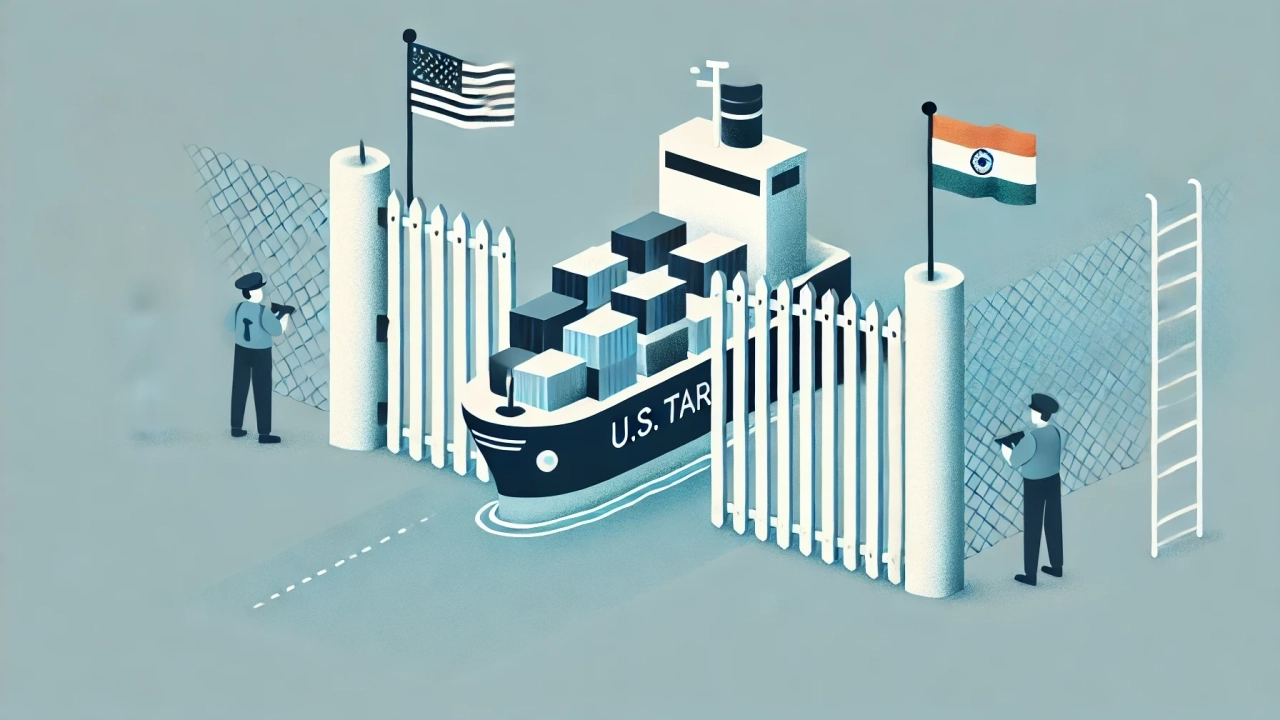
It is possible for a people to be self-sufficient. The Sentinelese in the Andamans, for example. But such living is extremely limiting. That’s why all great nations have pursued trade, although not as a dogma in the modern way. Ancient Romans were big traders. Millennia later, Mussolini declared Italy would manage alone, only to concede as oil imports rose: “Let us not delude ourselves about autarky.” As he continues lighting tariff fires well into the first year of his second term, Trump has not declared autarky or self-sufficiency as his economic goal, but his actions are tending in that direction. He wants US to make everything from chips to ships; buy little and sell a lot.
The problem with America’s protectionist turn is that it affects the global order. When the largest economy, and market, raises barriers for sellers, the whole free trade edifice is at risk. India has been especially stung by Trump’s tariffs. In a speech last week, Modi flagged the resultant uncertainty and urged Indians to buy swadeshi. It does not signal India’s retreat into its pre-91 walled garden, but a pragmatic pause. Globalisation may pick up pace again when Trump leaves office in Jan 2029, or as our top column today suggests, it may not as the world shifts “from open to managed trade”.
India will have to rethink strategy in that case. The ease of buying everything from computer chips to warplanes – Trump’s been pushing the F-35 at India – in the 21st century can lull nations into a false sense of security. But China and America’s recent actions are a wake-up call. India’s a laggard in manufacturing semiconductors and fighter planes – the air force is currently depleted – and needs to catch up in the field of drones now. Then there are so many high-tech articles of civilian use that we don’t make. Almost all specialised medical equipment is imported and contributes to the high cost of treatment.
So, setting up an industrial base to manufacture advanced equipment-along with a research base to develop them-should bea national priority. If low tariffs return, it will make India an export powerhouse. If they don’t, we won’t be vulnerable at least. In an essay he wrote in 1933, Keynes, who grew up believing in free trade, said self-sufficiency may be a worthwhile luxury for countries that want it and can afford it. “Let goods be homespun whenever it is reasonably and conveniently possible…” It’s good advice.
Date: 04-08-25
How To Tackle Trump Tariffs
Ajay Srivastava, [ The writer is an expert on trade & tech issues ]
Thursday onwards, nearly all Indian exports to US will face a 25% tariff on top of standard US duties, plus an additional penalty. As such, India now faces one of the highest US tariff rates among Asian exporters, second only to China (30%), and far above Vietnam (20%), Bangladesh (18%), Indonesia (19%), and Japan and S Korea (15% each).
With US our largest market – accounting for $86.5bn, or 20% of India’s goods exports last fiscal-the impact is severe. If these high tariffs stay in place, India’s exports to US could fall by 30% to $60.6bn in the current financial year. Labour- intensive sectors will be hit the hardest as shrimp exports ($2bn) now face a 25% duty, garments and home textiles ($8.4bn) are taxed at 34-39%, and jewellery ($10bn) at 27.1%. Duties on metal exports ($4.7bn) can go up to 51.7%, while engineering goods like machinery and auto parts ($9.3bn) face over 26%. Petroleum, pharma and smartphones are currently exempt but could be targeted later.
Increasing exports to other countries to reduce losses won’t be easy as the world is shifting from open to managed trade, driven by politics, security, and environmental rules. For example, EU, which bought $75.7bn worth of Indian goods, will impose a carbon tax in Jan, hurting steel and aluminium exports. These are already down 24.4% this year due to new reporting requirements. Indian farm products will soon face taxes under EU’s deforestation law, and similar measures will likely apply to most agricultural and industrial goods. As US and EU tighten access to their markets, more countries may follow.
With global markets becoming harder to access, India’s current export basket needs diversification. It’s time to stop overvaluing trade policy and start prioritising product strength. China’s export boom in the 1990s happened not because of trade deals, but because it offered the right product at the right price across traditional and modern sectors.
We can start by modernising traditional sectors and parallely work on high-tech sectors. For example, many handicrafts have outdated designs and century-old production methods, even as global tastes evolve. In apparel, we miss out on 70% of the world market-winter- wear, fashionwear and sportswear-mainly because we make it difficult to import the input materials.
Rising input and production costs have made deep manufacturing unviable in many sectors, so we remain stuck in low-value activities like assembling imported components. At the same time, policy choices that protect a few large players in textiles, chemicals and steel hurt thousands of MSMEs and hold back entire industries from reaching their full potential.
While we look back at the 1990s as a turning point where India opened up its economy, we often ignore what China was doing then securing lithium and cobalt mines in Chile and Congo, and investing heavily in future industries- solar, electric vehicles, electronics, toys, pharmaceuticals, apparel, machinery and chemicals. India, by contrast, did little and is paying the price for that inaction.
India must change course: invest in future-ready sectors, remove barriers to input access, unleash MSMES by reducing GST burden, and put product design and development at the heart of its export strategy. Here are three suggestions for quick results on exports and forex earnings.
First, bring back the interest equalisation scheme, which was discontinued last year despite costing just 2,500cr annually. It offered up to 5% interest relief on loans for export orders, helping MSMEs especially get cheaper, globally competitive finance. Reviving it with a higher annual budget of 15,000cr and a five-year commitment – not just short- term renewals-will cut production costs and give exports an immediate boost.
Second, implement the UK FTA and fast-track talks with EU and other partners, keeping expectations realistic. These deals are unlikely to boost exports significantly, as average tariffs in these markets are already low-around 3-4%-and over half of Indian goods already enter duty-free. Further tariff cuts may offer only modest gains. Past FTAs show that imports from partner countries tend to rise much faster than exports, which will likely continue.
Third, India must act to unlock the full potential of its tourism sector – an area where gains could far outweigh losses from declining exports to US. In 2023, India earned just $17bn from foreign tourists, as against Spain ($92bn), Dubai ($31bn) and Amsterdam ($31bn). This gap exists not for lack of heritage or attractions, but because of preventable issues: high hotel taxes, harassment of foreign women near tourist sites, and taxi unions exploiting visitors under political protection. India must overhaul the tourist experience-lower costs, ensure safety, and make the country more welcoming. If we fix this, tourism could become one of India’s most significant growth and job creation engines.
It’s time for an honest conversation. A good start would be to list our self-inflicted wounds, and fix them. By doing this we can boost not just exports, but also jobs and growth across the economy.

Date: 04-08-25
The right to repair must include right to remember’
As India invests in Al infrastructure and digital public goods, it must align these ambitions with the ground realities of repair and an established culture of innovation and frugality
Kinnari Gatare, [ is a researcher in Human Computer Interaction (HCI) and a former UX Design Consultant, National Programme on Technology Enhanced Learning (NPTEL), Indian Institute of Technology Madras ]
In May 2025, the Indian government took a significant step toward promoting sustainable electronics. It accepted a report proposing a Repairability Index for mobile phones and appliances, ranking products based on ease of repair, spare part access, and software support. New e-waste policies now include minimum payments to incentivise formal recycling. These are timely moves.
But as India takes steps toward making repair a consumer right, we must also treat it as a cultural and intellectual resource-a form of knowledge that deserves preservation and support. India’s digital and Artificial Intelligence (AI) policy landscape is evolving rapidly. Initiatives such as Digital Public Infrastructure (DPI) and the National Strategy on Artificial Intelligence (NSAI) emphasise innovation, data-driven governance and economic efficiency. Yet, the systems that quietly sustain everyday life – especially the informal repair and maintenance economy- remain largely invisible in digital and policy frameworks.
In an age of cloud backups and algorithmic processing, it is easy to forget the value of knowledge that cannot be codified. Much of India’s repair expertise lives in muscle memory, quiet observation, and years of hands-on improvisation. This tacit knowledge is vital to India’s material resilience. From mobile fixers in Delhi’s Karol Bagh to appliance technicians in Chennai’s Ritchie Street, repairers keep devices working well past their planned obsolescence. “If we don’t fix it, who will?” says a mobile repairer in Ritchie Street. “People throw things out. But we see what can be made new.” Their tools may be modest and their workshops discreet, but their work reflects deep ingenuity. They restore devices not by consulting manuals, but by diagnosing faults through sensory cues, reusing components, and adapting creatively to constraints. Yet, this ecosystem is gradually eroding. As product designs become less repairable and consumer habits shift toward disposability, informal repairers find themselves increasingly locked out of markets, of skilling programmes, and of policy attention. What risks being lost is not only economic opportunity but also a vast, undocumented reservoir of knowledge that has long supported India’s technological resilience.
Why tacit knowledge matters
“I learnt by watching my uncle,” says an appliance repairer in Bhopal. “He never explained with words. He just showed me once, and expected me to try. That’s how we pass it on.” Tacit knowledge refers to forms of skill and intuition that are difficult to formalise. In India’s repair economy, this expertise is typically passed down through mentorship, observation, and repetition- not through formal training or certification. It is inherently adaptive and context-sensitive, qualities that structured digital systems, including Al, often struggle to replicate. As Al advances, it increasingly draws on insights shaped by this kind of labour. However, mechanisms to acknowledge or equitably involve the contributors of this knowledge are still evolving. The result is a growing imbalance: AI systems continue to improve, while the communities enabling that learning often remain unrecognised. Globally, the Right to Repair movement has gained momentum. The European Union recently introduced rules requiring manufacturers to provide access to spare parts and repair documentation. In India, the Department of Consumer Affairs launched a Right to Repair framework in 2022, followed by a national portal in 2023 covering electronics, automobiles, and farm equipment. Meanwhile, the United Nations Sustainable Development Goal 12 promotes repair as part of responsible consumption. India now has the opportunity to lead by recognising repair not just as a service but also as a form of knowledge work.
The blind spot in India’s digital policy
In 2021-22, India generated over 1.6 million tonnes of e-waste, becoming the world’s third-largest producer. The E-Waste (Management) Rules, 2022 introduced Extended Producer Responsibility (EPR) – a principle that makes manufacturers responsible for post-use product management. However, while these rules encourage recycling, they make only a passing mention of repair as a preventive strategy. National skilling programmes such as the Pradhan Mantri Kaushal Vikas Yojana (PMKVY) focus on short-term certifications for formal industrial roles. Repair work, which requires improvisation, diagnostic skill and creative reuse does not easily fit this framework. Similarly, the National Education Policy (NEP) 2020 celebrates Indian knowledge traditions and experiential learning but offers little guidance on how to support or transmit hands-on repair expertise. Campaigns such as Mission LIFE (LIFEStyle For Environment) promote repair and reuse, but complementary efforts are needed to support the workers who make such sustainability practices possible. While policies now champion circularity, they risk leaving behind the very workforce whose skills make it real.
As sustainability becomes a national priority, policymakers and technologists are reconsidering how we design, discard, and extend the life of everyday products. One emerging idea in research is ‘unmaking- the process of taking apart, repairing or repurposing devices after their first use, revealing design flaws and opportunities for reuse. Breakdowns and repairs are not failures; they are feedback loops and sources of practical insight. A discarded circuit board can become a teaching tool. A salvaged phone part can restore someone’s access to work or school. A broken appliance can be repaired and reused. Informal repairers perform this work daily. Their labour sits at the centre of the circular economy, where reuse is not an afterthought but a design principle. Recognising them as stewards of sustainability – not marginal figures-can reshape how we think about environmental and digital innovation alike.
Al-enabled solutions for repair justice
India’s culture of jugaad and frugality long pre-dates today’s tech-forward policies. Repairers have always adapted across devices and decades, with minimal support. As the country invests in Al infrastructure and digital public goods, it must align these ambitions with the ground realities of repair. Most modern gadgets are built for compactness and control, not repair. According to a 2023 iFixit global report, only 23% of smartphones sold in Asia are easily repairable due to design constraints. To change this, design norms and procurement policies must include repairability from the start. To make technology genuinely sustainable, public policy must consider not only how products are manufactured and used but also how they break down, are repaired, and find new life. A shift toward designing for “unmaking”, where disassembly and repair are anticipated from the outset, should inform both hardware standards and Al-integrated systems.
This transition will require coordinated institutional action. The Ministry of Electronics and Information Technology can embed repairability criteria into Al and procurement policies. The Department of Consumer Affairs could expand the Right to Repair framework to include product classification and community involvement. Platforms such as e-Shram, under the Ministry of Labour and Employment, can formally recognise informal repairers and connect them to social protection and skill-building schemes. The Ministry of Skill Development and Entrepreneurship can consider training programmes to account for the tacit, diagnostic nature of repair work, which does not conform to standardised industrial templates. To support this, decision trees can help codify typical repair pathways, while Large Language Models can capture, summarise, and translate tacit repair narratives into structured, shareable knowledge, enabling broader learning without stripping local context or expertise.
Supporting this ecosystem is not merely a question of intellectual property or technical efficiency. It is about valuing the quiet, embodied labour that sustains our digital and material lives – an essential step toward a just, repair-ready technological future. As philosopher Michael Polanyi observed, “We know more than we can tell.” By choosing to remember what cannot be digitised, we preserve the human wisdom essential to a meaningful technological future.

Date: 04-08-25
मतदाता सूचियों में घुसपैठ
शिवकांत शर्मा, ( लेखक बीबीसी हिंदी के पूर्व संपादक हैं )
जनतंत्र में जनता चुनावों के जरिये जनादेश देती है। इसलिए चुनाव जनतंत्र की आधारशिला है और चुनावों की विश्वसनीयता यह सुनिश्चित करने पर निर्भर करती है कि मतदान में वही लोग भाग लें जो उसकी अर्हता रखते हों। मतदाताओं की अर्हता लगभग हर लोकतांत्रिक देश में मतदाताओं की आयु, नागरिकता और जिस क्षेत्र का चुनाव हो रहा हो, वहां निवास के प्रमाण के आधार पर तय की जाती है और मतदाता सूचियां बनाई जाती हैं। पुनरीक्षण से इन्हें निरंतर अद्यतन रखने के मामले में आस्ट्रेलिया, कनाडा और जर्मनी को विश्व में आदर्श माना जाता है। आस्ट्रेलिया और कनाडा में मतदाता पंजीकरण और मतदाता सूचियों के पुनरीक्षण का काम भारत के चुनाव आयोग की तरह केंद्रीय एजेंसियां करती हैं। अमेरिका और ब्रिटेन में इसका दायित्व स्थानीय प्रशासन के पास है जो केंद्र सरकारों के निर्देशों के आधार पर उसे निभाते हैं। आस्ट्रेलिया और इटली में मतदान के लिए पंजीकरण कराना और मतदान करना अनिवार्य भी है।
विश्व के सबसे बड़े लोकतंत्र भारत की बात करें तो निर्वाचन आयोग के अनुसार पिछले साल तक मतदाता सूची में कुल 96.88 करोड़ लोगों के नाम थे। जबकि देश में 18 साल से अधिक उम्र के लोगों की जनसंख्या केवल 91 करोड़ के आसपास थी। आंकड़ों की इस विसंगति के तीन प्रमुख कारण हो सकते हैं। पहला, पिछले 15 वर्षों से जनगणना न होने के कारण जनसंख्या का अनुमान सही न होना। दूसरा, मतदाता सूचियों में ऐसे लोगों के नाम शामिल होना जिनका निधन हो चुका है। तीसरा, अयोग्य, फर्जी और घुसपैठियों का शामिल होना उन्हीं के निवारण के लिए चुनाव आयोग ने बिहार में मतदाता सूची के गहन पुनरीक्षण का काम शुरू किया है, जिसके समय को लेकर आइएनडीआइए के दल मुखर विरोध कर रहे हैं। विरोध करने वालों का एक तर्क यह हैं कि नागरिकता का सत्यापन करना गृह मंत्रालय का काम है, चुनाव आयोग का नहीं। हालांकि नागरिकता के सत्यापन के बिना मतदान करने की अर्हता तय नहीं हो सकती और उसे तय किए बिना सही मतदाता सूची नहीं बन सकती। मतदाता सूचियों के पुनरीक्षण का काम चुनाव एजेंसियों का ही है, इसलिए नागरिकता का प्रमाण मांगे बिना वे पारदर्शी मतदाता सूची कैसे तैयार कर पाएंगी ? अमेरिका, ब्रिटेन, फ्रांस, जर्मनी, आस्ट्रेलिया और कनाडा से लेकर जापान तक हर देश की मतदाता सूची में शामिल होने के लिए नागरिकता का प्रमाण अनिवार्य है। घुसपैठियों की समस्या बढ़ने के कारण नागरिकता सत्यापन के नियम पूरे विश्व में कड़े होते जा रहे हैं। घुसपैठियों द्वारा मतदान के जरिये जनादेश को प्रभावित करना चुनाव प्रक्रिया में विदेशी हस्तक्षेप जैसा ही है। इसलिए बिहार में मतदाता सूची की पुनरीक्षा को चुनौती देने वालों के पक्ष में सर्वोच्च न्यायालय का कूद पड़ना और यह कहना कि ‘यदि बड़े पैमाने पर लोगों को इस सूची से बाहर किया गया, तो वह हस्तक्षेप करेगा’ हैरत की बात है। शीर्ष अदालत को तो उलटे निर्वाचन आयोग से यह पूछना चाहिए कि उसने बिहार में 2003 से और बंगाल में 2002 से आज तक मतदाता सूचियों का पुनरीक्षण क्यों नहीं किया?
जिन फर्जी मतदाताओं और घुसपैठियों को मतदाता सूची से निकालने के लिए निर्वाचन आयोग ने पुनरीक्षा का काम शुरू किया है, उन्हें वोट बैंक बनाकर अब वही दल सबसे कड़ा विरोध कर रहे हैं जो इस समस्या को लेकर कभी सबसे मुखर रहे। मसलन, लालू प्रसाद यादव ने सितंबर 1992 में केंद्र सरकार से कहा था कि वह बांग्लादेश से हो रही घुसपैठ को रोकने के कारगर उपाय करे। उन्होंने ऐसा कानून बनाने की मांग भी रखी थी जो घुसपैठियों को अचल संपत्ति खरीदने से रोके सीमावर्ती जिलों में भारतीयों को पहचान पत्र देने की सलाह भी दी थी ताकि घुसपैठियों की पहचान हो सके। इसी तरह 2005 में बंगाल की मतदाता सूचियों में घुसपैठियों की समस्या रेखांकित करने के लिए ममता बनर्जी ने तत्कालीन राष्ट्रपति अब्दुल कलाम को बांग्लादेश और बंगाल के उन दो चुनाव क्षेत्रों की मतदाता सूचियां भेंट की थीं, जिनमें अनेक नाम समान थे।
आस्ट्रेलिया, कनाडा और जर्मनी ने मतदाता सूचियों को अद्यतन रखने के लिए निर्वाचन आयोगों को पासपोर्ट, ड्राइविंग लाइसेंस, जन्म-मृत्यु पंजीकरण और जनकल्याण जैसी नागरिकों के आंकड़े रखने वाली एजेंसियों से जोड़ रखा है। इसलिए वहाँ की चुनाव एजेंसियों को अपनी मतदाता सूचियाँ अद्यतन रखने में कठिनाई नहीं होती । जर्मनी ने अपना पता बदलने पर स्थानीय प्रशासन के दफ्तर में जाकर पंजीकरण कराना अनिवार्य कर रखा है, जिसकी वजह से मतदाता सूची भी अपने आप अद्यतन होती रहती है। ब्रिटेन और फ्रांस में स्थानीय सरकारें डाक और इलेक्ट्रानिक संपर्क के माध्यम से हर साल मतदाता सूची को अद्यतन करती हैं। लोग जब चाहें आनलाइन जाकर भी नाम दर्ज करा सकते हैं। इसके अलावा हर चुनाव से पहले भी इन्हें अद्यतन किया जाता है। स्वीडन, फिनलैंड और नीदरलँड्स जैसे छोटे यूरोपीय देशों में राष्ट्रीय नागरिकता रजिस्टर भी हैं, जिससे फर्जी नाम और घुसपैठिए मतदाता सूचियों में जगह नहीं पा सकते। नागरिकता रजिस्टर रखने इसलिए भी जरूरी हैं, ताकि घुसपैठिए मुफ्त स्कूली शिक्षा और इलाज, वृद्धावस्था पेंशन और सीमित समय के लिए बेरोजगारी भत्ते आदि का लाभ न उठा सकें। यहां तक कि पाकिस्तान, अफगानिस्तान, बांग्लादेश, नेपाल, श्रीलंका और म्यांमार जैसे भारत के पड़ोसी देशों ने भी नागरिकता रजिस्टर या पहचान पत्र बना रखे हैं ताकि शरणार्थियों और घुसपैठियों का हिसाब रखा जा सके। क्या ऐसे असफल देशों से घिरे भारत को भी अपनी चुनाव प्रक्रिया को घुसपैठ के प्रभाव से बचाने के लिए नागरिकता रजिस्टर बनाने पर गंभीरता से विचार नहीं करना चाहिए?
भारत अब धीरे-धीरे जनकल्याण सेवाओं का दायरा भी फैला रहा है। नागरिकता रजिस्टर बन जाने से एक तो फर्जीवाड़ा करने वाले लोग और घुसपैठिए न तो योजनाओं का अनुचित लाभ उठा पाएंगे और न ही जनादेश को भी प्रभावित कर पाएंगे। हालांकि इसके लिए चुनाव आयोग को मतदाता सूचियों के निरंतर और वार्षिक अद्यतनीकरण की व्यवस्था भी शुरू करनी होगी।

Date: 04-08-25
ट्रंप का भारत को ‘तोहफा’
विनीत नारायण
हाल में अमेरिकी राष्ट्रपति डोनाल्ड ट्रंप ने भारत से आयातित सामान पर 25% टैरिफ और रूस से तेल और हथियारों की खरीद के लिए अतिरिक्त दंड की घोषणा की। यह कदम भारत-अमेरिका व्यापार संबंधों में महत्त्वपूर्ण मोड़ के रूप में देखा जा रहा है, विशेष रूप से तब जब दोनों देश एक व्यापार समझौते पर बातचीत कर रहे हैं। ट्रंप ने भारत और रूस को ‘मृत अर्थव्यवस्था’ (डेड इकॉनमी) कह कर निशाना बनाया और भारत के उच्च टैरिफ और गैर-मौद्रिक व्यापार बाधाओं को इसका कारण बताया।
ट्रंप ने अपने दूसरे कार्यकाल में वैश्विक व्यापार को प्रभावित करने वाली आक्रामक टैरिफ नीतियों को अपनाया है। 7 अगस्त, 2025 से लागू होने वाले 25% टैरिफ का ऐलान करते हुए ट्रंप ने इसके लिए भारत के रूस से तेल और सैन्य उपकरणों की खरीद को प्रमुख कारण बताया। उनके अनुसार, भारत रूस का सबसे बड़ा ऊर्जा खरीदार है, जो यूक्रेन में रूस के सैन्य अभियान के समय में अस्वीकार्य है। इसके अतिरिक्त, ट्रंप ने भारत के उच्च टैरिफ (जिसे उन्होंने दुनिया में सबसे अधिक बताया) और गैर-मौद्रिक व्यापार बाधाओं की भी आलोचना की। ट्रंप ने पहले 20-25% टैरिफ की संभावना जताई थी, लेकिन अंतिम घोषणा में अतिरिक्त दंड भी शामिल किया गया। यह कदम भारत के फार्मास्यूटिकल्स, कपड़ा, रत्न और आभूषण और ऑटोमोबाइल जैसे क्षेत्रों को प्रभावित कर सकता है, जो अमेरिका के साथ भारत के व्यापार के महत्त्वपूर्ण हिस्सा हैं।
कांग्रेस नेता और लोक सभा में विपक्ष के नेता राहुल गांधी ने ट्रंप के ‘मृत अर्थव्यवस्था’ वाले बयान का समर्थन करते हुए केंद्र सरकार पर तीखा हमला बोला। कहा, ‘हां, ट्रंप सही हैं। हर कोई जानता है कि भारतीय अर्थव्यवस्था है, सिवाय प्रधानमंत्री और वित्त मंत्री के मुझे ख़ुशी है कि ट्रंप ने यह तथ्य सामने रखा। दुनिया जानती है कि भारतीय अर्थव्यवस्था खत्म हो चुकी है। भाजपा ने अडानी को मदद करने के लिए अर्थव्यवस्था को बर्बाद कर दिया।’ राहुल ने मोदी सरकार की आर्थिक नीतियों पर सवाल उठाए, विशेष रूप से नोटबंदी और ‘त्रुटिपूर्ण जीएसटी अर्थव्यवस्था के पतन के कारण बताए। उन्होंने यह भी पूछा कि ट्रंप के भारत-पाकिस्तान सीजफायर को लेकर बार-बार किए जा रहे दावों पर प्रधानमंत्री की चुप्पी क्यों है? कांग्रेस पार्टी ने इस टैरिफ को भारत की विदेश नीति की विफलता के रूप में चित्रित किया। कांग्रेस नेता सुप्रिया श्रीनेत ने कहा, ‘राहुल गांधी ने पहले ही इस बारे में चेतावनी दे दी थी। यह टैरिफ हमारी अर्थव्यवस्था, निर्यात, उत्पादन और रोजगार पर असर डालेगा। हम अमेरिका को फार्मास्यूटिकल्स निर्यात करते हैं, और 25% टैरिफ से ये महंगे हो जाएंगे जिससे मांग कम होगी और उत्पादन तथा रोजगार पर असर पड़ेगा।’ कांग्रेस अध्यक्ष मल्लिकार्जुन खड़गे ने भी प्रधानमंत्री की चुप्पी पर सवाल उठाए और टैरिफ को भारत के व्यापार, एमएसएमई और किसानों के लिए हानिकारक बताया। अन्य विपक्षी नेताओं ने भी इस मुद्दे पर सरकार की आलोचना की। समाजवादी पार्टी के नेता अखिलेश यादव ने इसे भारतीय अर्थव्यवस्था के लिए ‘बुरे दिनों की शुरुआत’ बताया, जबकि असदुद्दीन ओवैसी ने ट्रंप को ‘व्हाइट हाउस का ‘जोकर’ कह कर उनकी आलोचना की।
वहीं, अर्थशास्त्रियों ने इस टैरिफ के भारत की अर्थव्यवस्था पर संभावित प्रभाव को लेकर इसका प्रभाव सीमित होगा जबकि अन्य ने मिश्रित राय व्यक्त की है। कुछ का मानना है कि दीर्घकालिक नुकसान की चेतावनी दी है। इंवेस्टमेंट इनफॉर्मेशन एंड क्रेडिट रेटिंग एजेंसी ऑफ इंडिया (इना) की मुख्य अर्थशास्त्री अदिति नायर ने कहा, ‘प्रस्तावित टैरिफ और दंड हमारी अपेक्षा से अधिक हैं, और इससे भारत की जीडीपी की वृद्धि पर असर पड़ सकता है। प्रभाव की गंभीरता दंड के आकार पर निर्भर करेगी।’ अर्नेस्ट एंड यंग इंडिया (ईवाई) के व्यापार नीति विशेषज्ञ अग्नेश्वर सेन ने कहा, ‘टैरिफ से समुद्री उत्पाद, फार्मास्यूटिकल्स, कपड़ा, चमड़ा और ऑटोमोबाइल जैसे क्षेत्र सबसे अधिक प्रभावित होंगे। ये क्षेत्र भारत-अमेरिका व्यापार में मजबूत हैं, और टैरिफ से इनकी प्रतिस्पर्धात्मकता कम हो सकती है।’ फाउंडेशन फॉर इकोनॉमिक डवलपमेंट के राहुल अहलूवालिया ने चेतावनी दी कि टैरिफ भारत को वियतनाम व चीन जैसी अन्य एशियाई अर्थव्यवस्थाओं की तुलना में कमजोर कर सकता है। उनके अनुसार, निर्यात आपूर्ति श्रृंखलाओं के भारत की ओर स्थानांतरण की संभावना नहीं है।
हालांकि, कुछ विशेषज्ञों ने आशावादी रुख भी अपनाया है। फिक्की के अध्यक्ष हर्षवर्धन अग्रवाल ने कहा, ‘हालांकि यह कदम दुर्भाग्यपूर्ण है और हमारे निर्यात पर असर डालेगा। लेकिन हमें उम्मीद है कि यह अल्पकालिक घटना होगी और दोनों पक्ष जल्द ही एक स्थायी व्यापार समझौते पर पहुंच जाएंगे।’ भारत सरकार ने इस मुद्दे पर सतर्क और संयमित रुख अपनाया है। वाणिज्य एवं उद्योग मंत्री पीयूष गोयल ने संसद में कहा, ‘हम राष्ट्रीय हितों की रक्षा के लिए सभी आवश्यक कदम उठाएंगे। भारत ने एक दशक में ‘फ्रैजाइल फाइव’ से दुनिया की सबसे तेजी से बढ़ती अर्थव्यवस्था बनने का सफर तय किया है। सरकारी सूत्रों ने संकेत दिया है कि भारत तत्काल जवाबी टैरिफ लगाने की बजाय बातचीत का रास्ता अपनाएगा। एक सूत्र ने कहा, ‘चुप्पी सबसे अच्छा जवाब है। हम बातचीत की मेज पर इस मुद्दे को हल करेंगे।’
कुल मिलाकर 25% टैरिफ और अतिरिक्त दंड ने भारत-अमेरिका व्यापार संबंधों में नया तनाव पैदा कर दिया है। राहुल गांधी और विपक्ष ने इसे सरकार की आर्थिक और विदेश नीति की विफलता के रूप में प्रस्तुत किया है, जबकि अर्थशास्त्रियों ने इसके मिश्रित प्रभावों की ओर इशारा किया है। जहां कुछ क्षेत्रों पर तत्काल असर पड़ सकता है, वहीं भारत के पास अन्य बाजारों में विविधता लाने और बातचीत के जरिए समाधान खोजने का भी अवसर है। यह स्थिति न केवल आर्थिक, बल्कि भू-राजनीतिक अपनी रणनीतिक स्वायत्तता और आर्थिक दृष्टिकोण से भी महत्त्वपूर्ण है क्योंकि भारत को अपनी रणनीतिक स्वायत्तता और आर्थिक हितों को संतुलित करना होगा। देखना यह है कि आने वाले दिनों में सरकार इस समस्या से कैसे निपटती है।
Date: 04-08-25
वैश्विक चेतना का उपग्रह
योगेश कुमार गोयल
श्री हरिकोटा स्थित सतीश धवन अंतरिक्ष केंद्र से 30 जुलाई की शाम जीएसएलवी-एफ 16 रॉकेट के माध्यम से भारतीय अंतरिक्ष अनुसंधान संगठन (इसरो) और अमेरिकी अंतरिक्ष एजेंसी (नासा) द्वारा संयुक्त रूप से विकसित ‘निसार’ (नासा- इसरो सिंथेटिक अपरचर रार) उपग्रह को सफलतापूर्वक प्रक्षेपित किया गया। यह उपग्रह न केवल एक तकनीकी चमत्कार है, बल्कि विज्ञान, शोध, वैश्विक सहयोग और मानवीय प्रतिबद्धता का युगांतकारी प्रतीक भी है।
‘निसार’ को सूर्य समकालिक ध्रुवीय कक्षा में 747 किमी. की ऊंचाई पर स्थापित किया गया है, जहां से यह अगले तीन से पांच वर्षों तक निरंतर पृथ्वी की निगरानी करेगा और प्रत्येक 12 दिन में पूरी पृथ्वी का स्कैन करेगा तथा एक बार में 240 किमी. क्षेत्र को कवर करने की अद्वितीय क्षमता रखता है। इस उपग्रह को धरती की गहराइयों और उसकी सतह पर होने वाले बदलावों की सटीक, विस्तृत और सतत निगरानी करने के लिए डिजाइन किया गया है। ‘निसार’ इसरो और नासा के दस वर्षों के संयुक्त परिश्रम का परिणाम है।
‘निसार’ उपग्रह की दो प्रमुख विशेषताएं (एल-बैंड और एस-बैंड की दोहरी रडार प्रणाली तथा स्वीपएसएआर तकनीक) इसे अत्याधुनिक उपग्रहों की श्रेणी में खड़ा करती हैं। इस उपग्रह के एल – बैंड रडार को नासा ने विकसित किया है, जो 1.25 गीगाहर्ट्ज फ्रीक्वेंसी और 24 सेमी तरंगदैध्य पर काम करता है। यह रडार बर्फ, घने जंगलों और धरती की गहराई में होने वाले परिवर्तनों को मापने में सक्षम है। वहीं इसरो द्वारा विकसित एस-बैंड रडार 3.2 गीगाहर्ट्ज की फ्रीक्वेंसी और 9.3 सेमी तरंगदैध्य पर कार्य करता है, जो सतह पर होने वाली सूक्ष्मतम हलचल को भी दर्ज कर सकता है। इस प्रकार ‘निसार’ का यह दोहरा रडार सिस्टम भूगर्भीय घटनाओं, प्राकृतिक आपदाओं, वनस्पति परिवर्तनों, कृषि गतिविधियों और मानवजनित प्रभावों की निगरानी के लिए बेहद उपयोगी सिद्ध होगा।
यह उपग्रह दिन-रात, किसी भी मौसम में, बादलों, अंधकार या घने जंगलों की परवाह किए बिना सतत डेटा एकत्रित करता रहेगा। इसका रिजॉल्यूशन 5 से 10 मीटर के बीच होगा जिससे बड़े क्षेत्र में बहुत सूक्ष्म परिवर्तन भी पकड़ में आएंगे। इसरो के अध्यक्ष वी. नारायणन के अनुसार, ‘निसार’ से मिलने वाला डेटा न केवल भारत और अमेरिका, बल्कि पूरी दुनिया के लिए अमूल्य होगा। उपग्रह प्रति दिन लगभग 80 टेराबाइट डेटा जनरेट करेगा जिसे पूरी तरह ओपन सोर्स के रूप में मुफ्त में साझा किया जाएगा। इसका लाभ वैज्ञानिकों, शोधकर्ताओं, नीति-निर्माताओं, किसानों और आपदा प्रबंधन एजेंसियों को समान रूप से मिलेगा। ‘निसार’ से संबंधित डेटा कृषि के लिए भी उपयोगी होगा । यह उपग्रह फसलों की वृद्धि, मिट्टी की नमी, मौसमी प्रभाव रोग और कीट आक्रमण, और संभावित नुकसान का पूर्वानुमान लगाने में सहायक सिद्ध होगा। इसके माध्यम से सरकारें कृषि बीमा योजनाओं को अधिक वैज्ञानिक, पारदर्शी और प्रभावी ढंग से लागू कर सकेंगी। पर्यावरणीय क्षेत्र में ‘निसार’ जलवायु परिवर्तन के प्रभावों की सटीक जानकारी प्रदान करेगा। यह समुद्र स्तर में वृद्धि, बर्फ पिघलने, तटीय कटाव, वनस्पति आवरण में परिवर्तन और भूजल स्तर की निगरानी करेगा। इससे पारिस्थितिक तंत्र की स्थिरता, जैव-विविधता संरक्षण, वनों की स्थिति और मानवजनित प्रभावों का अध्ययन किया जा सकेगा।
आपदा प्रबंधन की दृष्टि से भी यह उपग्रह क्रांतिकारी बदलाव ला सकता है। इसके जरिए भूकंप, भूस्खलन, ज्वालामुखी विस्फोट, सुनामी जैसी आपदाओं के प्रारंभिक संकेतों को पहचाना जा सकेगा जिससे समय रहते चेतावनी देकर जान- माल की हानि को कम किया जा सकेगा।
भारत और अमेरिका की साझेदारी ने दिखा दिया है कि जब दो राष्ट्र साझा उद्देश्य, पारदर्शिता और वैज्ञानिक उत्कंठा के साथ एकजुट होते हैं, तब विश्व को अभूतपूर्व उपलब्धियां मिलती हैं। ‘निसार’ के माध्यम से भारत और अमेरिका पूरे ग्रह को एक साथ देखना, समझना और संरक्षित करना सीख रहे हैं। यह मिशन मानवता के भविष्य की रक्षा, पर्यावरण संतुलन के पुनर्निर्माण और पृथ्वी की बदलती धड़कनों को जानने की दिशा में उठाया गया निर्णायक कदम है। यह उपग्रह वैज्ञानिक शोध एवं नवाचार को नई दिशा देने के साथ-साथ नई पीढ़ी को पृथ्वी और पर्यावरण के प्रति अधिक सजग बनाने में भी मदद करेगा। ‘निसार’ के माध्यम से विश्व को ऐसा शक्तिशाली उपकरण प्राप्त हुआ है, जो धरती की सतह, उसकी परतों, संसाधनों और संकटों को जानने की हमारी क्षमता को व्यापक और सटीक बनाएगा। यह केवल तकनीकी उपलब्धि नहीं, बल्कि मानवीय चेतना का विस्तार है, ऐसा वैज्ञानिक यंत्र, जो हमारी पृथ्वी की नब्ज को सुन सकेगा और समय रहते बदलावों के प्रति हमें सचेत करेगा। इसीलिए ‘निसार’ को ‘वैश्विक चेतना का उपग्रह’ कहा जाना उपयुक्त होगा।

Date: 04-08-25
टैरिफ से भी ज्यादा तनाव थोपते ट्रंप
आलोक जोशी, ( वरिष्ठ पत्रकार )
लबी खींचतान के बाद अमेरिकी राष्ट्रपति डोनाल्ड ट्रंप ने भारत पर टैरिफ, यानी सीमा शुल्क लगाने का एलान कर ही दिया। हालांकि, बाद में इसे एक हफ्ते में लागू करने की घोषणा की गई, मगर 25 फीसदी शुल्क और रूस से आयात पर जुर्माना हमारे लिए किसी बड़े झटके से कम नहीं है। भारत के ज्यादातर व्यापार संगठन, कारोबारी और विशेषज्ञ भी 15 से 20 प्रतिशत टैरिफ की उम्मीद पाल रहे थे। और, उसमें भी उन्हें उम्मीद थी कि थोड़ी सौदेबाजी के बाद कई चीजों पर छूट मिल सकती है। फिलहाल ऐसा होता हुआ नहीं दिख रहा।
ट्रंप ऐसा कर सकते हैं, इसकी आशंका तो थी, मगर इतना और इस अंदाज में करेंगे, यह शायद कम लोगों ने सोचा था। जाहिर है, इस खबर से हड़कंप मच गया और इतने पर ही बस नहीं। ट्रंप ने दो और कारनामे किए। भारतीय समय के मुताबिक, गुरुवार की सुबह उन्होंने एक्स पर फिर अपनी पोस्ट डाली, ‘मुझे परवाह नहीं है कि भारत रूस के साथ क्या करता है। वे दोनों मिलकर अपनी मरी हुई अर्थव्यवस्थाओं को गर्त में ले जा सकते हैं, मुझे क्या!’ और दूसरा दांव उन्होंने यह चला कि पाकिस्तान के साथ एक सौदा भी कर डाला। ट्रंप ने भारत को चिढ़ाने के अंदाज में टूथ सोशल पर लिखा- ‘हमने एक करार किया है, जिसके तहत पाकिस्तान और अमेरिका मिलकर पाकिस्तान के विशाल तेल भंडार के विकास का काम करेंगे। हम उस कंपनी का चुनाव कर रहे हैं, जो इस साझेदारी को आगे बढ़ाएगी। कौन जाने, आगे चलकर वह भारत को ही तेल बेचने लगे ।’ मतलब साफ है, भारत के सामने वह पाकिस्तान की पीठ पर हाथ रखने का दांव खेल रहे हैं। अमेरिका यही तो दशकों से करता आया है।
आखिर ट्रंप के इस हाव-भाव के पीछे क्या वजह हो सकती है और अबइसके आगे का रास्ता क्या है ? भारत को दोस्त बताने के पीछे ट्रंप की मंशा साफ है। उनकी नजर भारत के विशाल बाजार पर है, जो वह किसी कीमत पर खोना नहीं चाहते। अमेरिका में भारतवंशियों का एक बड़ा समुदाय भी है, जिसे नाराज करना अब शायद वहां भी किसी राजनेता के लिए महंगा सौदा है। भारतीय और अमेरिकी अधिकारियों के बीच व्यापार- वार्ता के कई दौर इस बात के सुबूत हैं कि दोनों ही पक्ष इस मामले को महत्वपूर्ण मानते हैं। अमेरिका दुनिया भर मैं अपना माल बेरोक-टोक बेचना चाहता है और बदले में दूसरे देशों को टैरिफ में कुछ रियायत का चारा डाल रहा है। मगर अब एक चीज साफ दिख रही है। भारत अमेरिका को एकदम खुला मैदान देने को राजी नहीं है, खासकर दुग्ध और कृषि उत्पादों के मामले में साफ है कि अमेरिका की मंशा पूरी नहीं हो पा रही है। ट्रंप का आक्रामक अंदाज और पाकिस्तान का इस्तेमाल इसका साफ संकेत है।
टैरिफ के एलान के बाद से जितने भी जानकारों की राय सामने आई है, टैरिफ के असर पर बात करने से पहले उन सभी का यह मानना है कि यह ज्यादा दिन का मामला नहीं है, ट्रंप सौदेबाजी में भारत पर दबाव बनाने के लिए यह पैंतरा आजमा रहे हैं और जब समझौता हो जाएगा, तो तस्वीर बदल जाएगी। यदि ऐसा नहीं हुआ, तो भारत की कंपनियों को या अर्थव्यवस्था को कितना नुकसान हो सकता है, इस पर अलग-अलग राय हैं। कुछ जानकार मानते हैं कि जीडीपी पर आधे प्रतिशत तक का असर दिख सकता है। मगर बाजार के एक बड़े खिलाड़ी ने मजाकिया अंदाज में हिसाब जोड़कर दिखाया कि भारत अमेरिका को जो निर्यात करता है, वह भारत के जीडीपी का करीब-करीब दो प्रतिशत होगा। अगर इसमें 10 प्रतिशत की गिरावट आई, तो वह होगा, जीडीपी का 0.2 प्रतिशत अभी भारत की विकास दर छह प्रतिशत से ऊपर है। यानी, इस घाटे से पार पाने के लिए बारह दिन के बराबर ज्यादा काम करना पड़ेगा।
हालांकि, कुछ अर्थशास्त्रियों का कहना है कि जीडीपी बढ़ने की रफ्तार कम से कम 0.4 प्रतिशत तक गिर सकती है। वैसे, समझौता हो भी गया, तो उसमें कितनी रियायत मिल सकेगी, कहना मुश्किल है। मगर अमेरिकी अर्थव्यवस्था में तीन प्रतिशत की ग्रोथ आने पर ढोल-ताशे के साथ अपनी पीठ थपथपाने वाले डोनाल्ड ट्रंप साढ़े छह प्रतिशत की रफ्तार से बढ़ने वाली भारतीय अर्थव्यवस्था को आखिर ‘मरी हुई ‘अर्थव्यवस्था’ किस हक से कह सकते हैं? भारत सरकार ने इस मामले में संयम और बड़प्पन दिखाया है मगर वाणिज्य मंत्री पीयूष गोयल ने बाकायदा गिनाया है कि भारत की अर्थव्यवस्था किस तरह तमाम बाधाओं के बावजूद तेजी से बढ़ रही है। उन्होंने व्यापार समझौते की राह में आ रही अड़चनों का जिक्र भी किया और बताया कि केंद्र सरकार किन-किन वर्गों के हितों की रक्षा के लिए डटी हुई है। मगर साथ ही उन्होंने यह भी साफ किया कि भारत एक ऐसा समझौता चाहता है, जिसमें दोनों देशों का फायदा हो।
उधर, अमेरिकी वाणिज्य मंत्री स्कॉट बेसेंट ने कहा है कि बातचीत का भविष्य अब भारत के हाथों में है, हमारी टीम तो भारत से हताश हो गई है। इस हताशा का ही असर ट्रंप के फैसले और उनके अंदाज में दिख रहा है। इसमें पाकिस्तान का सहारा लेना ही दिखा रहा है कि वह हताशा के किस चरण तक पहुंच चुके हैं। हालांकि, उनके उस बयान की काफी चीर-फाड़ भी हो चुकी है और माना यही जा रहा है कि पाकिस्तान ने या अमेरिका की पाक समर्थक लॉबी ने डोनाल्ड ट्रंप को झांसा दे दिया है। पाकिस्तान में तेल खोजने की अनेक कोशिशें नाकाम हो चुकी हैं और अगर वास्तव में इतना बड़ा तेल भंडार उसके पास होता, जिसके ख्याली पुलाव ट्रंप पका रहे हैं, तो वहां पेट्रोल 250 रुपये लीटर क्यों बिक रहा होता ?
शेयर बाजार ने भी शुरुआती झटके के बाद टैरिफ का असर करीब-करीब झाड़ फेंका। ज्यादातर लोगों की राय यही है कि कुछ दिन की सौदेबाजी के बाद भारत और अमेरिका के बीच एक बेहतर समझौता होने के आसार अभी खत्म नहीं हुए हैं। यह उम्मीद इस बात पर भी टिकी हुई है कि इन टैरिफों की कीमत अमेरिकी उपभोक्ताओं को ही चुकानी है, क्योंकि उन्हें ही महंगा सामान खरीदकर यह ड्यूटी भरनी होगी। इसलिए भी जानकार मानते हैं कि ट्रंप बहुत लंबे समय तक किसी भी देश पर बहुत ऊंचा टैरिफ लगाकर नहीं रख सकते।