
02-05-2026 (Important News Clippings)
To Download Click Here.
 Date: 02-05-26
Cylindrical vision
What India must learn from the LPG crisis.
TOI Editorials
Commercial LPG price has been hiked before, in fact, during the Hormuz crisis. But yesterday’s increase captures the true extent of supply disruption. A 48% increase – from Rs 2,078.5 to Rs 3,071.5 – is unprecedented. Obviously, there are limits to the cushion govt can provide. When war broke out on Feb 28, many tankers were at sea. Gas kept arriving through March, although Hormuz was closed. But April, as TOI reported yesterday, has been a difficult month, especially on the LPG front. Imports of this fuel halved from 2mn tonnes a month to less than 1mnt. That left a huge supply hole, despite Indian refiners increasing LPG production by 30%.
So far, households, which use 84% of LPG, have been spared. But if the blockade continues, they should brace for pain. A sharp price increase could undo years of efforts to coax millions of poor households to use clean fuel. The same risk exists with commercial LPG. Beyond restaurants, LPG’s become the preferred fuel in industries like ceramics. In fact, before the war, commercial LPG use was growing thrice as fast as household use.
India’s trying to get more LPG from US now, but it costs more to ship, and takes longer to arrive. May’s dispatches won’t arrive before July. Even crude isn’t as easily available as steady pump prices suggest. Last month, India averaged imports of only 4.4mn barrels per day, down from 5.2mn bpd in Feb. No doubt, this crisis will end at some point, and fuel prices will tumble eventually. But each day, until then, will be a drag on the economy. That’s why India must plan for resilience. Hydrocarbons will, of course, remain crucial as industrial feedstock. But transport, cooking, heating, power generation – those sectors should be weaned urgently. Nuclear, renewables, and biofuels – our mountains of waste are waiting to be gasified – the solutions already exist.

India Can Ill Afford White Elephants
ET Editorials
ASI’s ₹289 cr campus in Greater Noida, Pandit Deendayal Upadhyaya Institute of Archaeology, is impressive and expansive. But some key elements, like students and teachers, are reportedly missing. It was inaugurated with much pomp in 2019. Yet, today, it functions with a skeleton crew of 15 students, and no permanent faculty member. Instead, the ‘world-class’ syllabus is managed by guest lecturers and consultants, while the library is a collection of uncatalogued books and empty shelves.
This isn’t an isolated incident but a broader trend of administrative mirages that crop up mysteriously in our landscape. Take the CAG performance audit of a major rural housing scheme in Rajasthan. While official dashboards broadcast ‘100%’ completion rates and ‘open defecation-free’ status, physical verification of 590 houses officially marked as ‘completed’ revealed that nearly half lacked toilets. More damningly, the audit found that 60% of homes were without electricity, and a significant portion were not even being used as residences, serving instead as storage sheds for cattle or grain.
When official data is decoupled from reality, we are firmly entering Potemkin village territory where façades and optics become the whole point of the exercise. In a country where every (declining) rupee is a soldier in a war between competing urgencies — healthcare, primary education and climate resilience — treating governance as photo-ops is fiscal hara-kiri. Politics and bureaucracy then become repositories of installation art that puts window fronts without development, façades minus delivery. A campus without teachers is a warehouse, and a house without a toilet is a set of rooms. India can ill afford herds of white elephants roaming across the country.

Work in progress
India must strengthen public sector hospital capacity
Editorial
The 80th, and latest, round of the house- hold social consumption (health) survey conducted by the National Statistical Of fice is the first comprehensive survey of its kind in both the post-pandemic era and the period in which the Ayushman Bharat Pradhan Mantri Jan Arogya Yojana (PMJAY) scheme attained maturi- ty. The previous two surveys of the same kind re- vealed that most Indians did not have any form of health insurance. Since PMJAY’s launch in 2018, the 80th round shows that insurance coverage has expanded around threefold, accounting for an increasing share of health-care financing in hospitals. However, the hospitalisation rate has not recovered to the 2014 level, meaning that hav- ing an insurance card still does not guarantee ac- cess to a bed, and hidden costs continue to limit access. The reimbursement rates under PMJAY and State-funded insurance schemes are often below market rates, so private hospitals compen- sate by billing patients separately for diagnostics and ancillary services. In other words, while state-funded health insurance is subsidising priv- ate health-care providers’ access to low-income markets without also enforcing regulated prices, the combined system provides a safety net where insurance covers hospitalisation and the public network has improved financial protection for households seeking primary care. Second, the Proportion of Population Reported Ailing has doubled, while infectious diseases have declined and non-communicable diseases have increased. Economists have interpreted this as a sign of more people seeking care, thus becoming *visi- ble’ to the health-care sector.
Previous surveys singled out out-of-pocket ex- penses (OOPE) on health care as a leading cause of poverty. In the 80th round, while the mean OOPE has roughly doubled, the median OOPE has dropped, to *11,285 per hospitalisation and at nearly nothing for public outpatient care. Health- care expenses in India are a mix of many low-cost consultations and a few significant and expensive interactions, such as surgeries and chronic care. The two trends thus mean that while health care is becoming more affordable, thanks to the pu blic sector absorbing the cost of primary and se- condary care, health care’s ability to inflict finan- cial deprivation in a few cases remains high. Part of the problem is the AAM network, which pro- vides free medicines and diagnostics, of Ayush- man Bharat still being significantly underfunded relative to the needs of managing chronic diseas es, and where the private sector dominates. Thus, overall, the poor have nominal coverage but are often excluded from the benefits of cover- age in practice while the more insured middle class faces rising catastrophic costs. The next phase of health-care reform, after shielding care- seekers from poverty and achieving near-univer- sal institutional delivery, will need to strengthen public sector hospital capacity to compete with the private sector for tertiary care.
Date: 02-05-26
Abu Dhabi exits OPEC for an ascent of peak oil
The UAE’s exit marks a potential turning point for global oil governance
Mahesh Sachdev, [ Retired Indian Ambassador with an interest in West Asia and oil matters ]
AIthough in recent years the United Arab Emirates (UAE) has frequently threatened Exporting Countries (OPEC), its actual announcement, on April 28, took observers by surprise. It was also conspicuous in its context. It provided only three days’ notice for exit from OPEC and OPEC+ on May 1, just five days before the next OPEC meeting. The decision was also counterintuitive to the ongoing double blockade of the Strait of Hormuz, staunching oil exports of the UAE and other Gulf states.
A subsequent Emirati official statement was elaborate but elliptical. It sought to both rationalise the decision aimed at pursuing national interest and reassure the stakeholders of its continued intention “to contribute to stability (of the oil market) in a measured and responsible manner”, promising “to bring additional production to market in a gradual and measured manner”.
These anodyne references prompt the analysts to look deeper to fathom the real reasons for the Emirati step and assess its impact on the global market.
The UAE’s grouse
The UAE’s oil and gas reserves, estimated at 113 billion barrels, are the world’s sixth largest. These are almost exclusively in the Abu Dhabi emirate. The UAE has a $150 billion investment plan (2023-27) to raise its oil production capacity to five million barrels per day (mbpd). However, its OPEC production quota is limited to 3.45 mbpd, leaving it with nearly 1.5 mbpd unutilised spare capacity. This has been a source of the UAE’s grouse against OPEC, which is perceived to operate under Saudi hegemony. Riyadh, as OPEC’s ‘swing producer’, often trims its oil
production to absorb the global oil glut; it resists Abu Dhabi’s pressure for a larger OPEC quota. The UAE’s ambitious plans for a post-oil advanced technologies-based economy require mega-investments in Artificial Intelligence, and data centres, ironically, requiring higher oil revenues.
War’s impact
Over the long run, Emirati strategists believe that global oil demand is approaching a “Peak Oil” moment after which crude requirement and unit value would begin their decline. Consequently, they wish to sell as much oil as possible before the “Peak Oil”. They contend that the Iran war brings “Peak Oil” even closer by causing an unsustainable surge in oil prices, destroying the demand and accelerating the shift towards alternative fuels. In the short run, the UAE wishes to take advantage of the current higher oil prices. With the 1.5 mbpd Abu Dhabi (Habshan)-Fujairah oil pipeline already operational outside the Strait of Hormuz, the UAE is well placed to do so. By quitting OPEC, Abu Dhabi has unfettered itself from any quota restrictions in anticipation of a scramble among the Gulf exporters for greater market share once the two blockades on the Strait of Hormuz are lifted.
The Emirati statement conspicuously omits the Gulf geopolitics, the 640-pound gorilla in the room. Iran hurled over 2,200 drones and missiles❘ at the UAE during the war as retribution for its strategic ties with Israel. Separately, during the past decade, the barely concealed political and economic rivalry between Saudi Arabia and the UAE has reached a crescendo. It is hardly coincidental that the UAE’s OPEC exit announcement was timed with the Gulf Cooperation Council (GCC) Consultative Summit, in Jeddah, on the Iran war, where the UAE was under-represented by its Foreign Minister. The move was widely interpreted as Abu Dhabi flaunting its regional autonomy of action to the GCC states and Iran. By ditching OPEC, the UAE, apparently, aims to steal a march over Iran and Saudi Arabia, both OPEC members, for Asia’s very large and thirsty crude markets. The move may also favour U.S. President Donald Trump, who desperately needs lower oil prices before the mid-term Congressional elections. At a wider ambit, this may be the opening overture of the UAE openly pursuing a more nationalistic foreign policy. Most observers believe that the exit of the UAE, OPEC’s third-largest producer, would not derail the cartel, although its grip on the global market would slip further below that of independent producers, such as the U.S., Canada, Brazil, and Norway. For some, the departure of the UAE, the fifth member to leave OPEC since 2016 and the biggest producer so far, may even mark the beginning of the end for OPEC.
An opportunity for India
While the Emiratis have their reasons for quitting OPEC, consumers in India, the world’s third-largest and fastest-growing crude importer, would see it with tentative hope for lower pump prices. India enjoys strategic ties with the UAE, its third-largest trading partner and fourth-largest crude supplier. To anchor the hydrocarbon relationship with the “OPEC-free” UAE, India may propose strategic joint investments in Indian downstream projects.
For the past half a century, the OPEC dictates often made Indians shudder and issue a “May Day!” call. Thanks to the UAE quitting the producer cartel, this May could have a different ring.

ट्रम्प संसद और कानून की अवमानना कर रहे हैं
संपादकीय
दुनिया 1 मई का इंतजार कर रही थी क्योंकि ईरान के खिलाफ ट्रम्प के ऑपरेशन के आदेश के 60 दिन पूरे हो रहे थे और वॉर पावर्स एक्ट, 1973 के तहत इसे आगे बढ़ाने के लिए संसद से इजाजत लेनी थी। ऐसे में ट्रम्प के रक्षा मंत्री ने लगभग चुनौती भरे तेवर में लगातार दो दिन संसदीय समिति से कहा कि चूंकि ईरान से चल रही वार्ता के दौरान ऑपरेशन रोक दिया गया था, इसलिए 60 दिन की अवधि अब तब प्रभावी होगी, जब राष्ट्रपति ईरान पर नए हमले का आदेश देंगे। ट्रम्प का तर्क है कि उन्हें संविधान के अनुच्छेद 2 में कमांडर-इन-चीफ के रूप में मिली शक्तियों को उक्त एक्ट बाधित नहीं कर सकता । अमेरिका के किसी भी पूर्व राष्ट्रपति ने अतीत में ऐसा कुतर्क नहीं दिया था। ट्रम्प को डर था कि वे संसद से इजाजत नहीं ले पाएंगे, क्योंकि डेमोक्रेट्स के अलावा ट्रम्प की पार्टी के भी कई सांसद ईरान के खिलाफ युद्ध जारी रखने के खिलाफ हैं। संविधान विशेषज्ञों का कहना है कि युद्ध शुरू करना राष्ट्रपति के हाथ में है लेकिन दो माह बाद संसद की अनुमति अपरिहार्य है। फिर वार्ता के दौरान भी होर्मुज जल मार्ग पर अमेरिकी नाकेबंदी जारी रही थी, लिहाजा न तो इसे युद्ध विराम की संज्ञा दी जा सकती है, न ही अनुच्छेद 2 की शक्तियां अनुच्छेद 1 के तहत संसद को दी गई शक्ति के ऊपर है। संसद और कानून के प्रति हिकारत का ट्रम्प का रवैया अभूतपूर्व है ।

ओपेक के हाथ से फिसलता तेल का बाजार
रामिश सिद्दीकी, ( दुबई में रह रहे लेखक इस्लामी मामलों और पश्चिम एशिया के विशेषज्ञ हैं )
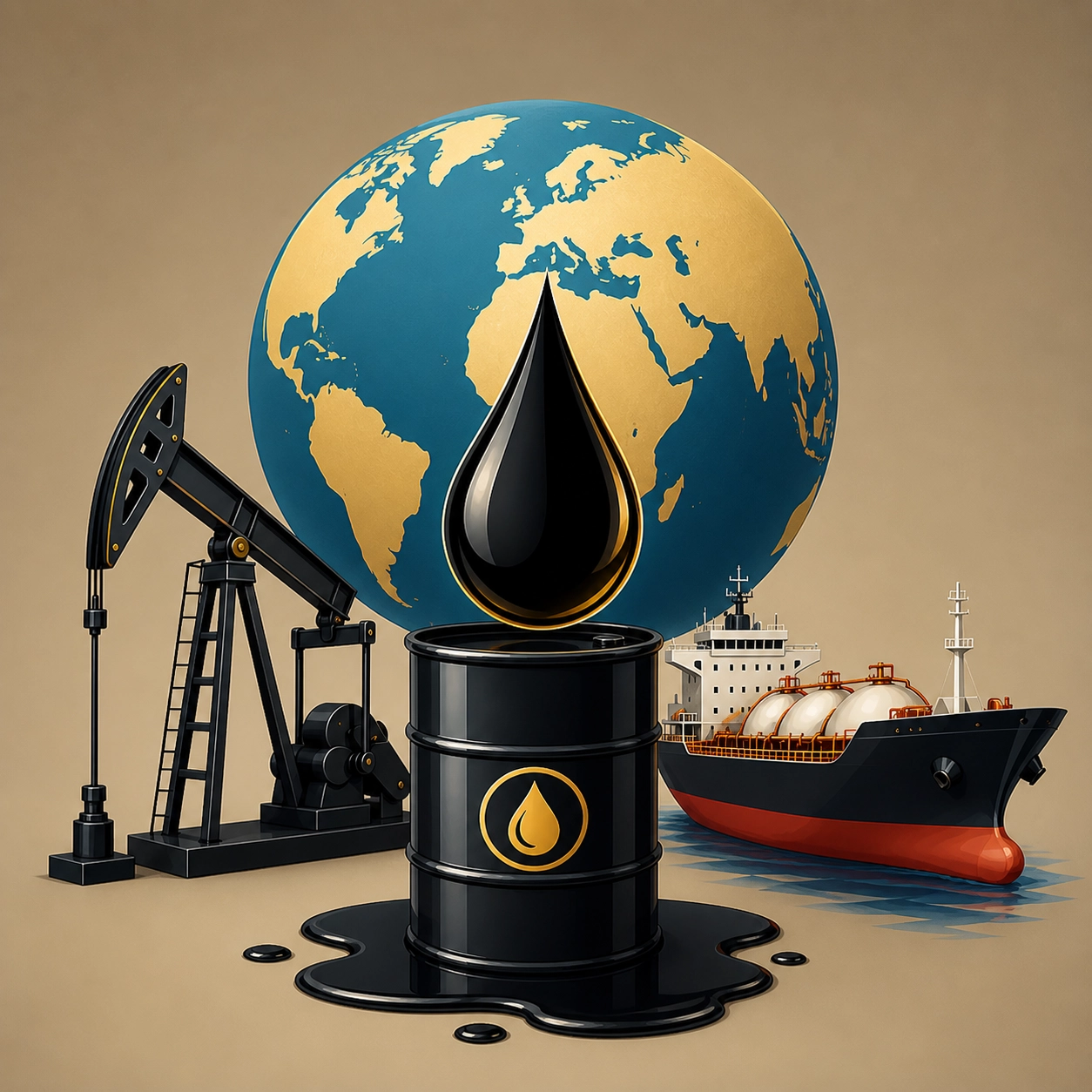 ओपेक यानी तेल निर्यातक देशों के संगठन का उदय तेल उत्पादक देशों की उस आकांक्षा से हुआ था, जिसके केंद्र में अपने संसाधनों, उत्पादन और आय पर अधिक नियंत्रण हासिल करने की इच्छा थी। 1960 में जब ईरान, इराक, कुवैत, सऊदी अरब और वेनेजुएला ने बगदाद में इस संगठन की स्थापना की, तो उनका उद्देश्य केवल तेल की कीमतों को प्रभावित करना नहीं था। इसके साथ वे उस वैश्विक व्यवस्था को भी बदलना चाहते थे, जिसमें तेल उत्पादक देशों के पास संसाधन तो थे, लेकिन कीमत, उत्पादन और आय पर निर्णायक प्रभाव विदेशी कंपनियों और उपभोक्ता देशों का था।
इस पृष्ठभूमि में संयुक्त अरब अमीरात (यूएई) का ओपेक और ओपेक प्लस से अलग होने को केवल उत्पादन कोटे पर मतभेद या क्षेत्रीय प्रतिस्पर्धा के रूप में देखना अधूरा होगा। यह ऊर्जा संप्रभुता की बदलती परिभाषा का संकेत है। 1960 में तेल उत्पादक देशों के लिए सामूहिक मंच बनाना जरूरी था, लेकिन आज 2026 में यूएई जैसे देशों को अपना हित स्वतंत्र निर्णय लेने में है। ओपेक ने तेल उत्पादक देशों को सामूहिक शक्ति दी थी। यूएई अब वही नियंत्रण सामूहिक उत्पादन सीमाओं के बजाय अपनी क्षमता, अवसंरचना और दीर्घकालिक राष्ट्रीय रणनीति के आधार पर हासिल करना चाहता है।
ओपेक की ऐतिहासिक भूमिका निर्विवाद है। उसने तेल उत्पादक देशों को अंतरराष्ट्रीय तेल कंपनियों और बड़े उपभोक्ता देशों के सामने सामूहिक शक्ति दी। 1970 के दशक में तेल केवल व्यापारिक वस्तु नहीं रहा, बल्कि वैश्विक राजनीति का केंद्रीय तत्व बन गया। सऊदी अरब ने अपने विशाल भंडार और अतिरिक्त उत्पादन क्षमता के कारण इस व्यवस्था में विशेष स्थान बनाया, लेकिन आज तेल बाजार पहले जैसा नहीं है। अमेरिका दुनिया का सबसे बड़ा कच्चा तेल उत्पादक है। रूस, कनाडा, ब्राजील, गुयाना और अन्य गैर-ओपेक तेल उत्पादक देश वैश्विक आपूर्ति को प्रभावित कर रहे हैं। 2016 में ओपेक प्लस का विस्तार इसी बदली हुई वास्तविकता की स्वीकृति था।
ओपेक अप्रासंगिक तो नहीं हुआ, लेकिन तेल बाजार अब उसकी मूल संरचना से आगे निकल चुका है। यूएई की रणनीति भी इसी से जुड़ी है। वह केवल तेल निर्यातक देश बनकर नहीं रहना चाहता, बल्कि वह ऊर्जा, लाजिस्टिक्स, वित्त, तकनीक और वैश्विक व्यापार में अपनी भूमिका बढ़ा रहा है। तेल उत्पादन सीमा से बंधे रहना उसकी व्यापक राष्ट्रीय रणनीति से मेल नहीं खाता। उसके लिए यह केवल तेल उत्पादन का विषय नहीं, बल्कि भविष्य की अर्थव्यवस्था से जुड़ा प्रश्न है। दुनिया में तेल की मांग अभी समाप्त नहीं हुई है, पर वैश्विक अर्थव्यवस्था धीरे-धीरे विद्युतीकरण, स्वच्छ ऊर्जा और जलवायु नीतियों की ओर बढ़ रही है।
ऐसे में कम लागत पर तेल निकालने वाले देशों के सामने बड़ा प्रश्न है कि क्या वे कीमतों को ऊंचा बनाए रखने के लिए उत्पादन सीमित रखें या अपने संसाधनों को समय रहते आय में बदलकर भविष्य की तैयारी करें? यूएई का झुकाव दूसरे विकल्प की ओर दिखाई देता है। ईरान-अमेरिका तनाव और होर्मुज स्ट्रेट के आसपास की अस्थिरता ने इस सोच को और प्रासंगिक बना दिया है। पाइपलाइन अवसंरचना के कारण यूएई के पास सीमित ही सही, लेकिन ऐसा विकल्प है, जो संकट के समय खरीदारों को अतिरिक्त भरोसा देता है। इसका महत्व एशिया के लिए विशेष है। भारत, चीन, जापान और दक्षिण कोरिया जैसे देश अब केवल तेल उपभोक्ता नहीं, बल्कि उसकी दिशा प्रभावित करने वाले बड़े आयातक हैं। उनकी मांग, रिफाइनिंग क्षमता और दीर्घकालिक अनुबंध तेल उत्पादक देशों की रणनीति को प्रभावित करते हैं। यदि यूएई अधिक लचीला और भरोसेमंद आपूर्तिकर्ता बनता है, तो एशियाई देशों की आपूर्ति सुरक्षा मजबूत हो सकती है और ऊर्जा कीमतों से जुड़ा आर्थिक दबाव कुछ कम हो सकता है।
अमेरिका ऐसी व्यवस्था को सकारात्मक मान सकता है, जिसमें तेल बाजार पर कुछ सीमित उत्पादकों का प्रभाव कम हो। रूस के लिए यह बदलाव मिश्रित है। जहां एक तरफ ओपेक प्लस ने उसे औपचारिक सदस्यता के बिना तेल समन्वय में भूमिका दी, वहीं दूसरी तरफ ओपेक के कम प्रभावी होने से उसका लाभ होना भी सुनिश्चित है। सऊदी अरब के लिए यूएई का निर्णय चुनौती है, लेकिन इसे क्षेत्रीय टकराव का नाम देना सही नहीं होगा। सऊदी अरब अपने तेल भंडार और उत्पादन क्षमता के कारण हमेशा महत्वपूर्ण बना रहेगा। यूएई का कदम इस तरफ इशारा करता है कि खाड़ी की ऊर्जा राजनीति अब अधिक विविध हो रही है। अब खाड़ी देश अपनी-अपनी ऊर्जा प्राथमिकताओं के अनुसार अलग रास्ते अपना सकते हैं।
चूंकि कई देश अब भी ओपेक को उपयोगी मानते हैं, इसलिए बड़े पैमाने पर सदस्य देशों के बाहर निकलने की संभावना कम है। फिर भी यूएई का कदम दिखाता है कि ओपेक पहले की तरह सभी सदस्यों को एक समान उत्पादन नीति में बांधकर नहीं रख पाएगा। ईरान के संदर्भ में भी संतुलन जरूरी है। उसके पास बड़े ऊर्जा संसाधन हैं, पर प्रतिबंधों और निवेश की कमी ने उसकी क्षमता सीमित कर दी है। ओपेक कमजोर होगा तो ईरान और खाड़ी देशों के बीच संवाद का एक मंच कमजोर पड़ सकता है। यह देखना भी महत्वपूर्ण होगा कि भविष्य में क्या कोई बदलाव ओआइसी और अरब लीग जैसे संगठनों में भी होंगे?

निष्पसता से सड़को का दुरूपयोग रोकिए
विभूति नारायण राय, ( पूर्व आईपीएस अधिकारी )
यह कहावत काफी हद तक सही है कि भारत एक धर्मप्राण या यूं कहिए कि एक धर्मभीरु समाज है। इसके भूगोल की आबोहवा, उपजाऊ धरती और समावेशी स्वभाव ने दुनिया भर के धर्मावलंबियों को यहां बसने के लिए प्रेरित किया और शायद इसीलिए विश्व का कोई भी धर्म ऐसा न होगा, जिसके मानने वाले यहां न मिलें। कई बार तो पृथ्वी के अन्य हिस्सों में अदृश्य हो चुके किसी छोटे से धर्म का सदस्य भारत के किसी कोने में प्रकट होकर नृतत्वशास्त्रियों को चकित कर देता है।
भारतीय संविधान इन सभी को अपने रीति-रिवाज़ मनाने की आजादी देता है। इस पर जरूर बहस होती रही है कि आस्था की अभिव्यक्ति किसी व्यक्तिगत संपत्ति या उपासना स्थल तक सीमित रखी जाए या उसका प्रदर्शन सार्वजनिक स्थानों पर भी किया जा सकता है। संख्या के लिहाज से सबसे बड़े हिंदू और इस्लाम मानने वालों द्वारा अक्सर सड़कों समेत अन्य सार्वजनिक स्थलों का प्रयोग अपने त्योहार को जोर-शोर से मनाने के लिए किया जाता रहा है। आजादी के पहले के भी पुलिसरिकॉर्ड ऐसे उल्लेखों से भरे हुए हैं, जिनमें मस्जिद के सामने बाजा बजाने या किसी खास मार्ग से ताजिए का जुलूस निकालने पर दो समुदायों के बीच दंगे भड़क उठे हो। सड़कों को घेरकर नमाज पढ़ने या उन पर महा आरती जैसे आयोजनों से शांति भंग की घटनाएं तो हाल के सालों में अक्सर हुई हैं।
सुप्रीम कोर्ट की एक हालिया टिप्पणी ने इन विवादों की तरफ हमारा ध्यान आकर्षित किया है। सर्वोच्च अदालत की नौ सदस्यीय पीठ सबरीमाला जैसे मामले में सार्वजनिक स्थलों पर धार्मिक स्वतंत्रता की सीमाओं के निर्धारण पर सुनवाई कर रही है। इसी सुनवाई के दौरान पीठ के कुछ सदस्य न्यायाधीशों ने सड़क समेत सार्वजनिक स्थलों को घेरकर वहां धार्मिक गतिविधियां आयोजित करने व लौकिक इस्तेमाल के लिए इन पर रोक लगाने संबंधी राज्य के अधिकारों पर टिप्पणियां कीं। उनके अनुसार, सड़क को धार्मिक कार्यों के लिए नहीं छेका जा सकता है और कार्यपालिका ऐसी गतिविधियों को प्रतिबंधित कर सकती है। यद्यपि यह टिप्पणी न्यायिक आदेश का हिस्सा नहीं बनी है, पर खुली अदालत में पीठ ने अपनी ऐसी मंशा तो प्रकट कर ही दी है, जिसके आगे चलकर दूरगामी परिणाम निकल सकते हैं।
यह स्वागत योग्य कदम है कि सबरीमाला में रजस्वला स्त्रियों के प्रवेश से उपजा विमर्श धार्मिक गतिविधियों में राज्य के तर्कसंगत प्रतिबंधों तक पहुंच गया है। बढ़ती आबादी वाले देश में बार-बार यह रेखांकित करना आवश्यक है कि सड़कें मुख्य रूप से चलने के लिए बनी हैं। यातायात रोककर उन पर नमाज पढ़ना या पूजा-पाठ करना न सिर्फ सहन नहीं किया जाना चाहिए, उसे दंडनीय अपराध भी बनाया जाना चाहिए। कानून के अभाव से भी ज्यादा उसे लागू करने के लिए जरूरी इच्छाशक्ति की कभी के चलते आज हमारी हर सड़क अतिक्रमण का शिकार बन गई है। कानून को ठेंगे पर रखने वाला कोई नागरिक उन पर घर बना सकता है, वहां से अपनी व्यावसायिक गतिविधियां संचालित कर सकता है, उन पर मल-मूत्र विसर्जित कर सकता है या किसी उत्सव के दौरान उनको बेखौफ घेर सकता है। ऐसे में, सबसे बेचारा उस पर चलने वाला, खास तौर से पैदल यात्री होता है।
कुछ वर्षों पूर्व मैं एक फेलोशिप के तहत सांप्रदायिक हिंसा पर काम कर रहा था, तब मैंने पाया कि 90 प्रतिशत से अधिक दंगे सार्वजनिक स्थलों से जुड़े विवादों से उपजे थे। ज्यादातर मामलों में शांति व्यवस्था लागू करने वाली एजेंसियों की लापरवाही से इन मतभेदों का समय से हल नहीं निकल पाया, फलस्वरूप हिंसक प्रतिक्रियाएं सामने आई पूर्व आईपी अधिकारी एस टी हालिंस ने अपनी
पुस्तक नो टेन कमांडमेंट्स में अपनी सीतापुर जिले की पुलिस कप्तानी के दौर की एक घटना का जिक्र किया है, जिसमें गलत रास्ते पर बढ़ चले मोहर्रम के जुलूस के चलते भीषण सांप्रदायिक हिंसा हो गई थी। 1930 के दशक का यह अनुभव सौ साल बाद भी प्रासंगिक है।
यह तर्क कि राज्य को धार्मिक प्रथाओं या उनके निजी कानूनों में | दखल नहीं देना चाहिए, कितना खोखला है, इस तथ्य से समझा जा सकता है कि यदि राज्यने हस्तक्षेपन किया होता, तो शायद आज भी हिंदू समाजका अभिशाप सती प्रथा बनी रहती या अस्पृश्यता अब भी किसी न किसी रूप में जीवित होती । इसी तरह, तलाकशुदा मुस्लिम औरतों को भरण-पोषण और संपत्ति में भाई-बहनों को बराबरी का अधिकार या एक बैठक में तीन तलाक से मुक्ति नहीं मिली होती । लगभग सभी धर्मों में ऐसे प्रावधान हैं, जो स्त्रियों को पुरुषों से कमतर आंकते हैं। अच्छा तो यही होता कि धर्म समय के अनुसार खुद ही बदलते और लैंगिक समानता को स्वीकार कर लेते, पर दुर्भाग्य से इस बदलाव के लिए अधिकांश धर्माचार्य तैयार नहीं हैं। वे किसी भी परिवर्तन को रोकने की प्राणपण से कोशिश करते हैं और यदि बदलाव होता भी है, तो उसकी गति धैर्य की परीक्षा लेने वाली होती है ऐसे में राज्य हस्तक्षेप न कर अपने वैधानिक कर्तव्यों से च्युत तो होता ही है, हाशिये पर मौजूद आधी आबादी को भी उन लोगों के हवाले छोड़ देता है, जिनकी आस्था लैंगिक समानता मे रत्ती भर नहीं है।
दुर्भाग्य से राज्य अक्सर उस इच्छाशक्ति का प्रदर्शन नहीं करता, जो इन दूरगामी परिणामों वाले परिवर्तनों के लिए आवश्यक हैं। इन मामलों में राज्य से यह अपेक्षा अनुचित नहीं होगी कि उसकी कार्रवाई बिना किसी भेदभाव के होगी। जिस तरह सड़क पर मुसलमानों को नमाज पढ़ने से रोका जाएगा, उसी अर्थ में हिंदुओं को भी सार्वजनिक स्थलों पर धार्मिक त्योहार मनाने की इजाजत नहीं होगी। यदि राज्य की देहभाषा धर्मनिरपेक्ष हो, तो सार्वजनिक स्थलों का धार्मिक उपयोग रोकना भी संभव हो सकेगा। इन सबके लिए राज्य को अपने अंदर वह इच्छाशक्ति पैदा करनी पड़ेगी, जो सुनिश्चित कर सके कि सड़कें सिर्फ चलने के लिए बनी हैं। उम्मीद है, राज्य जरूरी इच्छाशक्ति का प्रदर्शन करेगा।
Date: 02-05-26
धार्मिक आयोजनों को ऐसे रोकना गलत
स्वामी यतींद्रानंद गिरि, ( महामंडलेश्वर, जूना अखाड़ा )
 सुप्रीम कोर्ट की नौ जजों की संविधान पीठ इन दिनों भारत धार्मिक अधिकारों और आजादी से जुड़े सात सवालों की जांच कर रही है। यूं तो ये सवाल सबरीमाला मंदिर प्रकरण से जुड़े हुए हैं, लेकिन इन पर आए फैसलों का असर दूरगामी होगा।
इस मामले की सुनवाई के दौरान कतिपय न्यायमूर्तियों ने टिप्पणी की है कि धार्मिक आयोजनोंके लिए सड़कों को बंद करना गलत है और यह नहीं होना चाहिए। माननीय न्यायालय के प्रति पूरी सदाशयता रखते हुए भी यह टिप्पणी तर्कपूर्ण और न्यायसंगत नहीं कही जा सकती। किसी भी समाज की रचना केवल व्यक्तियों से नहीं होती। उसकी रचना में धर्म, अध्यात्म, संस्कृति, परंपरा, पर्व, झांकी, मेले, यात्रा, इन सभी का महत्व होता है और इनके कारण ही सभ्यताओं का उदय हुआ है, उनका विकास हुआ है। निस्संदेह, हर देश की शासन व्यवस्था उसके संविधान के अनुसार चलती है, किंतु संविधान भी उस देश के समाज की भावनाओं के अनुरूप होना चाहिए। ऐसे में, यह कहना कि धार्मिक आयोजनों या कार्यक्रमों के दौरान यातायात अर्थात सड़क बंद नहीं होनी चाहिए, व्यावहारिक नहीं है। क्या धार्मिक शोभायात्राएं कलश यात्राएंव अन्य धार्मिक कार्यक्रम बंद कर देने चाहिए? यह उचित नहीं है।
हरेक देश और समाज की अपनी-अपनी परंपराएं होती हैं। प्रत्येक समाज आस्था, श्रद्धा, विश्वास की नींव पर खड़ा होता है। ऐसे में, सभी धार्मिक आयोजन लोगों के अंदरनव ऊर्जा, नवीन चेतना, नए उत्साह, उमंग, साहस, सामर्थ्य, सामूहिकता-बोध, सेवाभाव बढ़ाने वाले होते हैं। इनके जरिये परमात्मा के प्रति लोगों की निष्ठा, श्रद्धा और आस्था मजबूत होती है। यही नहीं, इन धार्मिक आयोजनों के दौरान अरबों-खरबों रुपये के आर्थिक लेन-देन और व्यापार होते हैं। हजारों-लाखों देशवासियों का रोजगार इन धार्मिक आयोजनों से जुड़ा है। कुछ लोगों का रवैया धर्म के विपरीत रहा है। ऐसे लोग ही इस प्रकार की चर्चा करते हैं। अब विचार कीजिए, श्रावण के महीने में हरिद्वार से कांवड़ उठती है, कांवड़ यात्राओं के दौरान मार्ग बंद किए जाते हैं। इसके किनारे के नियमित व्यापार प्रभावित होते हैं, किंतु इसका दूसरा पहलू भी है। हरिद्वार की यह कांवड़ यात्रा मात्र 10 दिन में करोड़ों काव्यवसाय देती है। आज कांवड़ यात्रियों की संख्याचार करोड़ तक जा पहुंची है। नौ राज्य इससे जुड़ते हैं। कांवड़-यात्रा के साथ उससे जुड़ा कारोबार बढ़ा है। प्रदेश सरकारों का राजस्व बढ़ा है। केंद्र सरकार की भी जीएसटी के रूप में आयु बढ़ी है। जहां इतना बड़ा समागम हो, वहां सड़कों का इस्तेमाल किए बिना व्यवस्था कहां से होगी ?
शासन-प्रशासन के पास हरेक धार्मिक यात्रा, पर्व और आयोजनों की विधिवत सूची होती है। उनमें जुटने वाली भीड़ के अनुसार वह व्यवस्था करता है। भारत की अर्थव्यवस्था में आज धार्मिक योगदान कहीं अधिक है। किसी समय यह योगदान केवल दो से चार प्रतिशत था। आज यह 18 से 25 फीसदी तक जा पहुंचा है। इसलिए, धर्म और अध्यात्म को आप अलग नहीं कर सकते। पूरी दुनिया ने महाकुंभ की व्यवस्था देखी। यहां बीआईपी और सामान्य जन सभी ने स्नान किया। ऐसी व्यवस्था देखकर सब आश्चर्यचकित थे।
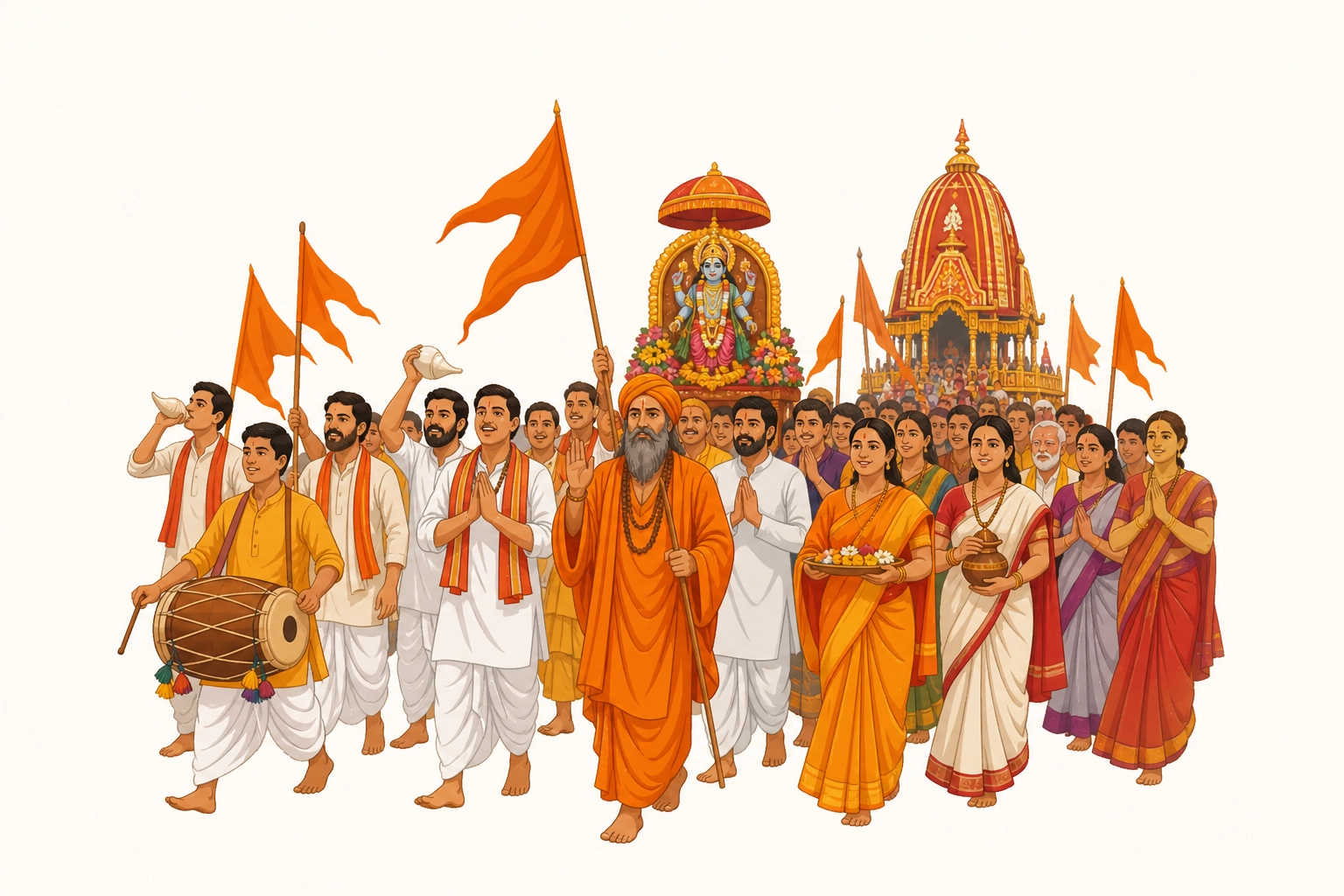
सामाजिक हित में कुछ व्यवस्था निश्चित रूप से करनी होंगी। सड़कें सिर्फ नियमित आवागमन के लिए हैं, इस तर्क को मान लिया जाए, तब तो सारे धार्मिक आयोजन बंद करने पड़ जाएंगे, यह संभव नहीं है। यह समाज का प्राणवायु है। न्यायालयों को देश के अंदर फलती-फूलती वीवीआईपी संस्कृति पर टिप्पणी करनी चाहिए, जिसके कारण एक बीवीआईपी चलता है, तो घंटों पहले रास्ते बंद कर दिए जाते हैं। जब भी कोई वीवीआईपी आता है, तो पूरे शहर में जैसे जनता कर्फ्यू लगा दिया जाता है। इसको रोकने की जरूरत है। विभिन्न धार्मिक पर्वो पर होने वाले कार्यक्रम, महापुरुषों की शोभायात्राएं, झांकियां संतों श्रद्धालुओं के लिए अति आवश्यक गतिविधियां हैं। सरकारों व प्रशासन को इनका प्रबंधन करना ही चाहिए। आज भारत की जनसंख्या 150 करोड़ के लगभग है। ऐसे में, अपने धार्मिक उत्सव आखिर कहां करने जाएं? यही धार्मिक समारोह समाज के अंदर शांति, सद्भाव की भावना प्रदान करते हैं। भगवान जगन्नाथ की रथयात्रा संपूर्ण जगत में श्रद्धा का केंद्र है। वह सड़क हजारों लोगों की दैनिक आवाजाही का मार्ग है क्या रथयात्रा बंद की जा सकती है?
इसी तरह देश के आदर्श प्रभु श्रीराम की शोभायात्रा से नवयुवकों में सेवा समर्पण का भाव उमड़ता है, श्री हनुमानजी की शोभायात्रा आस्तिकों को कर्तव्य निष्ठा का पाठ पढ़ाती है, उनके बिना हम हिंदू समाज के उत्सव की कल्पना ही नहीं कर सकते। महर्षि वाल्मीकि, रविदास जैसे महापुरुषों की शोभायात्रा, महाराणा प्रताप और छत्रपति शिवाजी जैसे महापुरुषों की वीरगाथा को प्रदर्शित करने वाली शोभायात्राओं के लिए अगर 2-4 घंटे मार्ग बंद हो सकते हैं, तो कौन सी बड़ी बात हो जाएगी ? आम तौर पर स्थानीय प्रशासन यातायात के वैकल्पिक मार्ग की व्यवस्था करता ही है समस्या तब खड़ी होती है, जब प्रशासन की तरफ से पर्याप्त व्यवस्था नहीं की जाती। यह किसी एक धर्म या समाज की बात नहीं है। दुनिया के तमाम देशों में धार्मिक यात्राओं का एक इतिहास रहा है और श्रद्धालुओं की उनके प्रति आस्था का सम्मान किया जाता है। हमारे देश में भी इसकी समृद्ध परंपरा है।
प्रत्येक जुलूस और शोभायात्रा समाज की आस्था का विषय है। जिस प्रकार से ‘वीवीआईपी मूवमेंट’ के लिए सरकार और प्रशासन चौक-चौबंद व्यवस्था करती है, उसी प्रकार धार्मिक आयोजनों के लिए सरकारें सुरक्षा की व्यवस्था क्यों नहीं कर सकती ? आज के दौर में, जब चारों तरफ सड़कों का जाल बिछ रहा है, धार्मिक आयोजनों को जन असुविधा के लिए लक्षित किया जाना उचित नहीं है । इसे अपनी जिम्मेदारियों से पलायन और धर्म पर आरोपण ही माना जाएगा।