
03-02-2026 (Important News Clippings)
To Download Click Here.
 Date: 03-02-26
Golden Handshake
GOI and RBI must seriously think about mobilising the 35,000-odd tonnes of gold with Indian households.
TOI Editorials
Gold’s fall over the past four days may have left you feeling poorer. That’s normal – economists call it ‘wealth effect’. But look at the brighter side: every ounce of gold you’ve held on to since Jan 25, 2025 is about 70% pricier even now. You are, therefore, richer. And pundits are predicting you’ll be richer still before this year’s out. Swiss bank UBS has projected a peak of $6,200 per ounce, US bank JP Morgan’s eyeing $6,300. Either scenario more than doubles the worth of your gold hoard.
Why is this happening? Thank, or blame, Trump. His tariffs, and war with Jerome Powell at the Fed, spooked investors last year, and gold, like Forrest Gump , hasn’t stopped running since. It sometimes runs backward, like it’s doing now, and sometimes forward, but Trump never lets it catch its breath. And prodding gold is easy for a US prez: rattle his sabre at Iran, or threaten to grab “Iceland”, although he means Greenland. By merely naming Kevin Warsh as his pick to replace Powell, he’s got dollar up and gold down. It’s crazy, and if $6,300 is the horizon, you haven’t seen half of it yet.
But make the most of it while you can. By last Dec, gold’s rally had already made Indian households richer by ₹117L cr – well over a trillion dollars. That’s because Indian households own almost as much gold as all of the world’s central banks combined – roughly 35,000 tonnes, per a Morgan Stanley estimate. That also happens to be roughly a fifth of all the gold ever mined. Now, India isn’t a big producer of gold, so it has to do all of its buying outside, in forex. But the mountain of mostly unused jewellery at home is a mine in itself. Just 1% of it is enough to meet all of the world’s industrial needs – electronics, dentistry, etc – for a year. And 3% is way more than RBI’s 880-tonne stash of gold that’s propped up forex reserves while foreign capital leaves.
Mobilising the gold we have within the country can save $50-60bn in import costs every year. For that, GOI and RBI must devise a mechanism that makes selling household gold safe and easy. People should have the option to cash out or retain their assayed gold holding in demat form. Plus, by buying physical gold, they can increase money in people’s hands that can be invested or spent for a solid boost to the economy.

A cautious nudge
Only structural change can restore the balance in fiscal federalism
Editorial
In its much-awaited recommendations, which were also tabled on Sunday, the Sixteenth Finance Commission (FC-16), as anticipated, has recommended that the vertical devolution ratio — the States’ share in the divisible pool of Central taxes — be retained at 41% for the period 2026-31. States want this to be 50%. This is despite the Commission acknowledging the tightening fiscal space States face under the GST framework, and that the growing mismatch between expenditure responsibilities and assured revenues has increasingly left them with “recourse to market borrowings” as the principal adjustment mechanism. Predictably, several States have criticised the projected devolutions for the coming fiscal but have also cautiously welcomed a tweak in the horizontal devolution formula. The FC-16 has reworked the earlier “tax effort” criterion into a broader “contribution to GDP” measure and raised its weight sharply — from 2.5% under the FC-15 to 10%. This change is intended to reward productive and efficient States and represents a modest but meaningful attempt to link governance outcomes with fiscal transfers.
However, the resulting gains are deliberately restrained. The FC-16 makes it clear that any restructuring of horizontal devolution must be undertaken “gradually”, to avoid abrupt redistributive shocks to States that are more dependent on transfers. Accordingly, the weight accorded to demographic performance has been reduced, reflecting the view that penalising population growth is no longer appropriate at a time when India is close to the peak of its demographic dividend. Conversely, the weight for population size has been modestly increased. The net effect is that industrialised States such as Tamil Nadu and Maharashtra see only incremental improvements in their inter-State shares. This caution is understandable but also underscores the limits of the Commission’s ambition. A stronger signal could have been sent through a staggered increase in vertical devolution, for instance by committing to raise the States’ share to 45% by 2031, expanding discretionary fiscal space while preserving stability. The FC-16 flags the shrinking of the effective divisible pool due to cesses and surcharges but stops short of correcting this by recommending their inclusion in the pool. To be sure, total transfers to States are budgeted to rise by 12.2% between 2025-26 (RE) and 2026-27 (BE). But ₹1.2 lakh crore — or about 42% of this increase — is from revenue transfers under Centrally Sponsored Schemes, reinforcing a governance model in which States act as implementers of priorities set in New Delhi. The FC-16’s recommendations recognise the stresses in State finances but do not push for the structural change needed to restore the balance in fiscal federalism.
Date: 03-02-26
A full stop
Making access to menstrual hygiene for girls a fundamental right is a big step
Editorial
The perspicacious judgment of the Supreme Court last week encapsulating the right to menstrual health and hygiene into the fundamental right to life and dignity under Article 21 of the Constitution is precisely the kind of intervention needed, with all the power of Thor’s hammer. A Bench of Justices J.B. Pardiwala and R. Mahadevan wrote in their sterling judgment that takes a rare, rights-based, 360 degree view of the problem: “Autonomy can be meaningfully exercised only when girl children have access to functional toilets, adequate menstrual products, availability of water, and hygienic mechanisms for disposal.” Shifting the onus, the judges called upon the state to make menstrual health accessible to all girls and remove the triptych of stigma, stereotyping and humiliation that girls who do not have access to these facilities are regularly subject to. The judges noted that this violates the bodily autonomy of menstruating girl children. Terming it as ‘menstrual poverty’, the Bench said that it hinders menstruating girls from exercising their right to education with dignity equal to their male counterparts, or students who can afford sanitary products. The Court ordered States and Union Territories to ensure that every school has functional, gender-segregated toilets, and wrote in punitive action for non-compliance. The state will be held accountable if government-run schools did not comply, and private schools can be derecognised.
The lack of access to health-care products during menstruation, even clean water and toilets, arises from a clear, gendered lack of equity. While the National Family Health Survey (NFHS)-5 data claim that the percentage of women aged 15-24 years using hygienic methods during their menstrual cycles has risen to 77.3% in NFHS-5 from 57.6% in NFHS-4, it still leaves about a fourth of all women of eligible age in the country adrift, without support. While the Ministry of Drinking Water and Sanitation under the Swachh Bharat Abhiyan has said that it has developed guidelines on menstrual hygiene management for creating awareness in rural areas, implementation has always been patchy and the energy is project-based, not sustained. Fragmented, though well-meaning, efforts by non-governmental organisations have formed the bulk of interventions for years now, but the ability to erase the stigma requires a larger force to act. With the judgment there is finally a chance of that happening. Commitment from a policy and financial perspective alone can ensure menstrual hygiene for all young girls and women and enable them to achieve their full potential. As the judges said, inspired by the motto of The Pad Project: “A period should end a sentence, not a girl’s education.”
Date: 03-02-26
Wetlands as a national public good
There is a need to shift the focus from ‘projects’ to programmes and ‘beautification’ to ecological functionality, and ensure watershed-scale governance
Dr. Soumya Swaminathan, [ Chairperson, M.S. Swaminathan Research Foundation (MSSRF).]
Rupesh K. Bhomia, [ Director – Wetlands, M.S. Swaminathan Research Foundation (MSSRF).]

On February 2, 2026, the world marked World Wetlands Day 2026 under the theme, ‘Wetlands and traditional knowledge: Celebrating cultural heritage’. In India, this theme feels especially apt. There is a rich history of communities sustaining themselves through wetlands following practices that inherently safeguarded ecosystems.
Traditional practices in Tamil Nadu’s wetlands revolve around ancient water management and community livelihoods, human-made tanks or kulams, forming cascading irrigation networks for paddy and other crops. In Wayanad, Kerala, shallow wells called kenis, crafted over 200 years ago, support drinking water, rituals, and festivals, while wetlands in Srikakulam, Andhra Pradesh, sustain traditional fishing practices. Such stories can be told from any part of India, where communities have thrived for generations around wetlands that are both ecology and economy, habitat and heritage, essential to social wellbeing.
But we must be honest. Although the benefits and services of wetlands abound, wetlands remain among the most threatened ecosystems because they sit at the intersection of land, water, and development.
Policy background, challenges at home
Policy and regulatory frameworks are often blamed, but India does not lack laws. It lacks consistent, high-quality implementation. The Wetlands (Conservation and Management) Rules, 2017 provide a framework for identifying, notifying, and managing wetlands through authorities to restrict damaging activities. However, nearly 40% of India’s wetlands have vanished over the last three decades, and around 50% of what remains show signs of ecological degradation.
Updated guidelines under the National Plan for Conservation of Aquatic Ecosystems (NPCA) push for structured planning, monitoring and outcome-oriented management. The Coastal Regulation Zone (CRZ) framework aims to maintain the ecological integrity of coastal wetlands, while Ramsar site designation offers global recognition and responsibility. The 98 Ramsar sites in India are not just badges but commitments that encourage action.
These instruments span freshwater, coastal, urban, natural, riparian and high-altitude wetland but must be coordinated into a single operational rhythm that starts with mapping, leads to notification and enhanced protection, enables restoration where needed, and continues monitoring through adaptive management.
Through site-based wetland conservation and restoration initiatives, organisations such as the M.S. Swaminathan Research Foundation have worked with State governments, local communities and stakeholders to support wetland mapping, participatory management planning, and livelihood-linked conservation.
Wetlands are “multiple-use” systems, which make them valuable and vulnerable. In a highly populated country, encroachment and land conversion have already erased around 40% of natural wetlands, replacing them with infrastructure, real estate and road networks. Even where wetlands persist, their catchments are often irreversibly altered, and old cadastral maps rarely match current ground realities.
Wetlands rely on timing and flow of water. Dams, embankments, channelisation, sand mining and groundwater over-extraction disrupt these flows, eroding their natural characteristics. Riparian wetlands and floodplains are especially vulnerable because they are treated as spare land rather than active river space. Urban wetlands are expected to store floodwater, receive storm runoff, absorb sewage, and remain clean and biodiverse, often without legal buffers.
Growing pollution results in the eutrophication of water bodies when untreated sewage, industrial effluents, agricultural runoff, and solid waste are pushed into wetlands. When a wetland becomes a dumping ground, its biodiversity collapses, along with its ability to buffer floods and purify water. In coastal areas, sea-level rise, cyclones and shoreline change collide with ports, tourism, aquaculture and settlement growth. Mangroves and lagoons face a double bind: development pressure on landward sides and rising seas on seaward sides, leaving them little room to migrate.
Lastly, a major challenge is capacity constraints. State wetland authorities are often understaffed, underfunded, and stretched across competing mandates. Training gaps in hydrology, ecology, GIS, legal enforcement, and community engagement often translate into weak management plans, weaker implementation and continued degradation of valuable wetlands.
Pragmatic and contextual approaches
There is an urgent need to shift from “projects” to programmes, from “beautification” to ecological functionality, and from “departmental silos” to watershed-scale governance. Through coordinated, efficiently monitored approaches, we can begin to address this complex problem.
Here are some ideas to start with.
First, notification and safety of wetland boundaries. The 2017 Rules are only as strong as notification and demarcation, which should be paired with publicly accessible maps, grievance redress and participatory ground-truthing with communities where disputes are likely.
Second, treat wastewater before it meets wetlands. For urban and peri-urban wetlands, a key action is ensuring treated inflows. Wetlands cannot substitute for sewage treatment plants. Where feasible, constructed wetlands can complement but not replace primary treatment.
Third, protect the wetland’s catchment and hydrological connectivity. Wetlands must be managed as part of a basin or catchment system — restore feeder channels, prevent blockages by roads and embankments, stop solid waste dumping, and regulate extraction that alters water regimes.
Fourth, make coastal and riparian wetlands central to disaster risk reduction. Mangroves, mudflats, floodplains, and urban wetlands are nature-based infrastructure. Planning authorities should treat them as risk buffers, worthy of investment comparable to “grey” infrastructure. CRZ enforcement should be paired with livelihood-sensitive approaches that support coastal communities while defending ecological no-go areas.
Fifth, build skills and institutions. A national capacity mission for wetland managers with accredited training in hydrology, restoration ecology, GIS/remote sensing, environmental law and community-led governance. NPCA investments can be more transformative if paired with systematic capacity building and measurable performance indicators, including direct livelihood benefits to local communities.
There are already strides in this direction, with enhanced attention being given to wetlands by various state and non-state actors, and it deserves amplification. Better mapping and monitoring are now possible through satellite remote sensing, drones, and time-series analytics to track encroachment, inundation, and vegetation change.
Updated NPCA guidelines enable science-based, monitorable management plans for outcome-oriented design, while Ramsar’s focus on clear boundaries and wise use aligns with India’s needs — especially through community stewardship.
The 2026 World Wetlands Day theme highlights traditional knowledge that can strengthen restoration and compliance when treated as evidence.
Align science and policy
World Wetlands Day 2026 may have passed but let us make a societal pact. Governments must notify, enforce, fund, and coordinate; cities must stop treating wetlands as wastelands; industry must prevent pollution at source; research and education institutions must train the next cadre of wetland managers; and citizens must defend local lakes, ponds, floodplains, mangroves, and springs as shared heritage.
If we align science with policy, and policy with people drawing strength from both modern tools and traditional wisdom, we can restore wetlands not as museum pieces, but as thriving, working ecosystems. The future of India’s water — and a significant part of India’s resilience — depends on it.

समानता की अनदेखी करने वाले नियम
डॉ. ब्रजेश कुमार तिवारी, ( लेखक जेएनयू के अटल स्कूल आफ मैनेजमेंट में प्रोफेसर हैं )
पिछले दिनों विश्वविद्यालय अनुदान आयोग (यूजीसी) ने प्रमोशन आफ इक्विटी इन हायर एजुकेशन इंस्टीट्यूशंस रेगुलेशंस, 2026 नाम से एक नोटिफिकेशन जारी किया। इन नियमों का मकसद शैक्षणिक संस्थानों से धर्म, जाति, लिंग, जन्मस्थान, नस्ल या दिव्यांगता के आधार पर भेदभाव को खत्म करना था, लेकिन इन नियमों ने व्यापक विवाद को जन्म दिया। सामान्य वर्ग के छात्र इस आशंका से घिर गए कि इन नियमों में उन्हें पहले से ही अपराधी मान लिया गया है। फिलहाल सुप्रीम कोर्ट ने इस पर रोक लगा दी है।
इन नियमों में शिकायत की सत्यता जांचने या झूठी शिकायतों को छांटने का कोई ठोस प्रविधान नहीं दिखता। हर आरोप पर तुरंत समिति बैठाकर तेज कार्यवाही तो तय है, लेकिन साक्ष्य की परख, गवाहों की सुनवाई, गोपनीयता और अपील जैसी प्रक्रिया को स्पष्ट रूप से परिभाषित नहीं किया गया है। आरोप लगते ही कार्रवाई होने की जल्दी में सही जांच कैसे होगी? यह बड़ा सवाल है। सवाल यह भी है कि यूजीसी की नई गाइडलाइन राष्ट्रीय शिक्षा नीति-2020 के लक्ष्यों और संवैधानिक निष्पक्षता के बीच कैसे सामंजस्य स्थापित कर पाएगी? वास्तव में न्याय न सिर्फ होना चाहिए, बल्कि होते दिखना भी चाहिए, अन्यथा भरोसा टूट जाता है।
कानूनी दृष्टिकोण से अनुच्छेद-14 के हिसाब से देखें तो यूजीसी के नए नियम समानता के अधिकारों की अनदेखी करते हैं, जबकि अनुच्छेद-15(1) जाति के आधार पर भेदभाव को रोकने का प्रविधान करता है। अदालतों ने कई बार माना है कि गरिमा, निष्पक्षता और उचित प्रक्रियाओं तक पहुंच जीवन और व्यक्तिगत स्वतंत्रता के अधिकार का अभिन्न अंग है। यदि किसी शिक्षक या छात्र को जाति आधारित भेदभाव का सामना करना पड़ता है और वह अनुसूचित जाति या जनजाति या फिर ओबीसी में नहीं आता, तो उसके पास बचाव का कोई कानून न होना प्रक्रियात्मक अन्याय है। बड़ी बात यह है कि यूजीसी गाइडलाइन की धाराएं आपस में ही मेल नहीं खातीं। नियम-2 वंचित समूहों के खिलाफ भेदभाव मिटाने की बात करता है, दूसरी ओर नियम-3(सी) न्याय के अधिकार को केवल कुछ जातियों तक सीमित कर देता है।
पिछले वर्ष फरवरी में यूजीसी ने नियमों का मसौदा संस्करण सार्वजनिक सुझावों के लिए जारी किया था। इसमें अन्य पिछड़ा वर्ग (ओबीसी) को जाति-आधारित भेदभाव के दायरे से बाहर रखा गया था। मसौदा नियमों में यह भी प्रस्ताव था कि भेदभाव की झूठी शिकायतों को ‘हतोत्साहित’ किया जाए और इसके लिए जुर्माने का प्रविधान रखा गया था, लेकिन अंतिम अधिसूचित नियमों में झूठी शिकायतों से संबंधित प्रविधान हटा दिया। वास्तव में झूठी या दुर्भावनापूर्ण शिकायतों से निपटने वाले प्रविधानों को हटाना इस गाइडलाइन के लिए ढांचागत कमजोरी के रूप में सामने आया।
अखिल भारतीय उच्च शिक्षा सर्वेक्षण 2021-22 के अनुसार उच्च शिक्षा में 60 प्रतिशत विद्यार्थी आरक्षित वर्ग से थे। ऐसे में यह भी बड़ा सवाल है कि इन 60 प्रतिशत विद्यार्थियों में ही कोई किसी का जाति आधारित भेदभाव करता है तो क्या होगा? इस पर ये नियम चुप हैं। जिस प्रकार अनुसूचित जाति/जनजाति अत्याचार निवारण अधिनियम, 1989 और दहेज उत्पीड़न विरोधी धारा-498 ए के तहत कई बार ऐसे उदाहरण मिले हैं जहां झूठे या गलत मामले दर्ज कराए गए और निर्दोष फंसे, वैसा ही खतरा यूजीसी के समता नियमों में भी दिख रहा था। स्वयं सुप्रीम कोर्ट ने 2018 में इनके दुरुपयोग पर चिंता जताते हुए गिरफ्तारी से पहले प्राथमिक जांच सुझाए थे।
दुनिया भर के प्रसिद्ध विश्वविद्यालय और शिक्षण प्रणालियां भी विविधता और समानता के सिद्धांत अपनाती हैं। अमेरिका के प्रत्येक विश्वविद्यालय के पास एक स्वतंत्र इकाई होती है, जो भेदभाव या उत्पीड़न की शिकायतों की जांच करती है। इस जांच प्रक्रिया में शिकायतकर्ता और आरोपी, दोनों के अधिकारों का ध्यान रखा जाता है। जांच प्रोटोकाल में साक्ष्यों के मानक, अपील का अवसर, गोपनीयता आदि को स्पष्ट रूप से परिभाषित किया जाता है, ताकि न्याय हो भी और होता हुआ दिखे भी।
अक्सर वहां बाहरी या तटस्थ जांचकर्ता नियुक्त किया जाता है, रिपोर्ट लिखित रूप में तैयार होती है और दोनों पक्षों को अपना पक्ष रखने का पूरा मौका मिलता है। इसी तरह ब्रिटेन, आस्ट्रेलिया आदि की उच्च शिक्षण संस्थानों में भी एंटी-डिस्क्रिमिनेशन नीतियां सबके लिए समान होती हैं। कोई भी छात्र यदि उत्पीड़न झेलता है, चाहे वह अल्पसंख्यक समूह का हो या बहुसंख्यक का, उसके लिए शिकायत दर्ज करने और न्याय पाने का प्रविधान होता है।
हार्वर्ड, आक्सफोर्ड आदि ने नियमित सेंसिटाइजेशन वर्कशाप, मेंटारिंग प्रोग्राम और डायवर्सिटी कोर्स-वर्क शुरू किए हैं, ताकि छात्र-छात्राओं में पारस्परिक सम्मान एवं संवेदनशीलता विकसित हो। समता का वास्तविक अर्थ है सभी के साथ न्याय। एक कमजोर को ताकत देकर दूसरे को कमजोर करना समाधान नहीं। सभी को साथ लेकर चलना ही टिकाऊ रास्ता है। भारत एक लोकतांत्रिक राष्ट्र है, जहां कानून सबके लिए बराबर होता है। यही हमारे संविधान का मूलभाव है। अगर कहीं सामान्य वर्ग के छात्र के साथ गलत हो रहा है, तो उसे भी न्याय मिलना चाहिए। ऐसा वातावरण बनाने पर भी काम हो, जहां शिकायत की नौबत कम आए।

क्रिकेट में कटुता
संपादकीय
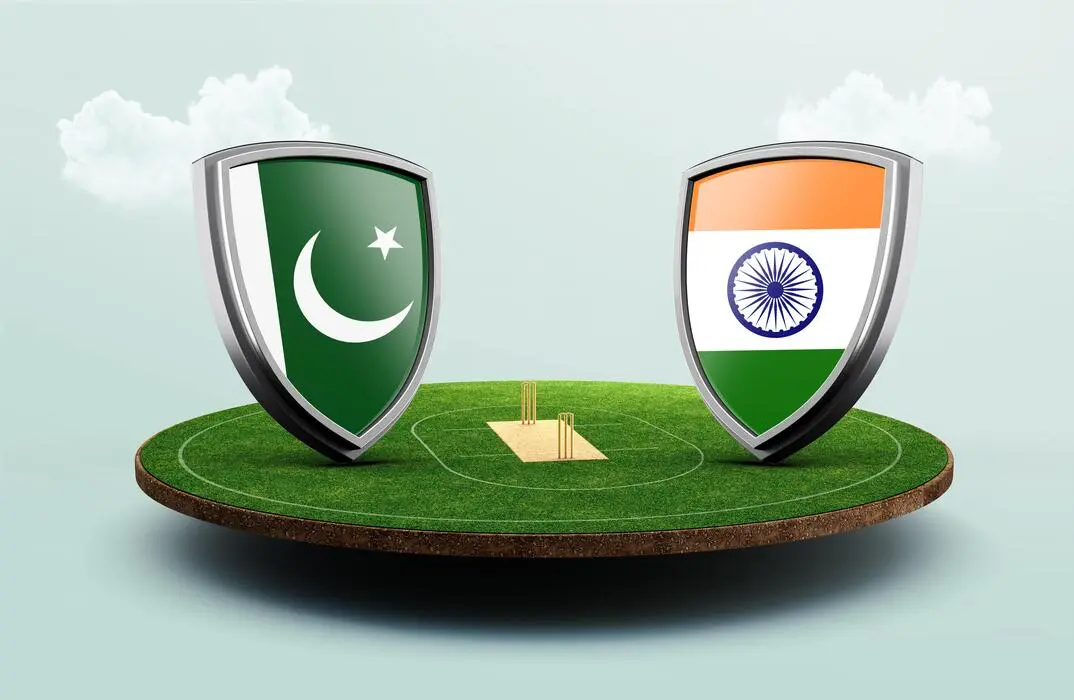
विश्व क्रिकेट में पैदा ताजा तनाव दुखद और निराशाजनक है। आगामी 15 फरवरी को कोलंबो में भारत और पाकिस्तान के बीच मुकाबला तय था, पर पाकिस्तान सरकार ने भारत के खिलाफ होने वाले मैच से हटने का फैसला सुनाकर अपनी बेवजह की दुश्मनी का इजहार कर दिया है। ध्यान रहे कि पहले टी-20 विश्व कप का आयोजन भारत में ही होना था, मगर पाकिस्तान ने भारत में खेलने पर आपत्ति जताई थी और इसी वजह से श्रीलंका को भी आयोजक के रूप में शामिल किया गया।
पाकिस्तान इस टूर्नामेंट में अपने सारे मुकाबले श्रीलंका में ही खेलने वाला है, वह खेलेगा, लेकिन भारत के खिलाफ नहीं। अब क्रिकेट की विश्व संस्था आईसीसी में नाराजगी है और आयोजकों को घाटा होना तय है। सबसे बड़ी बात यह कि पाकिस्तान सरकार ने भारत के खिलाफ न खेलने का कोई कारण नहीं बताया है। वैसे, आईसीसी की ओर से अभी भी यह कोशिश जारी है कि पाकिस्तान क्रिकेट बोर्ड कोई ऐसा फैसला न करे, जिससे क्रिकेट को नुकसान पहुंचे।
कोई दोराय नहीं है कि पाकिस्तानी क्रिकेट पर पूरी तरह से राजनीति हावी हो गई है। विडंबना यह है कि पाकिस्तान के साथ क्रिकेट न खेलने की मांग भारत में ज्यादा होती है और न खेलने का फैसला उसने किया है। हम यह मानते हैं कि जो देश हमें आतंकवाद से पीड़ित करता है, उसके साथ हम क्रिकेट नहीं खेल सकते। यही कारण है कि भारतीय क्रिकेट टीम साल 2008 के बाद कभी पाकिस्तान नहीं गई है। इससे पाकिस्तान में क्रिकेट को बहुत नुकसान हुआ है, मगर पाकिस्तानी हुक्मरान इस पहलू को मानने से हिचकते हैं। वहां का क्रिकेट बोर्ड अपने खर्चे के लिए विश्व क्रिकेट पर निर्भर है और विश्व क्रिकेट में 80 प्रतिशत से भी ज्यादा पैसा भारतीय है। अपनी कट्टर और खोखली सियासत से प्रभावित पाकिस्तान को यह मानने में बहुत परेशानी होती है कि विश्व क्रिकेट को चलाए रखने में भारत का सर्वाधिक योगदान है। पाकिस्तान अपनी भारत विरोधी नीतियों में सुधार के लिए तैयार नहीं है। शायद उसे लगता है, भारत या भारतीय बोर्ड उसका कुछ नहीं बिगाड़ सकता। मिसाल के लिए, एशिया कप की ट्रॉफी भी पाकिस्तानी बोर्ड के अध्यक्ष ने विजेता भारत को नहीं सौंपी है। बड़ा सवाल है कि जो भारतीय बोर्ड अपने हिस्से की ट्रॉफी नहीं ले पाया, वह अब आगे क्या कड़े कदम उठाएगा ?
वैसे, अनुमान है, इस बार भारतीय बोर्ड कड़े कदम उठाएगा, क्योंकि भारत-पाकिस्तान मैच की भारी मांग होती है। प्रसारण के समय दस-दस सेकंड के विज्ञापनों की कीमत 40 लाख रुपये तक पहुंच जाती है। अब समय आ गया है, जब भारतीय बोर्ड को कमाई के साथ सम्मान की भी चिंता करनी पड़ेगी। अगर भारत क्रिकेट की महाशक्ति है, तो यह सच संतुलित और न्यायपूर्ण ढंग से दुनिया के सामने आना चाहिए। भारतीय क्रिकेट प्रेमियों की भावना के साथ खिलवाड़ रुकना चाहिए। विश्व क्रिकेट को पहले बांग्लादेश और अब पाकिस्तान ने जिस तरह चोट पहुंचाने की कोशिश की है, उसकी भरपाई होनी चाहिए। भारत को यह भी सुनिश्चित करना चाहिए कि क्रिकेट सियासत का जरिया बनकर समस्याओं को न बढ़ाए। असंख्य भारतीयों की धारणा है कि पाकिस्तान के साथ क्रिकेट नहीं खेलना चाहिए, मगर भारतीय बोर्ड जहां भी पाकिस्तान के साथ खेलना जरूरी होता है, कोई न कोई राह निकालता आया है। यह भारत की भलमनसाहत है, पर पाकिस्तान ने इसका जैसा उत्तर दिया है, उसका अनुकूल प्रति उत्तर अवश्य जाना चाहिए।