
24-01-2026 (Important News Clippings)
To Download Click Here.
 Date: 24-01-26
The Himalaya’s Vanishing Snow?
Though it’s finally snowing heavily in Uttarakhand, white mountaintops in winters are no longer guaranteed. Because two major weather systems, monsoon and Western Disturbance, have changed behaviour
Mohd Farooq Azam, [ The writer is a glacio-hydrologist, working with ICIMOD (International Centre for Integrated Mountain Development), Nepal ]
The Himalayan region, encompassing the river systems of the mighty Indus, Ganga, and Brahmaputra, contains over 42,000 km 2 of areas covered by glaciers and nearly 1.6mn km 2 of seasonal snow cover. While it is known that glaciers are retreating due to climate change and regional warming, rapid decline in seasonal snow cover has received far less attention. Yet, notwithstanding current snowfall in Uttarakhand, this change carries equally serious consequences.
Together, these river basins support nearly 600,000 km 2 of irrigated land and about 26,000 megawatts of hydropower capacity. Any alteration in meltwater availability directly affects the livelihoods of nearly 1.1bn people downstream.
Decline in seasonal snow cover is not driven solely by rising temperatures or the shift from snowfall to rainfall. Climate change is also altering the behaviour of the two major circulation systems that bring moisture to the Himalaya in summer and winter. One is the monsoon.
Second, the ‘Western Disturbance’. This is an extra-tropical cyclone that develops in the Mediterranean, bringing sudden winter rain, sleet, and snow to the Hindu Kush Himalaya region, and maintaining the flow of northern rivers. Its changes are reshaping when, where, and how precipitation falls across the region.
● Seasonal snow acts as a natural reservoir, storing water during winter and releasing it gradually in spring and early summer. Recent observations underline the seriousness of the situation. The seasonal Snow Update released by the International Centre for Integrated Mountain Development (ICIMOD) in April 2025 showed that snow persistence during the Nov 2024 and March 2025 season reached its lowest level since 2003, with a deficit of 23.6% compared to the long-term average.
This marked 2024-2025 as the third consecutive winter of below-normal snowfall. The ongoing winter has continued this trend, with large parts of the Himalaya receiving little to no snow, confirming the emergence of a widespread snow drought. Uttarakhand, Himachal Pradesh, Jammu & Kashmir, and Ladakh experienced almost no precipitation through Dec 2025, with only a few weak snowfall events in early Jan 2026.
Against this backdrop of prolonged dryness, IMD issued a forecast on Thursday, predicting an intense Western Disturbance that could bring snowfall to higher elevations of Jammu & Kashmir, Ladakh, Himachal Pradesh, Uttarakhand, and adjoining regions of western Nepal between Thursday-Friday, followed by another event later in the month. Yesterday, as forecasted, it snowed. However, such short-lived spells are unlikely to make up for an otherwise dry winter.
Studies indicate that Western Disturbances, which bring most of Himalaya’s winter precipitation, are becoming more variable as large-scale atmospheric circulation changes. Warming over the Arctic and the Tibetan Plateau may be influencing the subtropical jet stream that steers these systems, possibly leading to altered storm tracks and reduced snowfall in some Himalayan areas.
● Seasonal snow is critical for glacier health, especially in the Indus Basin, which contains nearly 70% of the Himalayan glacier ice volume. Snow cover reflects solar radiation and insulates glacier ice, slowing melt. Reduced winter snowfall exposes glacier ice earlier in the spring, lengthens the melting season, and accelerates mass loss from glaciers already under stress from rising temperatures.
While rainfall dominates river flows in the Brahmaputra and Ganga basins, snowmelt contributes up to 40% of total runoff in the Indus Basin, and even up to 60% in certain sub-basins. A decline in winter snow therefore reduces spring meltwater, increases dependence on groundwater, and raises the risk of drought. Over time, this can disrupt agri cycles and food security, reduce hydropower generation, and increase flood risk due to altered flow patterns, particularly during the pre-monsoon season.
Impacts are especially severe in high-altitude cold desert regions such as Ladakh in India, and Humla, Jumla, and Mustang in Nepal, where glaciers lie above 5,000 metres. Here, glacier melt peaks in summer rather than spring, creating a mismatch with irrigation demand.
The unusually low snowfall this winter has caused serious concern among farmers, because they fear drought and crop failures, especially for staples such as barley and oats. In Ladakh, artificial ice reservoirs have been developed as an adaptation measure and provide limited relief, but their scale remains small and their long-term effectiveness uncertain.
Reduced winter snow cover also significantly increases forest fire risk. Lower snow accumulation means less moisture stored in soils, earlier drying of vegetation, and longer fire seasons. This creates a dangerous feedback loop in which fires further degrade ecosystems and intensify regional warming.
● Tourism sector is also seeing the impact of declining snow. In the north Indian Himalayan Region, Gulmarg received some snowfall only in early Jan 2026, while Auli experienced snow after a delayed arrival of Western Disturbances in the third week of Jan. Lack of snow in Dec 2025 led to widespread cancellations and delayed ski operations. In Manali, artificial snow had to be produced to sustain tourism. Although the ongoing late snowfall offers temporary relief, the growing unreliability of winter snow is threatening the long-term sustainability of mountain tourism.
Steady loss of winter snow makes it clear that Himalayan water management can no longer rely on past patterns. Strengthening drought preparedness, improving monitoring of snow and meltwater, and investing in efficient water storage systems are now essential. Since rivers flow across borders, coordinated regional action will be critical to manage the shared risks created by declining snow cover.
The Himalaya is warming nearly twice as fast as the global average, and snow is its most sensitive indicator. When the snow disappears, it is not merely a mountain problem – it is a warning for the entire subcontinent.

Right to dignity
Governments must ensure equitable pay for ASHA workers
Editorial
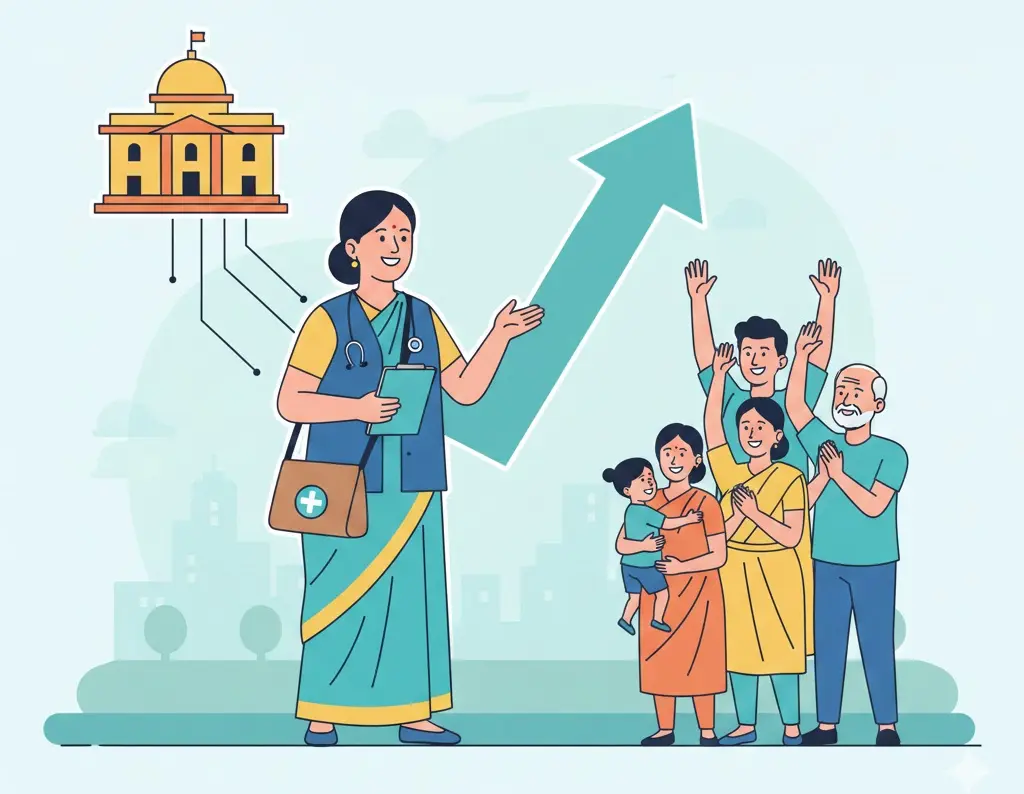 The ongoing protests by ASHA and anganwadi workers in West Bengal demanding their wages be increased to ₹15,000 a month is a sour reminder of efforts to deny them permanent employee status despite their centrality to many national and State welfare schemes. The Indira Gandhi government denied the first of many of these workers ‘worker’ status under the Integrated Child Development Scheme (ICDS), laying a foundation that India has continued to build on to bypass labour laws. As the workload increased, the formation of a national union followed in 1989, but even in the liberalisation era, the state created the category of ‘scheme workers’ and expanded social schemes but not permanent government jobs. The State of Karnataka vs Ameerbi (1996) — tribunal decision — further excluded anganwadi workers from the set of government employees even as the top court expanded the right to food, and thus the need for these workers, in 2004. The ASHA programme took root in the mid-2000s and followed a similar trajectory, with the government framing them as ‘activists’. Worse, in the 2010s, when the government, employers, and workers’ unions recommended job regularisation, minimum wages, and pension and gratuity for ASHA workers at the 45th Labour Conference, successive UPA and NDA governments chose not to implement this. In 2015, the NDA government slashed the ICDS budget, and these workers have been protesting since at regular intervals just to make ends meet.
The Centre also froze its contribution to these workers’ pay in 2018, in effect leaving ASHA and anganwadi personnel to absorb fiscal shocks. Together with the lack of a guarantee of better working conditions for gig workers in the new labour codes, the state has effectively exited the social contract for many of its most vulnerable labourers in favour of promoting business metrics and more fiscal headroom at the Centre. States do wield more power in hiring and dispute resolution and are also more vulnerable to electoral pressure, which unions have taken advantage of, but there is also considerable disparity between States. As central honoraria stagnated, States were compelled to top up payments from their own budgets. Predictably, wealthier States and those facing sustained Union pressure have been able to offer more or additional benefits than fiscally constrained ones. Nonetheless, it is unconscionable that the practice of denying these workers their due still continues to be knowingly exploitative. The Centre must legally reclassify these ‘volunteers’ as statutory employees under the Code on Social Security, guaranteeing minimum wages and pension coverage. The Centre and States must also bridge fiscal gaps to ensure equitable pay across regions. Only by institutionalising these protections can India grant these essential workers their rightful dignity.

एआई के सभी स्तरों पर काम करना जरूरी है
संपादकीय
दावोस वर्ल्ड इकॉनोमिक फोरम में भारत के मंत्री ने एक पेनल डिस्कशन में आईएमएफ की उस रिपोर्ट पर प्रश्न चिह्न लगाया, जिसमें भारत को एआई राष्ट्रों की रैंकिंग में सेकंड – टीयर में रखा गया है। मंत्री ने कहा कि एआई आर्किटेक्चर के पांच स्तर होते हैं- एप्लीकेशन, मॉडल, चिप्स, इन्फ्रास्ट्रक्चर और एनर्जी । उनके अनुसार भारत दुनिया का सबसे बड़ा एप्लीकेशन सर्विस देने वाला देश होगा। इसके जरिये उद्योग एआई की सेवाएं ले कर आरओआई (निवेश पर लाभ) बेहतर करेंगे। मंत्री का कहना सही है लेकिन क्या भारत ने अन्य चार स्तरों पर भी उतनी ही तेजी से कार्य किया है? चीनी सरकार ने एआई उपक्रमों के लिए बिजली दर आधी कर दी है और कर्मचारियों के लिए परिवहन फ्री है। यह सब अमेरिका भी नहीं कर सका है। क्या सरकार ने चिप-निर्माण में बिजली-पानी की असाधारण जरूरत की तैयारी की है? क्या चिप पर देश की संस्थाओं में बड़ा शोध हो रहा है? मंत्री के इस कथन के एक माह पहले दुनिया की सबसे बड़ी एआई – चिप कंपनी एनवीडिया के प्रमुख ने भी एक इंटरव्यू में एआई आर्किटेक्चर के पांच लेयर्स का जिक्र किया था, लेकिन उनका क्रम मंत्री के क्रम से ठीक उलट था । उन्होंने ऊर्जा, चिप, इन्फ्रास्ट्रक्चर, मॉडल और सबसे अंत में एप्लीकेशन को रखा था। क्या हम अन्य स्तरों पर अपनी तैयारी को लेकर दावा कर सकते हैं?

ट्रंप की निजी जागीर
संपादकीय
 अमेरिकी राष्ट्रपति डोनाल्ड ट्रंप ने अपनी ओर से गठित बोर्ड ऑफ पीस में शामिल होने का निमंत्रण कनाडा से जिस तरह वापस लिया, वह उनके अस्थिर और मनमाने व्यवहार का ताजा उदाहरण है। इस बोर्ड के गठन का उद्देश्य इजरायली हमले में तबाह हुए गाजा का विकास करना है। ट्रंप ने करीब 60 देशों को इसमें शामिल होने का निमंत्रण दिया था, जिनमें भारत भी है। पिछले दिनों दावोस में उन्होंने 19 देशों के साथ इस बोर्ड की औपचारिक शुरुआत भी कर दी, लेकिन उसके कुछ ही घंटों बाद कनाडा को उससे बाहर भी कर दिया। ट्रंप ने यह फैसला कनाडा के प्रधानमंत्री मार्क कार्नी के दावोस में ही दिए गए उस संबोधन से खफा होकर लिया, जिसमें उन्होंने महाशक्तियों की मनमानी की पोल खोलते हुए अमेरिका को खास तौर पर खरी-खरी सुनाई थी। इस संबोधन ने इसलिए दुनिया भर का ध्यान खींचा, क्योंकि इसमें यह साफ कहा गया था कि अमेरिका जैसे शक्तिशाली देशों की ओर से बनाई गई नियम आधारित विश्व व्यवस्था आंशिक रूप से झूठी थी। कार्नी का यह भी कहना था कि जब अमेरिका मनमानी कर रहा है, तब अन्य देशों को एकजुट होना होगा। स्पष्ट है कि ट्रंप को यह रास नहीं आया। वे उनसे इसलिए भी चिढ़े हुए हैं, क्योंकि उन्होंने चीन से संबंध सुधारने की पहल की है।
ट्रंप ने जिस तरह कनाडा को बोर्ड ऑफ पीस से बाहर किया, उससे इसकी ही पुष्टि होती है कि यह निकाय उनकी निजी जागीर है और इसे वह मनमाने तरीके से ही चलाने वाले हैं। वे इसके जरिये कथित तौर पर केवल गाजा का ही विकास करने की बातें नहीं कर रहे हैं, बल्कि अन्य संघर्षों से निपटने के लिए भी इसका इस्तेमाल करने के संकेत दे रहे हैं। आखिर जो काम संयुक्त राष्ट्र को करना चाहिए, उसे ट्रंप अपनी आजीवन अध्यक्षता वाले बोर्ड से क्यों करना चाहते हैं? चूंकि वे ऐसे ही इरादे जता रहे हैं, इसलिए इस बोर्ड से अधिकांश प्रमुख देशों ने दूरी बना रखी है। यह एक तरह से ट्रंप को दी जाने वाली चुनौती है। फिलहाल भारत भी बोर्ड ऑफ पीस से दूर है। यह ठीक भी है, क्योंकि इसमें वह पाकिस्तान भी शामिल है, जो आतंकवाद के साथ उस हमास का भी समर्थक है, जिसने इजरायल पर भीषण आतंकी हमला किया था। इस हमले के जवाब में ही इजरायल ने गाजा में विध्वंसक कार्रवाई की। चिंताजनक केवल यह नहीं है कि ट्रंप अंतरराष्ट्रीय नियमों की धज्जियां उड़ाने के साथ संयुक्त राष्ट्र समेत अन्य वैश्विक संस्थाओं से अमेरिका को अलग करते जा रहे हैं, बल्कि यह भी है कि वे बोर्ड ऑफ पीस सहित अपनी कई पहलों से यह जता रहे हैं कि दुनिया उनके हिसाब से ही चले। इसी कारण उनकी साख रसातल में है और उनके प्रति संशय बढ़ता जा रहा है।