
04-10-2025 (Important News Clippings)
To Download Click Here.

Domestic vitality
Domestic firms show more faith in India than foreign investors
Editorial
The latest data on investment announcements in the country paint a mixed picture, with varying policy implications. New project announcements by the private sector overall rose to nearly a 15-month high in the first half of this financial year to ₹9.9 lakh crore. Such investments have historically been driven by Indian firms, but that concentration has intensified in the last few years. While Indian firms accounted for 77% of all private sector announcements in 2018-19, that share was 94% in the first half of the current financial year. Taken together, these data points underscore a diametrically opposite outlook on the Indian economy held by domestic and foreign firms. Domestic firms seem increasingly optimistic. It remains to be seen how many of these announcements fructify, but the data show that the value of projects actually completed by Indian firms was also at a near 15-month high so far this fiscal. This should come as a relief to the government, which has been pushing the private sector to invest more. The data also show that most of these new investments are to be in the manufacturing sector — another strong positive for the economy. A large part of these new investments was announced before the GST rate cuts were first made public on August 15, implying the private sector’s confidence goes deeper than an expectation of a temporary demand boost. If the investments do come through, that will leave the government with more fiscal room to address developmental and defence issues, both of which need its attention.
Foreign firms, on the other hand, do not seem quite as convinced by the India story. The value of project announcements by foreign companies fell to ₹0.6 lakh crore in the first half of FY26, marking the third consecutive year of decline during this period, and also a five-year low. Several global factors have certainly dampened investor sentiment ever since the COVID-19 pandemic, but the fact remains that global investment outflows nevertheless increased 11% in 2024 and 3% in 2023. While the latest tariff friction with the U.S. would have shaken some confidence in India as an investment destination this year, the government needs to figure out why foreign companies were looking elsewhere even before. The data also reveal that fresh announcements by the government stood at ₹1.5 lakh crore during the period under review, down 71% over the same period last year. This is in line with the Centre’s warnings that it will not be growing its capex as fast as before. However, with the government and foreign companies pulling back, the pressure on Indian firms increases. Simultaneously, the urgency to keep this momentum going through ease of doing business reforms also sharpens.
Date: 04-10-25
Peace mirage
The Trump plan serves Israeli goals and does little for Palestinians
Editorial
President Donald Trump’s 20-point “peace plan” for Gaza has won rare approval from Israel and key Arab countries. While Israel Prime Minister Benjamin Netanyahu says it aligns with Israel’s war objectives, Arab and Muslim leaders have welcomed the initiative as a step towards peace. But one truly important voice is missing — that of any representative of the Palestinian people. When the latest phase of the Gaza war began, following Hamas’s October 7, 2023 attack, Israel vowed to “destroy” the Islamist militant group. Two years on, Israel has turned Gaza into dust and displaced the entire population. Yet, Hamas has not been totally defeated. Any lasting peace hinges on an agreement between Israel and true representatives of Palestinians, even if Hamas is to be kept out. Mr. Trump and Mr. Netanyahu have issued an ultimatum to Hamas: accept the plan or face continued Israeli attacks. The Trump plan promises an immediate ceasefire in return for the release of all hostages. It further states that Palestinians will not be forced to leave. For a population living in makeshift shelters, a ceasefire and the permission to stay on will be a relief. But beyond this veneer of concession, the rest of the plan is structured almost entirely to serve Israeli interests.
It proposes to place Gaza under an international governance body overseen by a ‘Board of Peace’, chaired by Mr. Trump. The plan further calls for the deployment of an International Stabilisation Force (ISF) in Gaza, while allowing the Israeli troops to retain “a security perimeter”. Hamas will have to demobilise itself. In essence, Gaza would be placed under a new colonial-type administration and a foreign military force, while Israel would continue to occupy parts of the enclave. Palestinians will be excluded from the top decision making bodies until “reforms of the Palestinian Authority are complete”. This is a plan written in sand. Even if Hamas were to accept the proposal and disband itself, or if Palestinians were to reject Hamas completely, there is no assurance that the Palestinian resistance will wither away. Without a credible pathway to Palestinian statehood, violence will continue in one form or another — the message of October 7. The plan offers no timeline for its lofty goals; it does not specify which countries would contribute troops to the ISF; nor does it clarify who would oversee the implementation process or the “reforms” within the Palestinian Authority. Rather than forcing his ally to end its daily attacks on Palestinians and withdraw through a ceasefire for hostages agreement, Mr. Trump is making an already intractable conflict more complicated. This proposal will not win him peace. Rather, it will drag him deeper into the quicksand of West Asia.
Date: 04-10-25
India’s clean energy rise needs climate finance expansion
Without this, India will struggle to meet its climate targets
Flavia Lopes & Balakrishnan Pisupati, [ Flavia Lopes is Programme, United Nations Environment Programme (UNEP) India. & Balakrishna Pisupati is Head, United Nations Environment Programme (UNEP) India. ]
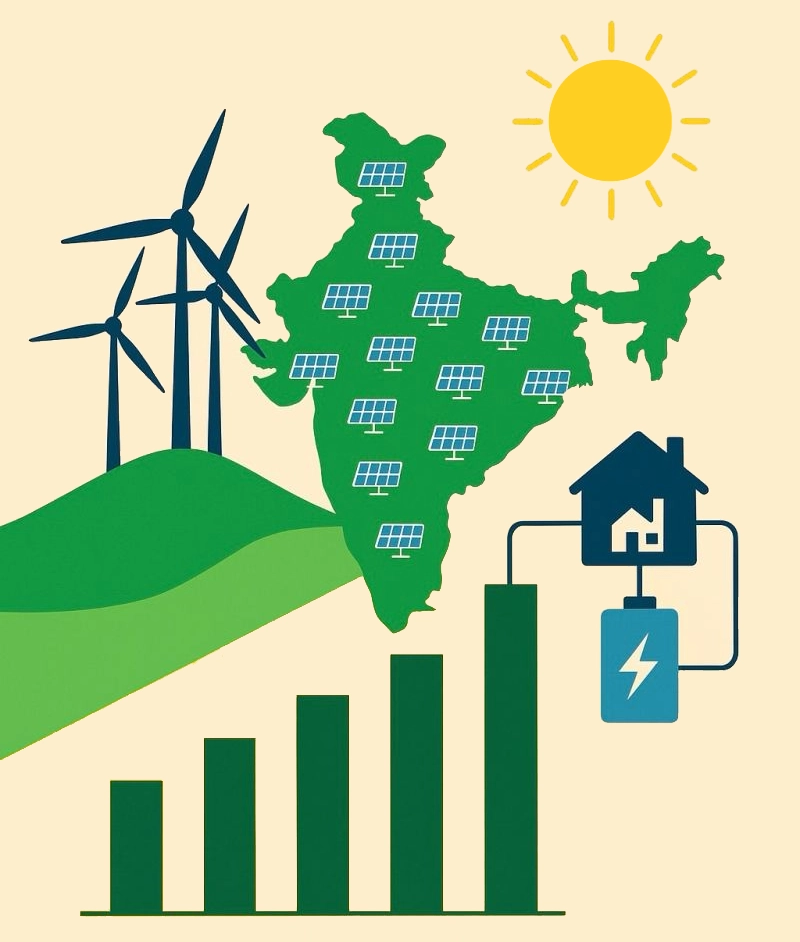 India’s clean energy transition is gaining momentum. In 2024, India added 24.5 gigawatts (GW) of solar energy capacity, making it the third largest contributor globally after China and the United States, making it a key player in the global shift towards renewables.
The United Nations Secretary-General’s 2025 Climate Report recognises India, alongside Brazil and China, as a leading developing country in scaling solar and wind energy. In 2023, the renewable energy sector employed over a million people, contributing to 5% of GDP growth. Of this, off-grid solar alone employed over 80,000 people in 2021. India’s leadership in establishing the International Solar Alliance (ISA) is laudable.
The critical gap
But this impressive momentum needs a consistent push. Beneath the headlines lies a critical gap — the financial scaffolding that is needed to sustain and scale this transition. Without a dramatic expansion of climate finance, India will struggle to meet its climate targets.
The economic case for clean energy has solid basis. According to the International Renewable Energy Agency (IRENA), if India follows a 1.5°C-aligned pathway, it could achieve average annual GDP growth of 2.8% through 2050, more than double the G-20 average. Battery-integrated renewables, decentralised grids and green hydrogen technologies are all creating new opportunities for inclusive, future-ready growth. Yet, this momentum hinges on the missing piece of climate finance.
The size of India’s climate finance gap is wide. Recent estimates indicate a requirement of $1.5 trillion by 2030 to stay on a 1.5°C pathway, while the Ministry of Finance places the figure at over $2.5 trillion by 2030 to meet national targets. This includes capital for expanding renewables, strengthening the electricity grid, deploying battery storage, scaling up green hydrogen, and transitioning to sustainable transport and agriculture. The current flow of climate finance falls well short of this target.
By December 2024, India’s cumulative aligned green, social, sustainability and sustainability-linked (GSS+) debt issuance had reached $55.9 billion, representing a 186% increase since 2021, with green bonds accounting for 83% of total aligned issuance. The trajectory remains strong, with green bond investment in India crossing $45 billion in 2025, and sustainable finance targets aiming for $100 billion by 2030, indicating robust private sector engagement.
However, the challenge of expanding beyond large corporates remains valid. While the private sector was responsible for 84% of the total green bond issuance, access for micro, small, and medium enterprises, agri-tech innovators, and local infrastructure developers continues to need enhancement through concessional finance and risk-sharing mechanisms. India’s successful solar energy auctions under the Solar Park Scheme have been cited as one initiative in support of attracting private financing. Similarly, India’s issuance of sovereign green bonds and the success of Securities and Exchange Board of India (SEBI)-regulated social bonds have channelled private capital into climate action, education and health care.
Changes to strategy
To unlock this gap in finance, India must diversify and deepen its climate finance strategy, starting with public finance. National and State governments can use Budget allocations and fiscal tools to attract private capital and de-risk green investments.
Blended finance can bridge this divide. While concessional finance and risk-sharing mechanisms are often referenced, there is a need to examine how they work across sectors, scales and investor profiles. Credit enhancement instruments such as partial guarantees or subordinated debt can improve the risk-return profile of green projects, making them more attractive to private lenders. Similarly, performance or loan guarantees can unlock finance for mid-sized clean energy infrastructure in Tier II and III cities, where governance and delivery risks may deter investors.
Scaling such models will require unlocking domestic institutional capital, from pension funds, insurers and sovereign wealth funds. India, too, can unlock similar potential by enabling its institutional investors such as the Employees’ Provident Fund Organisation or the Life Insurance Corporation, to allocate a portion of their portfolios to climate-aligned investments. This would require regulatory reforms such as clearer environmental, social, and governance investment guidelines, risk mitigation instruments and long-term green project pipelines.
Tap carbon markets
Policy and institutional support are critical. Carbon markets offer another avenue. India’s new Carbon Credit Trading Scheme could unlock new finance streams if it is transparent, well regulated and equitable. Equally urgent is financing for adaptation and loss and damage.
India must lead not just on clean energy but also on climate finance innovation, with visible, scalable breakthroughs. This can be through blockchain for tracking climate finance, Artificial Intelligence-driven risk assessment for green portfolios, or tailored blended finance models that reflect India’s unique social, environmental and economic realities.

जेन-जी का दिल कैसे जीतें? ये 6 तरीके आजमाकर देखें
चेतन भगत, ( अंग्रेजी के उपन्यासकार )
एक अन्यथा उनींदे-से पहाड़ी देश में हुए विद्रोह ने दुनिया को सबसे शक्तिशाली सामाजिक समूह के बारे में सोचने को मजबूर कर दिया। यह समूह है- जेन-जी। नेपाल में सरकार का तख्ता पलट करने वाले हालिया प्रदर्शन इसलिए हुए थे, क्योंकि युवा पीढ़ी ने आंदोलन की बागडोर सम्भाल ली थी। और वह भी इसलिए कि सरकार ने उनसे उनका इंटरनेट छीन लिया था। एक जमान था, जब फावड़ा-कुदाल लेकर आते किसानों से राजनेता खौफ खाते थे। लेकिन अब उन्हें रिंग लाइट्स लेकर आए युवाओं से डरना पड़ेगा। पहला सबक ये है कि युवाओं से उनका इंटरनेट कभी न छीनें।
भारत में भी तभी से विशेषज्ञ यह समझने की कोशिश में हैं कि हमारे अपने देश के जेन-जी आखिर क्या कर रहे हैं, और आगे क्या करेंगे। वे खुश हैं या उनमें ऐसी कोई सामूहिक निराशा है, जिसके बारे में हमें पता नहीं है। 1997 और 2012 के बीच जन्मे युवाओं को जेन-जी माना जाता है। आज की बात करें तो ये 13 से 28 वर्ष के युवा हैं। फैसले लेने की हैसियत को लेकर अकसर उन्हें गंभीरता से नहीं लिया जाता, फिर भी ब्रांड्स, एंटरटेनर्स, मीडिया के लोग, शिक्षक, राजनेता- सभी उन्हें लुभाने की कोशिश में रहते हैं। राहुल गांधी का जेन-जी तक सीधे पहुंच बनाने का हाई प्रोफाइल प्रयास सबसे नया है। भारत की जनसांख्यिकी में जेन-जी ना केवल बड़ी संख्या में हैं, बल्कि डिजिटली-कनेक्टेड भी हैं। वे हमेशा इंस्टाग्राम, रेडिट, डिस्कोर्ड, एक्स पर आपस में बातचीत करते रहते हैं और बड़े बदलाव लाने में सक्षम हैं।
अलबत्ता, ब्रांड्स या राजनेताओं के लिए जेन-जी का दिल जीतना आसान नहीं। कइयों ने ऐसी कोशिशें की, लेकिन विफल रहे। कुछ ने तो जेन-जी का गुस्सा तक मोल ले लिया। और जेन-जी का गुस्सा बहुत भारी पड़ता है। वे आपके मीम्स बनाएंगे, आपको कैंसल करेंगे, आपके बिजनेस मॉडल को नष्ट कर देंगे, चुनाव हरा देंगे, फिल्म फ्लॉप करेंगे और जैसा कि नेपाल में हुआ- सरकार को उखाड़ फेंकेंगे। तो मान लीजिए कि जेन-जी कोड का कोई ‘क्रैक’ नहीं है। फिर भी कोई ऐसा करना चाहे तो उसके लिए ये छह गाइडलाइन्स हैं।
1. उनकी बुद्धिमत्ता का सम्मान करें : जब आप जेन-जी को इमोजी के जरिए बातें करते देखते हैं, तो उन्हें जज करना मुश्किल है। या तब जब वे घंटों रील्स देखते हैं, या किसी कोरियाई शो या लाबुबु टॉय के लिए दीवाने हो जाते हैं। लेकिन वे स्मार्ट हैं। वे गूगल के साथ बड़े हुए हैं और अब तो उनके पास चैटजीपीटी भी है। वे समस्या को जल्द हल करने पर दिमाग चलाते हैं। वे ट्रिप अरेंज कर सकते हैं। सामान की डिलीवरी करवा सकते हैं। यह पता लगा सकते हैं कि कौन उन्हें झूठे और भ्रामक डेटा से बहकाने की कोशिश कर रहा है। इस सबके लिए वे इंटरनेट का उपयोग करते हैं।
2. वास्तविक रहें : जाने कितने ब्रांड्स इन युवाओं की अपेक्षाओं पर खरा उतरने की जी तोड़ मेहनत की है। लेकिन जेन-जी को लेकर कोई समझ नहीं होने से वे उनसे कनेक्ट होने के लिए हाथ-पैर मारते रह गए। राजनेताओं को भी जेन-जी के प्रति कोरे दिखावे और खोखले सिम्बॉलिज्म से सावधान रहना चाहिए। महज युवाओं जैसे कपड़े पहनने, स्लैंग बोलने और ‘मुझे युवा लोग पसंद हैं’ कहने भर से उनका दिल नहीं जीता जा सकता है। वास्तव में जो चीज काम आएगी, वह है वास्तविकता। सच्ची वास्तविकता, जिसमें आप अपनी ताकत के साथ अपनी सीमाओं और खामियों को भी बताने को तैयार हों।
3. उनसे बातें करें, ज्ञान ना दें : पुरानी पीढ़ी के लोगों को उपदेश देने की आदत होती है। लेकिन जैसे ही जेन-जी को लगता है कि यह एकतरफा भाषण है, वे ध्यान देना बंद कर देते हैं। यदि आप उनसे जुड़ना चाहते हैं, तो ज्ञान ना बांटें।
4. प्रोग्रेसिव बनें : अधिकतर उम्रदराज भारतीय ऐसे रूढ़िवादी मूल्यों में जकड़े हैं, जो जेन-जी के लिए मायने नहीं रखते। लेकिन जेन-जी का अपना वैल्यू-सिस्टम है, जो अधिक समावेशी और भविष्योन्मुखी है। रूढ़िवादी होकर आप उनका दिल नहीं जीत सकते।
5. जेन-जी की भाषा बोलें : यह हिंदी, अंग्रेजी या कोई स्थानीय भाषा नहीं- यह डिजिटल भाषा है। यदि आप जेन-जी से कनेक्ट होना चाहते हैं तो आपको यह भाषा आना जरूरी है। अगर आप यह नहीं बोल सकते तो फिर जेन-जी को भूल जाइए।
6. ह्यूमर का उपयोग करें : जेन-जी को मीम्स, व्यंग्य और हास्य पसंद है। यदि आप खुद पर हंस सकते हैं, तो वे आपको पसंद करेंगे। लेकिन यदि आप उन्हें डराने, नियंत्रित करने या खारिज करने की कोशिश करते हैं, तो वे आपको बेतहाशा रोस्ट करने से नहीं चूकेंगे।
 Date: 04-10-25
लोकलुभावनवाद से रहना होगा सावधान
अजय छिब्बर, ( लेखक जॉर्ज वॉशिंगटन यूनिवर्सिटी के इंस्टीट्यूट फॉर इंटरनैशनल इकनॉमिक पॉलिसी में प्रतिष्ठित विजिटिंग स्कॉलर हैं )
आर्थिक लोकलुभावनवाद एक राजनीतिक दृष्टिकोण है जो आर्थिक मुद्दों को आम जनता और भ्रष्ट या वास्तविकता से कटे हुए अभिजात वर्ग के बीच संघर्ष के रूप में प्रस्तुत करता है। इसमें अक्सर राष्ट्रवाद की तीव्र भावना होती है, जो वैश्वीकरण का विरोध करती है। लोकलुभावनवाद दोबारा चलन में है, इस बार यह अमेरिका, हंगरी और दुनिया के कुछ गरीब देशों में हो रहा है। लोकलुभावनवादी दलों को यूरोप में, खासकर फ्रांस और जर्मनी में भारी लाभ हुआ है।
यूनाइटेड किंगडम (जो यूरोपीय संघ से अलग हो चुका है) में बोरिस जॉनसन और लिज ट्रास के अधीन लोकलुभावनवादी और अक्षम सरकारों का एक दौर रहा जिसने मतदाताओं को कंजरवेटिव पार्टी से दूर कर दिया। ऋषि सुनक ने कंजरवेटिव पार्टी में भरोसा बहाल करने की कोशिश की लेकिन उन्हें लेबर पार्टी के हाथों तगड़ी हार का सामना करना पड़ा। पोलैंड में 10 साल तक लोकलुभावनवादी सरकार रही और उसके बाद कहीं अधिक उदार डॉनल्ड टस्क सत्ता में आए। परंतु डॉनल्ड ट्रंप 2016-2020 के बीच अफरातफरी भरे कार्यकाल और महामारी के दौरान कुप्रबंधन के चलते 2020 का चुनाव हारने के बाद अमेरिका में दोबारा सत्ता में आ गए हैं। वहीं हंगरी में विक्टर ओर्बान के रूप में एक अन्य दक्षिणपंथी लोकलुभावनवादी मजबूत बने हुए हैं।
दुनिया में पहले भी लोकलुभावनवाद की लहरें आई हैं। अमेरिकन इकनॉमिक रिव्यू में 2023 में प्रकाशित एक अध्ययन में फुंके एवं अन्य1 ने 1900 से 2020 के बीच दुनिया भर में लोकलुभावनवादी सरकारों के कार्यकाल का परीक्षण किया। 1930 के दशक में लोकलुभावन सरकारों की हिस्सेदारी बढ़ी। यूरोप में हिटलर और मुसोलिनी का उभार हुआ। 1950 में लैटिन अमेरिका में इनकी संख्या बढ़ी। लोकलुभावनवाद बढ़ता है और फिर खत्म हो जाता है। 1930 के दशक के लोकलुभावनवाद ने दूसरे विश्व युद्ध को जन्म दिया। सोवियत संघ के पतन के बाद लोकलुभावनवाद की दूसरी लहर दुनिया में नजर आई। अध्ययन से पता चलता है कि स्वतंत्र देशों में लोकलुभावन सरकारों की हिस्सेदारी 1991 में 5 प्रतिशत से कम थी, जो 2019 तक 25 प्रतिशत से अधिक हो गई, और अब यह लगभग 30 प्रतिशत के करीब पहुंच गई है।
फुंके एवं अन्य ने 120 सालों के अपने अध्ययन में दिखाया कि इसकी भारी कीमत चुकानी पड़ती है। इसके चलते सकल घरेलू उत्पाद में प्रति व्यक्ति 10 फीसदी की कमी देखने को मिली, सार्वजनिक ऋण 10 फीसदी बढ़ गया और संस्थागत गुणवत्ता में कमी आई। आगे उन्होंने पाया कि वाम धड़े का लोकलुभावनवाद भी उतना ही नुकसानदेह है जितना कि दक्षिणपंथी। उनके अध्ययन में कई वाम लोकलुभावनवादी शामिल हैं। उदाहरण के लिए अर्जेंटीना के जुआन और एवा पेरोन, भारत की इंदिरा गांधी, वेनेजुएला के हुगो चावेज और निकोलस मादुरो और मेक्सिको के आंद्रेस मैनुएल लोपेज ओब्राडॉर। दक्षिणपंथ की बात करें तो ब्राजील के जैर बोल्सोनारो, तुर्किये के रेचेप तैय्यप एर्दोआन और भारत के नरेंद्र मोदी को लोकलुभावनवादी करार दिया जा सकता है। हालांकि कुछ लोग अध्ययन की श्रेणियों को लेकर छोटी-मोटी आलोचना कर सकते हैं, लेकिन यदि कुछ नामों को हटा भी दिया जाए, तो व्यापक परिणामों में कोई विशेष बदलाव नहीं होगा।
लोकलुभावन नेता, चाहे वे वामपंथी हों या दक्षिणपंथी, आमतौर पर आत्मनिर्भर नीतियों की ओर अधिक झुकाव रखते हैं, जो व्यापार को सीमित करती हैं और दुनिया को एक व्यापारिक शून्य-योग दृष्टिकोण से देखती हैं। ट्रंप द्वारा लगाए गए भारी शुल्क इसके ताजे उदाहरण हैं। कुछ नेता केंद्रीय बैंक की ब्याज दर नीतियों में हस्तक्षेप करने की कोशिश भी करते हैं, जिससे उनकी विश्वसनीयता कमजोर होती है। एर्दोआन ने तुर्किये में ऐसा ही किया। दक्षिणपंथी लोकलुभावनवाद को अक्सर आव्रजन प्रतिबंधों से भी जोड़ा जाता है, जो इस गलत धारणा पर आधारित होते हैं कि प्रवासी स्थानीय लोगों की नौकरियां छीनते हैं, सेवाओं का अनुचित लाभ उठाते हैं, और अपराध बढ़ाते हैं। जबकि वास्तविकता यह है कि प्रवासी आर्थिक समृद्धि में योगदान करते हैं, कर चुकाते हैं, और अपराध की प्रवृत्ति कम होती है।
वे ऐसी औद्योगिक नीति का समर्थन करते हैं जहां सब्सिडी चुनी हुई कंपनियों को जाती है। उन्हें आयात संरक्षण भी हासिल होता है। जरूरत इस बात की है कि बाजार समर्थक नीतियां बनाई जाएं जहां मजबूत संस्थान विधि के शासन का ध्यान रखें। वे जो नीतियां लागू करते हैं, वे आमतौर पर कारोबार समर्थक होती हैं, लेकिन इसके साथ-साथ संस्थाओं को कमजोर करती हैं और भाई-भतीजावाद को बढ़ावा देती हैं। वे राजकोषीय रूप से गैर-जिम्मेदार भी होते हैं। जहां दक्षिणपंथी लोकलुभावन नेता अमीरों को कर में छूट देना पसंद करते हैं, वहीं वामपंथी लोकलुभावन नेता गरीबों के लिए बड़े पैमाने पर कल्याणकारी योजनाएं लागू करते हैं, जो अक्सर सही तरीके से लक्षित नहीं होतीं, जिससे बरबादी, भ्रष्टाचार, और सरकारी ऋण में वृद्धि होती है। इटली की 8,000 नगरपालिकाओं पर 20 वर्षों तक किए गए एक विस्तृत अध्ययन से यह सामने आया कि लोकलुभावन सरकारों, चाहे वे स्थानीय स्तर पर ही क्यों न हों, उनके चलते परियोजनाओं की लागत बढ़ी, राजस्व संग्रह में कमी आई, ऋण चुकाना कम हुआ, अफसरशाही में बदलाव आया और उसकी गुणवत्ता में कमी आई।
हालिया अनुभव दर्शाता है कि विकासशील देशों के दक्षिणपंथी लोकलुभावन नेताओं को प्रतिष्ठा दर्शाने वाले बुनियादी ढांचे के प्रोजेक्ट्स की ओर विशेष आकर्षण होता है। ठीक वैसे ही जैसे पहले के नेता, जैसे कि मुसोलिनी आदि, करते थे। ब्राजील में बोल्सोनारो ने एमेजॉन जंगल में सड़कें बनवाने की शुरुआत की। तुर्किये में एर्दोआन ने इस्तांबुल में नए हवाई अड्डे, पुल और सुरंगें बनवाईं और खराब गुणवत्ता वाले निर्माण कार्यों को मंजूरी दी, जो हालिया भूकंप में ढह गए। हालांकि इस तरह के बुनियादी ढांचे पर खर्च से आर्थिक गतिविधियां तेज़ होती हैं, लेकिन ये अकेले करोड़ों लोगों के लिए नौकरियां पैदा करने में सक्षम नहीं होते, और इसके साथ-साथ देश का ऋण भी बढ़ता है।अधिकतर मामलों में, लोकलुभावन नेता संकट प्रबंधन (जैसे महामारी) में कमजोर साबित होते हैं, क्योंकि उनकी प्रवृत्ति सलाह लेने या वैज्ञानिक प्रमाणों और विशेषज्ञता का पालन करने की नहीं होती, बल्कि वे अक्सर कड़े और कठोर आदेश जारी करते हैं।
कुछ लोग मोदी सरकार के लिए फुंके एवं अन्य के अध्ययन में दिए गए दक्षिणपंथी आर्थिक लोकलुभावनवाद के लेबल पर सवाल उठा सकते हैं। इसकी बुनियादी ढांचा योजनाओं ने बड़े पैमाने पर अनावश्यक प्रतिष्ठा परियोजनाओं से परहेज किया है और ये अर्थव्यवस्था के लिए काफी सकारात्मक रही हैं। भारत की सूचना प्रौद्योगिकी संरचना ने सेवा वितरण और वित्तीय पहुंच को बेहतर बनाने में भारी लाभ प्रदान किया है। सरकार ने मुद्रास्फीति लक्ष्य निर्धारण व्यवस्था लागू की है और भारतीय रिज़र्व बैंक की मौद्रिक नीति समिति के निर्णयों में हस्तक्षेप नहीं किया है। इसके अलावा, सरकार ने वस्तु एवं सेवा कर यानी जीएसटी और ऋणशोधन अक्षमता एवं दिवालिया संहिता यानी आईबीसी जैसे सुधार भी लागू किए हैं। हालांकि, 2018 से आयात संरक्षण में वृद्धि और बड़े व्यवसायों के पक्ष में नीतियां दक्षिणपंथी लोकलुभावनवाद की शैली से मेल खाती हैं, जबकि 60 करोड़ लोगों को मुफ्त खाद्यान्न देने की योजना वामपंथी लोकलुभावनवाद की ओर अधिक झुकती है। लेबल्स से परे, भारत को चाहिए कि वह लोकलुभावनवाद के इन पहलुओं को सुधारने पर ध्यान केंद्रित करे ताकि अर्थव्यवस्था अधिक प्रतिस्पर्धी और समावेशी बन सके।
यह स्पष्ट नहीं है कि दुनिया भर में लोकलुभावनवाद की यह लहर कब समाप्त होगी। सबक यह है कि आगे का रास्ता दुनिया के लिए अनिश्चित हो सकता है जिसमें भूराजनीतिक विभाजन, व्यापार युद्ध, कृत्रिम बुद्धिमत्ता का आगमन, और जलवायु परिवर्तन जैसी चुनौतियां शामिल हैं। लेकिन अतीत के अनुभव हमें एक स्पष्ट चेतावनी देते हैं कि लोकलुभावनवाद के मोहक गीत, चाहे वह वामपंथी हो या दक्षिणपंथी उनसे सावधान रहना चाहिए।

जीएसटी सुधार : महिलाओं की नई ताक़त
संपादकीय
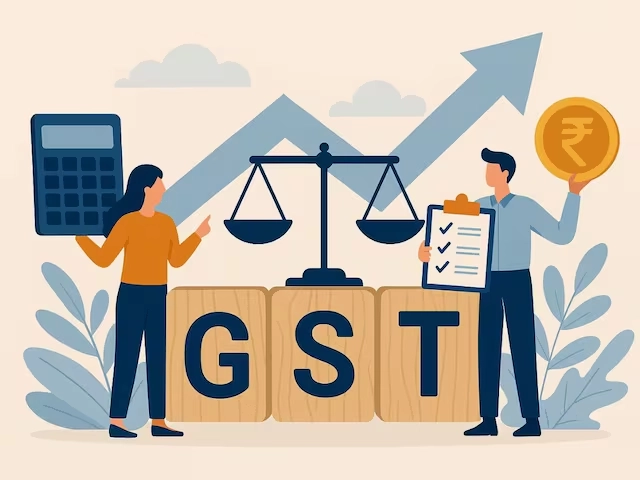 हालिया जीएसटी सुधार केवल कर संरचना का तकनीकी बदलाव नहीं है, बल्कि यह संकेत है कि सरकार कर नीतियों को सीधे सामाजिक जीवन से जोड़कर देख रही है। भारत में कुल कार्य का लगभग 27 प्रतिशत महिलाएं हैं और कृषि क्षेत्र में यह हिस्सा 60 से 65 प्रतिशत तक पहुँच जाता है परंतु इनकी आप असार अस्थिर और सीमित होती है। ऐसे में जब रोजमर्रा की वस्तुओं पर कर पटते है और जटिल स्लैब्स सरल हो जाते है तो इसका लाभ उन महिलाओं तक पहुंचता है, जो कृषि कार्य को हुए घर का भी संभालती है रोटी और पर कर का भेद मिटाकर उन्हें शून्य श्रेणी में डालना महज प्रतीकात्मक राहत नहीं है। ग्रामीण परिवारों में खाद्य खर्च आप का 50 प्रतिशत तक होता है। यदि इसमें थोड़ी भी कमी आती है तो महिलाओं के हाथ में अतिरिक्त बचत होती है जिसे वे शिक्षा, स्वास्थ्य और पोषण पर खर्च करती है। राष्ट्रीय परिवार स्वास्थ्य सर्वेक्षण (एनएफएचएस-5) के अनुसार, ग्रामीण महिलाओं में कुपोषण और एनीमिया की दर 54 प्रतिशत से अधिक है। जब रसोई पर दवाव घटेगा तो पोषण में साधार होगा और परिवार की समग्र सेहत बेहतर बनेगी।
इतना ही नहीं, दरअसल निजी स्वास्थ्य और जीवन बीमा पर जीएसटी हटाने का निर्णय भी विशेष महत्व रखता है। ग्रामीण इलाकों में स्वास्थ्य सुविधाएं अभी भी सीमित है। नेशनल सैंपल सर्वे 2019 के अनुसार, आधी आबादी से अधिक ग्रामीण महिलाएं स्वास्थ्य सेवाओं तक पहुंचने में वितीय बाधाओं का सामना करती है। अब जब बीमा सस्ता होगा तो महिलाएं अपने और परिवार के लिए बीमा कवरेज लेने की स्थिति में होगी। इससे उनका स्वास्थ्य जोखिम कम होगा और परिवार की आर्थिक सुरक्षा भी मजबूत होगी। यह दीर्घकालिक रूप से महिला श्रम भागीदारी को बनाए रखने और बढ़ाने में सहायक होगा। वहीं दूसरी ओर, म्या और कैफीन आधारित पेय पर कर 28 से बढ़ाकर 40 प्रतिशत करना सामाजिक और आर्थिक दृष्टि से दूरगामी है। तम्बाकू पर भारत हर कल लाख करोड़ रुपये का स्वास्थ्य वो झेलता है। मो परिवारों में पुरुषों की तम्बाकू खपत आय का बड़ा हिस्सा खा जाती है। जब इन उत्पादों पर भारी कर लगेगा, तो खपत घटेगी और आप परिवार की प्राथमिक आवश्यकताओं पर खर्च होगी। महिलाओं को घरेलू हिंसा और अर्थिक असुरक्षा देने से राहत मिलेगी, क्योंकि नशे और अस्वास्थ्यकर आो कम होगी।
सरकार का दावा है कि सरल करांचा उपभोग को प्रोत्साहित करेगा और मैन्युफैक्चरिंग को गति देगा। जब उपभोग बढ़ेगा तो वस्व खाद्य प्रसंस्करण और कुटीर उद्योग जैसे क्षेत्र विस्तारित होंगे। इन उद्योगों में महिलाओं की भागीदारी परंपरागत रूप से अधिक रही है। उदाहरणस्वामी स्वयंसाह पहले से ही खाद्य प्रसंस्करण और हस्तशिल्प क्षेत्र में सक्रिय है। सरल कर व्यवस्था और कम लागत उन्हें बाजार में प्रतिस्पर्धी बनाएगी। इससे महिलाओं की आय में सीधा इलाहा होगा। उद्यमिता के स्तर पर भी यह सुधार महिलाओं के लिए नया अवसर है। हालिया रिपोर्ट के अनुसार, भारत में लगभग 80 लाख महिलाएं छोटे व्यवसाय चला रही है, जिनमें से अधिकतर प्रमाण और अर्ध-शहरी क्षेत्र से है। कर की जटिलता अब तक उनके लिए बड़ी बाधा थी। अब जब स्लैब्स घटेंगे और भ्रम की स्थिति समाप्त होगी तो महिलाएं अपने कारोवार को आसानी से पंजीकृत और संचालित कर सकेंगी पारदर्शिता कहने से भ्रष्टाचार की संभावना घटेगी और महिला उद्यमिता को नई गति मिलेगी।
विरा मंत्री का यह कहना कि इसे रेवेन्यू लॉस नहीं बल्कि रेवेन्यू इम्प्लिकेशन कहा जाए. यह संकेत है कि सरकार अल्पकालिक राजस्व की जगह दीर्घकालिक सामाजिक-आर्थिक लाभ पर ध्यान दे रही है जब ग्रामीण महिलाएं सशक्त होगी. तो उनकी आय और खर्च दोने में वृद्धि होगी। इससे अर्थव्यवस्था में मांग की और अंततः सरकार को राजस्व भी अधिक मिलेगा। इन सारे सधारों की परते खोलने पर स्पष्ट होता है कि मोदी सरकार ने महिलाओं, विशेषकर कृषि क्षेत्र से जड़ी महिलाओं को केंद्र में रखकर नीतिगत सोच विकसित की है। रोजमर्रा की वस्तुएं सस्ती करके उनके घरेलू जीवन को सहज बनाया गया है, बीमा सुलभ बनाकर उनकी सुरक्षा मजबूत की गई है, और हानिकारक पदो पर कर बढ़ाकर परिवार की बचत और सेहत दोनों को प्राथमिकता दी गई है। साथ ही, उद्यमिता और रोजगार के नए अवसर देकर उनकी आर्थिक भूमिका को विस्तारित करने की नीव रखी गई है। ऐसे में यह सुधार केवल कर दो का पठन नहीं, महिलाओं की मजबूती और ग्रामीण भारत के भविष्य के प्रति सरकार की प्रतिवद्धता का प्रमाण है। यह साबित करता है कि दूरदर्शी नीतियों के माध्यम से महिला शक्ति को सशक्त किए बिना आर्थिक विकास की परिकल्पना अधूरी है।