
13-02-2026 (Important News Clippings)
To Download Click Here.
 Date: 13-02-26
Right Call, RBI
Banks shouldn’t be growing bottom line by misguiding customers. New directive will hopefully stop it.
TOI Editorials
Why does walking into a bank so often feel faintly unsettling? In the pre-digital age, queues were deterrent enough. This century made things worse. Instead of clerks behind ledgers, you now face staff tethered to screens — and to sales targets — urging you to buy ULIPs and insurance policies you neither need nor fully understand.
The damage has been real. According to a 2023 S&P survey, only 27% of Indian adults are financially literate. That leaves millions vulnerable to products ill-suited to their age, income or risk appetite. Thousands of crores have flowed into such schemes. Banks, meanwhile, have prospered. In 2023–24 alone, India’s top 15 banks earned ₹21,773 crore in commission from selling insurance and similar products.
It has taken govt and RBI years to acknowledge a simple truth: what boosts bank profits may erode customer welfare. RBI’s latest directive against mis-selling — effective July — is therefore overdue and welcome. For the first time, it offers a clear definition. If a bank pushes a product unsuitable to a customer’s profile — life insurance to an 80-year-old, for instance — it is guilty of mis-selling. A signed consent form will not shield it. Where mis-selling is established, a full refund must follow.
This clarity is essential not just because financial literacy is low, but because the power imbalance is stark. Banks routinely bundle life insurance with home loans. In rural areas, 62% of customers report being “bullied” into buying add-on products when taking small loans. Yet the problem runs deeper than overzealous branch staff. At its core lies institutional greed, expressed through punishing sales targets. In a 2024 survey, 57% of bank relationship managers admitted they were under pressure to mis-sell. Pressure aside, when 98% reportedly could not distinguish between nominal and real returns, they had little business presenting themselves as financial advisers.
Sales pressure is not uniquely Indian. In 2016, Wells Fargo — one of America’s Big Four banks — was fined $185mn for opening 1.5mn deposit accounts and 565,000 credit card accounts without customer consent, then charging fees on them. Earlier, staff had reported targets of opening 20 accounts a day. The scandal led to the dismissal of over 5,000 employees. That episode offers a cautionary note. In India, too, relationship managers could easily become scapegoats when mis-selling surfaces. If RBI is serious about reform, it must look beyond individual misconduct to incentive structures that breed it. Banks are custodians of public trust and public money. They would do well to remember that — and focus on that job.
Date: 13-02-26
This Might Be Artful
Ireland will help artists by giving them a basic income. But state-studio relationship is complicated.
TOI Editorials
It’s not only the stock market where the domestic investor has raised her game in recent years. The art world, too, is witnessing a surge of conviction. Metros are buzzing with back-to-back exhibitions and auctions. Vibrant art spaces are also flourishing in Ahmedabad, Jodhpur, Hyderabad, Pune, Jaipur and beyond.
What’s especially heartening is the demographic shift. Young people – even children – turn up for curatorial walks. A new generation of collectors is injecting vitality into the contemporary segment. Perhaps the more the world feels ablaze, the more we gravitate towards meaning, refuge and reimagination through creative acts. But that instinct raises a pressing question: how do we protect creativity itself at a moment when AI is unsettling long-standing artistic and market relationships? Ireland has offered one answer. Its Basic Income for the Arts initiative – closely watched across the world – provides govt support to 2,000 randomly selected, eligible artists, allowing them to spend “more time creating and less time trapped in unrelated jobs just to survive.” The principle isn’t novel. The history of art – with a capital A – is inseparable from patronage. Without Akbar’s imperial atelier, Mughal miniature painting may not have flourished. Without powerful patrons, Michelangelo might never have painted the Sistine Chapel, nor da Vinci the Mona Lisa.
Govts today continue to shape cultural ecosystems – funding art universities, museums, public installations and other institutions. Yet there is good reason to prefer an arm’s-length relationship between state and studio rather than a suffocating embrace. Consider why the phrase “Trump Kennedy Center” jars. Remember that van Gogh sold just one painting in his lifetime. Recall how elite patrons in Amrita Sher-Gil’s time dismissed her work. That there is popular support for Ireland’s experiment suggests the public values art. That so many masters were uncelebrated in their own time reminds us that artistic excellence rarely tracks immediate popularity. What endures is not always what sells – but what questions, resists and redefines.

Farmers’ pulse
Only structural reforms in agriculture sector can ensure food security
Editorial

India manages its prodigious demand for pulses using a mix of import policy, price stabilisation and conditional MSP procurement. Imports are the most sensitive because a single central decision can immediately lower household spending when supply is tight, at the expense of hurting farmers, and knowing that markets cannot always absorb ‘extra’ supply. So, when the U.S. said that its trade deal with India obligated India to purchase pulses from American suppliers, it implied that the government had agreed to committing imports against farmers’ interests — a politically fraught stance in India since the 2020-21 farm law protests and which might see a revival now. India’s pulse output has hovered around 2.5 crore tonnes in recent years while demand is estimated to be three crore tonnes; imports fill the gap. Pulses account for roughly a quarter of non-cereal protein intake and support five crore farmers and their families. In the absence of a reliable MSP regime as for rice and wheat, however, farmers face organised neglect due to weak procurement mechanisms, the risks of rain-fed cultivation, and yields lower than international competitors. In 2019-24, government procurement under the Price Support Scheme fluctuated between 2.9% and 12.4% of production. Many States also have inadequate procurement centres, forcing farmers to sell to private traders regardless of the official MSP. As a result, farmers are incentivised to underinvest in pulses, leading to a vicious cycle.
India recently announced ambitious initiatives to solve this problem, an example being the October 2025 self-sufficiency Mission, with a ₹11,440 crore outlay, targeting 310 lakh hectares of cultivation and 350 lakh tonnes of production by 2030-31. But farmers remain sceptical since older promises have yet to materialise. All this is why the initial apparent inclusion of pulses in the U.S. documents, describing what India would open to American agri-imports, hit a raw nerve among India’s farmers. Opening the market to U.S. pulses would further depress domestic prices and directly contradict the government’s new Mission. Breaking this cycle would require more than removing objectionable words from an agreement, including addressing the procurement infrastructure deficit, providing genuine MSP guarantees, investing in productivity improvements for rain-fed areas where pulses are grown, and creating market systems that explicitly reward farmers who choose to cultivate pulses. Until such structural reforms materialise, however, pulse farmers will continue to occupy a precarious position in India’s agricultural economy and India will continue to depend on imports to meet its demand, perpetuating both food security vulnerabilities and political sensitivity around any trade agreement that appears to favour foreign producers.
Date: 13-02-26
Too fake to be good
Labelling of synthetically generated content on social media is a must
Editorial
The Information Technology (Intermediary Guidelines and Digital Media Ethics Code) Amendment Rules, 2026, add a critical requirement for social media platforms: AI-generated imagery must now be labelled prominently. Since the draft rules were released in October, there have been some improvements in this mandate: it is no longer prescribing a set size for such a disclosure, nor is it applicable to any AI-generated imagery that does not seek to pass off as the real thing. AI-generated imagery has flooded users’ feeds and they have a right to know that this imagery is not real. The requirement that users declare synthetically generated content as such is welcome. As India approaches the AI Impact Summit with a stated intent to regulate AI only insofar as necessary, the requirement shows considerable restraint. Since the technology for creating synthetic imagery is rapidly evolving, the government will, however, have to revisit parts of the Rules that impose proactive detection of synthetic content by platforms — after all, while tech platforms are generally able to detect synthetic media automatically, this capability is constantly challenged by the billions of dollars being invested into ironing out the flaws that these detection mechanisms rely upon.
What is problematic is the government’s insertion — with absolutely no public forewarning — of reducing the timelines for taking down content under the Rules to a mere two or three hours. Reducing such compliance timelines creates one of two incentives for social media platforms: either have empowered representatives at all times who can appropriately weigh the merits of a takedown notice and balance it against freedom of expression; or implement a take-down-and-ask-questions-later approach. Any delay would implicate firms in court by removing their safe harbour, an outcome they understandably wish to avoid. This shortening applies to all platforms, adding a barrier of entry to a space that should be open to constant challengers in an open Internet. This shorter timeline was not indicated in October, and since comments are not public, there is no way to confirm if all interests were properly considered.. The lack of open consultation is a particularly pressing issue when the main stakeholders are hyperscalers with hundreds of billions of dollars in planned investments over the years ahead. Their views need to be open to scrutiny, as must the deliberations their inputs lead to. The IT Rules remain contested in multiple court cases, and it is inappropriate to make sudden changes to social media governance that may have ramifications for the freedom of expression without parliamentary debate.

बच्चों को हिंसक बनाता डिजिटल संसार
डॉ. विशेष गुप्ता, ( लेखक समाजशास्त्री एवं उप्र बाल अधिकार संरक्षण आयोग के पूर्व अध्यक्ष हैं )
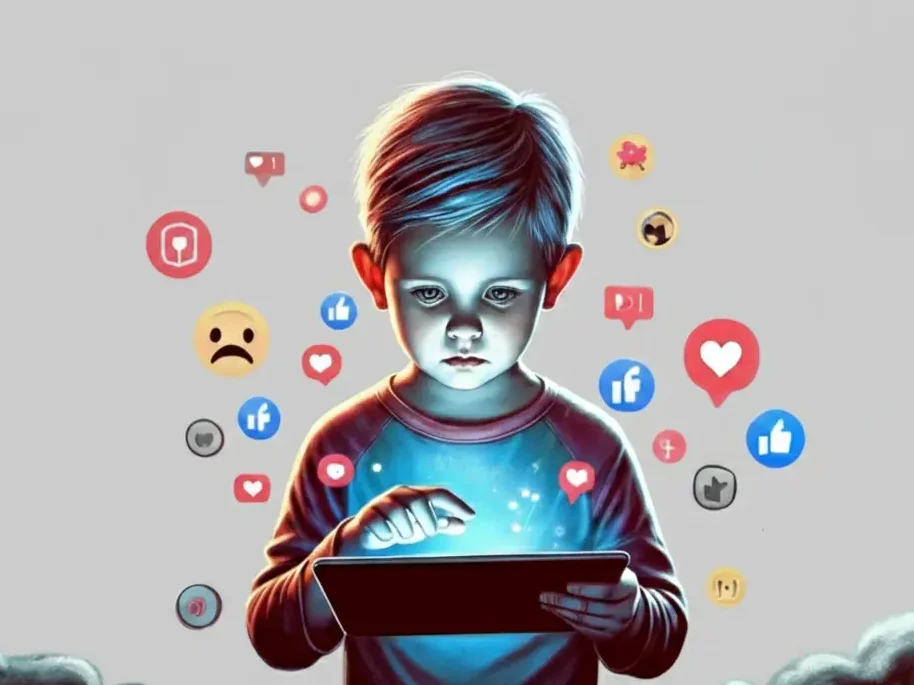
पिछले दिनों गाजियाबाद में तीन नाबालिग बहनों ने अपने आवास की नौवीं मंजिल से कूदकर आत्महत्या कर ली। 12,14,16 साल की आयु अपने जीवन के सपनों को बुनने और उन्हें बड़े लक्ष्यों के साथ पूरा करने की होती है, मगर लगता है इस उम्र में समाज और परिवार की वास्तविक दुनिया को छोड़कर आभासी दुनिया, गेमिंग और डिजिटल मीडिया की गिरफ्त में आकर बचपन हिंसा की ओर मुड़ चला है। तीनों को कोरोना काल से ही कोरियाई लव गेम, कोरियाई ड्रामे, गाने और मूवी देखने की लत लग गई थी।
वे तीनों कोरियाई संस्कृति से इतनी प्रभावित थीं कि अपने नाम के साथ-साथ जीवनशैली को भी उसी संस्कृति के अनुरूप ढाल लिया था। टास्क-बेस्ड डिजिटल गेम्स ने इन लड़कियों को पहले किताबों से दूर किया, फिर उनकी वास्तविक दुनिया भी समाप्त कर डाली। कोरियाई गेम की लत के कारण ही उन्होंने स्कूल जाना बंद कर दिया। तीनों बहनों में एक बहन डेथ कमांडर की भूमिका निभाते हुए बाकी दोनों को टास्क पूरा कराने में भूमिका निभाती थी। तीनों लड़कियों के सुसाइड नोट से जुड़े शब्द आइ.एम.सारी पापा-मैं गेम नहीं छोड़ पा रही हूं, यही बताते हैं कि ये किशोरियां एक टास्क-बेस्ड डिजिटल गेम से जुड़ी पूर्व नियोजित योजना की शिकार थीं।
गाजियाबाद की घटना उन सभी के लिए एक चेतावनी है, जो अपने बच्चों पर भरोसा किए बैठे हैं कि उनका बच्चा बंद कमरे में मोबाइल चलाते हुए सुरक्षित है। इस घटना के बाद से कई माता-पिता अपने बच्चों को लेकर मनोचिकित्सकों के पास पहुंच रहे हैं। साइबर सिक्योरिटी एक्सपर्ट बताते हैं कि टास्क-बेस्ड गेम में डिजिटल कंटेंट को नाबालिग वर्ग तक बड़ी चतुराई से पहुंचाया जाता है। सर्वेक्षण बताते हैं कि किशोर-किशोरियों के बीच कोरियाई, चीनी एवं जापानी कंटेंट को बिटक्वाइन मुद्रा का लालच देकर भी योजनाबद्ध तरीके से उन तक पहुंचाया जा रहा है। बीते दिनों संसद में प्रस्तुत आर्थिक सर्वेक्षण में भी कहा गया है कि इंटरनेट मीडिया और अन्य आनलाइन प्लेटफार्म्स पर बच्चों और किशोरों की बढ़ती निर्भरता उनकी पढ़ाई और मानसिक स्वास्थ्य के साथ उनके सामाजिक जीवन को भी बुरी तरीके से प्रभावित कर रही है।
इससे निपटने के लिए आनलाइन कंपनियों को उम्र सत्यापन के लिए जिम्मेदार बनाने और बच्चों के लिए सरल एवं सुरक्षित डिजिटल उपकरणों को बढ़ावा देने की सिफारिश की गई है। आस्ट्रेलिया और फिनलैंड में 15 साल से कम उम्र के बच्चों के लिए इंटरनेट मीडिया पर प्रतिबंध के लिए कानून लागू हैं। फ्रांस की नेशनल असेंबली में ऐसा कानून लाने पर सहमति बन चुकी है। ब्रिटेन, डेनमार्क और ग्रीस भी इससे जुड़ा कानून बनाने की तैयारी में हैं। भारत में एक अरब से अधिक इंटरनेट यूजर्स हैं। इनमें से 50 करोड़ से अधिक यूट्यूब, 40 करोड़ से अधिक फेसबुक तथा 48 करोड़ से अधिक इंस्टाग्राम यूजर हैं। इंटरनेट मीडिया के इन प्लेटफार्म्स पर 75 प्रतिशत से अधिक यूजर्स कम उम्र के हैं। इसके कारण उनमें नींद की कमी, कम एकाग्रता, घबराहट, अवसाद एवं आत्मविश्वास में कमी और साइबर बुलिंग के मामले भी सामने आ रहे हैं। इनके कारण बच्चों का शैक्षणिक प्रदर्शन भी लगातार प्रभावित हो रहा है।
परिवार के विखंडन के इस दौर में सबसे अधिक बचपन प्रभावित हुआ है। दादा-दादी, नाना-नानी के संरक्षण में कहानियां सुनने वाला बचपन अब कंप्यूटर, इंटरनेट, टीवी, वीडियो और मोबाइल गेम्स जैसे संचार माध्यमों के बीच की मशीनी दुनिया के साथ विकसित हो रहा है। बच्चों के इस मनो-शारीरिक विकास में दैहिक समाज नदारद है। आज आर्थिक दबावों के समक्ष माता-पिता को भी इतनी फुरसत नहीं है, जो बच्चे को यह बता सकें कि जीवन में उसके लिए चीजों को चयन करने की दिशा क्या होगी।
बच्चों को अपने सामने बिठा कर संस्कृति और सांस्कृतिक मूल्यों की सीख देने वाले परिवार और स्कूल भी उनसे दूर हो रहे हैं। बच्चों का बचपन मनोरंजन की दैहिक दुनिया से छिटककर संचार माध्यमों की दुनिया तक सिमट रहा है, जहां उनके मनपसंद कार्यक्रम चयन का अपना भरा-पूरा यांत्रिक संसार है। बच्चों के विवेक हरण एवं चेतना के दमन का कार्य करते हुए ये सभी साधन उनके जीवन को रोमांचक बना रहे हैं। इसी दौरान कभी-कभी टास्क बेस्ड रोमांच उन्हें आत्मघात की ओर भी ले जाता है।
इक्कीसवीं सदी में पारस्परिकता, वैयक्तिकता, प्रेम, बंधुत्व, मनुष्यता, सहानुभूति एवं मानवीय संवेदना जैसे मूल्यों का अभाव है। इससे सबसे अधिक बच्चों का बचपन ही प्रभावित हो रहा है। संचार माध्यमों ने इन बच्चों को भी उपभोक्ता बना कर रख दिया है। परिणामस्वरूप बच्चे भी इस बाजार की गलाकाट होड़ का हिस्सा बनते जा रहे हैं। बच्चों की इस पीढ़ी में सफलता प्राप्त करने की तीव्र इच्छा तो है, परंतु जीवन में असफलता की स्थिति में धैर्य एवं संयम का पूर्णत: अभाव है। डिजिटल मीडिया ने उनके ज्ञानात्मक पक्ष के विवेक को शून्य कर दिया है। बच्चों के जीवन का यह नूतन आयाम बहुत गंभीर चिंता का विषय है। बच्चों के जीवन से इस रोमांच के साथ-साथ स्क्रीन टाइम को कम करने के लिए आवश्यक है कि उनके एकाकीपन, तनाव, निराशा एवं कुंठा से जुड़ी चुनौतियों को उनकी रचनात्मक गतिविधियों में बदला जाए।

मिलावटी खानपान पर लगाएं लगाम
चंद्रकांत लहारिया, ( जन-स्वास्थ्य विशेषज्ञ )
पिछले दिनों राजस्थान के टोंक जिले में पुलिस ने एक | ऐसी फैक्टरी का भंडाफोड़ किया, जहाँ से रोजाना लगभग 80 हजार लीटर मिलावटी दूध अजमेर, टोंक और जयपुर सहित कई शहरों में भेजा जा रहा था। यह एकमात्र या पहली ऐसी घटना नहीं है। जिस दूध को हम बच्चों के पोषण, बुजुगों की सेहत और परिवार की ताकत का आधार मानते हैं, वही यदिरसायनों व कृत्रिम तत्वों से भरा हो, तोवह केवल धोखा नहीं, बल्कि धीमा जहर बन जाता है।
आज दूषित और मिलावटी खानपान हमारे देश में एक बड़ी चुनौती बन चुका है। निस्संदेह, देश में खाद्य मिलावट कोई नई समस्या नहीं है, परंतु इसका स्वरूप और पैमाना दोनों ही चिंताजनक रूप से बढ़े हैं। दूध में यूरिया, डिटर्जेंट और सिंथेटिक रसायनों की मिलावट, घी और खाद्य तेलों में सस्ते व हानिकारक तरल पदार्थों का मिश्रण, मसालों में कृत्रिम रंगों, दालों में पॉलिस, शहद में शुगर सिरप और सब्जियों फलों में कीटनाशकों का अत्यधिक उपयोग अब आम हो चुके हैं। त्योहारों के मौसम में मिठाइयों और मावे की मिलावट की खबरें नियमित रूप से सामने आती हैं। ये उदाहरण बताते हैं कि खाद्य मिलावट केवल गुणवत्ता का नहीं, बल्कि जीवन और मृत्यु का भी मुद्दा है।
भौगोलिक दृष्टि से देखें, तो बड़े और घनी आबादी वाले राज्यों जैसे उत्तर प्रदेश, राजस्थान, मध्य प्रदेश, बिहार, महाराष्ट्र और दिल्ली-एनसीआर में मिलावट के मामले अधिक सामने आते हैं। हालांकि, यह समस्या किसी एक राज्य तक सीमित नहीं है। जहां मांग अधिक और निगरानी कम है, वहां मिलावट की आशंका बढ़ जाती है। शहरी क्षेत्रों में तेज आपूर्ति श्रृंखला औरमुनाफे की होड़ने इस प्रवृत्ति को और बढ़ाया है।
कुछ यही हाल पानी का है। यह जानते हुए भी कि शहरी भारतमें डायरिया बीमारी और मृत्युका एक बड़ा कारणबना हुआ है, तेजी से बढ़ते शहरीकरण, कमजोर आधारभूत संरचना व जलापूर्ति व्यवस्था की खामियों ने पेयजल के दूषित होने का खतरा बढ़ा दिया है। विभिन्न अध्ययनों के अनुसार, भारत में हर साल एक लाख से अधिक बच्चों की मृत्यु दस्त संबंधी कारणों से होती है। यह केवल मृत्यु का आंकड़ा है; वास्तव में हर वर्ष करोड़ों लोग डायरिया से प्रभावित होते हैं।
मिलावटी और दूषित खानपान का पहला प्रभाव हमारे पाचनतंत्र पर पड़ता है। इससे उल्टी, दस्त, पेटदर्द और गैस्ट्रोएंटेराइटिस जैसी समस्याएं होती हैं। बार-बार ऐसा होने पर आंतों की भीतरी परत को नुकसान पहुंचता है, जिससे पोषक तत्वों का अवशोषण कम हो जाता है। बच्चों में कुपोषण और एनीमिया की समस्या कई बार केवल भोजन की कमी से नहीं, बल्कि उसकी गुणवत्ता से भी जुड़ी होती है।
लिवर, जो शरीर का मुख्य ‘डिटॉक्स’ अंग है, मिलावटी व रसायनयुक्त पदार्थों से घायल हो जाता है। खाद्य पदार्थों में मिलाए गए डिटर्जेंट, रसायन व कृत्रिम रंग लिवर पर अतिरक्ति दबाव डालते हैं। लंबे समय तक इनका सेवन फैटी लिवर, हेपेटाइटिस और यहां तक कि ‘लिवर फेल्योर’ जैसी स्थितियों को जन्म देता है। इसी तरह, इन रसायनों को शरीर से बाहर निकालने के प्रयास में किडनी भी प्रभावित होता है। भारी धातुएं और विषैले तत्व किडनी की कार्य क्षमता को धीरे-धीरे कम कर सकते हैं, जिससे गंभीर बीमारियों की चपेट में आने का खतरा बढ़ जाता है।
मिलावटी तेल और ट्रांस फैट से भरपूर खाद्य पदार्थ रक्त में खराब कोलेस्ट्रॉल बढ़ाते हैं। इससे धमनियों में रुकावट और हृदय रोग का जोखिम बढ़ता है। कृत्रिम रंग और रसायन शरीर में सूजन (इन्फ्लेमेशन) की प्रक्रिया को बढ़ा सकते हैं, जो दीर्घकालिक बीमारियों की जड़ है। इनसे हमारी प्रतिरोधक क्षमता कमजोर होती है और नई संक्रामक बीमारियों से ग्रसित होने की आशंका बढ़ जाती है। बच्चों और गर्भवती महिलाओं पर इसका प्रभाव ज्यादा गंभीर होता है। बढ़ते शरीर को शुद्ध व संतुलित पोषणकी जरूरत होती है, पर वही भोजनमिलावटी हो या पानी दूषित हो, तो शारीरिक व मानसिक विकास प्रभावित हो सकता है। कुछ रसायन हॉर्मोन संतुलन को भी प्रभावित करते हैं, जिससे थायरॉयड और अन्य अंतःस्रावी समस्याएं बढ़ सकती हैं।
भारत में मिलावटी व दूषित खानपान की समस्या महज स्वास्थ्य संकट नहीं है, बल्कि एक बड़ा आर्थिक बोझ भी है। हरेक वर्ष खाद्य मिलावट से होने वाली बीमारियों के इलाज पर हजारों करोड़ रुपये प्रत्यक्ष और परोक्षरूप में खर्च होते हैं। अस्पतालों में भर्ती, दवाइयों, परीक्षणों और दीर्घकालिक उपचार की लागत केसाथ- साथ कार्य दिवसों की हानि, उत्पादकता में कमी और परिवारों की आय पर पड़ने वाला असर इस बोझ को और बढ़ा देता है। निम्न व मध्यम आय वर्ग के परिवार इन खर्चों से अक्सर कर्ज या आर्थिक असुरक्षा की स्थिति में पहुंच जाते हैं। साथ ही, सार्वजनिक स्वास्थ्य प्रणाली पर बढ़ता दबाव, सरकारी संसाधनों के उपचार पर खर्च और कार्य बलकी घटतीउत्पादकता मिलकर राष्ट्रीय अर्थव्यवस्था को प्रभावित करते हैं।
यूं तो भारत में साल 2006 से खाद्य सुरक्षा एवं मानक प्राधिकरण (एफएसएसएआई) नामक संस्था बनी हुई है, जोमिलावट पर निगरानी रखती है, लेकिन समाधान केवल प्रशासनिक कार्रवाई तक सीमित नहीं हो सकता, सख्त निगरानी, नियमित जांच और कठोर दंड अत्यंत आवश्यक हैं। फिर, उपभोक्ताओं को भी जागरूक होना होगा स्रोतों की विश्वसनीयता, लेबल की जांच और संदिग्ध उत्पादों की शिकायत करना हमारी सामूहिक जिम्मेदारी है। स्थानीय और ताजे उत्पादों को प्राथमिकता देना, अत्यधिक प्रसंस्कृत खाद्य पदार्थों से दूरी बरतना और खाद्य सुरक्षा मानकों को लेकर सजग रहना समय की मांग है।
भारत की आर्थिक प्रगति और जनसांख्यिकीय लाभांश की आकांक्षाएं एक स्वस्थ जनसंख्या परनिर्भर करती हैं। सुरक्षित और साफ खानपान सुनिश्चित करना भविष्य में किए जाने वाले बुनियादी निवेशों में से एक है। चुनौती निस्संदेह बड़ी है, लेकिन उपेक्षा की कीमत उससे कहीं अधिक भारी है। टोंक की घटना हमें याद दिलाती है कि हमारा भोजन केवल पेट भरने का साधन नहीं, बल्कि हमारे जीवन की आधारशिला है। यदि वही आधार दूषित हो जाए, तो हमारे शरीर के अंग कितने भी मजबूत क्यों न हों, वे अनंत समय तक इस बोझ को नहीं झेल सकते। प्रश्नयह नहीं कि हमारे अंग कितने कामके बचे हैं; प्रश्न यह है कि हम उन्हें सुरक्षित रखने के लिए कितने सजग हैं? जवाब हमारे हाथ और हमारी जागरूकता में है।