
03-01-2026 (Important News Clippings)
To Download Click Here.
 Date: 03-01-26
Water, Water…
Indore’s tragedy a familiar story of apathy pan-India
TOI Editorial
In India when something seems too good to be true, mostly and unfortunately it is. The tragedy unfolding in Indore – repeatedly ranked as India’s cleanest city – due to contaminated tap water exposes the huge gap between rankings and civic realities. As of going to print, 10 people have died, 272 have been hospitalised, and over 2,000 have fallen ill in Indore’s Bhagirathpura area over the past 10 days. The culprit? Leakage from a toilet built at a local police check post. The outlet from the toilet emptied into a pit constructed directly above the main water supply pipeline in the area – the point of contamination.
Of course, MP govt has said the guilty won’t be spared. But explain that to the mother of a six-month-old who succumbed to contaminated water. Safe, potable water ought to be a basic utility across the country. That even the cleanest city can’t ensure this exemplifies apathy and lack of accountability. Plus, safe drinking water simply isn’t an election issue. NITI Aayog’s Composite Water Management Index in 2018 highlighted that India ranked 120 out of 122 countries on the water quality index with nearly 70% of water being contaminated.
And not only is the problem always at source. A huge proportion of tapped water is actually transported through old pipes running next to sewage lines. This not only increases chances of contamination, but also sees groundwater seepage into supply pipes due to lack of pressure in them. Societies like Indore that may appear clean actually have a lot of problems just beneath the surface. Recall that in Nov, Indore’s 75-year-old Shastri Bridge had seen a section cave in due to rat infestation that hollowed out the foundation. Maybe Indore’s doing a Ratatouille and embracing its vermin problem. But unlike the Pixar-Disney production, real lives are at stake.

Transforming a waste-ridden urban India
India needs to move away from a linear to circular mode of waste management, minimising waste and also recovering energy and other resources
Akshay Rout, [ Former Director General, Swachh Bharat Mission. ]
At the 30th Conference of the Parties to the United Nations Framework Convention on Climate Change (COP30), at Belem, in November 2025, host Brazil quite fittingly placed waste at the heart of the climate agenda. Sizeable funds were committed to a new global initiative, No Organic Waste, NOW, to cut methane emissions. The Conference noted Circularity as the way to inclusive growth, cleaner air, and healthier populations. COP30 called upon cities to accelerate circularity initiatives where waste is recognised as a resource. Mission LiFE (Lifestyle for Environment), espoused by India at COP26, in Glasgow in 2021, calling for “deliberate utilisation, instead of mindless and destructive consumption” was strongly premised on the idea of circularity as well.
Urban India, its growing problem of waste
Expanding cities and towns are an irreversible reality in growing India. The choice is between good and bad cities. Often, this choice gets translated into clean and pollution-free cities or waste-ridden, ugly urban areas. A number of studies suggest that Indian cities do not match up to global standards in providing a clean and healthy environment. Pollution is the talk of the town, posing questions to an aspirational India.
The National Capital Region (NCR) as well as many other cities in the country are also among the world’s most polluted. Governments and regulators are at work, with courts also stepping in, but with limited effect. Citizen grievance is at its peak. The Swachh Bharat Mission (SBM), that ended open defecation in India within a specific timeframe, has the active goal of making the cities clean and garbage free.
It is estimated that cities in India will generate 165 million tonnes of waste annually by 2030, and emit over 41 million tonnes of greenhouse gases. By 2050, as the urban population grows to about 814 million, the waste burden could rise to 436 million tonnes. Without early solutions, these will result in grave levels of emissions, and creating havoc with peoples’ health, the economy and the overall climate. The goal of Garbage Free Cities (GFC) by 2026 is an existential necessity, not a matter of aesthetics.
Under SBM Urban 2.0, about 1,100 cities and towns have been rated free of dumpsites, if not exactly free of garbage. Complete freedom from garbage, fortified by sustainable waste management and resource optimisation, is possible when all 5,000 cities and towns adopt the circular economy model, which underlines waste as a resource. India needs to move away from a linear to circular mode of waste management, with the twin objectives of minimising waste and recovering energy and other resources.
Plastic, construction and demolition waste
The good thing is that more than half of municipal waste is organic that can be managed through composting from a house to large bio-methanation plants. Compressed Biogas Plants (CBG) have created possibilities of generating green fuel from municipal wet waste, whereas complete combustion of this also yields power. More than a third of the waste piled in cities is dry, all of which is not recyclable. The demon in this category is plastic, posing a threat to the ecosystem and human health.
Plastic waste also poses the toughest challenge to waste management. Dry waste is dependent on the critical habit of efficient segregation at households before recycling is done through material recovery facilities, which need to be constantly augmented with the rise in the waste burden. Refuse derived fuel from dry waste, as a source of energy for cement and other industries, is still under consolidation. But there is much distance to cover for entrepreneurship and market linkages in these modes of circularity.
Construction and demolition waste — about 12 million tonnes is generated in a year — is a major city spoiler, as it causes pollution in urban centres. It is collateral damage from relentless construction, at times unplanned, in India’s fast-growing economy. Unauthorised dumping of construction discards wherever there is space, by the roadside, or even city lanes, is a common sight in India.
Much of this waste can be reused or recycled as cost-efficient raw materials of substantial value. This will also cause less damage to the environment. Minor construction and demolition waste mixed up with other unsegregated household waste and dumped in waste bins do not help processing. The recycling capacity in India is rising but is not sufficient to match the rate of construction and demolition waste being generated.
What could help is ensuring more serious compliance with the Construction and Demolition Waste Management Rules, 2016, which seek to levy a charge on generators of high volumes of construction and demolition waste, besides setting out other parameters. The Environment (Construction and Demolition) Waste Management Rules, 2025 are to come into effect from April 1, 2026.
Wastewater is the other thread in waste management and circularity. Water and sanitation are state subjects and States need to take proactive steps to recycle wastewater and reuse it in agriculture, horticulture, and for industrial purposes. Water security in cities has a causal link with complete used water and faecal sludge management, as outlined under urban missions such as Atal Mission for Rejuvenation and Urban Transformation (AMRUT) and SBM. With India’s water stock inadequate to meet the needs of its population, recycling and reuse are the only ways out to meet increasing water demand.
Hurdles before circularity
The path to achieving circularity is not an easy one, considering the multiplicity of actors. The smooth functioning of segregation of waste at source, collection logistics and processing, and aggregation and distribution are far from ideal. Recycled products face quality issues, marketing challenges and consequential financial feasibility.
Besides infrastructure, there are shortfalls in testing and monitoring. Extended Producer Responsibility (EPR) has yet to extend to all categories of dry waste. Construction and demolition waste has issues of identification, tracing and tracking of its origin. This is an issue that has not been integrated in an ideal way with construction and building laws to ensure proper accountability. Inter-departmental coordination, stakeholder awareness, and incentive and penalty systems must vastly improve, with sharper focus to make meaningful circularity possible in city societies.
Resource shortfalls with municipalities for taking up circularity projects require early resolution. It is heartening that policymakers, experts and industrial houses deliberated on these issues at a national urban conclave in New Delhi recently while working out an agenda for urban rejuvenation. Last year, Asia-Pacific nations, at their meeting in Jaipur endorsed an Indian initiative of ‘Cities Coalition for Circularity (C-3)’ for efficient knowledge and expertise sharing among cities and institutions of the region.
Citizens need to get a clear sense of profit and a true cause in order to be partners in the circularity movement. In a society that is becoming increasingly consumerist, the first R of the three Rs — ‘Reduce, Reuse, Recycle’ — looks a difficult proposition to achieve. With products and consumable items arriving in new incarnations each day, ‘reuse’ may become a tall order too. ‘Recycling’, aided by technology and private enterprise and with sound policy backup, could emerge as a pillar of circularity. It could also be an assured way of helping India’s cities and towns move away from swamps of waste while adding to national resources.
Date: 03-01-26
Recasting sanitation with urban-rural partnerships
The model in Satara district in Maharashtra is an innovative experiment
Aasim Mansuri, [ Principal Researcher and Center Head-Strategy, Center for Water and Sanitation, CRDF-CEPT University. ]
Dhruv Bhavsar, [ Principal Researcher and Center Head, Center for Water and Sanitation, CRDF-CEPT University. ]
Upasana Yadav, [ Senior Program Lead, Center for Water and Sanitation, CRDF-CEPT University. ]
Kasturi Joshi, [ Program Lead, Center for Water and Sanitation, CRDF-CEPT University. ]
Jinal Chheda, [ Senior Research Associate, Center for Water and Sanitation, CRDF-CEPT University. ]
When the Swachh Bharat Mission (‘Clean India Mission’) was launched in 2014, its vision was both simple and transformative; to ensure that every household in India had access to a toilet. In just a decade, this vision has become reality. More than 12 crore household toilets have been built in rural India, and every village has declared itself Open Defecation Free (ODF). This achievement has improved public health, reduced indignities faced by women and vulnerable groups, and marked a turning point in India’s development journey.
Focus on waste management
Yet, the success of the sanitation mission has also revealed the next frontier. Toilets are only the starting point. The real challenge lies in managing the resultant faecal waste. In most rural households, septic tanks and pits serve as the primary form of containment. Over time, these fill up and must be desludged at regular intervals. Without safe systems for collection, transport, and treatment, the gains of the ODF movement risk being undermined. It is this challenge that defines the transition to Swachh Bharat Mission (Grameen), or SBM-G, Phase II, with its focus on ODF Plus.
ODF Plus goes beyond toilet construction to ensure the sustainability of outcomes through solid and liquid waste management, behavioural change, and safe sanitation service chains. The progress has been encouraging. As of October 2025, more than 5.68 lakh villages, nearly 97% of India’s total, have been declared ODF Plus. But faecal sludge management remains one of the most critical gaps in the sanitation chain, especially in peri-urban and rural areas.
Maharashtra has been at the forefront of experimenting with innovative approaches to address this gap. The State has invested in more than 200 faecal sludge treatment plants in urban areas and encouraged co-treatment in 41 sewage treatment plants. These facilities are a backbone of treatment infrastructure to cities, but the challenge lies in extending their benefits to the villages that surround them. It is here that urban-rural partnerships show great promise.
At the gram panchayat level
In Satara district, Maharashtra, such a partnership was put into practice. Satara city’s faecal sludge treatment plant, with a capacity of 65 kilo litres a day (KLD), was operating below full capacity. Recognising this, four villages, Jakatwadi, Songaon, Kodoli, and Degaon, have been brought under an arrangement that will allow them to access the city’s treatment plant.
Their septic tanks, often never desludged or emptied only at exorbitant rates by informal operators, will be serviced at regular intervals and in a safe way. A private service provider is to be engaged by the gram panchayats, under a contract, to provide scheduled desludging services every five years.
The costs will be recovered through a modest sanitation tax levied by the gram panchayats, ensuring affordability and accountability. A formal agreement between the Satara Panchayat Samiti and the Satara Municipal Council will allow authorised desludging vehicles from the gram panchayats to access the faecal sludge treatment plant and treat the sludge at no cost , making the arrangement sustainable and mutually beneficial.
But not every village can be linked to a treatment system of a city. Some will have to treat their waste independently. An example is Mayani, a large village in Khatav taluka. With the high demand for desludging services, the gram panchayat has agreed to introduce scheduled desludging every five to seven years, managed by either a private operator or local self-help groups.
In addition, Mayani has been selected for the development of a cluster-level faecal sludge treatment plant under the SBM-G, designed to serve around 80 surrounding villages. This approach shows that rural clusters can pool resources to develop standalone treatment infrastructure that meets their needs, while remaining financially and technically viable.
The demonstration of urban-rural linkages and the standalone faecal sludge management business model in Satara district will promote the adoption and the institutionalisation of safe, sustainable sanitation services across rural Maharashtra. It also aims to show that sustaining the gains of ODF and effectively integrating faecal sludge management into rural sanitation require strong collaboration between urban and rural governments, private and public actors, and citizens and institutions.
A model that can be scaled up
If scaled up, such models have the potential to transform not only villages in Maharashtra but also rural communities across the country. By doing so, India can ensure that its sanitation gains are not only celebrated today but can be sustained for generations to come. The true measure of Swachh Bharat will not only be the toilets built but also the systems created to manage them — systems that protect peoples’ health, preserve the environment, and uphold the dignity that this mission set out to achieve.

समाज में वैज्ञानिक सोच विकसित करनी जरूरी है
संपादकीय
ताजा एसआरएस रिपोर्ट के अनुसार बंगाल और झारखंड आज भी बाल-विवाह में अव्वल हैं, जबकि इस कुप्रथा को लगभग सौ साल पहले गैर-कानूनी घोषित कर दिया गया था। इसी तरह दो सौ साल पहले लार्ड विलियम बेंटिक ने सती प्रथा खत्म की, लेकिन सती होने की अंतिम रिपोर्टेड घटना वर्ष 2008 में छत्तीसगढ़ में हुई, जब 75 वर्षीय लालमती ने अपने पति की जलती चिता पर कूद कर जान दे दी। एमपी में जानकीरानी, यूपी में विद्यावती और राजस्थान में रूप कंवर के सती होने की घटनाएं आज भी लोगों के जेहन में बसी हैं। बाल-विवाह ऐसी कुप्रथा है, जिसमें न केवल कम उम्र की बच्चियों की जान गर्भ धारण के कारण खतरे में पड़ जाती है, बल्कि बच्चे की जान और उसके शारीरिक और मानसिक विकास पर भी खतरा होता है। यही कारण है कि भारत के कई राज्य लो-वेट-एट-बर्थ (जन्म के समय कम वजन का होना) और बाल मृत्यु दर में गरीब और अति पिछड़े अफ्रीकी देशों के समकक्ष खड़े हैं। अकसर पाया गया है कि कम विकसित क्षेत्रों में झाड़-फूंक से इलाज करवाने में विश्वास रखा जाता है, जिससे मरीजों की अकाल मृत्यु हो जाती है। भारत के संविधान में समाज में वैज्ञानिक सोच विकसित करना राज्य के नीति-निर्देशक तत्वों में शामिल तो किया गया, लेकिन कुप्रथाओं के खिलाफ इस सोच को लाने में शिक्षा में क्रांति की जरूरत होगी।

सामाजिक सुरक्षा का सवाल
संपादकीय
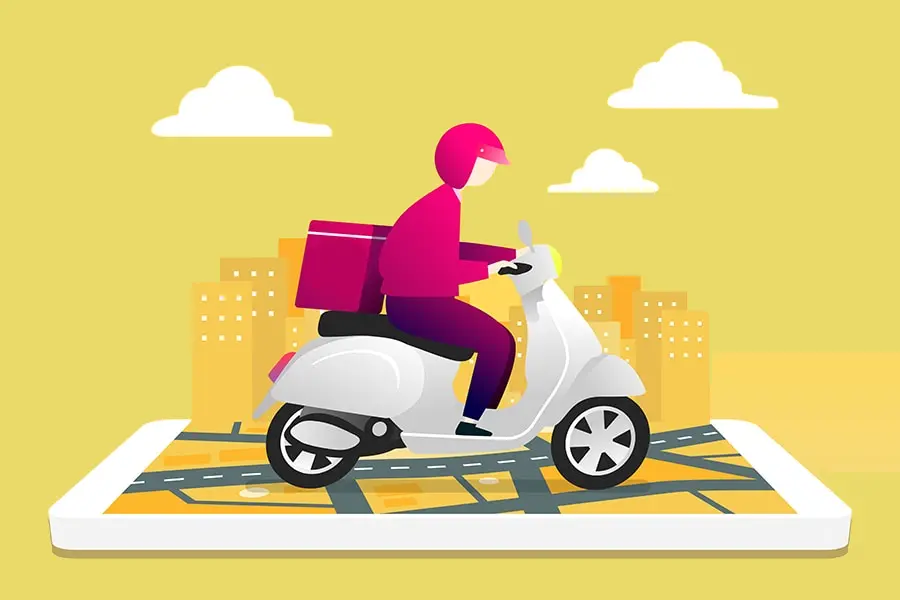
यह ठीक है कि खाने-पीने की सामग्री के साथ अन्य सामान की डिलीवरी करने वाले अस्थायी कामगारों यानी गिग वर्करों की ओर देश का ध्यान गया, लेकिन ऐसा तब हो पाया, जब विपरीत परिस्थितियों में काम करने वाले इन लोगों को हड़ताल करनी पड़ी। गिग वर्करों की मांगों पर सहानुभूतिपूर्वक विचार होना चाहिए, क्योंकि उनकी कार्यदशाएं काफी कठोर हैं।
आज जब क्विक कामर्स और फूड डिलीवरी कंपनियों का कारोबार बढ़ता जा रहा है, तब उनके लिए काम की बेहतर दशाएं सुनिश्चित की ही जानी चाहिए। यह संतोषजनक तो है कि केंद्र सरकार गिग वर्कर्स के लिए सामाजिक सुरक्षा का एक प्रस्ताव लेकर आई है, लेकिन बात तब बनेगी, जब इस प्रस्ताव के प्रविधानों को सही तरह लागू करने में सफलता मिलेगी। गिग वर्करों की समस्या यह है कि वे जिन कंपनियों के लिए काम करते हैं, उनके वे कर्मचारी नहीं माने जाते।
उनके काम के घंटे भी तय नहीं हैं। वे जितने समय काम करते हैं, उतने ही वक्त का उन्हें पैसा मिलता है। उन्हें कभी भी काम से हटाया जा सकता है। चूंकि उनकी स्थिति असंगठित क्षेत्र के श्रमिकों जैसी है, इसलिए उनकी कार्यदशाओं पर किसी का ध्यान नहीं है। यदि उनके साथ कुछ अनहोनी जाए तो संबंधित कंपनी की जवाबदेही नहीं होती। यह समझा जाना चाहिए कि गिग वर्कर आधारित उद्योग बेहतर नियमन की मांग कर रहा है।
गिग वर्करों की समस्याएं इसलिए और बढ़ गई हैं, क्योंकि दस मिनट में भी सामान की डिलीवरी करने का चलन जोर पकड़ गया है। इस चलन पर फिर से विचार होना चाहिए, क्योंकि इससे गिग वर्करों के साथ दुर्घटनाएं होने का जोखिम बढ़ गया है। कई बार गिग वर्कर शीघ्र सामान पहुंचाने के फेर में ट्रैफिक नियमों का उल्लंघन करते दिखते हैं। निःसंदेह गिग वर्कर बढ़ रहे हैं, लेकिन उन्हें मिलने वाले मेहनताने को आकर्षक नहीं कहा जा सकता।
नीति आयोग के अनुसार 2020-21 में जो गिग वर्कर 77 लाख के करीब थे, उनकी संख्या 2029-30 तक 2.35 करोड़ हो जाएगी। ऐसे में सरकार के साथ उन कंपनियों को भी उनकी सुधि लेनी होगी, जिनके लिए वे काम करते हैं। उन्हें केवल सामाजिक सुरक्षा के ही दायरे में नहीं लाया जाना चाहिए, बल्कि ऐसे उपाय भी किए जाने चाहिए, जिससे उनका शोषण न हो सके और वे अपने भरणपोषण लायक आय अर्जित कर सकें।
अब जब यह स्पष्ट है कि आने वाले समय में गिग वर्करों की संख्या बढ़ती ही जानी है, तब इस पर भी ध्यान दिया जाए कि सामान की डिलीवरी के लिए बैट्री चालित दोपहिया वाहनों का ही उपयोग हो। यह भी समय की मांग है कि गिग वर्करों के साथ असंगठित क्षेत्र के अन्य सभी कामगारों के हित की भी चिंता की जाए। यह ठीक नहीं कि लाखों अस्थायी कामगार सामाजिक सुरक्षा के दायरे से बाहर हैं।
Date: 03-01-26
साख गिराते भ्रष्टाचारी
संपादकीय
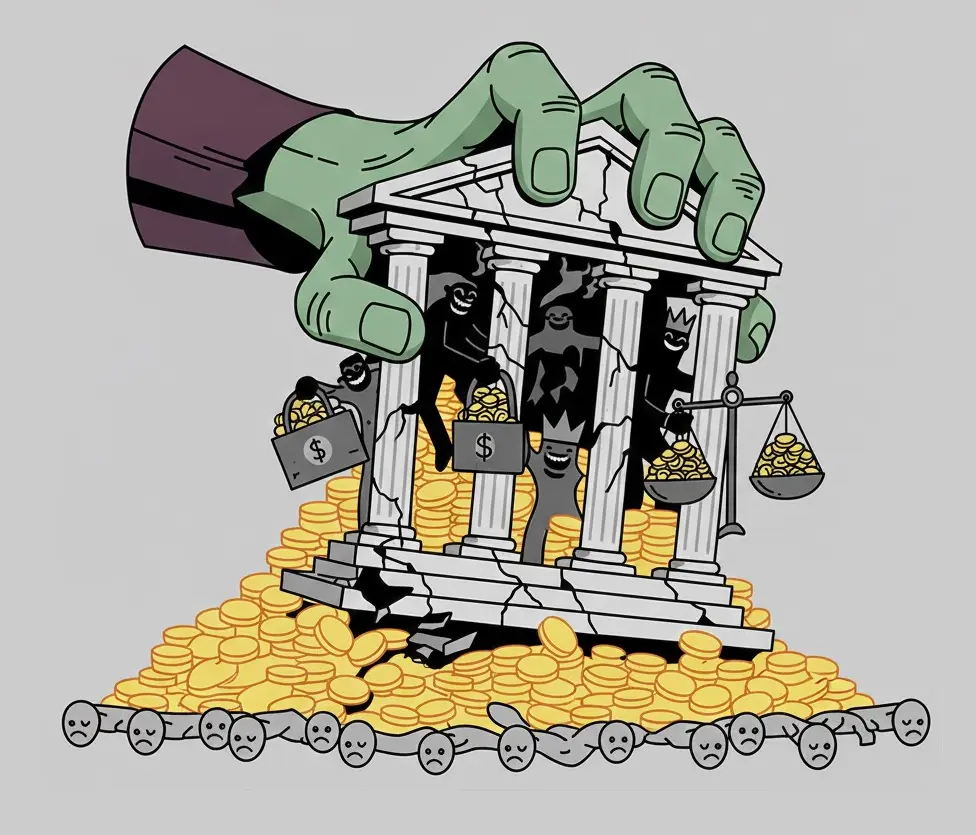
मादक पदार्थों की तस्करी पंजाब की सबसे गंभीर सामाजिक समस्याओं में से एक है। यह महज युवाओं का भविष्य ही नहीं निगल रही, बल्कि पूरे समाज की नींव को खोखला कर रही है। ऐसी परिस्थिति में जब कानून लागू करने वाले ही भ्रष्टाचार में लिप्त पाए जाएं तब स्थिति और भयावह हो जाती है। नया मामला तरनतारन का है। गांव ढोटियां की एक युवती व उसके मित्र को मादक पदार्थों की तस्करी के मामले में फंसाने के नाम पर सीआईए स्टाफ के एएसआइ विनोद कुमार ने 3.20 लाख रुपये की रिश्वत ली। मामला सामने आने पर एएसआइ को निलंबित कर दिया गया है। इससे पहले भी इस तरह के कई मामले प्रदेश में सामने आ चुके हैं। एक तरफ जहां पुलिस प्रशासन युद्ध नशे के विरुद्ध अभियान चलाकर तस्करों को सलाखों के पीछे डालने में जुटा हुआ है, वहीं कुछ भ्रष्ट कर्मचारी इस अभियान के मार्ग को अवरुद्ध कर विभाग की साख गिराने में लगे हैं। कदाचित यही कारण है कि पुलिस प्रशासन के कड़े प्रयासों के बाद भी जिस प्रकार के परिणाम सामने आने चाहिए, वह नहीं आ रहे। पुलिस को तस्करों के विरुद्ध अभियान चलाने के साथ ही विभाग में छिपी काली भेड़ों की पहचान के लिए भी ठोस रणनीति बनानी चाहिए, ताकि इन्हें विभाग से बाहर कर दंडित किया जा सके।
Date: 03-01-26
पूर्वोत्तर भारत की पीड़ा समझें
तरुण विजय, ( लेखक वरिष्ठ स्तंभकार हैं )
त्रिपुरा के छात्र एंजेल चकमा की देहरादून में कुछ गुंडों के हमले में मौत की हृदयद्रावक घटना की पूरे देश में तीव्र प्रतिक्रिया हुई है। पूर्वोत्तर के सामाजिक संगठन, नेता इस घटना से काफी रोष में हैं। इस समय मैं त्रिपुरा की राजधानी अगरतला में ही हूं, क्योंकि मुझे एंजेल चकमा के स्वजनों से मिलना है। इस घटना ने कुछ प्रश्न खड़े किए हैं।
कुछ लोग इस घटना पर गिद्ध राजनीति कर दुर्भाग्यपूर्ण शोकांतिका का असम एवं अन्य क्षेत्रों में आसन्न चुनावों के लिए जिस प्रकार उपयोग कर रहे हैं, उससे समाज में विष बढ़ने का भय है। मृतक चकमा समाज का होनहार युवक था। चकमा मूलतः चटगांव निवासी, बौद्ध मतावलंबी एवं शांतिप्रिय लोग हैं। पंडित नेहरू की दुर्नीति के कारण चटगांव को गैर-मुस्लिम, हिंदू, बौद्ध बहुल होते हुए भी पूर्वी पाकिस्तान यानी आज के बांग्लादेश में जाने दिया गया। तब हजारों चकमाओं का नरसंहार हुआ।
उन्हें शरण के लिए भारत आना पड़ा, लेकिन भारत के ईसाई बहुल पूर्वोत्तर राज्यों ने उन्हें अस्वीकार कर दिया। मिजोरम के ईसाई छात्र संगठनों ने 1990 के दशक में चकमाओं के घर जलाए और उन्हें त्रिपुरा सीमा के पार धकेल दिया। तब चकमाओं को राष्ट्रीय स्वयंसेवक संघ ने सैकड़ों ट्रक राहत सामग्री भेजी थी। आज जो लोग एंजेल चकमा की हत्या को राजनीतिक रूप दे रहे हैं, उन्होंने कभी चकमाओं की विपत्ति समय में सहायता नहीं की।
चकमा लोग पूरे भारत में मात्र साढ़े पांच लाख हैं और मुख्यतः मिजोरम, असम, मेघालय, अरुणाचल, त्रिपुरा, पश्चिम बंगाल में रह रहे हैं। जहां वे ईसाई बहुल राज्यों में हैं, वहां उनके साथ भेदभाव होता है। उनके क्षेत्रों में सड़कें नहीं, स्कूलों में अध्यापक नहीं हैं। चकमा गांवों के नाम भी बदले गए हैं। इसलिए वे शिक्षा हेतु अपने बच्चे देहरादून, दिल्ली, बेंगलुरु आदि भेजने पर विवश होते हैं।
पूर्वोत्तर भारत का सबसे मनोरम, प्राकृतिक सुषमा से युक्त वीरों और प्रज्ञावान युवाओं का क्षेत्र है, जिसको राममनोहर लोहिया ने यक्ष प्रदेश कहा था। आठ प्रदेशों की पांच हजार किमी सीमाएं चीन, तिब्बत, म्यांमार, बांग्लादेश, भूटान और नेपाल से मिलती हैं। सर्वाधिक संख्या में प्रतिबंधित संगठन पूर्वोत्तर राज्यों में सक्रिय हैं। मोदी शासन आने से पूर्व यहां असम के अलावा अन्य राज्यों में रेल, हवाई अड्डे नामालूम थे। 2024-25 के बजट में पूर्वोत्तर विकास मंत्रालय का बजट 74.4 प्रतिशत बढ़ाया गया। 2014-15 की तुलना में मोदी शासन में पूर्वोत्तर के लिए कुल बजट 179 प्रतिशत बढ़ाया गया।
हवाई अड्डे, राजमार्ग, ईटानगर-दिल्ली राजधानी एक्सप्रेस, बेहतर शिक्षा एवं खेल सुविधाएं, इन सबका अनंत और असीम विस्तार हुआ है, पर इससे भारत के शत्रु तत्व और बौखला गए हैं। पूर्वोत्तर को भारत से अलग करने की षड्यंत्रकारी योजनाएं ब्रिटिश काल में क्राउन कालोनी के नाम से चलीं। ब्रिटिश काल में ही सादुल्लाह के नेतृत्व में असम की मुस्लिम लीग ने अपील जारी कर युवकों से ज्यादा बच्चे पैदा करने और असम में ज्यादा मुस्लिम भेजने का अभियान चलाया। असम तथा पूर्वोत्तर भारत पूर्वी पाकिस्तान का हिस्सा बने, इसका षड्यंत्र रचा गया।
एंजेल चकमा का परिवार एक देशभक्त और बौद्ध मतावलंबी है। वातावरण के कारण वहां कुछ परिवारों में पश्चिमी नाम रखने का अजीब फैशन है। इसलिए माइकल या एंजेल नाम सुनने में आते हैं। यह समय हर परिस्थिति में पूर्वोत्तर के युवाओं के साथ खड़े होने का है और उन्हें अपनेपन का अहसास कराना राष्ट्रीय कर्तव्य होना चाहिए। पूरे भारत के लिए देशभक्ति की कसौटी बने जांबाज सैनिक, विश्व कीर्तिमान बनाने वाले खिलाड़ी, गायक, विज्ञान और आतिथ्य व्यवसाय के अप्रतिम सितारे पूर्वोत्तर ने दिए हैं।
उनकी श्रेष्ठ, गहरी निष्ठा भारत के तिरंगे के प्रति इतनी है कि वे हमें देशभक्ति का पाठ सिखा सकते हैं, पर उत्तर भारत से कितने लोग पूर्वोत्तर भारत पर्यटन के लिए जाते हैं? कितने यहां के सुंदर स्थानों, महापुरुषों, नदियों और पर्वतों के बारे में सामान्य जानकारी भी रखते हैं? कितने ऐसे हैं, जो यहां के कोई त्योहार बता सकें? कितनों को यहां के कोई दो नाम सही से बोलना आता होगा? पूर्वोत्तर केवल सामरिक महत्व का विषय नहीं। यहां रक्तबंधु भारतीय हैं। यहां भारत का प्रथम सूर्योदय होता है। यहां की वेशभूषा, त्योहार सबसे सुंदर और अत्यंत मनमोहक हैं।
यहां के छात्र मेधावी भारतीय भविष्य के सर्जक हैं। वे देश के दुश्मनों से लोहा लेने में अपनी जान की बाजी लगा देते हैं। उनकी भाषाएं मधुर संगीत के समान हैं। उन्होंने रानी गाइदिन्ल्यू, यू तीरोट (तीरथ) सिंह, मनीराम दीवान जैसे वीर स्वतंत्रता सेनानी दिए। उन्होंने कारगिल संघर्ष से लेकर प्रत्येक भारत रक्षा अभियान में अपने जीवन की आहुतियां दी हैं। वे चिंकी, मोमो नहीं, भारत माता के मुकुट मणि हैं, जो नूतन भारत निर्माता हैं। उनके प्रति आत्मीयता का भाव जगे, इसके लिए सभी राज्यों के विद्यालयों में पूर्वोत्तर भारत परिचय पाठ्यक्रम होने चाहिए।
जहां कहीं पूर्वोत्तर भारत के छात्र बड़ी संख्या में हैं, वहां पुलिस का पृथक पूर्वोत्तर प्रकोष्ठ बने, जिसमें पूर्वोत्तर से जुड़ा कोई अधिकारी प्रमुख हो एवं पुलिस तथा प्रशासनिक अधिकारियों को पूर्वोत्तर की सम्यक जानकारी देने का अभ्यास वर्ग बने। मसूरी स्थित लाल बहादुर शास्त्री प्रशासनिक संस्थान में पूर्वोत्तर भारत पर विशेष पाठ्यक्रम हो एवं नवीन अधिकारियों को दो माह का पूर्वोत्तर भ्रमण कराया जाए। सबसे बड़ी बात अपने परिवारों में माता-पिता बच्चों के साथ पूर्वोत्तर की चर्चा करें और छुट्टियां मलेशिया, सिगापुर या यूरोप में नहीं मणिपुर, अरुणाचल प्रदेश, त्रिपुरा, मेघालय में मनाने का मन बनाएं।
राष्ट्रीय एकता भाषणों अथवा बजट से नहीं, हृदय की ऊष्मा और पारस्परिक बंधुता के धागों से बुनी जाती है। नस्लीय हमलों की शब्दावली इस एकता वस्त्र को तार-तार करती है। एंजेल चकमा के हत्यारों को शीघ्र कठोर दंड मिले और घृणित मानवता विरोधी अपराधों की पुनरावृत्ति न हो, यही उस होनहार छात्र को सच्ची श्रद्धांजलि होगी।
Date: 03-01-26
कानूनी अधिकार बने स्वच्छ पानी
अनुरोध ललित जैन, ( लेखक कांग्रेस के अल्पसंख्यक विभाग के उपाध्यक्ष हैं )
भारत ने अपने पर्यावरणीय संकटों को मापना सीख लिया है। वायु प्रदूषण को एयर क्वालिटी इंडेक्स के जरिये रोजाना आंका जाता है। हीटवेव और बाढ़ सार्वजनिक विमर्श पर हावी रहते हैं, लेकिन जब पीने का पानी जानलेवा बन जाता है, तब प्रतिक्रिया खतरनाक रूप से देर से, सीमित और अल्पकालिक होती है। इंदौर के भागीरथपुरा क्षेत्र में दूषित पेयजल से हुई हालिया मौतें कोई अपवाद नहीं हैं, बल्कि एक गहरी प्रशासनिक विफलता का लक्षण हैं।
इंदौर की घटना देश के अलग-अलग हिस्सों में घट चुकी समान त्रासदियों की कड़ी है। गुजरात के महिसागर जिले में हाल में पीलिया का प्रकोप बोरवेल और नगरपालिका जलस्रोतों के दूषित होने से जुड़ा पाया गया। तमिलनाडु के तिरुवल्लूर में प्रदूषित नल जल पीने से लोगों को अस्पताल में भर्ती कराना पड़ा। ओडिशा के संबलपुर में 2014 के हेपेटाइटिस प्रकोप में लगभग 3,900 से अधिक लोग संक्रमित हुए और लगभग 36 लोगों की मौत हुई थी।
भारत में असुरक्षित पेयजल कोई स्थानीय चूक नहीं, बल्कि बार-बार उभरने वाला संकट है। इस संकट का पैमाना भयावह है। 2005 से 2022 के बीच भारत में तीव्र दस्त, टाइफाइड, वायरल हेपेटाइटिस और हैजा जैसी प्रमुख जलजनित बीमारियों के 20.98 करोड़ से अधिक मामले दर्ज किए गए, जिनमें 50,000 से अधिक मौतें हुईं। इसके अलावा नीति आयोग के कंपोजिट वाटर मैनेजमेंट इंडेक्स के अनुसार हर साल लगभग दो लाख लोग सुरक्षित पेयजल की अपर्याप्त उपलब्धता के कारण अपनी जान गंवाते हैं।
इसके बावजूद जल गुणवत्ता कभी भी उतनी राजनीतिक प्राथमिकता नहीं बन पाती, जितनी अन्य पर्यावरणीय संकेतक बनते हैं। वैश्विक जल गुणवत्ता सूचकांक में भारत 122 देशों में 120वें स्थान पर है। अनुमान है कि देश के लगभग 70 प्रतिशत जलस्रोत दूषित हैं। दूषित पानी से होने वाली बीमारियां काम के दिनों की हानि, बढ़ते चिकित्सा खर्च और श्रम उत्पादकता में गिरावट का दुष्चक्र पैदा करती हैं। जल आपूर्ति एवं स्वच्छता मंत्रालय के अनुसार, इससे 3.77 करोड़ लोग प्रभावित होते हैं और हर साल करीब 7.3 करोड़ कार्यदिवसों का नुकसान होता है।
इन प्रकोपों की जड़ अक्सर जलस्रोत नहीं, बल्कि वह यात्रा होती है, जो पानी स्रोत से नल तक तय करता है। कई शहरों में रिपोर्टें बताती हैं कि सीवर का पानी पेयजल पाइपलाइनों में मिल जाता है। यह शहरी शासन की एक जानी-पहचानी विफलता है। नगरपालिका विभाग अक्सर एक-दूसरे से कटकर काम करते हैं। सड़क निर्माण एजेंसियां बिना जल और सीवरेज विभागों से समन्वय किए खुदाई कर देती हैं।
भूमिगत उपयोगिताओं के सटीक और साझा नक्शों के अभाव में भारी मशीनें पेयजल पाइपों को तोड़ देती हैं और सीवर लाइनों को क्षतिग्रस्त कर देती हैं। इससे सीवर का गंदा पानी जल पाइपों में चला जाता है और समस्या तब सामने आती है, जब तक जनहानि हो चुकी होती है। यह समन्वयहीनता शहरी अवसंरचना कार्यक्रमों के क्रियान्वयन से और गहरी हो जाती है।
कई बार नई पाइपलाइनें बिछा दी जाती हैं, जबकि नीचे मौजूद पुरानी, रिसती और जर्जर नेटवर्क व्यवस्था पर पर्याप्त ध्यान नहीं दिया जाता। भारत शहरीकरण को तो बढ़ावा दे रहा है, लेकिन इसमें सुरक्षा प्रोटोकाल, निरंतर निगरानी और संस्थागत जवाबदेही को अनदेखा कर दिया है। जल क्षेत्र की सबसे बड़ी कमी स्वतंत्र नियमन का अभाव है। बिजली क्षेत्र में राज्य विद्युत नियामक आयोग बनाए गए, ताकि सेवा प्रदाय और नियमन को अलग किया जा सके और मानकों का प्रवर्तन हो सके। शहरी जल आपूर्ति में ऐसी कोई समान व्यवस्था नहीं है।
नगरपालिका ही पानी देती है, वही जांच करती है और वही तय करती है कि सब ठीक है या नहीं? यानी संभावित प्रदूषक और नियामक अक्सर एक ही इकाई होते हैं। जब कोई स्वतंत्र नियामक नहीं होता तो न तो नियम सख्ती से लागू होते हैं और न ही गलती पर सजा मिलती है। पानी की जांच के नतीजे जनता से छिपे रहते हैं और प्रदूषण को तब माना जाता है, जब लोग बीमार पड़ने या मरने लगते हैं।
इसलिए सरकार पहले से रोकथाम करने के बजाय हादसे के बाद ही मरम्मत करती है। यह नियामक कमजोरी एक कानूनी शून्य से भी जुड़ी है। जहां भारत ने खाद्य का अधिकार जैसे वैधानिक अधिकार सुनिश्चित किए हैं, वहीं सुरक्षित पेयजल अब भी एक ‘निहित’ अधिकार है, जो संविधान के अनुच्छेद 21 के तहत जीवन के अधिकार की न्यायिक व्याख्या से निकला है, न कि स्पष्ट सेवा मानकों वाले किसी प्रवर्तनीय कानून से।
दूषित पेयजल संकट से निपटने के लिए हादसे के बाद तात्कालिक उपाय करना पर्याप्त नहीं है। जरूरत ऐसी व्यवस्था की है, जो समस्या पैदा होने से पहले ही उसे रोक सके। इसके लिए जमीन के नीचे की पाइपलाइनों का सही नक्शा होना चाहिए, पानी की आपूर्ति करने वालों और उसकी जांच करने वालों को अलग रखा जाना चाहिए और अमृत 2.0 में नल से साफ और सुरक्षित पानी पहुंचाने पर जोर देना होगा।
इंदौर की मौतें कोई चूक नहीं, चेतावनी हैं। भारत ने जिस गंभीरता से हवा की गुणवत्ता मापनी सीखी है, अब उसी गंभीरता से उसे अपने पीने के पानी की सुरक्षा सुनिश्चित करनी होगी। इसे कल्याणकारी अनुग्रह नहीं, बल्कि संवैधानिक दायित्व और बुनियादी आर्थिक आवश्यकता के रूप में देखना होगा।

पड़ोसियों की चिंता
संपादकीय
ईरान से अमेरिका तक हालात तेजी से बदल रहे हैं और उसमें भी एशिया व दक्षिण एशिया तो निर्णायक दौर से गुजर रहा है। भारत की नीतियों में भी कुछ बदलाव के संकेत हैं और यह जरूरी भी है। बांग्लादेश में एक ऐसा बदलाव दिखा है, जिसकी चर्चा पाकिस्तान में भी हो रही है। साल के आखिरी दिन भारत के विदेश मंत्री सुब्रह्मण्यम जयशंकर ने वह किया, जो भारत की पुरुष, महिला और अंडर-19 क्रिकेट टीमों ने कुछ समय पहले तक करने से इनकार कर दिया था। उन्होंने सार्वजनिक रूप से एक पाकिस्तानी नेता या प्रतिनिधि से हाथ मिलाया। जयशंकर और पाकिस्तान की नेशनल असेंबली के अध्यक्ष अवाज सादिक बांग्लादेश में जब आमने-सामने आए, तो हाथ मिलाने का मौका आया। इस मौके के फोटो को बांग्लादेश के मुख्य सलाहकार मोहम्मद युनूस ने भी साझा किया है और खुद अयाज सादिक ने भी हाथ मिलाने का मतलब मोहम्मद युनूस को भी पता है और पाकिस्तान में तो इसी से खुशी का माहौल बन गया है। मई के महीने से ही पाकिस्तान के साथ तनाव जारी है। क्या अब इस तनाव में अब कमी आने वाली है?
बहरहाल, बांग्लादेश की पूर्व प्रधानमंत्री खालिदा जिया के अंतिम संस्कार का मौका रिश्ते सुधार के मौके में बदल गया लगता है। वक्त के मुताबिक, कूटनीति के तेवर कलेवर बदलना गलत नहीं है। सबसे बड़ी बात यह कि पाकिस्तानी नेता को ऐसी उम्मीद नहीं थी। भारतीय विदेश मंत्री ने उनकी एक उम्मीद को पूरा कर दिखाया है, तो अब उम्मीद है कि पाकिस्तान के रुख में कुछ अनुकूल बदलाव आए। बहरहाल, पाकिस्तान के साथ ही नहीं, बल्कि बांग्लादेश के साथ भी भारत को अपना बुनियादी कूटनीतिक तालमेल बनाए रखना चाहिए। जरूरत से ज्यादा दूरियाँ कई बार महंगी पड़ती हैं। इसमें कोई दोराय नहीं कि अनेक शक्तियां ऐसी हैं, जो भारत को उसके निकट पड़ोसियों से दूर करना चाहती हैं। विगत दिनों से बांग्लादेश का रुख भले बहुत बुरा रहा हो, पर भारत उसे मित्र देश ही मानता है। भारतीय विदेश मंत्री ने चेन्नई में
स्पष्ट कहा है कि ‘यदि पड़ोसी को कोई समस्या है, तो आप किसी न किसी तरह से योगदान देना चाहेंगे। कम से कम आप नमस्कार करेंगे ही, मित्रता व संबंध बनाने के प्रयास करेंगे, और एक देश के रूप में हम यही कर रहे हैं।’ वाकई, हमें अपनी व्यवहार कुशलता को बचाए रखना होगा। इसी कड़ी में भारत के रक्षा मंत्री राजनाथ सिंह की एक पहल को भी देखना चाहिए। नई दिल्ली स्थित बांग्लादेशी दूतावास जाकर उन्होंने शोक पुस्तिका पर हस्ताक्षर करते हुए शोक व्यक्त किया है। खालिदा जिया के परिवार और बांग्लादेशियों के प्रति अपनी संवेदनाएं व्यक्त की हैं। इस सामान्य, किंतु आवश्यक पहल की प्रशंसा होनी चाहिए।
यह बात हमारे पड़ोसियों के दिल तक पहुंचनी चाहिए कि वे हमारे साथ क्या कर रहे हैं और भारत किस तरह से पेश आ रहा है। जो देश हमें तोड़ देना चाहते हैं, जो हमारे यहां आतंकी भेजते रहे हैं, उन देशों के प्रति भी संतुलित व्यवहार रखना भारत की भलमनसाहत है। हालांकि, हमें भलमनसाहत की भावुकता में कोई जल्दबाजी करने से बचना होगा। जयशंकर ने उचित ही कहा है, हमने अपनी सद्भावना का परिचय देते हुए कई साल पहले सिंधु जल संधि की थी। जब उस सद्भावना का अनुकूल उत्तर नहीं मिला, तब भारत को अच्छे व बुरे पड़ोसी के बीच भेद करने को मजबूर होना पड़ा। अगर कोई देश लगातार आतंकवाद दे रहा है, तो वह हमसे पानी की उम्मीद क्यों करता है? बेशक, कूटनीति लचीली रहे, पर हमें अपने हितों से समझौता नहीं करना चाहिए।